Whether a Great Dane Copes on Three Legs
Facing the prospect of your magnificent Great Dane losing a leg can feel absolutely devastating. It’s a moment filled with anxiety, questions, and a profound sense of worry about how your gentle giant, who already navigates the world with such powerful grace, could possibly cope with such a dramatic change. This guide is here to walk you through the realistic expectations, challenges, and incredible resilience you might encounter if your Great Dane becomes a tripod.
The Difficult Reality of Amputation for a Giant Breed
When a smaller dog loses a leg, while still a huge adjustment, their lighter body weight often makes the transition a bit more manageable. For a Great Dane, a breed that can easily weigh over 100 or even 150 pounds, the physics of operating on three limbs are profoundly different. This isn't just about learning to walk differently; it's about fundamentally altering how their massive body balances, moves, and supports itself against gravity. The truth is, it’s a monumental ask of their remaining joints and muscles, and it's vital to go into this decision with eyes wide open about the physical demands involved.
Physical Demands and Weight Distribution
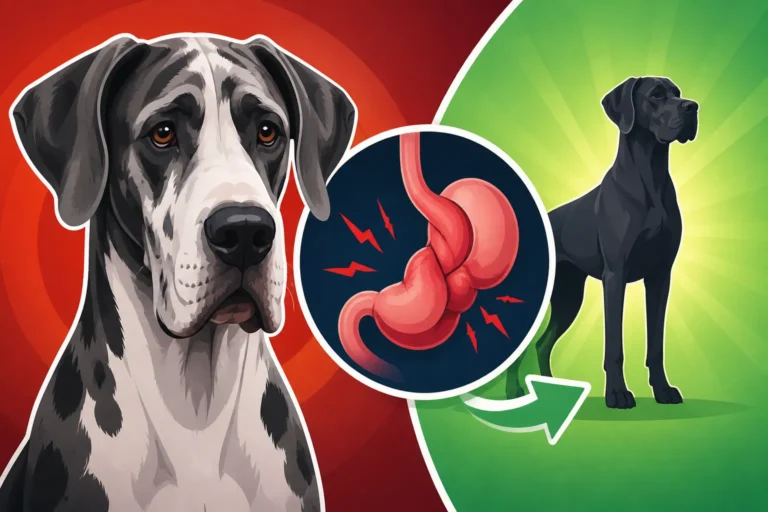
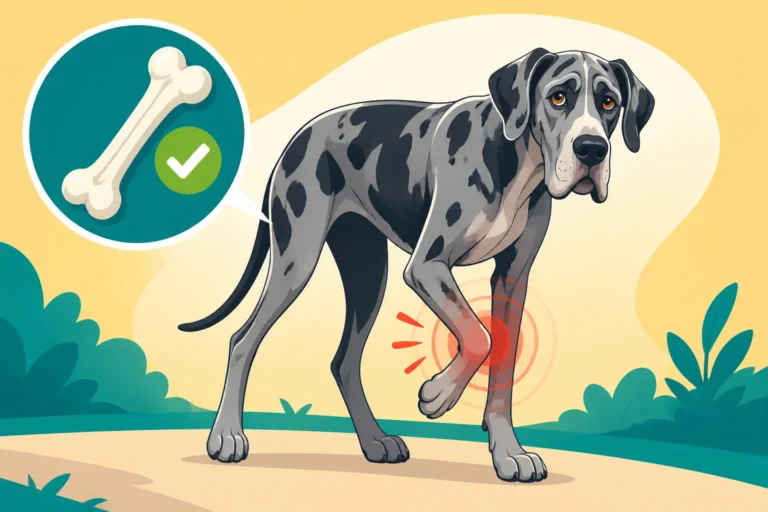
Imagine a two-story house suddenly losing a critical support beam. That's a bit like what happens when a Great Dane undergoes an amputation. Their skeletal structure, already under immense pressure due to their size, now has to redistribute an enormous amount of weight across fewer points of contact. If the front leg is lost, the remaining three legs, particularly the opposite front leg and both back legs, bear a significantly increased load. Similarly, if a back leg is amputated, the front end and the remaining back leg take on the extra burden. This isn't just a temporary issue; it’s a permanent shift that puts immense stress on their hips, elbows, and spine, which might already be prone to issues. For example, if your Dane already has underlying concerns like those discussed in our article about Great Dane Hips, Elbows and Growing Joints, an amputation can exacerbate these problems quickly.
The musculature also undergoes a dramatic change. Muscles that once worked in conjunction with the lost limb must now compensate, often leading to overdevelopment in some areas and atrophy in others if not properly managed. This can lead to awkward gaits, increased fatigue, and even secondary injuries as the dog tries to find stability. The sheer force exerted with each step for a 150-pound dog needs to be absorbed by fewer joints, accelerating wear and tear. This is a primary reason why pet insurance, like a plan from Healthy Paws, can be incredibly helpful; it covers unexpected medical issues that might arise from this increased strain, potentially easing the financial burden on your family.
Adjusting to a New Center of Gravity
One of the most immediate and profound challenges for a Great Dane after an amputation is adjusting their center of gravity. They are accustomed to a broad, stable stance, and suddenly that foundation is compromised. Simple acts like standing up, lying down, or navigating stairs become entirely new puzzles to solve. Think about how many times a day your Dane shifts their weight, leans against you, or pushes off the ground – now imagine doing that with one less anchor point. They'll have to learn to actively engage their core muscles in ways they never had to before, which takes incredible effort and coordination.
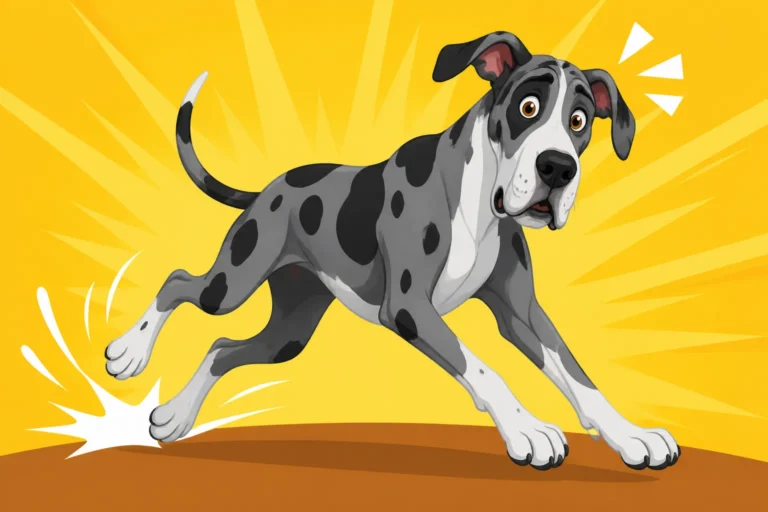
This adjustment period can be frustrating and even frightening for them. They might stumble more often, especially in the initial weeks, and their confidence can take a hit. What was once an effortless trot across the yard now requires deliberate thought and careful placement of each paw. It's a testament to their spirit that many do adapt, but it's rarely a smooth or easy transition. Patience and consistent, gentle encouragement from their humans are paramount during this time. Remember, this isn't just about physical rehabilitation; it's about rebuilding their confidence in their own body.
Preparing for Life on Three Legs: What You Need to Know
Deciding on amputation for a Great Dane, especially in cases like Bone Cancer in a Great Dane, is often a choice made out of necessity, with the hope of extending their quality of life. Once the decision is made, the real work begins. Preparing your home and your routine to accommodate a tripod Dane is crucial for their long-term success and comfort. This isn't just about making things easier for them; it's about preventing further injury and ensuring they can live as full a life as possible.
Home Modifications and Mobility Aids
Your home, which your Great Dane probably already dominates with its presence, will need some strategic reevaluation. Hardwood floors and tile, which can be slippery even for four-legged Danes, become major hazards for a tripod. Think about laying down rugs or runners, especially in high-traffic areas and paths to their favorite resting spots. These provide much-needed traction and reduce the risk of slips and falls, which can lead to serious injury for a dog trying to compensate.
Stairs are another huge hurdle. Even if your Great Dane was a stair-climbing pro before, navigating them on three legs, especially if it's a front leg amputation, can be incredibly difficult, if not impossible, without assistance. Consider blocking off access to stairs or investing in ramps if your layout allows. For getting into and out of vehicles, especially taller SUVs, a heavy-duty ramp is almost always a necessity. Trying to lift a 150-pound Great Dane is a recipe for back injury for you and can be terrifying for them. Our article on Mobility Aids for a Failing Great Dane offers some excellent product suggestions that can be adapted for tripod Danes.
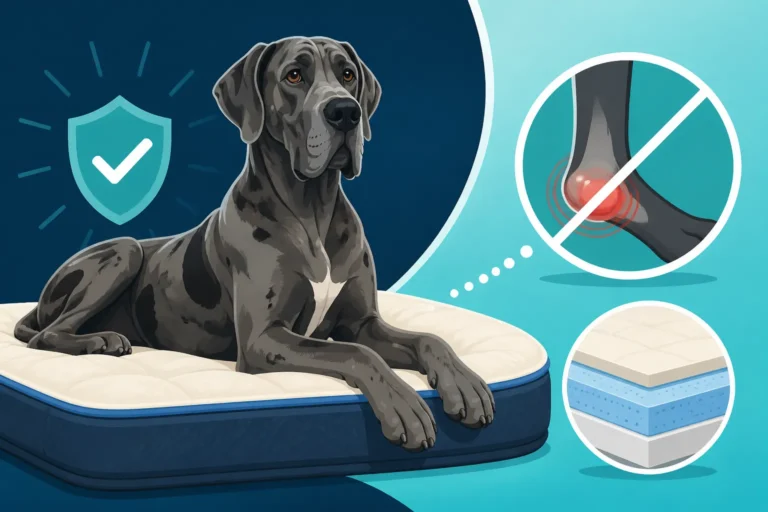
Additionally, consider their bed. A good orthopedic bed is vital for any large breed, but for a tripod, it's non-negotiable. They need maximum support to relieve pressure on their remaining joints, and a quality bed can prevent painful calluses and help with general comfort.
Managing Pain and Supporting Remaining Joints
One of the most critical aspects of caring for a three-legged Great Dane is diligent pain management and proactive joint support. The increased stress on their remaining joints means they are highly susceptible to developing Arthritis in a Six-Year-Old Great Dane much earlier, or exacerbating existing conditions. Your veterinarian will likely prescribe pain medications, and it’s imperative to follow these instructions precisely. Don’t wait for visible signs of pain; often, by the time a Great Dane shows overt signs of discomfort, they've been hurting for a while. Regular check-ups with your vet are essential to adjust dosages and monitor for side effects.
Beyond medication, joint supplements containing glucosamine, chondroitin, and MSM are often recommended. While the efficacy can vary, for a giant breed with such joint stress, every little bit helps. Omega-3 fatty acids, like fish oil, also have anti-inflammatory properties that can be beneficial. Discuss these options thoroughly with your vet to ensure appropriate dosing for your large dog. You'll want to review our post on Pain Relief for a Great Dane With Bone Cancer for more ideas, as many of those principles apply.
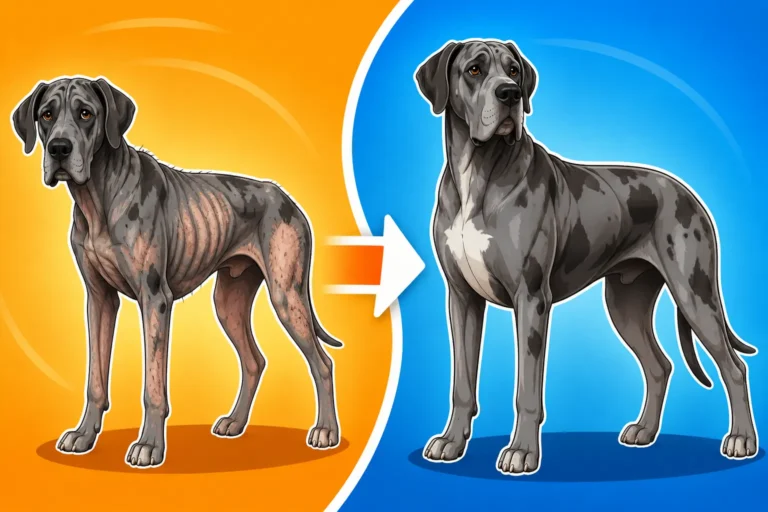
Maintaining a healthy, lean weight is also paramount. Every extra pound is an increased burden on those three legs. Work with your vet to establish a feeding plan that keeps your Dane at an ideal body condition. This will significantly reduce strain and improve their overall mobility and comfort. Regular, gentle exercise that builds muscle without overstraining joints is key, but avoid activities that put sudden impact or twisting forces on their limbs.
The Emotional and Behavioral Impact
Beyond the obvious physical hurdles, understanding the emotional and behavioral journey your Great Dane will undertake after amputation is incredibly important. They are sentient beings with feelings, and such a drastic change can impact their confidence, their mood, and even their personality. Being tuned into these shifts will help you provide the emotional support they need to thrive.
Psychological Adjustment and Quality of Life
Initially, many Danes will experience some level of confusion, frustration, or even fear as they grapple with their new physical limitations. They might become more withdrawn, less eager to engage in activities they once loved, or hesitant around new environments. It's a grieving process, not just for the lost limb, but for the ease of movement they once enjoyed. Their sense of self might feel challenged.
However, Great Danes are also incredibly resilient and adaptable creatures, especially when surrounded by loving, supportive humans. Many dogs, once they get past the initial recovery and pain, show a remarkable capacity to adjust. Their quality of life hinges largely on effective pain management, appropriate environmental modifications, and consistent positive reinforcement. If they are no longer in chronic pain (which is often the reason for amputation, as seen in cases requiring Amputation and Chemotherapy for a Great Dane), they often find a renewed zest for life. A Great Dane who can comfortably move around, engage with their family, and enjoy gentle walks, even on three legs, is a Dane with a good quality of life.
Maintaining a Positive Environment
Your attitude and consistency play a massive role in your Great Dane's psychological adjustment. If you approach the situation with pity or constant worry, your Dane will pick up on that stress. Instead, strive for a calm, encouraging, and positive demeanor. Celebrate every small victory – a successful step, a confident stand, a happy tail wag. Your dog needs to know they are still loved, capable, and a cherished member of the family.
Keep their routine as consistent as possible, but with appropriate modifications. Continue to engage them in gentle play that suits their new capabilities. Mental stimulation, through puzzle toys or training new, less physically demanding tricks, is also vital to keep their minds sharp and engaged. Consider enrichment activities that don't rely heavily on running or jumping, like scent work or slow, meandering walks in safe, familiar areas. The goal is to build their confidence, not overwhelm them. Remember that managing Great Dane vet bills can add up quickly, which is why a solid pet insurance plan from a provider like Healthy Paws can provide immense peace of mind, allowing you to focus on their care rather than stressing over costs.
Long-Term Outlook and Ongoing Care
While a Great Dane can indeed cope on three legs, it’s not without significant ongoing commitment. Their lifespan, typically around The Seven to Ten Year Great Dane Lifespan, means you could have several years of specialized care ahead of you. It's a marathon, not a sprint, and requires dedication to their well-being in every aspect.
Specialized Veterinary Care and Rehabilitation
Post-amputation care extends far beyond the initial surgery. Regular veterinary check-ups are even more critical for a tripod Great Dane. Your vet will monitor their remaining joints for signs of arthritis, watch for muscle imbalances, and assess their overall mobility. They may recommend physical rehabilitation, which can be immensely beneficial. This can include hydrotherapy (underwater treadmill), therapeutic exercises, massage, and even acupuncture or chiropractic adjustments to help maintain muscle strength, flexibility, and joint health. These treatments can be costly, highlighting once again the value of comprehensive pet insurance, like plans offered by Healthy Paws.
Staying in close communication with your vet about any changes you observe – lameness, reluctance to move, changes in appetite or mood – is crucial. Early intervention can prevent minor issues from becoming major problems. Because Why Every Great Dane Bill Is Bigger, being prepared for these specialized costs is a must.
The Commitment Required from Owners
Taking care of a three-legged Great Dane is a profound commitment. It means being ready to assist them when they struggle, to manage their pain conscientiously, and to adapt your lifestyle to meet their needs. It might mean shorter, more frequent walks instead of long hikes, or opting for car rides and visits to accessible places rather than challenging terrains. You might need to help them get up from slippery floors, provide a stable hand as they navigate doorways, or even assist them with going to the bathroom, especially if they struggle with balance.
It’s also a commitment to advocacy. You'll need to be their voice, ensuring they receive the best possible medical care and that their environment continues to support their unique needs. It requires patience, empathy, and a deep, unwavering love. But for those willing to embrace the journey, the bond formed with a tripod Great Dane can be incredibly profound. Many owners report that their tripod Danes are not just survivors, but thrivers, showing an incredible spirit that inspires everyone around them. Ultimately, the question of Whether to Treat or Let a Great Dane Go is always a deeply personal one, but for many, seeing their Great Dane cope and thrive on three legs is a testament to their strength and the power of dedicated care.
Key Considerations for a Tripod Great Dane
| Feature | Considerations for a Four-Legged Dane | Considerations for a Three-Legged Dane (Tripod) |
|---|---|---|
| Weight Bearing | Distributed evenly across four strong limbs. | Concentrated on three remaining limbs, leading to increased stress. |
| Mobility | Generally agile, capable of running, jumping, stairs. | Significantly reduced, requiring careful navigation, ramps, and assistance. |
| Joint Health | Prone to conditions like HOD, Pano, arthritis due to size. | Higher risk of accelerated arthritis, hip dysplasia, elbow issues in remaining joints. |
| Home Environment | May need some non-slip surfaces. | Requires extensive non-slip flooring, ramps, easy access to water/food, orthopedic bedding. |
| Exercise | Regular walks, controlled play, can participate in activities. | Gentle, controlled, shorter walks; focus on low-impact muscle building; hydrotherapy. |
| Pain Management | May need supplements/meds later in life. | Essential and ongoing from early on; requires diligent vet care and medication. |
| Emotional Impact | Generally resilient to minor changes. | Can experience initial frustration, fear, or withdrawal; needs consistent positive reinforcement. |
| Financial Cost | Significant vet bills already due to breed-specific issues. | Potentially higher costs for specialized vet care, rehab, mobility aids, and long-term medications. |
Disclaimer
The information provided in this article is for general informational purposes only and is not intended as a substitute for professional veterinary advice. Always seek the advice of your veterinarian or other qualified animal health provider with any questions you may have regarding a medical condition or treatment for your Great Dane. Never disregard professional veterinary advice or delay in seeking it because of something you have read here.