What Comes Included in a Great Dane Adoption
Bringing a magnificent Great Dane into your home is an incredibly exciting prospect, but the adoption process can sometimes feel a bit like navigating a maze, leaving potential owners wondering what exactly they're getting into and what vital care their new family member will have already received. It’s completely natural to have questions about what comes included with an adopted Dane, especially when you're preparing for a dog of this unique size and with their specific needs. This guide is here to shed light on the typical inclusions in a Great Dane adoption, helping you understand the value and peace of mind that comes with bringing home a rescue.
Understanding Great Dane Rescue Organizations
When you decide to adopt a Great Dane, you're not just picking out a dog; you're often engaging with a dedicated network of volunteers who have poured their hearts and souls into caring for these gentle giants. These organizations are far more than just kennels; they are a bridge between a Dane needing a home and a family ready to provide it, and they invest heavily in each dog.
The Mission and Dedication of Rescues
Great Dane rescues operate with an unwavering passion for the breed, driven by volunteers who understand the unique charm and challenges of these colossal canines. Unlike general animal shelters, breed-specific rescues specialize in a particular type of dog, meaning their knowledge of Great Dane temperament, health predispositions, and training needs is often extensive. These dedicated individuals work tirelessly to rehabilitate, foster, and rehome Danes who, for various reasons, find themselves without a permanent home. Their primary goal is always to find the right home, not just any home, ensuring a successful, lifelong match.
The volunteers involved with Great Dane rescues often have years, if not decades, of experience with the breed. They understand that a Great Dane isn't just a big dog; it's a giant breed with specific nutritional, medical, and behavioral requirements that differ significantly from smaller dogs. Their insights into everything from proper socialization to preventing common health issues like Bloat in a Great Dane and the One in Three Odds are invaluable. When you adopt from a reputable rescue, you're tapping into this deep well of expertise, which can be a lifeline for first-time Great Dane owners or those new to giant breeds. They often have rigorous screening processes for both the dogs they take in and the families looking to adopt, ensuring that every placement is set up for success.
The Typical Adoption Process
The adoption process with a Great Dane rescue can feel quite thorough, and for good reason – these organizations are committed to ensuring their dogs go to stable, loving environments equipped to handle a giant breed. It usually begins with a detailed application, which covers everything from your living situation and previous pet experience to your daily routine and understanding of Great Dane care. This initial step helps the rescue understand if your home is a potential fit for one of their Danes.
Following the application, expect follow-up calls, interviews, and often a home visit. While this might seem intrusive, it allows the rescue to get a real sense of your home environment, yard security, and how a large dog might integrate into your family. They're looking for things like safe spaces, appropriate fencing, and an understanding of the commitment involved. They might ask about your experience with other dogs or children, helping them determine which of their Danes would thrive in your specific household.
The matching process is where the rescue's expertise truly shines. They don't just assign you the next available dog; they carefully consider the personalities and needs of both their Danes and prospective adopters. If you have active children, they might suggest a more tolerant Dane; if you live in an apartment, they'll guide you towards a Dane with lower exercise needs. This meticulous approach is all about setting everyone up for success and minimizing the chances of the dog needing to be rehomed again. While The Fee a Great Dane Rescue Asks For might seem like an upfront cost, it barely scratches the surface of the investment the rescue has already made in the dog's care.
The Initial Adoption Package: What to Expect
When you finally bring your adopted Great Dane home, you'll be relieved to know that rescues typically ensure your new companion has received a solid foundation of essential veterinary care and comes with some immediate necessities. This upfront investment by the rescue saves you significant time, money, and worry right out of the gate.
Standard Inclusions for Your New Dane
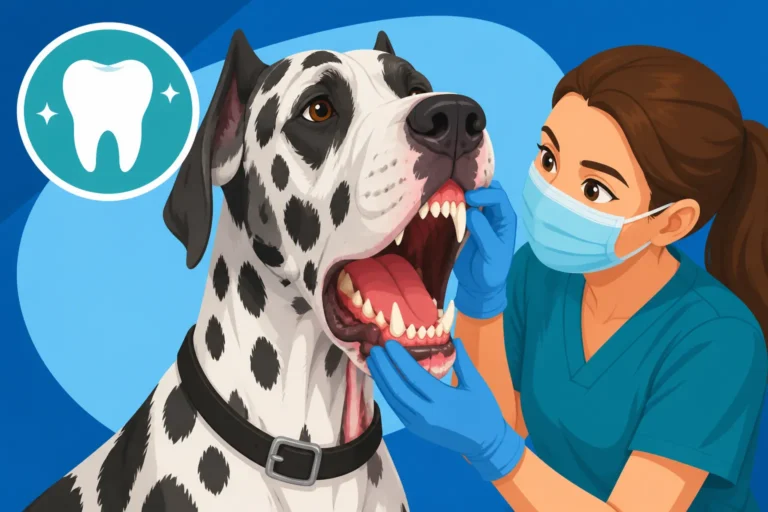
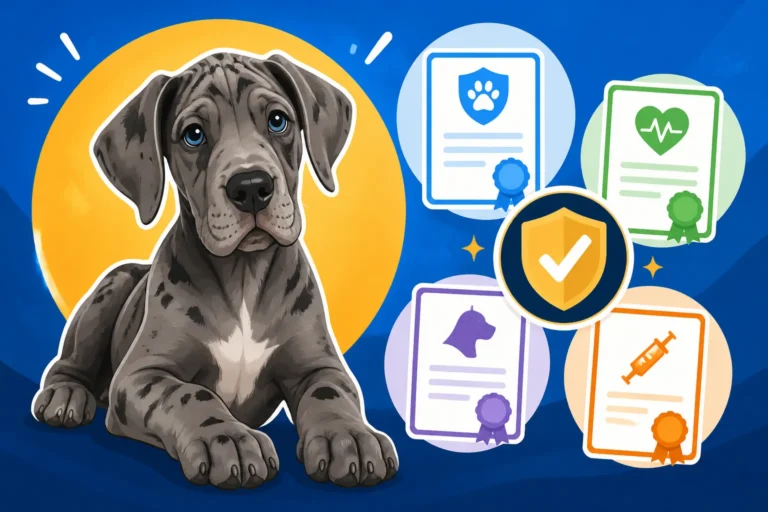
One of the most significant benefits of adopting from a Great Dane rescue is knowing that your new dog will arrive with their core veterinary needs addressed. This usually includes a full course of age-appropriate vaccinations, such as Distemper, Adenovirus, Parvovirus, and Parainfluenza (often combined into a single DHLPP or DAPP vaccine), as well as the Rabies vaccination. Beyond that, they will typically have been dewormed and treated for any external parasites like fleas or ticks. This thorough initial care means you can focus on bonding with your Dane rather than immediately rushing to the vet for preventative treatments.
Crucially, almost all reputable Great Dane rescues operate on a "spay/neuter before adoption" policy. This means your new Dane, if old enough, will already be spayed or neutered. This not only helps control pet overpopulation but also eliminates the cost and recovery time you would otherwise face for this common surgical procedure. If a puppy is too young for the surgery at the time of adoption, the rescue will often have a contract that requires you to complete the procedure by a certain age and may even offer a voucher or cover the cost at their designated veterinary clinic. This is a huge benefit, as giant breed spay/neuter costs can be considerably higher due to increased anesthesia and medication dosages.
Another standard inclusion is a microchip. This tiny, permanent form of identification is implanted under the skin and registered with your contact information. If your Great Dane ever gets lost, a quick scan by a vet or shelter can reunite them with you, dramatically increasing the chances of a happy return. The rescue will typically facilitate the transfer of microchip registration into your name, providing you with that extra layer of security and peace of mind. Given that the average The Seven to Ten Year Great Dane Lifespan is shorter than many breeds, ensuring their safety and health from day one is paramount.
Initial Supplies and Comfort Items
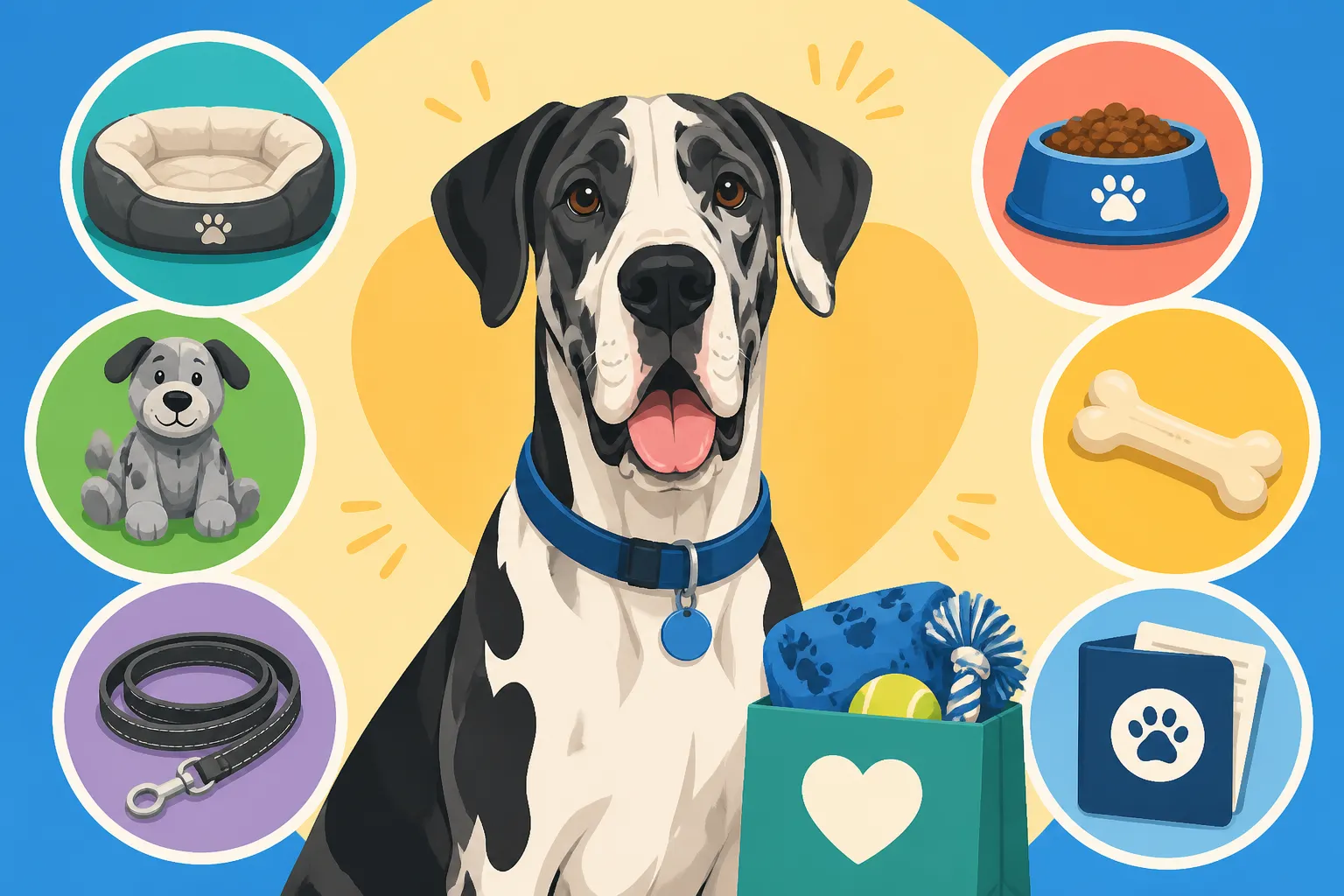
Beyond the essential medical care, many Great Dane rescues will send your new family member home with a few immediate supplies to help ease their transition. This often includes a collar and a sturdy leash, suitable for handling a large, powerful dog. These items might be simple, but they ensure you can safely walk your Dane from day one and give them a sense of familiarity from their foster home. An ID tag with the rescue's information (and often a temporary tag for you) is also common, providing immediate identification.
Sometimes, rescues will provide a small supply of the food your Great Dane has been eating. This is incredibly helpful, as suddenly switching a dog's diet can cause digestive upset, especially in sensitive Great Danes. If they provide a sample, it gives you time to either purchase more of the same food or gradually transition them to your chosen brand over several days. Brands like Chewy, for instance, offer a vast selection of large-breed specific foods, often with convenient delivery options, making it easier to maintain dietary consistency. You might even consider specialized food options from companies like Ollie, if that aligns with your feeding philosophy, after a careful transition period.
Additionally, many foster homes will send a comfort item with their foster dog – perhaps a favorite blanket, a well-loved toy, or even a t-shirt that smells like their foster parent. These familiar scents and objects can provide immense comfort to a Great Dane during the stressful transition to a new home, helping them feel more secure and settled in their new surroundings. These small gestures reflect the deep care and understanding the rescue has for the emotional well-being of each dog.
Health Guarantees and Veterinary Care
Adopting a Great Dane often means bringing home a dog with a comprehensive health history, thanks to the diligence of rescue organizations. They take the initial steps to ensure your new companion is as healthy as possible before they join your family.
Pre-Adoption Health Screenings
Before any Great Dane is placed for adoption, they undergo a thorough veterinary examination. This isn't just a quick once-over; it's a comprehensive health check to identify any obvious issues. Rescues typically perform blood work to check organ function and screen for common ailments, and fecal tests to rule out internal parasites. This general screening provides a baseline understanding of the dog's overall health and helps address any immediate medical concerns. Knowing that a rescue has invested in these preliminary diagnostics means you're bringing home a dog whose basic health status has been assessed.
For a breed like the Great Dane, which is prone to specific health challenges, rescue organizations often go the extra mile, especially when a dog exhibits symptoms or has a known history. While a full cardiac workup might not be performed on every healthy Great Dane in rescue, if a dog shows any signs of concern or is from a known problematic line, the rescue may initiate more targeted screenings. This could include preliminary assessments for conditions like The Heart Muscle Disease Great Danes Are Prone To or an evaluation of their chest shape for increased Bloat in a Great Dane and the One in Three Odds risk. They are committed to transparency, and any known health issues, whether minor or significant, will be fully disclosed to you prior to adoption, often with a treatment plan or recommendations already in place.
It's important to remember that rescues take on dogs from various backgrounds, some with unknown histories. Their goal is to stabilize and treat any immediate health problems they identify. This means that while they strive for comprehensive care, they might not catch every potential issue, particularly those that are not apparent or breed-specific without advanced diagnostics. However, you can rest assured that they are providing a far more informed starting point than adopting a dog with no prior veterinary care or health information.
Short-Term Health Guarantees
Many Great Dane rescues offer a short-term health guarantee, typically a window of a few days to a couple of weeks, during which they encourage you to take your newly adopted Dane to your own veterinarian for a follow-up exam. This policy serves a few crucial purposes. Firstly, it allows your vet to establish a relationship with your new dog, perform their own comprehensive check-up, and get them entered into your clinic's system. Secondly, it acts as a safeguard. Should your vet discover any significant health issues that were not apparent or known to the rescue at the time of adoption, the rescue often has a policy to assist with treatment costs or, in rare cases, allow for the return of the dog.
This guarantee isn't meant to cover every sniffle or upset stomach, but rather to protect both you and the rescue from unforeseen serious conditions. It underscores the rescue's commitment to placing healthy dogs and supporting their adopters. For example, if your vet uncovers a severe ear infection that requires immediate, extensive treatment, the rescue might offer financial assistance or guidance. It is always wise to review the specific terms of any health guarantee with the rescue organization before finalizing your adoption.
While these short-term guarantees are valuable, it’s also a smart move for Great Dane owners to consider pet insurance right away. Companies like Healthy Paws offer various plans that can help cover unexpected veterinary costs down the road, which, given a Great Dane's size and predispositions, can be substantial. Enrolling your Dane early can prevent conditions that develop later from being considered pre-existing, ensuring better coverage for their lifetime. The goal is always to provide the best possible care for your Dane, and a combination of rescue guarantees and pet insurance creates a robust safety net.
Behavioral Assessments and Support
Adopting a Great Dane isn't just about their physical health; it's equally about finding a dog whose personality and temperament align with your lifestyle. Great Dane rescues excel in this area, thanks to their dedicated foster networks and post-adoption support.
Evaluating Temperament and Socialization
One of the greatest advantages of adopting from a rescue is that their dogs typically live in foster homes, not kennels. This means that volunteers get to know each Great Dane intimately, observing their true personality in a home environment. They can tell you about a dog’s quirks, their comfort level with different sounds, how they interact with children, if they’re good with Great Danes With Children and Small Dogs, and their general demeanor around other pets, including cats. This direct, real-world observation is far more insightful than a kennel assessment, allowing for a much better match between dog and family.
During their time in foster care, many Great Danes receive invaluable socialization experiences. They learn house rules, become accustomed to household noises, and interact regularly with people and often other animals. The foster parents diligently note how the Dane responds to new situations, strangers, or different environments. This information is crucial for you as an adopter, as it gives you a realistic picture of the dog you're bringing home, rather than an unknown. A rescue won't sugarcoat a dog's behavioral challenges; they will openly discuss any known issues, such as anxiety, reactivity, or shyness, providing you with all the information you need to make an informed decision and prepare for successful integration.
This transparency extends to any behavioral quirks or training needs the Dane might have. For example, some Danes might be natural "leaners" or "lap dogs," while others might prefer their space. The rescue's assessment helps you understand these nuances. They might tell you if a Dane is prone to counter-surfing or has separation anxiety, enabling you to proactively address these behaviors from day one. Their goal is to prevent surprises and ensure that you are fully prepared to support your new Great Dane's emotional and behavioral well-being.
Basic Training and House Manners
While Great Dane rescues are not typically professional training academies, many dogs entering their care, especially those who have spent time in foster homes, will have received some basic training and house manners. Foster parents work on foundational commands like "sit," "stay," and "come," and often reinforce good leash manners. It's common for foster dogs to be house-trained, which is a massive relief for new owners, especially with a dog of a Great Dane's size. Imagine the clean-up!
Many rescues also ensure their Great Danes are comfortable with crate training. A crate can be an invaluable tool for house-training, providing a safe space for your dog, and managing them when you can't directly supervise. If a Dane has been crate-trained, this dramatically eases their transition into a new home and can help prevent destructive behaviors. The rescue will share the dog's comfort level with crating and provide tips on continuing positive crate associations. For a comprehensive guide on managing their walks, you might find valuable insights in Getting a Great Dane to Walk on a Loose Leash.
It's important to have realistic expectations regarding the level of training a rescue Dane might have. While some might be impeccably trained, others might only know basic commands or need a refresher course. The rescue will provide you with an honest assessment of the dog's current training status and offer recommendations for continued education. They understand that even well-behaved Danes can regress slightly in a new environment, and they'll be there to offer guidance as you continue their training journey. Remember, consistency and positive reinforcement are key to building on the foundation the rescue has provided.
Ongoing Support and Resources Post-Adoption
Adopting a Great Dane from a reputable rescue isn't a transactional process that ends when you take your new dog home. It's the beginning of a lifelong partnership, and rescues understand that support doesn't stop after the adoption papers are signed.
Access to a Support Network
One of the most valuable, yet often overlooked, inclusions in a Great Dane adoption is the ongoing access to a dedicated support network. Your adoption coordinator or the dog's foster parent often remains a point of contact, ready to offer advice and guidance as you navigate life with your new Dane. Whether you have questions about a sudden change in behavior, need tips for transitioning food, or just want to share a happy update, this lifeline is incredibly reassuring. You're not alone in this journey; you have experienced Great Dane enthusiasts in your corner.
Beyond individual contact, many rescues foster vibrant online communities, such as private Facebook groups or forums, where adopters can connect, share experiences, and seek advice from fellow Great Dane owners and rescue volunteers. These communities are fantastic for troubleshooting common giant breed issues, finding local resources, or simply enjoying the camaraderie of people who understand the unique joys and challenges of living with a Dane. This peer support can be invaluable, especially when you're facing a challenge that feels overwhelming.
Reputable Great Dane rescues also typically have a "return" or "rehoming" policy, meaning that if for any unforeseen reason the adoption doesn't work out, they require the dog to be returned to the rescue rather than being placed in a shelter or with another unknown party. This commitment ensures the Dane's well-being throughout their life and offers adopters a responsible option if their circumstances change. While it's a scenario no one hopes for, knowing it exists provides a safety net for both you and your adopted Great Dane, ensuring they always have a soft landing. If you ever find yourself in this situation, the rescue will be prepared to guide you through Retraining a Great Dane From Rescue if a new home is found.
Educational Materials and Breed-Specific Guidance
Great Dane rescues understand that even experienced dog owners might be new to the nuances of owning a giant breed. Therefore, they often provide a wealth of educational materials to help you succeed. This might include printed guides on Great Dane care, nutrition, exercise limitations (especially important for growing Danes), common health issues, and positive training methods. These resources are designed to equip you with the knowledge needed to provide the best possible care for your gentle giant.
The guidance often extends beyond generic dog care, delving into breed-specific considerations. For example, they might offer advice on managing a Great Dane’s often sensitive stomach, ensuring proper joint development through controlled exercise, or understanding their unique social needs. They’ll likely share insights into identifying early signs of bloat or other breed-specific conditions, empowering you to be proactive about your Dane's health. The information they provide is rooted in their deep understanding and firsthand experience with Great Danes.
This focus on education empowers you to become a more confident and knowledgeable Great Dane owner. They encourage continuous learning, pointing you towards reliable resources and often inviting you to workshops or events. By providing this comprehensive support, Great Dane rescues not only facilitate successful adoptions but also help create a community of well-informed owners who are dedicated to the health and happiness of their Danes.
Making the Most of Your Adoption Experience
Bringing a Great Dane home is a huge adjustment for everyone involved, both human and canine. Being prepared and patient will make all the difference in fostering a loving and lasting relationship.
Preparation Before Your Dane Arrives
The key to a smooth transition begins long before your Great Dane walks through your door. Think about your home environment. Do you have a giant-breed appropriate crate? Are your baby gates tall enough to contain a jumping Dane? Do you have sturdy bowls, a comfortable, large bed, and toys that are tough enough to withstand a giant mouth? Planning ahead for What to Buy Before a Great Dane Arrives will minimize stress for both you and your new dog. Consider where your Dane will eat, sleep, and potty, and try to establish a routine even before they arrive.
It's also crucial to prepare your family, especially children and other pets. Discuss ground rules for interacting with the new Dane, emphasizing gentle handling and respecting their space. If you have other dogs, plan for a neutral-territory introduction to ensure a positive first meeting. Create a safe, quiet space where your Great Dane can retreat when they feel overwhelmed. The first few days and weeks are a significant adjustment period for a rescue dog; they are learning a whole new world and trying to understand their place in it.
Be ready for a "honeymoon period" followed by what many call "the rule of threes"—three days, three weeks, three months. Typically, in the first three days, your Dane might be withdrawn, in the first three weeks, they start to decompress and test boundaries, and by three months, they usually feel truly settled. Understanding this common adjustment curve helps manage expectations and allows you to provide patience and consistency, which are vital during this time.
Building a Strong Bond
Building a strong bond with your adopted Great Dane is a journey, not a destination. It starts with patience, understanding, and consistent positive reinforcement from the moment they step into your home. Establish a predictable routine for feeding, potty breaks, and playtime. Predictability helps create a sense of security for your Dane, allowing them to relax and trust you. Use gentle, clear communication and reward good behavior with praise, treats, and affection.
Introduce your Dane to new experiences gradually. Don't overwhelm them with too many new people, places, or other dogs all at once. Take short, quiet walks in your neighborhood before venturing to busier parks. Allow them to explore their new home at their own pace, always supervising and redirecting any undesirable behaviors with positive methods. This period is about building trust and showing your Great Dane that you are a reliable, loving leader.
Celebrate every small victory – a successful potty break, a moment of calm, a relaxed cuddle. These early successes, however small, contribute to a stronger bond and increased confidence for your Dane. Continue to reinforce any training they received at the rescue and consider enrolling in a local positive reinforcement class to further their manners and strengthen your connection. A well-mannered Great Dane, starting with The Manners a Great Dane Needs Before It Grows, is a joy to live with, and a strong bond built on trust and mutual respect is the foundation for many happy years together.
What's Typically Included in a Great Dane Adoption?
| Inclusion Category | Specific Items/Services Often Included | What Might Be an Extra Cost/Consideration |
|---|---|---|
| Veterinary Care | Spay/Neuter Surgery | Ongoing specialist care (e.g., cardiology for DCM) |
| Age-appropriate Vaccinations (DHLPP, Rabies) | Preventative treatments after adoption (e.g., monthly heartworm) | |
| Deworming & Initial Flea/Tick Treatment | Any additional diagnostics beyond initial screening | |
| Microchip Implantation & Registration Transfer | Comprehensive pre-screening for all breed-specific issues (e.g., full cardiac echo if no symptoms present) | |
| General Health Check & Disclosure of Known Issues | ||
| Behavioral Support | Foster Home Temperament Assessment | Professional trainer for severe behavioral issues |
| House-training & Basic Manners Evaluation | Advanced obedience training or sport-specific classes | |
| Crate Training Introduction (if applicable) | Behavioral medications or extensive therapy | |
| Ongoing Advisory Support from Rescue Volunteers | ||
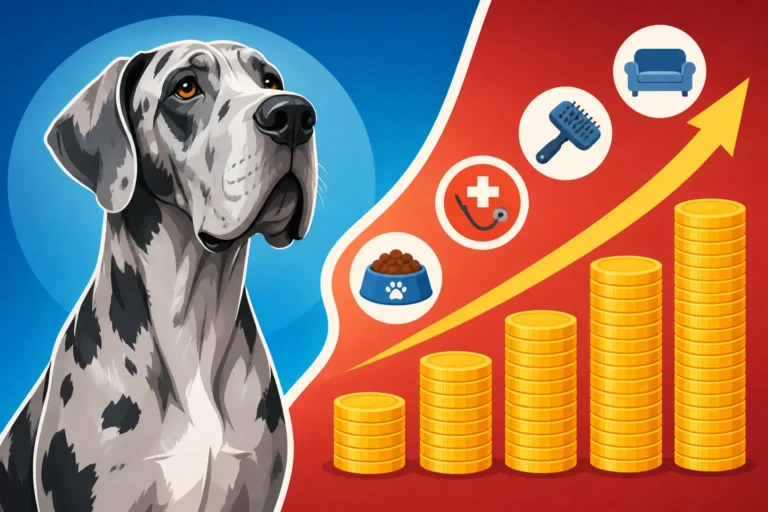
| Initial Supplies | Collar & Leash | Multiple beds, crate, large toys, long-term food supply |
| ID Tag (often temporary) | Specialized grooming tools for shed management | |
| Small Bag/Sample of Current Food | ||
| Comfort Item (blanket/toy from foster home) | ||
| Post-Adoption | Access to Rescue Support Network (e.g., Facebook groups) | Pet insurance premiums |
| Educational Materials & Breed-Specific Advice | ||
| Return Policy (dog goes back to rescue if needed) |
Disclaimer
The information provided in this article is intended for general informational purposes only and does not constitute veterinary advice. While we strive to provide accurate and up-to-date information, individual circumstances may vary. Always consult with a qualified veterinarian or professional dog trainer for any health concerns, medical conditions, or training advice specific to your Great Dane. Adoption policies and inclusions can vary significantly between different rescue organizations; always confirm the specific terms and conditions with the rescue before finalizing an adoption.