Where Surrendered Great Danes Come From
Many Great Dane owners find themselves overwhelmed, not by a lack of love, but by the sheer scale of responsibility that comes with these magnificent giants. It’s a heart-wrenching reality that countless Great Danes end up in rescues each year, often through no fault of their own. This comprehensive guide will delve deep into the common, and sometimes unexpected, reasons why these gentle giants are surrendered, shedding light on the challenges owners face and offering insights into this complex issue.
The Difficult Reality of Great Dane Surrender
It's truly heartbreaking to think of any dog losing its home, but for a Great Dane, it carries an extra layer of difficulty. These dogs are not just pets; they're family members, and their enormous size means that rehoming them comes with significant challenges. Understanding why they are surrendered is the first step in preventing these situations and ensuring more Danes find their forever homes the first time around. Often, the issues aren't about a lack of love, but rather an overwhelming collision of good intentions with hard realities.
Misunderstanding the Breed's Needs
People fall in love with the "gentle giant" image, and honestly, who wouldn't? They see the majestic, calm adult Great Dane and picture that serene presence in their home. However, many don't truly grasp the actual giant part, or the "puppy" part for that matter. While adult Danes can be surprisingly calm indoors, puppies are still puppies – just much, much bigger. They need early, consistent training because of their size, not despite it. The sheer physical presence, the need for space, and the incredible amount of food they consume are often underestimated.
The "Apollo of Dogs" reputation can be wonderfully accurate for a well-socialized and trained adult, but it can also be misleading if it leads to expectations of a miniature pony that requires no effort. While generally sweet-natured, their size means an accidental bump or a clumsy tail wag can be serious, particularly for small children or elderly family members. This often leads to issues if owners aren't prepared for the physical management required to guide such a powerful animal safely through daily life, emphasizing the critical importance of early socialization and training for a dog of this magnitude.
It's not just physical needs that are misunderstood; their emotional needs are equally important. Great Danes are incredibly sensitive and thrive on companionship, often earning the nickname "Velcro dogs" for a reason. They can suffer intensely from separation anxiety if left alone for extended periods without proper training and gradual desensitization. Owners who expect a dog that can be crated for 10 hours a day while they're at work might quickly find themselves with a destructive, anxious giant, whose emotional distress manifests in ways that are difficult and costly to manage. This deep emotional dependence is a facet of the breed often overlooked by new owners.
Health Crises and Lifespan Realities
The heartbreaking truth is that Great Danes are prone to several serious health conditions, and their lifespan is tragically short, typically ranging from seven to ten years. We often see surrenders when a family simply cannot cope with a sudden, devastating diagnosis or the ongoing care of a sick giant. Conditions like Bloat in a Great Dane and the One in Three Odds or The Heart Muscle Disease Great Danes Are Prone To can strike unexpectedly and demand immediate, intensive intervention. These aren't minor ailments; they are life-threatening emergencies or chronic conditions that require significant emotional and financial investment.
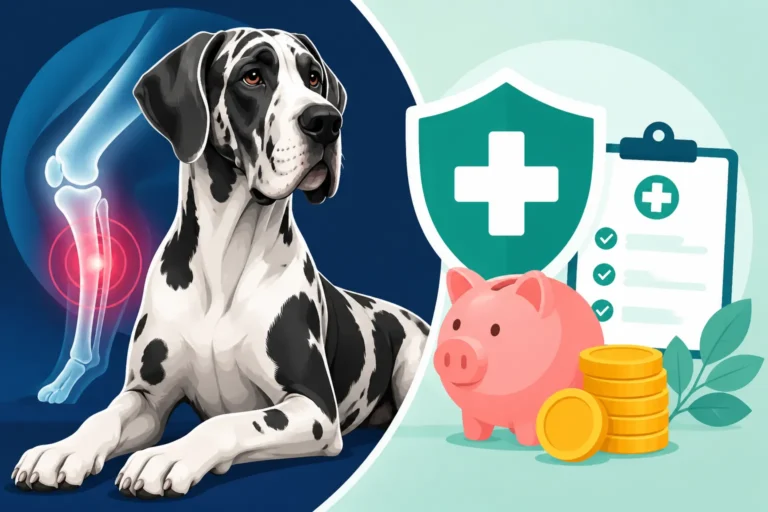
Imagine a beloved Dane suddenly showing signs of bloat – pacing, trying to vomit unsuccessfully, with a rapidly distending abdomen. That emergency vet bill can easily run into the thousands, often exceeding $5,000, as discussed in The Night a Great Dane Bloats and What It Costs. For many families, especially those living paycheck to paycheck, this is an impossible financial burden. The emotional toll of watching your dog suffer, knowing you can't afford the treatment that could save their life, is immense and can lead to desperate decisions to surrender, hoping a rescue can provide the care you cannot.
Even without acute crises, ongoing health management for chronic conditions is a significant factor. Arthritis, common in their later years (which come quickly, as discussed in Caring for a Great Dane Past Six), or a neurological issue like The Neck Condition That Trips a Great Dane Up can lead to substantial, recurring expenses. The sheer size of the dog means higher medication dosages, more expensive specialized foods, and even specialized equipment like mobility aids. This constant financial drain, combined with the emotional exhaustion of caring for a chronically ill giant, truly makes The Short Expensive Life of a Great Dane a very real and often overwhelming reality for many owners.
Space and Lifestyle Incompatibilities
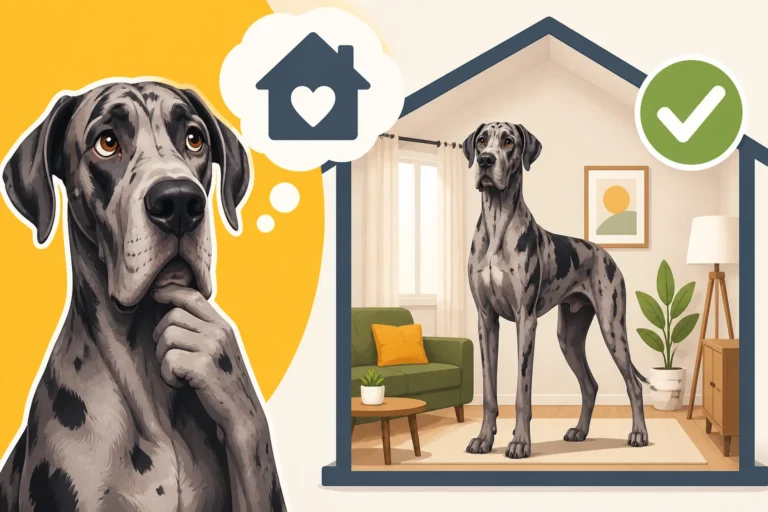
While Great Danes are often described as "apartment-friendly" because they aren't typically high-energy, constantly bouncing off the walls, that doesn't mean they don't need space. A large dog needs room to comfortably turn around without knocking over lamps, a generously sized dog bed, and enough clear floor space to stretch out without impeding foot traffic. Owners who move to smaller homes, or simply underestimate the physical footprint a 150-pound dog occupies daily, can quickly find their living space feeling cramped and their Dane feeling restless or constantly in the way.
A Great Dane's sheer physical presence impacts a home in countless, often unexpected, ways. Consider the logistics of having a 30-inch-tall dog with an inquisitive nose and a powerful tail. Imagine trying to navigate a small kitchen with a curious, 150-pound dog trying to "help" with dinner preparations, or the reality of finding slobber on your walls at their head height after they've had a drink. They require large, orthopedic dog beds that genuinely cushion their joints, and their toys need to be industrial-strength to avoid being instantly destroyed or becoming choking hazards. This constant negotiation with their size in a living space can wear down even the most devoted owner.
Lifestyle changes, such as a new job with significantly longer hours or a change in family schedule, can also lead to surrender. A Great Dane thrives on human companionship and consistent interaction. If an owner suddenly has less time for daily walks, training sessions, and simply being present with their dog, the Dane can quickly develop anxiety, destructive behaviors, or a sense of neglect. These dogs aren't meant to be glorified lawn ornaments or left alone for extended periods; they are deeply social creatures who require integration into family life, and when that integration becomes impossible, surrender often follows.
The Role of Unprepared Ownership
It’s easy to judge when a dog ends up in a shelter, but the reality is often more complex than simple neglect. Many surrenders stem from a genuine lack of preparation, where the owner, despite good intentions, simply wasn't equipped for the unique demands of a giant breed.
Impulse Decisions and Lack of Research
All too often, people are captivated by the majestic appearance of a Great Dane puppy without doing their homework. They see an adorable, clumsy furball and don't adequately project forward to the 150-pound adult that will require extensive training, socialization, and a significant financial commitment. This lack of foresight often leads to situations where owners are completely unprepared for the reality of living with a giant breed, leading to frustration and, eventually, surrender.
The internet makes it incredibly easy to find a puppy these days, but unfortunately, not all sources are created equal. Reputable breeders will thoroughly vet prospective owners, often requiring detailed applications, references, and even home visits, all to ensure they understand the immense commitment involved. However, many bypass this crucial step by purchasing from backyard breeders or online classifieds, where the focus is often on a quick sale rather than responsible, lifelong placement. These "bargain" puppies often come without any health paperwork, as explored in Great Dane Ads With No Cardiac Paperwork, leaving new owners blind to potential genetic issues.
A common scenario involves someone who has always had smaller dogs and assumes a Great Dane is "just a bigger dog." This couldn't be further from the truth. The scale of everything – from food consumption to veterinary care to sheer physical impact – is exponentially greater. Without proper research into Whether a Great Dane Suits a First Dog or even just basic breed-specific characteristics, owners can quickly become overwhelmed by the realities of managing such a large animal. The transition from a beagle to a Dane is not just a matter of size; it's a completely different level of responsibility.
"Bargain" Puppies and Hidden Costs
The allure of a "cheap" Great Dane puppy can be incredibly deceptive and is often a direct path to heartache and financial ruin. A puppy priced significantly under what a reputable breeder charges, typically The Fifteen Hundred to Three Thousand Great Dane range, often comes from questionable breeding practices. This means they likely lack proper health screening and may carry genetic predispositions to costly illnesses, such as hip or elbow dysplasia. That initial "saving" often pales in comparison to the vet bills and behavioral intervention costs down the line.
Imagine buying a Great Dane puppy for, say, $500, only to find out it has severe hip dysplasia by its first birthday – a condition that might have been screened for and potentially avoided by a responsible breeder, as discussed in Great Dane Hip and Elbow Screening. Now you're looking at thousands in potential surgeries, physical therapy, and ongoing medication, far exceeding any initial saving. This is a common and tragic scenario that often leads to families being unable to afford the necessary care, making surrender an agonizing last resort.
Beyond health, "bargain" puppies often lack early socialization or come from environments where they didn't receive adequate nutrition or care in their critical developmental stages. This can lead to significant behavioral issues that require expensive professional training, further draining resources. What seems like a deal up front quickly becomes a financial black hole, turning the dream of Great Dane ownership into an incredibly stressful and unsustainable reality. This illustrates perfectly What a Great Dane Puppy Priced Under a Thousand can truly cost in the long run.
Ignoring Early Warning Signs
Puppyhood is a critical developmental window for any dog, but especially for a Great Dane, whose sheer size means that minor issues can quickly become major problems. Owners who ignore early behaviors like nipping, excessive jumping, or resource guarding, hoping the dog will "grow out of it," are often setting themselves up for significant challenges down the road. A cute, albeit pushy, 40-pound puppy becomes an unmanageable 150-pound adult if these behaviors aren't addressed promptly and consistently.
This often ties directly into a lack of training or an inconsistent approach to it. If a Great Dane puppy isn't taught The Manners a Great Dane Needs Before It Grows, polite greetings, or basic impulse control, then behaviors like jumping on people or counter-surfing become ingrained habits that are exponentially harder to correct once the dog reaches its full size. At that point, simple verbal corrections may be insufficient, often requiring professional intervention which can be both costly and time-consuming, and still without guaranteed success.
For instance, a small bark that escalates into incessant howling or destructive chewing when left alone is an early, critical sign of potential separation anxiety. If not addressed with consistent training, appropriate enrichment, and sometimes even professional guidance, this can escalate into severe destructive behaviors like chewing through drywall or doors, making it impossible to leave the dog home alone without risking significant property damage. These ignored signs are frequently the precursors to an overwhelmed owner being forced to consider surrender.
Financial Strain and Unexpected Costs
Owning a Great Dane isn't just about the purchase price; it's a long-term financial commitment that many people simply don't fully grasp until they're deep into it. The costs associated with a giant breed are scaled up in almost every aspect of their care.
Feeding a Giant: The Daily Drain
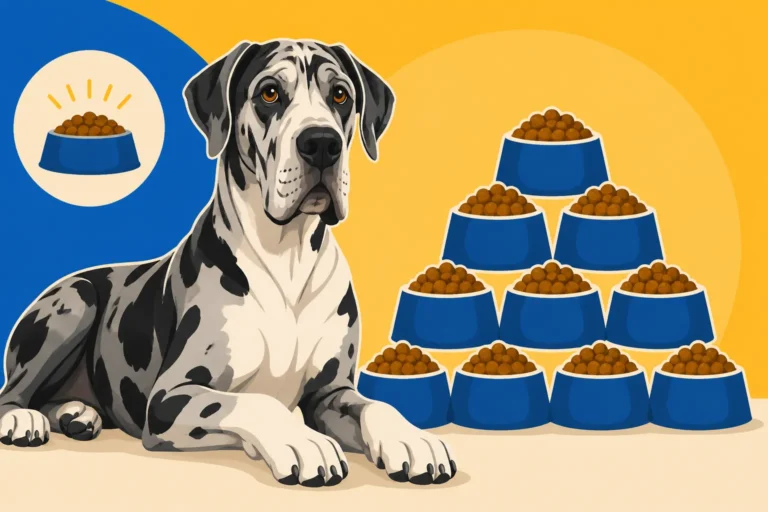
Let's be real, Great Danes eat a lot. We're talking about Feeding an Adult Great Dane Six to Ten Cups of high-quality kibble per day, sometimes more depending on their activity level, metabolism, and individual needs. This isn't just a minor increase over a smaller dog's diet; it's a fundamental, significant shift in your monthly grocery budget. What might seem manageable initially quickly adds up, often becoming one of the largest ongoing expenses.
Many owners underestimate this cost until they're staring at an empty 30-pound bag of kibble that lasted less than two weeks. Opting for cheaper, lower-quality food might seem like a solution, but it can unfortunately lead to health issues down the line, ironically increasing vet bills and compounding the problem. Some owners try to manage this by utilizing bulk ordering through services like Chewy's auto-ship programs or exploring fresh food services like Ollie, which while high quality, also come at a significant volume-based cost. The reality is, regardless of the brand, the sheer quantity of food required for a Great Dane is a constant, substantial expense.
It's not just kibble either. Treats, chews, and special dietary additions (like joint supplements, which are often recommended for their large frames) all come in larger, more expensive quantities designed for giant breeds. This consistent, unavoidable expense is a major factor in why Great Danes are surrendered, as families simply can't keep up with the increasing Monthly Food Spending on a Great Dane, especially if other unexpected costs arise.
The True Cost of Vet Care for a Dane
Regular vet visits alone cost more for a Great Dane. Medication dosages are based on weight, so everything from routine flea and heartworm prevention to antibiotics, pain relief, and emergency drugs costs significantly more simply because the dog requires a larger quantity. Even routine procedures like vaccinations or dental cleanings are pricier due to the need for more anesthesia, more staff handling, and longer procedure times for a dog of their size. This basic economic reality applies to nearly every aspect of veterinary care.
Then there's the truly unexpected: emergencies. A twisted stomach, known as bloat (Gastric Dilatation-Volvulus), is a terrifying, life-threatening condition that requires immediate, expensive surgery, often involving an overnight stay and specialized post-operative care. A simple accident, like a fall or an awkward landing during play, can result in a fracture requiring extensive orthopedic work. These bills can run into the tens of thousands of dollars, easily surpassing what most families have saved for pet care. For a more comprehensive overview of why their medical care is so expensive, see Why Every Great Dane Bill Is Bigger.
Even preventive care, which is crucial for managing their breed-specific predispositions, can be substantial. Early heart screenings for Dilated Cardiomyopathy (DCM) or regular joint check-ups are not just "nice-to-haves" for a Great Dane; they're often crucial for catching problems early and managing their quality of life. Without the financial foresight to plan for these expenses, owners can find themselves in an impossible position when their beloved Dane falls ill, often leading to decisions they never imagined making.
Insurance and Building a Financial Safety Net
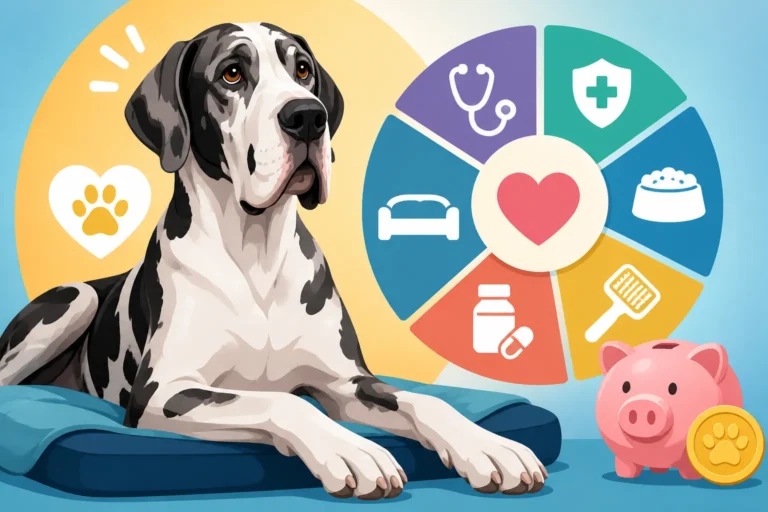
Pet insurance is almost a necessity for Great Dane owners, yet it's often overlooked or considered an optional luxury until it's too late. Premiums for giant breeds are inherently higher due to their known predispositions to serious health issues, and coverage might exclude certain breed-specific conditions if not enrolled early in the dog's life. Considering Insuring a Great Dane Against Bloat and Heart Bills is a critical financial decision that should ideally be made from puppyhood.
Many reputable insurance providers, such as Healthy Paws, offer robust accident and illness plans that can provide immense relief in an emergency. However, it's vital to understand that if an owner waits until a condition manifests – for example, a limp developing into signs of Bone Cancer in a Great Dane – it becomes a pre-existing condition and will not be covered. This often leaves families with the full financial burden of conditions that can be devastatingly expensive, highlighting the importance of proactive enrollment.
For those who opt not to insure, building a dedicated emergency fund is paramount. Having several thousand dollars, or even more, set aside specifically for pet emergencies can make the crucial difference between being able to treat a sudden illness or being forced to make the devastating decision to surrender or, even worse, euthanize due to financial limitations. Without either comprehensive insurance or a substantial, readily available fund, unexpected vet bills become a direct and heartbreaking path to surrender for many well-meaning Great Dane owners.
Behavioral Challenges and Lack of Training
Great Danes might be known as gentle giants, but their sheer size means that any behavioral issue is magnified significantly. What's manageable in a smaller dog can become dangerous or destructive in a Dane if not properly addressed.
A Giant Puppy's Destructive Power
A Great Dane puppy, despite its initial clumsiness, grows at an astonishing rate and possesses an incredible amount of strength and innate curiosity. What might be a minor nuisance in a smaller puppy – a little nipping, chewing on a shoe, or knocking over a small item – becomes a serious, often costly, problem with a dog that can reach counter-height and has jaws strong enough to destroy furniture, doors, or even walls. Their boundless puppy energy, combined with their size, can quickly overwhelm an unprepared household.
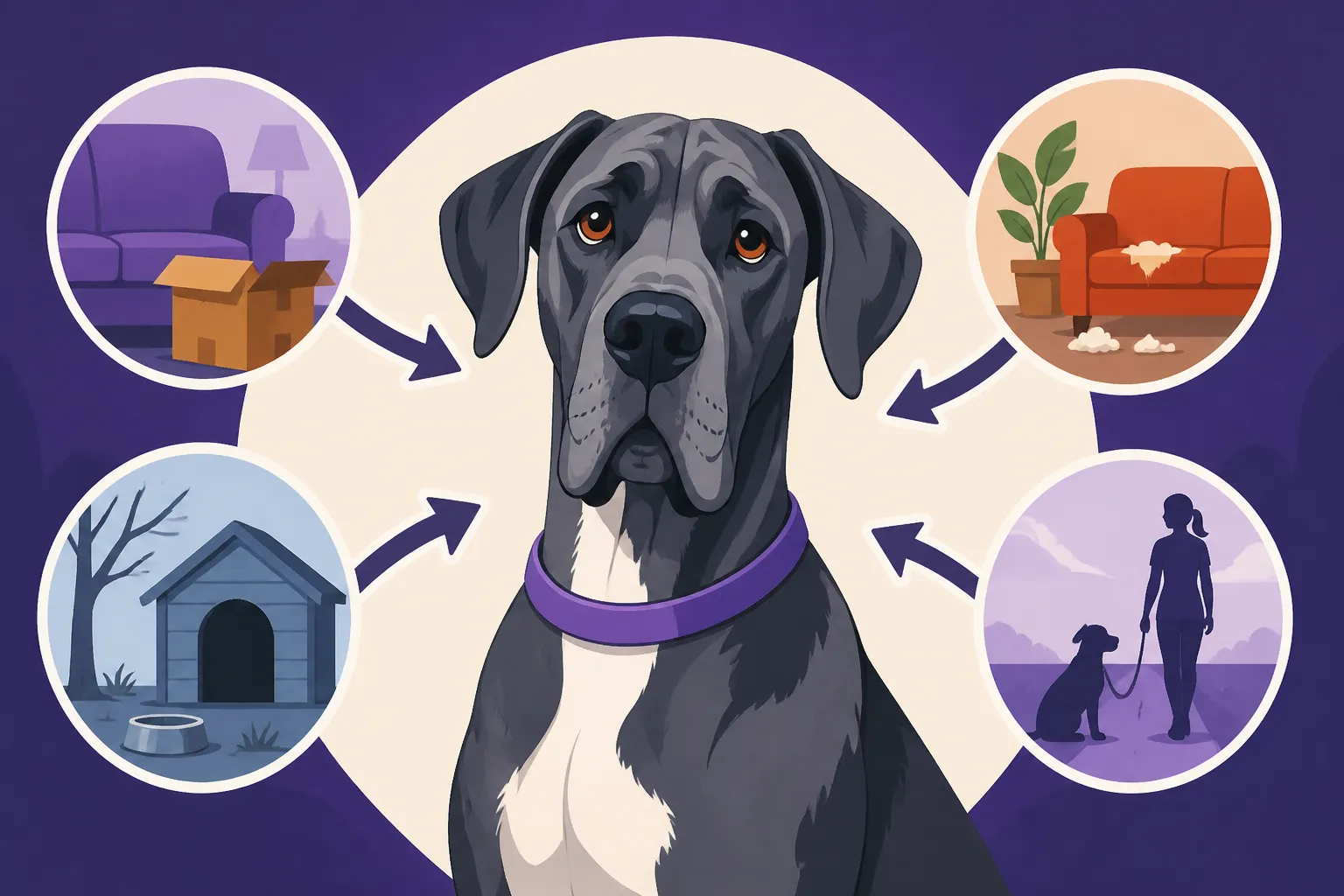
Imagine a puppy chewing through a couch leg in a matter of minutes or tearing up a large section of carpet. While all puppies chew, a Great Dane's sheer size, weight, and power mean the potential for damage is exponentially amplified. This can be incredibly frustrating and expensive, leading owners to feel they've lost control of their home and their possessions. Without appropriate, robust chew toys, consistent redirection, and often, extensive crate training, the damage can escalate, as vividly described in Damage a Great Dane Reaches That Smaller Dogs Cannot.
This destructive phase, if not properly managed with consistent training, appropriate mental and physical enrichment, and sometimes even professional guidance, can lead to owners feeling completely overwhelmed and unprepared for the challenges of managing a giant adolescent dog. They might resort to confining the dog for extended periods, which, rather than solving the problem, often exacerbates behavioral issues due to boredom, anxiety, and a lack of proper stimulation.
Leash Manners and Public Conduct
A Great Dane on a leash is an impressive sight when they are well-behaved, but an untrained Great Dane on a leash is a disaster waiting to happen. Weighing upwards of 150-180 pounds, a pulling Dane can easily yank an unsuspecting adult off their feet, causing serious injury to both handler and dog. This makes walks a strenuous chore rather than an enjoyable outing, and public excursions become a source of anxiety and dread for the owner.
Imagine trying to take your dog for a leisurely walk only to be constantly dragged, having your arm almost pulled out of its socket, or having your dog lunge impulsively at every squirrel, passing person, or other dog. This not only significantly impacts the owner's quality of life and physical well-being but also severely limits the dog's opportunities for essential exercise and crucial socialization. Owners who fail to teach Great Dane Leash Manners at a Hundred and Fifty Pounds often find themselves unable to manage their dog safely or comfortably in public, leading to isolation for both dog and owner.
Lack of proper training in public also contributes to the negative stereotypes sometimes associated with large breeds, even gentle giants. If a Great Dane jumps on strangers with enthusiasm, even without malice, or barks excessively, it can genuinely scare people, leading to complaints, social isolation for the dog, and immense embarrassment for the owner. This constant social strain, coupled with the fear of potential liability, can be a breaking point for many, especially if they feel judged or ostracized by their community.
Separation Anxiety and Containment Issues
Great Danes are renowned for their loving, almost clingy nature, often earning them the endearing nickname "Velcro dogs" among enthusiasts. While charming, this inherent trait, if not carefully managed and desensitized from puppyhood, can easily develop into severe separation anxiety. These deeply social dogs thrive on constant human companionship and can become incredibly distressed and anxious when left alone, even for relatively short periods.
Symptoms of separation anxiety in a Great Dane can range from incessant barking and howling (leading to inevitable neighbor complaints) to extremely destructive chewing of furniture, doors, or even parts of the house structure. They might also soil the house, even if fully house-trained, or attempt to escape, potentially injuring themselves in the process. Crate training, while essential for a Great Dane, can be particularly challenging when dealing with severe anxiety, as some dogs will destroy even the sturdiest, giant-sized crates in their desperate attempts to get out.
The inability to leave a Great Dane alone can severely impact an owner's life, limiting work opportunities, social outings, and even simple errands like grocery shopping. This constant stress, combined with the financial burden of property damage and the guilt of seeing their beloved dog suffer, is a significant contributor to surrenders. Owners might feel they have no other choice if they can't effectively manage the behavior or afford the specialized professional help required to address such deep-seated anxiety.
Life Changes Beyond Control
Sometimes, it’s not about the dog or the owner’s preparedness, but rather life itself throwing unexpected curveballs. These situations are often the most heartbreaking, as they involve devoted owners who are forced to make an impossible choice.
Housing Restrictions and Landlord Issues
One of the most common and devastating reasons for Great Dane surrender stems directly from housing issues, a problem often entirely beyond the owner's control. Many rental properties, homeowners' associations (HOAs), and even personal home insurance policies have strict breed or weight restrictions that explicitly exclude giant breeds like Great Danes. What might have been a non-issue in one home becomes an insurmountable obstacle when an owner needs to move.
Imagine a family that has loved and cared for their Dane for years, suddenly faced with a job relocation, a change in marital status, or another life circumstance that necessitates moving to a new apartment or house. They find themselves frantically searching, only to be repeatedly denied because their beloved 160-pound companion doesn't fit the arbitrary weight limit (often 50-75 lbs) or is explicitly on a "restricted breed" list, regardless of the dog's actual temperament.
This isn't just about finding a pet-friendly place; it's about finding a Great Dane-friendly place, which is a significantly smaller and more challenging pool. The overwhelming lack of suitable housing options leaves owners feeling hopeless and with an impossible, agonizing choice: find a new home for their cherished dog or become homeless themselves. This is a tragic reflection of societal policies that often fail to consider individual dogs and their well-adjusted natures.
Family Dynamics and New Arrivals
While many Great Danes are renowned for being wonderful with children and are often referred to as "nanny dogs," the introduction of a new baby or a young, mobile toddler can sometimes disrupt the household dynamics in unforeseen and challenging ways. A dog that was once the sole focus of attention might struggle with less interaction and perceived neglect, or a new parent might become overly cautious about the dog's sheer size and strength around a fragile infant.
Even with the best intentions and the gentlest temperament, a Great Dane's enthusiastic tail wag or their clumsy movements, simply due to their enormous size, can accidentally knock over a small child or even an elderly person. While never malicious, such incidents can cause significant fear and anxiety in parents, leading to the incredibly difficult decision that the dog and child cannot safely coexist, despite the dog's true gentle nature. The very real fear of A Great Dane That Steps on a Toddler (even accidentally) is a concern many new parents face.
Beyond the introduction of children, new partners moving in who are not comfortable with large dogs, or existing family members developing severe allergies that cannot be managed, can also trigger surrenders. These are deeply personal and often unavoidable life changes that, despite the owners' love for their dog, create insurmountable challenges for keeping a Great Dane, forcing them into a position of having to say goodbye.
Owner Illness or Death
The most devastating reasons for surrender often come from circumstances entirely beyond an owner's control, hitting at the very core of their human-animal bond. A sudden, debilitating illness, a severe injury, or the tragic death of an owner can leave a Great Dane without a caretaker, with immediate family members often unable or unwilling to take on the massive responsibility, financially, physically, or emotionally.
Imagine an elderly owner who has cherished their Great Dane for years, suddenly facing a severe health crisis that requires them to move into assisted living or a long-term care facility where pets are simply not allowed. Their beloved companion, who relies on them entirely for everything, is left without a home and a future. The profound grief and guilt of the owner, combined with the uncertainty and distress for the dog, is an immense burden that often results in surrender to a rescue organization.
In other tragic cases, a sole owner might pass away unexpectedly, leaving their Great Dane with no designated caretaker. Relatives, already consumed by grief, may not have the capacity, the space, or the financial resources to take on a giant breed, especially one that might be elderly or have existing health needs. This highlights the critical importance of planning for a pet's future in wills or with designated caretakers, even for the unthinkable, to prevent these magnificent dogs from becoming displaced during such a vulnerable time.
The Lifeline: Where Surrendered Danes Go Next
When the unthinkable happens, and a Great Dane finds itself without a home, a dedicated network springs into action, offering a second chance at a happy life.
The Dedication of Great Dane Rescues
When a Great Dane is surrendered, either by an owner making the painful decision or found as a stray, a dedicated network of Great Dane-specific rescues often steps in to catch them. These organizations are typically non-profits, run by passionate volunteers who understand the unique needs, temperaments, and challenges of the breed inside and out. They work tirelessly, often on shoestring budgets, to provide immediate care, rehabilitation, and ultimately, a new beginning for these magnificent giants.
These rescues aren't just holding pens; they are true lifelines for Danes in crisis. They take in dogs with pressing medical needs, those displaying significant behavioral issues due to neglect or lack of training, or simply those abandoned and bewildered. They immediately provide necessary veterinary care, ensuring dogs are spayed/neutered, vaccinated, microchipped, and treated for any existing ailments. Many will also provide essential training and socialization, working patiently to help the dog become more balanced and therefore more adoptable, addressing issues like fear, reactivity, or a lack of basic manners.
Finding a Great Dane through a reputable rescue often means you're getting a dog that has been thoroughly assessed, received all necessary medical care, and whose temperament and individual quirks are well understood. These organizations invest significant time and resources into each dog, striving to make the right match between dog and adopter, ensuring the dog's next home is truly its forever home. This is a stark contrast to the uncertainties and potential hidden problems associated with "bargain" puppies, as discussed in What a Bargain Great Dane Really Costs Later.
The Foster System's Critical Role
Unlike many smaller breeds that might cope adequately, if not happily, in a traditional shelter environment, Great Danes truly thrive and often depend on foster homes. The inherent stress of a noisy, confined shelter, with its unfamiliar smells, constant barking, and lack of personal space, can be incredibly detrimental to their sensitive nature, often exacerbating existing anxieties or causing new behavioral problems. Foster parents provide a crucial, loving bridge between the trauma of surrender and the stability of adoption.
Fostering allows a surrendered Dane to decompress in a calm, home environment, away from the chaos and overstimulation of a shelter setting. In a foster home, these dogs receive individualized attention, proper nutrition, and often begin to learn or relearn basic house manners, reinforce training, and receive much-needed emotional support and security. This intimate setting helps the rescue organization understand the dog's true personality, specific needs, and how they interact in a real home, making it exponentially easier to find a compatible adoptive family.
The commitment of foster parents is immense and cannot be overstated, as they open their homes and hearts to dogs who often come with emotional baggage and physical needs. They provide daily food, comfortable shelter, and unconditional love, often covering the day-to-day expenses while the rescue handles significant medical bills and major supplies. Without this dedicated network of selfless fosters, Great Dane rescues simply couldn't operate at the scale needed to help the large number of dogs who find themselves without a home each year.
Rehoming and Finding a Forever Home
The ultimate and most joyous goal for any surrendered Great Dane is to find a loving, permanent home where they can thrive for the rest of their lives. To achieve this, rescue organizations employ rigorous and comprehensive adoption processes, which often involve detailed applications, thorough home visits, extensive reference checks, and multiple interviews. This multi-step process is meticulously designed to ensure potential adopters are fully prepared for the significant commitment of owning a giant breed.
These stringent processes are not meant to be exclusionary or difficult for the sake of it, but rather deeply protective of the dogs in their care. They are designed to ensure that prospective families truly understand the long-term financial, physical, and emotional demands that come with Great Dane ownership. Rescues often look for specific criteria, such as previous experience with large breeds, secure fencing (especially if the dog is known to be an escape artist), and a clear, actionable plan for providing consistent exercise, mental stimulation, and ongoing training. This thoroughness is absolutely vital to prevent future surrenders and ensure a true forever home.
While the path from surrender to a new home can sometimes be long and challenging, the success stories are incredibly rewarding. A surrendered Dane, once confused, perhaps neglected, and certainly heartbroken, finds a family that truly understands, cherishes, and commits to them for life. These dedicated rescue organizations and their networks offer a profound second chance for these magnificent dogs, turning a tragic situation into a beacon of hope for both the dog and its incredibly lucky new family.
Disclaimer
This article is for general informational purposes only and does not constitute professional advice. Laws, prices and regulations vary by location and change over time. Consult a qualified professional for guidance on your specific situation.