Dental Work on a Great Dane
Dealing with dental care for a Great Dane can feel like an entirely different ballgame than with smaller breeds. Their sheer size means their mouths are huge, making routine brushing a wrestling match for many owners, and professional cleanings come with their own set of logistical and financial hurdles. But ignoring their pearly whites isn't an option, as poor oral hygiene can lead to painful infections and serious health complications down the road. This comprehensive guide will walk you through everything you need to know about keeping your Great Dane's teeth healthy, from daily care at home to understanding the ins and outs of veterinary dental procedures and how to budget for them.
Understanding Great Dane Dental Health Challenges
It’s easy to think of a Great Dane as just a bigger dog, but their size impacts everything, including their dental health. What might be a minor inconvenience for a Chihuahua can be a major issue for a dog the size of a small pony. The challenges are amplified by their massive jaws and the rapid growth they experience as puppies.
The Sheer Scale of a Great Dane's Mouth
Imagine trying to brush the teeth of an animal that stands taller than many people on its hind legs and has a skull that could almost fit a human head. That's the reality of a Great Dane. Their mouths are simply enormous, with teeth designed for holding and tearing, not for meticulous cleaning. This large surface area means there's more space for plaque and tartar to accumulate, especially on those hard-to-reach back molars. Just getting a standard dog toothbrush comfortably into their mouth, let alone maneuvering it effectively, can be a monumental task. The sheer strength in their jaws also means that if they decide they don't want their teeth brushed, you're not going to win that argument without proper training and patience. Many owners find themselves asking, "How do I even begin to get a brush around a Great Dane's back teeth?"
Beyond the physical challenge, the size of their mouth also means more teeth – 42 adult teeth, just like any other dog, but bigger. These larger teeth naturally have more surface area where food particles can cling, creating fertile ground for bacteria. When you consider the powerful chewing capabilities of a Great Dane, it becomes clear that preventing plaque buildup isn't just about aesthetics; it's about protecting these crucial tools from decay and disease. This is why regular, consistent effort is needed from puppyhood to make them comfortable with oral examinations and brushing.
Common Dental Issues Great Danes Face
Great Danes are prone to many of the same dental issues as other breeds, but the impact can be more severe due to their size and sometimes slower detection. The most prevalent problem, hands down, is periodontal disease, which starts with plaque forming on the tooth surface. If left unchecked, this plaque hardens into tartar, or calculus, which is a rough, porous substance that provides an ideal surface for more bacteria to adhere to. This buildup irritates the gums, leading to gingivitis – inflammation of the gums. You might notice redness, swelling, or even a bit of bleeding when your Great Dane chews or you attempt to touch their gums.
If gingivitis progresses without intervention, it evolves into periodontitis, a more serious and irreversible condition. This is where the infection spreads below the gum line, attacking the supporting structures of the teeth. Pockets form between the teeth and gums, bone loss occurs, and eventually, teeth become loose and can fall out. Great Danes, given their robust chewing habits, can suffer significant pain and difficulty eating as this disease advances. Beyond periodontal disease, Great Danes can also experience broken teeth from chewing on inappropriate hard objects, or develop oral masses and abscesses that require immediate veterinary attention. These issues, while not unique to the breed, can be more challenging and expensive to treat in a giant dog.
The Hidden Dangers of Neglecting Dental Care
It’s not just about bad breath and rotten teeth, though those are certainly unpleasant side effects. Neglecting your Great Dane's dental health can have far-reaching consequences that impact their overall well-being and lifespan. The mouth is a gateway to the rest of the body, and the bacteria present in severe periodontal disease don't stay confined to the oral cavity. These bacteria can enter the bloodstream through inflamed gum tissue and travel to vital organs, causing secondary infections and inflammation.
Studies have linked advanced dental disease to issues in the heart, kidneys, and liver. For a breed already prone to heart conditions like dilated cardiomyopathy, the additional strain from chronic infection is a serious concern. Imagine the systemic stress on their already hardworking organs. Furthermore, chronic pain from dental disease can lead to behavioral changes, such as irritability, reluctance to eat, or a decrease in activity levels. Your usually gentle giant might become withdrawn or snappish, all stemming from a silently agonizing toothache. It's a cruel irony that something as seemingly simple as a dirty tooth can contribute to a shorter, less comfortable life for our beloved Danes.
At-Home Dental Care Strategies for Your Giant
Preventative care at home is the cornerstone of good dental health for your Great Dane. While professional cleanings are eventually necessary, what you do daily and weekly can significantly extend the time between those appointments and reduce the severity of issues that arise. It’s an investment of time that pays dividends in comfort and cost savings.
Brushing a Great Dane's Teeth Effectively
Let's be real, brushing a Great Dane's teeth sounds daunting, and for many, it can be. But it's arguably the single most effective thing you can do at home to combat plaque and tartar buildup. The key is to start early, make it a positive experience, and be consistent. Begin by simply letting your puppy lick dog-specific toothpaste off your finger. Never use human toothpaste, as it contains ingredients toxic to dogs. Once they're comfortable with the taste, introduce a finger brush or a soft-bristled toothbrush designed for large dogs. For some Great Danes, a child-sized toothbrush works surprisingly well due to its smaller head but longer handle.
The goal isn't a perfect scrub every time, especially initially. Aim to brush the outside surfaces of the teeth, focusing on the gum line, as this is where plaque accumulates most rapidly. You might find it easier to work on one side of their mouth at a time or tackle just a few teeth during each session. Consistency is more important than duration. Even a minute or two every day or every other day can make a massive difference. Remember to praise them heavily and offer a favorite treat afterward. Over time, you can gradually increase the brushing time and reach. For those who struggle to get a brush around a Great Dane's back teeth, a dental wipe or even just wrapping gauze around your finger can be a good starting point to get them accustomed to the sensation.
Choosing Safe and Effective Dental Chews and Toys
While brushing is king, dental chews and toys can be valuable allies in your Great Dane's oral hygiene routine, but you must choose wisely. The wrong chew can lead to broken teeth or digestive upset. Look for dental chews that are specifically designed for large breeds and approved by the Veterinary Oral Health Council (VOHC). These products have undergone testing to prove their effectiveness in reducing plaque and tartar. Brands like Virbac C.E.T. VeggieDent or Greenies often carry the VOHC seal and come in sizes appropriate for Great Danes. Remember, dental chews are not a replacement for brushing, but a supplement. You can find a wide variety of these dental products on platforms like Chewy, making it easy to stock up on large-breed specific items.
Beyond chews, certain toys can also aid in dental health. Rope toys can act like dental floss, helping to scrape away soft plaque. However, always supervise your Dane with rope toys to ensure they don't ingest strands, which can cause serious intestinal blockages. Rubber toys designed for strong chewers, such as those from Kong, can also provide beneficial gum massage and help clean teeth as your dog chews. Avoid extremely hard toys like antlers, real bones, or nylon bones that are too rigid, as these can easily cause painful slab fractures of the molars. When selecting any chew or toy, always ensure it is appropriately sized for your Great Dane to prevent choking hazards.
Dietary Considerations for Oral Health
What your Great Dane eats can also play a role in their dental health. While kibble alone is often marketed as "cleaning teeth," the truth is that most standard kibble offers minimal abrasive action unless specifically designed for dental cleaning. Some prescription dental diets feature larger, uniquely shaped kibble that encourages more chewing and a scrubbing action on the teeth. Your veterinarian can advise if such a diet, like Hill's Prescription Diet t/d or Royal Canin Dental, would be beneficial for your Great Dane. These diets are typically much more effective than regular kibble at reducing plaque and tartar.
Beyond specialized diets, consider the overall quality of your Great Dane's food. A balanced, nutritious diet supports a healthy immune system, which in turn helps the body fight off bacterial infections, including those in the mouth. While raw food diets are popular with some owners, there is no scientific consensus that they are superior for dental health and they come with their own risks regarding bacterial contamination and nutritional balance. If you are exploring fresh food options like those offered by Ollie, discuss with your vet how these can be incorporated while still addressing specific dental needs. Furthermore, ensuring your Great Dane has access to plenty of fresh water helps rinse away food particles and keeps their mouth hydrated, which can deter bacterial growth. Remember, a healthy mouth starts with a healthy body, and diet is a huge part of that.
Professional Dental Care: When and Why it's Essential
Despite the best at-home care, most Great Danes will eventually require professional dental work. Just like humans need regular dental check-ups and cleanings, our giant companions do too. These procedures go beyond what you can accomplish with a toothbrush and are crucial for addressing issues below the gum line.
The Importance of Regular Veterinary Check-ups
Think of your Great Dane's annual vet visit not just as a vaccination stop, but as a critical opportunity for a comprehensive physical exam, which must include an oral assessment. Your veterinarian is trained to spot early signs of dental disease that you might miss, such as receding gums, subtle areas of inflammation, or slight shifts in tooth position. They can assess the level of plaque and tartar buildup and recommend a course of action before problems become severe.
During these check-ups, your vet can also screen for any abnormalities like oral masses, fractured teeth that might be hidden, or signs of more complex issues that require specialized attention. They can feel for enlarged lymph nodes or signs of pain in the jaw. This proactive approach is particularly vital for a breed like the Great Dane, whose stoicism might mask discomfort until a problem is quite advanced. Catching issues early means less invasive procedures, less pain for your dog, and ultimately, lower costs for you. Sometimes, these check-ups might reveal that your Great Dane's teeth need annual sedation, which can feel overwhelming but is often the most effective way to ensure thorough care.
Understanding a Professional Dental Cleaning Anesthesia
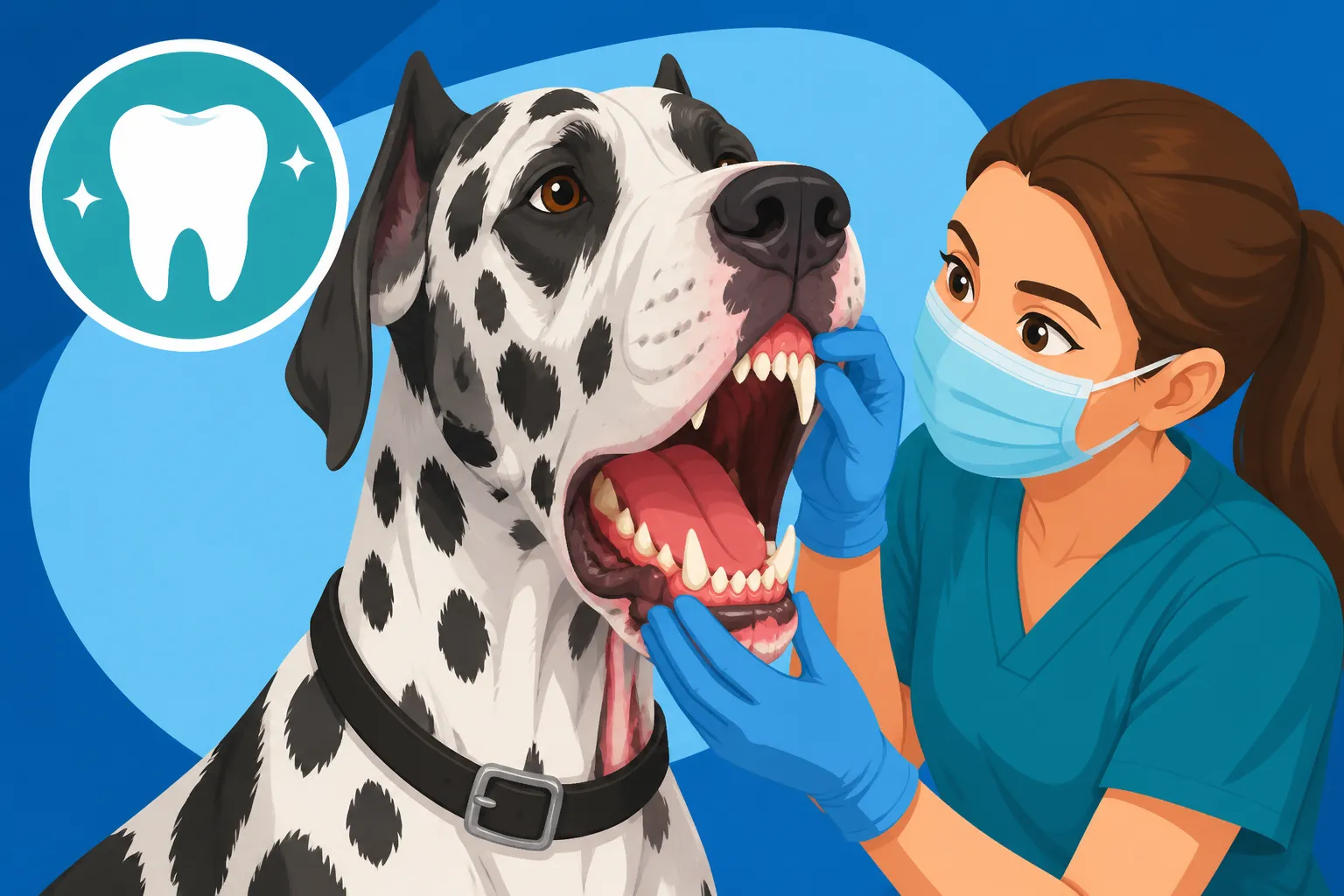
Many owners balk at the idea of anesthesia for their Great Dane, especially for something seemingly routine like a dental cleaning. However, an effective professional dental cleaning must be performed under general anesthesia. It's simply not possible to properly clean a dog's teeth, especially a large, strong dog like a Great Dane, without them being completely still and pain-free. Anesthesia allows the veterinarian to perform a thorough oral examination, probe for periodontal pockets, take dental X-rays (which are crucial for assessing the health of the tooth roots and bone beneath the gum line), scale plaque and tartar both above and below the gum line, and then polish the teeth to smooth out any microscopic etches that could attract new plaque.
Of course, the thought of anesthesia for a Great Dane can be worrisome, as Anesthesia Risk in a Great Dane is a genuine concern due to their size and potential underlying health issues. However, modern veterinary anesthesia protocols are incredibly safe, especially with proper pre-anesthetic screening. Before any procedure, your vet will conduct a thorough physical exam, blood work, and potentially other diagnostics like an ECG, especially if your Great Dane is showing early heart signs. This helps identify any hidden risks and allows the vet to tailor the anesthetic protocol to your individual dog. During the procedure, your Great Dane will be continuously monitored by a dedicated veterinary technician, tracking heart rate, respiration, blood pressure, and oxygen levels. The benefits of a thorough, pain-free dental cleaning far outweigh the minimal risks associated with carefully managed anesthesia.
Addressing Advanced Dental Problems
Sometimes, a routine cleaning reveals more serious issues that require advanced intervention. This could include significant Plaque on a Great Dane's Back Molars that has led to deep periodontal pockets, teeth that are severely diseased and need to be extracted, or even painful tooth root abscesses. In these cases, the dental cleaning transitions into more complex oral surgery. Extractions, for instance, are common for teeth too far gone to save. While losing a tooth might sound bad, removing a painful, infected tooth dramatically improves your dog's quality of life and prevents the spread of infection.
Advanced problems might also involve root canal therapy for fractured teeth, periodontal surgery to save affected teeth, or even mass removals if abnormal growths are found. These procedures often require specialized equipment, skills, and sometimes referral to a veterinary dental specialist. They are more time-consuming and therefore more expensive than a routine cleaning, but they are absolutely essential for alleviating pain and preventing systemic health problems. Your vet will discuss all findings with you post-procedure and provide clear aftercare instructions, including pain management and follow-up care.
The Financial Reality of Great Dane Dental Procedures
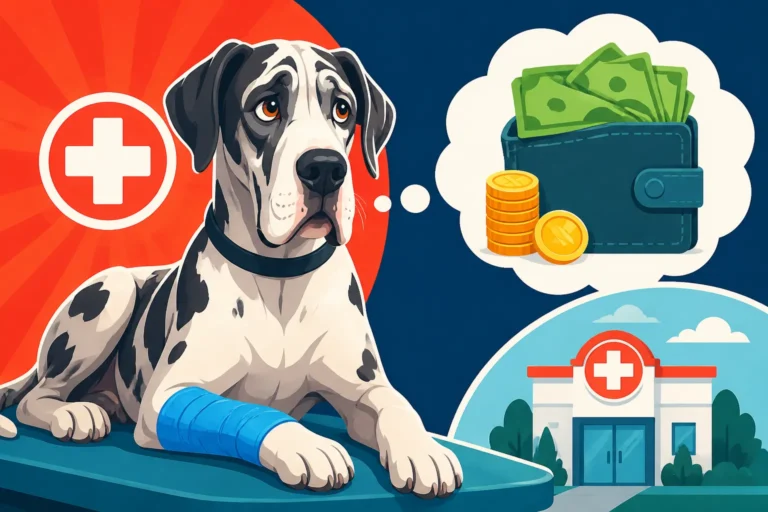
Let's face it, owning a Great Dane is not for the faint of wallet, and their dental care is no exception. The sheer scale of everything for a giant breed translates directly into higher costs, and dental work is a prime example. Understanding these expenses upfront can help you plan and budget effectively.
Breaking Down the Costs of Routine Cleanings
A routine professional dental cleaning for a Great Dane, performed under anesthesia, is going to be significantly more expensive than for a smaller dog. This is primarily due to the increased amount of anesthetic drugs required for their body weight, the longer time needed for the procedure, and the higher staffing levels necessary to monitor such a large patient safely. While prices vary wildly by geographic location and individual veterinary clinic, you can generally expect a routine cleaning to range from $500 to $1,500. This often includes pre-anesthetic bloodwork, the anesthesia itself, IV fluids, the dental scaling and polishing, and basic monitoring.
It’s important to clarify what "routine" means. This is for a Great Dane with generally good dental health, where the primary goal is plaque and tartar removal and prevention. If your Great Dane has significant tartar buildup, gingivitis, or any pre-existing conditions that complicate anesthesia, the cost will climb. Don't be surprised if your vet recommends additional pre-anesthetic diagnostics, especially for older Great Danes or those with known health issues, adding to the initial bill. For instance, a cardiac workup might be recommended to assess the heart's function prior to sedation, as discussed in Anesthesia Risk in a Great Dane, which would be an additional expense.
The Expense of Extractions and Advanced Treatments
When a routine cleaning uncovers problems that require more than just scaling, the costs can escalate rapidly. Extractions are common, especially for molars or incisors with severe periodontal disease or fractures. The cost of an extraction depends on the tooth's location, the severity of the disease, and how complex the extraction proves to be. A simple extraction might add $50-$200 per tooth, while a more involved extraction, such as a multi-rooted molar that needs surgical intervention or a fractured tooth requiring significant bone removal, could easily add $300 to $800 or more per tooth. It's not uncommon for a Great Dane needing several extractions to incur a dental bill reaching $2,000 to $4,000+.
Advanced treatments like root canals, bone grafts, or oral mass removals come with their own substantial price tags and often necessitate a specialist, further increasing costs. These procedures can easily run into the thousands. For example, treating a single fractured tooth with a root canal can cost upwards of $1,500-$3,000. It quickly becomes clear that a severe dental issue can be just as financially demanding as a major orthopedic surgery. This is why addressing problems early is not only better for your Great Dane's health but also for your budget. The initial Sedation Costs on a Great Dane alone can be substantial, making it crucial to maximize the efficacy of each procedure.
Pet Insurance and Dental Coverage Considerations
Given the potentially high costs of Great Dane dental care, particularly for extractions and advanced treatments, pet insurance can be a literal lifesaver. However, it's crucial to understand what pet insurance typically covers. Most standard accident and illness policies will cover dental procedures that are deemed medically necessary, such as extractions for periodontal disease, fractured teeth, or treatment for oral infections. This is where pet insurance providers like Healthy Paws really shine, helping owners manage unexpected large vet bills for conditions that arise.
What most policies don't cover is routine preventative dental care, such as annual cleanings, unless you specifically opt for an add-on "wellness plan" or "routine care" package. Even then, these plans often only cover a portion of the cost, or have a cap on how much they'll reimburse per year. It's vital to read the fine print of any policy. Pay close attention to waiting periods for dental conditions, exclusions for pre-existing conditions (meaning if your Great Dane already has dental disease when you enroll, treatment for that specific condition might not be covered), and reimbursement percentages. Enrolling a Great Dane Before Anything Happens, including any visible dental issues, is the best way to ensure comprehensive coverage when problems inevitably arise. While a wellness plan may help with routine cleanings, for unforeseen issues, a good accident and illness policy is invaluable for the large bills associated with advanced dental work.
| Procedure Type | Description | Estimated Cost Range (Great Dane) | Typical Coverage (Standard Pet Insurance) |
|---|---|---|---|
| Routine Cleaning (COHAT) | Full oral exam, scaling, polishing under anesthesia. | $500 – $1,500 | Generally not covered (requires wellness add-on) |
| Simple Extraction | Removal of a non-diseased or easily removed tooth. | Add $50 – $200 per tooth | Covered if medically necessary |
| Surgical Extraction | Removal of fractured/diseased tooth requiring bone removal or flap surgery. | Add $300 – $800+ per tooth | Covered if medically necessary |
| Dental X-rays | Essential for assessing roots and bone health. | Often included in cleaning, or $100-$300 additional | Covered if medically necessary |
| Oral Mass Removal | Biopsy and surgical removal of growths. | $800 – $3,000+ | Covered if medically necessary |
| Root Canal Therapy | Treatment for fractured teeth to save them. | $1,500 – $3,000+ per tooth | Covered if medically necessary |
| Pre-anesthetic Bloodwork | Essential screening before anesthesia. | $100 – $300 | Usually covered, or part of wellness plan |
Note: These are estimates and can vary significantly based on location, clinic, and individual Great Dane's health status.
Minimizing Risk and Maximizing Oral Health Longevity
A Great Dane's dental health isn't a "set it and forget it" task. It requires ongoing vigilance, smart choices, and a partnership with your veterinarian. By taking proactive steps and knowing what to look for, you can give your giant companion the best chance at a long, comfortable life free from dental pain.
Proactive Steps for Prevention
The most powerful tool in your dental arsenal is prevention. Beyond regular brushing, consider incorporating other proactive habits into your Great Dane's routine. Start dental care education early with your Great Dane puppy. Get them accustomed to having their mouth handled, your fingers in their mouth, and the feel of a toothbrush or finger brush. This early desensitization is critical, especially when they are small enough to manage, making future care much easier. Introduce dental chews and appropriate chew toys from a young age, associating them with positive experiences.
Beyond the daily routine, think about the environment. While the argument about raised bowls for Great Danes and bloat risk is complex and debated, some research suggests a potential link. Regardless of bowl height, ensure meal habits that cut a Great Dane's twist risk are followed, which often includes calm periods before and after eating. This indirectly helps dental health by promoting a generally healthy and calm environment. Always supervise your Great Dane when they are chewing anything new to ensure it's safe and not causing damage. And perhaps most importantly, maintain a healthy diet and weight for your Great Dane. A lean body generally translates to a healthier dog overall, with fewer systemic issues that can complicate dental health or anesthesia.
Recognizing Early Warning Signs
Your Great Dane can't tell you in words that their mouth hurts, so it's up to you to be a keen observer. Regular visual checks of their teeth and gums are paramount. Look for any changes in gum color – healthy gums should be pink, not red, swollen, or bleeding. Notice if there's any visible tartar buildup, especially on the back molars or the canine teeth. Bad breath, while sometimes dismissed as "dog breath," is often the first indicator of dental disease and should never be ignored. It's a sign that bacteria are thriving in your dog's mouth.
Other signs to watch out for include reluctance to chew on hard toys or bones they once loved, dropping food while eating, pawing at their mouth, excessive drooling, or a preference for soft food over kibble. A Great Dane that struggles to chew may also exhibit weight loss or a change in appetite. Sometimes, even subtle behavioral changes like increased irritability or lethargy can be linked to chronic dental pain. Don't wait for your Great Dane to stop eating entirely before seeking veterinary attention. If you spot any of these signs, even if they seem minor, schedule an appointment with your vet immediately. Early intervention can prevent a small problem from becoming a painful, expensive crisis. Caring for a Great Dane Past Six often means increased vigilance for these subtle signs, as dental disease tends to worsen with age.
Disclaimer
This article is intended for informational purposes only and is not a substitute for professional veterinary advice, diagnosis, or treatment. Always seek the advice of your veterinarian or other qualified animal health provider with any questions you may have regarding a medical condition or treatment options for your Great Dane.