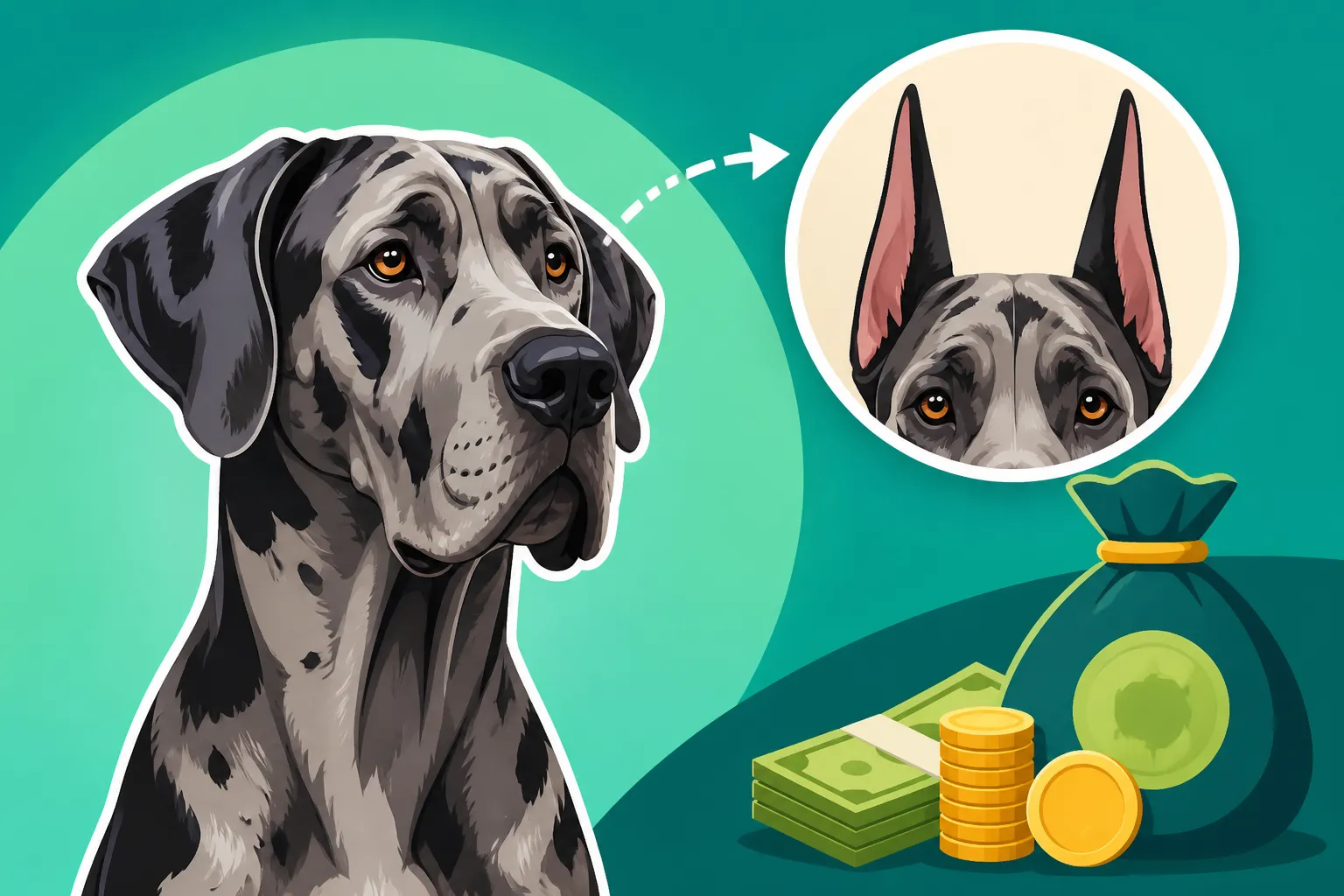
Ear Cropping Costs on a Great Dane
Deciding to have your Great Dane's ears cropped is a deeply personal choice, and it's one that comes with a significant financial commitment and a considerable investment of your time. Many owners are surprised by how much this procedure truly costs, not just for the initial surgery, but for the months of diligent aftercare required to achieve the desired stand. This guide aims to pull back the curtain on the actual expenses involved, helping you understand every line item you can expect to encounter from the vet's office to your home.
The Initial Financial Shock of Great Dane Ear Cropping
When you first start looking into ear cropping for your Great Dane puppy, the quoted price for the surgery itself can be quite a shock. It's often much higher than people anticipate, and it's crucial to understand that this initial figure rarely covers the entire journey. You're not just paying for a quick snip; you're investing in a delicate cosmetic procedure performed by a skilled veterinary surgeon, followed by a long, involved aftercare process.
One of the biggest frustrations owners face is this lack of transparency up front. You get one number, then suddenly a host of other expenses appear. It's like buying a new car and finding out the tires and steering wheel are optional extras! We're here to lay out all those "extras" so you can plan accordingly and avoid those unwelcome financial surprises.
The Price Tag for the Procedure Itself
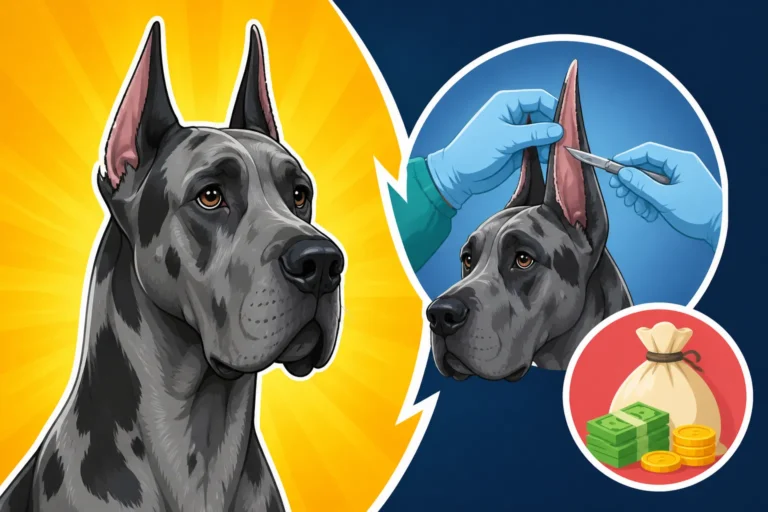
The actual surgical fee for ear cropping in a Great Dane is typically the largest single component of the initial cost. This fee encompasses the surgeon's expertise, the use of specialized instruments, and the time spent performing the precise cuts that shape the ear. Because Great Danes are such large dogs, and their ears are considerable, this isn't a minor operation like for a smaller breed. It requires a veterinarian with specific experience in cosmetic ear surgery, as a botched job can have lasting, undesirable aesthetic and even health consequences.
Prices can fluctuate dramatically based on where you live and the reputation of the vet performing the surgery. In some areas, you might find quotes starting around $400, but it's far more common to see prices ranging from $600 to upwards of $1,000 or even $1,500 for the surgery alone, especially if you're seeking a highly sought-after specialist with a proven track record. This variability can be incredibly frustrating for new Great Dane owners, who are often already contending with the significant cost of their Great Dane Puppy Prices in 2026. It's not a procedure you want to bargain shop for, as quality and experience directly correlate with the outcome.
Moreover, the surgical fee might also include a basic post-operative check-up, but it's important to clarify what exactly is covered. Does it include the first bandage change? Any follow-up visits specifically for the surgery site? Or is it purely for the time spent on the operating table? Asking these detailed questions upfront can prevent misunderstandings and additional charges down the line. Remember, an experienced surgeon will not only ensure a good aesthetic result but will also prioritize your puppy's comfort and health during the procedure and immediate recovery.
Anesthesia and Monitoring
Any surgical procedure, especially for a giant breed like a Great Dane, comes with significant considerations regarding anesthesia. The cost of anesthesia and the vigilant monitoring required during and immediately after the surgery is a substantial, often separate, expense. Due to their size and the potential for certain health predispositions, Great Danes can be more susceptible to anesthesia risks compared to smaller breeds. Therefore, a comprehensive anesthetic protocol involves more than just administering a drug.
For a Great Dane, the anesthesia process includes pre-anesthetic blood work to ensure liver and kidney function are sound, continuous monitoring of heart rate, respiration, blood pressure, and oxygen saturation during the procedure, and dedicated recovery staff. This intensive level of care is vital for mitigating risks, and it adds to the overall bill. Many clinics will itemize anesthesia, making it clear that this isn't just a simple add-on, but a critical part of ensuring your dog's safety. To learn more about this, you can look into Anesthesia Risk in a Great Dane.
Expect to pay anywhere from $200 to $600 or more specifically for anesthesia and monitoring services. This cost can vary based on the duration of the surgery, the specific anesthetic agents used, and the technology available at the veterinary clinic. It's a non-negotiable expense for responsible surgical care, and cutting corners here is never an option when your beloved Great Dane's well-being is on the line. Ensuring your vet uses modern anesthetic agents and has trained personnel dedicated to monitoring can bring peace of mind, even if it adds to the financial outlay.
Post-Operative Medications and Supplies
The moment your Great Dane comes home after surgery, the immediate expenses don't stop. You'll need a range of post-operative medications and supplies to manage pain, prevent infection, and protect the healing ears. This includes pain relievers, antibiotics, and often an Elizabethan collar (e-collar) to prevent your pup from scratching or bothering the surgical site. These items, while seemingly minor individually, quickly add up.
Beyond medication, you'll need specific supplies for the initial bandaging and cleaning of the surgical wounds. This might include sterile gauze, antiseptic solutions, medical tape, and potentially special wraps. Your vet will usually send you home with a starter kit, but ongoing needs will require you to purchase more. Many owners find themselves making frequent trips to local pet supply stores or ordering in bulk from online retailers like Chewy to keep up with the demand for clean, fresh supplies.
The cost for these immediate post-op necessities can range from $50 to $200, depending on the specifics and duration of the medication. It's also important to factor in any special bedding or recovery space you might need to keep your Great Dane comfortable and prevent accidental injury to the ears during this delicate healing phase. Think about soft, easily washable bedding that won't irritate the sutures, because accidents happen, and you'll want to keep everything as clean as possible.
Understanding the Ongoing Investment in Ear Posting
The surgery itself is only the beginning of the ear cropping journey. The real, often underestimated, commitment comes with the extensive aftercare process known as "posting." This involves taping and bracing your Great Dane's ears into an upright position, sometimes for months, to encourage the cartilage to strengthen and stand correctly. This is where many owners realize the true depth of their commitment, both financially and in terms of daily effort.
It's not enough to simply have the ears cropped; if the posting isn't done correctly and consistently, all that initial expense and your puppy's discomfort can be for naught. The frustration of seeing a beautifully cropped ear flop after weeks of diligent posting is something no Great Dane owner wants to experience. This phase requires patience, persistence, and often, more trips to the vet or experienced handlers.
Materials for Posting and Taping
The process of ear posting requires a steady supply of specialized materials. This isn't just regular masking tape and cotton balls. You'll need specific types of tape (like Zonas tape or breathable athletic tape), cotton, backer rods or specialized foam inserts, adhesive removers, and often skin tougheners to prevent irritation. These materials need to be replaced every few days, or more frequently if the posts get wet, dirty, or your pup manages to shake them loose.
The cost for these supplies can range from $20 to $50 per month, and this can go on for three to six months, or even longer, depending on your dog's individual ear cartilage and how quickly they stand. Over that period, you're looking at a recurring expense that quickly adds up to hundreds of dollars. For instance, you might find yourself ordering specialized ear care kits online or making regular runs to larger pet supply stores. These expenses are often overlooked when considering the initial cropping cost, but they are absolutely essential for a successful outcome.
Many owners try to save money by using cheaper, less effective materials, but this often leads to skin irritation, failed postings, and ultimately, more expense and frustration. Investing in the correct, high-quality supplies from the start, often recommended by your vet or an experienced mentor, is usually the more economical and successful path in the long run. If you're wondering what other supplies a Great Dane needs, check out The Kit a Great Dane Puppy Needs First.
Professional Posting Appointments
While some owners feel confident learning to post their Great Dane's ears themselves, many opt for professional assistance, especially in the early weeks. This is usually done by the cropping vet, their vet techs, or an experienced handler in your area. These appointments ensure the posts are applied correctly, are not too tight or too loose, and that the ears are clean and healthy underneath. Each professional posting session can cost anywhere from $25 to $75, and if you're going in once or twice a week for several months, that quickly becomes a significant sum.
Think about it: weekly visits for four months at $50 a pop is $800. This is on top of the cost of materials! It's an investment, but for many, it's worth the peace of mind knowing the ears are being handled correctly and expertly, especially when dealing with a wiggling, growing Great Dane puppy. These professionals can also spot early signs of infection or skin irritation that might be missed by an untrained eye.
The decision to utilize professional posting services often depends on your comfort level, your access to experienced individuals, and, of course, your budget. While it adds to the overall cost, it significantly increases the chances of a successful outcome and can save you from costly corrective actions down the road if the ears don't stand correctly due to improper posting. It's an integral part of the overall investment in a successful ear crop.
Potential Re-Dos and Setbacks
Despite the best efforts, sometimes things don't go perfectly. Ears might not stand, or they might develop issues like "pocketing" (where a pocket forms at the base of the ear) or "uneven tips." In such cases, some owners opt for a "re-do" or revision surgery to correct the problem. This is a complete additional surgical procedure, including all the associated costs of anesthesia, surgery, and post-operative care, essentially doubling or even tripling your initial investment.
Beyond surgery, setbacks can include severe skin irritation, infections under the posts, or chronic issues that require more frequent vet visits and specialized treatments. These complications not only add to the financial burden but also prolong the entire posting process and can cause significant discomfort for your Great Dane. This is a critical point that many prospective owners don't fully consider – the cropping process isn't a guaranteed one-and-done deal.
The prospect of re-dos and extended medical care due to complications is a sobering one, reinforcing the need for both an experienced surgeon and diligent aftercare. It also underscores why cutting corners on the initial procedure or posting supplies can be a false economy, often leading to more expensive problems later. It’s part of understanding the full financial landscape of Great Dane ownership, which, as many experienced owners know, involves preparing for unexpected expenses throughout The Short Expensive Life of a Great Dane.
Factors Influencing the Total Cost of Great Dane Ear Cropping
The wide range in ear cropping costs isn't arbitrary. Several key factors contribute to the variability in pricing, and understanding these can help you navigate the process and make informed decisions. It's not just about the procedure itself; it's about the entire ecosystem surrounding it, from who performs the surgery to where it's performed.
Many people express frustration when they hear vastly different prices from different clinics, feeling like they're being taken advantage of. But often, these price differences reflect genuine variations in expertise, facility quality, and local market rates. Knowing what drives these costs helps you assess whether a higher price is justified by superior service, or if a lower price might signal a potential compromise on quality or safety.
Geographical Location and Clinic Reputation
One of the most significant factors affecting the cost of ear cropping is your geographical location. Veterinary services, like most other services, are priced according to the local cost of living and the competitive landscape. A procedure in a major metropolitan area, especially on the coasts, will almost certainly cost more than the same procedure in a rural or less expensive region. For instance, a cropping in Southern California or New York might easily hit the higher end of the spectrum, while prices in the Midwest could be considerably lower.
Beyond general location, the reputation of the veterinary clinic and the specific surgeon plays a massive role. Clinics that specialize in cosmetic surgeries or are known for producing consistently excellent ear crops will naturally command higher fees. These clinics often invest in state-of-the-art equipment, have highly trained staff, and are sought after by breeders and owners willing to pay a premium for quality and experience. You're paying not just for the procedure, but for the proven track record and peace of mind.
This creates a dilemma for many owners: do you travel further for a more affordable option that might be less experienced, or do you pay the premium locally for a highly recommended specialist? It’s a common frustration, but prioritizing the skill of the surgeon over geographical convenience or cost savings often prevents future complications and ensures a better aesthetic outcome.
The Surgeon's Experience and Technique
The skill and experience of the veterinarian performing the ear crop are paramount and directly correlate with the cost. Ear cropping is not a procedure taught in all veterinary schools, and it requires a keen artistic eye, surgical precision, and extensive practice to achieve a beautiful, symmetrical, and healthy result. A general practitioner who does a few crops a year will likely charge less than a board-certified veterinary surgeon or a general practitioner who has dedicated a significant portion of their practice to perfecting ear crops.
An experienced cropping veterinarian understands the nuances of Great Dane ear anatomy, the different styles of crops (e.g., show crop vs. pet crop), and how to shape the ear so it looks aesthetically pleasing and stands correctly. They also know how to manage pain and prevent complications specific to this procedure. This level of specialization and artistry comes at a premium, and rightly so. Think of it like hiring an artist for a portrait versus a quick sketch artist; the quality and attention to detail are reflected in the price.
Choosing a less experienced or cheaper surgeon can be a false economy. A poor crop can lead to lifelong issues for your dog, from discomfort and chronic infections to an aesthetically displeasing result that cannot be easily fixed. Many Great Dane owners find themselves paying more in the long run to correct a bad crop than they would have by investing in a top-tier surgeon initially. When considering Great Dane Vet Costs Year by Year, a well-done initial procedure can actually save money on future issues.
Age and Health of Your Great Dane Puppy
The age and general health of your Great Dane puppy can also influence the cost and complexity of the ear cropping procedure. Most ear crops are performed between 8 and 12 weeks of age, when the cartilage is still soft and pliable, making the shaping easier and recovery generally quicker. Cropping an older puppy (beyond 16 weeks, for example) is often more complex, more painful for the dog, and less likely to result in a successful stand because the cartilage has begun to harden. Some vets may charge more, or even refuse, to crop an older pup.
Before any surgery, a reputable veterinarian will require a thorough pre-surgical examination to ensure your puppy is healthy enough for anesthesia and the procedure. This might include blood tests to check organ function and rule out any underlying health issues. If any health concerns are identified, additional tests or treatments may be required, adding to the overall cost. A healthy puppy generally means a smoother procedure and recovery, while a puppy with even minor issues might require more intensive monitoring or specific medication protocols.
This pre-screening is vital, especially for a giant breed. Great Danes, unfortunately, are predisposed to certain health conditions, and ensuring your puppy is as healthy as possible before an elective surgery is paramount. Responsible breeders will ensure their puppies are vet-checked and healthy, but it's always good practice to have your own vet conduct a full examination before scheduling surgery. It speaks to the importance of The Health Testing a Great Dane Breeder Owes You and ensuring you're getting a healthy pup from the start.
The Ethical and Practical Considerations Beyond the Dollar Signs
While the financial cost of ear cropping is substantial, it's equally important to consider the ethical implications and the immense practical commitment beyond the money. This isn't just a cosmetic procedure; it involves pain, recovery, and a significant period of adjustment for your Great Dane puppy. Many owners focus solely on the "look" without fully grasping the long-term impact on their dog and their own lives.
The decision to crop or not to crop is a contentious one, with strong opinions on both sides. Some argue it's an unnecessary cosmetic alteration that causes undue suffering, while others believe it's an important part of the breed standard or for working dogs. Regardless of your stance, a full understanding of the non-financial costs—time, effort, and potential discomfort for your dog—is crucial for making a truly informed choice.
The Time Commitment Involved
The most significant non-monetary cost of ear cropping is the sheer time commitment required for successful aftercare. We're not talking about a few days; we're talking about months of dedicated effort. Ear posting isn't a "set it and forget it" task. You'll need to regularly remove, clean, and re-post the ears, typically every 3-7 days, depending on the method and how quickly your dog's ears heal and strengthen. This process can take anywhere from 30 minutes to an hour per session, and it’s often a two-person job with a squirming puppy.
During this time, you'll need to be hyper-vigilant about keeping the posts clean and dry, preventing your Great Dane from scratching or rubbing them off, and monitoring for any signs of infection or irritation. This means constant supervision, especially during play or when introducing your puppy to new environments. Imagine trying to keep a curious Great Dane puppy from roughhousing or getting their ears wet – it's a full-time job in itself!
This intensive time commitment often surprises new owners. It impacts your daily routine, social life, and ability to leave your dog unsupervised for extended periods. It can feel relentless, especially when you're tired, or the posts keep falling out. It's a true test of patience and dedication, far beyond simply writing a check for the surgery.
Health Risks and Recovery Challenges
While generally safe when performed by an experienced veterinarian, ear cropping is still a surgical procedure and carries inherent health risks for your Great Dane. These include complications from anesthesia, post-operative infection at the surgical site, and adverse reactions to pain medication or antibiotics. Though rare, severe infections can necessitate further veterinary intervention, including additional medication or even a second surgery to clean the wound.
The recovery period itself can be challenging. Your puppy will experience pain and discomfort, requiring consistent pain management as prescribed by your vet. They will also have to wear an Elizabethan collar for some time, which can interfere with their eating, drinking, and play, leading to frustration and potential behavioral issues if not managed carefully. The sheer size of a Great Dane means their e-collar will be substantial, making it difficult for them to navigate doorways and furniture.
Moreover, if the ears are not posted correctly, it can lead to chronic skin issues, pressure sores, or even permanent damage to the ear cartilage. An unsuccessful crop that results in ears that don't stand correctly can also be emotionally draining for owners who have invested so much time and money. It's important to remember that this is an elective procedure, and weighing these risks against the perceived benefits is a deeply personal decision for every Great Dane owner.
The Natural Ear Option
For many Great Dane owners, the natural, uncropped ear is a beautiful and increasingly popular choice that eliminates all the financial, time, and health costs associated with cropping. A natural Great Dane ear, when healthy, simply hangs down gracefully, framing the face. There's no surgery, no pain, no posting, and no subsequent bills for aftercare.
Choosing to leave your Great Dane's ears natural aligns with the growing global trend against cosmetic alterations in dogs. In many countries, ear cropping is illegal due to animal welfare concerns. This option allows your puppy to avoid discomfort, potential complications, and the stress of repeated handling during the posting phase. It also means less worry for you as an owner about maintaining posts or dealing with potential infections. You can learn more about How a Natural Great Dane Ear Falls.
The natural ear is simply how your Great Dane was born, and there's a unique charm and expressiveness to it. It also simplifies the care routine, allowing you to focus on training, socialization, and overall health and happiness without the added burden of ear maintenance. For those who question the necessity of cosmetic surgery, embracing the natural ear is a straightforward and often healthier alternative.
| Component | Estimated Cost Range (USD) | Notes |
|---|---|---|
| Initial Surgery | $400 – $1,500+ | Varies by location, surgeon expertise, and clinic reputation. |
| Anesthesia & Monitoring | $200 – $600+ | Includes pre-op blood work, monitoring during, and recovery. |
| Post-Op Medications | $50 – $200 | Pain relievers, antibiotics, E-collar, basic wound care supplies. |
| Posting Materials | $20 – $50 per month | Tape, backer rods, cotton, adhesive remover. Lasts 3-6+ months. |
| Professional Posting | $25 – $75 per session | If done weekly for several months, this adds up quickly. |
| Re-Do Surgery (if needed) | $400 – $1,500+ | Additional full surgical procedure, highly variable. |
| Total Estimated Cost | $1,000 – $4,000+ | Over several months, this is a significant investment. |
Budgeting for the Unforeseen: Insurance and Financial Planning
Given the potentially high costs associated with ear cropping and the possibility of complications, it's wise to consider how this fits into your overall financial plan for Great Dane ownership. While not every aspect of cropping is covered by insurance, having a solid financial strategy is crucial for any large breed, especially one with a relatively Why a Great Dane Only Lives Seven to Ten Years lifespan and numerous potential health issues.
Preparing for these expenses means thinking ahead and understanding what resources are available. It can reduce stress and ensure you can provide the best care for your beloved companion, no matter what elective or emergency procedure arises.
Pet Insurance and Cropping
When it comes to pet insurance, the coverage for ear cropping can be tricky, as it is almost universally considered a cosmetic procedure. This means that most standard pet insurance policies, like those from Healthy Paws, will not cover the initial surgery, anesthesia, or routine posting appointments. Insurance is primarily designed to cover unexpected accidents, illnesses, and emergencies, not elective cosmetic surgeries.
However, where pet insurance can come into play is if complications arise from the ear cropping. If your Great Dane develops an infection at the surgical site or experiences an adverse reaction to medication, some policies might cover the subsequent veterinary care required to treat these illnesses or injuries, even if they originated from an uncovered procedure. It’s crucial to read the fine print of any policy carefully and directly ask the insurance provider about their stance on complications from cosmetic surgeries.
Regardless of cropping, enrolling your Great Dane in pet insurance is highly recommended for all other potential health issues. Giant breeds are prone to conditions like bloat, heart disease, and joint problems, and treatment for these can be incredibly expensive. Having a policy in place when you Enrolling a Great Dane Before Anything Happens can be a lifesaver for conditions unrelated to cropping, saving you thousands of dollars in emergency vet bills.
Building a Financial Safety Net
Beyond insurance, building a robust financial safety net is arguably one of the most responsible things you can do as a Great Dane owner. The costs associated with these magnificent dogs extend far beyond ear cropping; they encompass everything from their enormous food intake (you might even consider specialized fresh food services like Ollie for optimal nutrition during growth and recovery) to their preventative care and potential emergency treatments. Setting aside a dedicated fund specifically for your dog's needs is a proactive way to prepare for both expected and unexpected expenses.
This safety net could be a separate savings account, a line of credit reserved for emergencies, or even a credit card with a low-interest rate. The goal is to have readily available funds so you don't have to make difficult financial decisions in a crisis. Many owners aim to have at least $3,000 to $5,000 in this fund, understanding that a single major emergency, like bloat surgery, can easily exceed that amount. As you learn more about managing a Great Dane, you'll see why it's so important to be proactive about Building a Fund Before a Great Dane Needs It.
Having this financial buffer not only helps with potential cropping complications but also provides peace of mind for all other aspects of Great Dane ownership. From an unexpected illness to a sudden injury, being financially prepared allows you to focus on your dog's recovery without the added stress of how you're going to pay for it all. This proactive approach is a hallmark of responsible giant breed ownership.
Ear Cropping Costs Table: A Quick Overview
To help you visualize the potential financial journey, here’s a summary of the typical costs involved in Great Dane ear cropping, from start to finish. Remember, these are estimates, and your individual experience may vary.
| Cost Category | Itemized Expenses | Estimated Range (USD) |
|---|---|---|
| Pre-Surgery | Initial Vet Consultation, Health Check, Blood Work | $50 – $200 |
| Surgery Day | Surgeon's Fee, Anesthesia, Pain Management, Facility | $600 – $1,500+ |
| Immediate Post-Op | Medications (antibiotics, pain meds), E-Collar, Bandages | $50 – $250 |
| Aftercare (Ongoing) | Posting Materials (tape, cotton, backer rods) | $20 – $50 per month |
| Professional Posting Appointments (weekly for months) | $100 – $300 per month | |
| Potential Extras | Treatment for infection/complications, Re-do Surgery | $100 – $1,500+ |
This table illustrates that while the initial surgical fee is significant, the ongoing costs of aftercare and the potential for complications can easily double or even triple your total investment.
Disclaimer
Please remember that this article provides general information and estimates. Veterinary costs, procedures, and recommendations can vary significantly based on your location, the specific clinic, your Great Dane's individual health needs, and market fluctuations. Always consult with a qualified veterinarian for personalized advice and accurate cost estimates regarding your Great Dane's health and any medical procedures.