Whether Four Is Too Late to Insure a Great Dane
It's a common fear among Great Dane owners: that gnawing feeling that time is always running out, especially when it comes to their health. You might be looking at your magnificent four-year-old Dane, perhaps just starting to see a little gray around the muzzle or a slight slowing in their step, and wondering if it’s too late to get them the financial safety net of pet insurance. This guide is here to walk you through the realities of insuring a Great Dane who is no longer a puppy, addressing your valid concerns about age, pre-existing conditions, and whether it’s truly worth the investment for a giant breed.
Why Age Four Feels Late for a Great Dane
For many dog breeds, four years old is still considered quite young, almost in their prime. But for a Great Dane, a breed known for its tragically shorter lifespan, four years can feel like a significant milestone. This perception often leads owners to question the value and availability of pet insurance at this stage. It's a completely understandable concern, given the unique health challenges these wonderful giants face.
The Great Dane's Accelerated Aging Process
Great Danes, like most giant breeds, age at an accelerated rate compared to their smaller canine counterparts. While a Chihuahua might just be entering adulthood at four, your Great Dane is already well into their mature years, potentially nearing what some might consider middle age for their breed. This rapid aging means that common age-related health issues can surface much sooner. We're talking about joint issues, potential cardiac concerns, and even an increased risk of certain cancers. This is why when people consider Why a Great Dane Ages Faster Than Smaller Dogs, they often realize how critical early planning is.
Many owners face the heartbreaking reality that their Great Dane will only live seven to ten years. This compressed timeline means every year counts more, and proactive health management, including financial planning for potential vet bills, becomes paramount. If you've been delaying insurance, feeling that four years old might be "too late" is a natural response to the breed's unique biology.
Common Health Concerns That Begin to Emerge
By the age of four, many Great Danes might already be showing subtle signs of conditions that could become significant expenses down the line. They might not be full-blown, debilitating illnesses yet, but they could be on the horizon. For example, cardiac issues like dilated cardiomyopathy (DCM) are prevalent in the breed, and while screening often starts earlier, clinical signs can manifest in middle age. Similarly, joint problems, such as arthritis secondary to elbow or hip dysplasia, might begin to cause discomfort.
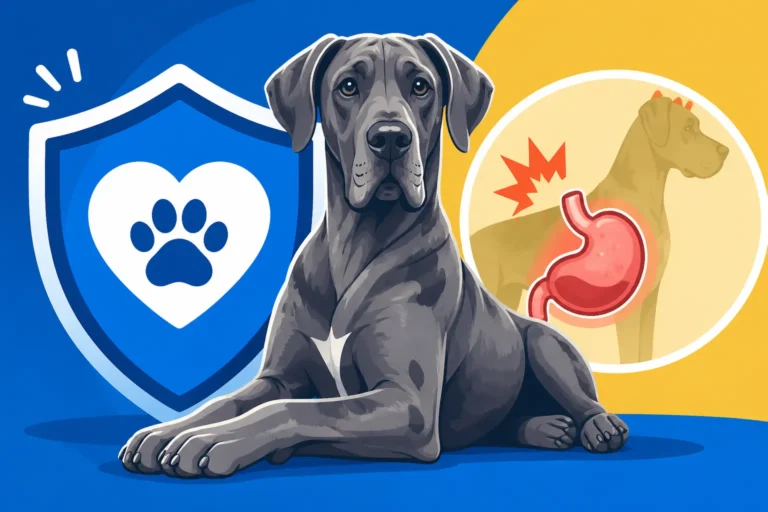
Beyond chronic conditions, the ever-present threat of bloat, or gastric dilatation-volvulus (GDV), looms large throughout a Great Dane's life. While a preventative Stomach Tacking Surgery for a Great Dane can mitigate some risk, it doesn't eliminate all gastrointestinal emergencies. An emergency surgery for bloat can easily run into the thousands, making it a prime example of the kind of unexpected, high-cost event that pet insurance is designed to cover, regardless of the dog's age when it occurs. Understanding Bloat in a Great Dane and the One in Three Odds highlights the constant worry Great Dane owners live with.
Understanding Pet Insurance Policies for Older Dogs
The landscape of pet insurance changes as your dog ages. While it's generally true that getting insurance for a puppy offers the broadest coverage and lowest premiums, insuring a four-year-old Great Dane is still entirely possible and often highly beneficial. The key is understanding how policies are structured for older pets and what to look for when shopping.
The Impact of Age on Premiums and Coverage
As with human health insurance, pet insurance premiums typically increase with age. This is because older animals are statistically more likely to develop health issues, making them a higher risk for insurers. For a Great Dane specifically, this age-related premium hike can feel particularly steep due to their breed-specific predispositions to expensive conditions. However, the premium increase is generally less about the Great Dane turning four, and more about the actuarial risk model that increases costs across all breeds as they get older.
Despite higher premiums, the availability of comprehensive coverage for a four-year-old Dane remains strong. Most providers do not have an upper age limit for enrollment for accident and illness plans, though some might have limits for certain types of coverage or introduce higher deductibles and lower reimbursement rates for older pets. The critical factor is often not the dog's age itself, but whether they have pre-existing conditions at the time of enrollment.
Navigating Pre-Existing Conditions
This is arguably the most significant hurdle when insuring an older Great Dane. A pre-existing condition is generally defined as any illness or injury that showed symptoms or was diagnosed before the policy effective date or during the waiting period. Most pet insurance policies, including those from providers like Healthy Paws, will not cover pre-existing conditions. This is a standard industry practice to prevent people from buying insurance only when their pet is already sick.
For a four-year-old Great Dane, this means if your dog has already been diagnosed with, say, The Heart Muscle Disease Great Danes Are Prone To, or has a documented history of joint pain or Wobbler Syndrome, treatments for that specific condition will likely be excluded from coverage. However, if your Great Dane has a clean bill of health at four, and then develops a new condition after the policy is in effect and waiting periods have passed, that new condition would typically be covered. This distinction is vital, and it underscores why even insuring an older, currently healthy Dane is beneficial – it protects against the future unknown. Always review the policy details and definitions of pre-existing conditions carefully with any potential insurer.
Waiting Periods and Their Significance
Every pet insurance policy comes with waiting periods – a specific amount of time after enrollment before certain conditions become eligible for coverage. These periods vary by insurer and type of condition. For example, accident coverage might have a very short waiting period (e.g., a few days), while illness coverage might be longer (e.g., 14-30 days). Orthopedic conditions, such as those affecting Great Dane hips or elbows, often have extended waiting periods (e.g., six months to a year), sometimes requiring an orthopedic exam or waiver to shorten them.
When insuring an older Great Dane, these waiting periods are especially important. If your dog shows any symptoms of a condition during the waiting period, even if not yet formally diagnosed, it could be deemed a pre-existing condition and excluded. Therefore, it's crucial to enroll your Great Dane while they are healthy and to understand exactly when different types of coverage become active. Don't wait until you suspect a problem; that's when insurance becomes most challenging to utilize.
The Benefits and Drawbacks of Insuring a Four-Year-Old Great Dane
Deciding whether to insure a four-year-old Great Dane involves weighing the financial implications against the potential peace of mind and access to advanced veterinary care. There are clear advantages and some undeniable disadvantages to consider.
The Advantages: Peace of Mind and Financial Buffer
The primary benefit of insuring your four-year-old Great Dane is the financial safety net it provides against unexpected, costly health emergencies. Great Danes are large dogs, and everything from medication dosages to surgical costs scales up with their size. A routine procedure for a smaller dog can become a major expense for a Dane simply due to the amount of anesthesia, medication, and surgical materials required. This is where pet insurance can truly shine.
Consider a scenario where your four-year-old Dane suddenly develops Bone Cancer in a Great Dane. Treatment options, such as amputation and chemotherapy, can be incredibly expensive. Without insurance, many owners are forced to make gut-wrenching decisions based on their ability to pay. With a policy in place, you can focus on making the best medical decisions for your beloved companion, knowing that a significant portion of the cost will be reimbursed. This isn't just about money; it's about reducing emotional stress during a difficult time.
| Policy Type | Best For | Typical Coverage | Considerations for 4-Year-Old Dane |
|---|---|---|---|
| Accident-Only | Unexpected injuries (e.g., broken bones, ingestion of foreign objects, bloat) | Accidents, emergency visits, diagnostics, surgery | Lower premium, good for sudden events. Won't cover illnesses like DCM or cancer. |
| Accident & Illness | Comprehensive coverage for most health issues | Accidents, illnesses (e.g., cancer, diabetes, heart disease), diagnostics, surgery, medication, specialist care | Higher premium, but covers the major, expensive Great Dane health issues. Pre-existing conditions are key. |
| Wellness Add-On | Routine and preventive care | Annual exams, vaccinations, dental cleanings, parasite prevention | Usually an add-on. May or may not be cost-effective depending on your Dane's needs and plan details. Not suitable if major illness is the concern. |
Even if your Great Dane is already four, you're still looking at several years of their life ahead, and anything can happen. A policy that covers new accidents and illnesses can literally be a lifesaver, allowing you to say "yes" to treatments you might otherwise have to decline.
The Disadvantages: Higher Premiums and Exclusions
The most significant drawback for insuring a four-year-old Great Dane is the cost. Premiums will undoubtedly be higher than if you had insured them as a puppy. This is a simple function of age and risk. You'll need to evaluate your budget and determine if the monthly or annual premium is sustainable. Don't forget that these premiums will likely continue to increase each year as your Dane ages further.
Another potential disadvantage is the presence of pre-existing conditions. If your Great Dane has already developed any health issues by age four, even minor ones that were noted in their vet records, those conditions will almost certainly be excluded from coverage. This means you would still be responsible for 100% of the costs related to those specific ailments. This can be frustrating, especially if you're trying to manage a condition like arthritis that might have started showing symptoms earlier.
It's crucial to be realistic about what pet insurance can and cannot do. It's not a magical solution for all vet bills, especially for an older dog with a medical history. However, for those new, unforeseen accidents or illnesses that could strike at any age, it remains an invaluable tool. It's about mitigating risk for the future, not paying for the past.
Navigating the Application Process and Finding the Right Plan
Even at four years old, finding a suitable pet insurance plan for your Great Dane is definitely achievable. The process requires a bit of research and careful consideration, but it's well worth the effort to ensure your giant companion has the coverage they deserve.
Gathering Your Great Dane's Medical History
The first and most crucial step is to obtain a complete copy of your Great Dane's medical records from all veterinarians they've seen. This includes vaccination records, annual exam notes, any illness diagnoses, injury treatments, and even minor concerns noted during routine visits. Insurers will request these records to determine any pre-existing conditions and to accurately assess risk. Be prepared for a waiting period as the insurer reviews these documents.
Being transparent and thorough here is vital. Trying to hide or omit information will only lead to claim denials later, which is exactly what you want to avoid. The more comprehensive the records, the faster and smoother the underwriting process will typically be. This also gives you a clearer picture of what might or might not be covered, helping you manage expectations.
Comparing Providers and Policy Options
There are many excellent pet insurance providers out there, and comparing their offerings is essential. Look for companies that clearly define their pre-existing condition policies, their waiting periods, and any upper age limits for new enrollment (though most do not have one for accident/illness plans). Some providers, like Healthy Paws, are known for their comprehensive accident and illness plans, while others might offer more customizable options. You might also find marketplaces, such as the one offered by Chewy, where you can compare quotes from multiple insurers in one place.
When comparing, pay close attention to:
- Deductibles: How much you pay out-of-pocket before insurance kicks in (e.g., $250, $500, $1000). Higher deductibles usually mean lower premiums.
- Reimbursement Rates: The percentage of covered vet bills the insurer will pay (e.g., 70%, 80%, 90%).
- Annual Limits: The maximum amount the policy will pay out in a year (unlimited, $10,000, $20,000). Given the potential costs of Great Dane health issues, an unlimited or very high annual limit is often advisable.
- Breed-Specific Exclusions: While less common for Great Danes, always check for any specific exclusions related to their breed's common ailments.
Asking the Right Questions Before You Enroll
Before you sign on the dotted line, make sure you have all your questions answered. Don't hesitate to call the insurance provider directly. Some key questions include:
- "What exactly constitutes a pre-existing condition in your policy, and how will my four-year-old Great Dane's medical history impact coverage?"
- "Are there any specific waiting periods for orthopedic conditions, and can they be waived with a veterinary exam?"
- "What are the typical annual premium increases for older dogs in this breed?"
- "Does your policy cover hereditary and congenital conditions, which are common in Great Danes?"
- "What is your claim process, and how long does reimbursement typically take?"
- "Are there any caps on specific conditions, such as for Great Dane Hips, Elbows and Growing Joints or The Neck Condition That Trips a Great Dane Up?"
It's also a good idea to research the insurer's customer service reputation and claim processing efficiency. Having peace of mind means knowing that if you ever need to file a claim for a condition like The Lifetime Bloat Risk in a Great Dane, the process will be as smooth as possible. Don't be afraid to read online reviews from other giant breed owners, as their experiences can offer valuable insights. For many Great Dane owners, ensuring they can afford advanced care, like that needed for Screening a Great Dane's Heart Each Year, is a top priority. Considering the various types of coverage, including whether a wellness plan covers Dental Work on a Great Dane, can also be important depending on your Dane's needs.
In conclusion, while insuring a four-year-old Great Dane means navigating slightly higher premiums and carefully managing pre-existing conditions, it is absolutely not too late. The benefits of having a financial safety net for the many years of life your Dane still has ahead, against the backdrop of their breed-specific health challenges, often far outweigh the perceived drawbacks. It's an investment in their health and your peace of mind.
Disclaimer
This article is for general informational purposes only and does not constitute professional advice. Laws, prices and regulations vary by location and change over time. Consult a qualified professional for guidance on your specific situation.