Why a Great Dane Ages Faster Than Smaller Dogs
It's an undeniable, heartbreaking truth for anyone who has loved a Great Dane: they simply don't get enough time with us. The immense joy these gentle giants bring into our lives is often shadowed by the stark reality that their lifespans are tragically shorter than many other breeds. If you’ve ever wondered why your magnificent Great Dane seems to age at warp speed compared to that tiny Chihuahua down the street, you’re not alone. This guide will delve deep into the complex biological reasons behind the accelerated aging in Great Danes, helping you understand the "why" behind their fast-paced journey through life and offering insights into how you can make every moment count.
Understanding the Accelerated Aging Phenomenon in Giant Breeds
Bringing a Great Dane into your home means embracing a unique set of joys and challenges, and chief among them is confronting their comparatively shorter lifespan. While smaller dog breeds often live well into their teens, a Great Dane's average lifespan typically hovers around seven to ten years. This isn't just a random occurrence; it's a phenomenon observed across many giant breeds, hinting at underlying biological mechanisms that kick into overdrive for these colossal canines.
The Frustrating Reality of a Shorter Lifespan
The bond we form with our Great Danes is incredibly profound. They are more than just pets; they are family members, often seen as majestic, goofy, and endlessly loving companions who take up an enormous amount of space in our homes and even more in our hearts. The thought of having significantly less time with them compared to owners of smaller breeds is genuinely frustrating and, frankly, quite unfair. You watch their incredible growth from a clumsy puppy into a towering adult in what feels like mere months, and then, just as quickly, you start to see the subtle signs of aging.
This emotional toll is something many Great Dane owners grapple with. You invest so much love, effort, and resources into their care, often making significant lifestyle adjustments to accommodate their size, only to face a shorter window of time. It's perfectly natural to wish for more years, more slobbery kisses, more leans against your leg. Understanding the biological underpinnings, even if it doesn't change the timeline, can at least provide some peace and validation for why you feel this particular ache.
The "Live Fast, Die Young" Theory in the Canine World
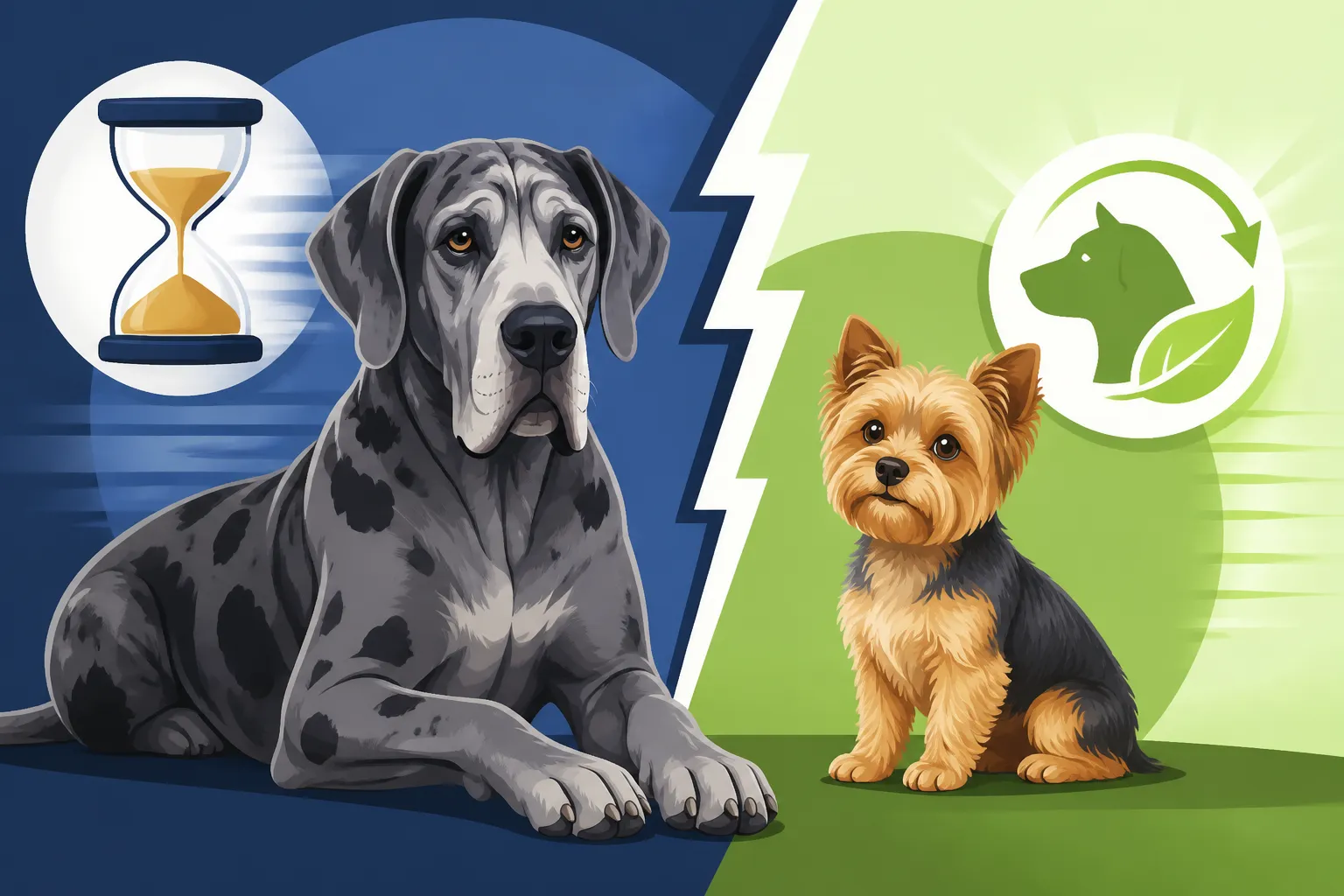
The concept of "live fast, die young" isn't just a cliché for rock stars; it's a surprising, well-documented observation in the world of canines, particularly when comparing giant breeds like Great Danes to their pint-sized counterparts. Studies have consistently shown an inverse relationship between a dog's size and its lifespan – the larger the breed, the shorter its expected years. Think about it: a Yorkshire Terrier might live for 15 years or more, while a Great Dane is often considered a senior at just six years old. If you've ever wondered about "The Great Dane Years That Count as Senior," it hits home far earlier than for other dogs.
This pattern suggests that larger breeds experience a faster rate of biological aging. While the exact mechanisms are still a subject of scientific research, the prevailing theory points to a heightened metabolic rate and accelerated cellular turnover. Essentially, their bodies operate at a higher intensity, leading to a faster accumulation of cellular damage and wear and tear on their systems. Their entire physical being is built for rapid, colossal development, and that speed comes at a cost, unfortunately.
The Role of Growth Rate and Metabolism
One of the most defining characteristics of a Great Dane is its sheer size and the incredible speed at which it achieves it. Imagine going from a small, cuddly puppy that fits in your arms to a towering, 150-pound adult in less than two years. This explosive growth, while awe-inspiring, plays a significant role in their accelerated aging process, putting immense strain on their developing bodies at a cellular level.
Explosive Growth: A Double-Edged Sword
When you bring home a Great Dane puppy, you witness an astonishing transformation. They grow at an almost unbelievable rate, gaining several pounds and inches each week. This rapid growth requires an immense amount of cellular division and energy expenditure. Every bone, muscle, and organ is rapidly expanding, demanding a huge biological effort from their young bodies. While this makes them magnificent to behold, it's very much a double-edged sword.
This intense period of development is critical, but it also means their cells are replicating at an exceptionally fast pace. Such rapid cellular turnover can lead to a higher chance of errors during DNA replication, potentially increasing the risk of abnormal cell development later in life. Furthermore, the sheer physical demands on their growing skeletal and muscular systems during this time are immense. This is why discussions around "Why a Great Dane Puppy Should Grow Slowly" are so vital for responsible breeders and owners. Over-nutrition or inappropriate exercise during this formative period can exacerbate these issues, contributing to orthopedic problems that further compound the aging process.
Metabolic Differences and Oxidative Stress
Great Danes, by virtue of their size, have higher basal metabolic rates than smaller dogs. This means their bodies are constantly working harder, burning more energy just to maintain basic functions. While necessary for their large stature, this increased metabolic activity comes with a biological cost: a higher production of reactive oxygen species, commonly known as free radicals.
These free radicals are byproducts of normal cellular metabolism and can cause damage to cells, proteins, and DNA through a process called oxidative stress. Think of it like a car engine running at higher RPMs all the time – it performs powerfully, but it also generates more heat and wear. In Great Danes, this heightened oxidative stress is believed to contribute to accelerated cellular damage and inflammation throughout their bodies. Over time, this cumulative damage can lead to premature aging of tissues and organs, paving the way for age-related diseases to appear earlier in their lives. Managing this oxidative stress through proper nutrition and antioxidant support is an area of ongoing interest for extending lifespan.
Cellular Senescence and Telomere Shortening
At the heart of aging, down to the microscopic level, lies the concept of cellular senescence and telomere shortening. Telomeres are protective caps at the ends of our DNA strands, similar to the plastic tips on shoelaces. Each time a cell divides, these telomeres get a little shorter. Eventually, they become too short to protect the DNA, and the cell enters a state called senescence, where it stops dividing or dies. This process is a fundamental aspect of biological aging.
Because Great Danes undergo such explosive growth, their cells divide far more frequently and rapidly in their early years compared to smaller dogs. This accelerated rate of cell division means their telomeres shorten much faster. Consequently, their cells reach senescence earlier, essentially pre-programming their bodies for a shorter functional lifespan at the cellular level. It’s a bit like having a limited number of "stamps" for cell division; giant breeds use up their stamps much quicker, leading to an earlier onset of age-related decline.
Common Health Challenges Exacerbated by Size and Growth
The sheer scale of a Great Dane's body doesn't just impact their cellular aging; it also places specific, intense demands on their organ systems, leading to a predisposition to certain health conditions that often appear earlier and with greater severity than in smaller breeds. These conditions are not just ailments; they are often direct consequences of their rapid growth and massive stature, acting as significant contributors to "Why a Great Dane Only Lives Seven to Ten Years."
Musculoskeletal Stress and Early Arthritis
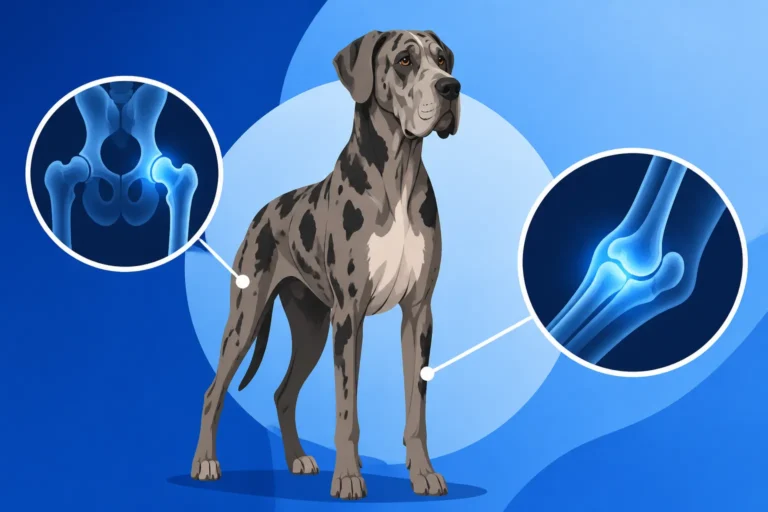
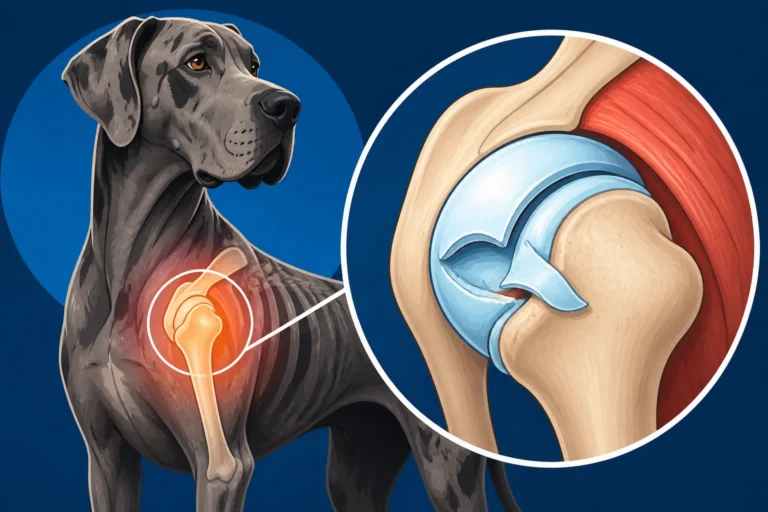
Imagine carrying around 150-plus pounds on a daily basis. That's the reality for an adult Great Dane, and their musculoskeletal system bears the brunt of this immense weight. During their rapid growth phase, their bones, joints, and ligaments are under incredible strain. This can lead to developmental orthopedic diseases like hip and elbow dysplasia, where the joints don't form correctly, creating instability and chronic pain. For more on this, consider exploring resources on Great Dane Hips, Elbows and Growing Joints.
Even with the best breeding and care, the sheer forces at play inevitably lead to accelerated wear and tear on their cartilage and bone structure. This often results in the early onset and progression of arthritis, making movement painful and limiting their mobility much earlier than in smaller dogs. A Great Dane might be showing significant signs of joint degeneration by age five or six, an age where a smaller dog is still bounding around like a youngster. Managing this requires careful attention to diet, appropriate low-impact exercise, and sometimes supplements or pain management, which can become significant financial considerations. Having a robust pet insurance plan like Healthy Paws can be a lifesaver when these large breed specific conditions begin to manifest, covering a portion of the extensive veterinary bills.
Cardiovascular System Strain
The heart of a Great Dane is a marvel of nature, a powerful pump designed to circulate blood efficiently throughout its enormous body. However, this constant, high-demand workload makes them particularly susceptible to certain cardiovascular diseases, most notably Dilated Cardiomyopathy (DCM). DCM is a condition where the heart muscle becomes thin and weakened, leading to an enlarged heart that struggles to pump blood effectively. It’s a terrifying diagnosis that many Great Dane owners face, as detailed in articles like "The Heart Muscle Disease Great Danes Are Prone To."
The sheer volume of blood that needs to be moved and the distance it must travel through such a large physique puts immense strain on the heart over time. This continuous stress can contribute to the development of DCM, often manifesting in middle age, which for a Great Dane, is tragically young. Symptoms like coughing, lethargy, or even fainting can be early indicators that their heart is struggling, and early detection through regular veterinary screenings, including echocardiograms, is crucial. Unfortunately, once symptoms appear, the disease has often progressed significantly, and managing it can involve a lifelong regimen of expensive medications.
Increased Cancer Risk in Large Breeds
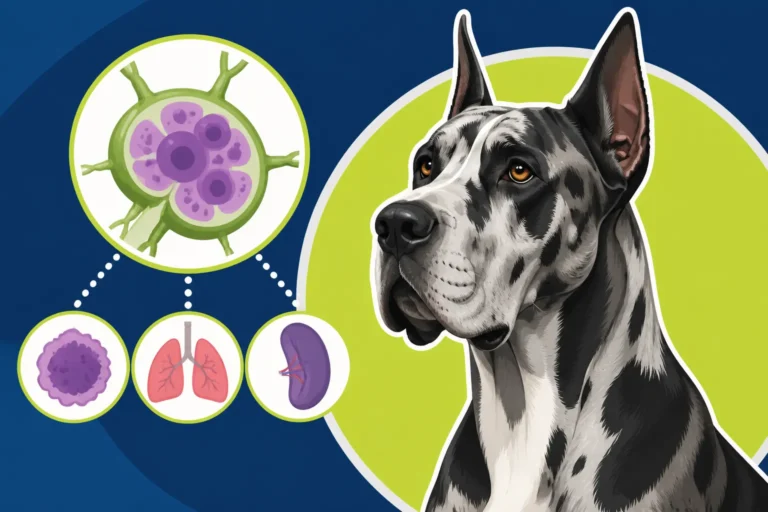
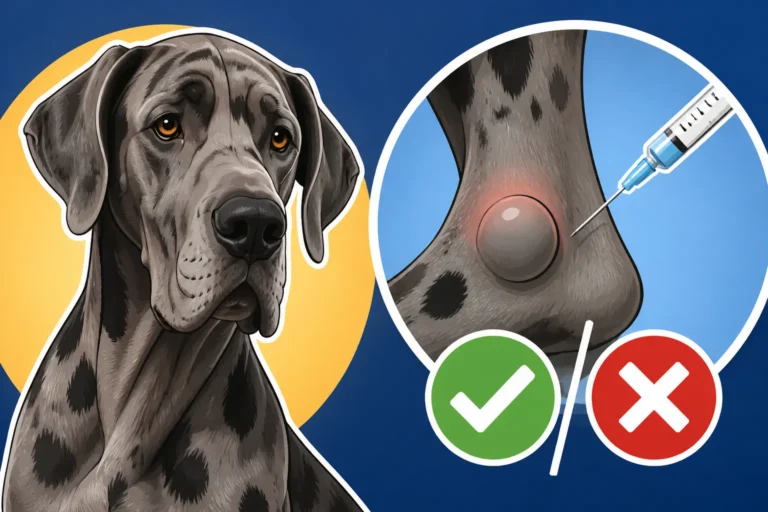
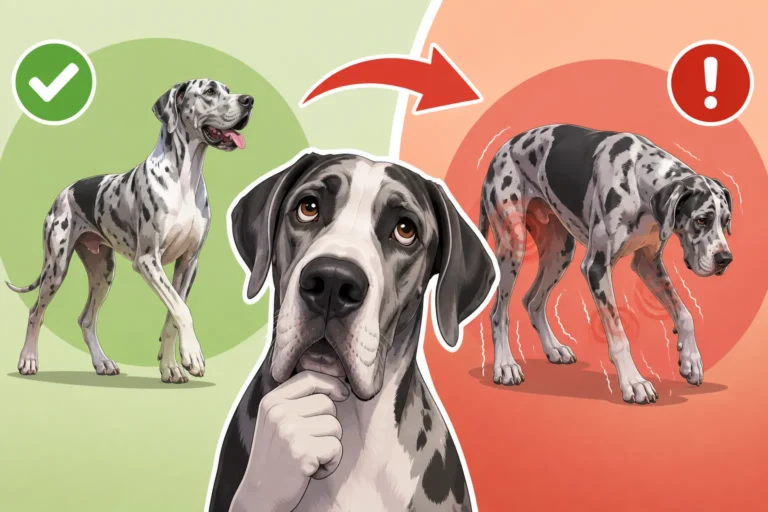
Another devastating health challenge that disproportionately affects Great Danes and other large breeds is an increased susceptibility to certain types of cancer. Osteosarcoma, an aggressive bone cancer, is particularly prevalent in Great Danes, often striking limbs or other bones. The heartbreak of a Great Dane that "Limps Without an Injury" often turns out to be this dreadful disease.
The exact reasons for this higher incidence are complex, but theories suggest a link to their rapid growth and large cell populations. More cells mean more opportunities for genetic mutations to occur during cell division. Furthermore, the constant turnover and stress on tissues and bones due to their rapid growth and weight might create an environment more conducive to cancerous changes. When cancer strikes a Great Dane, the treatment options, such as amputation and chemotherapy, are often extensive and costly, requiring significant emotional and financial commitment from their owners. This is another area where a comprehensive pet insurance policy, such as those offered by Healthy Paws, can provide critical financial support, easing the burden during an incredibly difficult time.
Lifestyle Factors and Management for a Healthier Lifespan
While some aspects of a Great Dane's accelerated aging are inherent to their biology, owners are not powerless. Strategic lifestyle management, particularly focusing on their unique growth phase and ongoing health needs, can significantly impact their quality of life and potentially influence their longevity within the breed's natural limits.
Nutrition Tailored for Giant Breed Growth
One of the most critical aspects of raising a healthy Great Dane is providing the correct nutrition, especially during their puppyhood. Unlike smaller breeds, Great Dane puppies should not grow too quickly. High-calorie, high-protein puppy foods designed for "all breeds" can actually be detrimental, causing their bones to grow faster than their connective tissues can keep up. This puts immense stress on developing joints and can predispose them to orthopedic issues down the line.
The key is to select a large or giant breed puppy formula specifically designed for slow growth. These foods typically have carefully controlled levels of calcium and phosphorus – minerals that, if consumed in excess during rapid growth, can lead to serious bone development problems. Too much calcium, for instance, can be just as damaging as too little, leading to conditions like hypertrophic osteodystrophy. This is why understanding "Why Calcium Supplements Damage a Great Dane" is so important. Consult with your veterinarian to ensure you’re feeding an appropriate diet and avoiding any supplements that could inadvertently harm your growing giant. A lean body condition, where you can easily feel their ribs but not see them, is ideal throughout their lives to reduce stress on their joints.
Exercise: Finding the Right Balance
Exercise is vital for any dog, but for a growing Great Dane, it’s a delicate balancing act. While they need activity to build strong muscles and maintain a healthy weight, too much high-impact or forced exercise during their rapid growth phase can be incredibly damaging to their soft, developing joints. This is a topic thoroughly explored when considering "Exercise Limits While a Great Dane Is Still Growing." Running, jumping off high places, or prolonged strenuous activities should be avoided until their growth plates have closed, usually around 18-24 months of age.
Instead, focus on short, frequent, low-impact activities like gentle walks on soft surfaces (grass or dirt trails are better than pavement) and supervised playtime in a secure yard. Once they reach maturity, Great Danes are often surprisingly content with moderate exercise. Two or three good walks a day, interspersed with indoor play, usually suffices. Avoid pushing them to extreme endurance activities, which can place undue stress on their heart and joints. The goal is to keep them fit and mentally stimulated without causing premature wear and tear on their large frames.
Proactive Veterinary Care and Early Detection
Given their predispositions to specific health issues, proactive and consistent veterinary care is paramount for Great Danes. Regular check-ups aren't just about vaccinations; they're opportunities for your vet to monitor their growth, assess their gait, listen to their heart, and discuss any subtle changes you might have noticed. Early detection can make a world of difference in managing conditions before they become critical.
Breed-specific screenings are also incredibly important. For example, regular cardiac evaluations, including echocardiograms, can help detect the early stages of Dilated Cardiomyopathy (DCM), allowing for earlier intervention that might extend their quality of life. Owners should also be educated on the signs of bloat (gastric dilatation-volvulus), a life-threatening condition common in deep-chested breeds. While often preventable with a prophylactic gastropexy, knowing "The Signs of a Great Dane Stomach Twisting" and acting fast is crucial. Discussing "The Health Testing a Great Dane Breeder Owes You" can highlight the importance of starting with a healthy puppy, but ongoing vigilance is always needed. Investing in pet insurance, like a plan from Healthy Paws, is almost a necessity for Great Dane owners. With their propensity for costly conditions like bloat, DCM, and orthopedic issues, having coverage can provide invaluable peace of mind and ensure you can afford the best possible care if an emergency arises or a chronic condition develops.
The Emotional Toll on Great Dane Owners
While understanding the science behind why Great Danes age faster offers valuable insight, it doesn't diminish the emotional impact of loving a breed with a shorter lifespan. This reality is a heavy one, and acknowledging the profound bond you share with your gentle giant, as well as the grief that may accompany their shorter time, is an important part of the journey.
Acknowledging the Grief and Sadness
There’s no getting around it: knowing that "The Seven to Ten Year Great Dane Lifespan" is often the reality is tough. Many Great Dane owners find themselves grieving even before their beloved companion shows significant signs of age, simply because the timeline is so compressed. You pour your heart and soul into raising and caring for these magnificent creatures, and the realization that your time with them will be cut short compared to other dogs can bring a profound sense of sadness and anxiety.
It's okay to feel this way. The love you have for a Great Dane is immense, and their presence fills your home and life in such a unique way. The looming shadow of their shorter lifespan can make you hyper-aware of every gray hair, every slower movement, every little sign that time is marching on. This anticipatory grief is a real and valid emotion. Allow yourself to feel it, and remember that cherishing every single moment becomes even more vital. Don't let the sadness overshadow the joy they bring each day, but don't ignore your feelings either.
Making Every Day Count
Given the knowledge of their accelerated aging, many Great Dane owners consciously choose to make every single day count. This isn't about rushing through their lives, but rather about maximizing the quality of the time you have together. It means prioritizing their comfort, happiness, and well-being in every decision.
Focus on providing enriching experiences, whether it's exploring new walking trails, engaging in gentle play, or simply sharing quiet moments on the couch. Ensure they have orthopedic bedding to support their joints, a nutritious diet to fuel their bodies, and regular veterinary care to catch any issues early. Celebrate their milestones, take countless photos, and soak in their goofy antics and comforting presence. While you can't add years to their life beyond biological limits, you absolutely can add life to their years. Living with a Great Dane is an incredible privilege, and by embracing the present and providing the best possible care and love, you can ensure their relatively brief time on earth is filled with joy, comfort, and unwavering companionship.
| Factor | Great Dane (Giant Breed) | Small Dog Breeds (e.g., Chihuahua) |
|---|---|---|
| Growth Rate | Extremely rapid, reaching adult size in 18-24 months | Slower, reaching adult size in 9-12 months |
| Average Lifespan | 7-10 years | 12-18+ years |
| Metabolic Rate | Higher | Lower |
| Cellular Turnover | Faster | Slower |
| Oxidative Stress | Higher accumulation | Lower accumulation |
| Telomere Shortening | Faster | Slower |
| Orthopedic Issues | Prone to hip/elbow dysplasia, early arthritis | Less common or later onset |
| Cardiac Issues | Prone to Dilated Cardiomyopathy (DCM) | Breed-specific heart issues (e.g., mitral valve disease) but generally less prevalent DCM |
| Cancer Risk | Higher incidence of certain cancers (e.g., osteosarcoma) | Generally lower incidence, different types |
| "Senior" Age | Typically 5-6 years | Typically 8-10 years |
Disclaimer
The information provided in this article is for general informational purposes only and is not a substitute for professional veterinary advice. Always consult with a qualified veterinarian regarding any health concerns or before making any decisions about your Great Dane's care, diet, or treatment. Individual results may vary, and the health and lifespan of any dog can be influenced by a multitude of factors.