What a Great Dane Amputation Costs
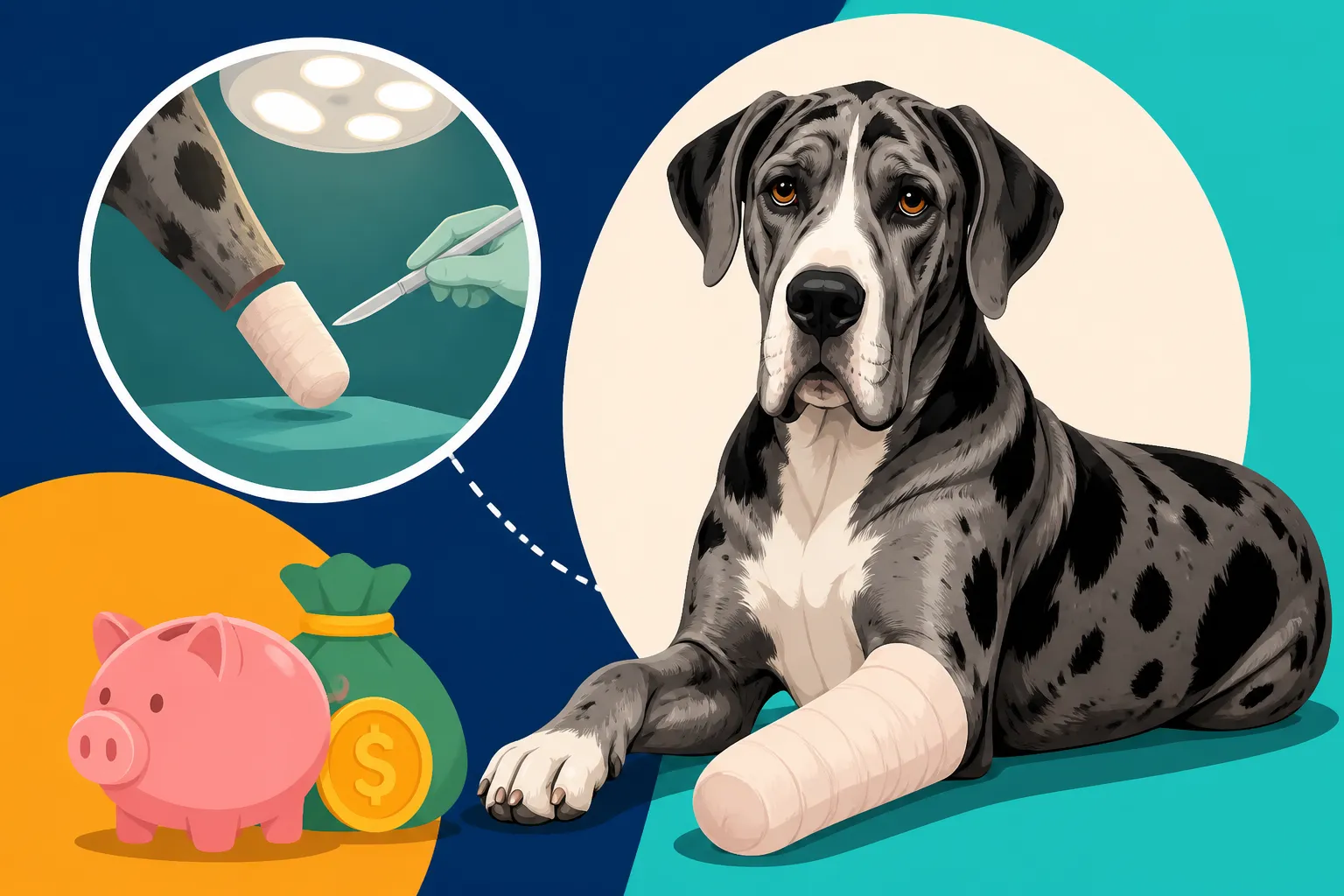
Facing the devastating news that your beloved Great Dane might need an amputation is a moment that can stop your heart. Beyond the immediate shock and the emotional turmoil of imagining your giant companion on three legs, a very real, pressing concern surfaces: the cost. It's a cruel reality that, as pet parents, we often have to weigh our dog's quality of life against the immense financial burden of specialized veterinary care. This guide is here to walk you through the various financial aspects and potential aid available when considering a Great Dane amputation, helping you understand the full picture so you can make informed decisions during such a challenging time.
Understanding the Medical Need for Amputation in Great Danes
Amputation is never a decision taken lightly. For a dog as large and as magnificent as a Great Dane, it's a last resort, but often one that can dramatically improve or save their life. The reasons behind such a recommendation are usually severe, leaving few other viable options.
Common Conditions Leading to Amputation
When a vet suggests amputation for a Great Dane, it's typically due to one of a few critical scenarios. The most heartbreaking, and unfortunately common, is the diagnosis of aggressive bone cancer, also known as osteosarcoma. This nasty disease often strikes large and giant breeds like our Danes, frequently affecting a leg bone. For many owners, hearing about Bone Cancer in a Great Dane is a deeply feared moment. Amputation, in these cases, aims to remove the cancerous limb entirely, preventing the spread of the disease and alleviating the intense pain the tumor causes. It can truly be a lifeline, extending precious time and providing comfort.
Another common reason is severe trauma. Imagine a terrible accident, perhaps a car hitting your dog, or a fall resulting in a catastrophic fracture that simply cannot be repaired. Sometimes, even seemingly minor injuries can become life-threatening if they lead to an irreparable infection that spreads quickly through the bone. In these instances, amputation becomes the only way to prevent widespread infection or excruciating, intractable pain, offering the dog a chance at a pain-free future, albeit on three legs. You might also encounter a situation where a Great Dane has a chronic, debilitating condition like a severe nerve injury or an unmanageable deformity that causes constant pain and immobility; in such cases, removing the limb can be a humane choice for improved comfort.
The Role of Diagnostics in the Decision
Before any talk of amputation, your veterinary team will conduct a thorough diagnostic workup. This isn't just to confirm the primary issue, but also to ensure your Great Dane is a good candidate for such a major surgery and to rule out other problems. This typically starts with comprehensive physical exams and blood tests to check overall health and organ function. Then, imaging is crucial. X-rays are usually the first step to visualize bone structures, look for fractures, or identify suspicious lesions that might indicate cancer. If cancer is suspected, further imaging like CT scans or MRIs might be necessary to get a clearer picture of the tumor's extent, whether it has spread, and to aid in surgical planning. For a Great Dane that presents with a mysterious limp and no obvious injury, a thorough investigation including advanced imaging is vital to pinpoint the underlying cause before considering an extreme measure like amputation. These diagnostic steps, while adding to the initial costs, are absolutely indispensable. They provide the detailed information needed for your vet to make the most informed recommendation and for you to understand the prognosis and the path ahead. It helps answer critical questions like What Shows Up on a Great Dane Spinal Scan if a neurological component is suspected.
The Components of Amputation Cost for a Great Dane
When you're told your Great Dane needs an amputation, the financial figure can feel overwhelming. It's not just a single cost; it's a culmination of various medical services, specialized care, and ongoing support, all compounded by the sheer size of a Great Dane. Every aspect, from the amount of anesthesia needed to the size of the bandages, often translates to a higher bill compared to smaller breeds.
Initial Consultations and Pre-Surgical Diagnostics
The journey to amputation begins long before the surgery itself. First, there are the initial veterinary visits where the problem is identified and assessed. This includes examination fees, which can quickly add up if you're seeing specialists, like an orthopedic surgeon or an oncologist. Then come the vital pre-surgical diagnostics. As mentioned, X-rays are standard, but for a massive breed like a Great Dane, multiple views and sometimes specialized equipment are needed. Bloodwork is essential to ensure your dog is healthy enough for anesthesia and surgery, checking kidney and liver function, and blood clotting abilities. Sometimes, a biopsy of a suspicious mass is required to confirm a cancer diagnosis, and that involves its own lab fees.
It's not uncommon for vets to recommend an echocardiogram (ECG) before any major surgery for Great Danes, given their predisposition to certain heart conditions. A careful check of Screening a Great Dane's Heart Each Year can potentially flag issues that could complicate anesthesia. All these preliminary steps, though crucial for a successful outcome, contribute significantly to the overall expense, often ranging into hundreds or even thousands before your dog even enters the operating room for the main procedure.
Surgical Fees and Anesthesia
The core cost of a Great Dane amputation lies in the surgery itself. This fee covers the surgeon's expertise, the surgical team (including veterinary technicians monitoring anesthesia and assisting), the operating room facilities, and all the sterile instruments and supplies used during the procedure. Given the size of a Great Dane, the surgery is more complex, requiring larger incisions, more extensive tissue handling, and more substantial closure. This usually means a longer surgical time and more resources, all impacting the final cost.
Anesthesia for a Great Dane is another major component of the bill and often costs more compared to smaller dogs. The sheer volume of anesthetic drugs required to sedate and maintain a giant breed is significantly higher. Furthermore, Great Danes, like many large breeds, can have increased risks under anesthesia due to their size and potential underlying health issues. This necessitates intensive monitoring, often by a dedicated technician, using specialized equipment to track heart rate, blood pressure, oxygen levels, and temperature throughout the entire procedure. All these factors contribute to Why Great Dane Anesthesia Is Billed Higher compared to a smaller dog. The post-operative recovery suite, where your Dane is closely watched as they wake up, is also part of this intensive care package.
Post-Operative Care and Medication
The immediate care after surgery is just as critical as the surgery itself and also represents a substantial portion of the cost. Your Great Dane will likely spend several days in the hospital for pain management, wound care, and close observation. This includes intravenous fluids, constant monitoring, and around-the-clock nursing care. Pain relief is paramount, and Great Danes, given their size, require higher doses of medication to effectively manage post-surgical discomfort. Expect to receive a hefty supply of pain medication, anti-inflammatories, and possibly antibiotics to take home, all priced according to their large-breed dosage.
Dressing changes and follow-up examinations are also part of the post-operative journey. You'll likely have several appointments with your vet or a technician to check the incision site, remove sutures, and monitor healing. If there are any complications, such as infection or issues with wound healing, these additional vet visits, medications, and treatments will add to the bill. Rehabilitation, which we'll discuss more later, often begins soon after surgery to help your Dane adapt to life on three legs, and these sessions are an additional cost.
Here's a generalized breakdown of potential cost categories, keeping in mind specific figures are never static:
| Cost Category | Description | Impact for a Great Dane |
|---|---|---|
| Initial Consultations | Vet visits, specialist assessments | Multiple visits, potentially specialist fees |
| Pre-Surgical Diagnostics | Bloodwork, X-rays, CT/MRI, biopsies, cardiac workups | More comprehensive due to breed risks, higher drug/supply volume |
| Surgical Procedure | Surgeon's fee, surgical team, operating room, materials | Longer surgery time, more materials, larger surgical team |
| Anesthesia | Anesthetic drugs, monitoring equipment, dedicated technician | Higher drug volume, more intense monitoring, increased risk profile |
| Hospitalization | Overnight stays, IV fluids, nursing care, pain management | Extended stays, higher medication doses, specialized large-dog facilities |
| Post-Op Medications | Pain relievers, anti-inflammatories, antibiotics (take-home) | Higher dosages, longer courses for recovery |
| Follow-up Appointments | Wound checks, suture removal, re-checks | Multiple visits to ensure proper healing and adjustment |
Financial Planning and Support for a Great Dane Amputation
The sticker shock of an amputation can be paralyzing. However, there are various ways to approach the financial challenge, from proactive planning with pet insurance to exploring assistance programs. Nobody should feel forced to make a decision based solely on cost when their beloved Dane's life is on the line.
Pet Insurance: A Lifesaver for Major Surgeries
If you've been proactive and enrolled your Great Dane in pet insurance early, this is precisely when it can become an absolute lifesaver. Pet insurance policies, especially comprehensive ones, are designed to cover a significant portion of unexpected veterinary bills, including major surgeries like amputations, diagnostics, hospitalization, and even some post-operative rehabilitation. Providers like Healthy Paws are well-known for their high reimbursement rates and for covering accidents and illnesses, which would include the conditions leading to an amputation.
It’s crucial to understand your policy's specifics: deductibles, reimbursement percentages, and annual limits. For a Great Dane, with their susceptibility to serious conditions like bloat and heart issues, having pet insurance is almost non-negotiable, and it's something I always tell new Dane owners to consider seriously when thinking about Insuring a Great Dane Against Bloat and Heart Bills. If your Dane suddenly needs an amputation, having pet insurance in place can transform an unmanageable financial burden into something much more palatable, allowing you to focus on your dog's recovery rather than crippling debt. Just be aware that pre-existing conditions are typically not covered, so enrolling before any health issues arise is key.
Veterinary Payment Plans and Financial Aid Programs
Even without insurance, there are still options. Many veterinary practices understand the financial strain of extensive treatments and offer their own in-house payment plans, allowing you to pay the total bill in installments over time. It's always worth asking your vet's office about this. Additionally, there are often third-party medical credit cards specifically designed for veterinary expenses, which can offer deferred interest or low-interest payment options if paid within a certain timeframe.
Beyond direct payment solutions, numerous non-profit organizations and charities exist to help pet owners facing high veterinary costs. Organizations focusing on specific conditions, like canine cancer, might offer grants or assistance. There are also breed-specific rescues and foundations for Great Danes that sometimes provide financial aid for emergency medical care. A quick search for "Great Dane rescue financial aid" or "canine cancer assistance" could yield resources. While these programs often have eligibility requirements and limited funds, they are absolutely worth exploring during a crisis.
Life After Amputation: Ongoing Costs and Care for a Three-Legged Dane
An amputation isn't the end of the story; it's the beginning of a new chapter. Caring for a three-legged Great Dane brings its own set of ongoing needs and associated costs, primarily focused on maintaining comfort, mobility, and overall quality of life.
Rehabilitation and Physical Therapy
One of the most critical investments after amputation, especially for a giant breed, is rehabilitation and physical therapy. Imagine a creature designed for power and balance suddenly losing one of its four pillars. Learning to walk, run, and navigate on three legs is a monumental task, and professional guidance makes all the difference. Physical therapy helps strengthen remaining limbs, improve core stability, and teach new ways of moving to prevent compensatory injuries. This might involve hydrotherapy, therapeutic exercises, laser therapy, or massage. These sessions are usually billed per visit, and a comprehensive program can span weeks or even months. While the upfront cost may seem high, the long-term benefits in preventing secondary joint issues and promoting a pain-free, active life are invaluable. It’s an investment in your Dane's continued well-being.
For a Great Dane that stumbles on its back legs or has general mobility issues, whether due to nerve damage, arthritis, or post-surgical weakness, rehabilitation can significantly improve their quality of life.
Mobility Aids and Home Modifications
To support your three-legged Dane, you'll likely need to invest in various mobility aids and make some home modifications. Orthopedic beds are essential to cushion joints and prevent pressure sores, especially on the remaining weight-bearing limbs. Given the size of Great Danes, these beds are not cheap, and durable, supportive options can be found through retailers like Chewy. You might also need harnesses designed to help you support your Dane when they need a little extra stability, particularly on stairs or slippery surfaces. Ramps for cars or steps can become necessary to protect their joints and aid entry and exit.
Depending on the specific amputation (front vs. rear leg), your Dane might benefit from a custom-fitted cart or wheelchair for longer walks or more extensive exercise. While a significant expense, these devices can offer incredible freedom and maintain muscle mass. Look for a ramp for getting your Great Dane into a car if you want to save their joints (and your back). Think about flooring too: slippery tiles or hardwood can be a nightmare for a recovering or three-legged giant. Adding rugs and runners can provide much-needed traction. All these modifications, though they seem minor individually, add up to create a safer, more comfortable environment for your resilient companion.
Special Dietary Needs and Supplements
Diet plays a crucial role in managing the health of an amputee Great Dane. Maintaining an ideal body weight is paramount to prevent undue stress on their remaining joints. Even a few extra pounds can put significant strain on their shoulders, hips, and elbows, potentially leading to issues like arthritis. This often means careful portion control and choosing a high-quality, balanced diet. Some owners might explore fresh food options like Ollie, which can be tailored to specific caloric and nutritional needs, though the volume required for a Great Dane will increase the cost considerably.
Beyond food, joint supplements are almost certainly going to be a part of their daily routine. Glucosamine, chondroitin, MSM, and omega-3 fatty acids are common recommendations to support joint health and reduce inflammation. These supplements, dosed for a Great Dane's massive body weight, can represent a considerable ongoing monthly expense. Your vet might also recommend specific therapeutic diets designed for joint support. Regularly consulting with your vet or a veterinary nutritionist to tailor your Dane's diet and supplement regimen is vital for their long-term health and comfort. Every little bit of support for their remaining joints helps keep them comfortable and active as they age, especially as you care for a Great Dane past six.
Disclaimer
This article is for general informational purposes only and does not constitute professional advice. Laws, prices and regulations vary by location and change over time. Consult a qualified professional for guidance on your specific situation.