What Fixing a Great Dane Hip Runs
Discovering your beloved Great Dane is struggling with hip pain is one of the most heartbreaking and financially daunting challenges a giant breed owner can face. The sheer size of these magnificent dogs means that any orthopedic issue, especially involving a critical joint like the hip, doesn't just bring emotional distress; it brings a cascade of complex, costly decisions. This guide will walk you through the various diagnostic and treatment options for Great Dane hip problems, helping you understand what to expect regarding the financial commitment and ongoing care for your gentle giant.
Understanding Great Dane Hip Issues
When you share your home with a Great Dane, their impressive size is part of their charm, but it also means their bones and joints are under incredible stress, particularly during their rapid growth phases. Hip problems are unfortunately not uncommon in this breed, and understanding the root cause is the first step toward effective management and financial planning.
Common Hip Conditions in Great Danes
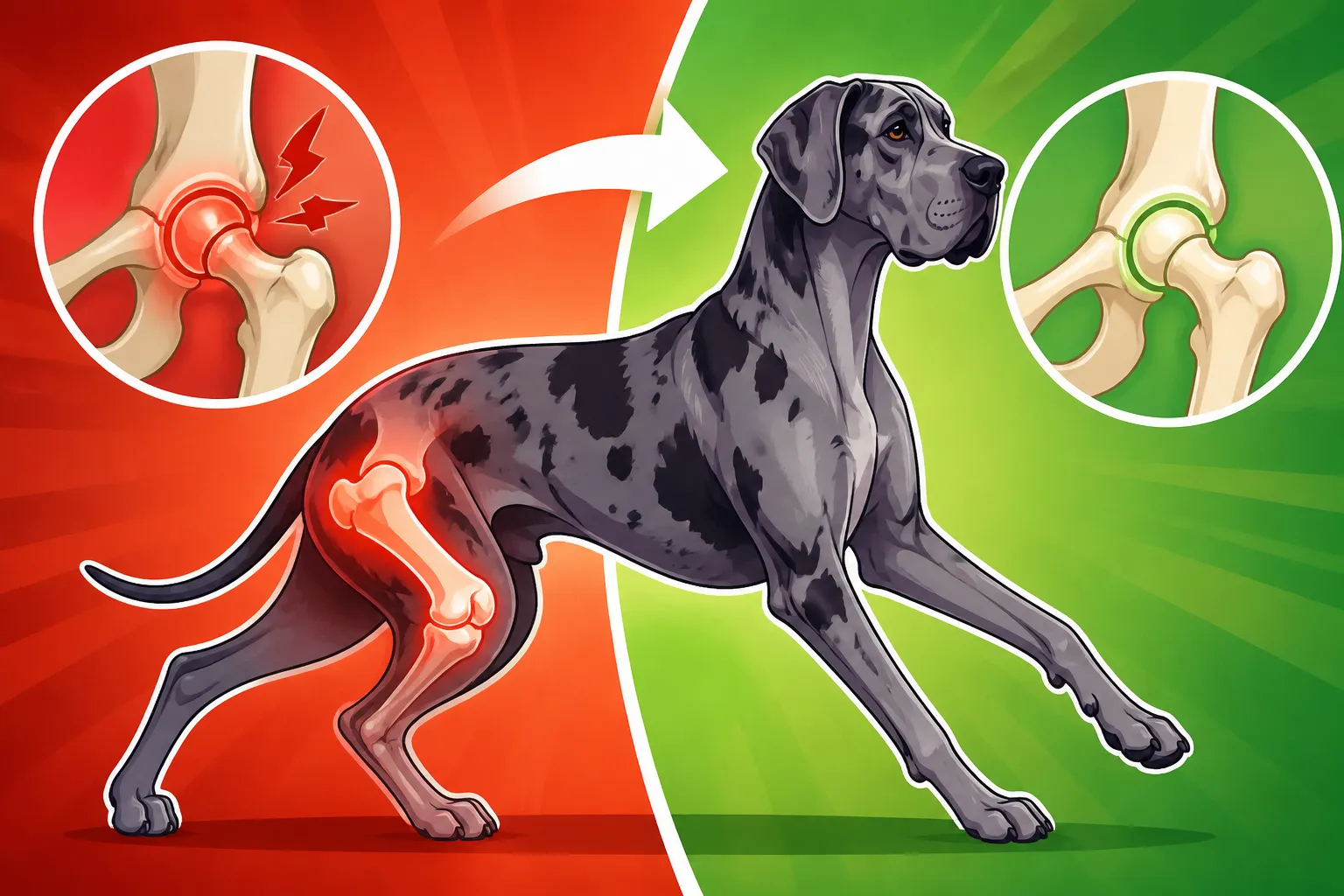
The most prevalent and often discussed hip condition in Great Danes, as with many large breeds, is hip dysplasia. This isn't just a simple ache; it's a developmental condition where the hip joint doesn't form correctly. Instead of the ball (femoral head) fitting snugly into the socket (acetabulum), it's loose, leading to a grinding motion or even partial dislocation. Over time, this abnormal movement causes wear and tear, eventually resulting in degenerative joint disease or osteoarthritis. The frustration for many owners stems from the knowledge that hip dysplasia is largely hereditary, meaning it's something many Danes are predisposed to, regardless of how perfectly you care for them. While less common, other issues like Legg-Calve-Perthes disease can also affect the femoral head, particularly in younger, still-growing Danes, leading to similar pain and mobility issues.
Why Size Magnifies the Problem
Imagine the strain on human joints carrying an extra hundred pounds, then multiply that by a Great Dane's already immense body weight, often exceeding 120-150 pounds or even more. This sheer mass puts incredible pressure on imperfectly formed hip joints. Every step, every jump, every playful romp exacerbates the underlying issue. The rapid growth rate of a Great Dane puppy also contributes significantly. Their bones and soft tissues grow at an astonishing pace, and if this growth isn't managed carefully, or if there's a genetic predisposition to malformation, the joints simply can't keep up. The cumulative effect of weight and growth means that what might be a minor issue in a smaller dog can quickly become a debilitating condition for a Great Dane. This is a primary reason why addressing Great Dane Hips, Elbows and Growing Joints is so crucial from an early age.
Diagnostic Journey and Initial Costs
When you first notice your Great Dane limping, struggling to rise, or showing reluctance to jump or play, your heart sinks. The immediate concern is their comfort, but soon, the practicalities of diagnosis and treatment begin to surface, along with their associated costs.
The Initial Vet Visit and Physical Exam
Your journey typically starts with a visit to your primary care veterinarian. You'll describe the subtle signs you’ve noticed: maybe your Dane has been lagging behind on walks, hesitant to use stairs, or has a noticeable limp, particularly after rest. During the physical exam, your vet will carefully palpate your dog's hips, assess their range of motion, and observe their gait. They might perform specific maneuvers, like the Ortolani sign, to check for hip laxity. This initial consultation, while routine, sets the stage for what's to come. It’s a moment filled with anxiety, as you hope for a simple explanation, but often, the physical findings point towards something more serious.
Imaging and Specialist Consultation
If your vet suspects hip dysplasia or another significant joint issue, the next step will almost certainly involve diagnostic imaging. This typically starts with X-rays. For a Great Dane, getting clear, diagnostic X-rays often requires sedation, not just for the dog's comfort and stillness, but for the safety of the veterinary staff due to their immense size and strength. The cost of sedation, combined with multiple radiographic views, can be substantial. These images allow the vet to visualize the joint structure, assess the degree of laxity, and look for signs of arthritis. In some complex cases, or before major surgery, your vet might recommend advanced imaging like a CT scan or MRI, which provides even more detailed cross-sectional images, but also adds significantly to the diagnostic bill.
Following the initial imaging, your vet might refer you to a board-certified veterinary orthopedic surgeon. This specialist has advanced training in musculoskeletal conditions and can offer a more definitive diagnosis and discuss the full spectrum of treatment options. A consultation with a specialist comes with its own fee, but their expertise is invaluable in navigating the complexities of giant breed orthopedics. This diagnostic phase, from initial exam to specialist referral and advanced imaging, is an essential, albeit costly, prelude to treatment. It's often at this stage that discussions around Great Dane Hip and Elbow Screening become critically important, especially for those considering breeders.
Treatment Options and Associated Expenses
Once a diagnosis is confirmed, you'll be faced with a range of treatment options, each with its own level of invasiveness, effectiveness, and, of course, financial implications. For a Great Dane, these decisions are often magnified by their size and the unique demands it places on recovery and long-term care.
Non-Surgical Management
For milder cases of hip dysplasia, or for dogs who aren't candidates for surgery due to age or other health concerns, conservative management is often the first approach. This typically involves a multi-modal strategy focused on pain control, inflammation reduction, and joint support.
- Medications: Your vet will likely prescribe non-steroidal anti-inflammatory drugs (NSAIDs) to manage pain and inflammation. For a Great Dane, the dosage will be significantly higher than for a smaller dog, meaning the cost of these medications will be an ongoing and substantial expense. Other pain relievers or joint-supportive medications might also be part of the regimen.
- Supplements: Many owners opt for joint supplements containing ingredients like glucosamine, chondroitin, and MSM. While these aren't cures, they can help support cartilage health and reduce inflammation. Given the large size of a Great Dane, ensuring that Whether Joint Supplements Reach a Great Dane's Dose is adequate requires careful calculation and means purchasing larger, more expensive quantities. Services like Chewy can be helpful for setting up auto-shipments of these essential, often costly, supplements.
- Weight Management: Keeping your Great Dane lean is paramount. Extra pounds put immense strain on already compromised joints. This might involve a prescription diet for weight loss or careful portion control.
- Physical Therapy: Gentle, controlled exercise, hydrotherapy (swimming or underwater treadmill), and therapeutic massage can strengthen supporting muscles, improve range of motion, and reduce pain. These sessions often require a commitment of time and money, but can be incredibly beneficial.
- Lifestyle Modifications: Limiting high-impact activities, providing orthopedic dog beds, and using ramps to get in and out of cars can make a big difference in your Dane's comfort.
Conservative management is an ongoing financial commitment, but it avoids the upfront expense and recovery challenges of surgery.
Surgical Interventions: FHO vs. THR
When conservative management isn't enough, or for more severe cases, surgical intervention might be recommended. The two most common surgical procedures for hip dysplasia are Femoral Head Ostectomy (FHO) and Total Hip Replacement (THR).
- Femoral Head Ostectomy (FHO): In an FHO, the "ball" portion of the hip joint (the femoral head) is removed. The body then forms a "false joint" of scar tissue. While it doesn't recreate a normal joint, it eliminates the painful bone-on-bone grinding. FHO is generally less expensive than THR and can be a good option for certain Great Danes, especially those with severe pain who might not be ideal candidates for THR due to other health issues or financial constraints. The recovery involves significant muscle building to support the new joint.
- Total Hip Replacement (THR): A THR is considered the gold standard for treating severe hip dysplasia, offering the best chance for a pain-free, fully functional hip. In this procedure, the damaged ball and socket are replaced with artificial implants made of metal and plastic. For a Great Dane, this is an incredibly complex and specialized surgery. The implants themselves are larger, specialized, and therefore more costly. The surgery requires a highly skilled orthopedic surgeon and a veterinary hospital equipped for such a demanding procedure. The operating time is longer, and the anesthesia considerations are more significant, adding to the overall bill. Indeed, the cost associated with Why Anesthesia Costs More for a Great Dane is a factor across all major surgeries for them. While promising, Hip Replacement in a Great Dane is one of the most substantial financial undertakings in veterinary medicine.
The Financial Reality of Great Dane Surgery
Regardless of which surgical route you pursue, the financial investment will be substantial. For a Great Dane, every aspect of a surgical procedure is scaled up, leading to a significantly higher bill compared to a smaller dog.
Consider these factors:
- Surgeon's Fees: The expertise of a board-certified orthopedic surgeon comes at a premium.
- Anesthesia and Monitoring: Longer anesthesia times, larger doses of medications, and continuous advanced monitoring (blood pressure, ECG, oxygen saturation) during and after surgery are essential for giant breeds and contribute significantly to costs.
- Implants and Materials: For THR, the specialized implants are a major cost component. Even for FHO, surgical supplies are considerable.
- Operating Room Time: More complex procedures and larger patients require more time in the sterile surgical suite.
- Hospitalization and Nursing Care: A Great Dane requires a larger recovery space and more intensive post-operative nursing care, including assistance with mobility, pain management, and monitoring for complications. Overnight stays are typically necessary.
A Great Dane hip surgery can easily run into many thousands, reflecting the complexity, specialized equipment, and intensive care required. This is where pet insurance, such as plans from Healthy Paws, can be an absolute lifeline. Enrolling your Great Dane in an appropriate plan early in their life can help cover a significant portion of these unexpected and often massive veterinary expenses. It's a critical consideration for any Great Dane owner planning for the long haul.
Post-Operative Care and Long-Term Management
Surgery is often just one major step in a long journey toward recovery and improved quality of life for a Great Dane with hip issues. The post-operative phase is crucial and brings its own set of ongoing commitments, both in terms of your time and your finances.
Immediate Post-Surgery Care
The first few days to weeks after surgery are critical. Your Great Dane will likely spend at least a night or two in the veterinary hospital, receiving intravenous pain medication, antibiotics, and constant monitoring. When they come home, you'll be responsible for continuing their medication regimen, which will again be dosed for their large size, making ongoing prescriptions a significant expense. Limiting their activity will be paramount, often involving strict crate rest or confinement to a small area. This can be particularly challenging with a Great Dane who might feel surprisingly good shortly after surgery, but whose healing joints require weeks of careful restriction. You'll also need to keep a close eye on the incision site for any signs of infection or complications. Multiple follow-up visits with your vet or surgeon will be scheduled to check on healing, remove sutures, and adjust pain management, each incurring a consultation fee.
Rehabilitation and Physical Therapy
Successful hip surgery, especially a THR, is almost always followed by an intensive rehabilitation program. Think of it like physical therapy for humans after a major joint replacement. This isn't optional; it's vital for restoring muscle strength, improving range of motion, and ensuring the best possible long-term outcome.
Rehabilitation can include:
- Therapeutic Exercises: Gentle stretches, passive range of motion exercises, and specific strengthening exercises guided by a certified canine rehabilitation therapist.
- Hydrotherapy: Underwater treadmill sessions or swimming can be incredibly beneficial, allowing for low-impact exercise that builds muscle without stressing the healing joint.
- Laser Therapy or Acupuncture: These complementary therapies can help manage pain and inflammation, promoting healing.
These rehabilitation sessions are typically weekly or bi-weekly for several months and are a considerable ongoing expense. While you'll be taught exercises to do at home, professional guidance is indispensable. The commitment required here, both physically and financially, is immense, but it directly impacts the success of the surgery and your Dane's future mobility.
Long-Term Management and Potential Complications
Even after a successful surgery and rehabilitation, managing a Great Dane's joint health is often a lifelong commitment. While a THR is designed to last for many years, no artificial joint is indestructible, and an FHO relies on careful muscle development and ongoing support.
- Ongoing Medications and Supplements: Many Danes will continue to benefit from joint supplements, and some may need periodic or continuous pain medication, especially as they age or if secondary arthritis develops in other joints. This relates directly to the cost of Arthritis in a Six-Year-Old Great Dane.
- Specialized Diets: Maintaining an optimal weight and providing nutrition that supports joint health is crucial. Some owners opt for fresh food diets from companies like Ollie, which can be tailored to specific health needs, including joint support, though the cost for a Great Dane's volume of food will be a factor.
- Regular Veterinary Check-ups: Consistent monitoring of their joint health, overall mobility, and any signs of discomfort will be important.
- Potential Complications: While rare, complications like infection, implant failure (for THR), or nerve damage can occur, potentially requiring further interventions and additional costs.
The total cost of fixing a Great Dane's hip isn't just the surgery itself; it encompasses diagnosis, the procedure, and a prolonged, dedicated period of post-operative care and lifelong management. It's a testament to the deep bond we share with our Great Danes that we're willing to make such profound commitments to their well-being.
Comparing Treatment Options: A Financial and Lifestyle Perspective
When faced with a Great Dane's hip problems, deciding on the best course of action is a complex decision, blending medical necessity with financial reality and your family's capacity for care. Here's a quick overview of some considerations.
| Feature | Conservative Management (Medication, PT, Supplements) | Femoral Head Ostectomy (FHO) | Total Hip Replacement (THR) |
|---|---|---|---|
| Suitability | Mild to moderate dysplasia, older dogs, or those not surgical candidates. | Moderate to severe pain, often for one hip, can be good for some Danes. | Severe, debilitating dysplasia, ideal for restoring full function. |
| Initial Cost (Shape) | Lower upfront diagnostic costs, ongoing medication/supplement expenses. | Significant upfront surgical cost, plus diagnostic and rehab. | Very substantial upfront surgical cost, plus diagnostic and extensive rehab. |
| Recovery Time | Ongoing management, no single "recovery" period. | Weeks to months, requiring dedicated physical therapy. | Months of intensive rehabilitation, often with professional guidance. |
| Pain Relief Potential | Manages pain, but often doesn't eliminate it completely over time. | Can significantly reduce pain by removing bone-on-bone contact. | Aims for complete pain elimination and return to near-normal function. |
| Functional Outcome | Depends on severity; often aims to maintain comfort and reasonable mobility. | Good functional outcome possible with strong muscle development. | Best potential for full, active mobility and improved quality of life. |
| Long-Term Commitment | Lifelong medication, supplements, weight management, and activity monitoring. | Lifelong exercise, weight management, and possible supplements. | Lifelong monitoring of the implant, general joint care, and physical activity. |
Ultimately, the best path for your Great Dane's hip health will depend on a detailed discussion with your veterinarian and orthopedic specialist, considering your dog's specific condition, age, overall health, and your family's resources. Having conversations about Whether Pet Insurance Is Essential for a Great Dane can also help prepare you for these potentially significant costs, offering peace of mind when facing difficult choices.
Disclaimer
This article is for general informational purposes only and does not constitute professional advice. Laws, prices and regulations vary by location and change over time. Consult a qualified professional for guidance on your specific situation.