Whether a Great Dane Is Cheaper Than Two Medium Dogs
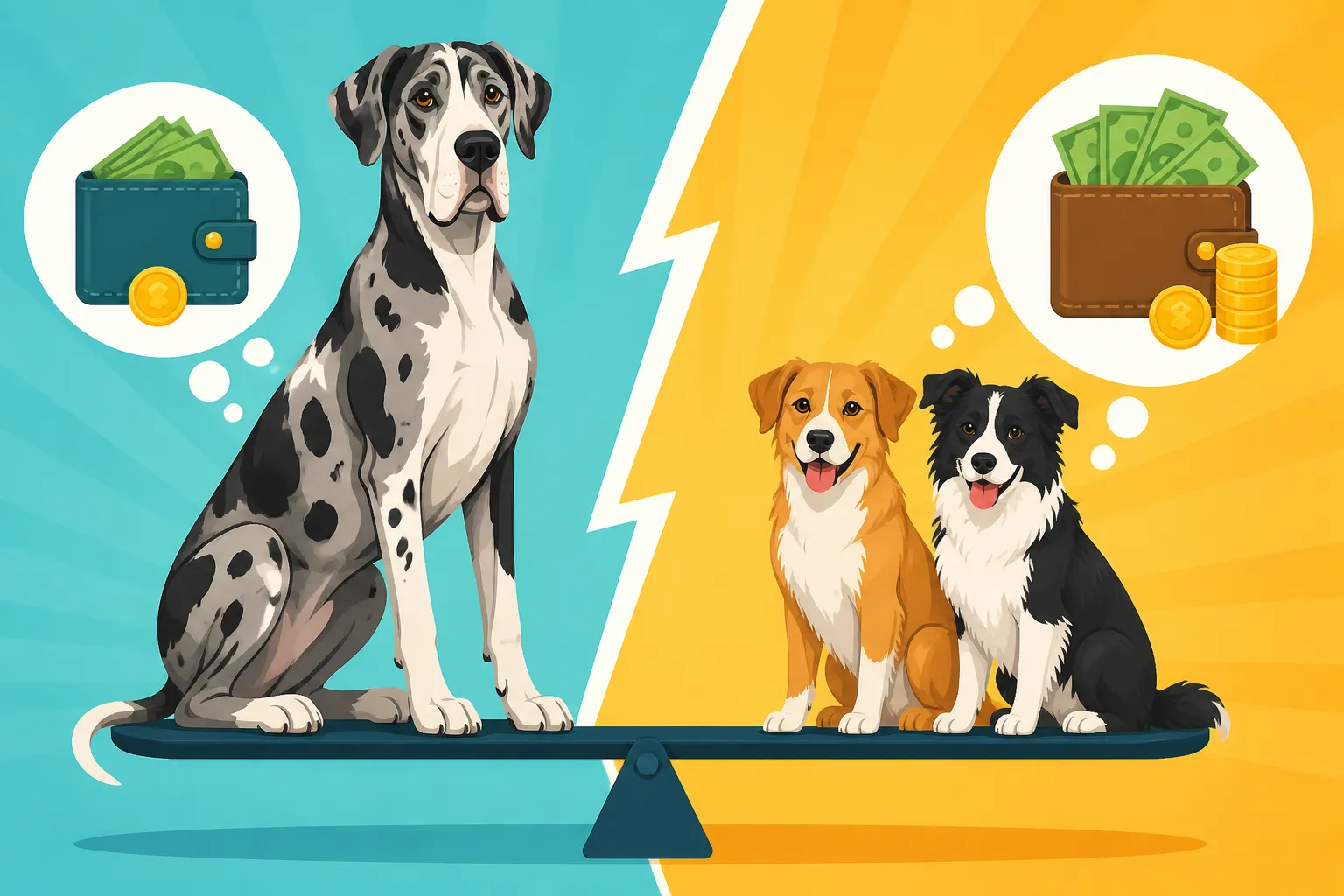
It's a common thought, especially when you're dreaming of a big, magnificent Great Dane, to wonder if one giant dog might actually be a more economical choice than bringing home two medium-sized pups. On the surface, it seems logical: one mouth to feed, one set of vet visits. But the reality of Great Dane ownership, with their unique needs and scale, often tells a different story. This guide will dive deep into the various costs, from food to vet bills and everything in between, to help you understand whether a Great Dane truly is cheaper than two medium-sized dogs.
The Sticker Shock: Initial Acquisition and Setup Costs
When you first bring a dog home, whether it’s a Great Dane or a smaller breed, there’s an initial outlay that can really make your wallet wince. For a Great Dane, these costs are often magnified right from the start.
Purchase Price or Adoption Fees
Let's talk about the initial "getting your paws wet" cost. If you're looking for a well-bred Great Dane puppy from a reputable breeder who performs all the necessary health screenings (and believe me, you absolutely want those for a Dane!), you're looking at a significant investment. These breeders put immense effort and resources into ensuring healthy lines, and that's reflected in the price. It's not uncommon for a single Great Dane puppy from such a background to command a price that could easily get you two medium-sized puppies from reputable sources, or even two adult rescues.
Now, if you go the rescue route, the adoption fees for a Great Dane might be comparable to, or slightly higher than, a single medium dog. However, two medium dog adoption fees would quickly outpace the single Dane fee. The thing is, Great Dane rescues often incur higher costs themselves due to the specialized care these giants sometimes need before adoption, and they often try to recoup some of that. But it's rarely a 'two-for-one' situation financially when comparing to two distinct medium dog fees.
Essential Gear Sized for a Giant
Here's where the scale truly tips. Imagine buying a dog bed. For a medium dog, you might find a decent, comfortable bed for a reasonable price at your local pet store. Now, imagine a bed big enough for a Great Dane. We're talking about something that could easily fit a small human, often needing specialized orthopedic support due to their size and propensity for joint issues. These aren't cheap; you'll be looking at prices that can easily be double or triple the cost of a medium dog bed, if not more. You might even want to consider Orthopedic Beds a Great Dane Needs to protect their elbows and joints over the years.
Then there are crates. A crate for a medium dog is manageable, perhaps fitting in a corner of your living room. A crate for a full-grown Great Dane? That's a piece of furniture that might take up half a wall! It's a significant investment in terms of both cost and space. Collars, leashes, and even toys need to be industrial-strength to stand up to a Great Dane's power and chewing ability. What might be a durable toy for a Labrador could be shredded in minutes by a determined Dane, meaning you often need to invest in much more robust, and therefore more expensive, options. The upfront cost of outfitting a Great Dane can often eclipse the combined cost of gear for two average-sized dogs.
The Daily Grind: Ongoing Food and Routine Care Expenses
Once your magnificent Great Dane is home, the daily costs really start to add up, and this is where the comparison to two medium dogs gets interesting.
The Never-Ending Food Bill
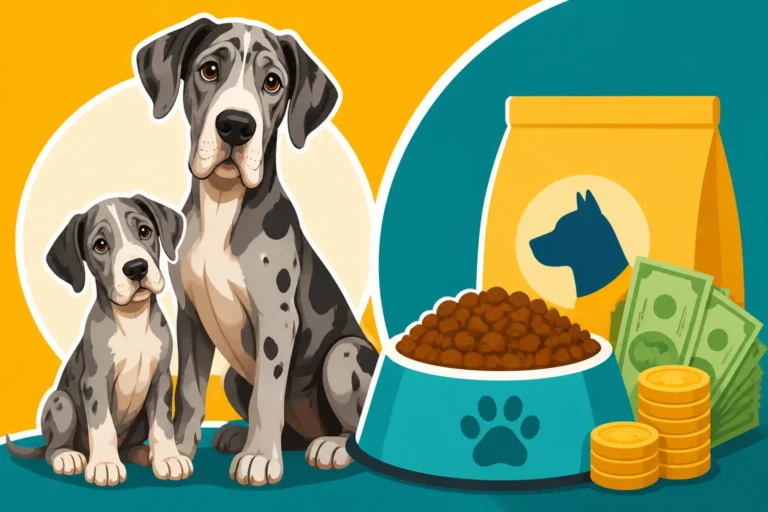
This is arguably the most significant differentiator. A Great Dane eats a lot. We're not talking about a couple of cups of kibble a day; we're talking six, eight, sometimes even ten cups a day, depending on their age, activity level, and individual metabolism. If you're feeding a high-quality kibble designed for large breeds and slow growth, which is crucial for their developing joints, the bags are huge, and they disappear rapidly. You'll be making frequent trips to the pet store or placing large online orders through places like Chewy, just to keep up. Take a look at Monthly Food Spending on a Great Dane to get a clearer picture.
Consider a medium dog: they might eat two to three cups a day. Two medium dogs? That's four to six cups. Still, a Great Dane can easily out-eat two medium dogs. Even if the price per pound of food is similar, the sheer volume required for a Great Dane means your monthly food budget will likely be considerably higher than for two medium dogs. If you're leaning towards fresh-prepared meals, companies like Ollie offer fantastic nutrition, but imagine the portion sizes needed for a Great Dane compared to even two medium dogs – the cost scales dramatically with weight. It’s a constant, substantial expense that many new owners underestimate.
Routine Veterinary Visits and Preventative Medications
While you have one dog, Great Danes have disproportionately higher costs for routine care. Everything from vaccinations to flea and heartworm prevention is dosed by weight. If a medium dog needs one dose, a Great Dane might need two or three of the largest-sized doses, instantly driving up the price of preventative medications. The Vet Spending a Great Dane Needs Anyway is never small.
Routine vet check-ups might be a single "visit fee," but again, medication costs for any minor ailment, sedatives for grooming or minor procedures, or even just supplements are all based on their colossal size. Your vet bills for annual check-ups, even without any major issues, can easily match or exceed the combined costs for two medium dogs, simply because of the sheer volume of drugs and supplies required to treat an animal of their stature.
The "Oh No!" Moments: Emergency and Health Care Costs
This is the category where Great Danes truly set themselves apart in terms of expense. Their large size, rapid growth, and genetic predispositions unfortunately make them prone to certain serious health conditions that can be incredibly costly to treat.
Predisposition to Major Health Issues
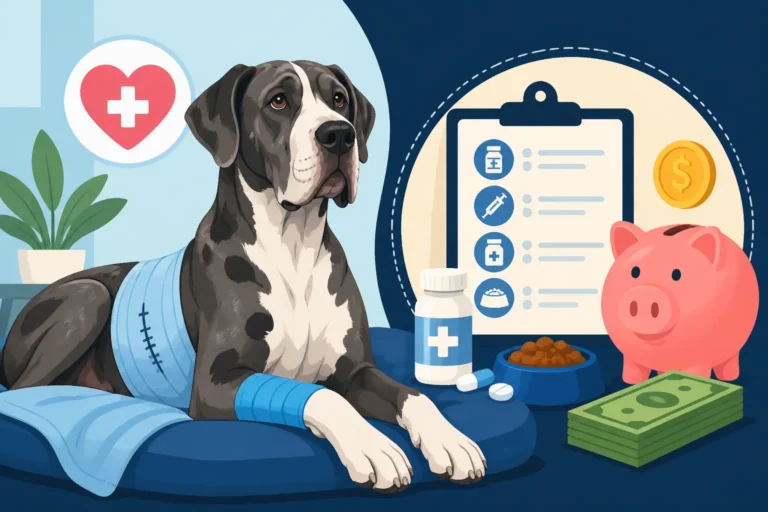
Great Danes are unfortunately prone to several significant health concerns that can lead to astronomical vet bills. The most notorious is Gastric Dilatation-Volvulus (GDV), commonly known as bloat. This is a life-threatening condition where the stomach fills with gas and can twist, cutting off blood supply. It's an emergency that requires immediate, expensive surgery. The Night a Great Dane Bloats and What It Costs can easily run into thousands of dollars, a figure that dwarfs most routine vet expenses. Even if you proactively get a Stomach Tacking Surgery for a Great Dane (gastropexy) to prevent the twist, that's a significant elective surgery cost upfront.
Beyond bloat, Great Danes are also prone to various heart conditions, such as Dilated Cardiomyopathy (DCM), and orthopedic issues like hip and elbow dysplasia, as well as Wobbler Syndrome (cervical spondylomyelopathy). Each of these conditions can require extensive diagnostics, specialized veterinary care, ongoing medication, and potentially major surgeries. A single diagnosis of DCM, for example, can lead to years of expensive medications and frequent cardiologist visits. These are not minor ailments; they are serious, chronic, or acute conditions that can incur costs far beyond what you might expect for two healthy medium dogs.
The Indispensable Role of Pet Insurance
Given the very real risks of significant health issues, pet insurance is not just a nice-to-have for a Great Dane; it's practically essential. The premiums for insuring a Great Dane are typically higher than for a medium dog, and naturally, two medium dogs would mean two separate policies. However, the sheer potential for a single catastrophic event like bloat means that even a single Great Dane's insurance premium, while higher, is a critical investment.
Companies like Healthy Paws are designed to help mitigate these financial shocks. While their premiums for a Great Dane will reflect the breed's predispositions and higher potential claim costs, having that coverage can mean the difference between getting your dog life-saving treatment and facing an impossible financial decision. Without insurance, a single major illness could easily cost more than several years of combined vet bills for two medium dogs. When you consider Insuring a Great Dane Against Bloat and Heart Bills, you realize it's about peace of mind against truly formidable expenses.
| Cost Category | Single Great Dane (Typical Range) | Two Medium Dogs (Typical Range) | Notes |
|---|---|---|---|
| Acquisition Cost | Higher for well-bred puppy | Moderate for two well-bred puppies | Great Dane puppies from reputable breeders are often pricier than two medium-breed puppies. Rescue fees for two dogs would typically be higher than for one Dane. |
| Annual Food | Very High (Large volume) | High (Two moderate volumes) | A Great Dane's daily food intake can easily exceed the combined total of two medium dogs, leading to significantly higher monthly grocery bills. |
| Routine Vet Care | High (Weight-dosed meds, supplies) | Moderate to High (Two sets of visits/meds) | While two dogs mean two sets of check-ups, the cost of medications (flea, heartworm) and sedatives for a Great Dane is often much higher due to their weight. |
| Emergency Care | Extremely High (Bloat, DCM, orthopedics) | High (Two individual emergencies) | Great Danes are predisposed to life-threatening conditions like bloat, which requires costly emergency surgery that can far exceed the cost of many emergencies for smaller dogs. |
| Pet Insurance | High (Higher premiums due to risk) | Moderate to High (Two separate policies) | Premiums for Great Danes are typically higher reflecting their breed-specific health risks. While two policies cost more than one, the coverage for a Dane is often critically important. |
| Gear & Accessories | High (Oversized, heavy-duty items) | Moderate (Standard sized items) | Beds, crates, leashes, and even toys for Great Danes must be much larger and more robust, leading to higher prices. |
| Training | High (Specialized handling, early need) | Moderate (Two dogs, but often less physical challenge) | Early, consistent training is crucial for a Great Dane due to its size and strength. A trainer comfortable with handling a giant breed might charge more or require more sessions. Paying to Train a Great Dane Early is paramount. |
The Lifestyle Impact: Living with a Great Dane
Beyond the direct expenses, owning a Great Dane impacts your lifestyle and budget in ways that might not immediately come to mind when comparing to two medium dogs.
Space, Wear, and Tear on Your Home
A Great Dane is a lot of dog to fit into a house, even if they're known for being gentle indoors. Everything needs to be bigger, sturdier, or otherwise Great Dane-proofed. Think about your furniture: a happy Great Dane wagging its tail can clear a coffee table in seconds. Their sheer weight and size mean more wear and tear on floors, especially if they're prone to pacing or zooming indoors. A comfortable sofa might quickly become their comfortable sofa, and good luck fitting two Great Danes on it, let alone guests!
Then there's the drool. Oh, the drool! Some Danes are champion droolers, and you'll find yourself investing in "slobber rags" and cleaning products to keep your walls and furniture from getting coated. This might seem minor, but it's an ongoing cost and effort that you wouldn't necessarily contend with to the same degree with two medium dogs. Whether a Great Dane Fits in a Small Home is a valid concern, as space directly correlates with potential damage and living adjustments.
Travel, Boarding, and Specialized Services
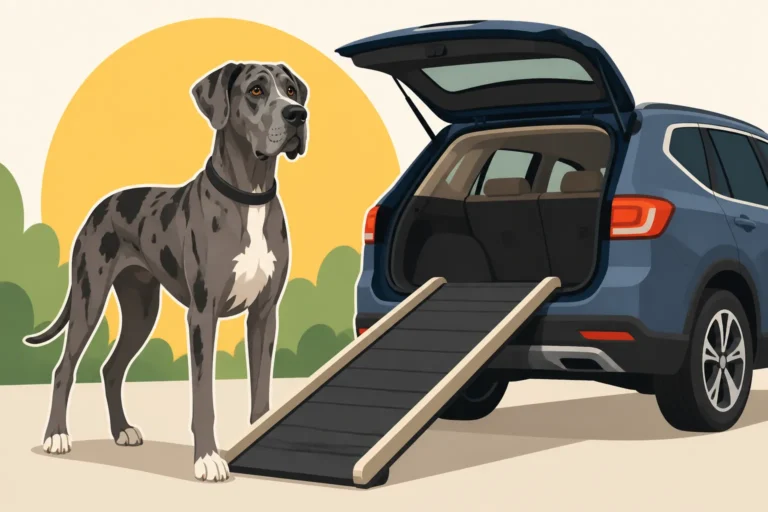
Taking a Great Dane anywhere requires logistical planning. Not all cars can comfortably fit a full-grown Great Dane, especially for longer journeys. You might need a larger vehicle or special ramps, adding to your personal expenses. Finding pet-friendly hotels that accommodate a giant breed can be trickier and sometimes more expensive.
When it comes to boarding, many kennels charge by weight or size. A Great Dane will almost always be in the highest price bracket, and some kennels might not even have runs large enough to comfortably house them. While two medium dogs would mean two boarding fees, the single Great Dane fee can sometimes rival or exceed the combined cost, particularly at higher-end facilities. Similarly, finding pet sitters who are experienced and comfortable handling a dog of Great Dane size and strength can sometimes come with a premium. Boarding a Great Dane isn't a simple task.
Overall, while the idea of a single dog feeling cheaper than two is appealing, the reality of Great Dane ownership often reveals a different financial landscape. Their specialized needs, significant scale, and breed-specific health predispositions mean that their costs, both routine and unexpected, can easily outstrip or at least match the combined expenses of two medium-sized dogs. When considering The Short Expensive Life of a Great Dane, it becomes clear that meticulous budgeting and preparation are key for responsible ownership.
Disclaimer
This article is for general informational purposes only and does not constitute professional advice. Laws, prices and regulations vary by location and change over time. Consult a qualified professional for guidance on your specific situation.