Whether Joint Supplements Reach a Great Dane’s Dose
It's a common dilemma for Great Dane owners: you want to give your beloved giant the best chance at a long, comfortable life, especially when it comes to those hardworking joints. But standing in the pet store aisle, staring at a dizzying array of joint supplements, you're left wondering if any of them truly pack enough punch for a dog that can easily weigh 150 pounds or more. This guide is here to cut through the confusion and help you understand whether standard joint supplement dosages actually reach what your Great Dane truly needs.
The Unique Challenges of Great Dane Joint Health
Caring for a Great Dane is a journey filled with immense love, but also immense responsibility. Their sheer size, while magnificent, unfortunately comes with a predisposition to certain health issues, particularly concerning their joints. It’s not just about managing old age; often, these concerns start much earlier in their lives.
Rapid Growth and Immense Size
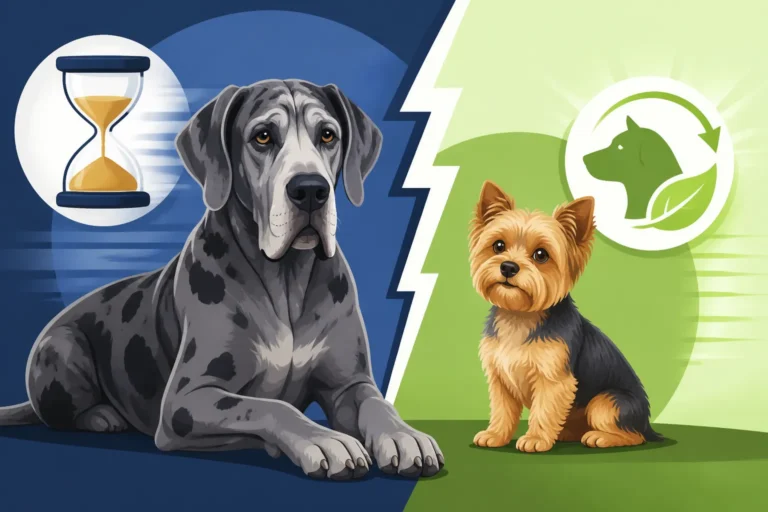
Imagine growing from a tiny puppy into a massive dog in less than two years – that's the reality for a Great Dane. This incredibly rapid growth, coupled with their ultimate immense body weight, places an unparalleled strain on their skeletal system. Their bones, cartilage, ligaments, and tendons are literally racing against the clock to develop strong enough to support such a large frame. This isn't just a matter of "bigger dog, bigger dose"; it's a fundamental difference in how their bodies develop and bear weight compared to smaller breeds.
Because of this rapid development, the cartilage in their joints can be more vulnerable to damage and abnormal formation. When they eventually reach their full adult weight, every step, every jump, every playful romp exerts significant force on their joints. Think about the impact on a human knee compared to an elephant's knee – it's a similar principle, but our Danes are built for power and speed, which exacerbates the stress. This is why paying close attention to their growth and understanding their specific needs is crucial. You might find it helpful to learn more about Why a Great Dane Only Lives Seven to Ten Years.
Common Joint Issues in Great Danes
Sadly, Great Danes are statistically prone to a number of debilitating joint conditions. These aren't just minor aches and pains; they can significantly impact their quality of life and longevity.
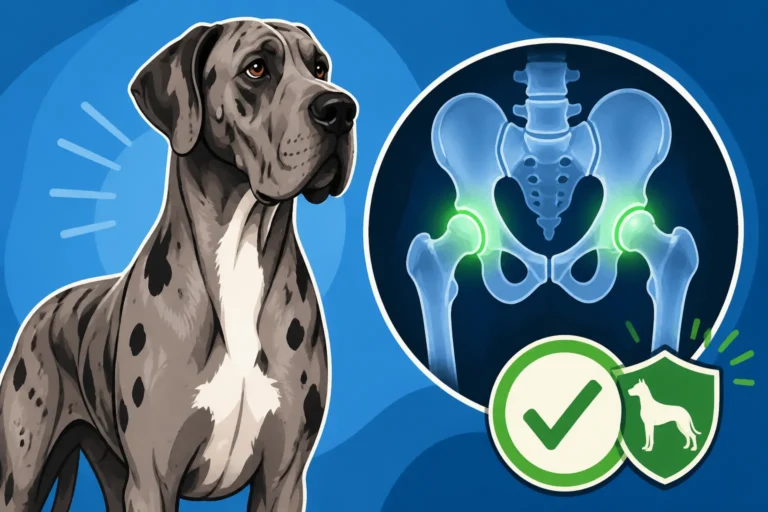
- Hip and Elbow Dysplasia: These are genetic conditions where the hip and elbow joints don't form properly, leading to looseness, pain, and eventually degenerative arthritis. Screening for these conditions early, as discussed in Great Dane Hip and Elbow Screening, is vital for responsible breeders and owners. The abnormal development causes the bones to grind against each other instead of gliding smoothly, leading to inflammation and damage over time.
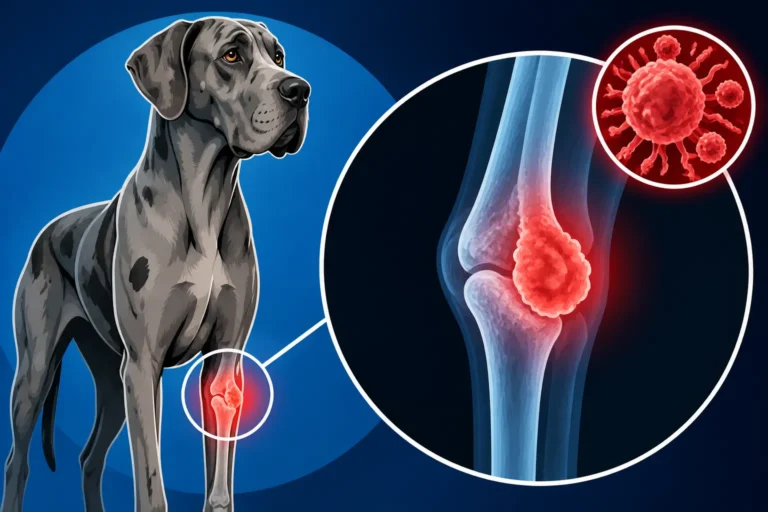
- Osteochondrosis Dissecans (OCD): This condition affects the cartilage in various joints, most commonly the shoulder, elbow, or stifle (knee). It occurs when cartilage doesn't properly ossify (turn into bone) during growth, leading to a flap of cartilage that can detach and cause pain and lameness. It's often seen in large, fast-growing breeds like Great Danes.
- Arthritis (Osteoarthritis): While often associated with old age, arthritis in Great Danes can be a secondary condition resulting from dysplasia, OCD, or even early trauma. Their size means that even minor joint irregularities can lead to significant wear and tear over time, causing chronic pain and stiffness. You'll often see signs of Arthritis in a Six-Year-Old Great Dane or even younger.
Understanding these predispositions highlights why a proactive approach to joint care, including targeted supplementation, isn't just a luxury but a necessity for Great Dane owners.
Understanding Joint Supplement Ingredients and Dosage for Giants
When you decide to add a joint supplement to your Great Dane's regimen, it’s easy to feel lost in the sea of ingredients and claims. What really works? And how much of it does your giant need?
Key Ingredients and Their Role
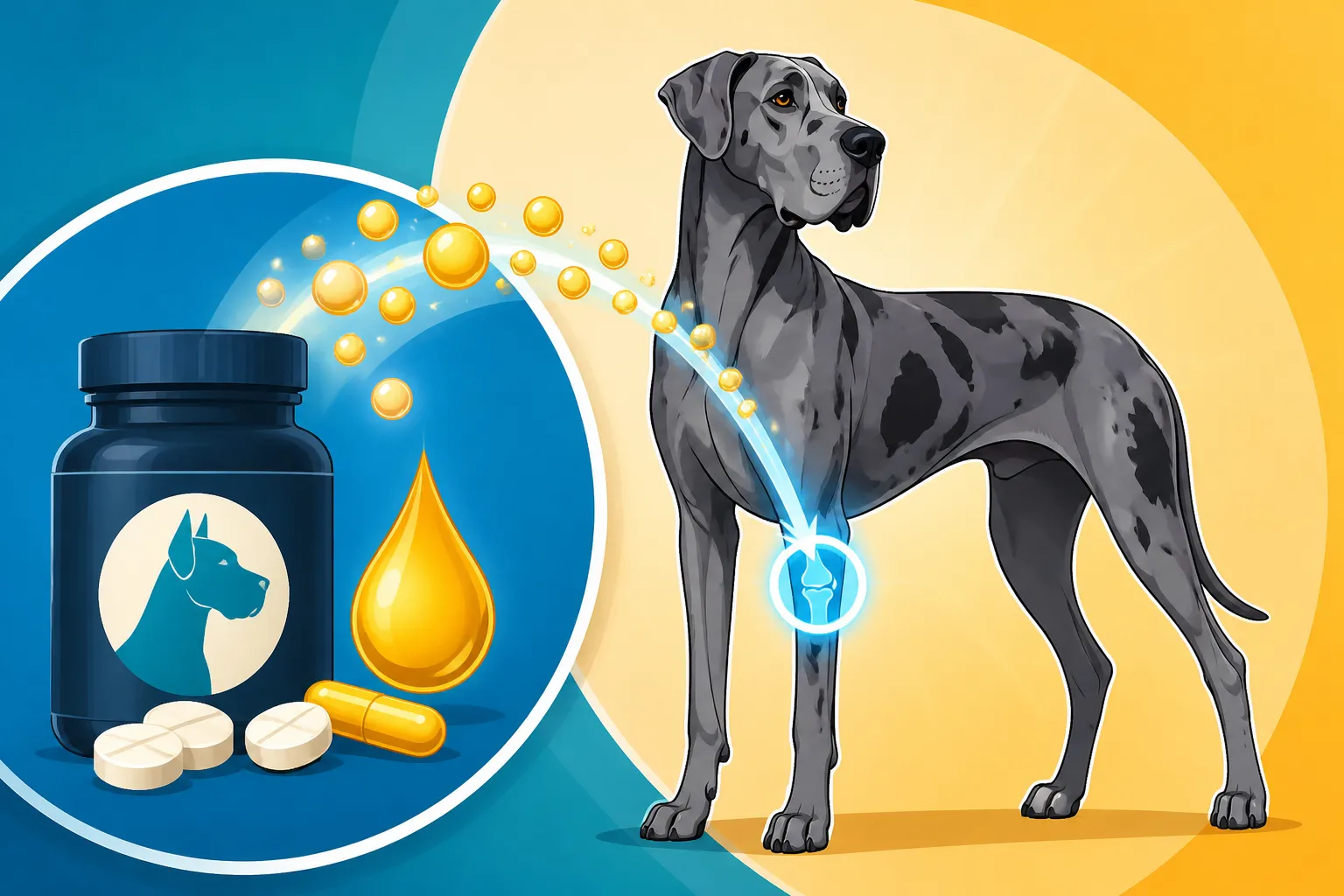
Most high-quality joint supplements for dogs contain a combination of active ingredients, each playing a specific role in supporting joint health.
- Glucosamine: This is often the star ingredient. Glucosamine is an amino sugar that occurs naturally in the body and is a crucial component of cartilage. It helps stimulate the production of new cartilage and synovial fluid (the lubricating fluid in joints), which can help repair and protect existing cartilage from further breakdown. For a large dog, the sheer volume of cartilage that needs support means they often require a higher daily intake.
- Chondroitin Sulfate: Frequently paired with glucosamine, chondroitin helps give cartilage its elasticity and shock-absorbing properties. It can also inhibit enzymes that break down cartilage and improve the flow of nutrients into the joint. Together, glucosamine and chondroitin are often considered a powerhouse duo for joint health.
- MSM (Methylsulfonylmethane): A natural sulfur compound, MSM is known for its anti-inflammatory and pain-relieving properties. It can help reduce swelling and discomfort associated with joint issues, making movement more comfortable for your Dane. It also plays a role in the formation of connective tissue.
- Omega-3 Fatty Acids (EPA & DHA): Found in fish oil, these fatty acids are potent anti-inflammatories. They don't directly build cartilage but help reduce the inflammatory response in the joints, which is crucial for managing pain and progression of arthritis.
- Hyaluronic Acid (HA): A major component of synovial fluid, HA helps lubricate the joints and provides shock absorption. Some supplements include it to further support joint fluid quality.
These ingredients are foundational, but their effectiveness for a Great Dane hinges entirely on the dosage.
The "Great Dane Dose" Dilemma
Here’s the rub: many over-the-counter joint supplements are formulated with "average" dog sizes in mind, perhaps a 50-pound Labrador or a 30-pound Cocker Spaniel. When you try to apply those dosage instructions to a 150-pound Great Dane, you quickly run into a problem: the amount of active ingredient per chew or scoop is often woefully inadequate.
If a supplement recommends one chew for a 50-pound dog, and that chew contains, say, 500mg of glucosamine, your 150-pound Dane would theoretically need three of those chews to get a comparable dose per pound of body weight. And even then, the therapeutic dose for a giant breed might be significantly higher than what a medium-sized dog needs. The sheer biomass means the active ingredients have a much larger area and volume to impact. It’s like trying to fill a swimming pool with a garden hose – it'll eventually get there, but it will take a lot more water than if you were filling a kiddie pool.
This isn't about giving your Dane more than recommended for a smaller dog; it's about ensuring they receive the correct therapeutic dose for their giant physiology. You'll often find yourself needing to give multiple chews, or a much larger scoop of powder, than the 'small print' on the packaging might initially suggest for generic dogs. This is where pet insurance providers like Healthy Paws can be really helpful, not just for emergency vet bills, but for managing the long-term, potentially higher costs of effective daily care, including supplements.
Reading Labels and Calculating Needs
To avoid under-dosing, you need to become a detective when reading supplement labels. Don't just look at the suggested weight range; dig deeper into the "guaranteed analysis" or "active ingredients" section.
- Identify Active Ingredient Amounts: Look for the precise milligram (mg) amount of each key ingredient (glucosamine, chondroitin, MSM, etc.) per chew, per scoop, or per mL. This is the most critical number.
- Research Therapeutic Doses for Giant Breeds: Consult with your veterinarian or reliable veterinary resources for generally recommended daily therapeutic dosages per pound or per kilogram for giant breeds. For example, a common recommendation for glucosamine might be 20-30mg per pound of body weight daily for loading, then tapering slightly for maintenance.
- Do the Math: Multiply your Great Dane's weight in pounds by the recommended mg/lb. Then, divide that total by the amount of the active ingredient in one unit of the supplement. This will tell you how many chews/scoops/mLs your Dane truly needs.
Example Calculation:
Let's say your Great Dane weighs 150 lbs.
A veterinarian recommends 25mg of glucosamine per pound of body weight for a giant breed.
Your Dane needs: 150 lbs * 25 mg/lb = 3750 mg of glucosamine per day.
Now, look at a supplement label:
- Supplement A: 1 chew contains 500 mg glucosamine.
- Your Dane needs: 3750 mg / 500 mg/chew = 7.5 chews per day.
- Supplement B: 1 scoop contains 2000 mg glucosamine.
- Your Dane needs: 3750 mg / 2000 mg/scoop = 1.875 scoops per day.
As you can see, a "one size fits all" approach simply won't work. This careful calculation ensures your Great Dane is actually receiving a beneficial dose.
| Ingredient | Typical Recommended Daily Dose (per 100 lbs body weight) | Example for 150 lb Great Dane (approx.) | Common "Small Dog" Dose (e.g., 20 lb dog) | Implication for Great Danes |
|---|---|---|---|---|
| Glucosamine HCl | 1500 – 2000 mg | 2250 – 3000 mg | 300 – 400 mg | Requires very high mg/chew or large scoops; standard chews often fall short. |
| Chondroitin Sulfate | 1000 – 1500 mg | 1500 – 2250 mg | 200 – 300 mg | Often found in combination with glucosamine, still needs high concentration. |
| MSM | 1000 – 2000 mg | 1500 – 3000 mg | 200 – 400 mg | Look for supplements with a dedicated, high MSM content. |
| Omega-3 (EPA/DHA) | 1000 – 2000 mg combined EPA/DHA | 1500 – 3000 mg combined EPA/DHA | 200 – 400 mg combined EPA/DHA | Often requires multiple capsules or specific liquid formulations. |
Note: These are general guidelines. Always consult your veterinarian for precise dosing recommendations for your individual Great Dane.
Navigating the Market: Finding Effective Joint Supplements for Your Dane
The market is flooded with joint supplements, and separating the truly effective from the merely adequate can be overwhelming. For a Great Dane, quality and concentration are paramount.
Veterinary-Grade vs. Over-the-Counter
This is a distinction that truly matters for giant breeds.
- Veterinary-Grade Supplements: These are typically purchased directly from your vet or through their recommended online pharmacy. They are often backed by more rigorous research, contain higher concentrations of active ingredients, and have stricter quality control standards. Brands like Dasuquin, Cosequin, or Antinol are often recommended by vets because they offer therapeutic levels that are genuinely effective for larger dogs and specific conditions. While they may have a higher upfront cost, the efficacy and peace of mind are often worth it. Your vet can guide you on the best option for your Great Dane's specific needs, whether it's for preventative care or managing existing conditions like those discussed in Bone Development Problems in a Great Dane Puppy.
- Over-the-Counter (OTC) Supplements: These are what you'll find at pet stores, supermarkets, and general online retailers. The quality can vary wildly. Some are perfectly fine for general maintenance in smaller dogs, but many simply don't have the concentration of active ingredients needed for a Great Dane, even if you feed multiple doses. They might be cheaper per unit, but if you need to feed eight chews a day, that "deal" quickly disappears, and you're still not guaranteed the full therapeutic benefit. It’s also harder to verify the purity and bioavailability of the ingredients in many OTC products.
For a giant breed where joint health is so critical, leaning towards veterinary-grade products is almost always the safer and more effective choice.
Forms of Supplements: Chews, Powders, Liquids
How you administer the supplement can be as important as what's in it, especially when dealing with large doses for a Great Dane.
- Chews: These are often the most palatable option, making administration easier. However, for Great Danes, you might need to give a large number of chews each day to reach the therapeutic dose, which can become costly and lead to your dog getting tired of them. The sheer volume of chews needed can also add extra calories or fillers that aren't necessary.
- Powders: Powders are often more cost-effective for large doses and can be easily mixed into your Great Dane's food. They allow for precise dosing (using a measuring scoop) and can deliver high concentrations of active ingredients without a lot of extra bulk. This is often a preferred method for Great Dane owners due to the ease of administering a large dose. Just be sure your Dane doesn't reject their food once it's been powdered!
- Liquids: Similar to powders, liquid supplements offer excellent dosing flexibility and high concentration. They can be squirted directly into your dog's mouth or mixed with food. Palatability can be a factor here as well, so choose a flavor your Dane enjoys. Some liquid formulations, especially those containing Omega-3s, can be particularly potent.
When making your choice, consider your dog's preferences, your budget, and the ease of ensuring they get the full, correct dose every single day. Remember, consistency is key for any supplement to be effective.
Specific Brands and Products for Giant Breeds
While I can't endorse specific products directly without knowing your Great Dane's individual health history, I can point to types of products and what to look for. Brands that specifically market "large breed" or "giant breed" formulas are a good starting point, as they typically offer higher concentrations per serving.
Many vets frequently recommend specific veterinary lines such as:
- Dasuquin: This line offers various formulations, including Dasuquin with MSM, and often has specific "large breed" soft chews or capsules. It's a popular choice for its research-backed ingredients.
- Cosequin: Similar to Dasuquin, Cosequin also has a long-standing reputation and offers options with or without MSM.
- GlycoFlex: This brand also features different stages (e.g., Stage III for maximum support) and is often recommended for large breeds.
When researching, look for transparency from the manufacturer regarding ingredient sourcing, quality control, and any clinical studies that back their product's efficacy. Don't be afraid to ask your vet for their top recommendations. They see the results firsthand and can advise on products that actually make a difference for conditions like Growth Disorders in a Great Dane Puppy or Hypertrophic Osteodystrophy in a Great Dane.
It's also important to consider the financial aspect of long-term joint care. The cost of effective, high-dose joint supplements, combined with potential vet visits, diagnostics, and treatments for advanced joint disease, can add up significantly. This is where pet insurance can be a lifesaver. Providers like Healthy Paws often cover prescribed medications and treatments for conditions like arthritis or dysplasia, helping to ease the financial burden of keeping your Great Dane comfortable and active. This can allow you to choose the most effective (and sometimes more expensive) veterinary-grade supplements without as much financial strain, enabling you to focus on your Dane's well-being.
Integrating Joint Support into Your Great Dane's Lifestyle
Joint supplements are a valuable tool, but they are just one piece of a much larger puzzle when it comes to safeguarding your Great Dane's joint health. A holistic approach is always the most effective.
Beyond Supplements: Holistic Joint Care
Think of supplements as part of a comprehensive strategy, not a standalone solution. Several other factors play a huge role in supporting your Dane's joints.
- Weight Management: This is perhaps the single most impactful thing you can do for your Great Dane's joints. Every extra pound your Dane carries translates to added stress on their hips, elbows, and spine. Keeping your Dane lean, especially during their growth phases, is crucial. You might be surprised to learn that Whether a Great Dane Puppy Should Be Kept Lean has a huge impact on their long-term joint health. A healthy weight reduces the workload on their joints, slows the progression of arthritis, and can even lessen pain in dogs already suffering from joint disease. Work with your vet to determine the ideal body condition score for your individual Dane.
- Appropriate Exercise: While Great Danes are large, their exercise needs are often misunderstood. They are not endurance athletes, especially as puppies. Over-exercising a growing Dane can be detrimental, leading to conditions like Shifting Lameness in a Growing Great Dane. Controlled, moderate exercise like leash walks, short play sessions on soft surfaces, and swimming (if they enjoy it and it’s safe) are ideal. Avoid high-impact activities like aggressive fetch, jumping from heights, or long runs on pavement until they are fully mature, typically around 18-24 months. Even then, moderation is key.
- Quality Nutrition: A balanced diet formulated for large or giant breed puppies and adults is fundamental. Look for foods with appropriate calcium-to-phosphorus ratios to support healthy bone development. Some premium foods even include joint-supporting ingredients, though often not at therapeutic levels for a giant breed.
- Comfortable Bedding: Providing soft, orthopedic bedding is not just a luxury; it’s a necessity. Hard floors put constant pressure on a Great Dane's joints, particularly their elbows and hocks, and can contribute to the formation of hygromas or calluses. A thick, supportive orthopedic bed cushions their joints and promotes restful sleep, which is essential for recovery.
When to Start and Long-Term Commitment
The best time to start thinking about joint health for a Great Dane is when they're a puppy. While full adult joint supplements aren't always appropriate for very young puppies, discussing preventative measures and age-appropriate support with your vet from the start is wise. Some vets recommend starting a low-dose joint supplement regimen around 6-12 months of age, or even earlier for puppies showing signs of rapid growth issues.
Joint care for a Great Dane is not a short-term fix; it's a lifelong commitment. Their unique physiology means they will benefit from consistent support throughout their lives, especially as they enter their senior years. Just like humans take supplements for years, your Dane will likely need ongoing support to maintain mobility and comfort. You'll definitely want to be prepared for Caring for a Great Dane Past Six and beyond, as their needs will change.
The Role of Your Veterinarian
Perhaps the most crucial aspect of your Great Dane's joint health strategy is a strong partnership with your veterinarian. They are your primary resource for:
- Accurate Diagnosis: If your Dane shows any signs of lameness, stiffness, or pain, your vet can perform a thorough examination, including X-rays or other imaging, to accurately diagnose the underlying issue.
- Tailored Recommendations: Based on your Great Dane's age, weight, activity level, and any existing joint conditions, your vet can recommend the most appropriate joint supplements and dosages. They can also advise on prescription medications if needed for pain management or inflammation.
- Monitoring Progress: Regular vet check-ups allow for monitoring your Dane's joint health, assessing the effectiveness of supplements and other interventions, and making adjustments as necessary.
- Holistic Health Planning: Your vet can help you develop a comprehensive plan that includes diet, exercise, environmental modifications, and potentially physical therapy, all tailored to your Great Dane's unique needs.
Never start any new supplement regimen or adjust dosages without consulting your veterinarian, especially with a breed as unique and magnificent as the Great Dane. They can help ensure that any joint supplements you choose truly reach the necessary dose to provide benefit and contribute to a happy, healthy life for your giant friend.
Disclaimer
The information provided in this article is for general informational purposes only and is not a substitute for professional veterinary advice. Always consult with a qualified veterinarian regarding your Great Dane's specific health concerns, treatment options, and before starting any new diet, supplement, or exercise regimen.