Ramps for Getting a Great Dane Into a Car
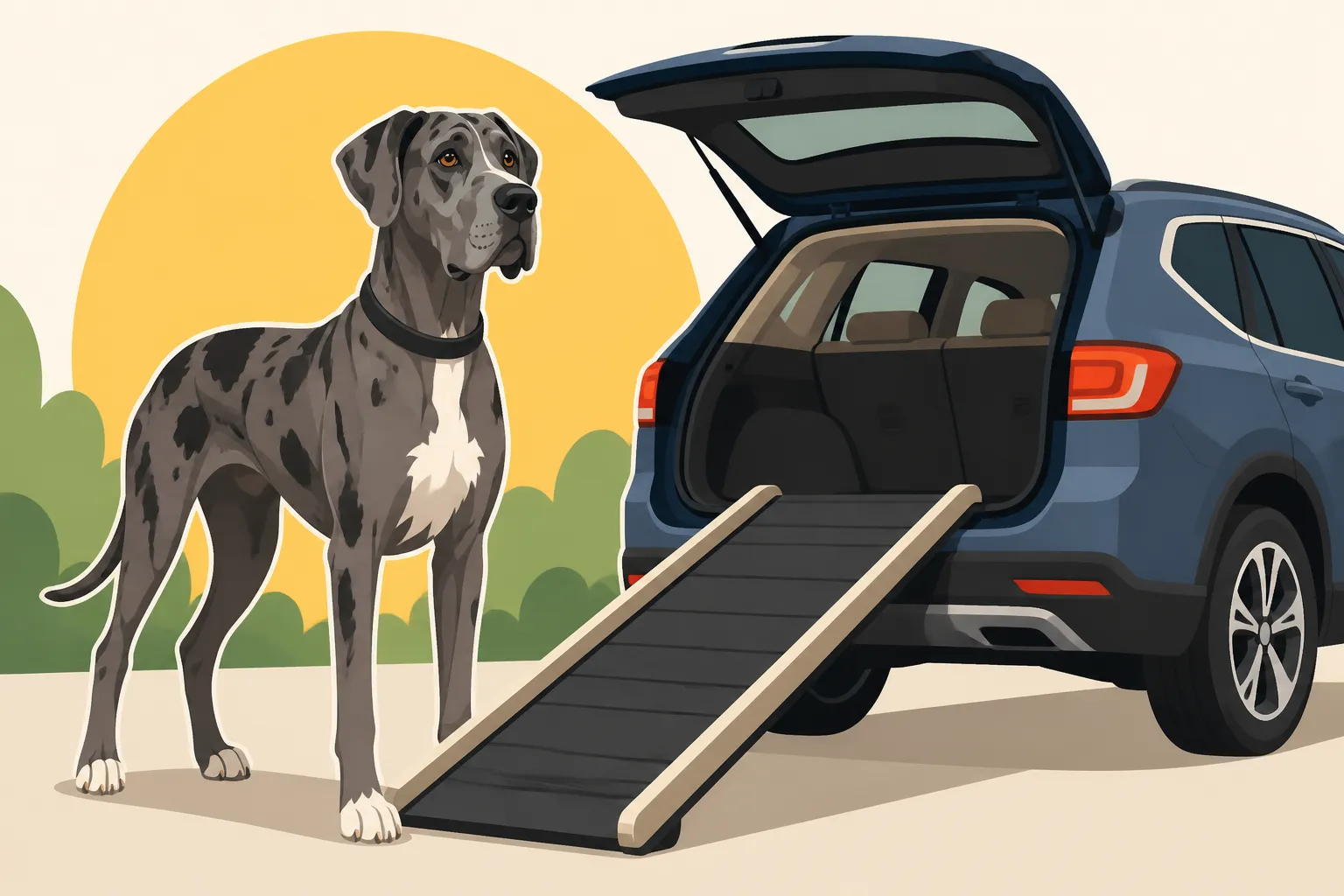
Getting your majestic Great Dane into the car can be a daily wrestling match, particularly as they get older, if they're a clumsy puppy, or if they're recovering from an injury. The sheer size and weight of these gentle giants mean that even a seemingly simple jump can put immense strain on their delicate joints, and lifting them is simply not an option for most owners. This guide will walk you through why a car ramp isn't just a convenience, but a necessity, and how to choose and use one effectively to ensure safe and comfortable car travel for your beloved Dane.
Why a Ramp is Essential for Your Great Dane's Car Travel
It might seem like a luxury, but for a Great Dane, a car ramp is a crucial piece of equipment that serves multiple vital purposes. Their unique physiology, combined with their massive size, makes them prone to certain health challenges that a ramp can help mitigate from day one. Thinking ahead can save you heartache and significant vet bills in the long run.
Protecting Joints and Preventing Injuries
Great Danes are magnificent, but their rapid growth and immense size put incredible stress on their joints, especially their hips, elbows, and shoulders. Repeated jumping into and out of vehicles, even from what seems like a low height, creates repetitive impact. This impact can exacerbate existing conditions like hip or elbow dysplasia, or even contribute to their development. Imagine the force of a 150-pound dog landing on concrete from a pickup truck bed, and you can quickly understand the sheer shock absorbed by their joints.
Over time, this cumulative stress can lead to early onset arthritis or other degenerative joint diseases. For a breed already predisposed to joint issues, every little bit of preventative care counts. Using a ramp eliminates that jarring impact, guiding your Dane smoothly into the vehicle. This is especially important for young, growing puppies whose growth plates are still open, or for older Danes who might already be showing Arthritis in a Six-Year-Old Great Dane. Protecting those precious joints from repetitive stress means more comfortable golden years for your companion, and fewer trips to the orthopedic specialist for you.
Easing Your Burden and Your Back!
Let's be honest, trying to lift a full-grown Great Dane into a car is often a non-starter. Even if you manage it, you're putting your own back and joints at serious risk. These dogs can easily weigh over 150 pounds, and their awkward size makes them difficult to hoist safely. Many well-meaning owners have ended up with strained backs, pulled muscles, or worse, trying to help their Danes.
A ramp takes all that physical strain off of you. It transforms what could be a challenging, potentially painful struggle for both of you into a simple, assisted walk. This isn't just about convenience; it's about making car travel sustainable and stress-free for years to come. Whether you have a robust young Dane or one that's Caring for a Great Dane Past Six and needs a little more support, a ramp ensures you can both continue to enjoy outings together without worrying about the logistics of getting in and out of the car.
Addressing Common Great Dane Car Entry Challenges
Beyond physical limitations, Great Danes can sometimes develop anxieties or phobias around car travel, especially if a previous negative experience involved struggling to get into the vehicle. A ramp provides a consistent, predictable, and less intimidating way to enter. For some Danes, the height difference between the ground and the car can be visually daunting, even if they're physically capable of the jump. A gradual incline can make all the difference, making the car a less intimidating space.
Furthermore, a dog that is stiff, recovering from surgery, or simply has less agility as they age will greatly benefit. A ramp helps manage their mobility, especially if they're experiencing conditions like The Neck Condition That Trips a Great Dane Up or other issues that affect their balance and coordination. It removes the need for sudden movements or awkward contortions, making the entire process smoother and safer.
Choosing the Right Ramp for Your Giant Companion
Selecting the perfect ramp for your Great Dane isn't a one-size-fits-all situation. There are several factors to consider, from the type of vehicle you drive to your dog's specific needs and temperament. Investing in a quality ramp from the start will save you frustration and ensure your Dane's safety and comfort for years.
Key Features to Look For in a Great Dane Ramp
When you're shopping for a ramp for a giant breed, durability and safety are paramount. Here’s what you absolutely need to consider:
- Weight Capacity: This is non-negotiable. Your ramp must be rated for your Great Dane's adult weight, with a comfortable buffer. Most Great Danes will fall into the 120-180 pound range, but some can be heavier. Don't skimp here; a flimsy ramp is a dangerous ramp.
- Non-Slip Surface: A grippy surface is crucial to prevent slips and falls, especially in wet weather or if your Dane is nervous. Look for high-traction sandpaper-like coatings, rubberized treads, or textured plastic.
- Width: A wide ramp provides a greater sense of security for your Dane, allowing them to walk comfortably without feeling like they might fall off. Aim for a width that gives them ample paw placement.
- Length and Incline: The longer the ramp, the gentler the incline. A steeper incline can be challenging for dogs with joint issues or anxiety. Measure the height from the ground to your car's entry point (trunk, back seat, etc.) and calculate how long a ramp you'll need for a comfortable slope. Generally, a 1:2 ratio (1 foot of height requires 2 feet of ramp) or even 1:3 is ideal for giant breeds.
- Stability: The ramp should feel solid and secure when in place. Look for features like rubber feet that grip the ground or safety straps that attach to your vehicle. A wobbling ramp will quickly deter your Dane.
- Portability and Storage: Consider how easy the ramp is to set up, take down, and store. Will it fit in your trunk? Is it light enough for you to manage easily? You'll find a wide variety of ramps, from sturdy telescoping models to lightweight folding options, often available through retailers like Chewy.
Types of Ramps: Folding, Telescoping, and Sturdy Platforms
Each ramp type has its pros and cons, making certain styles better suited for different owners and vehicles.
| Ramp Type | Pros | Cons | Ideal For |
|---|---|---|---|
| Folding | Compact when folded, often lighter weight. Easy to store in most trunks. | Can have a seam in the middle which some dogs might hesitate over. May not be as long as telescoping. | Smaller vehicles, occasional use, limited storage. |
| Telescoping | No seams, adjustable length for varying vehicle heights, very sturdy. | Can be heavier and bulkier than folding ramps. Might not fit in all trunks when fully collapsed. | SUVs, trucks, regular use, multiple vehicles. |
| Platform | Offers a flat, stable surface; ideal for very nervous or immobile dogs. | Not truly a ramp – often used as a step or to bridge a small gap. Less portable, requires specific vehicle. | Vehicles with low entry, or as an intermediate step. |
For most Great Dane owners, a high-quality telescoping ramp offers the best balance of stability, adjustability, and a seamless walking surface, which is often preferred when Teaching a Great Dane to Get Into a Car.
Considering Your Vehicle and Your Dane's Needs
The type of vehicle you drive is a major factor. A ramp for a low-slung sedan will be different from one needed for a high-clearance SUV or pickup truck. Measure your vehicle's entry height carefully. For higher vehicles, a longer ramp will be necessary to achieve a gentle slope. Also, think about where your Dane will enter. Is it the side door, the hatchback, or the bed of a truck? Some ramps are designed to attach more securely to specific entry points.
Your individual Dane's needs are also paramount. A young, confident Dane might adapt quickly to any sturdy ramp. However, an older Dane with Great Dane Hips, Elbows and Growing Joints concerns, or one with a shy disposition, might require a ramp with an extra-gentle slope and a very wide, secure surface to build their confidence. Even for healthy, active Danes, a ramp can prevent injuries that might otherwise occur during enthusiastic jumps.
Training Your Great Dane to Confidently Use a Car Ramp
Introducing a new piece of equipment to a Great Dane, especially something that changes their routine, requires patience and a positive approach. You want them to view the ramp as a helpful tool, not something to be feared. Remember, these intelligent dogs respond best to gentle guidance and rewards.
Starting with Positive Reinforcement and Patience
The key to successful ramp training is making it a positive, rewarding experience. Never force your Dane onto the ramp. Start by simply placing the ramp flat on the ground in a familiar area, like your living room or backyard. Let your dog investigate it at their own pace. Place highly motivating treats, perhaps some yummy fresh food from a service like Ollie, on and around the ramp. Reward any interaction: sniffing, stepping on it with one paw, or even just looking at it calmly.
Use a calm, encouraging voice. As your Dane becomes comfortable with the ramp on flat ground, start placing treats further along the ramp, encouraging them to walk across it. Once they are walking across it confidently, you can begin to introduce a slight incline. This might mean propping one end up on a curb or a low step. Keep training sessions short, fun, and always end on a positive note. Consistency is more important than speed.
Gradual Introduction to the Ramp and Vehicle
Once your Dane is confidently walking up and down the ramp on a slight incline on flat ground, it's time to introduce the car. Start by attaching the ramp to your vehicle's entry point, but keep the vehicle stationary and turned off. Again, place treats on the ramp and inside the car, encouraging your Dane to walk up and into the vehicle. It might take several sessions before they are comfortable.
Make sure the ramp is stable and doesn't wobble, as this can be unsettling for a large dog. Use a leash for gentle guidance, but avoid pulling or dragging them. Let them take their time. Once they are in the car, give them lots of praise and more treats. You can even let them spend a few minutes in the car before taking them out, rewarding them for their calm behavior. Repeat this process until your Dane confidently walks up the ramp and into the car on their own.
Troubleshooting Common Ramp Reluctance
It's common for dogs, especially large ones, to be a little hesitant with a new ramp. Here are some common issues and how to address them:
- Slippery Surface: If your ramp doesn't have enough grip, your Dane might feel insecure. You can temporarily add non-slip bath mats or carpet runners to the ramp surface for added traction during training. Ensure the ramp you choose has excellent traction.
- Wobbliness: A ramp that shifts or feels unstable can be terrifying for a big dog. Double-check that your ramp is properly secured to the car and that its feet are firmly on the ground. For larger or older Danes, consider Mobility Aids for a Failing Great Dane that prioritize stability.
- Fear of Heights/Incline: Some Danes are wary of the incline. Break down the training further. Practice on a very, very slight incline first, then gradually increase it over many sessions. You can also try using a second person to stand on the other side of the car, offering encouragement and a visible destination.
- Ignoring the Ramp: If your Dane simply walks around the ramp, physically block their path (gently, with your body, not force) and encourage them to try the ramp. Don't engage in a tug-of-war; make the ramp the only easy option. High-value treats are your best friend here. If your Dane is ignoring a lower-quality ramp, remember that investing in a durable, stable one built for a Great Dane pays off. You don't want to get into an accident and need to rely on pet insurance like Healthy Paws to cover an injury that could have been prevented.
Beyond the Ramp: Other Considerations for Great Dane Car Travel
While a ramp is fantastic for getting your Great Dane into and out of the car, there's more to safe and comfortable travel for these big dogs. Thinking about the full picture ensures every journey is a good one.
Securing Your Dane Safely in the Vehicle
Once your Great Dane is in the car, how do you keep them safe? An unrestrained giant dog can become a dangerous projectile in a sudden stop or accident, not to mention a major distraction to the driver. There are a few good options for securing your Dane:
- Crash-Tested Harnesses and Seat Belts: These harnesses are designed to attach to your car's seat belt system, holding your dog securely in place. Look for brands that have undergone crash testing for safety. This allows your Dane to sit or lie down comfortably while remaining contained.
- Crates: A large, crash-tested travel crate can provide the highest level of safety. However, finding a crate truly big enough for a Great Dane to stand and turn around in can be a challenge, and it might not fit in all vehicles. Ensure it's secured so it doesn't slide around. Many owners also consider Whether a Great Dane Should Be Crated in a Vehicle.
- Car Barriers: For station wagons or SUVs, a sturdy metal barrier can separate the cargo area from the passenger compartment. This prevents your Dane from distracting you or becoming a projectile, but it doesn't offer protection in a rollover or direct impact.
Always prioritize safety. Even a short trip can lead to unexpected braking or swerving, and a secured dog is a safe dog. For longer trips, make sure your Dane has enough room to lie down and shift positions comfortably.
Comfort and Hydration on the Go
Car travel isn't just about safety; it's also about comfort, especially for a large dog.
- Space to Stretch: Great Danes need ample space to lie down and adjust their position during a ride. Ensure your vehicle has enough room for them to be comfortable, particularly on longer journeys. This is part of Fitting a Great Dane Into a Car comfortably.
- Orthopedic Bedding: For older Danes or those with joint issues, bringing along a familiar orthopedic bed or a thick pad can make the car ride much more comfortable. This extra cushioning supports their large bodies and alleviates pressure points. You can find large, supportive beds suitable for Great Danes on Chewy.
- Water Access: Always have fresh water available, especially on warmer days. A spill-proof travel bowl is a smart investment. Offer water frequently during stops to keep your Dane hydrated.
- Temperature Control: Great Danes can be sensitive to extreme temperatures. Ensure the car's air conditioning or heating keeps them comfortable. Never leave your Dane in a hot car, even for a few minutes.
Long-Term Joint Health and Preventative Measures
While a ramp helps prevent acute injuries and reduce wear and tear, it's part of a broader approach to your Great Dane's long-term joint health.
- Appropriate Exercise: While growing, Great Dane puppies need controlled exercise to prevent injury to their developing joints. Avoid forced, high-impact activities like long runs or excessive jumping until their growth plates have closed. As adults, ensure they get regular, moderate exercise that keeps them fit without overtaxing their joints. Whether a Great Dane Should Climb Stairs is another consideration for protecting joints.
- Weight Management: Keeping your Great Dane at a healthy weight is one of the most impactful things you can do for their joint health. Every extra pound puts additional strain on their hips, elbows, and knees. Work with your vet to determine the ideal body condition for your individual dog.
- Joint Supplements and Diet: Many Great Dane owners find success with joint supplements containing ingredients like glucosamine, chondroitin, and MSM. Discuss these with your veterinarian to see if they are appropriate for your dog. Some premium dog foods, and even fresh food options, offer Joint Support Built Into Great Dane Food as part of their formula.
- Regular Veterinary Check-ups: Regular vet visits are essential for monitoring joint health, catching any issues early, and managing pain if arthritis develops. Early intervention can significantly improve your Dane's quality of life. Investing in a ramp now could potentially save you veterinary bills down the line for joint injuries, though a good pet insurance plan from providers like Healthy Paws is always a smart backup.
By integrating a ramp into your routine and considering these other important aspects of car travel, you're setting your Great Dane up for a lifetime of comfortable and safe adventures on the road.
Disclaimer
This article is for general informational purposes only and does not constitute professional advice. Laws, prices and regulations vary by location and change over time. Consult a qualified professional for guidance on your specific situation.