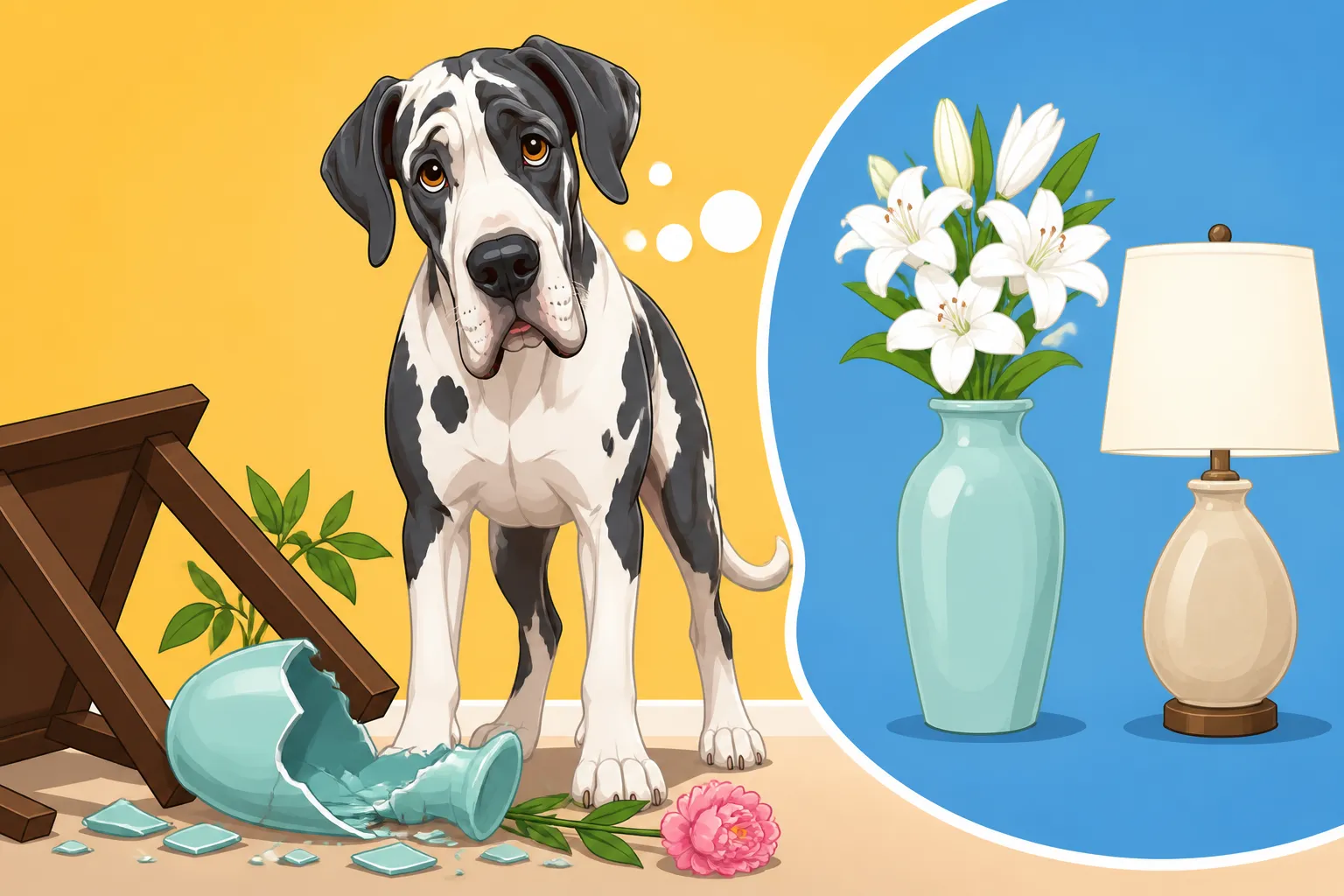
Replacing What a Great Dane Knocks Over
Oh, the sheer joy and chaos of living with a Great Dane! You bring home this adorable, albeit rapidly growing, puppy, and before you know it, you're sharing your home with a creature the size of a small pony. One of the most common, and often hilarious, frustrations Great Dane owners face is the constant battle against gravity and sheer mass: objects just seem to leap off tables or get enthusiastically tail-swiped into oblivion. This guide is here to help you navigate the reality of replacing what your beloved giant inevitably knocks over, offering practical advice to mitigate the damage and maintain your sanity (and your favorite vase!).
Understanding the "Why" Behind the Knock-Overs
It’s easy to get frustrated when your prized possessions end up in pieces on the floor, but it’s crucial to remember that your Great Dane isn't acting out of malice. Their immense size, coupled with their often exuberant personalities, simply makes them walking, wagging, sometimes clumsy, natural disaster zones in a typical household setting. Understanding the root causes can help you approach prevention and management with more empathy and effectiveness.
The Tail as a Wrecking Ball
Let's be honest: a Great Dane's tail is a force of nature. It's thick, muscular, and when it gets going, it can clear a coffee table faster than you can say "Apollo of Dogs." This isn't just a cute anecdote; it's a daily reality for many Dane owners. Imagine a dog weighing over a hundred pounds, often closer to 150-180 pounds, with a tail that can easily reach waist height on an adult. That wag is an expression of pure joy, but it's also an incredibly powerful lever. That beautifully crafted ceramic bowl or delicate photo frame doesn't stand a chance against that happy thumping. They just don't have the same spatial awareness as a smaller dog, nor do they often comprehend the impact their happy wag can have on lightweight items.
The "Gentle Giant" Who Forgets Their Size
Great Danes are famously known as "gentle giants," and for good reason. They are typically sweet-natured, loyal, and incredibly tolerant. However, their sheer bulk means they occupy a lot of space, and sometimes, they genuinely forget just how much space that is. They might back up too quickly, spin around for a belly rub, or simply try to squeeze through a narrow gap between furniture, and thwack – something is suddenly on the floor. It’s not intentional; it’s just the physics of having a creature this large navigating a human-sized world. They lean, they lounge, they stretch, and anything within their expansive reach or casual bump zone is fair game for an accidental displacement. You'll find yourself constantly reminding them, "You're a big dog, remember?"
Puppy Energy in a Giant Body
Even though they grow quickly, Great Danes are still puppies in giant bodies for a good long while. They retain that playful, sometimes clumsy, energy that all young dogs have. A Great Dane puppy might not even be that big at four or five months, but they're still large enough to be a serious hazard to your household items when they zoom through the living room or pounce on a toy near a precarious shelf. This combination of youthful exuberance and rapid growth means that their coordination might not quite keep up with their developing strength and size. Owners must Exercise Limits While a Great Dane Is Still Growing to protect their developing joints, but even managed play can lead to accidental collisions. That innocent romp can turn into a destructive whirlwind in moments, especially if they haven't learned The Manners a Great Dane Needs Before It Grows.
Great Dane-Proofing Your Home: Proactive Strategies
Living with a Great Dane means re-evaluating your home environment from their unique, towering perspective. Prevention is truly the best medicine when it comes to avoiding breakages. By making some thoughtful adjustments, you can significantly reduce the number of items that fall victim to the "Dane Effect."
Furniture and Object Placement
This is where you become an interior designer with a specific, very large, four-legged client in mind. The first rule of Dane-proofing is simple: if you don't want it broken, don't put it where a Great Dane can reach or accidentally knock it. This sounds obvious, but you'd be surprised how many common household arrangements are simply incompatible with a dog of this magnitude.
- Coffee Tables are Risky: Your elegant low coffee table might look great, but it's often directly in the path of a wagging tail or a casually placed paw. Consider replacing it with side tables that can be pushed against a wall, or opting for a very heavy, sturdy coffee table that can withstand a bump. Alternatively, clear your coffee table completely. Any decorative items, books, or remote controls are prime targets.
- Shelf Security: Open shelving units, particularly those at a Great Dane’s head or tail height, are inherently dangerous. Either remove anything valuable from these shelves or invest in closed storage solutions like cabinets with secure latches. For shelves that are higher up, ensure they are anchored securely to the wall, as a leaning Dane can exert surprising force.
- Redesigning Traffic Flow: Observe your Great Dane's favorite routes through the house. If they always cut a certain corner, that's where you need to remove fragile items. Create wide, clear pathways, especially around doorways and common gathering areas. Furniture should be placed to minimize tight squeezes or accidental brushes. Think about the path they take when they burst in from outside, or enthusiastically greet you.
Securing Valuables and Breakables
Some items are simply irreplaceable or hold too much sentimental value to risk. These need special consideration. Don't rely on your Great Dane to learn to avoid them; rely on you to make them inaccessible.
- Higher Ground is Your Friend: Anything truly precious – family heirlooms, delicate artwork, small sculptures – needs to be on shelves well above your Great Dane's standing height, ideally mounted to the wall. This applies to plants too; while they might not break, many common houseplants are toxic to dogs if ingested.
- Display Cabinets and Curios: For items you want to display but keep safe, solid, well-constructed display cabinets with glass doors and secure latches are your best bet. Ensure the cabinet itself is heavy enough not to be tipped by an inquisitive nose or a strong lean.
- Digital Alternatives: Consider digitizing old photos or displaying reproductions of precious artwork. It's heartbreaking to lose a unique family photo because it was knocked off a mantelpiece. Think about what can be replaced and what can't.
Choosing Durable Household Items
When it comes to replacing items that have been broken, or furnishing your home initially, make durability your guiding principle. This is where you proactively minimize future damage. What to Buy Before a Great Dane Arrives should include thinking about the longevity of every item.
- Heavy and Sturdy Over Light and Delicate: Opt for heavier, more stable lamps, thicker glass or ceramic bowls, and furniture that isn't easily toppled. A wrought-iron floor lamp is much safer than a delicate tripod lamp. Consider materials like solid wood, metal, or durable plastics.
- Fabric Choices: For soft furnishings, choose robust, washable fabrics. Microfiber, canvas, or even outdoor fabrics can stand up better to a giant dog's paws, drool, and occasional accidents than delicate silks or linens. Look for performance fabrics that resist stains and wear.
- Dog-Specific Gear: When buying things specifically for your Dane, choose wisely. Items like Orthopedic Beds a Great Dane Needs should be durable and resilient. Chew toys from retailers like Chewy should be selected specifically as Toys Big Enough Not to Choke a Great Dane, meaning they're not easily destroyed into small, ingestible pieces. Investing in high-quality, long-lasting items for your Great Dane can actually save you money in the long run by reducing the need for constant replacements.
| Item Category | High Dane-Proof Risk | Low Dane-Proof Risk |
|---|---|---|
| Decorations | Glass vases, small figurines | Heavy sculptures, wall art |
| Furniture | Lightweight side tables, open shelving | Solid wood cabinets, heavy console tables |
| Lamps | Tripod lamps, narrow floor lamps | Wall-mounted sconces, heavy base table lamps |
| Kitchenware | Ceramic bowls on open counters | Heavy cast iron, secured items |
| Plants | Floor plants, small potted plants | Hanging plants (non-toxic), artificial trees |
| Electronics | Chargers on low tables, speakers | Wall-mounted TVs, cable management |
Managing the Damage: What to Do When Accidents Happen
Despite your best efforts at Dane-proofing, accidents are going to happen. It's part of the Great Dane ownership experience. How you react, assess the situation, and plan for replacements can make a big difference in reducing stress and managing the financial impact.
Assessing the Aftermath and Immediate Steps
When you hear that dreaded crash, your first instinct might be to sigh, or even yell. But take a deep breath. Your priority should always be safety for both you and your dog.
- Safety First: Immediately check for broken glass, ceramic shards, or anything that could injure your Great Dane's paws or mouth, or your own feet. Clear the area swiftly and thoroughly. Small pieces can become lodged in paw pads, leading to nasty infections or cuts.
- Check Your Dane: Ensure your dog isn't injured. Did they get cut? Did they try to eat what fell? Sometimes, if a delicate object like a photo frame falls and breaks, sharp edges could cause a minor cut or scrape. If they ingested something, even a small piece, monitor them closely and consult your vet.
- Emotional Regulation: It’s easy to get angry, but remember your Dane didn't do it on purpose. A calm, matter-of-fact response is best. Address the mess, not the dog, unless they are clearly engaging in destructive behavior you need to correct with a firm "leave it" or "off."
Budgeting for the Inevitable: Unexpected Costs
Living with a Great Dane comes with its own unique financial considerations, and replacements for household items are definitely on that list. It's not just the purchase price of the item; it's the cumulative effect. Thinking about Monthly Costs for an Adult Great Dane often involves food, vet care, and insurance, but the "broken stuff" category is real!
- The "Dane Fund": Consider setting aside a small amount each month into a "Dane Fund" specifically for unexpected costs, which can include both vet bills (perhaps an emergency visit if they cut a paw on broken glass, though pet insurance like Healthy Paws can help with major medical incidents) and replacement items. This helps absorb the shock of a sudden expense.
- Prioritize Replacements: Not everything needs to be replaced immediately or with an identical item. Assess what's truly needed. Did a favorite mug break? You can get a new one. Did a decorative item fall? Maybe it's an opportunity to re-evaluate if that spot needs something there at all.
- The Big Picture: While replacing a lamp or a vase might seem annoying, remember that Great Danes also come with significant vet expenses due to their size and predispositions to certain health issues. The cost of a few broken items often pales in comparison to, say, The Night a Great Dane Bloats and What It Costs or ongoing medication for The Heart Muscle Disease Great Danes Are Prone To.
Smart Shopping for Replacements
When it's time to replace something, use it as an opportunity to upgrade to something more Dane-proof.
- Opt for Durability: Look for items made from materials that are less likely to shatter or break easily. Wood, metal, robust plastics, and sturdy composites are your friends. For decor, consider soft sculptures, woven baskets, or heavy, stable pieces.
- Check Weight and Stability: Before buying, give an item a nudge. Does it feel stable? Is it top-heavy? Imagine a happy tail or a clumsy hip brushing against it. If it seems precarious, it probably is.
- Think Multi-Purpose: Perhaps a new storage ottoman can replace a flimsy side table, offering both surface area and hidden storage for remotes or magazines, keeping them out of harm's way.
- Online Retailers: Sites like Chewy aren't just for pet supplies. They can inspire ideas for durable pet-friendly furniture or organizational solutions that integrate well with a home that hosts a giant dog. Look for items designed for busy households or outdoor use, as these often have higher durability standards.
Training and Management to Reduce Incidents
While Dane-proofing your home is essential, the long-term solution also involves consistent training and management. Teaching your Great Dane better spatial awareness and providing appropriate outlets for their energy can significantly reduce the number of accidental knock-overs.
Teaching Spatial Awareness and "Off" Cues
Early and consistent training is paramount for a dog of this size. You need a well-behaved Great Dane, not just for your possessions, but for the safety of visitors and even your dog. Why Great Dane Training Cannot Wait cannot be stressed enough.
- "Off" is Your Best Friend: Teach a reliable "off" cue from day one. This means "all four paws on the floor" or "no paws on the furniture/counter." This is crucial for stopping them from Stopping a Great Dane Jumping Up on People and preventing them from reaching items on tables or counters. Practice this cue frequently, rewarding heavily when all paws are down.
- Boundary Training: Use gates or Crates and Gates Sized for a Great Dane to teach your dog which areas are off-limits, or where they need to be extra cautious. This could mean a gate across the kitchen doorway during meal prep, or keeping them out of a room with particularly delicate items.
- Leash Manners Indoors: For persistent counter-surfers or dogs that are constantly bumping things, sometimes practicing "leash manners" indoors can help. Keep a light leash on your dog and guide them gently away from problem areas. This provides immediate, non-punitive feedback on where they should and shouldn't be.
- Teaching "Back Up" and "Move Over": These commands can be invaluable in tight spaces. Teach your Great Dane to take a step or two back on command, or to shift their weight out of your way. This can prevent them from backing into a piece of furniture or blocking a doorway while you're carrying something.
Providing Appropriate Outlets for Energy
A bored Great Dane is often a clumsy or destructive Great Dane. Ensuring they have enough physical and mental stimulation tailored to their unique needs can reduce accidental damage.
- Structured Exercise: While The Age a Great Dane Can Start Running is later than for many breeds, consistent daily walks and controlled play sessions are vital. A tired Dane is less likely to have sudden bursts of energy that lead to accidents indoors. Focus on quality over quantity, especially during their growth phases.
- Mental Stimulation: Great Danes are intelligent, and mental exercise is just as important as physical. Puzzle toys, snuffle mats, and training sessions can tire them out without the risk of an indoor "zoomie" session. Providing a variety of Toys Big Enough Not to Choke a Great Dane also gives them appropriate things to engage with.
- Chew Opportunities: A satisfied chewer is less likely to get into mischief. Provide appropriate, safe chew items to keep their jaws busy and their minds engaged. Just be sure they are durable enough for a giant breed.
Utilizing Crates and Gates for Controlled Spaces
Sometimes, the best strategy is to control access, especially when you can't supervise directly or when you need a "safe zone" for both your dog and your belongings.
- Crate Training: A properly introduced and comfortable crate can be a lifesaver. It provides a safe, personal space for your Great Dane where they can relax without the risk of accidental damage. It's not a punishment; it's their den. This can be especially useful for puppies or adolescent Danes who still have a lot of rambunctious energy.
- Baby Gates, But Bigger: Standard baby gates often won't cut it for a Great Dane. You'll need extra-tall and extra-sturdy gates that can withstand a lean or a jump. These are perfect for sectioning off areas of the house, like a dining room during a dinner party or a home office full of delicate equipment.
- Secure Outdoor Space: If you have a secure yard, utilize it. Allowing your Great Dane ample time outdoors (weather permitting) in a safe, fenced area can provide an outlet for their energy without risking your indoor items. Just remember that even a large yard doesn't replace structured exercise and mental engagement.
Living with a Great Dane is a unique adventure, full of love, laughter, and yes, the occasional shattered artifact. By proactively Dane-proofing your home, understanding their behavior, and committing to consistent training, you can minimize the chaos and maximize the joy. You’ll learn to value experiences over possessions, and find humor in the everyday challenges of sharing your life with such magnificent, if sometimes clumsy, companions.
Disclaimer
This article is for general informational purposes only and does not constitute professional advice. Laws, prices and regulations vary by location and change over time. Consult a qualified professional for guidance on your specific situation.