Floors That Hold Up Under a Great Dane
Living with a Great Dane is an incredible experience, but anyone who shares their home with one of these magnificent giants knows that their presence extends to every corner of the house – especially the floors! Scratches, scuffs, puddles, and general wear and tear from a dog weighing over 100 pounds are real concerns. This guide will help you navigate the challenges and choose or protect flooring that can truly stand up to the unique demands of a Great Dane.
The Real Impact a Great Dane Has on Your Floors
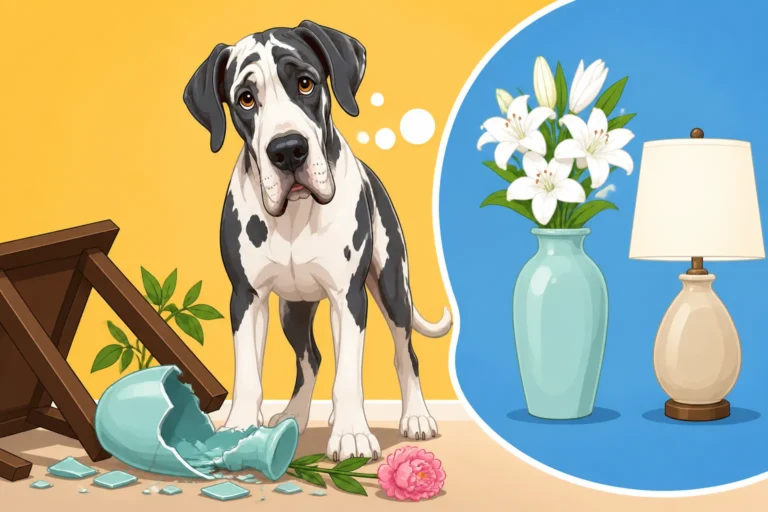
It's not just about a few paw prints. A Great Dane's sheer size and daily activities exert forces on your home that smaller breeds simply don't. Understanding these specific impacts is the first step to choosing the right flooring or effectively protecting what you already have.
Scratches, Scuffs, and Claw Marks
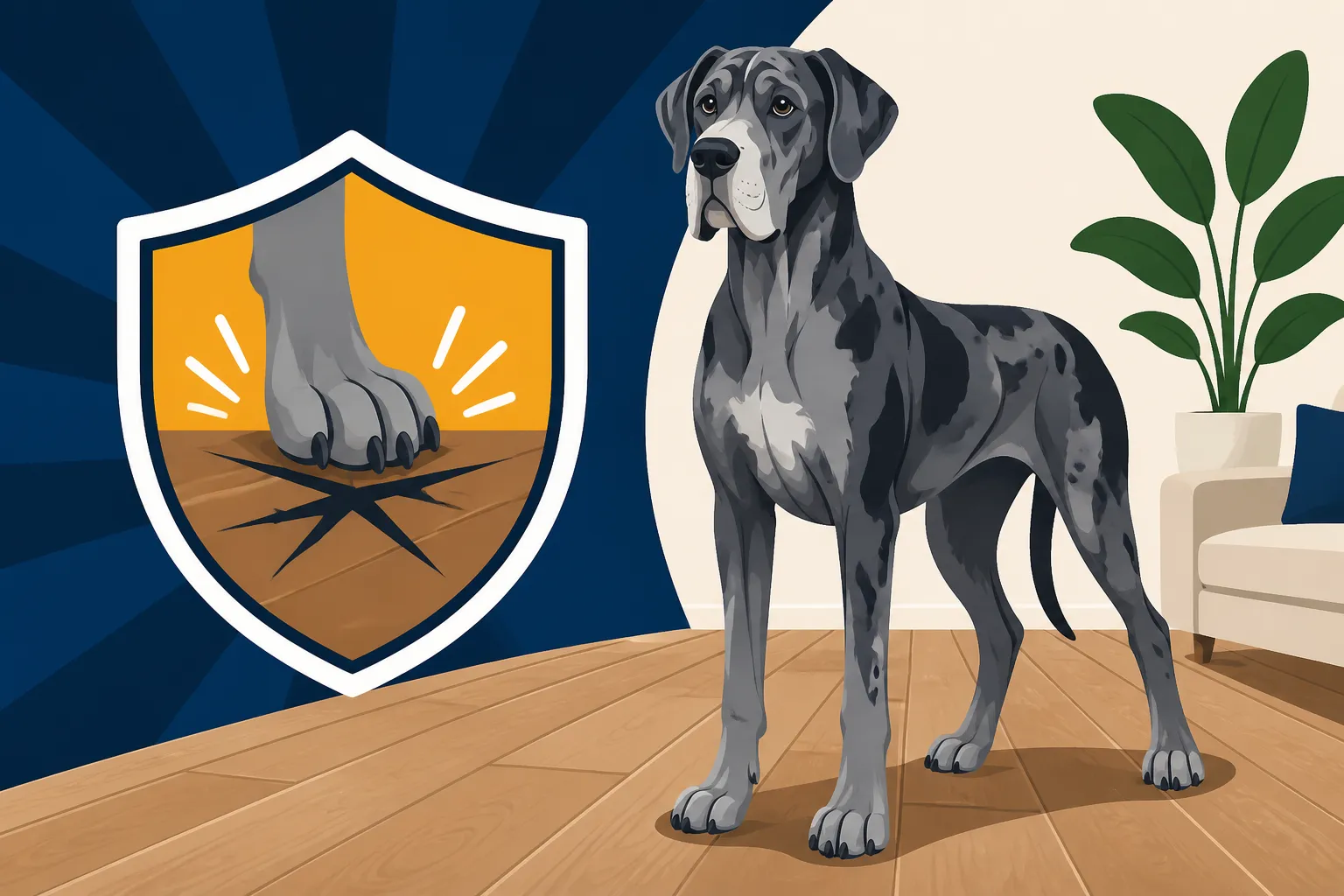
Let's be honest, those impressive Great Dane claws are a force to be reckoned with. Even if you're diligent about Trimming Nails on a Great Dane That Outweighs You and keeping them short, the reality is that a 150-pound dog moving across your floor can leave its mark. When your Dane enthusiastically greets you at the door, bounds across the living room to their favorite toy, or even just shifts their weight while getting up from a nap, those nails act like tiny chisels on softer surfaces.
Hardwood floors, in particular, are notorious for showing every single claw mark. You might envision a pristine, glossy surface, but after a few weeks with an active Dane, it can start to look more like an antique map of claw trails. Laminate floors can fare a bit better if they have a durable top layer, but the impact and friction from such a heavy animal are still significant. The force isn't just about sharp nails; it's the combination of weight behind them. Think about the difference between a pinprick and a hammer blow – that's the scale we're talking about when comparing a chihuahua's paw to a Dane's. Ensuring your Dane's nails are at the correct length is vital, not just for their comfort and gait but also to minimize the damage they impart on your home. For more insight into how nail length affects your dog, consider reading Nail Length and How a Great Dane Stands.
Drool, Accidents, and Water Damage
Ah, the charming Great Dane slobber. It’s a badge of honor for many Dane owners, but it’s less charming when it’s forming puddles on your pristine floors. After a big drink, the water flung from those jowls can create a surprisingly wide splash zone. Then there’s the casual drool that can happen when they’re excited, waiting for food, or even just sleeping soundly. This moisture, if left unaddressed, can seep into seams and cracks, causing warping, staining, or even mold growth, especially with less water-resistant flooring options.
Beyond the drool, we have to talk about accidents. While most Great Danes are house-trained, puppies can have mishaps, and senior Danes, especially as they reach Caring for a Great Dane Past Six or beyond, might experience incontinence. A large volume of urine can quickly penetrate carpet fibers or seep between floorboards, leading to lingering odors and significant damage. Even a spilled water bowl, an inevitable event with a clumsy giant, can create a substantial amount of standing water. Effective strategies for Managing Great Dane Slobber Indoors are essential, and having a good quality mat under food and water bowls can be a real game-changer.
The Weight and Impact of a Giant Breed
It’s easy to forget just how much your Great Dane weighs until you see them launch themselves onto the couch or crash onto their dog bed. This immense weight, often between 100 and 200 pounds, can have a profound impact on your floors. Softer materials, even resilient ones like linoleum or some vinyls, can show dents and impressions over time, especially in high-traffic areas or where your Dane tends to lie down frequently. Imagine a large, heavy object being repeatedly dropped on a surface – that’s the kind of wear and tear your floors face.
Furthermore, the sheer force of a Great Dane running, jumping, or playing can loosen floorboards, crack tiles, or wear down finishes at an accelerated rate. If your Dane enjoys a good zoomie session indoors, you’ll quickly understand what I mean. This constant, heavy impact isn't just about surface scratches; it can affect the structural integrity and longevity of your flooring. It also creates noise; the thud of a Dane galloping can resonate throughout your home. Consideration for softer surfaces where your Dane rests is also important for their long-term joint health, which can be explored further in Great Dane Hips, Elbows and Growing Joints and Elbow Hygromas on a Great Dane.
Best Flooring Options for Great Dane Owners
When it comes to selecting flooring for a home with a Great Dane, durability, scratch resistance, water resistance, and traction are your key considerations. You need materials that can withstand the daily onslaught of a giant breed while still looking good and providing a safe, comfortable environment.
Durable and Scratch-Resistant Choices
For many Great Dane owners, the holy grail of flooring is something that simply won't scratch. While no floor is truly impervious to a 150-pound dog, some options come much closer than others.
-
Luxury Vinyl Plank (LVP) / Luxury Vinyl Tile (LVT): This is often a top recommendation for pet owners, and for good reason. LVP and LVT are designed to mimic the look of wood or stone but are made from synthetic materials that offer superior durability. The wear layer, which is the transparent top coating, is incredibly tough and resists scratches and scuffs far better than most natural woods. Crucially, it's also highly water-resistant, making it excellent for managing drool and accidents. Many varieties offer good traction, which is vital for preventing slips and falls that could lead to injuries for your big dog. The relative ease of installation and ability to replace individual planks if severe damage occurs also makes it appealing. Brands like Shaw, COREtec, and Armstrong offer robust LVP lines that come highly recommended for their durability and pet-friendly features.
- Real-life scenario: Imagine your Great Dane, Luna, doing her excited "happy dance" when you come home. On traditional hardwood, this would mean a flurry of new scratches. With LVP, the high-performance wear layer shrugs off these antics, leaving your floor looking pristine. It's a fantastic middle-ground solution that offers aesthetics without sacrificing practicality.
-
Tile (Porcelain or Ceramic): If ultimate durability is your goal, porcelain or ceramic tile stands as a formidable champion. These materials are incredibly hard, making them almost entirely scratch-proof from dog claws. They are also waterproof, making cleanup of drool, water spills, and accidents a breeze. Tile is a fantastic choice for kitchens, entryways, and bathrooms where moisture is a constant concern.
- Real-life scenario: Your Great Dane, Thor, just finished drinking from his water bowl and, naturally, shakes his head, sending water droplets everywhere. On tile, you simply grab a paper towel and wipe it up – no lingering moisture, no stains, no damage. For more on managing slobber, check out What Great Dane Owners Keep by the Door. The main downsides are that tile can be very hard and cold, which isn't always comfortable for a large dog to lie on, and the grout lines can collect dirt and stain if not sealed and maintained. Choosing larger tiles can minimize grout lines, and darker, epoxy-based grout can help with staining. Traction can also be an issue if the tile is highly polished; opting for textured or matte finishes is advisable.
-
Laminate Flooring (High-Quality): Modern laminate flooring has come a long way. Higher-end laminates feature incredibly durable top layers with high Abrasion Class (AC) ratings (look for AC4 or AC5 for pet-friendliness). These can offer good scratch resistance at a more affordable price point than LVP. They also do a decent job of mimicking natural wood or stone.
- Real-life scenario: You've got a busy household with two kids and your Dane, Zeus, constantly running around. A high-quality laminate floor with an AC4 rating would resist the daily scuffs and minor impacts much better than a traditional engineered wood, giving you peace of mind without breaking the bank. However, laminate's Achilles heel is water. It's usually made from a wood-fiber core that can swell and warp irreversibly if exposed to standing water for too long. This makes it less ideal for areas prone to frequent drool or accidents unless you are exceptionally diligent about immediate cleanup. Some newer "water-resistant" laminates exist, but they still don't offer the same level of protection as LVP or tile.
Comfortable and Traction-Friendly Options
While durability is key, we also want our Great Danes to be comfortable and safe in their home. Hard, slippery floors can be detrimental to their joints, especially as they age.
-
Carpeting (Low Pile, Durable): Carpeting might seem counter-intuitive for a big dog due to shedding and potential for accidents, but it offers unparalleled traction, comfort, and warmth. For a Great Dane, especially one prone to slipping on hard floors, carpet can be a blessing for their joints. It also absorbs sound, making your home quieter. The trick is to choose a low-pile, durable, commercial-grade, or pet-specific carpet. These are often made from synthetic fibers (like nylon or olefin) that are designed to resist stains and stand up to heavy traffic. They're easier to vacuum and clean than plush, high-pile carpets.
- Real-life scenario: Your senior Great Dane, Gus, is starting to show signs of arthritis. Slipping on hardwood floors is a real concern. Installing a durable, low-pile carpet in the living room provides him with the much-needed traction and cushioning, making it easier for him to get up and move around without fear of falling. This cushioning can also help prevent issues like Elbow Hygromas on a Great Dane, which can develop from constant pressure on hard surfaces. Brands like Mohawk and Stainmaster have good reputations for pet-friendly carpet lines. The downside, of course, is that carpet traps hair and can absorb odors if not cleaned properly. Regular, thorough vacuuming is a must when you have a Great Dane, given How Much Hair a Great Dane Drops.
-
Engineered Hardwood (Specific Types): If you absolutely love the look and feel of real wood, engineered hardwood can be a compromise. It's more dimensionally stable than solid hardwood and less prone to warping with minor humidity changes. The key is to choose engineered hardwood with a very hard top layer (the "wear layer") made from a durable wood species like oak, hickory, or maple, and a very tough finish (e.g., aluminum oxide).
- Real-life scenario: You adore the warmth of wood floors in your dining room, where your Dane, Daisy, occasionally supervises meal prep. Opting for engineered hardwood with a hard finish and a denser wood species means it will stand up to her occasional ventures better than softer, traditional hardwoods. However, even the toughest engineered hardwood will still be susceptible to scratches from Great Dane claws over time, especially if not well-maintained. It's also less water-resistant than LVP or tile. Be prepared for some level of wear and tear, and consider runners in high-traffic areas.
-
Cork Flooring: Cork is a surprisingly pet-friendly option that often gets overlooked. It's naturally soft, warm, and quiet underfoot, providing excellent cushioning for a Great Dane's joints and good traction. It's also naturally antimicrobial and resists mold and mildew. Many cork floors are coated with a durable sealant that offers decent water resistance.
- Real-life scenario: You're looking for an eco-friendly option for your home office where your Dane, Winston, likes to nap at your feet. Cork provides a soft, warm, and quiet surface that's comfortable for him and helps dampen the sound of his inevitable snores! The main drawbacks are that cork can dent under very heavy objects (like dropped weights or furniture legs without protectors), and while sealed, it's not as waterproof as LVP or tile, so spills need prompt cleanup. It can also be scratched by sharp claws over time if the sealant wears down.
Flooring to Approach with Caution (or Avoid)
Not all flooring is created equal, especially when you have a giant breed like a Great Dane. Some materials, while beautiful, are simply not practical for this lifestyle.
-
Solid Hardwood (Especially Soft Woods): While beautiful, solid hardwood, particularly softer varieties like pine, cherry, or even some softer oaks, is generally not recommended for homes with Great Danes. It scratches, dents, and scuffs easily. Even harder woods will show wear quickly from those big paws. Refinishing is always an option, but it's costly and disruptive. The classic, glossy look will quickly give way to a "distressed" aesthetic, whether you intended it or not.
-
Polished Concrete (without texture/sealant): Concrete floors can be incredibly durable and are becoming popular in modern homes. However, a highly polished, unsealed concrete floor can be extremely slippery for a Great Dane. Their large, heavy bodies are prone to slipping, which can lead to serious joint injuries. If you choose concrete, ensure it has a textured finish or consider adding large area rugs for traction. It’s also very hard and cold, offering no cushioning for their joints.
-
Natural Stone (some types): While some natural stone like granite can be very durable, many types are porous, expensive, and can be easily stained or chipped. Like tile, it's very hard and cold, and some varieties can be quite slippery. Maintenance can also be high, requiring regular sealing to protect against stains and moisture. Unless you're specifically choosing a very dense, non-porous stone with a textured finish, it's generally best to proceed with caution.
Here’s a quick overview of how different popular flooring options stack up for Great Dane households:
| Flooring Type | Scratch Resistance | Water Resistance | Traction | Comfort/Warmth | Maintenance |
|---|---|---|---|---|---|
| Luxury Vinyl Plank (LVP) | Good | Excellent | Good | Medium | Easy |
| Porcelain/Ceramic Tile | Excellent | Excellent | Varies | Low | Easy (grout upkeep) |
| High-Quality Laminate | Good | Poor to Fair | Medium | Medium | Easy (avoid standing water) |
| Low-Pile Carpet | Fair | Poor | Excellent | High | Moderate (vacuuming, stains) |
| Engineered Hardwood | Fair to Medium | Poor | Medium | Medium | Moderate (scratch repair) |
| Cork | Fair (dents) | Good (when sealed) | Good | High | Moderate (sealing) |
| Solid Hardwood | Poor | Poor | Medium | Medium | High (refinishing) |
| Polished Concrete | Excellent | Excellent | Poor | Low | Easy |
| Natural Stone (most) | Varies | Varies | Varies | Low | High (sealing, cleaning) |
Protecting Your Existing Floors from Great Dane Wear and Tear
Sometimes, replacing your entire floor isn't an option. Whether you're renting, on a budget, or simply love your current floors, there are plenty of strategies you can employ to minimize the impact of your Great Dane and preserve your home's surfaces. It's about being proactive and strategic.
Strategic Use of Rugs and Mats
This is perhaps the most immediate and effective way to protect your floors. Think of rugs and mats as a protective shield, especially in areas where your Great Dane spends a lot of time or where traffic is heaviest.
- High-Traffic Zones: Lay down durable runners in hallways, entryways, and paths your Dane frequently uses, like the route from the door to the couch, or from their bed to the kitchen. This takes the brunt of their claws and body weight. Look for low-pile rugs with non-slip backings to prevent them from sliding around, which could be a hazard for your Dane.
- Feeding and Watering Stations: Great Danes are notorious for creating a "slobber zone" around their food and water bowls. A large, waterproof mat under their elevated feeding station is absolutely essential. This catches spilled water, dropped kibble, and, of course, plenty of drool. Choose something easy to wipe clean or toss in the washing machine. You can find excellent options for pet-friendly mats at retailers like Chewy.
- Resting Areas: Where your Great Dane likes to lie down – whether it's by the window, in front of the fireplace, or next to your desk – place a thick, comfortable rug or a dedicated dog bed. This not only protects the floor from pressure points and accidental drool but also provides a much-needed soft surface for their joints. For more on ensuring your Dane has comfortable places to rest, you might want to read Rugs and Runners for a Great Dane's Joints and Bedding That Prevents Great Dane Hygromas.
Nail Care and Paw Maintenance
This might seem obvious, but proper nail care is your first line of defense against scratched floors.
- Regular Nail Trims: This cannot be stressed enough. Keep your Great Dane’s nails trimmed short, so they don't click on the floor. If you can hear their nails on hard surfaces, they're too long. Short nails are less likely to scratch and also promote better paw health and gait. For many Dane owners, this means weekly or bi-weekly trims. If you struggle with this task, don't hesitate to seek help from your vet or a professional groomer.
- Paw Pad Health: Healthy paw pads provide better traction and are less likely to pick up debris that could scratch floors. Regularly check your Dane’s pads for cracks or dryness and apply a pet-safe paw balm if needed. While not a direct floor protector, healthy paws are part of overall paw maintenance.
- Paw Protection (Occasional): For specific situations, like recovering from a paw injury or if you're taking your Dane to a home with very delicate floors, dog booties can offer protection. However, most Danes aren't keen on wearing them indoors for extended periods, so this is more of a temporary solution.
Managing Drool and Accidents
Minimizing moisture on your floors is paramount to preventing water damage, stains, and odors.
- Slobber Rags and Towels: Keep a stack of dedicated "slobber rags" or small towels readily available near your Dane’s water bowl, the front door, and any other prime drool zones. Wiping their mouth immediately after they drink, or when you notice excess drool, can save your floors from accumulating moisture. It's a small habit that makes a huge difference. What Great Dane Owners Keep by the Door is a testament to this strategy.
- Elevated Feeding Stations: As mentioned, an elevated feeding station for your Great Dane reduces neck strain and helps manage the spread of food and water. Look for sturdy, heavy-duty options that your Dane can't easily knock over. Chewy offers a wide variety of these.
- Prompt Cleanup: For all accidents – whether it's drool, spilled water, or urine – immediate cleanup is critical. For urine, use an enzymatic cleaner specifically designed to break down pet odors and stains. These are much more effective than general household cleaners at eliminating the scent that can encourage repeat marking. Regular bathing also helps keep your Dane clean, reducing the amount of dirt tracked in, and if done properly, avoids excessive water on your bathroom floor. See Bathing a Great Dane at Home for tips. Investing in a good quality cleaner, like Nature's Miracle or Rocco & Roxie, from places like Chewy, is a wise move for any Great Dane owner.
- Training and Routine: For puppies, consistent house-training is crucial. For senior Danes, regular vet check-ups can help address any incontinence issues, and a consistent potty schedule can help prevent indoor accidents. Sometimes, an insurance plan like Healthy Paws can help with unexpected vet bills related to health issues contributing to accidents, freeing up funds for floor repairs or protective measures.
Maintenance and Longevity for Great Dane-Friendly Floors
Even with the most durable flooring and diligent protection, living with a Great Dane means regular maintenance. The goal isn't just to keep your floors looking good today, but to ensure they stand the test of time and remain a safe, hygienic environment for your beloved giant.
Regular Cleaning Routines
A Great Dane introduces a different scale of cleaning needs. What might be sufficient for a tiny dog won't cut it for a Dane.
- Frequent Vacuuming and Sweeping: Great Danes shed, even with their short coats. Their hair can accumulate quickly, especially in corners and under furniture. Daily sweeping or vacuuming is essential, not just for aesthetics but also to prevent hair and dirt from grinding into your floors and finishes. A powerful vacuum designed for pet hair, perhaps one you got from Chewy, will be your best friend. For areas with hard floors, a robot vacuum can be a huge time-saver for daily maintenance, picking up loose hair and dirt before it becomes a problem.
- Mopping with Appropriate Cleaners: For LVP, tile, or sealed engineered hardwood, regular mopping is necessary to remove paw prints, dried drool, and general grime. Always use a cleaner specifically formulated for your type of flooring to avoid damaging the finish. Harsh chemicals can strip sealants or dull the surface, making it more vulnerable to future damage. Microfiber mops are often excellent for pet homes as they pick up a lot of dirt and are gentle on floors.
- Spot Cleaning Drool and Paw Prints: Keep a spray bottle of appropriate cleaner and a clean cloth handy for immediate spot cleaning. Dried drool can become surprisingly stubborn if left too long, and fresh paw prints are much easier to wipe away than embedded dirt. This proactive approach prevents accumulation and keeps your floors looking fresh between deeper cleans.
Addressing Wear and Tear
No floor is invincible, and even the toughest options will show some signs of life with a Great Dane. Knowing how to address minor wear and tear can extend the life of your floors significantly.
- Repairing Scratches in Wood/Laminate: For minor scratches on engineered hardwood or laminate, there are touch-up pens and repair kits available that can help camouflage the damage. For deeper gouges, professional repair might be necessary. It’s important to address these quickly to prevent further damage or moisture infiltration.
- Re-sealing Grout in Tile Floors: Grout lines, especially in high-traffic areas or around feeding stations, can become stained or worn. Periodically cleaning and re-sealing your grout will protect it from moisture and stains, keeping your tiled floors looking their best.
- Replacing Individual LVP/LVT Planks: One of the big advantages of LVP and LVT is the ability to replace individual damaged planks or tiles. If a section gets severely scratched, dented, or stained, you can often remove and replace just that piece, rather than needing to redo the entire floor. This is a huge cost-saving benefit for Great Dane owners.
- Deep Cleaning Carpets: Even with regular vacuuming, carpets will eventually need a deeper clean to remove embedded dirt, hair, and odors. Professional carpet cleaning at least once a year, or more frequently in high-traffic areas, can revitalize your carpets and help manage allergens and smells. Pet-specific carpet cleaning solutions can be found at retailers or offered by professional services.
Considerations for Future Floor Choices
As you live with your Great Dane, you'll gain invaluable insights into what works and what doesn't in your home. This experience can inform future decisions about flooring.
- Resell Value vs. Pet-Friendliness: While classic hardwood floors might historically offer higher resell value, a home with heavily damaged hardwood can detract from it. A well-maintained, pet-friendly LVP floor might actually be more appealing to potential buyers, especially other pet owners, than a scratched-up "premium" material. It’s about finding a balance that serves both your family and your future property value.
- Long-Term Cost of Maintenance vs. Initial Investment: Sometimes, spending a bit more upfront on a highly durable, low-maintenance flooring like high-quality LVP or porcelain tile can save you money in the long run. Constantly repairing or refinishing a less suitable floor, or dealing with professional cleaning services for stained carpets, can add up quickly. Consider the total cost of ownership over The Seven to Ten Year Great Dane Lifespan of your dog, and you'll see why a robust flooring choice is a smart investment.
- Overall Well-being of Your Dane: Ultimately, your flooring choice isn't just about your house; it's about your Great Dane's comfort and health. Floors that provide good traction reduce the risk of slips and falls, which can be devastating for a large dog prone to joint issues. Comfortable resting spots prevent pressure sores. A healthy Great Dane often translates to a happier home, and if you’re ever facing significant health challenges with your Dane, having a reliable pet insurance provider like Healthy Paws can truly make a difference in covering treatment costs and allowing you to focus on their well-being, which in turn means less stress on your home. For more on their health and longevity, Why a Great Dane Only Lives Seven to Ten Years might be a good read. Choosing pet-friendly features now can save heartache and expense later, especially for a breed with such a relatively short, but full, life.
Disclaimer
This article is for general informational purposes only and does not constitute professional advice. Laws, prices and regulations vary by location and change over time. Consult a qualified professional for guidance on your specific situation.