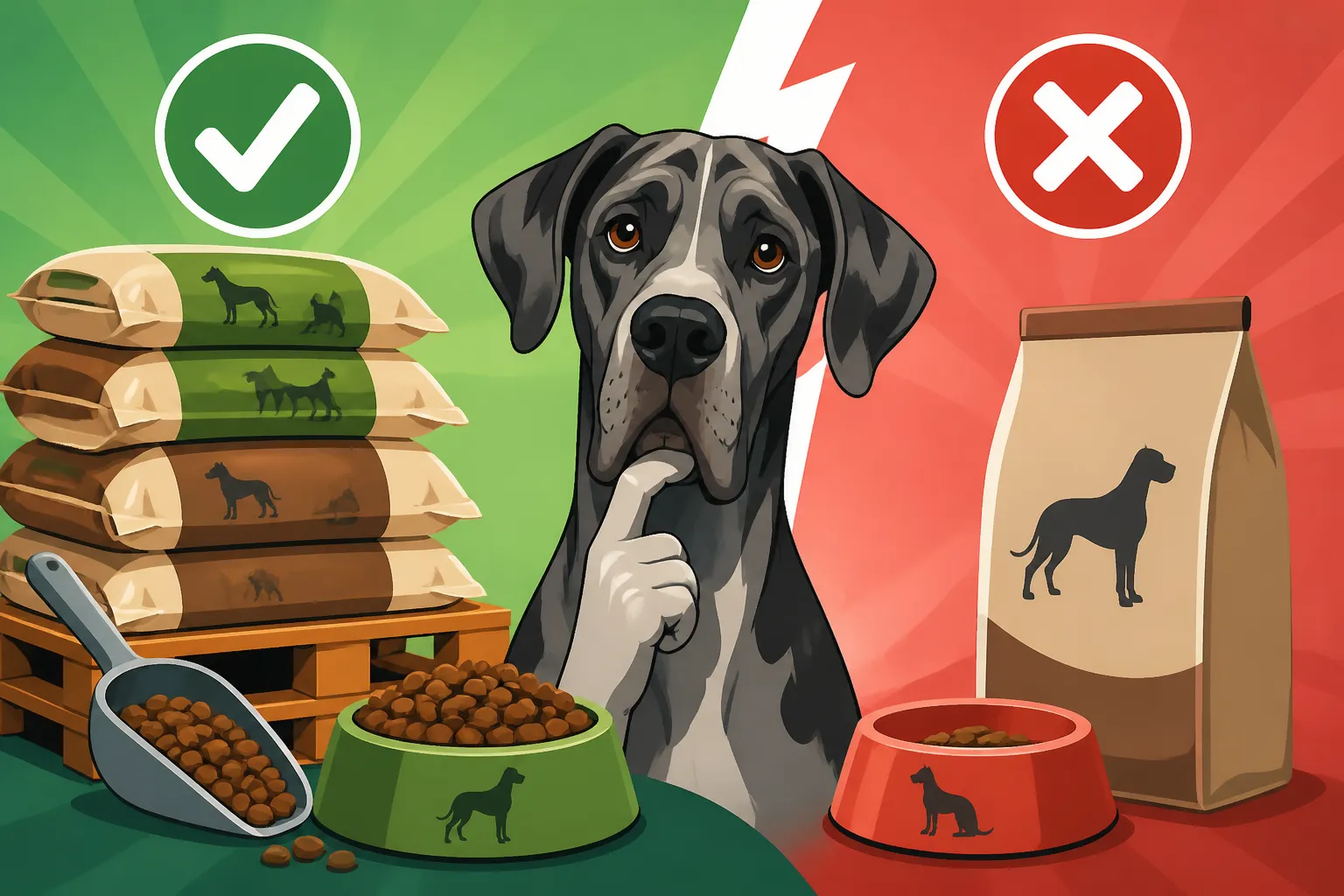
Whether Buying Food in Bulk Helps a Great Dane Owner
Owning a Great Dane means facing a constant culinary challenge: these gentle giants eat a lot. If you've ever felt like you're perpetually running to the pet store, or find your wallet feeling significantly lighter after each kibble purchase, you're not alone. This guide dives deep into whether buying your Great Dane's food in bulk truly offers a practical and cost-effective solution to the endless food bowl dilemma, exploring everything from potential savings to the sometimes-tricky logistics of storing such massive quantities.
The Sheer Volume of Great Dane Food Consumption
Let's be real: a Great Dane isn't just a dog; it's a small horse living in your house, and it eats like one too. The amount of food these majestic creatures go through can be genuinely astounding, and it's often one of the first things new owners underestimate.
Understanding Your Dane's Daily Needs
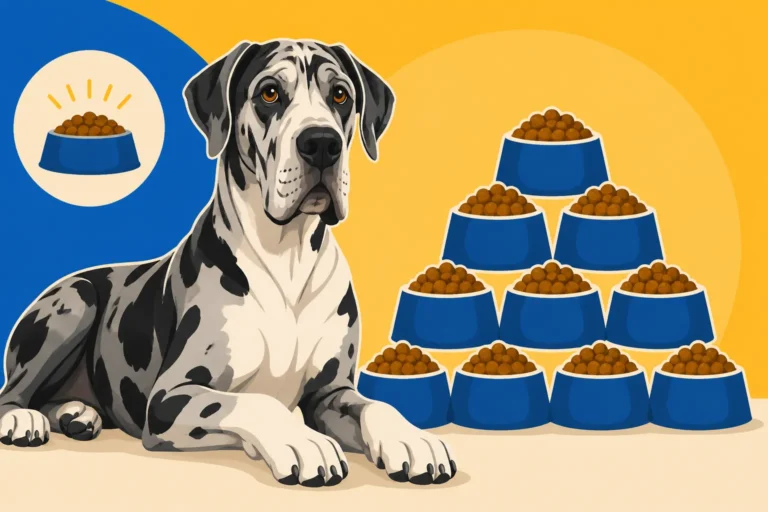
A typical adult Great Dane can consume anywhere from six to ten cups of dry kibble per day, and sometimes even more depending on their activity level, metabolism, and individual dietary needs. When you break that down, a 30-pound bag of kibble might only last a couple of weeks, if that. For some, it feels like a weekly pilgrimage to the pet supply store is the norm, just to keep up with the demand. This isn't just about the physical act of eating; it's about the consistent expense that comes with it. You're not just buying a bag of food; you're investing in your Dane's foundational energy and health every few days. What Ten Cups a Day Costs a Great Dane Owner is a reality many of us grapple with daily.
Puppies, surprisingly, can eat just as much, if not more, during their rapid growth phases, often needing specialized large-breed puppy formulas to ensure they grow slowly and healthily. Then you have seniors, who might need less volume but perhaps a more expensive, specialized diet to support aging joints or organs. The sheer scale of consumption means that the "small" decision of which bag to buy turns into a significant financial and logistical operation. It’s easy to feel overwhelmed by the constant churn of kibble.
The Logistics of Frequent Purchases
Imagine this scenario: you just finished your work day, you're battling rush hour traffic, and a glance at the kibble bin reveals… crumbs. Panic sets in. You have to make an unplanned detour to the pet store, wrestling a giant bag of food into your cart, through the checkout, and then somehow into your car and house. It’s a workout, a time sink, and a drain on your energy. For Great Dane owners, this isn't an occasional mishap; it can feel like a routine.
The issue isn't just the physical effort, but the mental load. Constantly tracking kibble levels, trying to remember when you last bought a bag, and then squeezing in yet another errand into an already packed schedule can be exhausting. Smaller bags are easier to manage in the short term, but they multiply the frequency of these inconvenient trips. Even with online retailers like Chewy, which can deliver to your door, the consistent ordering and managing of inventory in your home still requires a mental effort. You might find yourself setting up auto-shipments just to keep pace, which is a form of bulk buying in itself, just spread out.
Financial Savings and Considerations of Bulk Buying
The primary allure of buying anything in bulk is, of course, the promise of saving money. For Great Dane owners, where food costs are a major line item in the budget, this potential saving is often the driving force. But is it always as straightforward as it seems?
The Per-Pound Price Advantage
Generally, the larger the bag of kibble you buy, the lower the cost per pound tends to be. This is a common pricing strategy that retailers use to incentivize larger purchases, and it can translate into real savings over the long run for a household feeding a Great Dane. For example, a 15-pound bag might cost significantly more per pound than a 40-pound bag of the same brand. Over a year, these small differences per pound can add up to hundreds of dollars. Many online pet supply stores, like Chewy, often provide larger bags and subscription services that further enhance these savings, sometimes offering an initial discount on your first auto-ship order.
Consider this: if you save even just 50 cents per pound by buying a 40-pound bag instead of a 20-pound bag, and your Dane eats 40 pounds a month, that's $20 in savings right there. Multiply that by twelve months, and you're looking at $240 annually that could go towards vet bills, toys, or even just your own grocery budget. This is why many experienced Dane owners swear by bulk purchasing, viewing it as a smart economic strategy. It’s an easy way to cut down on Monthly Food Spending on a Great Dane. However, it's crucial to ensure you're comparing apples to apples – different brands and formulations will have different baseline prices, so always check the unit cost.
Hidden Costs and Potential Pitfalls
While the financial savings can be attractive, buying in bulk isn't without its risks and potential hidden costs. The most significant concern is spoilage. Kibble, like any food product, has a shelf life. If not stored correctly, or if bought in quantities too large for your Dane to consume before it goes stale, you could end up throwing food away, negating any savings you initially made. Stale kibble loses its nutritional value and palatability, and can even become rancid, which is unhealthy for your dog. Furthermore, improper storage can lead to insect infestations (like pantry moths or weevils) or mold growth from moisture, rendering the entire batch unusable.
Another consideration is your Dane's preferences. Dogs, even giant ones, can be notoriously picky. What if you buy a huge bag of food, only for your Great Dane to suddenly decide they don't like it? Or perhaps their dietary needs change, requiring a switch to a different formula or brand. You'd be stuck with a massive amount of unusable food. Brand formulations can also change over time; a company might subtly alter ingredients, which could impact your Dane's digestion or taste acceptance. While the argument Whether Cheaper Kibble Saves a Great Dane Owner Money is often about quality, it also extends to the risk of wasted, uneaten food. The initial upfront cost for a truly bulk purchase can also be significant, requiring a larger lump sum payment than smaller, more frequent buys.
Storage Solutions and Practicalities for Giant Quantities
One of the biggest hurdles to effective bulk buying for Great Danes isn't the cost itself, but where on earth you're going to put all that food. These aren't tiny bags that tuck away neatly in a pantry. We're talking about industrial-sized quantities.
Choosing the Right Bulk Food Containers
To protect your bulk investment, proper storage is non-negotiable. You'll need airtight, food-grade containers that are large enough to hold a significant portion, or even an entire, large bag of kibble. Look for containers made from durable plastic or metal that seal completely to keep out air, moisture, and pests. Many commercial pet food containers are designed specifically for this purpose and come in sizes up to 50 or even 70 pounds, often with wheels for easier maneuvering.
The location of these containers is equally important. They should be kept in a cool, dry place, away from direct sunlight, which can degrade the food's nutrients and accelerate rancidity. A garage, basement, or utility room might work, provided it stays at a consistent, moderate temperature. You want to avoid areas prone to humidity fluctuations, as moisture is the enemy of dry kibble. Keeping the original bag, even if you decant the food, is a good practice. It contains important information like the batch number, expiration date, and ingredient list, which can be vital if there's ever a recall or a health issue with your dog.
Managing Freshness and Shelf Life
Even with excellent containers, maintaining freshness requires a strategy. It's often recommended to decant only a portion of the bulk food into a smaller, more accessible daily bin, keeping the rest sealed in its larger, airtight container. This limits the exposure of the majority of the food to air each time you scoop a meal. Practicing a "first in, first out" rotation is also critical; always use the oldest food first before opening a new batch.
While dry kibble has a relatively long shelf life when sealed, once opened and exposed to air, its quality will gradually diminish. Most kibble is best consumed within 4-6 weeks of opening the bag. If your Dane can't go through a massive 40-50 pound bag in that timeframe, then truly massive bulk buying might not be the most economical choice. For owners who prefer fresh or raw food options, services like Ollie provide pre-portioned, delivered meals, which inherently manage freshness differently and reduce the need for bulk storage of dry kibble, though they come with their own cost structures. Fresh Delivered Food at Great Dane Volume is an entirely different approach to feeding, often chosen for different reasons than bulk cost savings.
Weighing the Pros and Cons for Your Household
So, after all the considerations, is buying food in bulk truly a good idea for your Great Dane and your household? It's not a one-size-fits-all answer.
The Advantages of Bulk Buying
There's no denying the key benefits of buying in bulk for a Great Dane owner:
- Cost Savings: As we discussed, the lower per-pound price can lead to substantial savings over time, which is a huge relief when dealing with the overall expenses of a giant breed.
- Convenience: Fewer trips to the store, less wrestling with bags, and a reduced likelihood of running out of food at an inconvenient time. This peace of mind is invaluable for busy households.
- Reduced Packaging Waste: While still packaged, buying one large bag instead of multiple smaller ones might result in less overall packaging waste, which can appeal to environmentally conscious owners.
- Preparedness: Having a healthy stash means you're not caught off guard by unexpected snow days, illness, or supply chain issues. You know your Dane will be fed, no matter what.
It’s about optimizing both your budget and your time, allowing you to focus more on enjoying your gentle giant and less on the constant logistics of feeding them.
The Disadvantages and When It Might Not Be Right
Despite the benefits, there are valid reasons why bulk buying might not be the best fit for everyone:
- Storage Space: This is often the primary deal-breaker. Not everyone has a dedicated pantry, basement, or garage space large enough, cool enough, and dry enough to safely store giant quantities of kibble. A cramped apartment simply might not accommodate multiple 40-pound containers.
- Spoilage Risk: If your Dane is a particularly slow eater (rare, but it happens!) or you simply overestimate consumption, you risk the food going stale, losing nutrients, or even attracting pests. Wasted food is wasted money, negating any bulk discount.
- Large Upfront Cost: While cheaper per pound, the total cost of a bulk purchase is higher than a single small bag. This can be a strain on immediate finances for some households.
- Lack of Flexibility: If your Dane develops allergies, digestive issues, or simply decides they don't like the food, you're stuck with a lot of it. This also applies if a manufacturer changes their formula. Switching brands or formulations becomes more complicated when you have 80 pounds of the old stuff on hand.
- Weight Management: It can sometimes be harder to monitor portion control or make subtle dietary adjustments if you're dealing with immense quantities, though careful measurement should always be the rule. The Calorie Load a Great Dane Actually Needs requires precise measuring, no matter the bag size.
Comparison of Food Purchase Strategies for Great Danes
| Feature | Small Bags (e.g., 15-20 lbs) | Large Bags (e.g., 30-40 lbs) | True Bulk (e.g., 2 x 40 lbs or more) |
|---|---|---|---|
| Cost per Pound | Highest | Moderate savings | Lowest |
| Upfront Cost | Lowest | Moderate | Highest |
| Shopping Frequency | Very High (weekly/bi-weekly) | Moderate (every 2-4 weeks) | Low (monthly/bi-monthly) |
| Storage Space | Minimal | Moderate (needs a dedicated spot) | Significant (large, airtight containers needed) |
| Spoilage Risk | Lowest (consumed quickly) | Low to Moderate (if stored properly) | Highest (requires strict management) |
| Flexibility | Highest (easy to switch foods) | Moderate | Lowest (hard to switch if large quantity) |
| Physical Effort | Moderate (frequent but smaller bags) | Moderate to High (less frequent but heavy bags) | Low (infrequent shopping, but heavy initial lift) |
| Pest/Moisture Risk | Low | Moderate (if not sealed after opening) | High (requires robust, sealed containers) |
Ultimately, whether buying food in bulk helps a Great Dane owner comes down to a balance of your budget, available storage space, and your tolerance for managing large quantities. For many, the cost savings and convenience outweigh the storage challenges, making bulk buying an essential strategy for feeding their beloved giant. For others, the risks of spoilage or the inflexibility make smaller, though more frequent, purchases a better fit. It’s about finding the feeding rhythm that works best for both you and your magnificent companion.
Disclaimer
This article is for general informational purposes only and does not constitute professional advice. Laws, prices and regulations vary by location and change over time. Consult a qualified professional for guidance on your specific situation.