Whether Cheaper Kibble Saves a Great Dane Owner Money
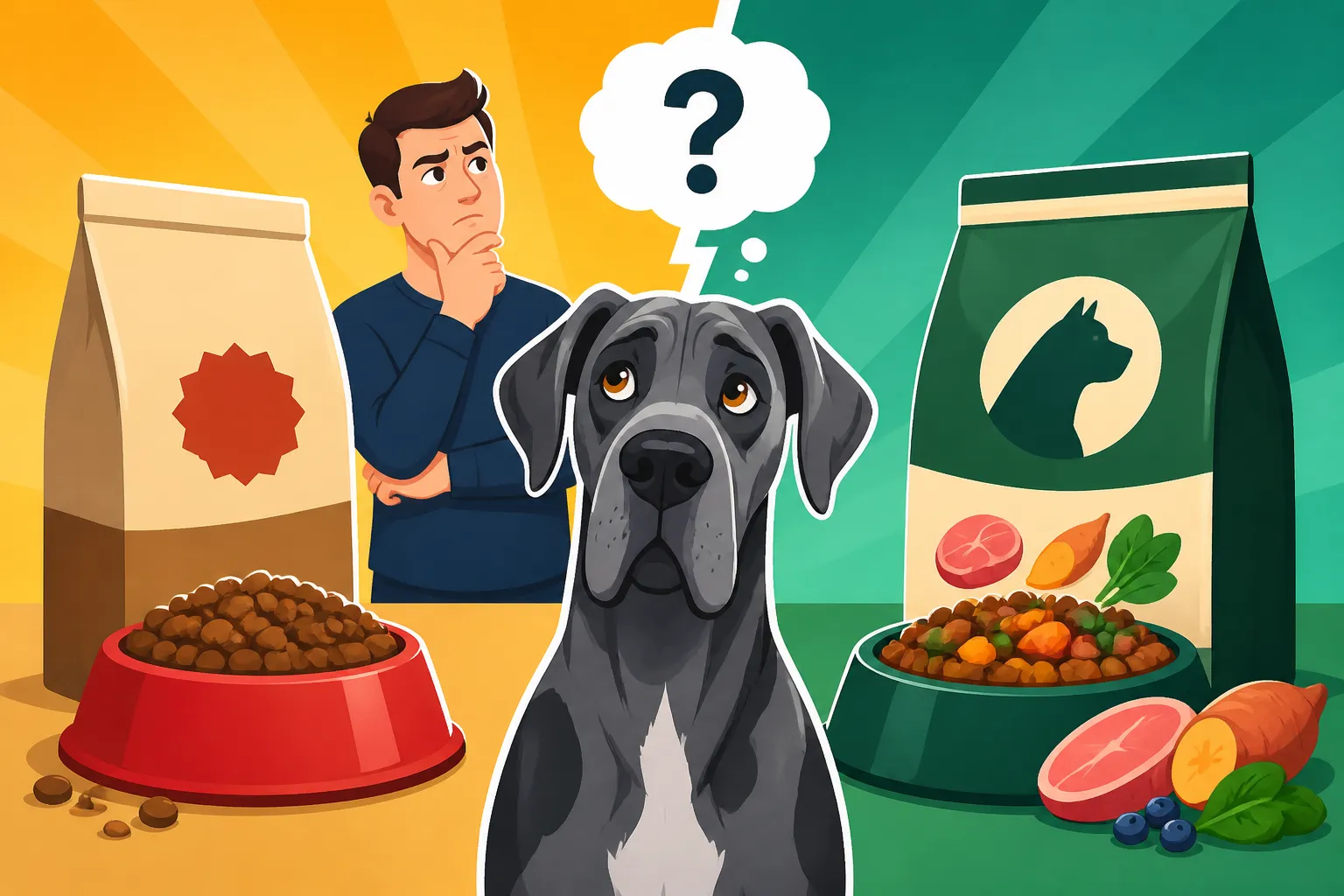
As Great Dane owners, we all know the feeling: staring at that empty food bowl for the third time today, then looking at the enormous bag of kibble, and finally, at the price tag. It's enough to make anyone wonder if there's a cheaper way to keep these gentle giants fed without breaking the bank. This guide is here to honestly tackle that question, exploring the true cost of cutting corners on your Great Dane's diet and why, in the long run, cheaper kibble might not actually save you money at all.
The Initial Lure of Low-Cost Kibble for Great Danes
It's completely understandable why so many of us are drawn to the promise of cheaper dog food. With a dog the size of a Great Dane, every penny saved feels like a victory, especially when the grocery bill for our furry family member can rival that of a small human family. The sheer volume of food these magnificent dogs consume makes us constantly seek out more economical options.
The Sheer Volume of Food a Great Dane Consumes
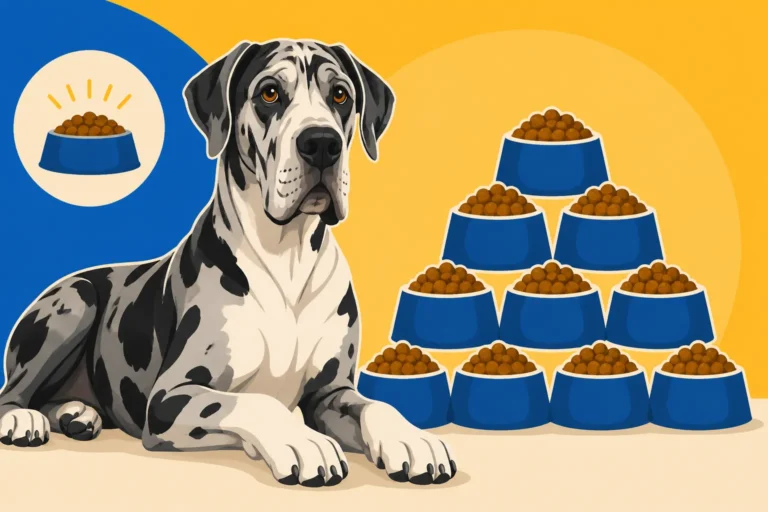
Let's be real, a Great Dane's appetite is legendary. You're not just feeding a dog; you're feeding a small horse, or at least it feels like it sometimes! An adult Great Dane can easily eat anywhere from 6 to 10 cups of dry kibble per day, sometimes even more depending on their activity level and individual metabolism. If you've ever tracked your Monthly Food Spending on a Great Dane, you know that those cups add up incredibly fast.
Imagine going through a massive 30-pound bag of kibble in a week or ten days. That's a significant recurring expense, far more than for a smaller breed. This constant consumption means that even a slight difference in price per pound can translate into substantial savings over the course of a month or a year. The sticker shock is real, and it often drives owners to consider options that seem more palatable for their wallets.
Sticker Shock: Why Owners Seek Alternatives
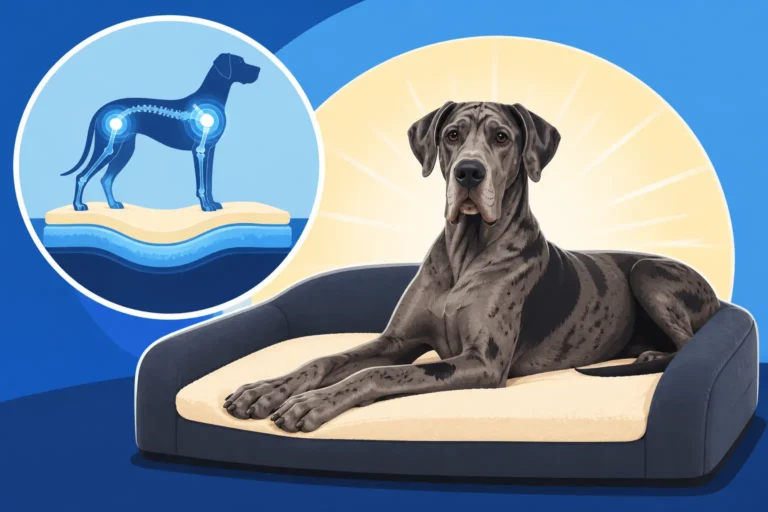
The financial reality of owning a Great Dane can be a huge eye-opener for many. Beyond the initial purchase price or adoption fee, the ongoing costs of care are substantial. When you factor in the high vet bills, the need for giant-sized everything from beds to crates, and the sheer amount of food, it's easy to feel overwhelmed. Many new Great Dane owners, or even seasoned ones facing unexpected costs, find themselves searching for ways to economize.
This isn't about being irresponsible; it's about trying to make ends meet while still providing for a beloved pet. You might walk down the pet food aisle and see a huge bag of generic kibble for half the price of a premium brand, and that temptation is powerful. The thought crosses your mind: "It's just dog food, right? How different can it really be?" This natural inclination to save money, especially on something consumed in such vast quantities, is precisely why cheaper options gain traction.
The Hidden Costs and Health Risks of "Cheap" Kibble
While the upfront cost of cheaper kibble might look appealing, the truth is, what you save on the bag, you often end up paying for in other, less obvious ways. And these hidden costs can be far more painful, both financially and emotionally, when they involve your Great Dane's health and well-being.
Inferior Ingredients and Nutritional Gaps
The primary reason some kibbles are cheaper is simple: the ingredients they use are less expensive. This often means a higher proportion of fillers like corn, wheat, or soy, which offer little nutritional value for a carnivore like a dog. Instead of high-quality animal protein, you might find "meat meal" or "by-product meal" listed ambiguously, which can be anything from rendered animal parts to feathers and hooves. While not always bad, the quality can be inconsistent and lack the digestible protein your giant breed needs.
For a fast-growing breed like the Great Dane, proper nutrition isn't just a suggestion; it's absolutely crucial. They need specific ratios of protein, fat, and especially controlled levels of calcium and phosphorus to support their rapid development without causing undue stress on their massive skeletal system. Why Calcium Supplements Damage a Great Dane is a clear example of how too much of a good thing, or the wrong kind of good thing, can be detrimental. Cheap kibble often misses these delicate balances, leading to nutritional gaps that can have serious repercussions.
Digestive Issues and Veterinary Bills
One of the quickest ways a poor diet manifests in a Great Dane is through digestive upset. Think about it: if you ate nothing but fast food every day, you'd eventually feel terrible, right? The same goes for your dog. Inferior ingredients, artificial colors, flavors, and excessive fillers can wreak havoc on a Great Dane's sensitive stomach. You might notice more frequent bouts of diarrhea, excessive gas, or even vomiting.
These aren't just minor inconveniences; they lead to vet visits. Each trip to the vet for a "tummy ache" can involve examination fees, medications, and sometimes diagnostics. Those seemingly small, recurring bills can quickly negate any savings you made on the food itself. Moreover, chronic digestive upset can impact nutrient absorption, leading to a dull coat, low energy, and a generally unhealthy appearance, all of which might prompt even more vet consultations.
Impact on Great Dane Growth and Joint Health
This is perhaps one of the most critical areas where cheap kibble can cause irreparable harm. Great Dane puppies grow at an astonishing rate, reaching near-adult size by their first birthday. This rapid growth needs carefully calibrated nutrition to ensure their bones and joints develop correctly. Feeding a Great Dane puppy slowly on purpose is key to avoiding serious issues. Many standard puppy foods, and certainly most cheaper adult foods, have calcium and phosphorus levels that are too high for a giant breed puppy, or calorie counts that promote too-fast growth.
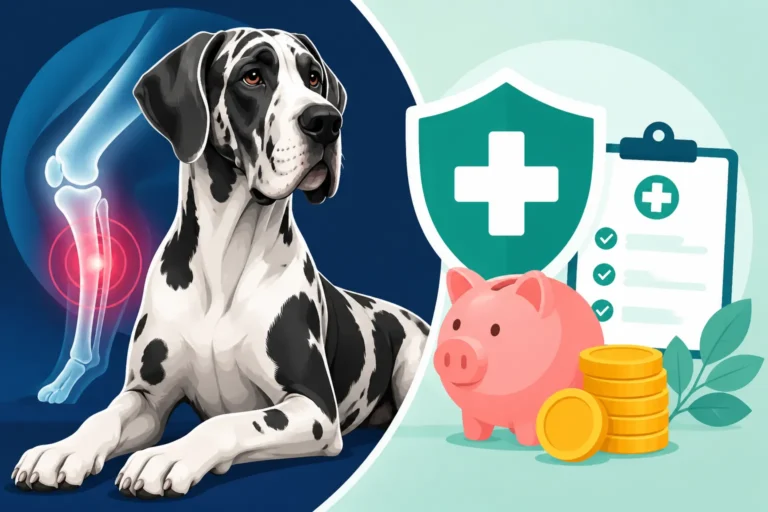
This can contribute to a range of orthopedic problems, including conditions like hypertrophic osteodystrophy (HOD) or osteochondritis dissecans (OCD). Issues like Growth Disorders in a Great Dane Puppy and general concerns about Great Dane Hips, Elbows and Growing Joints are often exacerbated by diets that don't specifically cater to their unique developmental needs. Corrective surgeries or ongoing pain management for these conditions are incredibly expensive, easily costing thousands, making any initial kibble savings seem utterly insignificant.
Long-Term Health Consequences
Beyond immediate digestive or growth issues, a prolonged diet of low-quality kibble can have far-reaching effects on your Great Dane's overall health and lifespan. Nutritional deficiencies or imbalances can weaken the immune system, making your dog more susceptible to illness. It can contribute to poor coat and skin health, dental problems, and even impact organ function over time.
While it's hard to directly link cheap kibble to specific major diseases, a foundation of poor nutrition certainly doesn't help. Great Danes are already prone to certain health challenges, such as Bloat in a Great Dane and the One in Three Odds or heart conditions. While diet isn't the sole cause of these, providing optimal nutrition helps support overall health and resilience. The truth is, Why a Great Dane Only Lives Seven to Ten Years is often a heartbreaking reality, and giving them the best chance at a longer, healthier life means investing in their diet from day one.
Understanding What "Good" Great Dane Food Offers
So, if cheaper kibble isn't the answer, what should you be looking for? Understanding the specific nutritional needs of giant breeds like Great Danes is the first step toward making informed decisions that truly benefit your dog and your budget in the long run.
Key Nutritional Requirements for Giant Breeds
Great Danes aren't just big dogs; they have unique metabolic and physiological needs. Their food needs to be specifically formulated for "large breed puppies" or "adult large breeds" to ensure appropriate nutrient levels. For puppies, this means a controlled growth formula with moderate protein and fat, and crucially, lower, balanced levels of calcium and phosphorus to prevent orthopedic issues.
For adult Danes, adequate high-quality protein (think real meat, not just by-products) is essential for maintaining their substantial muscle mass. Healthy fats provide energy and support skin and coat health. Beyond the macronutrients, a good kibble will also include a robust blend of vitamins, minerals, and often joint-supporting ingredients like glucosamine and chondroitin, which are incredibly beneficial for these large, often arthritic-prone dogs as they age.
Decoding Dog Food Labels: How to Identify Quality Ingredients
Reading dog food labels can feel like deciphering a secret code, but it's a vital skill for any Great Dane owner. Look for real meat as the first ingredient (e.g., "chicken," "beef," "lamb"), not "meat meal" or generic "animal protein." While meat meals can be high quality, specific named meat meals (e.g., "chicken meal") are generally preferable to unnamed ones.
Avoid artificial colors, flavors, and preservatives, which offer no nutritional benefit and can sometimes trigger allergies or digestive issues. Be wary of excessive fillers like corn, wheat, and soy, especially high up on the ingredient list, as these often serve as cheap bulk rather than nutritional powerhouses. Check the guaranteed analysis for protein and fat percentages appropriate for a giant breed. For puppies, it’s especially important to look for calcium levels, typically between 1.0% and 1.5% on a dry matter basis, and a calcium-to-phosphorus ratio between 1.1:1 and 1.3:1.
The Value in Higher-Quality Ingredients
It's not just about what's not in the food; it's about what is. Higher-quality ingredients mean better digestibility. When your Great Dane can efficiently absorb nutrients from their food, they need less of it to feel full and get the nourishment they require. This can actually mean you feed slightly less volume, which helps offset some of the higher per-bag cost. Better absorption also leads to smaller, firmer stools, which is a win for everyone involved in cleanup!
Furthermore, a nutritionally dense diet supports a stronger immune system, better energy levels, a shinier coat, and overall vitality. While it won't prevent every health issue, it builds a robust foundation that can help your Great Dane resist illness and recover more effectively when problems do arise. Think of it as preventative medicine in a bowl.
Strategies for Affordable, Quality Feeding
So, how can you afford to feed your Great Dane a quality diet without bankrupting yourself? It's all about smart shopping, strategic planning, and understanding where true value lies beyond the initial price tag.
Buying in Bulk and Loyalty Programs
One of the most effective ways to save money on quality Great Dane food is to buy in larger quantities. Most pet supply stores and online retailers offer better per-pound pricing on bigger bags. Retailers like Chewy, for instance, often have significant discounts when you opt for their auto-ship programs or subscribe to regular deliveries. This not only saves you money but also ensures you never run out of food, which is a nightmare scenario with a Dane.
Many brands also have loyalty programs where you can earn points or get a free bag after purchasing a certain number. Keep an eye out for these opportunities. While the initial outlay for a giant bag might seem daunting, calculate the per-day or per-meal cost to see the real savings.
Comparing Brands and Formulas
Don't just grab the first "large breed" bag you see. Take the time to research different reputable brands that specialize in giant breed nutrition. Look for brands that have undergone feeding trials and have transparent ingredient sourcing. Sometimes, a lesser-known but high-quality brand might offer comparable nutrition at a slightly more accessible price point than the most heavily advertised names.
Compare the protein sources, fat content, and specific nutrient levels. Remember, what works for one Great Dane might not work for another, so be prepared to try a few different options before settling on the perfect fit. Reading reviews from other large breed owners can also provide valuable insights into palatability and how the food impacts their dogs.
The Role of Preventative Care and Pet Insurance
Investing in quality food is a form of preventative care. By providing optimal nutrition, you're potentially reducing the likelihood of costly health issues down the line. However, even with the best diet, Great Danes are prone to certain breed-specific conditions. This is where pet insurance becomes an invaluable tool. Companies like Healthy Paws can help cover the substantial costs of unexpected illnesses or injuries, from emergency surgeries to chronic disease management.
Consider the potential costs of something like The Lifetime Bloat Risk in a Great Dane, or managing a heart condition later in life. These can easily run into thousands of dollars. Having pet insurance in place, especially if you enroll your dog when they're young and healthy, ensures you can provide the best medical care without facing crippling debt. It's another layer of protection that, combined with good nutrition, aims to keep your Great Dane Vet Costs Year by Year as manageable as possible.
Considering Fresh or Specialty Diets
For some Great Dane owners, fresh or specialty diets are an appealing option, though they often come with a higher price tag. Companies like Ollie deliver fresh, human-grade meals directly to your door. While the cost for a Great Dane's volume can be significant, some owners find the health benefits and peace of mind worth the investment.
These diets are often highly digestible and made with transparent ingredients, which can be beneficial for Danes with sensitive stomachs or allergies. However, it's crucial to consult with your veterinarian before transitioning to any new diet, especially if you're considering a home-cooked or raw food approach, to ensure complete and balanced nutrition for your giant breed. The volume challenge is real, and ensuring proper nutrient balance, particularly calcium and phosphorus, requires expert guidance.
Comparative Look: Cheap Kibble vs. Quality Kibble for Great Danes
Let's break down the general differences between opting for cheaper, lower-quality kibble versus investing in a higher-quality, giant-breed specific formula for your Great Dane.
| Feature | Cheaper Kibble (Generic/Low-Cost) | Quality Kibble (Giant Breed Formula) |
|---|---|---|
| Initial Cost | Lower per bag, seemingly more affordable | Higher per bag, initial sticker shock |
| Ingredients | High in fillers (corn, wheat, soy), generic meat meals, artificial additives | Real meat first, whole grains/vegetables, no artificial additives, named meat meals |
| Nutritional Density | Lower, requires larger feeding portions for satiety | Higher, better absorption, potentially slightly less volume needed |
| Digestibility | Often poor, leading to more waste, gas, loose stools | Excellent, smaller, firmer stools, better nutrient absorption |
| Impact on Growth | Imbalanced Ca:P ratios, high calories, can promote rapid, unhealthy growth | Carefully balanced Ca:P, controlled calories, supports slow, healthy skeletal development |
| Long-Term Health | Potential for nutrient deficiencies, chronic digestive issues, weakened immune system, joint problems, shorter lifespan | Stronger immune system, better joint support, healthier skin/coat, reduced risk of diet-related issues, contributes to Whether Great Dane Lifespan Has Improved |
| Hidden Costs | Frequent vet visits for digestive issues, orthopedic problems, allergy treatments, medications | Fewer vet visits for diet-related issues, potentially lower long-term medical costs, overall better quality of life |
| Overall Value | Low upfront, but high hidden costs (vet, health) | High upfront, but significant long-term savings in health and well-being |
When you really tally up What a Great Dane Costs Across Eight Years, the expense of quality food begins to look like a wise investment in preventative health rather than an extravagant luxury.
Disclaimer
This article is for general informational purposes only and does not constitute professional advice. Laws, prices and regulations vary by location and change over time. Consult a qualified professional for guidance on your specific situation.