Replacing a Bed a Great Dane Has Worn Through
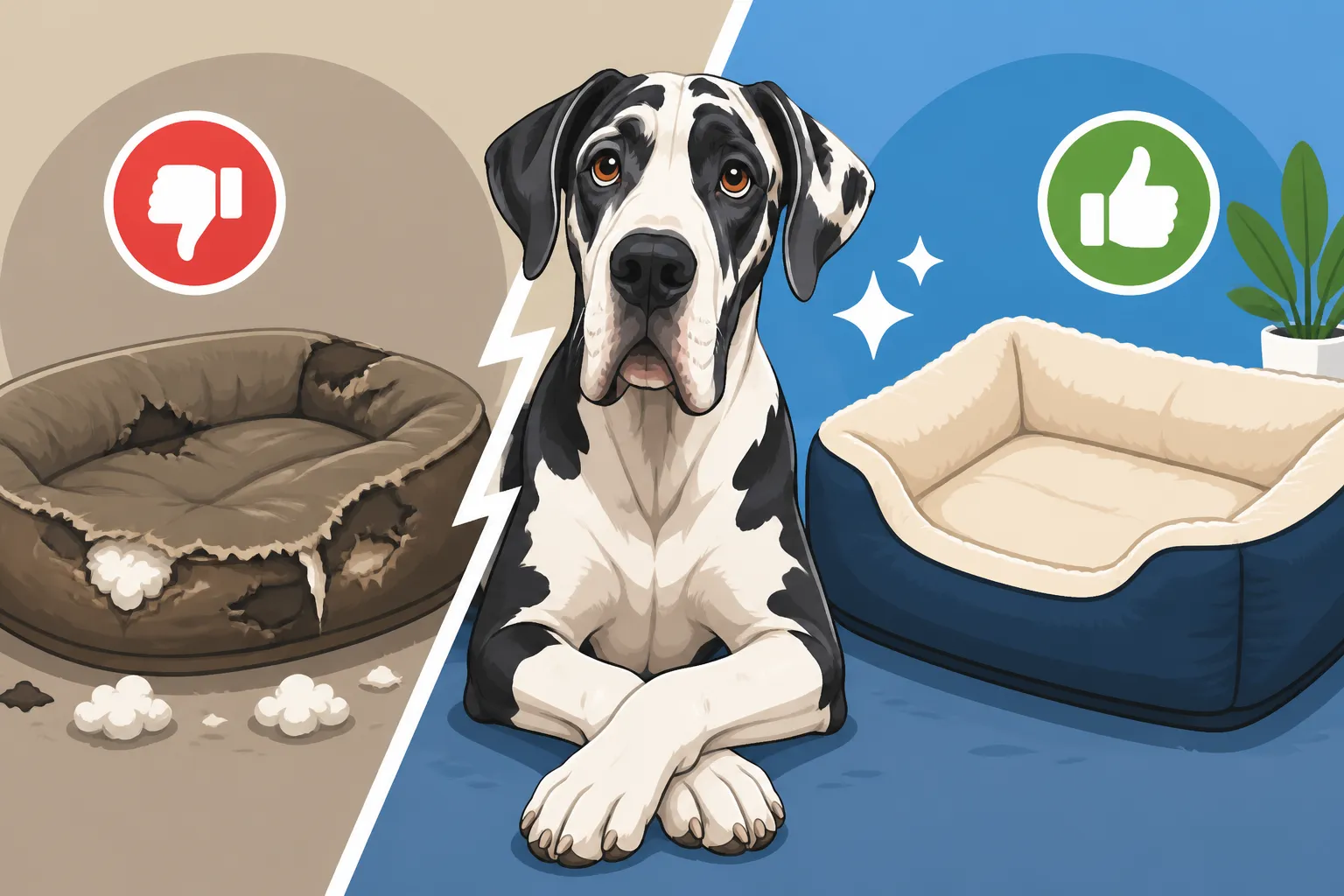
If you're a Great Dane owner, you know the drill: you invest in a nice, big, comfy bed, and before you know it, it looks like a deflated pancake or a torn-up rag. It's a universal frustration, the constant battle against the sheer size and playful (or destructive) nature of our giant companions. This guide is all about navigating that inevitable reality – replacing a Great Dane bed that's seen better days – and helping you make choices that offer better longevity and support for your beloved big dog.
Why Great Dane Beds Face an Uphill Battle (and Why That's Just Their Nature)
Let's be real, owning a Great Dane means accepting that certain items in your home are going to experience an accelerated lifespan, and their beds are definitely on that list. It's not a reflection of poor quality on your part, nor is it necessarily a fault of the bed itself. It's simply the reality of living with such a magnificent, massive animal.
The Sheer Scale of Great Dane Existence
Imagine a dog that can easily outweigh an adult human, standing eye-to-eye with you on its hind legs. Now imagine that weight, day in and day out, pressing down on a bed. The foam compresses, the stuffing shifts, and the fabric stretches and thins. A 150-pound dog doesn't just "lie down" delicately; they collapse with gravitas, often adjusting and rearranging themselves with a series of heavy thuds and shifts. Every single one of those movements contributes to the bed's demise. The forces at play are just so much greater than what a smaller dog would exert, meaning a bed designed for a Golden Retriever simply won't cut it for long.
Then there's the simple act of getting up. Danes often push off with considerable force, digging their paws in or sliding their large bodies across the surface, creating friction and stress points on the fabric. It’s a constant, low-level assault that eventually wears through even the toughest materials.
The Habits That Hasten a Bed's Demise
Great Danes, for all their "gentle giant" reputation, have some habits that are less than gentle on their sleeping arrangements. They love to "nest," which often involves a good bit of circling, pawing, and digging before finally settling down. These actions, endearing as they are, can quickly shred thinner fabrics or tear seams. Think of those cute little circles they make before plopping down – each one is a mini-earthquake for their bed.
And let's not forget the drool. Oh, the drool! Especially after a drink, a Great Dane's jowls can deposit a significant amount of moisture onto their bed. Over time, this can degrade certain fabrics, leading to mildew if not cleaned regularly, or simply causing the material to break down faster. They also love to lean, and if their bed is against a wall, that constant pressure from their substantial bodies can wear a spot bare. A Great Dane's happy tail, while a joy to behold, can also be a surprisingly effective weapon, whipping against the bed's edge and fraying it over time – a classic "happy tail" injury waiting to happen to the bed itself.
The Economic Reality of Giant Dog Products
The plain truth is, anything designed for a Great Dane costs more. Their food bills are hefty, their vet visits often come with higher medication doses, and yes, their beds are no exception. You might feel like you're constantly shelling out for a new bed, and that feeling is valid. It's a significant recurring expense, especially when you're also budgeting for things like Insuring a Great Dane Against Bloat and Heart Bills or simply the Monthly Food Spending on a Great Dane. It’s easy to feel the pinch when it seems like you're replacing items more frequently than you'd like. This isn't just a bed; it's a vital piece of orthopedic support for their large frames, so skimping isn't really an option.
What to Look For in a Replacement Bed: Durability and Support Are Key
When you're staring at a bed that's more crater than cushion, it's time to think strategically about its replacement. This isn't just about comfort; it's about supporting your Dane's health and saving yourself money in the long run.
Prioritizing Orthopedic Support Above All Else
For a breed prone to joint issues, orthopedic support isn't a luxury; it's a necessity. Their massive frames put immense pressure on their joints, especially their hips and elbows. A thin, lumpy, or worn-out bed offers no real cushioning or alignment, potentially exacerbating conditions like Arthritis in a Six-Year-Old Great Dane or simply contributing to stiffness as they age.
When selecting a new bed, look for:
- High-Density Memory Foam: This is often the gold standard. It conforms to their body, evenly distributing weight and relieving pressure points. Crucially, it rebounds, meaning it won't flatten out into a pancake after a few months.
- Supportive Base Layer: Many high-quality orthopedic beds combine a softer memory foam top with a firmer, dense foam base. This combination prevents their weight from sinking straight through to the floor, providing robust support.
- Adequate Thickness: A bed that's 2-3 inches thick might be fine for a smaller dog, but a Great Dane needs at least 4-6 inches of solid, high-quality foam to truly support them. Remember, they're not just lying on it; they're sinking into it.
Investing in a truly orthopedic bed can make a huge difference in their comfort, mobility, and overall joint health, especially as they get older. Think of it as preventative care for their very large bodies. You can find many robust options online through retailers like Chewy, where you can often read reviews specifically from other giant breed owners.
Choosing Resilient Materials for the Cover
The best orthopedic foam in the world won't do much good if the cover shreds in a month. This is where durable fabric choices come into play. Great Danes need covers that can withstand their weight, their nesting habits, their drool, and frequent washing.
Consider materials like:
- Ballistic Nylon: This tough, tightly woven fabric is often used in luggage and outdoor gear. It's incredibly resistant to tearing, chewing (though no fabric is truly "chew-proof"), and general wear. It's also often water-resistant, which is a huge bonus for managing drool and accidental spills.
- Heavy-Duty Canvas or Denim: These natural fibers offer good durability and can often stand up to a lot of abuse. They might not be as water-resistant as ballistic nylon, but they are typically machine washable and breathable.
- Microfiber or Suede: While softer, ensure these are high-grade and tightly woven. They can be comfortable and somewhat drool-resistant, but might not stand up to intense nesting as well as more industrial fabrics.
Whatever material you choose, make sure the cover is fully removable and machine washable. This is non-negotiable for hygiene and maintaining the bed's longevity. A dirty bed can not only smell but also harbor bacteria that can break down fabric fibers.
Size Matters (Still!)
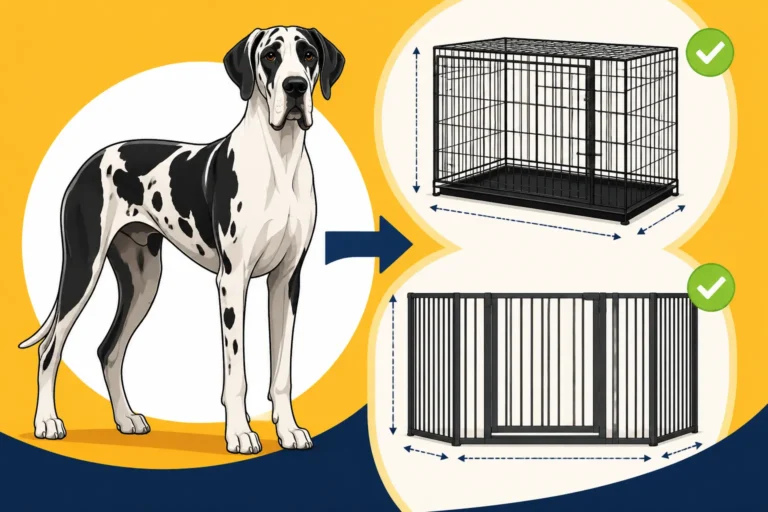
It might seem obvious, but it's worth reiterating: a Great Dane needs a truly giant bed. They should be able to stretch out completely, nose to tail, without any part of their body hanging off. A cramped bed forces them into unnatural positions, negating the benefits of orthopedic support and potentially leading to discomfort or even pressure sores, like those associated with Elbow Hygromas on a Great Dane if they're constantly lying on hard surfaces because their bed is too small.
Before you buy, measure your Dane from nose to tail while they're stretched out. Then, add a few extra inches for good measure. Remember, beds are often measured by their outer dimensions; make sure to check the sleeping surface dimensions. Don't fall into the trap of buying a bed that "looks" big enough online without checking those crucial measurements.
Strategies for Extending Bed Life (and Your Budget)
Replacing a Great Dane bed every few months is not sustainable for most budgets. While it’s an inevitable part of ownership, there are definitely things you can do to get more mileage out of your investment. Think of it as a proactive approach to pet care and financial planning, much like understanding Why Every Great Dane Bill Is Bigger.
The Power of Layering and Covers
One of the simplest yet most effective ways to protect your expensive orthopedic bed is to use multiple layers of protection. This strategy acts as a buffer against wear, tear, and daily grime.
- Secondary, Washable Covers: Invest in a few durable, easily washable bed covers. These go over the main bed cover and can be stripped off and laundered much more frequently. Look for heavy-duty denim or canvas covers that zip off easily. This saves the primary, often more expensive, cover from the brunt of drool, dirt, and nesting activities. You can often find these more affordable covers on sites like Chewy.
- Thick Blankets or Quilts: Layering old quilts, fleece blankets, or even moving blankets over the bed adds another barrier. These can be shaken out, laundered, or simply replaced if they become too worn. They also add an extra layer of cushioning and warmth, which Danes often appreciate.
- Waterproof Liners: If your Dane is prone to accidents or excessive drooling, a waterproof liner under the main bed cover but over the foam insert is a game-changer. This protects the foam itself from moisture and odors, which can be incredibly difficult to remove once soaked in. Healthy Paws pet insurance might cover unexpected vet bills, but a waterproof liner helps prevent the cost of early bed replacement due to liquid damage.
By layering, you're not just protecting the bed; you're also providing an extra cozy spot for your Dane, and making daily cleanup much easier.
Strategic Placement and Protection
Where you place your Great Dane's bed can significantly impact how long it lasts. It's not just about aesthetics; it's about mitigating common wear points.
- Avoid High-Traffic Areas: If the bed is in a doorway or a narrow hallway, it's going to get stepped on, kicked, and jostled more often, leading to faster wear. Place it in a dedicated corner or against a sturdy wall where your Dane can have their space.
- Protect Against Wall Leaning: Danes are leaners! If their bed is constantly pushed against a wall, the friction can abrade both the wall and the bed fabric. Consider adding a protective mat or a heavy-duty fabric panel to the wall behind the bed, or choosing a bed with bolsters that prevent direct wall contact.
- Underlayment for Stability and Insulation: If the bed is on a hard floor (tile, wood), consider placing a non-slip rug or a thick rubber mat underneath it. This provides extra insulation, prevents the bed from sliding around when your Dane gets up or settles, and can add an extra layer of shock absorption. This also relates to finding the right Bedding That Prevents Great Dane Hygromas and Orthopedic Beds a Great Dane Needs.
Regular Maintenance and Cleaning
A clean bed is a long-lasting bed. Dirt, dander, drool, and even oils from your dog's coat can break down fabric fibers over time, not to mention creating unpleasant odors.
- Frequent Washing of Covers: Aim to wash the bed covers (and any additional blankets) at least once a week, or more often if your Dane is particularly slobbery or dirty. Always follow the manufacturer's washing instructions to avoid damaging the fabric or waterproofing. Using an enzyme cleaner for tough spots can help eliminate odors and stains.
- Vacuuming and Spot Cleaning: Even between full washes, vacuuming the bed regularly can remove loose hair and dirt, preventing it from grinding into the fabric. Spot clean any drool marks or small accidents immediately.
- Rotating the Bed: If your Dane tends to favor one spot or side of the bed, rotate it periodically. This helps to distribute wear and tear more evenly, preventing one area from flattening out or wearing through faster than the rest.
By being diligent with cleaning and maintenance, you're not just keeping the bed fresh; you're actively preserving its structural integrity and extending its useful life. It's a small effort that yields big returns in the long run.
Where to Find Quality Great Dane Beds (and When to Splurge)
Once you've accepted that Great Dane beds are a recurring investment, the next step is finding sources for quality products that can stand up to the challenge. It’s a bit of a treasure hunt, but good options exist.
Online Retailers and Specialty Brands
The vast majority of truly large and orthopedic dog beds are found online. Traditional pet stores often only carry up to an "XL" which, let's be honest, is usually a medium for a Great Dane.
- Large Online Pet Retailers: Websites like Chewy are excellent starting points. They carry a wide range of brands and sizes, and crucially, they often have extensive customer reviews. Look for reviews specifically from owners of Great Danes or other giant breeds (like Mastiffs or Saint Bernards) to get a realistic idea of the bed's true size, durability, and how well it holds up. Filter by "orthopedic" and "extra-large" or "giant" sizes.
- Specialized Orthopedic Dog Bed Companies: There are brands that focus almost exclusively on high-quality, durable, and orthopedic beds, often with a specific emphasis on large and giant breeds. These companies tend to use higher-density foams and tougher cover materials. While their initial price might be higher, their longevity can often justify the investment. These are the places to look if you want a bed that's truly built for a lifetime (or at least, a Great Dane lifetime) of heavy use.
- Direct-to-Consumer Brands: Some newer brands have entered the market with innovative designs and materials, often cutting out middlemen. Do your research, read their material specifications, and check for warranty information.
When browsing, pay close attention to the warranty. A company that stands behind its product with a decent warranty (e.g., 5-10 years on the foam retaining its shape) is usually a good indicator of quality.
Custom Options and DIY Solutions
Sometimes, even the largest "giant" bed isn't quite right, or you have a specific space you're trying to fill.
- Custom Bed Makers: A few companies specialize in making custom-sized pet beds. This can be a fantastic option if you have a particularly tall or long Dane, or if you want a bed to fit perfectly into a crate or a specific alcove. Be prepared for a higher price tag, but the tailored fit can be worth it for optimal comfort.
- DIY Bedding: For the truly handy, creating your own Great Dane bed can be a cost-effective solution, especially for the internal components. You can source high-density foam from upholstery suppliers or even cut down a human memory foam mattress topper. For covers, durable canvas, denim, or even outdoor furniture fabric can be sewn to fit. This approach allows you to control the quality of materials and achieve the exact size and support you need. Remember, the goal is long-term comfort and durability, so don't skimp on foam quality.
The "Buy Once, Cry Once" Philosophy
It's tempting to opt for a cheaper bed when you know it's going to get destroyed anyway. However, with Great Dane beds, the "buy once, cry once" philosophy often proves true. A cheap, flimsy bed will flatten quickly, offer little support, and likely need replacing within a matter of months. This becomes a false economy.
- Long-Term Value: A higher-quality orthopedic bed, while a larger initial outlay, will last significantly longer, maintain its supportive properties, and provide consistent comfort for your dog. Over several years, it can actually be more economical than constantly replacing cheaper alternatives.
- Health Benefits: Beyond the monetary savings, the health benefits for your Great Dane are invaluable. Consistent, proper joint support can help delay the onset or progression of joint issues, making their later years more comfortable. This is similar to how a good pet insurance plan from a provider like Healthy Paws, while an upfront cost, can save you immense financial and emotional stress when major health issues arise.
- Reduced Frustration: There's also the mental cost of constantly dealing with torn, flattened beds. Investing in quality reduces that ongoing cycle of frustration and replacement.
Ultimately, replacing a Great Dane bed is an inevitable part of living with these magnificent creatures. But by understanding why they wear out, what to look for in a quality replacement, and how to extend its life, you can make smarter choices that benefit both your budget and your beloved giant's comfort and health. It's all part of the unique and wonderful journey of Great Dane ownership.
| Feature | Importance for Great Danes | Key Considerations for Replacement |
|---|---|---|
| Orthopedic Support | Critical: Essential for joint health, especially hips & elbows. | Seek high-density memory foam (4-6+ inches thick) or supportive base layers. Prioritize rebound capabilities. |
| Durability of Cover | Very High: Resists nesting, drool, and general wear. | Look for ballistic nylon, heavy-duty canvas, or industrial-grade fabrics. Must be machine washable. |
| Correct Size | Non-negotiable: Must allow full stretch without body parts hanging off. | Measure your Dane nose-to-tail, add extra inches. Check internal sleeping dimensions, not just external. |
| Water Resistance | Highly Recommended: Protects foam from drool, accidents. | Many durable covers are inherently water-resistant; consider separate waterproof liners for added protection. |
| Non-Skid Bottom | Helpful: Prevents sliding on hard floors. | Reduces stress on seams, offers stability when dog enters/exits, prevents floor damage. |
| Ease of Cleaning | Essential: Important for hygiene and odor control. | Removable, machine-washable covers are a must. Consider quick-drying fabrics. |
Disclaimer
This article is for general informational purposes only and does not constitute professional advice. Laws, prices and regulations vary by location and change over time. Consult a qualified professional for guidance on your specific situation.