Monthly Food Spending on a Great Dane
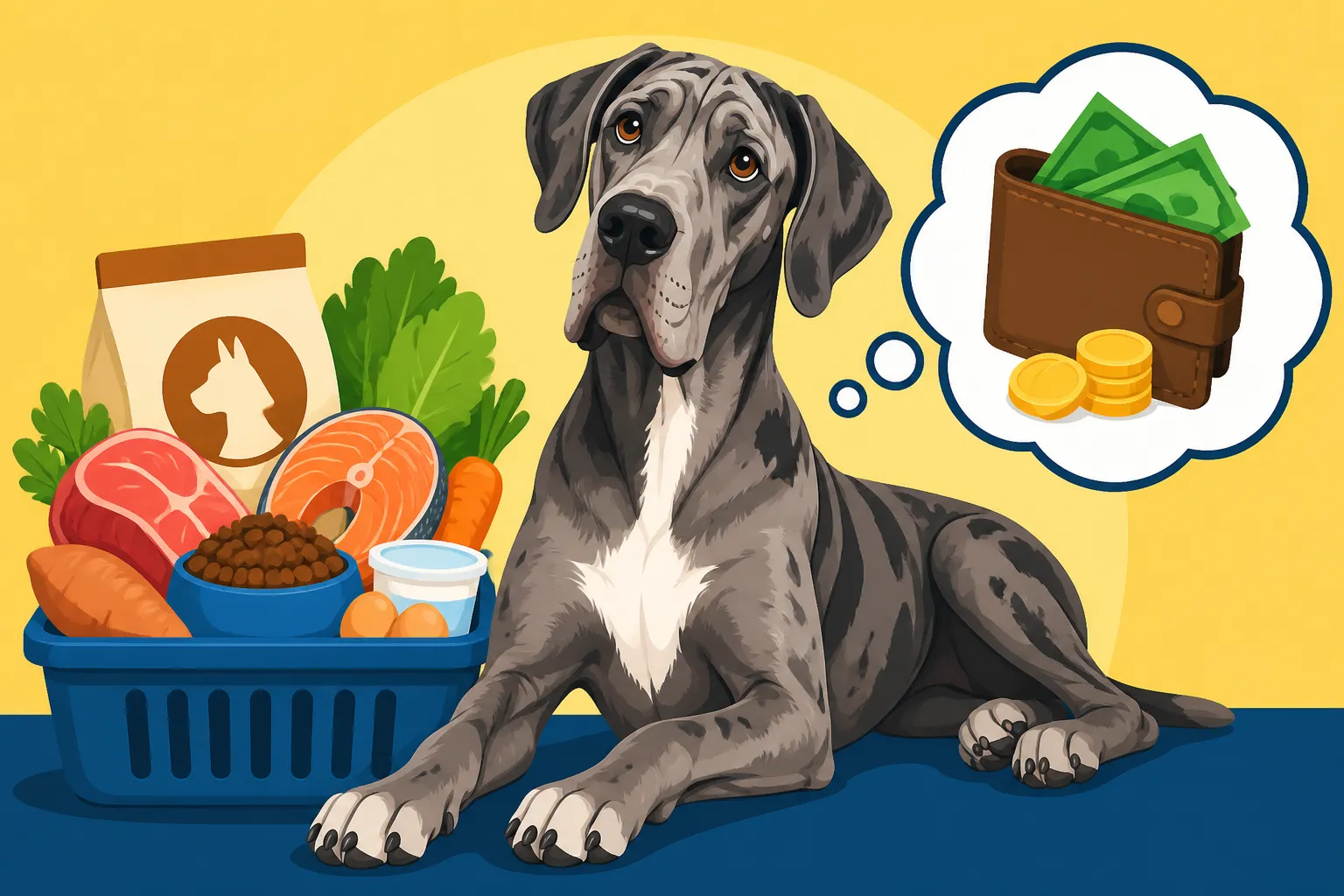
Bringing home a magnificent Great Dane is an absolute joy, but for many new owners, the sheer volume of food these gentle giants consume can be a real wake-up call. It's not just the size of their paws that's immense; their grocery bill often feels just as colossal, leading to sticker shock and constant trips to the pet store. This comprehensive guide will meticulously break down the monthly food spending on a Great Dane, helping you understand what to expect and how to budget effectively without compromising your beloved companion's health.
Understanding Your Great Dane's Massive Appetite
Let's face it, Great Danes aren't just big; they're gigantic, and their bodies require a substantial amount of fuel to maintain that impressive stature. This isn't just about their overall size; it's about their metabolism, their rapid growth, and the energy needed for daily activities, even if those activities largely consist of napping on your sofa. The sticker shock when you first see the recommended feeding guidelines can be significant, but understanding the biological reasons behind it helps put things into perspective.
Why Great Danes Eat So Much
The primary driver behind a Great Dane's massive food intake is, quite simply, their body mass and a fairly active metabolism for a giant breed. During their rapid growth phase, Great Dane puppies are veritable eating machines. They go from tiny bundles of fur to imposing adolescents in a matter of months, and that phenomenal growth requires a constant supply of calories, protein, and nutrients. Unlike smaller breeds that might only need a cup or two a day, your Great Dane is building a skeleton and muscle mass that will eventually support over a hundred pounds, sometimes well over. This period of intense development means their caloric needs are incredibly high. Even as adults, while their growth slows, their large organs, extensive muscle tissue, and sheer body surface area demand a lot of energy just to keep things running smoothly. This constant energy requirement means that The Calorie Load a Great Dane Actually Needs is far beyond what most pet owners are accustomed to providing.
The Sheer Volume of Food Required
When we talk about food volume, we're not just throwing around numbers – we're talking about tangible quantities that add up quickly. Most adult Great Danes, depending on their activity level, metabolism, and the caloric density of their food, will need to eat anywhere from six to ten cups of food per day. Yes, you read that right: per day! Imagine pouring out that much kibble every single morning and evening. This translates to an astonishing amount over the course of a month. For example, if your Dane eats eight cups a day, that's 240 cups in a 30-day month. If your standard kibble bag contains around 40-50 cups, you're looking at needing five to six large bags of food every single month just to keep their bowl full. This is why Feeding an Adult Great Dane Six to Ten Cups isn't an exaggeration; it's simply the reality of living with such a magnificent, large-bodied dog. This volume also impacts storage – you’ll need dedicated, airtight containers to keep all that kibble fresh.
Breaking Down Kibble Costs: Economy vs. Premium
The vast majority of Great Dane owners opt for commercial kibble, simply due to the convenience and the sheer volume required. However, the world of kibble is wide and varied, with prices fluctuating wildly based on ingredients, brand reputation, and specialized formulations. Making the right choice for your Dane often involves a delicate balance between budget constraints and a commitment to providing optimal nutrition for their unique needs.
Budget-Friendly Kibble Options
For many, the initial shock of the food bill leads them straight to the most budget-friendly kibble options available at big-box stores or supermarkets. These foods often rely on corn, wheat, soy, and meat by-products as their primary ingredients, which makes them less expensive to produce and, consequently, cheaper for the consumer. While these options might seem like a financial lifesaver, it’s important to consider the potential trade-offs. Lower quality ingredients often mean lower digestibility, which can lead to larger, more frequent stools and potentially less efficient nutrient absorption. Some Great Dane owners find that their dogs don't thrive on these foods, exhibiting dull coats, lower energy levels, or even digestive upset. While the monthly cost might be significantly lower – perhaps $50-$80 for a large bag – if your Dane isn't getting adequate nutrition, you might face higher vet bills down the line for issues related to poor diet. It’s a classic "pay now or pay later" scenario that many of us grapple with.
High-Quality and Specialized Kibble
On the other end of the spectrum are high-quality and specialized kibble formulas, often found at dedicated pet supply stores or through online retailers like Chewy. These foods typically boast higher quality animal protein sources (like deboned chicken, salmon, or lamb), whole grains or grain-free alternatives, and a wider array of fruits, vegetables, and beneficial supplements. For Great Danes, many brands offer "large breed" or "giant breed" specific formulas, which are crucial, especially during their puppyhood. These specialized foods are formulated with precise calcium-to-phosphorus ratios and controlled calorie levels to support slow, steady growth, which is vital in preventing orthopedic issues later in life. This is why understanding Why Great Dane Puppy Food Is Different is so important.
Brands like Orijen, Acana, Taste of the Wild, or Royal Canin Giant Breed often come with a heftier price tag, with large bags running anywhere from $80 to $120 or more. While the initial outlay is higher, many owners find these foods offer better digestibility, leading to smaller, firmer stools, healthier skin and coats, and sustained energy. Furthermore, many of these premium foods include added joint support ingredients like glucosamine and chondroitin, which can be incredibly beneficial for a breed prone to joint issues. When considering Joint Support Built Into Great Dane Food, these specialized kibbles often factor in those needs, potentially reducing the need for separate supplements down the line. It's also worth noting that while trendy, Whether Grain-Free Kibble Belongs in a Dane Bowl is a conversation you should have with your vet, as some research has linked certain grain-free diets to cardiac issues in large breeds.
Exploring Alternative Diets and Their Price Tags
Beyond conventional kibble, there's a growing movement toward alternative diets for dogs, driven by a desire for more natural ingredients, fewer preservatives, and perceived health benefits. While these options can offer excellent nutrition, they almost universally come with a significantly higher price tag and often require more preparation time from the owner.
Freshly Prepared Meal Services
Services that deliver fresh, human-grade meals for dogs have exploded in popularity, offering a convenient way to provide a diet free from heavily processed ingredients. Companies like Ollie, Nom Nom Now, and The Farmer's Dog prepare balanced meals using whole ingredients like fresh meat, vegetables, and grains, then portion them out and deliver them to your door. The appeal is clear: you're feeding your Great Dane food that looks and smells like something you'd eat yourself.
However, the cost of feeding a giant breed like a Great Dane on such a service can be astronomical. Since portions are typically calculated by weight and activity level, the sheer volume required for a 150-pound dog means a substantial monthly bill. For a Great Dane, you could easily be looking at $300 to $600 or more per month, sometimes even higher depending on the specific plan and ingredients. While the convenience of pre-portioned, delivered meals is undeniable, this option is often out of reach for many owners, despite its potential benefits for sensitive stomachs or picky eaters. It’s a luxury for those whose budgets can accommodate it, offering peace of mind about ingredient quality but demanding a premium price for that privilege.
Raw Food Diets
Raw feeding, often referred to as BARF (Biologically Appropriate Raw Food) or PMR (Prey Model Raw), involves feeding dogs uncooked meat, bones, and organs, sometimes supplemented with vegetables and fruits. Proponents argue this diet is closer to what a dog's wild ancestors would eat, leading to improved digestion, cleaner teeth, and better coat health. Sourcing raw ingredients can involve buying from specialized raw pet food suppliers, butcher shops, or even online vendors.
The cost of a raw diet for a Great Dane varies widely depending on where you source your ingredients and the complexity of the diet you create. If you're buying pre-made, balanced raw patties, the cost can be comparable to, or even exceed, that of fresh meal services, often in the range of $400-$700+ per month. This is because these pre-made options are carefully balanced to meet nutritional requirements. If you opt to prepare the diet yourself from raw components (meat, bone, organ mix), the cost might be slightly lower, perhaps $300-$500, but it requires extensive research to ensure nutritional completeness and proper balance. You also need significant freezer space – imagine storing a month's worth of raw food for a Great Dane! Beyond the monetary cost, there's the significant time investment in preparation, portioning, and meticulous hygiene to prevent bacterial contamination. This path is often chosen by dedicated owners willing to commit both time and a substantial budget.
Home-Cooked Meals
For those who want control over every ingredient without going raw, home-cooked meals are another alternative. This involves preparing meals for your Great Dane in your own kitchen, typically using cooked meats, starches (like rice or potatoes), and vegetables. The perceived benefits include avoiding fillers, allergens, and preservatives commonly found in commercial foods.
However, home-cooking for a Great Dane is a monumental undertaking. The sheer volume of ingredients needed to feed a dog of this size means constant cooking and substantial grocery bills. Meat is the most expensive component, and a Dane requires a lot of it. You'd be looking at hundreds of pounds of meat, dozens of pounds of vegetables, and sacks of rice each month. Ingredient costs alone could easily climb to $250-$500+ monthly, depending on the quality of ingredients you choose. But the biggest challenge isn't just the money; it's the time and the critical need for nutritional balancing. Without expert guidance from a veterinary nutritionist, it’s incredibly easy to create an unbalanced diet that lacks essential vitamins, minerals, or has improper ratios, which can lead to serious long-term health problems. So, while it offers control, it demands a deep commitment to nutritional science and kitchen time.
Beyond the Bowl: Treats, Supplements, and Hidden Costs
The monthly food spending for your Great Dane isn't confined solely to their main meals. Just like with human diets, there are "extras" that quickly add up, from training rewards to joint support, and even the logistics of getting all that food home. Ignoring these additional expenses would give you a highly inaccurate picture of your total monthly outlay.
The Expense of Great Dane Sized Treats
When you have a dog the size of a small pony, those tiny training treats made for Chihuahuas just aren't going to cut it. Your Great Dane needs treats that are substantial enough to be satisfying and that won't disappear in a single gulp, posing a choking hazard. This means investing in large, durable chew bones, hefty dental chews, and generously sized training treats. A bag of high-quality, large dog treats can easily run $15-$30, and depending on your training regimen or how often you like to spoil your pup, you could be going through several bags a month. Think about it: a 12-inch bully stick might last a tiny dog a week, but your Dane could devour it in an hour.
Many owners opt for dental chews, not just as a treat but as part of their oral hygiene routine, especially since Keeping a Great Dane's Very Large Mouth Clean can be a challenge. Again, these need to be appropriately sized, and a month's supply can add another $20-$50 to your bill. For special occasions or extended chewing, larger, more expensive options like raw meaty bones (fed under supervision, of course) or durable Nylabones also factor into the overall treat budget.
Essential Supplements
While many high-quality kibbles include some joint support, the reality for a giant breed like a Great Dane is that they often benefit from additional supplementation. Given their predisposition to conditions like hip and elbow dysplasia, as well as general wear and tear on their large frames, joint supplements are almost a given. Ingredients like glucosamine, chondroitin, MSM, and Omega-3 fatty acids (fish oil) are commonly recommended to help support cartilage health and reduce inflammation.
The cost of these supplements can vary. A good quality joint supplement in doses appropriate for a Great Dane's weight can easily run $30-$60 per month. If your Dane has other specific health needs, such as a sensitive stomach requiring probiotics, or skin issues benefiting from specific fatty acids, these can add further to the monthly supplement bill. While it might feel like an extra expense, many owners consider these proactive measures essential for their Dane's long-term comfort and mobility, especially considering Why a Great Dane Burns Through Its Years and their shorter lifespans often due to joint or age-related issues. Think of it as an investment in their quality of life.
Delivery and Bulk Buying Strategies
The logistics of purchasing and transporting multiple massive bags of Great Dane food each month can be a challenge. This is where strategic shopping and bulk buying come into play, often impacting your overall spending. Buying online from retailers like Chewy or Amazon often provides competitive pricing, especially for subscription services, and the huge benefit of doorstep delivery. This saves you the backache of lugging 40-pound bags from the store to your car and then into your house. Many online retailers also offer discounts for setting up auto-shipments, which can shave off 5-10% of your bill.
For those who prefer to buy locally, scouting out independent pet stores or feed supply stores that offer loyalty programs or bulk discounts can be beneficial. Some stores even have delivery services for large orders. However, remember that bulk buying requires adequate storage space at home. Those 50-pound bags need a cool, dry, pest-proof place to stay fresh. Without proper storage, large quantities of kibble can spoil, attracting bugs or becoming rancid, which can actually lead to wasted money and potentially make your Dane sick. This "hidden cost" of storage space and appropriate containers is something often overlooked by new Great Dane owners.
Strategies for Managing Your Great Dane's Food Budget
Feeding a Great Dane doesn't have to break the bank, but it does require thoughtful planning and smart choices. Just like managing any large household expense, having a strategy for your dog's food budget can help you provide optimal nutrition without undue financial strain.
Smart Shopping and Bulk Purchasing
One of the most effective ways to manage the cost of feeding your Great Dane is through smart shopping and bulk purchasing. As mentioned before, online retailers are often your best friend here. Websites like Chewy not only deliver directly to your door, saving you the hassle of transportation, but they also frequently offer discounts for setting up recurring auto-shipments. This can often translate to a 5-10% saving on each order, which adds up significantly over a year when you're buying multiple large bags every month.
Beyond online options, investigate local feed stores or agricultural suppliers in your area. Sometimes, these stores, which cater to farm animals, might offer large quantities of high-quality dog food at a slightly lower price point than specialized pet boutiques. They might also have a broader selection of larger bag sizes. Additionally, keep an eye out for sales, coupons, and loyalty programs at your preferred pet supply stores. Buying in bulk when there's a good sale on your Dane's regular food can save you a substantial amount, provided you have adequate, airtight storage to keep the food fresh until it's used. Remember, Whether Buying Food in Bulk Helps a Great Dane Owner truly depends on your storage capacity and ability to prevent spoilage.
Monitoring Weight and Adjusting Rations
It might sound counterintuitive, but overfeeding your Great Dane can lead to significant health problems and unnecessary food expenses. Keeping your Great Dane lean, especially during their growth phase and throughout adulthood, is paramount for their long-term joint health. Excess weight puts immense strain on their developing bones and adult joints, exacerbating conditions like hip and elbow dysplasia, and potentially contributing to a shorter, more uncomfortable life. This is why Keeping a Great Dane Lean for Its Joints is critical advice often given by veterinarians.
Regularly assessing your Dane's body condition score (you should be able to feel their ribs easily without seeing them protruding, and they should have a visible waistline) allows you to adjust their food intake accordingly. If they're gaining too much weight, a slight reduction in their daily ration can save money over time and improve their health. Conversely, if they're too thin, a slight increase might be necessary. Work closely with your veterinarian to establish the ideal weight and feeding regimen for your individual dog. A precise approach to Adjusting Food After a Great Dane Is Neutered is also important, as neutered dogs often have lower caloric needs and can gain weight more easily. This careful monitoring not only promotes health but also optimizes your food budget by ensuring you're not wasting food or overfeeding.
Budgeting for the Unexpected
While this guide focuses on monthly food spending, it's impossible to discuss Great Dane ownership costs without touching on the larger financial picture, especially concerning health. Unfortunately, Great Danes are prone to several serious health conditions, including bloat (Gastric Dilatation-Volvulus), dilated cardiomyopathy (DCM), and various orthopedic issues. The treatment for any of these can easily run into thousands of dollars, dwarfing your monthly food budget. For example, emergency bloat surgery can cost upwards of $3,000-$7,000 or more, and this is a The Lifetime Bloat Risk in a Great Dane that every owner faces.
This is why having a financial safety net, such as pet insurance, is not just recommended but almost essential for Great Dane owners. Pet insurance providers like Healthy Paws, Embrace, or Trupanion can offer peace of mind by covering a significant portion of unexpected veterinary bills. While the monthly premiums for a Great Dane might be higher than for a smaller dog due to their breed-specific risks, it's often a worthwhile investment. Choosing Whether Pet Insurance Is Essential for a Great Dane is a big decision, but for many, it's the only way to ensure they can afford life-saving treatments without having to make agonizing financial decisions during an emergency. Building an emergency fund specifically for your Dane, if insurance isn't an option, is another wise financial strategy to prepare for the inevitable health challenges that can arise during The Short Expensive Life of a Great Dane.
Comparative Overview of Great Dane Food Costs
To help visualize the monthly financial commitment, here's a table comparing estimated monthly costs for different feeding approaches for an adult Great Dane. Please note these are broad estimates and can vary based on brand, location, sales, and your dog's specific needs.
| Food Type | Typical Daily Cups/Portions | Estimated Monthly Volume (Lbs/Kg) | Estimated Monthly Cost Range | Pros | Cons |
|---|---|---|---|---|---|
| Budget Kibble | 8-10 cups | 50-60 lbs (23-27 kg) | $80 – $150 | Most affordable, widely available. | Lower quality ingredients, potential for less digestibility, dull coat, more stool. |
| Premium Kibble | 6-8 cups | 40-50 lbs (18-23 kg) | $150 – $250 | Higher quality ingredients, better digestibility, specialized large breed formulas, built-in joint support. | Higher initial cost per bag. |
| Fresh Meal Service | Varies by caloric density | 60-80 lbs (27-36 kg) | $300 – $600+ | Human-grade ingredients, convenient delivery, highly palatable, tailored nutrition. | Very expensive, requires significant refrigerator/freezer space. |
| DIY Raw Diet | 4-6 lbs (1.8-2.7 kg) | 120-180 lbs (54-82 kg) | $300 – $500+ | "Natural" diet, potential health benefits (coat, teeth), full control over ingredients. | High cost, significant preparation time, extensive freezer space, risk of nutritional imbalance/contamination. |
| DIY Home-Cooked | 5-7 lbs (2.3-3.2 kg) | 150-210 lbs (68-95 kg) | $250 – $500+ | Full control over ingredients, palatable, no preservatives. | High cost (especially for meat), significant preparation time, easy to create nutritional deficiencies. |
| Treats & Supplements | Varies | N/A | $50 – $150+ | Essential for training, dental health, joint support. | Adds significant recurring cost, needs to be Great Dane appropriate. |
Note: The "Estimated Monthly Volume" for fresh, raw, and home-cooked diets is based on the weight of the actual food, which is typically higher than dry kibble for equivalent caloric content due to water content.
Disclaimer
The information provided in this article is for general informational purposes only and does not constitute veterinary advice. Always consult with a qualified veterinarian or veterinary nutritionist regarding your Great Dane's specific dietary needs, health concerns, and before making any significant changes to their food or supplement regimen. Individual dogs may have unique requirements based on age, activity level, health status, and other factors.