Whether a Great Dane Can Hike
It's such a dream for many Great Dane owners to envision their majestic companion striding alongside them on a scenic hiking trail, enjoying the fresh air and natural beauty. But let's be honest, the thought can also bring a lot of worries: Can my giant dog handle it? What about their delicate joints? This guide is here to walk you through everything you need to know about safely and enjoyably taking your Great Dane on a hike, addressing those very real concerns head-on.
Understanding Your Great Dane's Physical Capabilities
Our Great Danes are often called "gentle giants," and while their loving nature certainly fits the bill, their physical makeup is a bit more complex than just being a big, cuddly lump. It’s crucial to understand their unique physiology before you hit the trail.
The 'Gentle Giant' Misconception vs. Reality
While a Great Dane might be the picture of elegance and calm lounging on your sofa, their sheer size and power can be deceiving. They were originally bred for hunting wild boar, which demanded bursts of speed, strength, and agility. So, they certainly can move! However, their modern physique, with their deep chests and long limbs, is often not built for sustained, high-impact activities in the same way a husky or a shepherd might be. They might seem powerful, but they can be surprisingly delicate when it comes to repetitive strain on their large frames. Imagine trying to run a marathon when you're 6 feet 6 inches tall; every step impacts your joints differently than someone half your size. They can also tire out quickly, and pushing them too far can lead to exhaustion, which in a dog this size, can be a real problem.
Moreover, their gentle nature means they might not always communicate discomfort as overtly as a more stoic breed. They might push through pain or fatigue to please you, making it even more important for you, their human, to be attuned to their subtle cues and understand their limits. This isn't about coddling them, it's about respecting their breed's physical realities.
Growth Plates and Joint Health Concerns
This is perhaps the biggest consideration, especially if you have a young Great Dane. Great Danes grow fast, and this rapid growth puts immense stress on their developing bones and joints. Their growth plates, the areas of cartilage at the ends of long bones where new bone is produced, remain open and vulnerable much longer than in smaller breeds – often not closing until they are 18-24 months old. During this critical period, excessive or high-impact exercise, like long, strenuous hikes, can cause irreversible damage. Conditions like Hypertrophic Osteodystrophy (HOD) and Osteochondritis Dissecans (OCD) are heartbreakingly common in fast-growing giant breeds, and inappropriate exercise can exacerbate them. Growth Disorders in a Great Dane Puppy
Even after their growth plates close, Great Danes are still predisposed to orthopedic issues such as hip and elbow dysplasia, as well as arthritis later in life. A strenuous hike on uneven terrain, especially if your Dane isn't properly conditioned, could lead to lameness, strains, or even more serious injuries. We always advocate for slow, controlled growth and exercise for puppies. Think short, gentle walks on soft, even surfaces rather than challenging hikes. For adult Danes, it's about moderation and careful conditioning, always prioritizing their long-term joint health. If you're ever in doubt about their joint health, please consult your veterinarian. Great Dane Hips, Elbows and Growing Joints
Assessing the Terrain and Trail Difficulty
Not all hikes are created equal, and what might be a delightful stroll for a Jack Russell could be an arduous challenge, or even dangerous, for a Great Dane. Understanding the type of terrain and environmental factors is key to a successful outing.
Flat, Even Paths vs. Rugged, Uneven Trails
When considering a hike, visualize the path ahead. Are we talking about a wide, paved, or well-groomed gravel path through a park? Or a narrow, rocky trail winding through dense woods with steep inclines and declines? For a Great Dane, flat, even paths are almost always the safest and most comfortable option. These types of trails minimize the impact on their joints and reduce the risk of trips, falls, or twisted ankles. A leisurely walk around a smooth lake path or a wide forest road can be incredibly enjoyable for a Dane.
However, rugged, uneven trails present a different set of challenges. Their long legs, while great for covering ground, can become cumbersome when navigating obstacles like roots, loose rocks, or sudden drops. Their proprioception – their body's sense of its own position in space – might not be as finely tuned for intricate footwork as a smaller, more agile dog. A Great Dane stumbling over a root isn't just a minor inconvenience; a fall can be serious, potentially leading to sprains, fractures, or exacerbating underlying joint issues due to their immense body weight. Imagine a hundred-and-fifty-pound dog losing its footing! Steep inclines and declines also demand significant strength and balance, putting strain on their hindquarters and shoulders. My advice? Start with the easiest trails and observe your Dane closely. If they are hesitant, stumble often, or seem overly fatigued, that trail is probably too challenging.
Weather Conditions and Temperature Extremes
The weather can drastically affect your Dane's comfort and safety on a hike. Great Danes have relatively thin coats and aren't built for extreme temperatures. In warm weather, they are highly susceptible to overheating. Their deep chests and short snouts (though not brachycephalic) mean they don't dissipate heat as efficiently as some other breeds. Signs of overheating like excessive panting, drooling, or a staggering gait can quickly escalate into a dangerous situation, even heatstroke. Always plan your hikes for cooler parts of the day, like early morning or late evening, and avoid the midday sun altogether during summer months. Ample access to shade and water is non-negotiable. Keeping a Great Dane Comfortable in Heat
Conversely, while they might seem less affected by cold due to their size, their thin coat doesn't offer much insulation. Prolonged exposure to very cold temperatures, especially if they are wet, can lead to hypothermia. Think about bringing a dog coat for colder weather or cutting your hike short if conditions become frigid. Always check the weather forecast before you head out and err on the side of caution. Remember, your comfort level in the weather might be vastly different from your Great Dane's.
Essential Gear for Hiking with a Great Dane
Just like you wouldn't go hiking without appropriate shoes and a backpack, your Great Dane needs the right equipment to ensure their safety and comfort on the trail. Their size necessitates specific considerations.
Harnesses, Leashes, and Safety Equipment
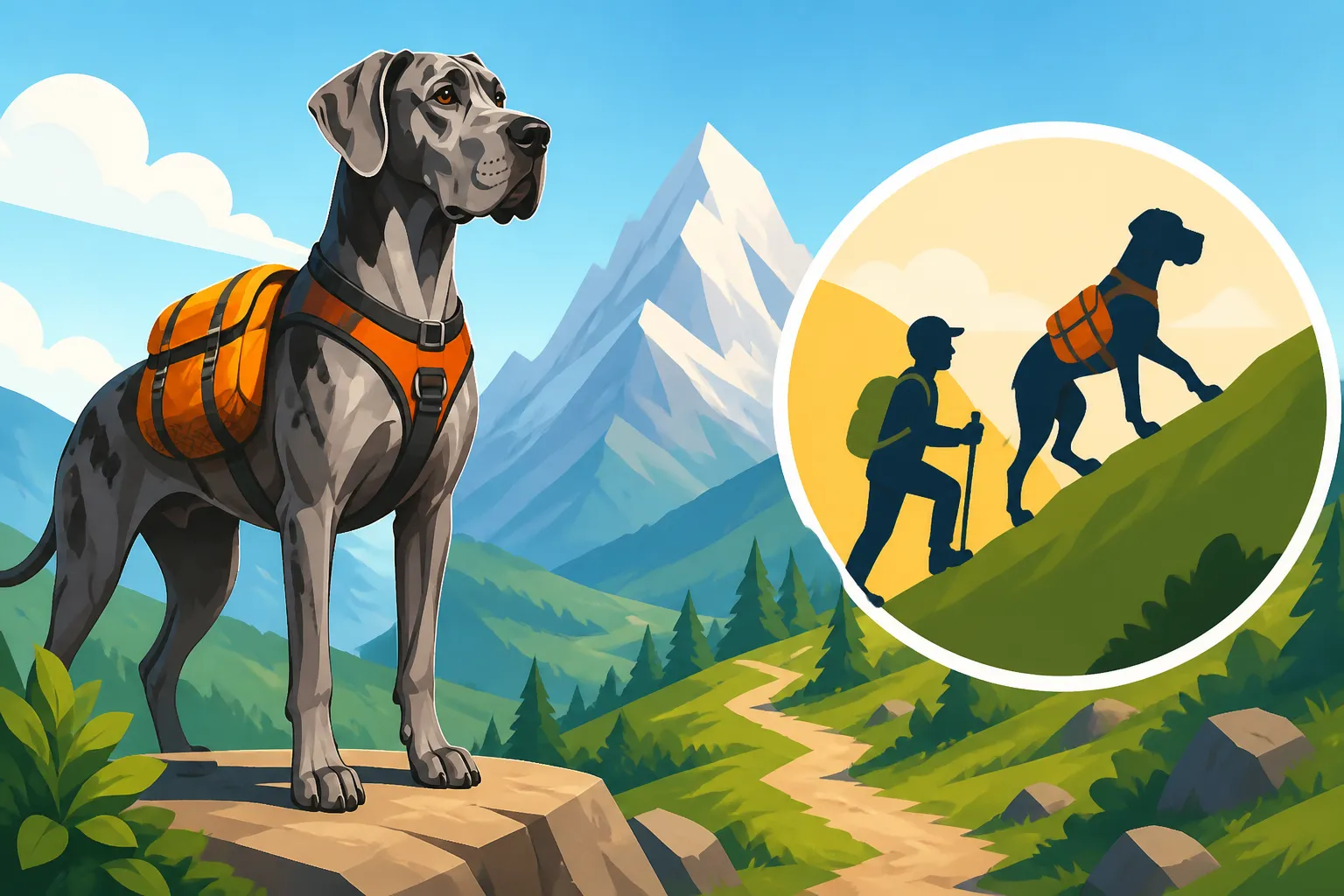
A sturdy, well-fitting harness is absolutely critical for a Great Dane on a hike. A collar alone is simply not enough for a dog of this power, especially if they decide to lunge or pull towards something exciting like a squirrel. A sudden pull on a collar could cause serious neck or throat injury, and it offers you minimal control. Look for a harness that distributes pressure evenly across their chest and shoulders, rather than concentrating it on their throat. Many owners find front-clip harnesses helpful for managing a strong puller, as it redirects their forward momentum back towards you. When you're searching for these items, places like Amazon offer a wide selection of heavy-duty harnesses and leashes designed for giant breeds, making it easier to find one that can truly stand up to Great Dane strength.
Pair this harness with a strong, non-retractable leash, ideally 6-foot long, made of durable nylon or leather. Avoid retractable leashes on trails; they offer very little control, can snap, and pose a tripping hazard for both you and your dog. In terms of safety, consider a reflective vest or collar for your Dane, especially if you're hiking in low light conditions or during hunting season. This is crucial for visibility, ensuring other hikers or hunters can spot your large companion. Proper training is also part of the safety equation; working on a solid "leave it" command or reliable recall is invaluable. If you're looking for structured guidance on leash manners, training programs like those offered by BAXTER & Bella can be incredibly helpful in preparing your Dane for the distractions of the trail. Great Dane Leash Manners at a Hundred and Fifty Pounds
Hydration and Nutrition on the Trail
Great Danes need a lot of water, even more so when they're exercising. Dehydration can happen quickly and can be dangerous. You simply cannot rely on finding natural water sources on every trail, and even if you do, they might not be safe for your dog to drink. Always carry a generous supply of fresh water specifically for your Dane, along with a portable bowl. Collapsible silicone bowls are fantastic for this; they're lightweight and easy to pack. For longer hikes, you might even consider a hydration pack with a dedicated dog attachment or carrying multiple water bottles.
When it comes to food, keep it light and easy. While a long hike can burn a lot of calories, giving your Great Dane a full meal before or during a strenuous activity is a major risk factor for bloat (Gastric Dilatation-Volvulus, or GDV), a life-threatening condition for the breed. Whether Exercise After Meals Bloats a Great Dane Instead, offer small, high-energy treats throughout the hike if needed, particularly if it's a longer excursion. Think small pieces of cooked chicken, specific training treats, or kibble. These should be given in very small quantities to avoid upsetting their stomach or contributing to bloat risk. Always ensure a significant buffer time (at least an hour before and after) between a full meal and any vigorous exercise.
Training and Conditioning for the Trail
Taking your Great Dane on a hike isn't just about showing up; it's about preparation. Just as an athlete trains for an event, your Dane needs to be conditioned both physically and mentally for the demands of the trail.
Building Stamina and Trail Manners
You wouldn't run a marathon without training, and neither should your Great Dane attempt a long hike. Start with short, easy walks on similar terrain to what you expect to encounter. Gradually increase the distance and duration over several weeks, observing your Dane for any signs of fatigue or discomfort. Pay close attention to their gait, breathing, and overall enthusiasm. The goal is to build stamina slowly and safely, preventing injury and overexertion. This isn't just about physical endurance; it's also about building the mental resilience to handle longer periods of focused activity.
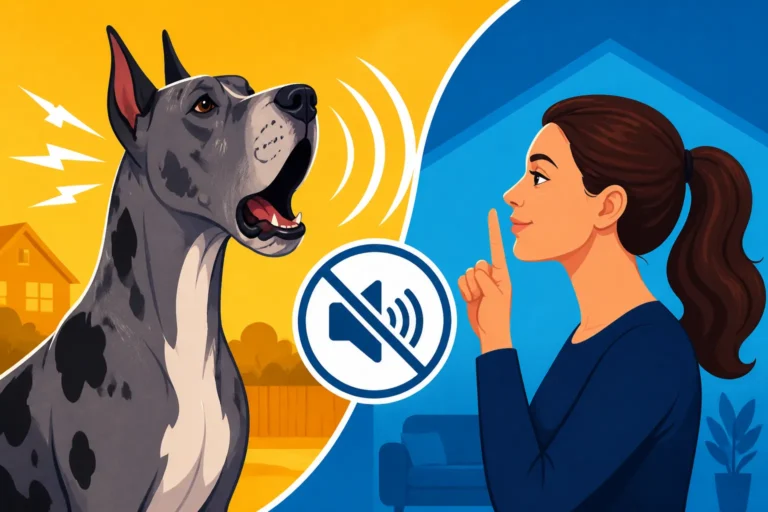
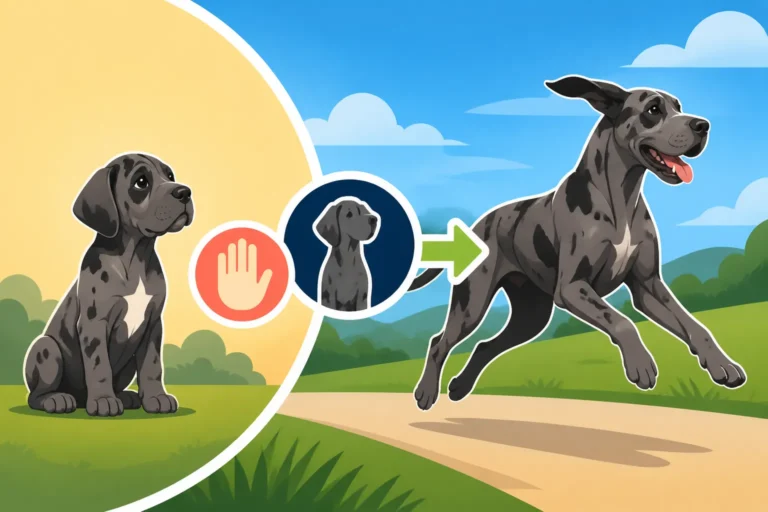
Trail manners are equally important. Your Great Dane needs to have excellent leash manners, understanding that pulling you down a rocky path is not an option. They should be proficient in basic commands like "sit," "stay," "come," and "leave it." The "leave it" command is particularly vital for preventing them from eating potentially harmful plants, mushrooms, or discarded trash on the trail. A reliable recall is also crucial, even if you plan to keep them leashed, as accidents happen, and leashes can break. Consider enrolling in an obedience class or working with a trainer who has experience with giant breeds to solidify these essential behaviors. Online resources and structured programs, like those from BAXTER & Bella, can also provide a great foundation for training before you ever hit the trail. The Manners a Great Dane Needs Before It Grows
Socialization and Encounter Preparedness
A hiking trail is often a shared space, meaning you'll likely encounter other people, dogs, cyclists, and even wildlife. Your Great Dane needs to be well-socialized and comfortable around these distractions. A calm, controlled response to other dogs and people is non-negotiable. An excited, lunging Great Dane can be intimidating, even if they mean no harm, and can easily knock someone over. Work on desensitizing your Dane to various sights and sounds in different environments before you tackle a busy trail.
Practicing passing other dogs politely on leash, having them "sit" or "stay" as people walk by, and generally being accustomed to novel stimuli will make the experience far more enjoyable for everyone. Also, consider how your Dane reacts to wildlife. While it's natural for dogs to be curious, you don't want your large dog chasing deer or other animals into the wilderness, especially in areas where they could get lost or encounter dangerous situations. Consistent training and exposure in controlled environments will set you up for success. Socializing a Great Dane Puppy Early
Recognizing Signs of Fatigue or Injury
Being a responsible Great Dane owner means being highly attuned to your dog's signals, especially when exercising. They can't tell you in words if something hurts or if they're exhausted, so it's up to you to read their body language.
Subtle Cues and Overt Distress
It’s easy to get caught up in the beauty of the trail, but you must constantly monitor your Great Dane. Look for subtle cues that might indicate fatigue or discomfort. These can include:
- Lagging behind: If your Dane, who usually walks confidently, starts to fall behind or is reluctant to keep pace, it's a clear sign they're tiring.
- Excessive panting or drooling: While some panting is normal during exercise, excessive, heavy panting or drooling can indicate overheating or overexertion. Their tongue might also appear very dark red.
- Changes in gait: Watch for limping, stiffness, a shortened stride, or any signs of favoring a leg. Even a slight change in how they put their weight down can be significant.
- Reluctance to move: If they suddenly stop, sit, or lie down and resist your encouragement to continue, they might be in pain or simply exhausted.
- Head hanging low or dull eyes: These can be signs of general fatigue or malaise.
- Stumbling or loss of balance: This is a more serious sign and could indicate severe fatigue, weakness, or even neurological issues. A Great Dane That Cannot Finish a Walk
Overt distress includes vomiting, diarrhea, sudden collapse, or any uncontrolled shaking. If you observe any of these, you need to stop immediately and assess the situation.
What to Do in an Emergency
Knowing what to do in an emergency can literally be a lifesaver. Always carry a basic first-aid kit for your dog. This should include items like sterile gauze, adhesive tape, antiseptic wipes, an elastic bandage, tweezers for splinters or ticks, and perhaps some pain relief medication prescribed by your vet for emergencies. Knowing basic canine first aid, like how to stop bleeding or support an injured limb, is invaluable.
The biggest challenge with an injured or severely fatigued Great Dane on a trail is their sheer size. You cannot easily carry a 150-pound dog off a mountain. Consider carrying a large, sturdy sling or a heavy-duty tarp that could potentially be used as a makeshift stretcher by two people. Before you head out, identify emergency vet clinics along your route or in the area you'll be hiking, and save their numbers in your phone. Make sure your phone is fully charged. If your Dane becomes seriously ill or injured, your first priority is to get them to veterinary care as quickly and safely as possible. This might involve calling for assistance, or if possible, carefully transporting them back to your vehicle. Remember that a situation like bloat needs immediate, emergency intervention. Driving a Bloating Great Dane to the Emergency Vet
In conclusion, hiking with your Great Dane can be a truly rewarding experience, strengthening your bond and providing wonderful exercise. However, it requires careful planning, appropriate gear, mindful training, and a deep understanding of your dog's unique needs and limitations. Always prioritize their safety and well-being over conquering a challenging trail.
Great Dane Hiking Trail Suitability
Here's a quick guide to help you decide which types of trails might be best for your Great Dane. Remember, individual Danes vary, so always observe your own dog's comfort and stamina.
| Trail Type | Description | Great Dane Suitability | Considerations |
|---|---|---|---|
| Paved Paths | Smooth asphalt or concrete trails in parks or urban areas. | Excellent | Low impact, easy footing. Ensure paws can handle warm pavement. |
| Gravel Trails | Well-maintained paths with packed gravel. | Good | Generally even, but loose gravel can be tricky. Check paw pads regularly. |
| Wide Dirt Paths | Forest roads or wide trails with soft, packed earth. | Excellent | Soft on joints, good traction. Watch for roots if unmaintained. |
| Moderate Mountain | Trails with some inclines, small rocks, and roots. | Moderate | Requires good conditioning. Watch for stumbling, consider shorter distances. |
| Rugged/Rocky Terrain | Steep inclines/declines, large loose rocks, significant roots. | Low | High risk of injury, joint strain. Not recommended for most Great Danes. |
| Deep Sand/Snow | Beaches, sand dunes, heavy snow trails. | Low | Very strenuous, can cause joint strain and muscle fatigue. Risk of overheating (sand) or hypothermia (snow). |
Disclaimer
This article is for general informational purposes only and does not constitute professional advice. Laws, prices and regulations vary by location and change over time. Consult a qualified professional for guidance on your specific situation.