Keeping a Great Dane Comfortable in Heat
The brutal reality of summer heat can be a major source of anxiety for Great Dane owners. These magnificent, large dogs, despite their often calm demeanor, are particularly susceptible to overheating, and seeing them struggle to catch their breath or find a cool spot is genuinely worrying. This guide is here to provide you with comprehensive strategies and practical tips to ensure your giant companion stays comfortable, safe, and cool even on the warmest days.
Understanding Why Great Danes Struggle in the Heat
It's easy to look at a short-coated Great Dane and think they'd be fine in the heat, perhaps even better off than a fluffy Malamute. But the truth is, their sheer size and unique physiology make them incredibly vulnerable when temperatures start to climb. It’s not just about the fur; it’s about their whole body working overtime to keep cool.
The Physics of Being a Giant Breed in the Sun
Imagine trying to cool down a massive engine block compared to a small car engine – the scale of the task is entirely different. Great Danes are, in essence, very large, warm-blooded engines. Their impressive stature means they have a vast surface area exposed to the sun's rays, absorbing more radiant heat than a smaller dog ever would. On a hot, sunny day, that dark coat on a black or blue Dane becomes a literal heat magnet, pulling in every photon of warmth. Even lighter-colored Danes, like Fawns or Harlequins, absorb significant heat due to their sheer mass.
Beyond surface area, their immense body mass itself becomes a challenge. A heavier object retains heat longer and generates more metabolic heat simply by existing. This means that once a Great Dane starts to warm up, it takes a considerably longer time and more effort for their body to dissipate that heat back into the environment. It's why you often see them sprawled out, trying to maximize skin contact with a cool floor, almost like a heat sink. They're constantly battling against their own internal furnace, a battle that intensifies with every degree the thermometer rises. The common assumption that "big dogs are tough" definitely doesn't apply when it comes to heat tolerance. In fact, you might even consider Whether a Great Dane Overheats Easily as a core concern for owners.
Great Dane Physiology and Heat Management
Unlike us humans who have millions of sweat glands to cool down, dogs primarily rely on panting to regulate their body temperature. They do have some sweat glands in their paw pads, but these are negligible for overall cooling. Panting works by evaporating moisture from their tongue, mouth, and respiratory tract, which helps release heat. A Great Dane has a large set of lungs and a significant respiratory capacity, but even this powerful system has its limits, especially when external temperatures are high, and the air is humid. If the air itself is already warm and saturated with moisture, the evaporative cooling effect of panting becomes much less efficient.
Furthermore, Great Danes, like many large breeds, can be prone to certain health conditions that can be exacerbated by heat. For example, some may experience The Heart Muscle Disease Great Danes Are Prone To, where their heart struggles to pump blood effectively. In hot weather, the cardiovascular system is already under strain as it tries to shunt blood to the skin's surface for cooling. A compromised heart can struggle even more under this added pressure, making a Dane more susceptible to heatstroke. Even less severe issues, like being overweight, significantly increase their heat burden. Their short coat, while not trapping heat like a thick double coat, offers little insulation from the sun's direct rays, meaning their skin can quickly get hot. This combination of size, metabolic heat, and reliance on panting means we, as owners, need to be hyper-vigilant when the mercury climbs.
Recognizing the Signs of Overheating in a Great Dane
Knowing the subtle and overt signs of overheating is critical. A Great Dane can go from simply warm to dangerously overheated much faster than you might expect, and their stoic nature might mask their discomfort until it's severe. Early detection can literally save their life.
Early Warning Signals
The first thing you’ll probably notice is an increase in panting. It won't be just a little faster; it will be more insistent, deeper, and perhaps a bit more labored than their usual relaxed pant. They might start seeking out cooler surfaces, like tile floors in the bathroom or even trying to lie in the shade of a bush outdoors, refusing to move from that spot. You might also observe heavy drooling, which is another mechanism dogs use to try and cool down. This drool can sometimes appear thicker than usual.
Their behavior might also shift. A normally energetic Dane might seem lethargic, unwilling to engage in play or even a short walk. They might appear restless, constantly shifting positions, unable to find a comfortable spot, or seem generally agitated. Pay attention to their gums; if they appear brighter red than normal, it indicates increased blood flow to the surface in an attempt to cool down. It’s their body’s way of saying, "I'm working too hard, and I need help." These early signs are your cue to intervene immediately and get them to a cooler environment. Don't wait for things to get worse.
Serious Symptoms Requiring Immediate Action
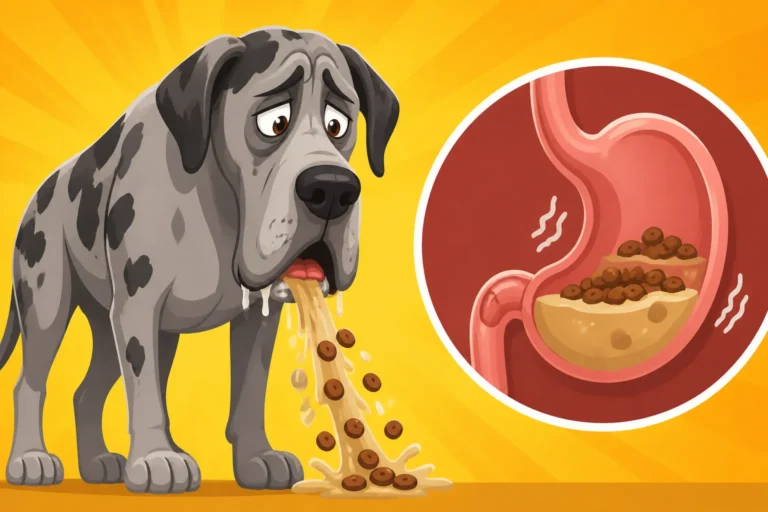
If those early warning signs are missed or ignored, a Great Dane's condition can rapidly deteriorate into a life-threatening emergency. At this stage, you might see them stumbling, appearing disoriented, or exhibiting significant weakness in their limbs. They might collapse altogether, unable to get back up. Vomiting and diarrhea are also common indicators of severe heatstroke, as the internal organs begin to suffer from the extreme temperature.
A truly dire sign is when their gums turn blue or purple, indicating cyanosis – a critical lack of oxygen, as their circulatory system struggles to cope. Seizures or a complete loss of consciousness are clear indicators that this is a full-blown emergency. If you observe any of these serious symptoms, do not delay. This is not a "wait and see" situation. Your Great Dane needs immediate veterinary attention. Transport them to the nearest emergency vet clinic, keeping them as cool as possible during the journey. Remember, every minute counts when a giant breed is experiencing heatstroke. A sudden A Great Dane That Collapses and Recovers could easily be a sign of critical overheating.
Practical Strategies for Cooling a Great Dane Indoors
Your home should be a sanctuary from the heat, not an extension of the hot outdoors. Proactive cooling strategies indoors are paramount for a Great Dane's comfort and safety during warmer months.
Creating a Cool Home Environment
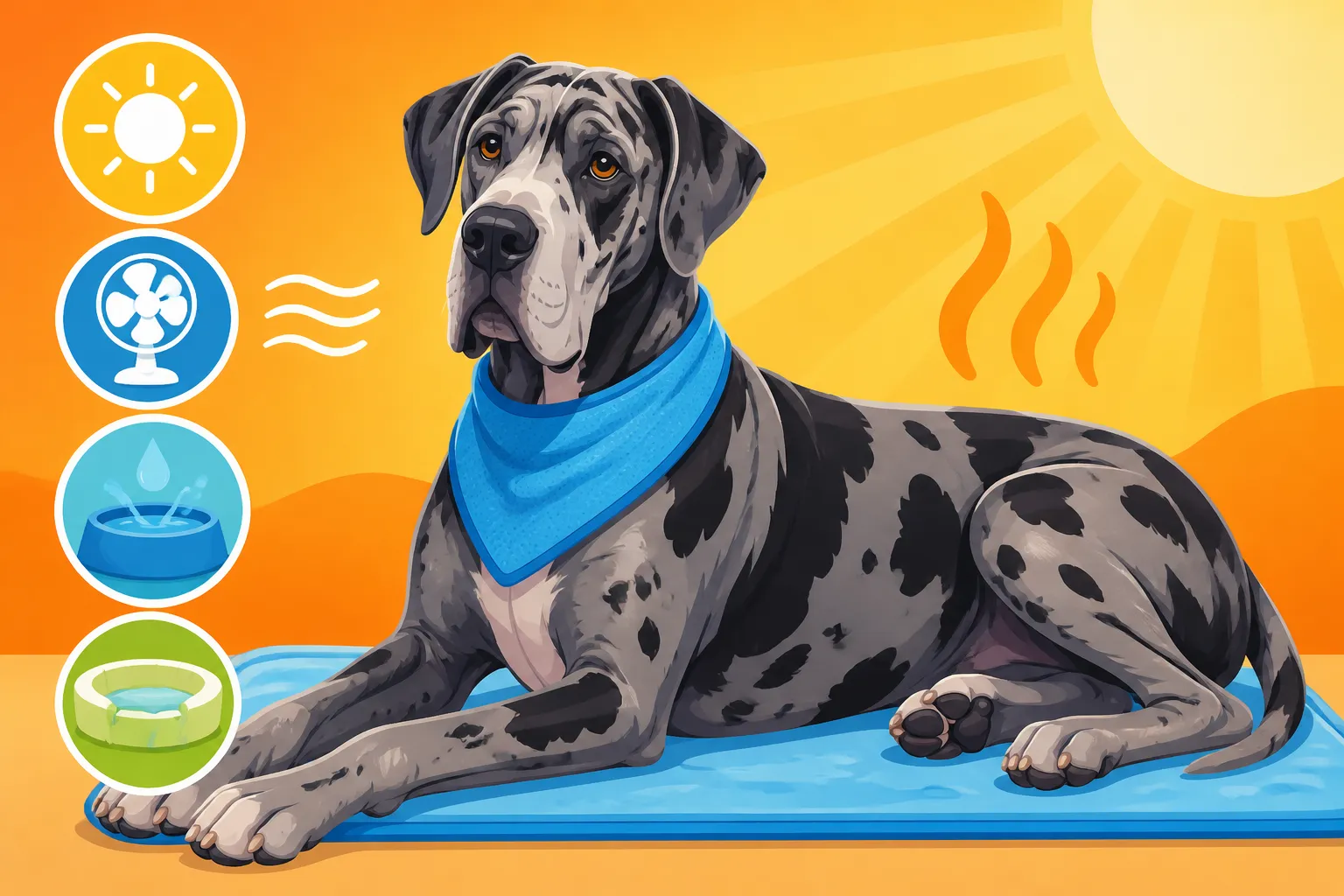
One of the most effective ways to keep your Great Dane cool is to control their immediate environment. Air conditioning is, of course, a huge help. If you have it, set it to a comfortable, cool temperature, especially during the hottest parts of the day. If AC isn't an option, or even as a supplement, strategic use of fans can make a big difference. Position floor fans to circulate air in rooms where your Dane spends the most time, or even direct a fan towards their favorite napping spot. The evaporative effect of moving air can provide significant relief.
Keeping blinds and curtains closed during peak sun hours (typically late morning to late afternoon) can block out a surprising amount of radiant heat that would otherwise warm up your home. Consider investing in cooling mats. These come in various forms – some use a pressure-activated gel that stays cool, others are filled with water. Place a couple of these in different spots around the house; your Dane will instinctively gravitate to them when they need to chill out. Brands available on platforms like Chewy or Amazon often have a good selection of extra-large mats suitable for Great Danes. Make sure they have easy access to fresh, cool water in multiple spots. Having Two Water Bowls in a Great Dane House is always a good idea, as it encourages more frequent drinking.
Hydration and Diet Adjustments
Hydration is non-negotiable. Always ensure your Great Dane has constant access to fresh, clean, and cool water. During hot spells, consider adding ice cubes to their water bowls. Some Danes love to chew on ice, which can provide a refreshing internal cool-down. If your Dane isn't a huge drinker, try adding a splash of low-sodium chicken or beef broth to their water to entice them. You can also offer ice "treats" made from diluted broth or water frozen in large molds.
Dietary adjustments can also play a role. Heavy, high-fat meals require more metabolic effort to digest, which can generate additional body heat. Consider feeding slightly smaller meals more frequently, rather than one or two large ones. Switching to a wet food temporarily, or simply adding a good amount of water to their regular kibble, can help increase their overall fluid intake. While Feeding an Adult Great Dane Six to Ten Cups is standard, how and when those calories are consumed can matter during heat waves. Some owners find that fresh food options, like those from Ollie, which often have higher moisture content, can be beneficial, but any food modified with extra water will help. Always ensure any dietary changes are introduced gradually to avoid stomach upset.
Outdoor Heat Management and Exercise Considerations
Let's be real, Great Danes need their exercise, but summer heat throws a serious wrench into that plan. Trying to maintain their usual routine when it's scorching outside can be incredibly dangerous.
Timing Walks and Outdoor Play
This is probably the single most important adjustment you can make: avoid the midday heat like the plague. Seriously. Those leisurely afternoon strolls or energetic romps in the park need to be entirely rescheduled. The safest times for any outdoor activity are typically very early in the morning, right as the sun is coming up, and late in the evening, after the sun has set and the ground has had a chance to cool.
Before you even step outside, test the pavement with the back of your hand or your bare foot. If you can't comfortably hold it there for five seconds, it's too hot for your Great Dane's paw pads. Not only can hot pavement burn their feet, but it also radiates heat up into their body, contributing to overheating. Even grassy areas can be deceptively hot after hours of sun exposure. During these hot periods, limit strenuous activities. Forget the long fetch sessions or the vigorous jogs. Your Great Dane's joints are already under consideration (Exercise Limits While a Great Dane Is Still Growing) but in the heat, their entire system is vulnerable. Opt for short, purposeful potty breaks only, and then get them back into the cool indoors.
Cooling Gear and Water Activities
Just like humans have cooling towels, there are great options for Great Danes. Cooling vests or bandanas, often found on Chewy or Amazon, can be incredibly effective. These typically work by evaporative cooling; you wet them, wring them out, and the evaporation process pulls heat away from your dog's body. They come in giant sizes, perfect for a Great Dane. For walks, always carry a portable water bottle and a collapsible bowl. Even a short walk can lead to dehydration in hot weather.
If your Dane enjoys water, a shallow kiddie pool in a shaded spot can be a lifesaver. Fill it with cool (not icy) water and let them splash around. Supervise them closely, of course, and ensure the water isn't too deep for comfortable standing and playing. Many Danes love to just lie down in the cool water to bring their body temperature down. A gentle sprinkler can also be a fun and effective way to cool them off after a quick potty break in the yard. Just make sure the water pressure isn't too intense, and they're enjoying it, not being forced.
Emergency Protocols for Heatstroke
Despite our best efforts, sometimes accidents happen, or the heat becomes too overwhelming. Knowing exactly what to do if your Great Dane shows signs of severe heatstroke can make the difference between a full recovery and a tragic outcome. This isn't a time for panic, but for quick, decisive action.
Immediate First Aid at Home
If you suspect your Great Dane is suffering from heatstroke (severe panting, disorientation, stumbling, vomiting, collapse), your first priority is to lower their body temperature safely and quickly while preparing for vet transport. Immediately move them to the coolest possible area – indoors with air conditioning, or a deeply shaded spot if you're outside.
Next, start applying cool (not ice cold, as this can cause vasoconstriction and trap heat) water to their body. Focus on areas with high blood flow and less fur, such as their belly, inner thighs (groin area), and armpits. You can use wet towels, a soaked sponge, or even a garden hose on a gentle setting. Continuously wet these areas and then use a fan to blow air over them. The evaporation is what truly helps cool them down. If conscious, offer small amounts of water, but don't force them to drink, especially if they are nauseous or disoriented, as they could aspirate it. Do not cover them with wet towels and leave them, as this can trap heat. The key is evaporation.
When to Seek Veterinary Care
While you're performing initial first aid, call your veterinarian or the nearest emergency animal hospital immediately. Describe your dog's symptoms and what you've done. They can advise you on the best course of action and prepare for your arrival. Even if your Great Dane seems to be recovering, a vet visit is absolutely critical. Heatstroke can cause internal organ damage that isn't immediately visible, including kidney failure, liver damage, and blood clotting disorders. A vet will need to perform blood tests and other diagnostics to assess any internal damage and provide supportive care, such as IV fluids.
When transporting your Great Dane to the vet, ensure your car is as cool as possible. Turn the air conditioning on full blast. If you have a cooling mat or wet towels, you can place them under your dog as you drive. Have someone assist you if possible, especially with a large Dane who might be unresponsive. Lay them down comfortably and safely in the vehicle. Do not waste precious time trying to cool them down completely at home if they are exhibiting severe symptoms; get them to professional care. Knowing your emergency vet's address and phone number before an emergency strikes can save crucial minutes.
Preventative Measures and Long-Term Planning
Avoiding a crisis is always better than reacting to one. For Great Dane owners, this means integrating preventative measures and thoughtful planning into their routine, especially as their big companions age.
Regular Health Check-ups and Weight Management
One of the best preventative measures against heat-related illness is ensuring your Great Dane is in optimal health year-round. Regular veterinary check-ups are crucial to catch any underlying health conditions, such as heart disease or respiratory issues, that could make them more susceptible to heat stress. Your vet can advise you on their overall fitness and any specific precautions needed. Remember, Great Dane Vet Costs Year by Year are a reality, but preventative care is almost always less expensive than emergency treatment.
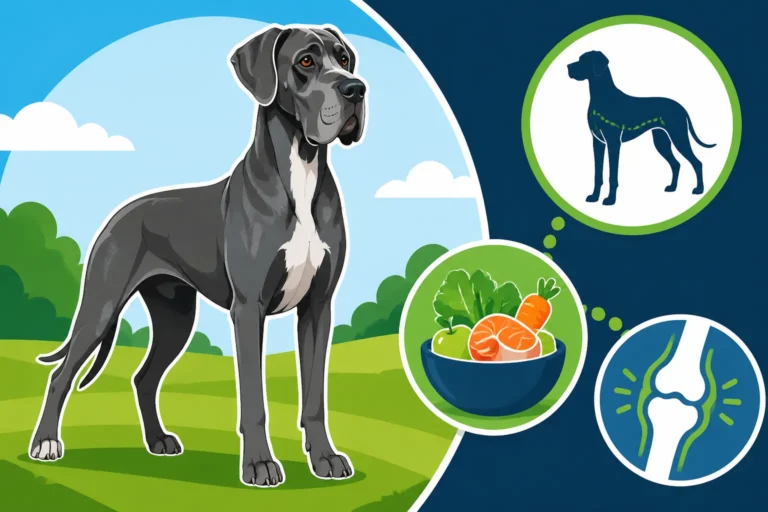
Maintaining a healthy weight is equally vital. An overweight Great Dane carries extra insulation and requires more effort from their body to cool down. Every extra pound is an added burden on their heart and respiratory system, making them less tolerant of heat. Work with your vet to ensure your Great Dane is at a lean, healthy weight. You should be able to feel their ribs easily without seeing them protruding, and they should have a discernible waist when viewed from above. Keeping a Great Dane Lean for Its Joints also has the added benefit of making them more resilient to heat. As your Great Dane ages, their ability to regulate body temperature can diminish, making Caring for a Great Dane Past Six even more critical when it comes to heat exposure.
Essential Supplies and Preparedness
Being prepared with the right gear can make all the difference. Stock up on quality cooling mats that are appropriately sized for your giant breed. You can find excellent options on online retailers like Amazon or Chewy, often with reviews from other large dog owners. These mats don't just provide immediate relief; they give your Dane a dedicated cool spot to retreat to when they feel warm. Keep a supply of extra towels handy that can be quickly soaked and used for cooling.
Beyond physical items, develop a "heat plan" for your household. This might include:
- Knowing the contact information for your regular vet and the nearest 24-hour emergency clinic.
- Identifying the coolest spots in your home.
- Having a strategy for transportation if an emergency arises (e.g., how will you get your large, possibly incapacitated Dane into the car?).
- Discussing with your dog walker or pet sitter their protocols for hot weather if you're away.
Consider the layout of your home and how airflow can be maximized. Are there areas that remain naturally cooler? Can you arrange furniture to allow your Great Dane easy access to these spots? For those considering alternative food options with higher moisture content, such as Ollie, plan how you'll manage their delivery and storage during heat waves. Proactive planning helps you react calmly and effectively, ensuring your beloved Great Dane stays safe and comfortable during even the most sweltering days.
Choosing the Right Cooling Aids for Your Great Dane
With so many cooling products on the market, it can feel overwhelming to choose what's best for your giant breed. Not all products are created equal, and what works for a Chihuahua might be utterly ineffective for a Great Dane. It's about finding robust, safe, and appropriately sized solutions.
A Comparison of Common Cooling Products
Let's break down some popular cooling aids and how they stack up for a Great Dane.
| Product Type | Description | Pros for Great Danes | Cons for Great Danes |
|---|---|---|---|
| Cooling Mats | Gel or water-filled mats that absorb heat or stay cool. | Provides large, passive cooling surface; no electricity. | Can be punctured; some dogs dislike texture; may warm over time. |
| Cooling Vests/Bandanas | Fabric vests/bandanas that you wet; cool through evaporation. | Active cooling, portable; covers a good portion of body. | Needs re-wetting; can feel damp; may not fit all body types. |
| Elevated Beds | Mesh fabric beds raised off the floor, allowing air circulation underneath. | Promotes airflow; durable; comfortable. | Does not actively cool; best in already cool environments. |
| Kiddie Pools | Shallow plastic pools for splashing or lying in cool water. | Immediate, full-body cooling; fun for many Danes. | Requires outdoor space; constant refilling; supervision needed. |
| Frozen Treats | Ice cubes, frozen broth, or specially made dog popsicles. | Internal cooling; hydrating; mentally stimulating. | Messy; too many can cause stomach upset; choking hazard if too small. |
When shopping, always check the dimensions and weight limits. A cooling mat meant for a Labrador might be far too small for a male Great Dane. Look for heavy-duty materials, especially for items like cooling vests and mats, as a Great Dane's strength can quickly wear out lesser products. Reading reviews from other large breed owners on sites like Chewy can be invaluable for identifying durable and effective options.
Maximizing the Effectiveness of Your Cooling Tools
Having the right tools is only half the battle; knowing how to use them effectively is key. For cooling mats, place them in areas where your Great Dane naturally rests or seeks comfort. If you have several, spread them out to offer choices. Some Danes prefer a mat on a tile floor, others on a rug. If the mat starts to feel warm, give it a break to "recharge" in a cooler spot or by being exposed to a fan.
When using cooling vests or bandanas, ensure they are thoroughly wet but not dripping excessively. The magic is in the evaporation. Re-wet them periodically, especially if you're out for a short walk in the heat-conscious hours. For kiddie pools, place them in the shadiest part of your yard and refresh the water regularly. Stagnant, warm water isn't going to do your Dane any favors. And always supervise your dog in water, even if it's shallow. Finally, don't underestimate the power of simple ice cubes in the water bowl. These little additions can make a big difference in encouraging consistent hydration and providing a quick internal cool-down. Combining several of these methods – a cool home, strategic walks, and helpful gear – gives your Great Dane the best chance at a comfortable, safe summer.
Disclaimer
This article is for general informational purposes only and does not constitute professional advice. Laws, prices and regulations vary by location and change over time. Consult a qualified professional for guidance on your specific situation.