Getting a Great Dane Puppy Out Before It Is Huge
One of the biggest anxieties many new Great Dane puppy parents face is the ticking clock of their pup's early development. You know your sweet little bundle of paws and wrinkles is going to grow into an enormous, impressive dog, and the thought of them being anything less than perfectly behaved can be truly daunting. Getting your Great Dane puppy out into the world and well-socialized before they're the size of a small pony is absolutely crucial, and this guide is here to walk you through exactly how to do it safely and effectively.
Understanding the Critical Socialization Window
It's a common misconception that since Great Danes are generally gentle giants, they don't need as much rigorous socialization as, say, a terrier. This couldn't be further from the truth. In fact, because of their imposing size and strength as adults, early and thorough socialization is arguably more important for a Great Dane than for many other breeds. A poorly socialized large dog can unintentionally cause a lot of chaos, even if their intentions are good.
The Window Closes Faster Than You Think
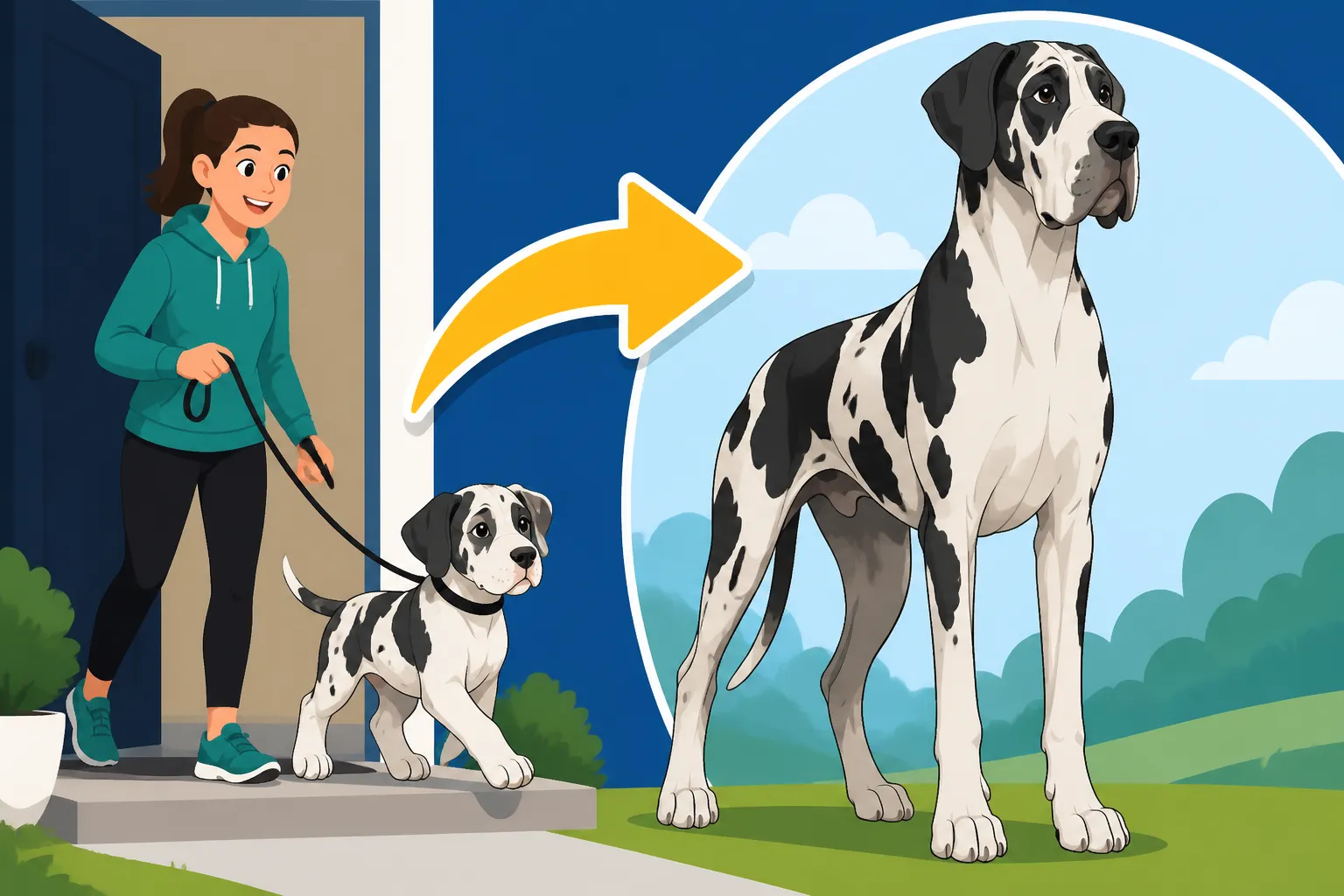
Puppies, regardless of breed, go through a critical socialization period, usually between 3 weeks and 16 weeks of age. This is the prime time when their brains are like sponges, soaking up every new experience and forming their understanding of the world. For a Great Dane, who grows at an astonishing rate, this window feels like it slams shut even faster. That tiny, adorable eight-week-old fluffball will be a gangly adolescent before you know it, and trying to introduce novel experiences to a 70-pound, easily overwhelmed youngster is a much different challenge than with a 20-pound pup. Every positive exposure during these early weeks is building a foundation of confidence and good manners that will serve them (and you!) for their entire life. Don't underestimate how quickly your little one will become a giant. You'll blink, and suddenly they're halfway to their adult height and weight.
The Stakes Are Higher for a Giant Breed
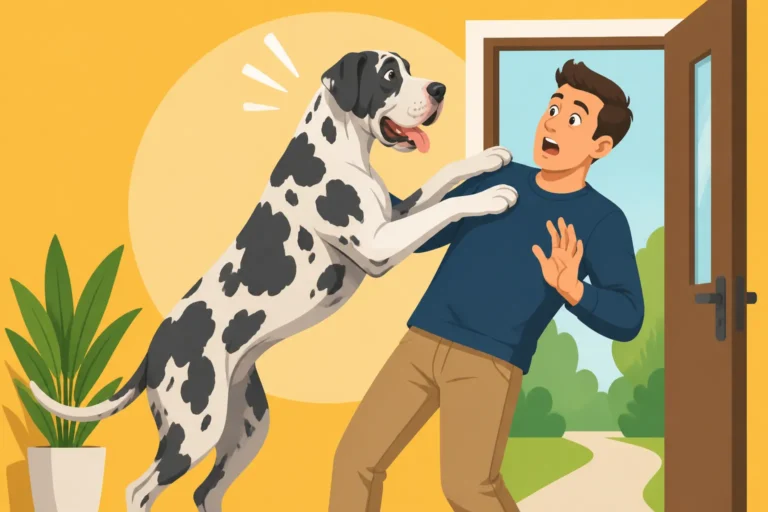
Let's be real: a fearful or reactive Chihuahua might be a nuisance, but a fearful or reactive Great Dane can be genuinely dangerous, even unintentionally. Their sheer mass means that a playful jump, an anxious lunge, or a worried bark carries immense power. Imagine a 150-pound dog trying to "playfully" tackle a stranger, or lunging at a skateboarder out of fear. Even if no harm is meant, the potential for injury is significant. This is why the pressure to get it right with a Great Dane feels so intense. We owe it to these magnificent creatures, and to the public they interact with, to ensure they are well-adjusted, confident, and polite members of society. Their reputation, and indeed their safety, often depends on how well they were socialized as puppies. This journey of socialization isn't just about good manners; it's about setting them up for a happy, stress-free life and keeping everyone around them safe.
What Happens Without Early Exposure
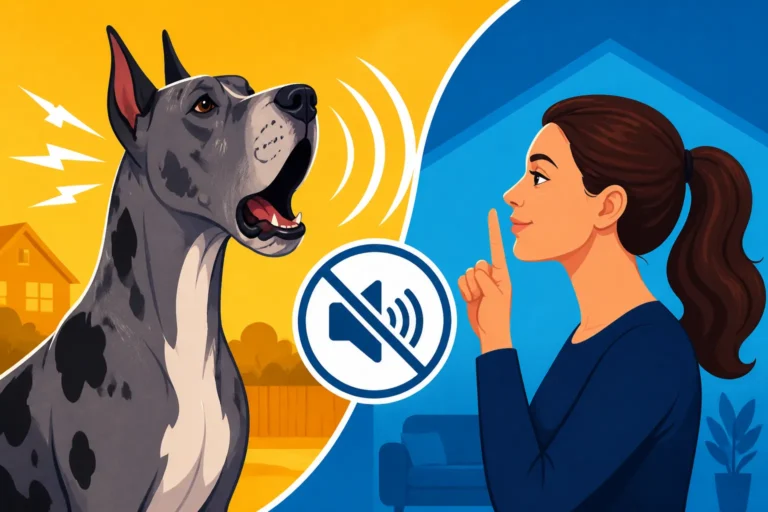
Without proper early exposure, you run the risk of your Great Dane developing fears, anxieties, and potentially reactive behaviors. A puppy who hasn't been gently introduced to various sounds (traffic, vacuums, children yelling), sights (people in hats, wheelchairs, other animals), and textures (grass, pavement, stairs) can grow into an adult who finds these everyday occurrences terrifying. This can manifest as barking, lunging, pulling on the leash, or trying to hide – all behaviors that become exponentially harder to manage with a dog the size of a Great Dane. You might end up with a dog that can't enjoy walks in the park, has to be crated when guests come over, or is a constant source of stress for you because you’re always anticipating a meltdown. Addressing these issues later in life requires extensive, often expensive, behavior modification, making the effort put into early socialization a critical investment in your future peace of mind and your dog's overall well-being. Think of it like building a strong immune system for their brain.
Safe Exposure Strategies for Young Pups
The key to successful early socialization for a Great Dane puppy is providing a wide range of positive, controlled experiences without overwhelming their still-developing immune system. This means being smart about where and how you introduce them to the world.
Prioritizing Health While Socializing
This is where the balancing act comes in. You absolutely need to get your puppy out there, but you also need to protect them from common puppy diseases like parvovirus and distemper, which are prevalent in high-traffic dog areas. The general rule of thumb from many veterinarians is to wait until your puppy has completed their initial series of vaccinations, usually around 16 weeks, before letting them romp freely in public dog parks. However, this doesn't mean you should keep them locked away at home! Instead, focus on controlled exposure. This means carrying your puppy in a sling or a sturdy bag through busy areas like shopping centers (where dogs are allowed, of course), sitting on a park bench watching the world go by from a safe distance, or visiting friends' homes who have healthy, vaccinated adult dogs. The goal is exposure without direct contact with unknown dogs or contaminated surfaces. Think of it as window shopping for life experiences. While protecting your pup from illness, you're still building their mental resilience. Remember, a Great Dane puppy is quite robust once they get those initial shots, but caution is paramount during those first few months. You can learn more about their potential lifespan by reading Why a Great Dane Only Lives Seven to Ten Years.
Controlled Environments and Positive Reinforcement
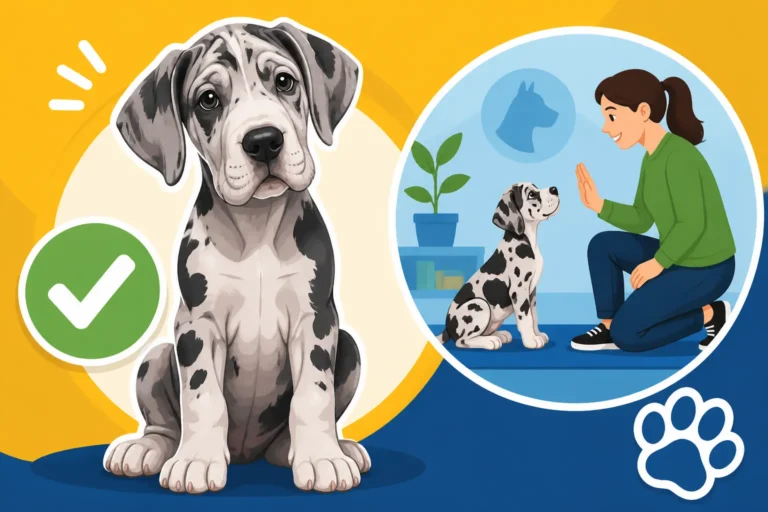
When you do take your Great Dane puppy out, every new experience should be paired with positive reinforcement. This means treats, praise, and gentle encouragement. If your puppy sees something new and seems a little hesitant, you don't force them closer. Instead, you create distance and offer a high-value treat as they calmly observe. The goal is for them to associate new things with good things happening to them. A visit to the local hardware store (many are dog-friendly!) can be an excellent low-stress outing. People are usually happy to meet a cute puppy, and the sounds, smells, and sights are novel without being overwhelming. Similarly, a short car ride, even just around the block, can be a great exposure to movement and changing scenery. Always keep these sessions short, positive, and end on a good note before your puppy gets tired or stressed. You want to build curiosity, not fear.
Exposure to Sounds, Sights, and Textures
Socialization isn't just about meeting other dogs and people; it's about habituating your Great Dane puppy to the sheer variety of the human world. This includes sounds like vacuum cleaners, blenders, doorbells, construction noises, and sirens. You can start by playing sound recordings at a low volume and gradually increasing it while your puppy is eating or playing. Introduce them to different walking surfaces: pavement, grass, gravel, carpet, even a few steps on stairs if done carefully and without putting stress on their growing joints. Let them explore different objects – a crinkly tarp, a wobbling platform, an open umbrella – always under your supervision and making it a fun, rewarding game. These varied sensory experiences build a resilient, adaptable dog less likely to be startled by the unexpected. Consider setting up a "sensory walk" in your backyard with different textures and objects to explore safely. This foundational work is key to The Manners a Great Dane Needs Before It Grows.
Meeting People and Other Animals
This is often the most challenging part of socialization because you can't always control the other party. However, with careful planning and assertive advocacy for your puppy, you can make these interactions overwhelmingly positive.
Gentle Introductions to Diverse People
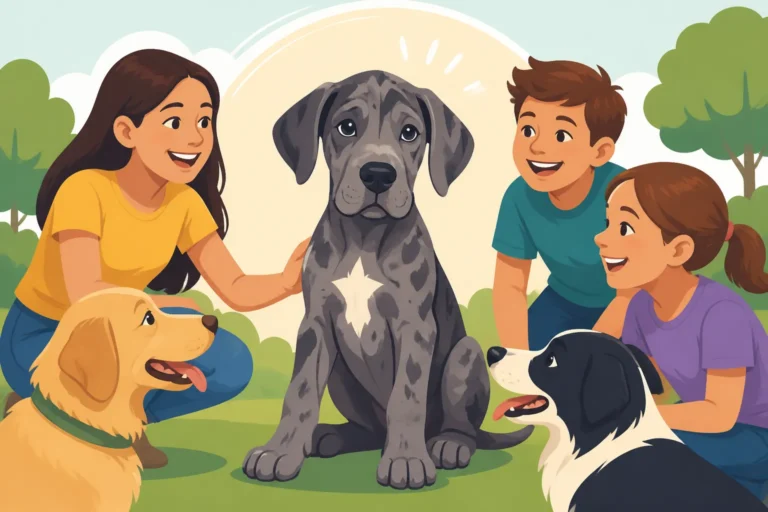
Your Great Dane puppy needs to meet a wide variety of people: men, women, children, people of different ethnicities, people wearing hats, sunglasses, uniforms, or using mobility aids. Each person should ideally provide a positive interaction, even if it's just a quick sniff and a treat. Ask friends and family to visit, but instruct them to be calm and gentle. Teach them to offer a treat politely and avoid overwhelming the puppy with too much attention. The rule of thumb should be: if the puppy approaches, they get interaction; if they back away, give them space. Never force an interaction. It’s better for your puppy to have fewer, high-quality positive interactions than many overwhelming or negative ones. Remember that even a well-meaning person can accidentally scare a sensitive pup. Carrying high-value treats (think tiny pieces of cooked chicken or cheese) is your secret weapon. If you're out and someone asks to pet your puppy, you can hand them a treat to give to your pup, ensuring the interaction starts off positively. This kind of thoughtful exposure prevents shyness or fear-based reactivity later on.
Managing Interactions with Children and Small Dogs
Great Danes are renowned for being gentle with children and smaller animals, but this gentleness isn't inherent; it's fostered through good experiences. Introduce your puppy to well-behaved, dog-savvy children under strict supervision. Teach both the children and the puppy how to interact respectfully. Small children should always be seated when interacting with a Great Dane puppy, and never left unsupervised. Teach your puppy a "four on the floor" command so they learn not to jump. For small dogs, supervised, short play sessions with calm, vaccinated adult dogs can be incredibly beneficial. Look for friends with stable, polite small dogs who won't be easily intimidated or inadvertently hurt by a clumsy Great Dane puppy. Avoid dog parks with very small dogs until your Great Dane is much older and has excellent impulse control, as even an accidental bump from a large, playful puppy can be serious. This careful management is crucial for ensuring Great Danes With Children and Small Dogs grow up safely together.
Observing and Advocating for Your Puppy
You are your Great Dane puppy's best advocate. Learn to read their body language. Are their ears back? Are they lip licking? Are they trying to hide behind you? These are signs of stress. If you see them, it's time to create distance, remove them from the situation, or simply end the session. Don't be afraid to politely tell people, "Please don't pet him right now, he's a little shy," or "We're in training, so we're just observing." It's far better to protect your puppy from an overwhelming experience than to let someone force an interaction that could create a lasting negative association. Remember, every experience is a learning opportunity, and positive ones build confidence. For shy puppies, building confidence might also involve teaching Building Confidence in a Nervous Great Dane.
Enrolling in Puppy Classes and Training
Structured training classes are not just about teaching commands; they are a goldmine for socialization. They provide a safe, controlled environment for your Great Dane puppy to interact with other puppies and people, and for you to learn essential handling skills.
The Value of Puppy Kindergarten
Puppy kindergarten classes are invaluable for Great Dane puppies. These classes, typically for pups under 5-6 months old, are specifically designed to provide safe, supervised play with other puppies (of appropriate sizes and play styles, ideally), exposure to new people, and an introduction to basic obedience. Crucially, most reputable puppy classes require proof of vaccinations, reducing the health risk. The controlled play is vital because it teaches puppies bite inhibition, how to read other dogs' signals, and appropriate play behavior. For a Great Dane, learning how to interact gently with smaller puppies is a foundational skill that will serve them their whole life. These classes also offer a unique opportunity for you to ask questions and get advice from professional trainers who understand puppy development. Don't just show up for the training; embrace the socialization opportunities they offer, especially for Socializing a Great Dane Puppy Early.
Finding a Trainer Comfortable With a Great Dane
Given the Great Dane's eventual size and strength, it is absolutely paramount to find a trainer who is experienced and comfortable working with giant breeds. A trainer who is intimidated by or unfamiliar with Great Danes might offer inappropriate advice or fail to provide the necessary guidance for handling a large, powerful dog. Look for trainers who use positive reinforcement methods and understand the unique developmental needs of giant breeds, including their slower growth plates and potential for guarding tendencies if not properly channeled. Don't hesitate to interview potential trainers, ask about their experience with Great Danes or similar large breeds, and observe a class before enrolling. A good trainer will not only teach your puppy, but also empower you with the skills and confidence to manage your growing giant. This is a critical step in Finding a Trainer Comfortable With a Great Dane and setting your puppy up for success.
Continuing Training as They Grow
Socialization and training are not one-and-done events; they are ongoing processes, especially for a Great Dane. After puppy kindergarten, consider enrolling in basic obedience, then intermediate classes, and perhaps even canine good citizen preparation. The more consistent exposure your Great Dane has to learning in different environments, around different distractions, the more reliable their behavior will be. As they transition from puppy to adolescent (and let me tell you, Great Dane adolescence is a thing!), they will test boundaries, and consistent training helps you navigate these challenging phases. Regular training sessions, even short ones at home, reinforce good habits and strengthen your bond. Never stop looking for opportunities to expose your Great Dane to new, positive experiences, whether it's a new walking trail, a dog-friendly patio, or a novel sound. This commitment to lifelong learning will ensure you have a polite, confident, and happy companion for their entire (albeit sometimes too short) life.
Tools and Resources for Early Socialization
Successfully socializing a Great Dane puppy isn't just about good intentions; it also requires the right equipment and access to reliable information. Investing in appropriate tools early on can make a world of difference.
Essential Gear for Safe Outings
When you're taking your Great Dane puppy out, even if you're carrying them, you'll want to have the right gear. A sturdy harness and leash combo, even for a young pup, is essential for safety and for getting them used to the feeling. Look for harnesses that fit well and don't restrict shoulder movement, as Great Danes are prone to orthopedic issues. A good quality, comfortable car restraint or crate is also vital for safe travel. You'll need plenty of high-value treats in an easily accessible pouch – these are your golden tickets for positive reinforcement. Consider a portable water bowl, as your puppy will get thirsty, especially on warmer days. Many of these items, from no-pull harnesses to durable treat pouches, can be found readily available on Amazon, making it easy to prepare for your adventures. Starting with a comfortable, well-fitting harness for walks now will pay dividends when you're managing Great Dane Leash Manners at a Hundred and Fifty Pounds later.
Online Training Programs for Busy Owners
Life gets busy, and sometimes fitting traditional in-person classes into your schedule can feel impossible. This is where online training programs truly shine. Platforms like BAXTER & Bella offer comprehensive online puppy training and socialization programs that you can work through at your own pace, from the comfort of your home. These programs often include video tutorials, written guides, and sometimes even access to trainers for virtual consultations. They can be particularly useful for covering all the crucial socialization points you might miss otherwise, from desensitizing your puppy to household noises to teaching basic manners before your puppy's size makes it harder. While they don't replace in-person socialization with other dogs, they are an excellent supplement for ensuring you're covering all your bases and staying consistent with your training efforts. Plus, they can be great for those days when the weather just isn't cooperating for an outdoor outing.
Socialization Checklists and Tracking
To ensure you're providing a wide and varied range of experiences, a socialization checklist can be an incredibly helpful tool. Many puppy books or online resources offer these, listing dozens of different sights, sounds, textures, people types, and environments your puppy should encounter. Crossing things off as you go helps you track your progress and identify areas you might be neglecting. This structured approach ensures your Great Dane puppy isn't just exposed to the park down the street, but also to kids on scooters, people with beards, the sound of a blender, or the feel of walking on concrete grates. You can find printable checklists or even dedicated puppy socialization journals on sites like Amazon. Keeping track of these experiences and ensuring they are consistently positive is key to raising a well-adjusted Great Dane who can confidently navigate whatever the world throws at them, rather than being startled by every novel experience.
| Socialization Checklist Category | Examples of Exposure | Positive Reinforcement Strategy |
|---|---|---|
| People | Men, women, children (different ages), people in hats/uniforms, people with wheelchairs/strollers, different ethnicities | Give treats when calmly observing, allow gentle petting if puppy seeks it, keep interactions brief |
| Sounds | Vacuum cleaner, doorbell, thunder/rain, city traffic, construction, baby cries, loud music | Play recordings softly during meal times, pair with treats/praise during real-life sounds |
| Sights | Umbrellas opening, bicycles, skateboards, large vehicles, moving objects, reflective surfaces, other animals | Treat for calm observation, maintain safe distance, allow curiosity without forcing interaction |
| Textures/Surfaces | Grass, gravel, pavement, carpet, wood, grates, stairs (supervised, brief) | Walk a short distance, treat for confident steps, don't force if hesitant |
| Environments | Park benches (watching), pet-friendly stores (carried), quiet streets, veterinary office (happy visits), friends' homes | Short, positive visits, ample treats and praise, focus on observation rather than interaction |
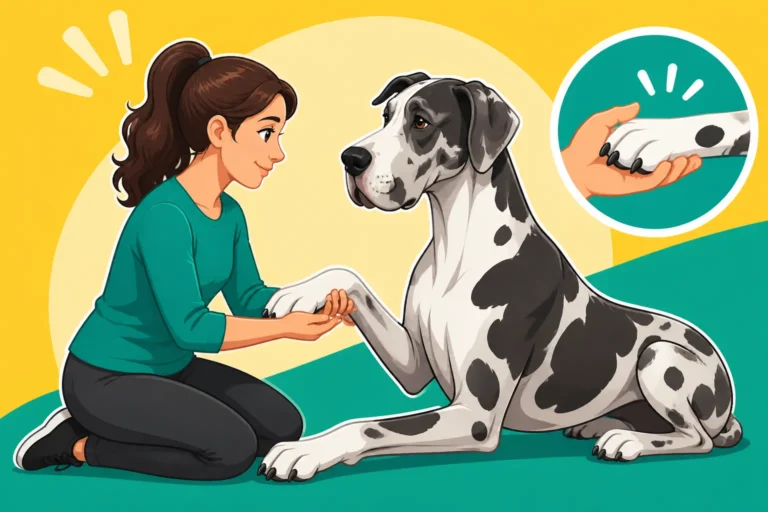
| Handling | Ear touches, paw handling, mouth checks, brushing, nail trims | Frequent, gentle handling paired with treats, make it a positive routine from day one |
This article is for general informational purposes only and does not constitute professional advice. Laws, prices and regulations vary by location and change over time. Consult a qualified professional for guidance on your specific situation.