A Great Dane That Jumps on Visitors
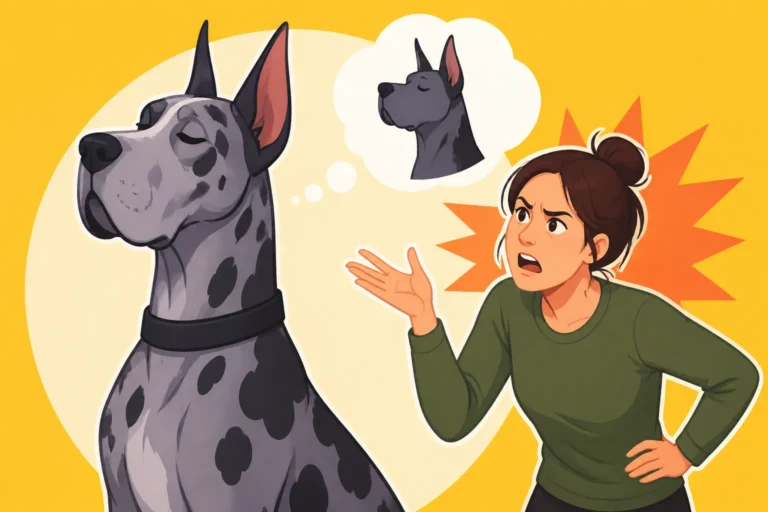
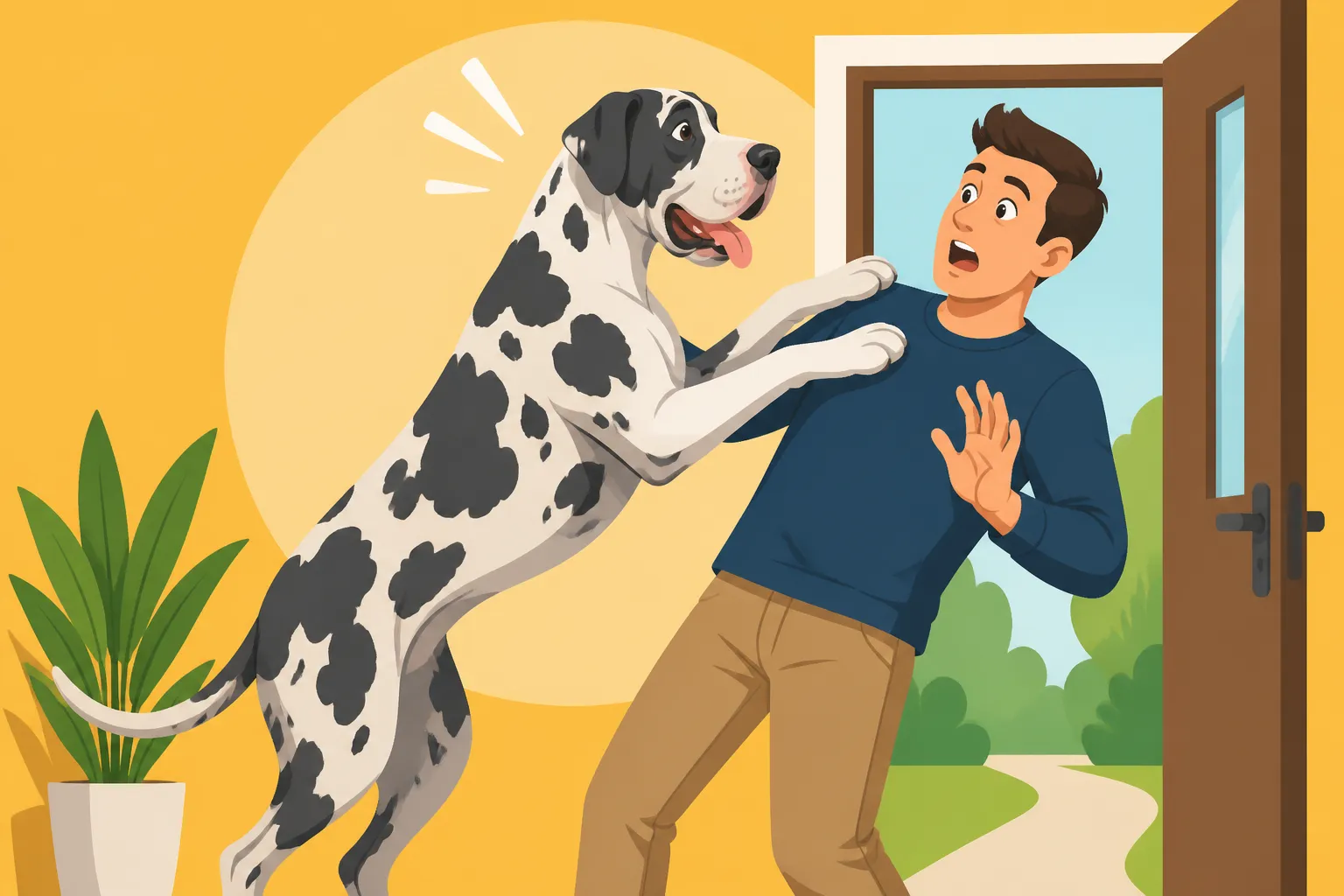
It's a familiar, albeit frustrating, scene for many Great Dane owners: the doorbell rings, and before you can even reach the door, your gentle giant is already halfway there, tail thumping like a drum, ready to launch itself at your unsuspecting guest. This isn't just an inconvenience; a hundred-plus-pound dog jumping up can truly injure someone, especially children or the elderly, and it can be incredibly embarrassing. This comprehensive guide is here to walk you through understanding why your Great Dane feels the need to greet with such enthusiasm and, more importantly, equip you with the strategies to train them to keep all four paws firmly on the floor when visitors arrive.
Understanding Why Your Great Dane Jumps on People
Let's be real, nobody gets a Great Dane hoping it'll be a wallflower. Their size is part of their charm! But that incredible size also means that what might be an adorable, albeit annoying, jump from a smaller dog becomes a genuine safety hazard when it's coming from a Dane. It's important to understand that this behavior usually stems from a place of pure joy and excitement, not malice. Your Great Dane isn't trying to be rude or aggressive; they're just overwhelmingly happy to see new faces, or even familiar ones, and haven't learned a more appropriate way to express it.
The Root Causes of the Leaping Greeting
Often, the primary reason a Great Dane jumps on visitors is simply because it's effective. Think about it: when your dog jumps, what usually happens? They get attention! Even if it's negative attention – a yell, a push, or a frantic "Down!" – to a dog, any attention is often better than no attention. They're learning that this behavior gets a reaction, and that reinforces the action itself.
Another huge factor is excitement. Great Danes, for all their calm demeanor once settled, can be incredibly exuberant when new stimuli arrive. A visitor walking through the door is often the most exciting part of their day! They want to be part of the action, to sniff, to greet, and to show affection. If they haven't been taught an alternative, calmer way to do this, jumping up to get to eye level or simply to be closer is their go-to. Sometimes, it's also a lack of clear boundaries and consistent training from the get-go. If jumping was tolerated when they were a cute little puppy, it's exponentially harder to extinguish when they're a full-grown adult. Remember, The Manners a Great Dane Needs Before It Grows are crucial for preventing these issues down the line.
When a Great Dane's Size Becomes a Serious Problem
While any dog jumping can be unwelcome, a Great Dane's sheer mass elevates the situation from annoying to potentially dangerous. Imagine your elderly aunt visiting, or a small child. A Great Dane, even if just trying to be friendly, can easily knock someone off balance, scratch them with their paws, or even cause bruising or more serious falls. Their substantial height means that when they stand on their hind legs, they can easily reach a person's face or chest, which can be intimidating and frightening for someone unfamiliar with the breed, or even for seasoned dog owners.
It’s not just about the visitor either. Repeated jumping can also put unnecessary strain on your Great Dane’s own joints, especially as they age, exacerbating potential issues like arthritis or hip and elbow problems. So, while their enthusiasm is charming in spirit, the physical reality of a giant breed necessitates strict training to ensure everyone's safety and comfort. This isn't about crushing their joyful spirit, but channeling it into polite, acceptable behavior.
Essential Foundation Training to Prevent Jumping
The key to stopping a Great Dane from jumping isn't about punishment; it's about prevention, clear communication, and consistent positive reinforcement. You need to teach them what to do instead of jumping, and then reward that desired behavior lavishly. This takes time, patience, and a united front from everyone in your household and anyone who regularly interacts with your dog.
Teaching the "Four on the Floor" Rule
This is the golden rule: all four paws must remain on the floor for your Great Dane to receive any attention. This might sound simple, but it requires diligent practice. Start by rewarding your dog for any instance of keeping four paws on the floor when a "trigger" occurs, even a small one.
Here’s a basic breakdown of how to implement "Four on the Floor":
- Practice Without Guests: Have someone pretend to be a guest. Walk through the door. If your Dane stays on the floor, immediately reward them with a treat and calm praise. If they jump, the "guest" should immediately turn their back and ignore the dog completely, not making eye contact or speaking. As soon as the paws are back on the floor, turn and offer a treat. Repeat, repeat, repeat.
- Use a Leash: When anticipating a real visitor, put your Great Dane on a leash. This gives you immediate, gentle control. When the visitor arrives, hold the leash short enough that they cannot jump up. As soon as they are calm, then allow the visitor to give a treat and a gentle pet.
- Positive Reinforcement: Keep high-value treats handy. When your Dane greets a visitor calmly, with all four paws down, immediately reward them. Over time, they'll associate calm greetings with good things. This also ties into Getting a Great Dane to Greet Without Standing Up.
| Behavior | Owner Action | Guest Action | Outcome for Dog |
|---|---|---|---|
| Jumps on arrival/greeting | Turn back, ignore dog (no eye contact, no speaking, no touching). | Turn back, ignore dog (no eye contact, no speaking, no touching). | No attention, no reward. |
| Four paws on the floor (even for a moment) | "Yes!" or clicker, then immediate high-value treat and calm praise. Maintain leash control if needed. | After owner's signal, gentle pat (chest/shoulder), calm voice, offer treat. | Positive attention, high-value reward. Reinforces desired behavior. |
| Remaining calm during greeting | Continue calm praise and occasional treats as long as paws are down. Gradually extend duration of calm behavior before reward. | Continue calm interaction, avoiding overly exciting movements. | Sustained positive attention and rewards reinforce extended calm behavior. |
Consistent Management When Guests Arrive
Training isn't just about teaching your dog; it's also about managing their environment and interactions to set them up for success. This is particularly important for a large, energetic breed like a Great Dane.
Consider using management tools during greetings:
- Leash Control: As mentioned, having your Great Dane on a leash when people come over is an incredibly effective management tool. It allows you to guide them into the desired behavior without physical struggle. Look for Leashes Rated for a Great Dane that can handle their strength.
- Crate or Gate: If your Great Dane is overly excitable, sometimes the best approach is to manage the initial greeting from a distance. You can set up a sturdy baby gate, like those you might find on Amazon, to create a barrier between your dog and the front door, or use their crate. Have them settled in their crate, or behind a gate, with a distracting chew toy before your guests arrive. Once the initial excitement has died down, you can then introduce them calmly. This is also helpful if you are working on Crate Training a Great Dane That Fills the Room.
- Pre-emptive Exercise: A tired dog is often a well-behaved dog. Before guests are due to arrive, take your Great Dane for a good walk or engage them in some vigorous playtime. This helps burn off excess energy that might otherwise translate into boisterous jumping. However, be mindful of their growing joints; Wearing Out a Great Dane Without Wrecking Its Joints is crucial, especially for puppies and adolescents.
Incorporating Professional Guidance and Online Training
Sometimes, despite your best efforts, you might feel like you're not making progress, or you might just want an extra layer of support. This is where professional help can be invaluable. A certified dog trainer who has experience with giant breeds can provide personalized strategies tailored to your Great Dane's specific personality and your household dynamics. They can observe your interactions and offer insights you might miss. It's often worth the investment, especially when dealing with a dog of this size, to prevent long-term behavioral issues. Seeking out a trainer who is comfortable with a Great Dane is paramount, as their methods might differ from those used for smaller breeds.
For those who prefer a more flexible or self-paced approach, online training programs can be incredibly useful. Platforms like BAXTER & Bella offer comprehensive online puppy and dog training courses that cover everything from basic manners to more advanced behavioral issues. These programs often include live Q&A sessions, video tutorials, and a supportive community, allowing you to work at your own pace from the comfort of your home. They can be particularly helpful for consistency, offering structured lessons that ensure you're addressing all aspects of the behavior. Remember, What a Great Dane Puppy Course Runs can give you an idea of the costs involved, but the benefits of a well-behaved Dane are priceless.
Practical Strategies for Managing Jumpy Greetings
Beyond the foundational training, there are specific techniques you can employ during actual greeting situations to reinforce good behavior and prevent jumping. These strategies focus on immediate control and redirection.
Leash Control and Redirection Techniques
The leash is your best friend when managing a Great Dane who loves to jump. It provides that essential physical connection and allows you to communicate boundaries clearly.
- Short Leash, Calm Hold: When you know a visitor is about to arrive, put your Great Dane on a leash. Keep the leash short, but not taut, holding it firmly by your side. This prevents them from getting enough momentum to jump.
- The "Sit" Command: As the door opens, immediately ask your Great Dane to "Sit." Reward them instantly if they comply. If they try to get up or jump, gently pull down on the leash while repeating "Sit." The goal is to reward the sit before the jump can even happen.
- Redirect Attention: If your dog is laser-focused on the visitor, try redirecting their attention to a toy or a puzzle feeder once they've settled down. This gives them something else to do that's incompatible with jumping. You can even train them to go to a specific "place" or mat when the doorbell rings, and reward them for staying there.
When a Great Dane pulls you off your feet, it's not just an expression – it's a reality. Using appropriate gear, like a front-clip harness, can help manage their strength and make these redirecting efforts more effective.
The "No Paws Up" Rule: Getting Everyone on Board
This is where consistency across all interactions, not just with you, becomes critical. Every single person who interacts with your Great Dane must adhere to the "No Paws Up" rule. One person allowing a jump can undermine weeks of training.
- Brief Your Guests: Before they even step inside, quickly explain your training goal. Ask them to ignore your Great Dane if they jump, and only give attention when all four paws are on the floor. Provide them with treats to reward good behavior.
- Avoid Over-Excitement: Ask guests to greet your dog calmly. High-pitched voices, excessive petting, or rough play upon arrival can amp up your Dane's excitement and make jumping more likely. A gentle scratch behind the ears or on the chest when they are calm is much better than an enthusiastic hug that encourages them to stand up.
- No Hand Licking at Face Level: Some Great Danes love to give "kisses." While sweet, this can lead them to jump up to reach faces. Teach them that kisses are okay when you lean down, or when they are sitting politely.
It’s often challenging to get everyone on the same page, especially when family members love to spoil the dog. But for a Great Dane, their size demands this consistency for safety. The question of Whether You Can Physically Stop a Great Dane Jumping is often asked, and the answer is that while you might be able to deter it, consistent training is far more effective than physical force, which can sometimes escalate the behavior or instill fear.
Managing the Energy of the Greeting Itself
The moment of arrival is often the most chaotic. By managing this energy, you can greatly reduce the likelihood of jumping.
- Controlled Entry: Instead of letting your Great Dane rush the door, have them on a leash a few feet back, or behind a gate. Open the door only slightly at first, allowing a brief sniff, and then fully open it once your dog is calm.
- Delayed Gratification: Don't let your Great Dane immediately overwhelm guests. Have guests come in, put their bags down, and get settled before allowing the dog a calm, leashed greeting. This reduces the frantic energy of the initial encounter.
- Short, Positive Interactions: If your Great Dane struggles with prolonged greetings, keep them short initially. Allow a few moments of calm interaction, then redirect your dog to a "place" or a chew toy in another room. As they improve, you can gradually lengthen the greeting time.
Remember, the goal is to teach your Great Dane that calm behavior earns rewards and attention, while jumping makes the desired interaction disappear.
Long-Term Solutions and Preventing Relapses
Training a Great Dane is an ongoing process, not a one-time fix. Because they are such intelligent and observant dogs, they’ll quickly pick up on inconsistencies. Preventing relapses means continuing to reinforce good behavior and being proactive about potential challenges.
Reinforcing Calm Behavior in Everyday Life
The "Four on the Floor" rule shouldn't just apply to visitors. It should be a standard expectation for any interaction that involves greeting or seeking attention.
- Greetings from Family: Ensure everyone in the household adheres to the same rules. When family members come home, they should also wait for four paws on the floor before giving attention. This reinforces the learned behavior constantly.
- Seeking Attention Calmly: If your Great Dane nudges you for attention, ignore the nudge. When they sit calmly next to you, then reward them with a pet or praise. Teach them that calm requests for attention are successful.
- "Place" or "Settle" Command: Teach your Great Dane a strong "Place" or "Settle" command, where they go to a designated bed or mat and stay there until released. This is an excellent tool for managing excitement when anyone enters the home or when you need them out of the way. You can make this fun by tossing a high-value treat onto their Orthopedic Beds a Great Dane Needs when they go to their place.
Consistent training builds a strong foundation. Think of it as building good habits that your Great Dane can rely on, rather than just reacting to bad ones. This kind of diligent daily practice will make a huge difference in their overall manners, not just with visitors.
Addressing Underlying Excitement and Energy Levels
Sometimes, excessive jumping is a symptom of an underlying need for more physical and mental stimulation. Great Danes are large and can appear lazy, but they still need appropriate exercise to be well-adjusted.
- Adequate Exercise: While you need to be careful with Exercise Limits While a Great Dane Is Still Growing due to their rapid development, adult Great Danes benefit from regular walks, playtime, and mental enrichment. A bored Great Dane is more likely to create their own (often undesirable) entertainment. Ensure they are getting enough opportunities to run and play in a safe environment.
- Mental Stimulation: Don't underestimate the power of mental exercise. Puzzle toys, training sessions, and even scent work can tire out a Great Dane's mind as much as a physical walk. A mentally engaged dog is less likely to be overly excitable and jumpy.
- Calm Demeanor from Owners: Dogs are incredibly adept at picking up on our emotions. If you get anxious or stressed when a visitor is about to arrive, your Great Dane will pick up on that energy and become more agitated themselves. Try to remain calm and confident, and your dog will be more likely to follow suit.
By focusing on these long-term strategies, you're not just stopping a single behavior; you're cultivating a well-mannered, confident Great Dane who understands how to navigate the world politely, even when that world includes exciting new visitors. It takes dedication, but the reward of a calm, respectful giant is absolutely worth every effort.
Disclaimer
This article is for general informational purposes only and does not constitute professional advice. Laws, prices and regulations vary by location and change over time. Consult a qualified professional for guidance on your specific situation.