Whether Daycare Suits a Great Dane
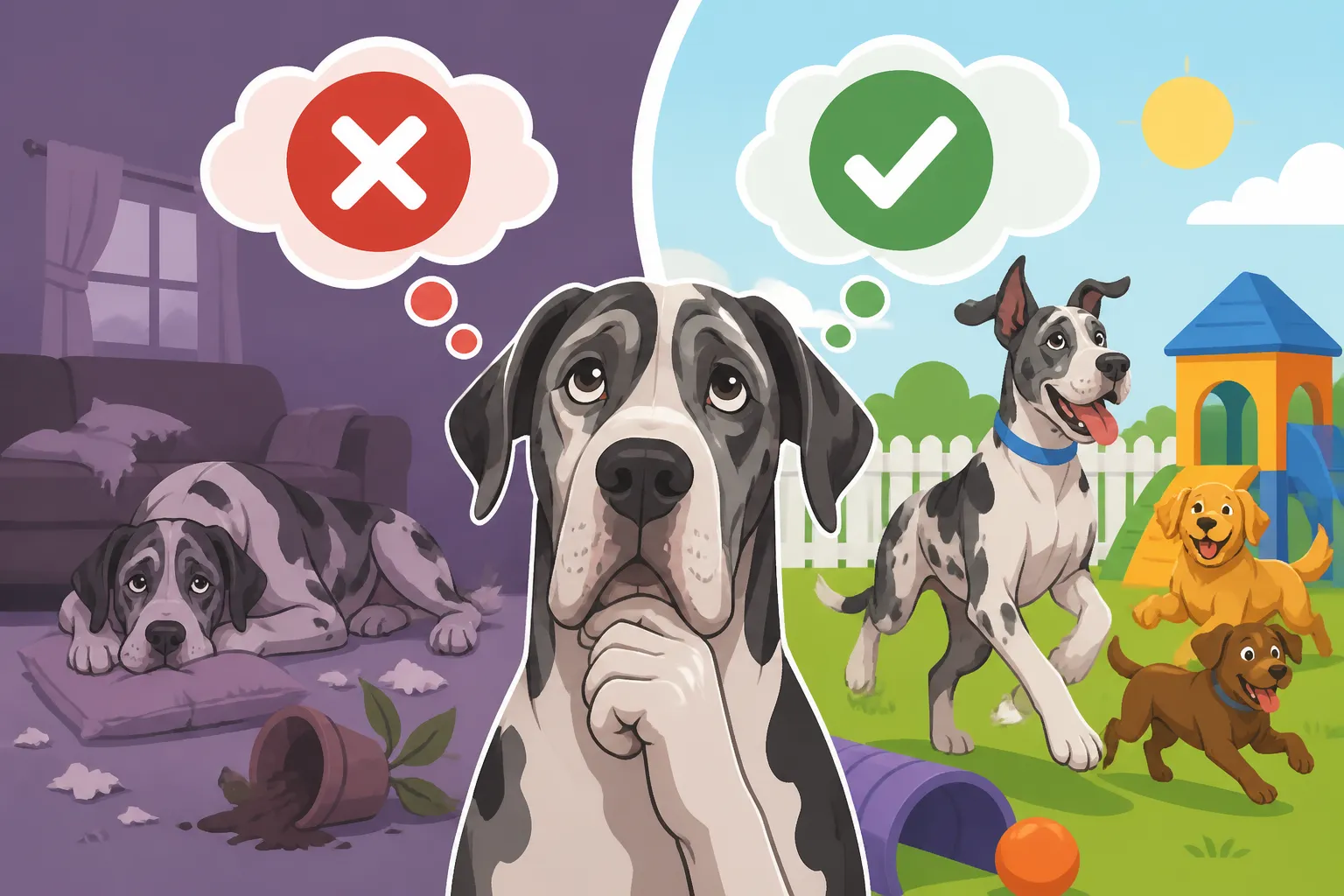
For many Great Dane owners, the idea of traditional doggy daycare can feel like navigating a minefield. Your giant companion is a beloved family member, but their sheer size and unique personality often raise questions: Will they fit in? Will they accidentally hurt a smaller dog? Will they even enjoy it? This guide aims to thoroughly explore whether daycare is a suitable option for your Great Dane, delving into their needs, the challenges involved, and what to look for if you decide to give it a try.
Understanding the Great Dane Temperament: Is Daycare a Good Fit?
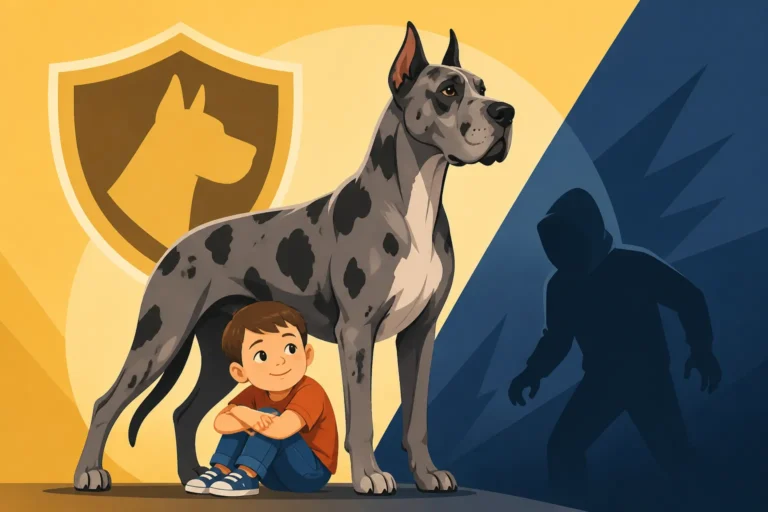
Great Danes are often described as "gentle giants," and for good reason. They are typically affectionate, docile, and surprisingly sensitive dogs, deeply devoted to their families. However, their imposing size means that even their most innocent behaviors can have a big impact, and their social dynamics are often a bit different from smaller, more boisterous breeds. Understanding these nuances is crucial when considering a daycare environment.
Their Unique Play Style and Energy Levels
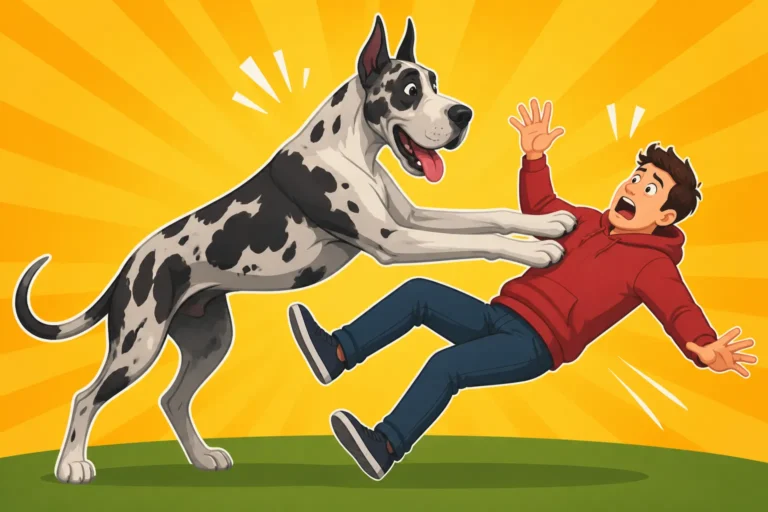
While Great Danes might seem perpetually lazy, lounging on the sofa, they do have bursts of energy and enjoy play. Their play style, however, can be quite distinct. They often engage in what's known as "body slamming" or "rough-and-tumble" play, which, while completely normal for them, can be intimidating or even dangerous for smaller dogs. Imagine a 150-pound dog joyfully bumping into a 20-pound terrier – it’s easy to see how accidents could happen.
Moreover, their energy levels aren't always consistent with typical daycare expectations. Many daycares thrive on high-energy, constant play, but a Great Dane might prefer a good romp for 15-20 minutes, followed by an extended nap. If a daycare environment pushes them for continuous high-octane play, it could lead to stress, over-exertion, or even joint issues, especially in younger, still-growing Danes. You’ll want to ensure the daycare understands that your Dane might need more structured downtime or less intense play sessions.
Socializing a Giant: The Importance of Early Training
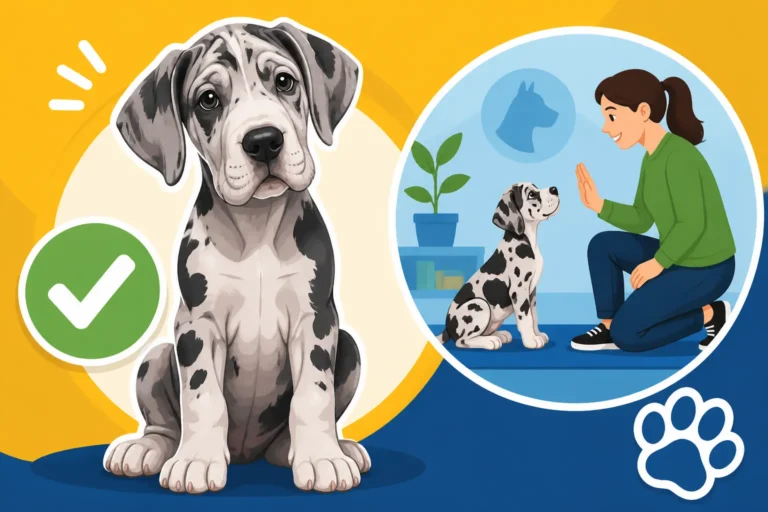
A well-socialized Great Dane is typically a confident and calm dog. They need exposure to various sights, sounds, people, and other dogs from a young age to develop into well-adjusted adults. If your Dane hasn't had consistent, positive social experiences, a chaotic daycare environment could be overwhelming and counterproductive. Instead of building confidence, it might exacerbate anxieties. For a giant breed, early training isn't just a suggestion; it's a necessity. Programs that offer comprehensive foundational training, like the online courses from BAXTER & Bella, can be incredibly helpful in preparing your Great Dane for various social settings, including daycare. Learning cues like "settle," "leave it," and a solid recall can make a world of difference in managing their interactions in a group setting. Socializing a Great Dane Puppy Early is vital for their development.
On the flip side, some Great Danes can be quite reserved or even shy. Throwing a shy Dane into a large, bustling group of unfamiliar dogs might do more harm than good, leading to fear-based reactions or them simply shutting down. A good daycare will assess your dog's personality and integrate them slowly, rather than just tossing them into the general population.
Practical Considerations for Great Dane Daycare: Logistics and Safety
Beyond temperament, the sheer physicality of owning a Great Dane presents a host of practical considerations for daycare. It's not just about whether they want to go, but whether the facility can safely and adequately accommodate them.
Space Requirements and Play Area Design
Great Danes need space – a lot of it. A daycare facility designed primarily for smaller or medium-sized dogs simply won't cut it. Your Dane needs ample room to move, run, and stretch without constantly bumping into other dogs or obstacles. Look for facilities with large, open play areas, both indoors and outdoors, that allow for sprawling and zoomies alike. Concrete floors might be easy to clean, but they are unforgiving on a Dane’s joints, so look for softer, more comfortable surfaces, at least in areas where they might rest.
The play area design should also consider separation. Ideally, a daycare should separate dogs by size and play style. This means a dedicated area where your Great Dane can interact with other large, similarly matched dogs, rather than being mixed in with tiny breeds that could easily be knocked over, even unintentionally. Facilities that lack this kind of thoughtful organization pose a significant risk of accidental injury.
Staff Experience with Giant Breeds
This is perhaps one of the most critical factors. A daycare attendant who is comfortable and experienced with Poodles might be completely overwhelmed by a Great Dane. Handling a 150-pound dog requires a different level of strength, understanding of body language, and confidence. The staff needs to know how to effectively intervene if play becomes too rough, how to manage multiple giant dogs, and how to spot signs of stress or discomfort specifically in large breeds.
Ask direct questions about their staff’s experience with Great Danes or other giant breeds. How do they break up arguments? What protocols do they have for managing play between dogs of vastly different sizes? Do they have staff members physically capable of handling or redirecting a strong, excited Great Dane? Without knowledgeable and capable staff, even the best-intentioned daycare can become a dangerous environment for your dog.
Health and Safety Protocols
Great Danes have unique health vulnerabilities that must be considered. Anesthesia Risk in a Great Dane is higher than for some smaller breeds, making careful sedation protocols important for any veterinary procedure, but in a daycare context, it's about prevention. Their susceptibility to bloat (Gastric Dilatation and Volvulus) means that activity directly before or after meals is a huge no-no. A responsible daycare will have strict feeding schedules that allow for adequate rest periods before and after eating. They should also be trained to recognize the signs of bloat and have an emergency plan in place, including immediate access to a veterinary emergency hospital. Bloat in a Great Dane and the One in Three Odds is a serious concern.
Beyond bloat, facilities should be clean to prevent the spread of kennel cough or other communicable diseases. They should have clear vaccination requirements and a system for monitoring dogs for illness. Given their size, any injury to a Great Dane can be significant, so prompt and effective first aid protocols are essential.
Finding the Right Daycare for Your Giant Breed: What to Look For
So, if you're determined that daycare is the right option for your Great Dane, how do you sort through the possibilities? It's about due diligence, asking the right questions, and trusting your gut.
Facility Walkthrough and Observation
Never enroll your Great Dane in a daycare without an in-person visit. You need to see the facility in action.
- Observe the dogs: Are they happy and engaged, or do they seem stressed, fearful, or overly rowdy? Is there a good mix of activity and rest?
- Observe the staff: Are they actively supervising, or are they distracted? Do they interact positively with the dogs, using gentle but firm guidance? Do they seem genuinely knowledgeable and passionate about large breeds?
- Check the environment: Is it clean, well-ventilated, and free of strong odors? Are there comfortable resting areas for dogs who need a break? Are the fences and gates secure enough to contain a Great Dane?
- Size-appropriate playgroups: As mentioned, this is non-negotiable. If they mix tiny Chihuahuas with giant Great Danes in the same unrestricted play area, it’s a red flag.
Don't be afraid to ask for a tour during a busy period, and if they refuse, take that as a sign.
Understanding Their Assessment and Integration Process
A reputable daycare will not simply take your Great Dane and throw them into the mix on day one. They should have a thorough assessment process to determine if your dog is a good fit for their environment and playgroups. This often involves:
- Temperament test: A supervised session where your dog interacts with staff and a few pre-selected, calm resident dogs to gauge their social skills and reactions.
- Gradual integration: If your Dane passes the temperament test, they might start with shorter, supervised sessions or be introduced to smaller, calmer playgroups before moving into larger ones. This helps them adjust and reduces stress.
- Clear communication: The daycare should be transparent about their findings and provide regular updates on your dog's progress. You should feel comfortable asking questions and receiving honest answers about how your Dane is doing.
This process helps ensure the safety and well-being of your Great Dane and the other dogs in their care. Whether a Great Dane Is Really Calm Indoors is one thing, but how they are in a busy social setting is another entirely.
| Feature | Ideal for Great Danes | Red Flag |
|---|---|---|
| Play Area Size | Expansive, open indoor/outdoor spaces. | Cramped rooms, small yards. |
| Flooring | Non-slip, joint-friendly surfaces (rubber matting, grass). | Entirely concrete or slick tile. |
| Playgroup Management | Strict size/temperament separation, small groups, constant supervision. | All dogs mixed together, large uncontrolled groups. |
| Staff Experience | Experienced with giant breeds, knowledgeable in their behavior. | Staff overwhelmed by large dogs, inexperienced with Danes. |
| Bloat Protocol | Scheduled rest before/after meals, clear emergency plan. | Free-feeding or immediate activity after meals, no bloat plan. |
| Assessment Process | Thorough temperament test, gradual integration, clear feedback. | No assessment, "come as you are" policy. |
| Rest/Quiet Areas | Designated, comfortable zones for napping and decompression. | No quiet areas, continuous high-energy play expected. |
| Transparency | Open to tours, clear communication, readily answers questions. | Reluctance to show facilities, vague answers. |
Alternatives to Traditional Daycare for Great Danes
Sometimes, despite your best efforts, a traditional daycare just isn't the right fit for your Great Dane, or perhaps you can't find one that meets your high standards. That's perfectly okay! There are plenty of other excellent ways to ensure your giant companion gets the mental stimulation, physical exercise, and social interaction they need.
In-Home Pet Sitting or Dog Walkers
For many Great Dane owners, an in-home pet sitter or a professional dog walker is a far more suitable solution. A pet sitter can come to your home, alleviating the stress of transport and ensuring your Dane stays in their familiar environment. This is particularly beneficial for Danes prone to anxiety or those who simply thrive on their routine. A sitter can provide companionship, feed them according to schedule (allowing for crucial rest time after eating), and ensure they get their potty breaks and a good walk. This personalized attention can be invaluable.
Similarly, a dedicated dog walker can pop by for a structured walk, providing physical exercise and mental engagement. They understand that a Great Dane's walk might need to be slower or shorter depending on their age and joint health. How Much a Growing Great Dane Should Walk is very important to consider. For adult Danes, a good walk is fantastic exercise without the overstimulation of a large daycare group. This also allows for consistent training reinforcement on walks, which is incredibly important for such a powerful dog.
Structured Playdates and Small Group Activities
If social interaction with other dogs is a key goal, consider arranging structured playdates with other carefully selected dogs – ideally other large, calm breeds. This allows you to control the environment, the number of dogs, and the duration of play. You can meet at a fenced park, a friend’s large yard, or even at your home. This way, you can ensure that interactions are positive and safe.
Some trainers or specialized facilities might offer small, supervised playgroups tailored to specific breeds or sizes. These are often much more controlled than large-scale daycares and focus on quality interaction rather than sheer volume. Look for "farm-style" or "boutique" daycares that emphasize lower dog-to-staff ratios and more individualized care. Even activities like The Age a Great Dane Can Start Running need careful management, so controlled play is key.
Enrichment at Home
For Great Danes who prefer their own company or are too anxious for group settings, focusing on enrichment at home can make a huge difference. This includes:
- Puzzle toys: Large, durable puzzle toys (many excellent options available on Amazon) filled with treats can keep their minds engaged for extended periods. This is mental exercise that can be just as tiring as physical exertion.
- Chew toys: High-quality, appropriate chew toys are essential for Great Danes. Chewing is a natural, calming behavior and helps keep their powerful jaws busy.
- Interactive games: Games like "find it" where you hide treats around the house, or teaching new tricks, provide mental stimulation and strengthen your bond.
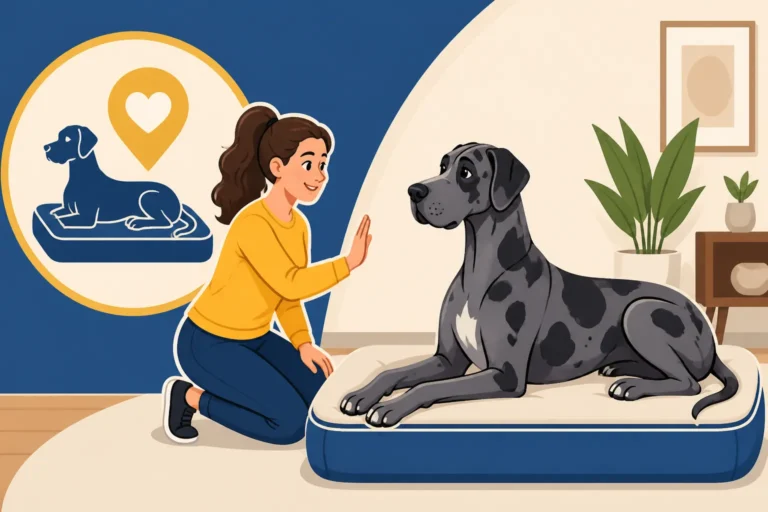
- Comfortable resting spots: Ensuring your Dane has a truly comfortable, orthopedic bed where they can relax and nap undisturbed is paramount. How Much Sleep a Great Dane Actually Needs is a lot, and quality rest is crucial for their well-being.
- "Stay" and "place" training: These are invaluable skills for a Great Dane, allowing them to settle calmly in their designated spot while you go about your day. A Great Dane That Panics When Left can benefit greatly from structured alone time with enrichment.
Ultimately, the goal is to provide your Great Dane with a stimulating, safe, and happy life. Whether that involves a carefully chosen daycare or a combination of personalized alternatives, it's about understanding your dog's individual needs and making choices that truly serve their well-being.
Disclaimer
This article is for general informational purposes only and does not constitute professional advice. Laws, prices and regulations vary by location and change over time. Consult a qualified professional for guidance on your specific situation.