A Great Dane That Opens Doors and Bins
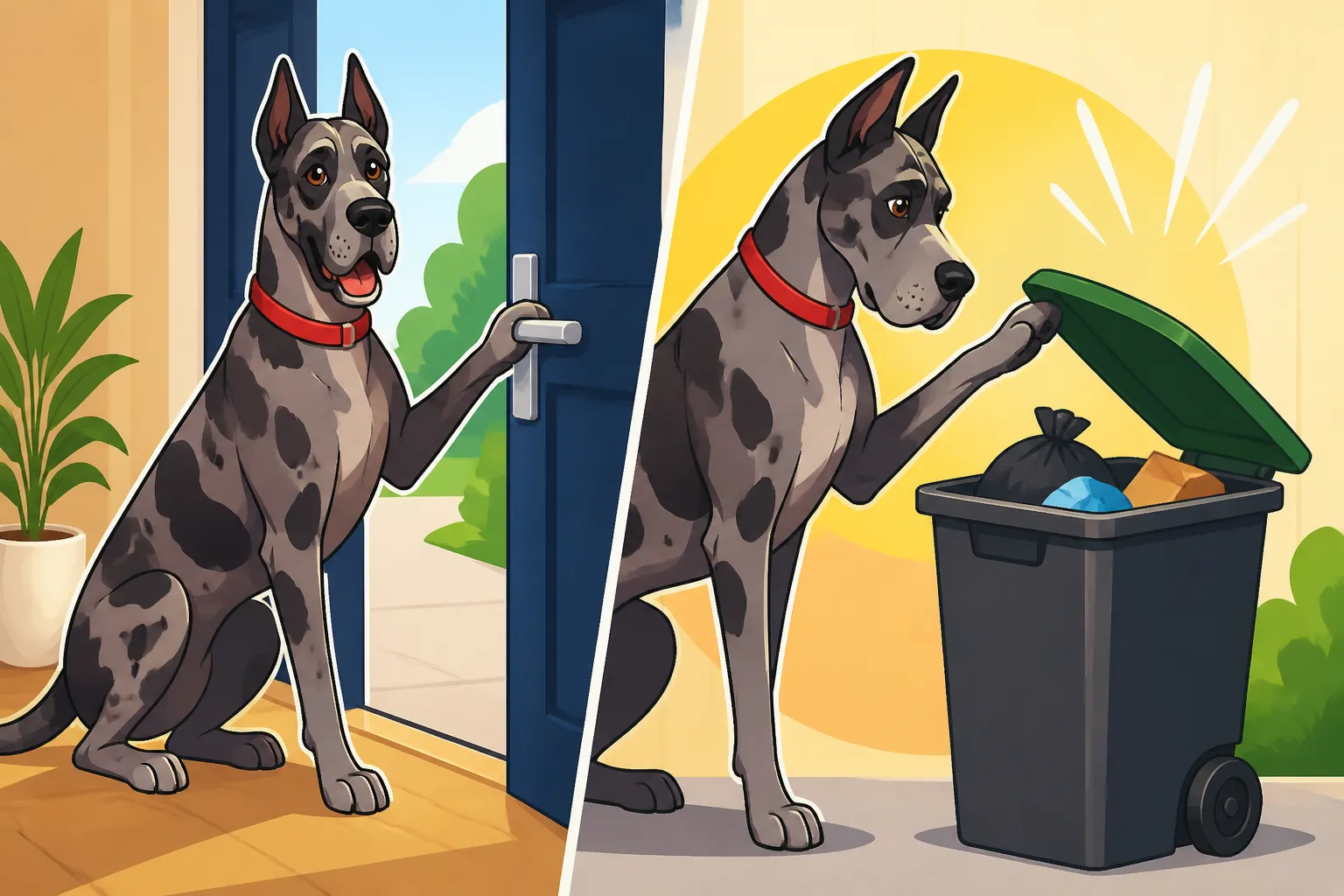
It's incredibly frustrating, isn't it, to walk into a room and find that your majestic Great Dane has once again outsmarted a door latch or, even worse, managed to get into the kitchen bin, leaving a chaotic mess in their wake? You picture them as gentle giants, not furry masterminds plotting their next great escape or snack heist. This guide will delve into why your Great Dane might be displaying these cunning behaviors and offer practical strategies to secure your home and train them for more appropriate conduct.
Why Your Great Dane Becomes a Master Escape Artist and Forager
Great Danes are renowned for their imposing size and often gentle demeanor, leading many to believe they might be a bit… slow on the uptake when it comes to mischief. But oh, how wrong that assumption can be! These magnificent dogs are often highly intelligent, keenly observant, and incredibly motivated when there's something they want. Their sheer size, which can be a deterrent for some behaviors, actually becomes an advantage when it comes to reaching door handles or rooting through bins.
The sheer strength and leverage a Great Dane possesses means that a flimsy baby gate or a loose door handle is no match for their determination. They learn by watching us, and if they see you opening a door with a specific motion, they're often quick to try and replicate it themselves. This isn't usually born of malice, but rather a combination of curiosity, boredom, and often, an underlying desire for something on the other side.
The Drive Behind the Door-Opening Dexterity
Think about it: your Great Dane lives in a world designed for humans. We open doors with our hands, manipulate latches, and store interesting things behind closed cabinets. To a curious Great Dane, every closed door represents a potential adventure or a hidden treasure. If they're feeling under-exercised, both physically and mentally, that drive to explore and problem-solve can turn towards cracking the code of your home's entryways.
Separation anxiety can also fuel this behavior. A Great Dane who feels stressed or anxious when left alone might try to "escape" a room to find you, or to simply alleviate their distress through activity. It's not just about getting out; it's about trying to cope with their emotions. Even if they don't have full-blown separation anxiety, a strong desire to be near their people can make them incredibly persistent in trying to get through a closed door. This behavior can be really worrying for owners, especially if it leads to damage or if they get out of the house entirely.
The Allure of the Bin: Scavenging Instincts
Now, let's talk about the trash bin. To us, it's garbage. To a Great Dane, it can be a veritable smorgasbord of fascinating scents and potential edibles. Their sense of smell is incredibly powerful, and even a faint whiff of last night's dinner scraps or a discarded paper towel with food residue can be an irresistible siren call. This isn't just about hunger; it taps into their ancient scavenging instincts.
The thrill of the "hunt" also plays a huge role. Once they've successfully raided a bin, the reward (even if it's just a discarded bone or a food wrapper) reinforces the behavior. They quickly learn that if they put in the effort, they get a prize. This makes breaking the habit much harder, as they've already experienced the positive reinforcement of their efforts. Beyond the mess, there's a real danger here, as many common household items in the bin can be toxic or cause blockages in a large dog. You'll want to ensure your bins are genuinely dog-proof.
Securing Your Home: Practical Prevention Strategies
Dealing with a Great Dane who can open doors and bins requires a multi-pronged approach: securing your environment, training, and managing their mental and physical needs. Let's start with making your home less inviting for their furry detective work.
It's tempting to think that because your Great Dane is so big, they must be clumsy, but their dexterity can be surprising. They can use their noses, paws, and even their mouths to manipulate latches and handles. Overlooking their ingenuity is the first step towards a counter-surfing, bin-raiding disaster. The key is to think ahead and make your home more robust than their determination.
Reinforcing Doors Against a Determined Dane
Traditional door handles can be notoriously easy for a Great Dane to figure out, especially lever-style handles that they can simply push down with their nose or paw. If you have these, consider replacing them with round doorknobs, which are generally harder for dogs to manipulate. For added security, especially on doors you absolutely need secured (like a pantry or an exit door), investing in child-proof doorknob covers can be a lifesaver. These covers often spin freely, making it impossible for a paw or nose to get a grip.
For rooms where a simple knob cover might not be enough, or for a particularly strong-willed Great Dane, consider adding a barrel bolt or a hook-and-eye latch higher up on the door, out of their reach. You can find these at most hardware stores or even on Amazon. This provides an extra layer of security that relies on human dexterity, not just paw power. Remember, a Great Dane's size means they can reach higher than you might think, so aim for a height that even a standing Dane can't manage.
| Security Method | Pros | Cons | Best For |
|---|---|---|---|
| Round Doorknobs | Harder for dogs to grip/manipulate | Still possible for persistent dogs | Internal doors, less critical areas |
| Child-Proof Knob Covers | Very effective on round knobs | Can be fiddly for humans to open | Pantry, laundry, specific rooms |
| Barrel Bolts / Hook-and-Eye | High security, out of reach | Requires drilling, less aesthetically pleasing | Exterior doors, high-risk internal doors |
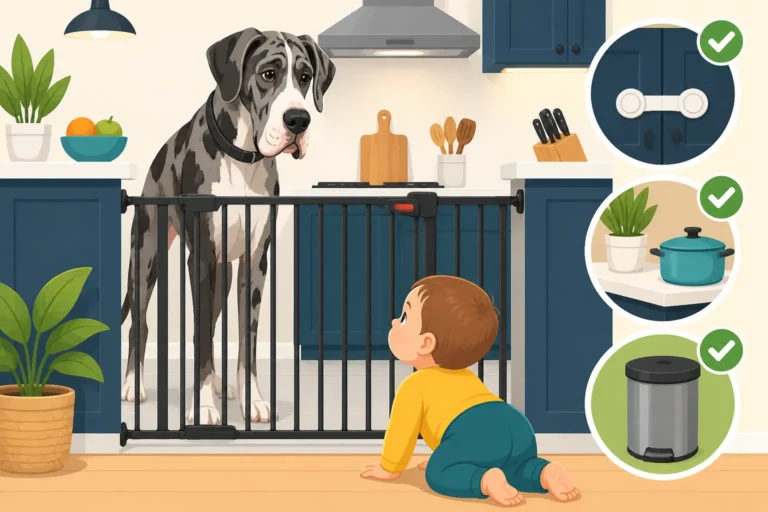
| Heavy-Duty Baby Gates | Prevents access without full door closure | A determined Dane can jump or push through | Temporary barriers, short-term containment |
Great Dane-Proofing Bins and Counters
The kitchen bin is often the holy grail for a scavenging Great Dane. Standard pedal bins or swing-top bins are laughably easy for them to access. The best defense here is a bin with a locking mechanism or one that is simply too heavy and secure to be toppled. Look for bins designed with pet owners in mind, often featuring a lid that clasps or locks into place, preventing even the most persistent nose from prying it open. Some excellent options are available on Amazon that feature robust locking mechanisms and heavy bases.
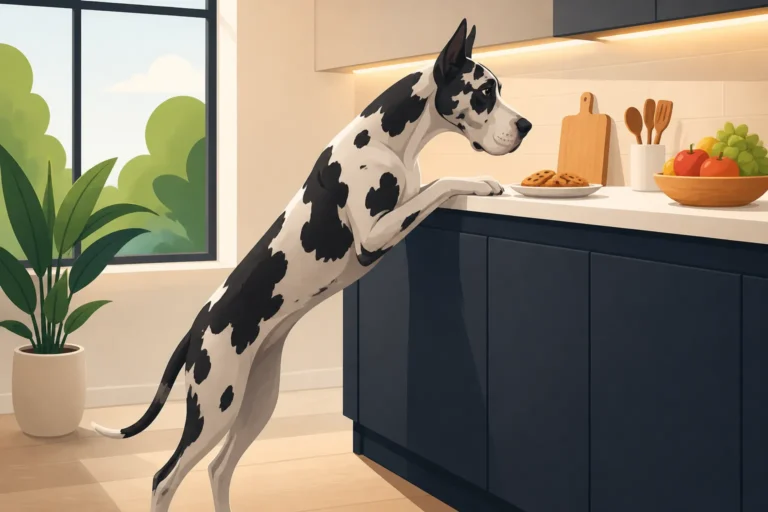
Beyond the main kitchen bin, don't forget smaller wastebaskets in bathrooms or offices. These are often made of light plastic and can be easily knocked over, or their contents sniffed out and scattered. Either remove these entirely, place them inside a secured cabinet, or invest in smaller, heavy-duty bins with secure lids. As for counters, the golden rule is: nothing on the counter. A Great Dane can reach incredible heights, so even items pushed far back can be fair game. It's a habit for us as humans to leave things out, but with a Dane, you truly need to practice a "clean counter" policy, storing all food items, even non-toxic ones, in secured pantries or cupboards. A Great Dane that takes dinner off the table can quickly become a routine if not addressed.
Training and Management: Teaching Your Dane Better Habits
Securing your home is a great first step, but it's equally important to address the underlying behavioral reasons for your Great Dane's mischief through consistent training and management. This isn't about punishment; it's about teaching them acceptable alternatives and meeting their needs.
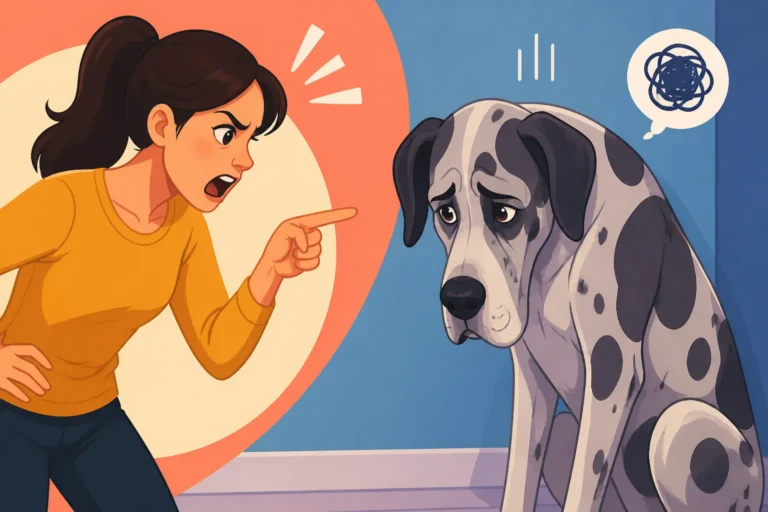
Great Danes are incredibly sensitive and respond much better to positive reinforcement than harsh corrections. They thrive on clear communication and consistent expectations. Remember, they aren't being "naughty" to spite you; they're acting on instinct or unmet needs. Our job is to guide them toward choices that keep them safe and your home intact. The manners a Great Dane needs before it grows are absolutely critical, as once they're full-sized, these behaviors are much harder to manage.
Foundation Training: Leave It and Stay
Two of the most powerful commands you can teach your Great Dane to combat door and bin raiding are "Leave It" and "Stay." "Leave It" is invaluable for preventing them from investigating forbidden items, whether it's a tempting scrap on the floor or a bin they're eyeing. Start teaching this command in a low-distraction environment with a less exciting item, gradually increasing the difficulty and value of the item, and always rewarding them for turning away.
"Stay" is crucial for keeping them out of areas while you're busy or to prevent them from bolting through a door. Practice "Stay" in various locations and for increasing durations. If your Great Dane is trying to follow you through a door, a strong "Stay" command can give you time to get through and secure the latch. Consistency is key here. Everyone in the household needs to use these commands reliably and reward appropriately. For comprehensive guidance on foundational training, you might look into online training programs that offer structured lessons, like those provided by BAXTER & Bella, which can be tailored to a giant breed.
Managing Boredom and Anxiety to Reduce Incidents
Often, a Great Dane's undesirable behaviors stem from boredom or anxiety. A dog that is physically and mentally stimulated is less likely to invent their own "fun" by opening doors or raiding bins. Ensure your Dane is getting adequate exercise for their age and health. While Exercise Limits While a Great Dane Is Still Growing are important, even adult Danes need good, consistent walks and playtime.
Mental stimulation is just as vital. Puzzle feeders a Great Dane cannot crush are excellent for making mealtime a challenging game rather than a quick gulp. You can stuff Kongs or other durable toys with treats or peanut butter to keep them engaged for extended periods. Consider rotating toys to keep things fresh. If your Great Dane is showing signs of distress when left alone, such as barking, howling, or destructive behavior beyond just opening doors, they might be experiencing separation anxiety. Building up a Great Dane's alone time gradually and creating a calm, safe space for them, perhaps with a designated dog bed or crate, can make a huge difference. A Great Dane that panics when left can truly wreak havoc and needs a thoughtful approach to management.
When Professional Help is Needed
Sometimes, despite your best efforts, the behavior persists or even escalates. This isn't a reflection of your failure as an owner; it simply means your Great Dane might need a little extra help to navigate their world. Identifying these moments is crucial for their well-being and your peace of mind.
It's easy to feel defeated when your giant dog continues to outwit your efforts. Don't let shame or frustration stop you from seeking external expertise. A professional can offer fresh eyes, specialized knowledge, and tailored strategies that you might not have considered, helping you and your Great Dane move forward more positively.
Identifying Escalating Behavior
If your Great Dane's door-opening or bin-raiding antics are accompanied by other concerning behaviors, it might be more than just simple mischief. Look for signs such as:
- Persistent destructive chewing on household items, especially when left alone.
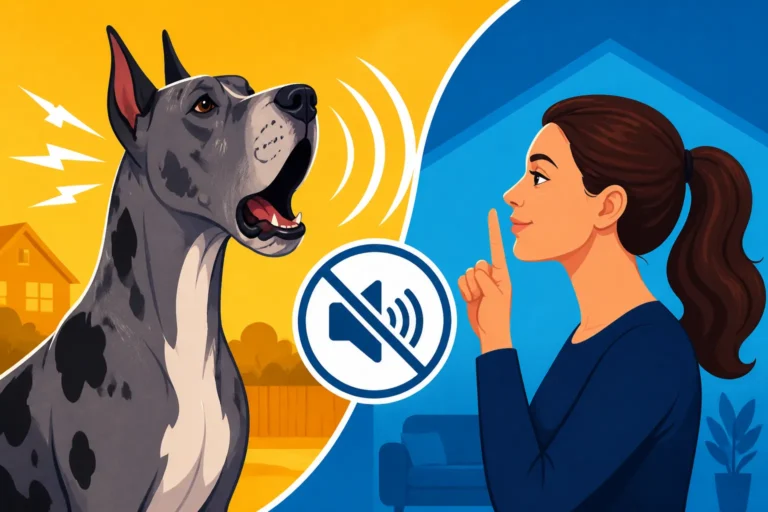
- Excessive vocalization (barking, howling) when separated from you.
- Pacing, panting, or drooling when you're preparing to leave or when they're confined.
- Self-harming behaviors, such as licking or chewing their paws excessively.
- Aggression or fear when attempts are made to stop them from these behaviors.
These can be indicators of deeper anxiety, boredom, or frustration that require a more comprehensive behavioral modification plan. If you're seeing several of these, it's time to reach out for professional assistance.
Consulting a Professional Trainer or Behaviorist
When you've tried all the environmental management and basic training techniques, and your Great Dane is still consistently outsmarting you, it's a clear signal to bring in the pros. A certified professional dog trainer or a veterinary behaviorist can help you understand the root cause of the behavior and develop a customized plan. They can observe your Great Dane's interactions and environmental cues that you might miss, offering insights into their motivation.
It's important to find a trainer who has experience with giant breeds and who uses positive, force-free training methods. Great Danes respond incredibly well to gentle guidance and clear communication, not intimidation. Look for certifications and positive reviews, and don't hesitate to interview a few candidates to ensure they're a good fit for your family and your Great Dane. Services like BAXTER & Bella can connect you with trainers or provide virtual support, or you can ask your veterinarian for a local referral. Finding a trainer comfortable with a Great Dane is essential, as their size presents unique challenges and considerations. They can help you address specific issues, refine your communication, and ensure both you and your gentle giant are living harmoniously.
Disclaimer
This article is for general informational purposes only and does not constitute professional advice. Laws, prices and regulations vary by location and change over time. Consult a qualified professional for guidance on your specific situation.