How Far a Six-Month-Old Great Dane Should Walk
Bringing home a Great Dane puppy is an absolute joy, but it also comes with a unique set of challenges and concerns that smaller dog owners rarely have to consider. One of the biggest worries for new Dane parents is often around exercise: how much is too much for these rapidly growing giants? It’s a common frustration, feeling like you want to give your energetic six-month-old pup plenty of activity, but constantly hearing warnings about their delicate joints. This guide will walk you through safe and appropriate exercise levels for your six-month-old Great Dane, helping you find that sweet spot between adequate activity and protecting their developing bodies.
The Delicate Dance of Great Dane Growth Plates: Why Less is More
It’s easy to look at your six-month-old Great Dane puppy, already a considerable size, and assume they can handle the same physical demands as an adult dog. This couldn't be further from the truth, and it's a mistake many well-meaning owners make, often with long-term consequences. Great Danes grow at an astonishing rate, sometimes gaining several pounds and inches a week, which puts immense stress on their developing skeletal system. Understanding this unique aspect of their growth is paramount to their future health.
Understanding Growth Plates and Their Vulnerability
At six months old, your Great Dane is still very much a puppy, even if they're already towering over many adult breeds. Their bones are not yet fully ossified; they have what are called "growth plates" at the ends of their long bones. These growth plates are essentially soft cartilage that gradually hardens into bone as the puppy matures. Think of them as the construction zones of their skeletal system, constantly adding new material to lengthen their bones.
The problem is, these growth plates are incredibly vulnerable to injury. Unlike mature bone, which is quite resilient, cartilage can be easily damaged by repetitive stress, impact, or sudden twists and turns. A seemingly harmless jump off a deck, a long run on pavement, or even roughhousing with another large dog can put undue strain on these soft areas. Once a growth plate is damaged, it can lead to abnormal bone development, potentially causing issues like Growth Disorders in a Great Dane Puppy or even permanent lameness. This is why controlled, measured exercise is so critical during this rapid growth phase.
The Long-Term Risks of Over-Exercising
The consequences of pushing a young Great Dane too hard aren't always immediately obvious. You might not see a limp right away, but the cumulative effect of stress on those growth plates can manifest later in life as painful conditions. Over-exercising can contribute to orthopedic problems such as hip and elbow dysplasia, osteochondritis dissecans (OCD), and other painful joint diseases that will significantly impact your Dane's quality of life and shorten their active years. We're talking about conditions that can lead to chronic pain, expensive surgeries, and a much earlier onset of arthritis.
Imagine your beautiful Dane struggling to get up from a comfortable bed by the time they are five or six years old, simply because their joints were compromised during their puppyhood. It's heartbreaking to consider, and it's why every Great Dane owner needs to be incredibly diligent about appropriate exercise. It’s not about depriving them of fun; it’s about safeguarding their future. We want our gentle giants to enjoy their The Seven to Ten Year Great Dane Lifespan with as much comfort and mobility as possible.
So, How Far Should They Walk? Realistic Expectations for a Six-Month-Old Dane
When you have a puppy that's already the size of a small pony, it's hard to reconcile their appearance with the need for limited exercise. But at six months, the priority remains protecting those still-developing joints. The good news is, there are general guidelines that can help you navigate this tricky period.
The "Five-Minute Rule" and What It Means for Giant Breeds
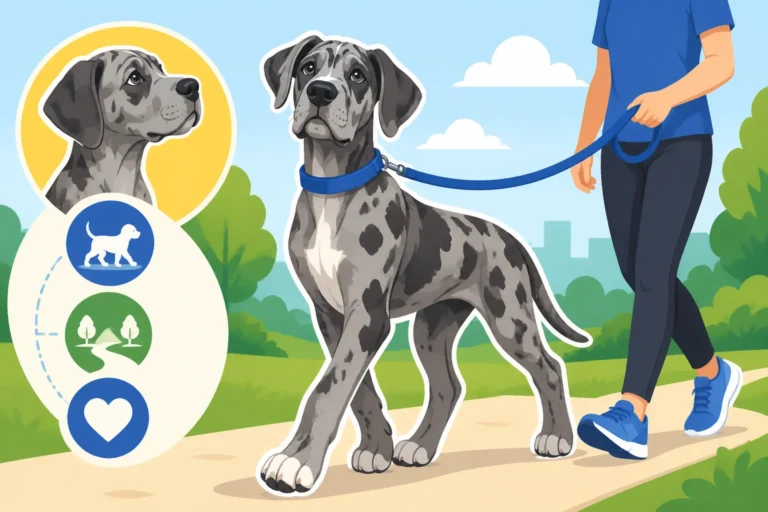
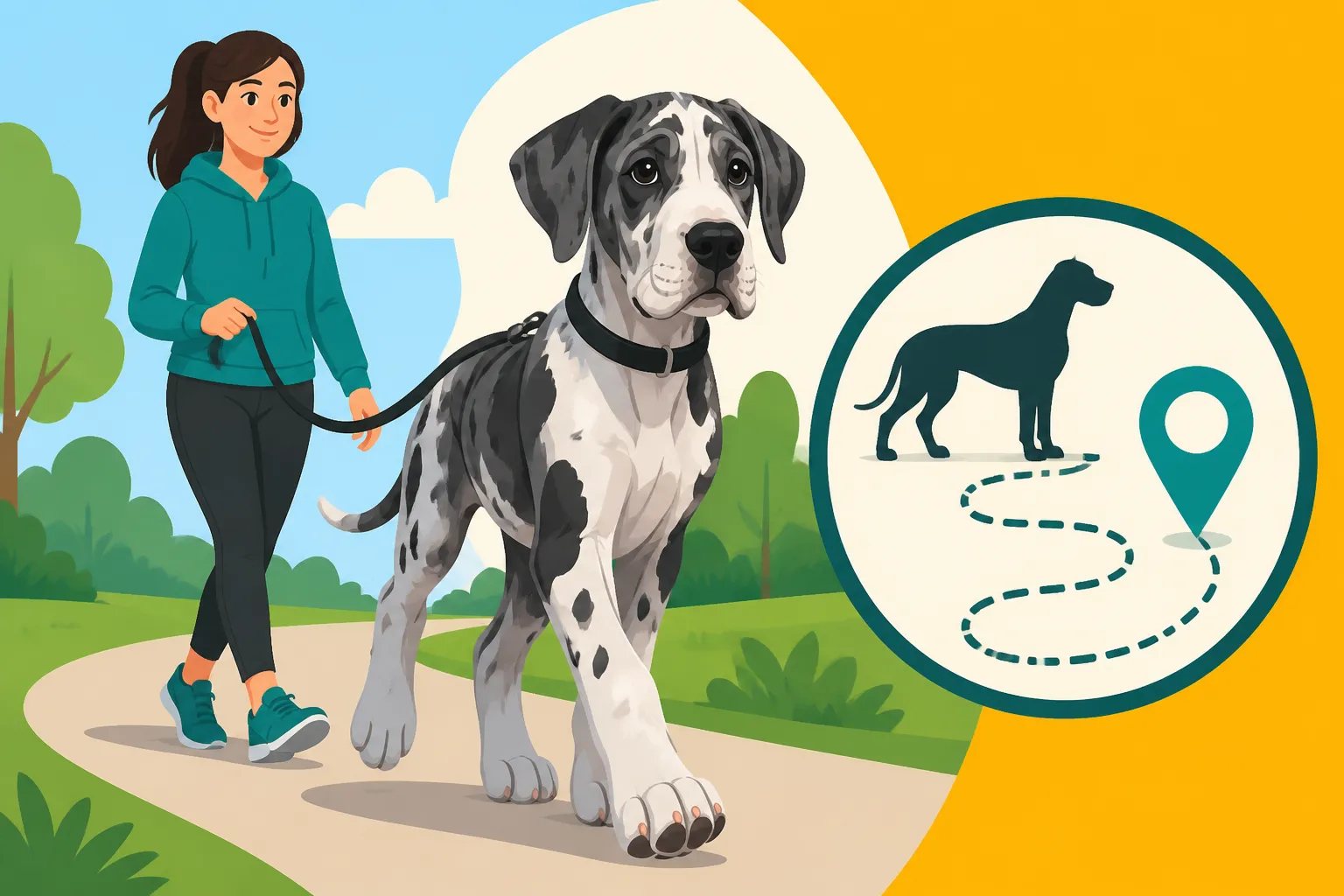
Many veterinarians and reputable breeders advocate for the "five-minute rule" for growing puppies. This rule suggests that a puppy should get five minutes of structured exercise per month of age, up to twice a day. So, for a six-month-old Great Dane, that would translate to roughly 30 minutes of leashed, controlled walking, once or twice a day.
Now, I know what you’re thinking: "Thirty minutes? My Dane can run laps around the yard for thirty minutes!" And you’re right, they absolutely can. But the key here is structured exercise. This means a calm, controlled walk on a leash on a relatively soft, even surface like grass or dirt trails, not high-impact running, jumping, or intense play sessions. How Far a Six-Month-Old Great Dane Should Walk is far less about distance and far more about duration and intensity. This approach helps build muscle and stamina without putting undue stress on their fragile growth plates. Think of it as a nice, leisurely stroll, not a marathon training session.
Structured Exercise Guidelines for a 6-Month-Old Great Dane
| Activity Type | Recommended Duration (Daily) | Intensity Level | Key Considerations |
|---|---|---|---|
| Leashed Walking | 30-60 minutes total | Low-Moderate | Divided into 1-2 sessions; avoid hard surfaces, hills. |
| Controlled Play | 15-20 minutes total | Low | Soft ground, no intense jumping/twisting; short bursts. |
| Mental Stimulation | Ongoing throughout the day | N/A | Puzzle toys, training sessions, sniff games. |
| Rest Periods | Crucial | N/A | Allow plenty of naps and downtime. |
Note: These are general guidelines. Always observe your individual puppy and consult your vet.
Monitoring for Signs of Fatigue or Discomfort
Every Great Dane is an individual, and while the five-minute rule is a great starting point, you also need to be a keen observer of your own puppy. Some Danes are naturally more energetic, while others are couch potatoes from day one. It's crucial to watch for subtle signs that your puppy is getting tired or experiencing discomfort.
Look for things like:
- Lagging behind on walks: If your pup starts pulling back or simply slowing down significantly, they're telling you they've had enough.
- Excessive panting: While some panting is normal, if it's prolonged and heavy, especially after light exercise, it's a sign of overexertion.
- Subtle limping or changes in gait: Even a slight favor of one leg, a stiff movement, or an uneven stride means it's time to stop and rest. Don't ignore these signs, hoping they'll "walk it off." They won't.
- Reluctance to play or engage: If your usually playful pup is suddenly uninterested, they might be sore or tired.
- Seeking a place to lie down: This is a clear indicator they need a break.
If you see any of these signs, cut the walk short immediately. It’s far better to err on the side of caution than to risk injuring those precious Great Dane Hips, Elbows and Growing Joints. Remember, their joints are still developing, and even seemingly minor issues can snowball into major problems later on.
Beyond the Leash: Enriching Your Young Dane's Life Safely
Just because long, strenuous walks are off the table doesn't mean your six-month-old Great Dane has to live a sedentary life. These intelligent and often goofy dogs still need plenty of physical and mental stimulation to be happy, well-adjusted companions. The trick is finding activities that are low-impact and safe for their growing bodies.
Controlled Play Sessions and Mental Games
Controlled play is your best friend during this stage. Instead of letting your pup zoom around the dog park for an hour, opt for shorter, supervised play sessions in your yard or a safe, enclosed area with soft footing. Think fetch on grass for 10-15 minutes, followed by a long rest. Avoid intense tug-of-war or any game that involves sharp turns, sudden stops, or high jumps. Playing with other dogs is wonderful for socialization, but choose playmates carefully. A rambunctious, heavier dog could inadvertently injure your Dane's joints during rough play. If you're concerned about how much active play is too much, remember that Whether a Great Dane Puppy Should Be Kept Lean is often more important for joint health than pushing them for endurance.
Mental stimulation is equally, if not more, important for a young Great Dane. These dogs are smart and thrive on having their brains engaged. Puzzle toys, like those you can find on Amazon, are fantastic for this. Fill them with a portion of their kibble, and let them work to get their meal. Scent games, where you hide treats around the house or yard and encourage them to find them, are also excellent for burning mental energy without physical strain. Obedience training sessions, even short ones (5-10 minutes, several times a day), are invaluable. Not only do they build a strong bond between you, but they also teach vital manners for a dog that will eventually outweigh you. Resources like BAXTER & Bella offer online programs that can guide you through positive reinforcement training from the comfort of your home, ensuring you build good habits without overdoing it physically. Teaching your pup cues like "settle" or "go to your bed" is also key to managing their energy.
Swimming and Other Low-Impact Activities
If you have access to a safe, clean body of water, swimming can be an excellent low-impact exercise for a Great Dane puppy, once they are old enough to be fully vaccinated and comfortable in water. The buoyancy of the water takes pressure off their joints while still providing a great cardiovascular and muscle-building workout. Always supervise them closely, and make sure the entry and exit points are safe and easy for a large dog. Start with short sessions and gradually increase the time as they build stamina.
Other low-impact activities include:
- Slow, structured walks on soft surfaces: As discussed with the five-minute rule.
- "Sniffari" walks: Instead of focusing on distance, let your pup lead and explore scents at their own pace. This is incredibly mentally stimulating.
- Gentle stretching: After a walk or play, you can gently stretch your Dane's legs, much like human athletes do, to maintain flexibility and improve circulation.
- Short walks in varied environments: A quick walk around a new neighborhood (on leash, always), or a trip to a quiet pet-friendly store can be very enriching due to all the new sights and smells, without requiring a long distance. Remember that Whether a Great Dane Puppy Should Use Stairs should also be limited during this crucial growth period, so avoid too many steps.
Tailoring Exercise to Your Individual Dane: Every Puppy is Unique
While general guidelines are helpful, remember that your Great Dane puppy is an individual. What works for one Dane might not be ideal for another. You are their advocate and the best person to assess their needs. It’s not just about their age; their temperament, build, and overall health play a huge role in determining their appropriate exercise regimen.
Recognizing Your Puppy's Energy Levels and Personality
Some Great Danes are naturally more laid-back, content to lounge by your side for hours, while others seem to have endless reserves of playful energy. Observe your puppy's natural inclinations. Do they seem constantly restless, or do they enjoy periods of quiet rest? An overly energetic pup might need more frequent, short bursts of activity, perhaps spread throughout the day, rather than one longer session. A more relaxed pup might be perfectly happy with fewer, shorter outings. It's about meeting their needs without overdoing it. A great training resource like BAXTER & Bella can also provide guidance on managing high-energy puppies through consistent training and clear boundaries. Don't forget that How Much Sleep a Great Dane Actually Needs is also considerable, so ensure they get ample downtime.
Also, consider their personality around other dogs. If your pup gets overly excited and prone to crashing into things or wrestling aggressively, perhaps solo walks and focused training are better for a while, especially if you can't guarantee appropriate playmates. Remember that The Manners a Great Dane Needs Before It Grows are vital, and controlled socialization is part of their exercise.
The Role of Nutrition and Health in Exercise Capacity
A well-fed Great Dane puppy, receiving a diet formulated specifically for large breed puppies, is crucial for healthy bone and muscle development. Overfeeding or feeding an inappropriate diet (especially one too high in calcium) can accelerate growth too quickly, putting even more strain on those vulnerable growth plates and leading to issues like Bone Development Problems in a Great Dane Puppy. Always follow your veterinarian's advice on nutrition and avoid the temptation to "super-size" their meals in an attempt to make them bigger, faster.
Regular veterinary check-ups are also non-negotiable. Your vet can monitor your Dane's growth curve, assess their joint health, and catch any potential issues early. They can provide personalized advice on exercise based on your puppy's specific health status and development. If your vet notices any signs of conditions like Hypertrophic Osteodystrophy in a Great Dane or other Growth Disorders in a Great Dane Puppy, their exercise recommendations might become even more conservative. Be honest with your vet about your puppy's activity levels; they are there to help you ensure your Great Dane grows into a healthy, robust adult.
Ultimately, being a Great Dane owner is a commitment to understanding their unique needs. It means embracing a slightly different approach to puppyhood, one that prioritizes slow, steady growth and protects their precious joints. By following these guidelines, being observant, and working with your vet, you can help ensure your six-month-old Great Dane puppy thrives and lives a long, comfortable life.
Disclaimer
This article is for general informational purposes only and does not constitute professional advice. Laws, prices and regulations vary by location and change over time. Consult a qualified professional for guidance on your specific situation.