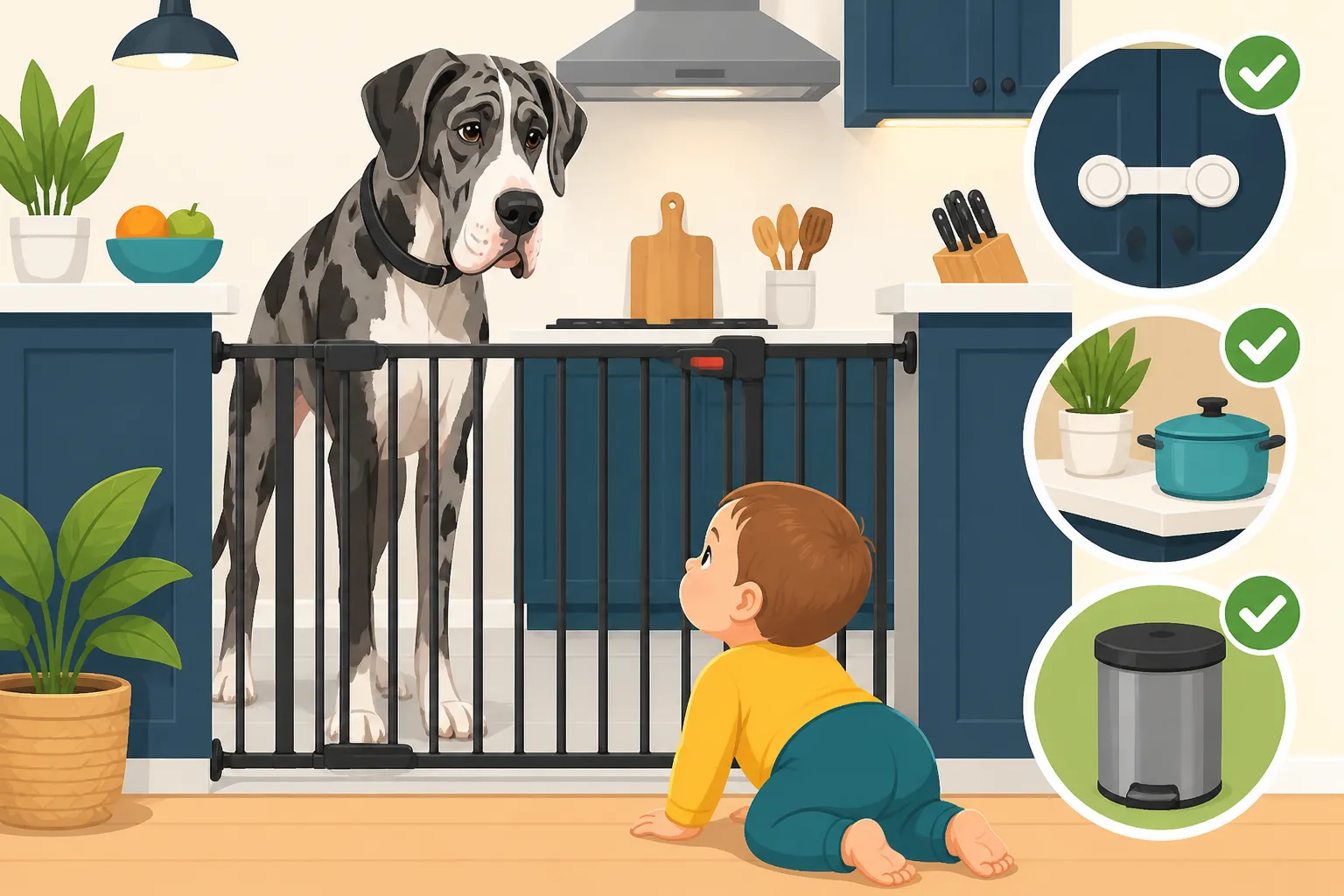
Baby-Proofing a Kitchen From a Great Dane
Bringing a magnificent Great Dane into your home is an incredible joy, but anyone who's lived with one knows that their sheer size introduces a whole new dimension to household management, especially when it comes to the kitchen. Forget typical baby-proofing; your average cabinet latch or plastic gate simply won't cut it. This guide is here to walk you through the realistic, often amusing, but always challenging task of truly "Great Dane-proofing" your kitchen, ensuring both your sanity and your dog's safety.
Understanding Why Your Great Dane Becomes a "Kitchen Monster"
Before we can effectively safeguard our kitchens, it's crucial to understand the motivations and physical capabilities that turn our beloved gentle giants into culinary commandos. It's not usually about malice; it's about instinct, opportunity, and their impressive stature.
The Natural Curiosity and Scavenging Instinct
Great Danes, like all dogs, are natural scavengers. Their powerful sense of smell makes your kitchen a wonderland of enticing aromas, from the lingering scent of last night's roast chicken to the forgotten crumbs under the toaster. This isn't just a modern dog trait; their ancestors were formidable hunters, bred to track and hold large prey. That primal drive to find and consume food is still very much alive within them, and your kitchen is often seen as a prime hunting ground for delicious discoveries.
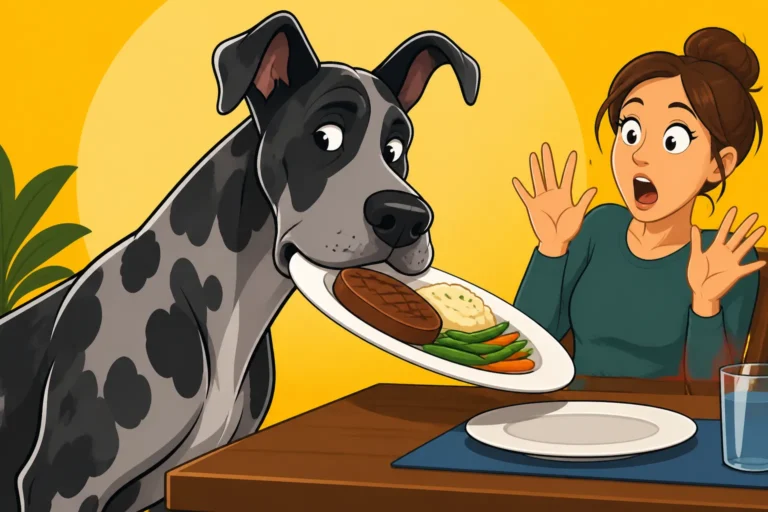
Imagine stepping away from the counter for just a moment to answer the door, only to return to an empty plate where your perfectly grilled steak once sat. To your Great Dane, that wasn't theft; it was a successful forage. They're not thinking about your dinner plans; they're responding to an innate drive that tells them, "Food is here, and it's mine for the taking." This makes even the most well-fed Dane susceptible to temptation when high-value items are within reach. It's a game of cat and mouse, or rather, Dane and human, where the Dane often has the advantage of a superior nose and an opportunist's mindset.
The Sheer Reach and Size Advantage
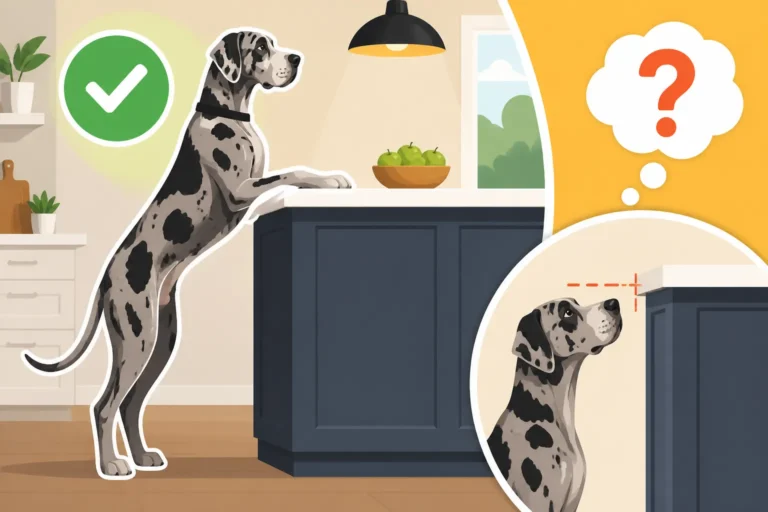
This is where Great Danes truly differentiate themselves from smaller breeds, and even from human toddlers. When we talk about "counter surfing" with a Dane, we're not talking about a little stretch. We're talking about a dog who can comfortably stand on all fours and have their nose, and often their whole head, above your standard kitchen counter. Many can even reach items on top of a kitchen island without a second thought. Their long legs and powerful build mean that what's out of reach for most dogs is perfectly accessible for them.
This incredible reach extends beyond just counters. Think about cabinet doors: a Great Dane can easily nudge open a loosely latched cupboard with their nose or paw. They might even figure out how to pull on a handle if it offers enough leverage. That kitchen garbage can that securely contains smells for a smaller dog? It's a mere toy for a determined Great Dane, easily toppled, investigated, and emptied. Even something like a refrigerator door or pantry door can become a target if there's an intriguing scent behind it and a handle to manipulate. This means that traditional child-proofing mechanisms, designed for much less force and ingenuity, are often completely inadequate.
Boredom and Attention-Seeking Behaviors
Sometimes, the kitchen antics aren't solely about food. A bored Great Dane, particularly a younger one or one not getting enough mental and physical stimulation, might turn to kitchen exploration as a form of entertainment. Tipping over the trash can might be a fun way to make noise and see what happens. Chewing on a cabinet corner could simply be an outlet for pent-up energy. If these behaviors inadvertently lead to attention from you – even negative attention, like a frustrated "No!" – it can actually reinforce the behavior because, to a dog, any attention is better than none.
Consider a scenario where you're busy cooking, and your Dane starts pawing at the pantry door. You might ignore it at first, but if the pawing escalates to whining or even a gentle nudge that causes a rattling, you might turn around and give them a stern look or a verbal correction. In their mind, they've successfully elicited a response from you, and they've learned that kitchen mischief gets your attention. Establishing clear boundaries and providing appropriate outlets for their energy, combined with consistent training, is key to preventing these types of exploratory or attention-seeking behaviors from becoming ingrained habits. A well-exercised Great Dane who has plenty of appropriate chew toys and mental challenges is often a calmer and less destructive kitchen companion.
Strategic Physical Barriers and Deterrents for a Giant Breed
Since a Great Dane's size and determination render many standard household safety measures useless, you need to think big, strong, and smart when it comes to physical barriers. This isn't just about inconvenience; it's about protecting your dog from potentially harmful substances and stopping them from accessing human food that could make them sick or even cause a life-threatening condition like bloat.
Reinforcing Cabinets and Pantry Doors
Traditional child safety locks, the kind that snap onto handles or use adhesive, are often laughably inadequate for a Great Dane. A strong nudge or a curious paw can easily bypass them. Instead, you'll need to look for heavy-duty solutions. Magnetic cabinet locks, often installed on the inside with a magnetic key to open them, are a much more robust option. These require more effort to install but provide a secure, invisible barrier.
For pantry doors, especially those that house tempting treats like dog food or human snacks, you might need something even sturdier. External latches, like barrel bolts or hook-and-eye latches, installed high enough that your Dane can't reach them even when standing on their hind legs, can be highly effective. Some owners have even resorted to using heavy-duty bungee cords wrapped around cabinet handles or securing pantry doors with small, sturdy clasps. Remember to also secure cabinets containing cleaning supplies, medications, or anything toxic that could be dangerous if ingested. A Great Dane can get into almost anything if they put their mind (and nose) to it, so don't underestimate their ability to sniff out and access forbidden items.
The Mighty Great Dane Gate Challenge
Let's be honest, most standard baby gates are a joke for a Great Dane. They'll either step over them, lean on them until they collapse, or simply plow through them with relative ease. If you're going to use gates to restrict kitchen access, you need to invest in ones designed for serious containment. Look for extra-tall gates, ideally at least 40-42 inches high, to prevent them from simply stepping over.
Hardware-mounted gates are almost always superior to pressure-mounted options for a large breed. Pressure-mounted gates rely on tension to stay in place, which a determined Great Dane can easily overcome. Hardware-mounted gates, on the other hand, are screwed directly into your doorframe or wall, providing a much more stable and secure barrier. Materials matter too; opt for sturdy metal gates or robust, solid wood designs over flimsy plastic. You can find a range of these more robust options on platforms like Amazon, but always check dimensions and mounting types carefully. The goal is a barrier that makes them choose not to try to get through, rather than one they can physically overcome. This will be a key piece of your strategy for Baby Gates a Great Dane Cannot Step Over.
Securing Trash Cans and Appliance Doors
The kitchen trash can is often a treasure trove for a Great Dane, filled with enticing smells and potentially dangerous discards. A standard open-top bin or even one with a simple lid is no match for their curiosity. Invest in a heavy, step-on trash can with a locking lid mechanism. Many models feature a paw-proof pedal and a lid that truly seals, preventing easy access. Placing the trash can inside a secured cabinet (as discussed above) is an even better solution if your kitchen layout allows for it.
Beyond the trash, don't forget other tempting appliances. Some clever Danes learn to open refrigerator doors, especially older models with less secure seals. If you have a particularly persistent food thief, consider installing a child-proof lock or strap designed for refrigerators. The same goes for dishwashers, which can hold tempting food scraps after a meal. Ensure the dishwasher is closed and latched properly, and consider starting a wash cycle promptly after loading to remove tempting residues. These seemingly small measures can make a huge difference in preventing opportunistic snacking and keeping your Dane safe from ingesting harmful items.
Training Your Great Dane for Kitchen Respect
While physical barriers are essential, they are only one part of the solution. The most effective "Great Dane-proofing" involves consistent training that teaches your dog appropriate behavior and respect for kitchen boundaries. This is where positive reinforcement and clear communication become your best friends.
"Leave It" and "Off" – Essential Commands
These two commands are absolute lifesavers in a Great Dane owner's toolkit, especially in the kitchen. "Leave It" teaches your dog to disengage from something tempting on the floor or a low surface, while "Off" is crucial for preventing them from putting paws on counters or jumping up on people. Start training these commands in a low-distraction environment, like a quiet room, with high-value treats.
For "Leave It," place a treat on the floor, cover it with your hand, and say "Leave It." When your dog looks away from the treat, immediately reward them with a different treat from your hand. Gradually increase the duration and distraction, eventually moving to leaving tempting items on the floor or counter in the kitchen. For "Off," practice by having them put their paws on a low stool or box, say "Off," and then reward them when all four paws are on the floor. Extend this to when they naturally try to lean on you or place paws on furniture. Consistency is key here; every family member must enforce these commands every time, or your Great Dane will quickly learn that rules are flexible. This foundational training ties into The Manners a Great Dane Needs Before It Grows.
Establishing a "Place" or "Stay" Command
Teaching your Great Dane to go to a designated "place" – like their dog bed or a mat – and stay there until released is invaluable for kitchen management. This allows you to cook, clean, or entertain guests without your giant dog underfoot, creating a safer and less stressful environment for everyone. Start by teaching them to go to their bed on command, rewarding them heavily for settling.
Once they understand "place," begin adding duration and distance. Ask them to "place" while you move around the room, rewarding them frequently for staying. Slowly introduce kitchen distractions: start by simply standing in the kitchen while they are on their place, then chopping vegetables, then cooking a simple meal. If they break their "stay," gently guide them back to their spot and restart. The BAXTER & Bella online puppy training program, for instance, offers detailed modules on teaching these essential commands, which can be incredibly helpful for Great Dane owners looking for structured guidance. Rewarding calm, settled behavior in their designated spot teaches them that good things happen when they respect boundaries.
Managing Counter Surfing Behavior
Counter surfing is a common, and often frustrating, behavior with Great Danes, given their height. The absolute best way to manage it is through prevention. Never, ever leave food or tempting items unattended on counters, even for a second. If you step away, even briefly, clear the counter first. This removes the opportunity for them to practice the undesirable behavior.
When you catch your Great Dane in the act of counter surfing, the key is to interrupt the behavior without making it a game or giving them attention for it. A sharp, startling noise (like dropping a metal pan, not near them, but enough to make a loud sound) can sometimes be effective at breaking their focus. Immediately follow with a "Leave It" command if they've grabbed something, or an "Off" command if they're still reaching. Then, redirect them to a more appropriate activity, like a puzzle toy or a chew in their "place." Avoid chasing them or engaging in a tug-of-war over stolen food, as this can be reinforcing. Remember, the goal is to teach them that counters are not rewarding and that their attention is better spent elsewhere. A consistent approach to Teaching a Great Dane to Stay Out of the Kitchen will make a huge difference.
Lifestyle Adjustments to Minimize Kitchen Temptations
Training and physical barriers are critical, but a truly Great Dane-proofed kitchen also relies on smart daily habits and a proactive approach to managing their environment. It's about thinking ahead and understanding your Dane's perspective.
Smart Food Storage and Placement
With a Great Dane in the house, nothing that is food (or could smell like food) should ever be left within reach. This means clearing counters completely after every meal and during food preparation. Don't rely on placing things "just a little further back" on the counter; a determined Dane can often still reach it, or knock it off trying. Airtight containers are your best friend, not just for keeping food fresh, but for containing tempting odors that might draw your Dane in.
Consider investing in high shelves or dedicated, locked pantries for any items that are particularly appealing or hazardous. Remember that a Great Dane's nose is incredibly sensitive, so even seemingly innocuous items like used coffee filters, dish towels with food smells, or empty packaging can be enticing. Teach everyone in the household, including guests, about your strict "no food on counters" policy. It might feel overly cautious at first, but it dramatically reduces the opportunities for your Dane to practice bad habits and helps keep them safe. Don't forget that A Great Dane That Reaches the Kitchen Counter can easily access items on a standard island.
Consistent Feeding Schedules and Adequate Exercise
A Great Dane who is hungry or under-stimulated is far more likely to seek out forbidden snacks in the kitchen. Establishing a consistent feeding schedule and ensuring they receive appropriate meals for their size and activity level can help reduce their motivation to scavenge. If they're regularly fed, they're less likely to feel deprived and more likely to leave your chicken dinner alone.
Equally important is providing adequate physical and mental exercise. A bored Great Dane is often a destructive or mischievous Great Dane. Daily walks, playtime in the yard, puzzle toys, and even short training sessions can help burn off excess energy and provide mental stimulation. Remember that growing Great Danes have specific exercise needs to protect their developing joints, so avoid forced, high-impact activities. However, controlled walks and appropriate play can go a long way in creating a tired, content dog who is less interested in raiding the pantry. Regular, appropriate exercise, as discussed in Wearing Out a Great Dane Without Wrecking Its Joints, contributes significantly to good behavior.
Supervising Kitchen Access and Routines
Especially when you're first implementing your Great Dane-proofing strategy, close supervision in the kitchen is paramount. Don't allow your dog free-roam access to the kitchen when you're not actively present to enforce rules and redirect behavior. This might mean using a gate while you're busy cooking or asking them to go to their "place" during meal preparation and dining.
Establishing clear routines helps your Great Dane understand expectations. For example, always feeding them in a specific spot, away from where human meals are prepared or eaten, reinforces boundaries. If you routinely give them a puzzle toy or a long-lasting chew just before you start cooking dinner, they'll learn to associate your kitchen time with their own enjoyable activity, rather than an opportunity for mischief. Using training treats found on Amazon, for example, can be a great way to reward these positive associations. Over time, with consistent training and management, your Great Dane will learn to respect the kitchen as your domain, turning it into a harmonious part of your home instead of a battleground.
| Kitchen Item | Standard "Baby Proofing" Solution | Great Dane-Proofing Solution (Level of Effort) |
|---|---|---|
| Cabinets/Drawers | Plastic clip latches, adhesive locks | Internal magnetic locks, external barrel bolts (High) |
| Pantry Door | Handle cover, simple hook-and-eye | Sturdy deadbolt/latch, bungee cord, gate (High) |
| Trash Can | Basic lid, light step-on | Heavy, locking-lid can, cabinet-integrated (Medium) |
| Gates | Standard height (24-30"), pressure-mounted | Extra-tall (40"+), hardware-mounted (High) |
| Countertops | Move small items back a few inches | Clear all food/tempting items completely (Daily habit) |
| Refrigerator | No special lock | Child-proof strap/lock if necessary (Low-Medium) |
| Food Scraps | Left briefly on plates, in sink | Scrape plates immediately, rinse sink (Consistent) |
Disclaimer
This article is for general informational purposes only and does not constitute professional advice. Laws, prices and regulations vary by location and change over time. Consult a qualified professional for guidance on your specific situation.