A Great Dane That Sounds Off at Every Dog
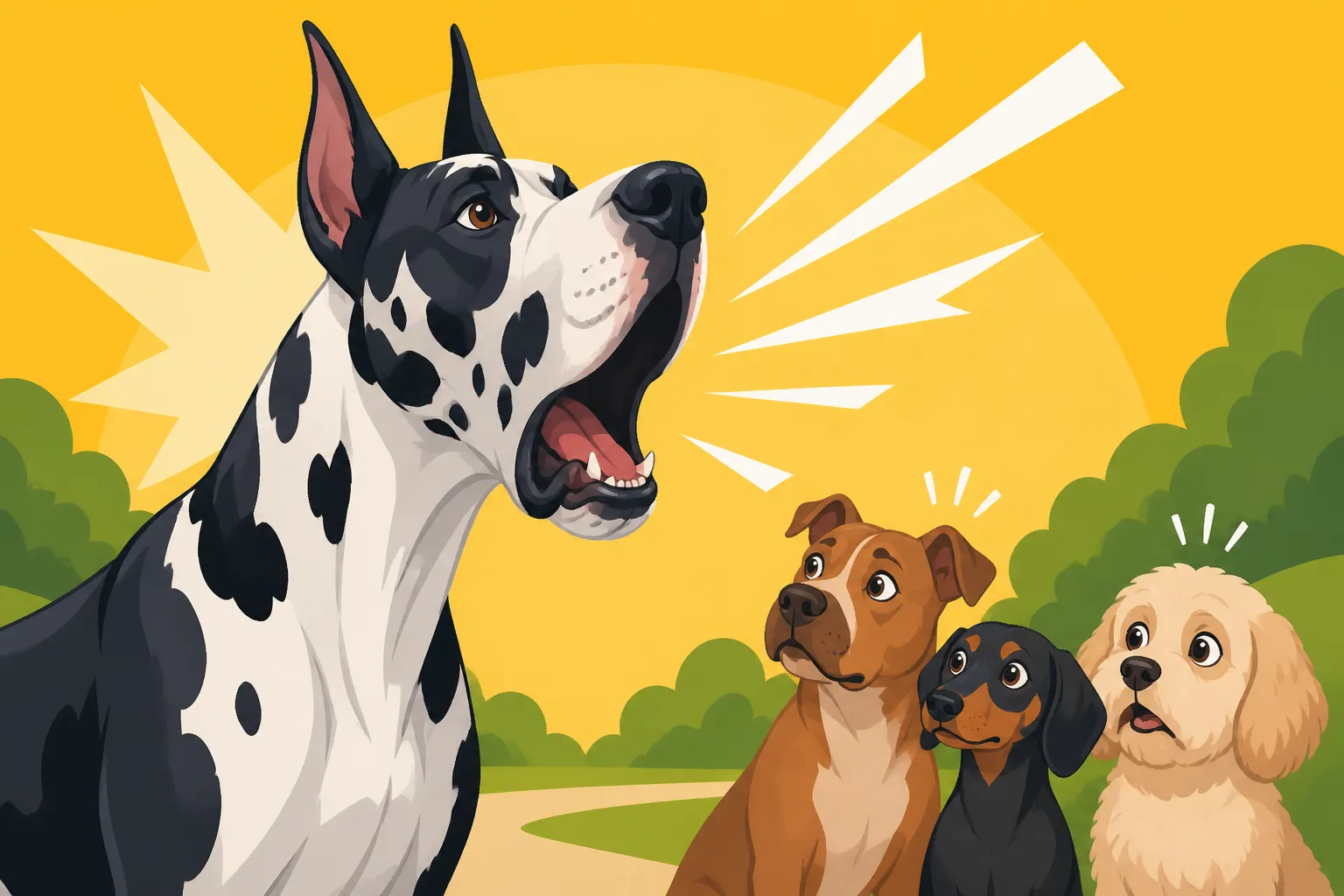
It’s a scenario many Great Dane owners know all too well: you’re out for a peaceful walk, enjoying the majestic presence of your gentle giant, when suddenly, another dog appears in the distance. What often follows is an explosion of barking, lunging, and pulling that leaves you red-faced and frustrated, wondering why your usually calm companion turns into a roaring beast. This comprehensive guide will delve into the root causes of why your Great Dane might sound off at every dog and provide practical, empathetic strategies to help you manage and ultimately reduce this challenging behavior.
Understanding Why Your Great Dane Barks at Other Dogs
When your magnificent Great Dane erupts in barks and lunges at the sight of another dog, it can feel like a personal failure or a sudden transformation into a completely different animal. But this behavior rarely comes out of nowhere, and it's almost always rooted in a deeper emotional state. Understanding these underlying reasons is the first, crucial step toward helping your dog. It's not about being "bad"; it's about being overwhelmed.
The Instinctual Roots of Reactivity
Great Danes, like all dogs, possess a range of natural instincts that can be amplified by their size and sensitivity. While they are often called "gentle giants," they still have prey drives, territorial instincts, and an innate need to communicate. Sometimes, what we perceive as aggression is actually a dog trying to create distance or express discomfort. For a large dog, that expression can be quite dramatic. Imagine a small dog barking; it's startling. Now imagine a Great Dane doing the same – the sheer volume and physical presence can be intimidating to others, and often, to their human companions. It's their way of saying, "Hey! I see you, and I need you to know I'm here!" or "Please, stay away!" without realizing the impact their size has. This isn't just a volume issue; it's a profound communication challenge where their intention might be misinterpreted due to their imposing stature.
The Role of Fear and Insecurity
It might seem counterintuitive that a dog as large and powerful as a Great Dane could be afraid, but fear is a huge driver of reactive behavior. A Great Dane who barks and lunges might actually be deeply insecure or fearful of other dogs. Perhaps they had a negative experience as a puppy, were inadequately socialized, or simply don't understand how to interact appropriately. Their size can become a barrier, making other dogs wary, which in turn can reinforce their fear or uncertainty. When faced with something they perceive as a threat or simply don't understand, their instinct is often to make a big, loud display to make the scary thing go away. Think of it as a defensive mechanism: "I'll scare you before you can scare me." It's a sad truth that sometimes the biggest dogs are the most sensitive. They might lack the confidence to calmly assess a situation, especially if they've had limited positive exposure to a wide variety of dogs and environments during their formative weeks and months. This is why early, positive Socializing a Great Dane Puppy Early is so vital.
Frustration, Excitement, and Over-Stimulation
Beyond fear, reactivity can also stem from sheer frustration or over-the-top excitement. Some Great Danes are just too eager to greet other dogs, and when they're on a leash, that eagerness builds into an unbearable tension because they can't get to what they want. They might pull and bark out of pure desire to play, but because they're restrained, that desire boils over into a frustrated outburst. Imagine wanting something so badly you can taste it, but an invisible barrier holds you back – that's often what a leash feels like to an over-excited Great Dane. They might not be aggressive, but their sheer enthusiasm, when bottled up, manifests as what looks like aggressive lunging. Conversely, some Danes become completely over-stimulated by their environment, and the appearance of another dog is simply the straw that breaks the camel's back. All the sights, sounds, and smells of a busy park can be too much, leading to an inability to process calmly, and the barking becomes a release of that pent-up sensory overload.
Assessing the Type and Severity of Reactivity
Once you understand why your Great Dane might be reacting, the next step is to accurately assess the specific triggers and the intensity of their response. This isn't just about identifying the bark; it's about understanding the entire communication happening from your dog's perspective. It’s a bit like learning a new language, where every twitch, tension, and sound tells a story.
Decoding Body Language Cues
A Great Dane’s body language speaks volumes, often long before the first bark escapes. Are their ears pinned back or forward? Is their tail tucked low or stiffly held? What about the hackles on their back? Observe their eyes – are they darting, wide, or intensely fixed? A dog preparing to react out of fear might show signs like a lowered head, tucked tail, lip licking, yawning, or an averted gaze before escalating to barking and lunging. They might be trying to make themselves look smaller or display appeasement signals. Conversely, a frustrated or overly excited Dane might have a stiff body, ears forward, tail high and rapidly wagging (but not loosely), and an intense stare, indicating a high level of arousal. Understanding these subtle cues is paramount. If you can catch these early signals, you can intervene before your dog goes over their threshold, making management much more effective. Pay attention to how their posture changes, their muscle tension, and the direction of their gaze. It's often a rapid sequence of events, but with practice, you'll start to see the early indicators.
The Spectrum from Mild Alertness to Full-Blown Meltdown
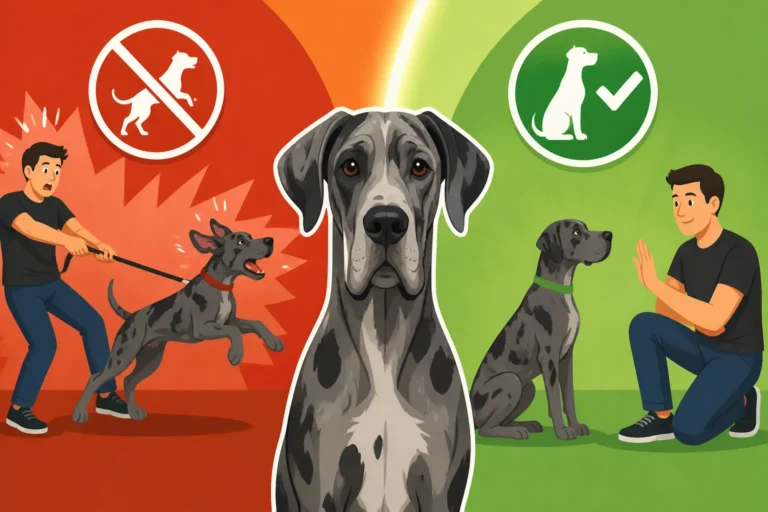
Reactivity isn't a single condition; it exists on a spectrum. On one end, you might have a Great Dane that merely stiffens slightly, lets out a low growl, or gives a single "woof" when a distant dog catches their eye. This is mild alertness, a warning signal that's easier to redirect. On the other end, you have the full-blown meltdown: incessant, deafening barking, pulling with all their might, lunging, snarling, and possibly even jumping. This extreme reaction means your dog is entirely over their threshold and is no longer capable of rational thought or listening to your cues. The goal of training is often to keep your dog below their threshold, ideally in that mild alertness zone where they can still hear you and make good choices. Knowing where your dog falls on this spectrum for different triggers (e.g., small yappy dogs versus calm Retrievers) helps you tailor your approach. A Great Dane might show different levels of reactivity to a tiny Chihuahua on a flexi-leash versus a stoic German Shepherd walking calmly by.
When Professional Help Becomes Essential
While much can be done by a dedicated owner, there are times when professional help isn't just beneficial, it's essential. If your Great Dane's reactivity is severe – involving aggression towards other dogs, a complete inability to be redirected, or a response that causes physical injury to you due to their sheer strength – then it's time to call in a certified professional dog trainer or a veterinary behaviorist. They can help diagnose the underlying cause more accurately, rule out medical issues contributing to the behavior, and create a tailored behavior modification plan. Trying to tackle severe reactivity on your own can sometimes inadvertently worsen the problem, especially with a dog of this size. A professional can provide guidance on tools like specialized harnesses, such as those you might find on Amazon, and techniques for safely managing a large, strong dog. They can also provide support when you feel overwhelmed, which is a very common and understandable feeling when Handling a Great Dane That Outweighs You. Don't feel ashamed; seeking help is a sign of responsible pet ownership.
Strategies for Managing On-Leash Reactivity
Managing a reactive Great Dane on walks can feel like a constant battle, but with the right strategies and a whole lot of patience, you can make significant progress. It's about proactive management and consistent training, not just reacting to their reactions. Remember, your Great Dane is trying to communicate, and it's our job to teach them a better way.
Equipment Choices for Control and Safety
The right equipment can make a world of difference when walking a reactive Great Dane. A flat collar, while fine for a calm dog, offers little control when your Dane decides to lunge, often causing them to choke themselves and making the experience even more unpleasant. Many owners find success with a front-clip harness, which redirects a pulling dog by turning them to the side rather than allowing them to surge forward. Brands like Gentle Leader (a head halter) can also provide excellent control by guiding the dog's head, which in turn influences the body. It’s essential to find something robust enough for a dog of their size, and many options are readily available on Amazon. Beyond the harness, consider a sturdy, non-retractable leash – preferably six feet long – that allows for slack but gives you immediate control. A comfortable handle for you is also key, as you'll be holding it firmly. And don't forget a treat pouch filled with high-value rewards to reinforce good behavior!
| Equipment Type | Description | Pros | Cons |
|---|---|---|---|
| Flat Collar | Standard neck collar, attaches to leash. | Simple, common. | Minimal control for strong pullers, can cause choking or neck injury. |
| Front-Clip Harness | Straps around chest and girth, leash clips at the chest. | Redirects pulling by turning dog, gentle on neck, generally comfortable. | Some dogs may still pull, can be tricky to fit correctly on deep-chested Danes. |
| Head Halter (e.g., Gentle Leader) | Loops over muzzle and behind ears, leash clips under chin. | Excellent control, gently guides head which controls direction of movement, prevents lunging. | Requires acclimation, some dogs dislike the muzzle pressure, can be mistaken for a muzzle. |
| Back-Clip Harness | Straps around chest and girth, leash clips at the back. | Comfortable, good for dogs with no pulling issues or when seeking minimal control. | Can encourage pulling, provides less control for reactive lunging, might not prevent choking if pulling. |
| Sturdy Fixed Leash | Non-retractable leash, ideally 6 feet long, made of strong material. | Reliable, predictable length, good for communication and consistent control. | Can get tangled, requires proper handling technique. |
Note: Always introduce new equipment slowly and positively, using treats to create a good association.
Creating a Positive Reinforcement Environment
The cornerstone of managing reactivity is positive reinforcement. You want your Great Dane to associate other dogs with good things, not stress or fear. This means when another dog appears (at a distance where your Dane is still calm), you immediately start rewarding them with their absolute favorite treats or a special toy. The goal is to change their emotional response from "Oh no, a dog!" to "Yay, a dog! That means treats!" This technique, called classical counter-conditioning, works by changing the emotional association. You're not waiting for them to bark; you're rewarding them for not barking and for simply noticing the other dog calmly. The key is distance: start far enough away that your Dane barely registers the other dog, or can see them without reacting. This threshold distance is crucial. As they get better, you can gradually decrease the distance. For more structured online guidance, consider programs like BAXTER & Bella that offer modules on behavior modification and positive training techniques, which can be immensely helpful in breaking down complex behaviors into manageable steps. The consistency of positive reinforcement is vital; every time they see another dog and don't react, that's a moment to celebrate with a delicious reward.
Practical Training Techniques and Exercises
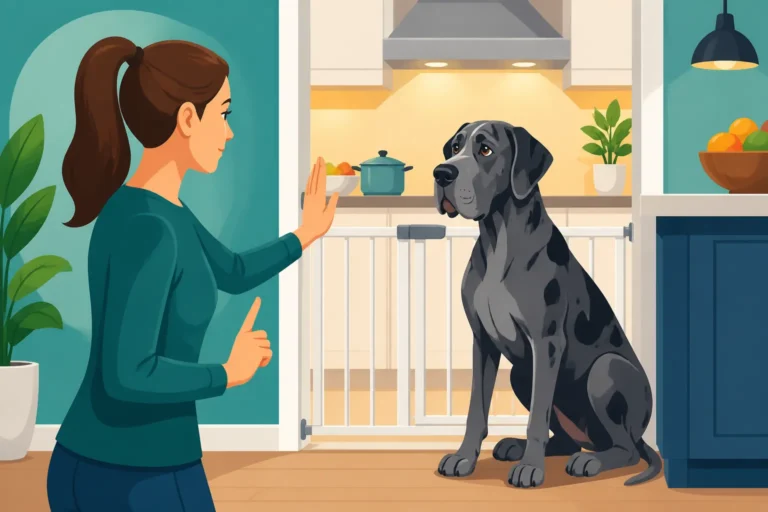
Beyond just rewarding calm, specific exercises can help. The "Look at That" (LAT) game teaches your dog to look at a trigger (another dog) and then immediately look back at you for a reward. This breaks the intense stare that often precedes a reaction. Another technique is "U-turns" or "about-faces": the moment you see a trigger approaching, before your Dane reacts, simply turn and walk in the opposite direction, rewarding them for following you calmly. This changes their focus and creates distance. Getting a Great Dane to Walk on a Loose Leash is also fundamental, as a tight leash often escalates tension. Practice engagement exercises in low-distraction environments, like focusing on you for treats or praise, so that when you're in a more challenging situation, your Great Dane is more likely to choose to engage with you rather than the other dog. Remember, consistency is key, and every successful calm encounter builds confidence for both you and your Dane.
Long-Term Management and Lifestyle Adjustments
Dealing with a Great Dane that barks at every dog isn't a quick fix; it's a marathon, not a sprint. Long-term success relies on a holistic approach that includes ongoing training, thoughtful environmental management, and a deep understanding of your dog's individual needs. This journey requires immense dedication, but the bond you build with your dog through it is invaluable.
Building Confidence and Positive Associations
At the heart of reducing reactivity is building your Great Dane's confidence, not just in their interactions with other dogs, but in navigating the world calmly. This means continuing exposure to various environments and dogs, always at a distance where they can succeed. Instead of avoiding other dogs entirely, seek out controlled situations. Perhaps a trusted friend with a very calm, well-socialized dog can help with parallel walks, where your dogs walk side-by-side at a comfortable distance without direct interaction. The goal is passive exposure: they see the other dog, remain calm, and receive rewards. These positive, low-pressure experiences slowly chip away at fear or frustration, replacing them with neutrality or even positive anticipation. For Great Danes who might be nervous, encouraging Building Confidence in a Nervous Great Dane through obedience training, puzzle toys, and consistent routines can make a huge difference in their overall resilience. The more confident they feel in general, the less likely they are to resort to reactive displays.
Managing the Environment to Set Your Dane Up for Success
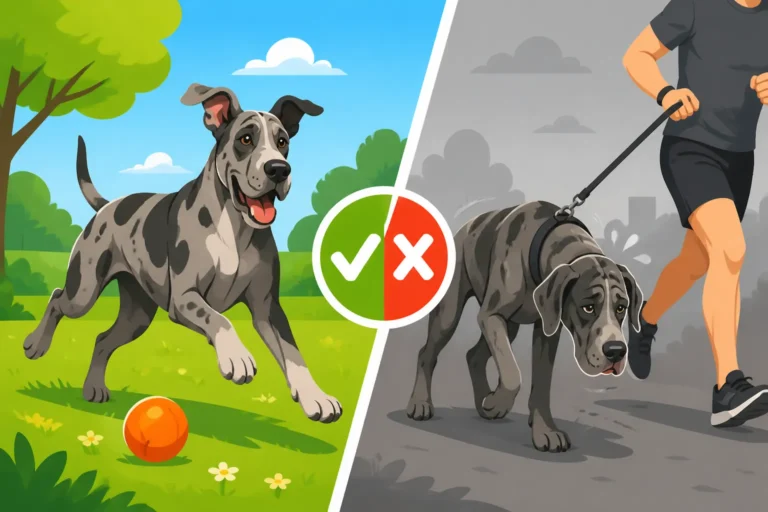
You can't control every dog you encounter on a walk, but you can control your environment to minimize triggers. This means choosing quieter walking routes during off-peak hours, avoiding dog parks if that's a major trigger, or even driving to less populated areas for walks. If you know a specific corner or street always has a loose dog or a particularly vocal neighbor's pet, adjust your route. Management isn't giving up on training; it's strategically reducing opportunities for reactive outbursts so that training can be more effective. For example, if you're taking your Dane to a new place, survey it first. If you spot a lot of dogs, maybe choose a different path or keep a wider berth. It’s also about what happens inside the home. If your Great Dane barks excessively at dogs seen through windows, managing access to those windows or using privacy film can reduce constant exposure to triggers. This proactive approach sets both you and your Great Dane up for more successful, less stressful outings.
The Importance of Consistency and Patience
This is perhaps the hardest, yet most critical, aspect of managing reactivity. Progress is rarely linear. You'll have good days where your Great Dane walks like a dream, and then you'll have days where it feels like you're back at square one. Don't get discouraged! Every Great Dane is an individual, and Why a Great Dane Ages Faster Than Smaller Dogs means their learning curve and emotional development might also have unique patterns. Consistency across all family members is vital – everyone needs to use the same commands, equipment, and reward system. Patience is your most powerful tool. It took time for your Great Dane to develop this behavior, and it will take time to change it. Celebrate small victories, re-evaluate when things aren't working, and don't be afraid to revisit past steps. Remember that you are your Great Dane's advocate and teacher. With dedication, understanding, and unwavering support, you can help your majestic companion learn to navigate the world with greater calm and confidence, making those walks a joy for both of you.
Disclaimer
This article is for general informational purposes only and does not constitute professional advice. Laws, prices and regulations vary by location and change over time. Consult a qualified professional for guidance on your specific situation.