Building Up a Great Dane’s Alone Time
It's a familiar scenario for many Great Dane owners: you walk out the door for just a few minutes, only to return to a symphony of howling, a chewed-up sofa, or perhaps even an "accident" on the floor. The heartbreak of knowing your gentle giant is in distress, combined with the frustration of damaged property or complaints from neighbors, can be truly overwhelming. This guide is here to walk you through the compassionate and effective steps you can take to gradually build your Great Dane's confidence and comfort when they're left alone, turning stressful departures into peaceful solitude.
Understanding Why Alone Time Can Be So Hard for Great Danes
It's easy to mistakenly believe your Great Dane is "acting out" or being defiant when they struggle with being left alone. However, for a breed as deeply bonded and sensitive as the Great Dane, struggling with alone time often stems from genuine distress, not spite. Their innate desire to be near their people, coupled with their sheer size, means any anxiety they feel can manifest in ways that are hard to ignore and even harder to manage.
The Difference Between Separation Anxiety and Isolation Distress
Before you can tackle the problem, it's crucial to understand what you're truly dealing with. Not all struggles with alone time are the same, and the approach you take will vary depending on the underlying issue.
- Separation Anxiety: This is often the more severe condition. A Great Dane with true separation anxiety is usually panicking because they've formed an excessive attachment to one or more people, and their distress is triggered specifically by the absence of that particular person or people. Symptoms can include destructive chewing (especially around exit points like doors or windows), incessant barking or howling, inappropriate urination or defecation, drooling, pacing, and even self-harm, all occurring only when left alone. The dog isn't just bored; they're genuinely terrified. It's an emotional crisis, not a behavioral choice. For a Great Dane, their large size means these destructive behaviors can cause significant damage in a very short amount of time. You might return to find door frames splintered or crate bars bent.
- Isolation Distress: This is a milder, but still problematic, form of anxiety where the Great Dane simply dislikes being alone, regardless of who is absent. They might prefer any human presence to none at all. Their symptoms might be similar to separation anxiety but often less intense and less focused on escape attempts. They might whine, bark, or chew items that smell like you (like a blanket or pillow) but not necessarily destroy exit points. They might just be lonely or bored, rather than experiencing extreme panic. Understanding this distinction is vital, as milder cases of isolation distress can sometimes be managed with enrichment and gradual acclimation, while true separation anxiety often requires more intensive intervention.
It's important to be honest with yourself about the severity of your dog's distress. If you suspect your Great Dane is experiencing full-blown separation anxiety, know that this is a common and treatable condition, but it typically requires a more structured, systematic approach and sometimes even professional guidance.
Common Triggers and Root Causes
Great Danes are often called "Velcro dogs" for a reason; they adore human companionship. This intense bond can, unfortunately, make them more susceptible to developing anxiety when left alone.
- Breed Predisposition: While not all Great Danes will develop alone-time issues, their inherent desire for companionship and close proximity to their family makes them naturally inclined to dislike solitude. They're not a breed content to be left in a kennel run for long stretches.
- Lack of Early Training: Puppies that aren't gradually accustomed to short periods of alone time can grow into adults who are completely dependent on constant human presence. Skipping crucial steps like Crate Training a Great Dane That Fills the Room or teaching a "place" command can leave a significant gap in their emotional resilience. A Great Dane puppy that is always with someone, sleeping in bed, or never crated can become an adult who struggles immensely when that routine changes.
- Sudden Changes in Routine: A major life event like a move, a change in work schedule, the loss of a family member (human or pet), or even a new baby can disrupt a Great Dane's sense of security and trigger anxiety when left alone. They thrive on predictability, and sudden shifts can be deeply unsettling.
- Traumatic Experiences: Some Great Danes from rescue situations may have a history of being abandoned or spending long periods alone, leading to profound fear when they find themselves in similar circumstances again. Even a single scary event while alone, like a loud thunderstorm or a break-in, can create a lasting negative association with solitude.
Laying the Foundation: Setting Your Great Dane Up for Success
You can't expect a skyscraper of alone-time confidence to stand without a solid foundation. This means starting early, building positive associations, and ensuring your Great Dane has the right skills and environment to feel secure.
The Importance of Crate Training from Puppyhood
For a Great Dane, a crate isn't a punishment; it's a safe den. When introduced correctly from puppyhood, a crate can become a comforting, secure space where your dog feels safe even when you're not around. This is especially true for Great Danes, who can be prone to destructive behaviors when anxious due to their sheer size and strength. A well-fitted, sturdy crate prevents your dog from harming themselves or your home and can actually reduce anxiety by providing a predictable, confined space.
Start small, making the crate a positive place with treats, favorite toys, and comfortable bedding. Feed meals inside the crate, and never use it for punishment. Gradually increase the time your puppy spends in the crate while you're nearby, then in another room, and finally when you leave the house for very short periods. This gradual exposure helps them associate the crate with calm solitude, not abandonment. This early training is paramount, as retraining an adult Great Dane to love their crate can be a much bigger undertaking. Think about it: a small puppy can be eased into a tiny crate; a fully grown Dane requires a truly enormous space that takes up a lot of room!
Establishing a Predictable Routine and Independent Play
Great Danes thrive on routine. A predictable schedule for feeding, potty breaks, exercise, and play can dramatically reduce anxiety because they know what to expect. Knowing when you're likely to leave and return, and that their needs will be met, provides a sense of security.
Beyond routine, fostering independent play is critical. Many Great Danes become so accustomed to interacting with their humans that they never learn to entertain themselves. Provide them with engaging, durable toys, especially puzzle toys that dispense treats, that they can enjoy without your direct involvement. Encourage them to settle with a chew toy in their bed while you're in the room but not directly engaging with them. This teaches them that alone time can still be enjoyable. A good quality, giant-breed-appropriate chew toy from a reputable brand found on platforms like Amazon can be a game-changer for independent quiet time.
A regular schedule also helps with house training, reducing the chance of accidents that could be mistaken for separation anxiety. If your Great Dane is having accidents only when you leave, and they are otherwise house-trained, it's more likely a sign of distress.
Socialization and Confidence Building
A well-socialized Great Dane is generally a more confident Great Dane. Exposing your puppy to a variety of sights, sounds, people, and other calm dogs in a positive way helps them develop resilience and adapt to new situations without panic. A confident dog is less likely to cling or become overly dependent.
Consider enrolling in puppy classes. These not only offer valuable training but also provide controlled socialization opportunities. Programs like BAXTER & Bella offer online resources that can help guide you through effective socialization techniques, building a strong, confident bond without fostering unhealthy dependence. Getting a Great Dane Puppy Used to Handling and new experiences early on helps them trust their environment and their humans, which translates to better coping skills when left alone. A Great Dane that is nervous or unsure of the world might naturally lean on its owner more heavily, making alone time particularly scary.
The Gradual Process: Building Alone Time Tolerance Step-by-Step
Trying to leave your Great Dane alone for hours right from the start is a recipe for disaster. The key is gradual desensitization, breaking down the "alone time" into tiny, manageable steps, and ensuring each step is a success.
Desensitization to Departure Cues
Your Great Dane is smart. They've probably learned your "departure cues"—the subtle signals that tell them you're about to leave. Jingling keys, grabbing your coat, putting on shoes, or picking up your bag can all trigger anxiety even before you've opened the door. The goal is to make these cues meaningless.
Practice these actions randomly throughout the day, without actually leaving. Pick up your keys, walk to the door, put them down, and go sit on the couch. Put on your shoes, walk around for a bit, then take them off. Repeat this many times a day, varying the order and combination. This dilutes the meaning of these cues, so they no longer predict your immediate departure, making your actual exit less alarming. This might feel silly to you, but it's incredibly effective for a dog who's constantly watching your every move.
Short Absences: The Micro-Leave Strategy
This is where the real work begins. You're going to start leaving for incredibly short periods and build up very, very slowly.
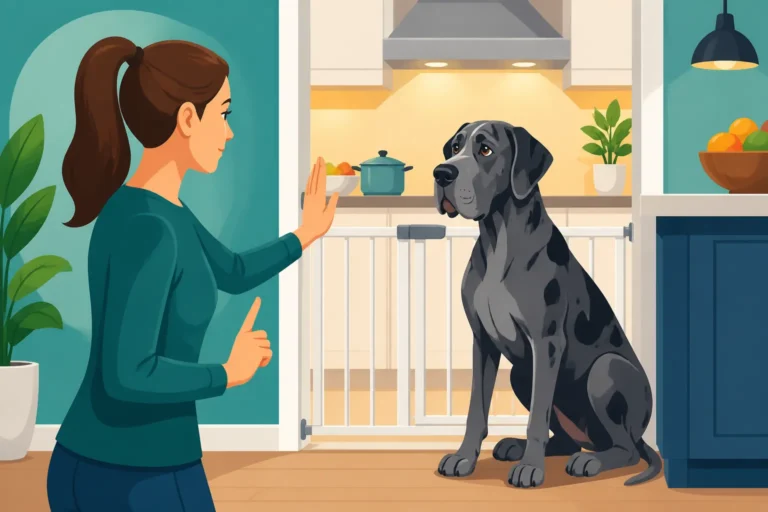
- Step 1: Out of Sight, Not Out of Mind (Yet): Start by simply stepping behind a baby gate or into another room where your Great Dane can't see you, for literally a few seconds. Return before they show any signs of distress. Reward calm behavior when you return (a quiet "good dog" and a treat, but no big fanfare).
- Step 2: Exit and Return: Once they're comfortable with you leaving their sight, step out the front door, close it, wait 1-2 seconds, then come back in. Again, return before they get anxious. Repeat this many times. The goal is for them to realize you always come back.
- Step 3: Gradually Increase Duration: Slowly, slowly increase the time you're gone. If you started with 2 seconds, move to 5, then 10, then 15, then 30 seconds. The pace must be dictated by your dog's comfort level. If they show any signs of anxiety (whining, pacing, barking), you've gone too fast. Go back to a duration they were comfortable with and build up more slowly. This might mean hundreds of repetitions over weeks or months. This is especially true for Great Danes who are highly attached; patience is your greatest virtue here.
- Step 4: Vary Your Departures: Don't always leave through the same door or at the same time. This helps prevent them from predicting your departures too accurately. Sometimes leave for a minute, sometimes for five, sometimes for two. Randomness makes it less of a pattern to dread.
During these practice sessions, ensure your Great Dane has a safe, comfortable space (like their crate or a designated "place"), a durable chew or puzzle toy, and access to water. Avoid making a big fuss when you leave or return. A quiet departure and a calm, low-key greeting reinforce that your leaving is not a big deal. For more severe cases, consider setting up a camera to monitor their behavior. This allows you to pinpoint the exact moment distress begins and adjust your timing accordingly. Products like the Furbo Dog Camera or Wyze Cam are often recommended for this purpose. If your Great Dane is prone to destroying things, Damage a Great Dane Reaches That Smaller Dogs Cannot can be extensive, so careful supervision, even remote, is crucial.
Tools and Strategies to Support Alone Time Training
Beyond the behavioral modification, several tools and environmental strategies can make a significant difference in your Great Dane's comfort level when left alone.
Creating a Safe and Enriching Environment
Your Great Dane's alone-time space should be their sanctuary, not a prison.
- Comfortable Bedding: Provide an orthopedic bed that supports their large frame. Great Danes are prone to elbow hygromas and joint issues, so a plush, supportive bed from brands like Big Barker or even a thick memory foam mattress found on Amazon, can make a huge difference in their physical comfort while settling.
- Chew Toys and Puzzle Feeders: These are your best friends. A long-lasting chew or a KONG filled with frozen peanut butter or wet food can keep your Great Dane occupied for a significant period. Puzzle feeders challenge their minds and make them work for their food, tiring them out both mentally and physically. Choose toys that are appropriate for a Great Dane's powerful jaws to prevent choking hazards.
- Calming Aids: Some dogs benefit from calming diffusers that release synthetic pheromones, like Adaptil, or calming supplements containing L-theanine or tryptophan. Consult your vet before introducing any supplements. ThunderShirts, which apply gentle, constant pressure, can also have a calming effect on some anxious dogs.
- White Noise or Music: A radio tuned to classical music or a white noise machine can help mask outside sounds that might trigger barking or alert behaviors, creating a more peaceful environment. This can be especially helpful if you live in an apartment or a busy neighborhood.
Remember, the goal is to make their alone time experience positive and enriching, not just a period of waiting for you to come back. This also ties into keeping them mentally stimulated, which can reduce anxiety.
Monitoring and Adjusting with Technology
Modern technology offers powerful tools for understanding and managing your Great Dane's alone time.
- Pet Cameras: A pet camera with two-way audio allows you to observe your Great Dane's behavior in real-time, even when you're not home. You can see when distress starts, whether they're pacing, barking, or just sleeping peacefully. Some cameras even allow you to talk to your dog or dispense treats remotely, which can be useful in certain training scenarios (though be careful not to accidentally reinforce anxious behaviors). This is invaluable for gauging your progress during the desensitization process. You can see exactly what happens A Great Dane That Howls in an Empty House and refine your approach.
- Wearable Trackers: While less common for alone-time specific issues, some wearable pet trackers can monitor heart rate and activity levels, giving you data that might indicate stress patterns during your absence.
Using these tools allows you to be an informed and responsive trainer, rather than just guessing how your Great Dane is coping.
When to Seek Professional Help
Despite your best efforts, some Great Danes need a little extra help to overcome their struggles with alone time. There's no shame in seeking professional guidance, especially with a breed as large and sensitive as a Great Dane where issues can quickly escalate.
Consulting a Certified Professional Dog Trainer or Behaviorist
If your Great Dane's anxiety is severe, destructive, or not improving despite consistent training, it's time to bring in the experts.
- Certified Professional Dog Trainers (CPDT-KA/KPA-CTP): These trainers specialize in positive reinforcement and can help you develop a tailored desensitization and counter-conditioning program. They can observe your dog's behavior and guide you through the process, often identifying subtle cues you might miss. They can also help with foundational obedience that reinforces a sense of predictability and calm, such as Teaching a Great Dane a Place to Settle.
- Certified Professional Dog Behaviorists (Dip ABT or PhD in Animal Behavior): For true separation anxiety, a veterinary behaviorist is often the most effective resource. They are veterinarians with specialized training in animal behavior and can diagnose the underlying emotional issues, prescribe anti-anxiety medication if necessary, and create a comprehensive behavior modification plan. Medication is not a "magic bullet" but can significantly lower your dog's anxiety threshold, making them more receptive to training.
Don't wait until the problem is unmanageable. The sooner you intervene, the better the prognosis for your Great Dane. Early intervention can prevent the anxiety from becoming more deeply ingrained.
Considering Daycare or Pet Sitters
For Great Danes with isolation distress rather than severe separation anxiety, or as a temporary solution during intensive training, alternative care options can be lifesavers.
- Doggy Daycare: A reputable doggy daycare can provide your Great Dane with exercise, mental stimulation, and companionship during the day. This is a great option if Whether a Great Dane Manages a Full Work Day is a concern and you need your dog to have structured activity and supervision. However, ensure the facility is well-managed, has experienced staff familiar with giant breeds, and provides ample space for a Great Dane to play and rest. Not all daycares are equipped for a dog of their size and temperament.
- Pet Sitters or Dog Walkers: A trusted pet sitter who can visit your home to provide company, potty breaks, and playtime can be an excellent alternative to leaving your Great Dane alone for long stretches. This allows your dog to stay in their familiar environment, which can reduce stress.
- Friends or Family: If you have reliable friends or family members who are comfortable with giant breeds, they might be willing to help out during training periods. Having a familiar face provide companionship can be incredibly beneficial.
These options provide a valuable bridge during training or for times when you absolutely cannot be home, ensuring your Great Dane is not forced into situations that trigger their anxiety. It's about meeting their needs for companionship and comfort while you work on building their individual confidence. Sometimes, Whether Daycare Suits a Great Dane depends entirely on the individual dog and the specific facility.
Building up a Great Dane's alone time takes patience, consistency, and a deep understanding of their emotional needs. It's a journey, not a sprint, but with dedication and the right approach, you can help your gentle giant feel safe and secure, even when you're not right by their side.
Disclaimer
This article is for general informational purposes only and does not constitute professional advice. Laws, prices and regulations vary by location and change over time. Consult a qualified professional for guidance on your specific situation.