Whether a Great Dane Needs a Crate at All
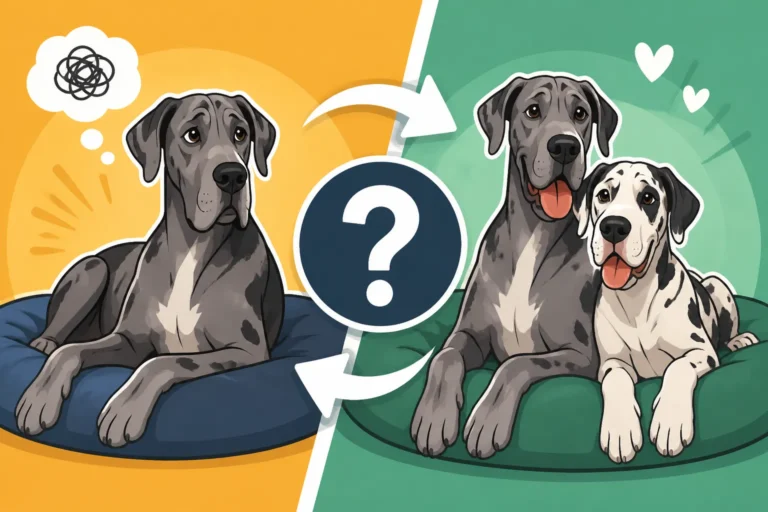
When you first bring home a Great Dane puppy, or even an adult rescue, one of the biggest questions that often crosses your mind—and perhaps your dining room table, given their size—is whether you really need a crate for such a giant dog. It feels almost absurd, doesn't it, to think of confining a creature that will soon rival a small pony in stature? This guide is here to unravel that very dilemma, offering practical insights and empathetic advice for all Great Dane parents contemplating the crate.
The Philosophy Behind Crating a Great Dane
Let's face it, the idea of putting your beloved Great Dane in a crate can conjure up images of a sad, confined animal, especially when they’re already so enormous. It's a common initial reaction, and one I completely understand. However, understanding the true purpose and benefits of crate training, particularly for a large breed, can shift that perspective significantly. It's not about punishment or permanent confinement; it's about providing structure, safety, and comfort.
More Than Just a "Cage": Understanding the Purpose
For many, the word "crate" immediately brings to mind a cage, something restrictive and unpleasant. But for a dog, a properly introduced crate can become their personal den, a safe retreat where they can feel secure and undisturbed. Think about it: dogs are naturally den animals. In the wild, they seek out small, enclosed spaces to rest, sleep, and feel protected from predators or the elements. A crate, when used correctly, taps into this primal instinct, offering a modern-day version of that secure den. It's their bedroom, a place where they can escape the hustle and bustle of a busy household, or simply chew a favorite toy in peace. It’s a vital tool, especially when you consider Damage a Great Dane Reaches That Smaller Dogs Cannot.
This shift in perception is crucial. Instead of viewing it as a prison, start seeing it as a private sanctuary. It’s a designated space that is exclusively theirs, where they won't be bothered by children, other pets, or even well-meaning guests. This mental reframing helps you, as the owner, approach the training with a positive mindset, which your sensitive Great Dane will undoubtedly pick up on. It becomes less about "putting them away" and more about "sending them to their room" for a well-deserved rest or quiet time.
Addressing the "Cruelty" Myth
The "cruelty" myth often stems from a misunderstanding of how dogs perceive crates. When a crate is used incorrectly—meaning, the dog is left in it for excessive periods, used for punishment, or forced into it without proper positive introduction—then, yes, it can indeed be a negative experience. This is where the misconception gains traction. However, when crate training is done with patience, positive reinforcement, and a clear understanding of your dog's needs, it's anything but cruel.
Imagine a toddler's crib. It’s a contained space, but it’s designed for safety and comfort, providing a secure environment for sleep. A dog crate functions similarly. It prevents your Great Dane from getting into mischief when unsupervised, protecting both them and your home. For instance, a curious Great Dane puppy could easily chew on electrical cords, ingest something toxic, or knock over precarious items. A crate removes these dangers. It’s a management tool, not a punitive measure. The goal is to build a positive association, making the crate a place they want to be, rather than a place they are forced to endure.
Great Danes and Their Innate Den Instincts
Despite their majestic size, Great Danes retain those fundamental canine instincts, including the desire for a den. You might notice your Great Dane seeking out small spaces in your home, like under a table, behind a couch, or even trying to squeeze into a closet. This isn't just quirky behavior; it's a manifestation of that inherent denning instinct. They are looking for a secure, enclosed space that makes them feel safe and protected.
A crate, when properly sized and made comfortable with soft bedding, offers a predictable and consistent den that fulfills this need. It's a place where they can curl up, feel cozy, and truly relax. This is especially true during times of stress, like thunderstorms, fireworks, or when new people are visiting. Having their own designated safe space can significantly reduce anxiety. It also offers a huge benefit in terms of giving them a dedicated spot for How Much Sleep a Great Dane Actually Needs, ensuring they get the uninterrupted rest crucial for their well-being, both physically and mentally.
Benefits of Crate Training for Great Danes
Crate training, when implemented thoughtfully, offers a cascade of benefits for both you and your gentle giant. These advantages span across various aspects of their development and daily life, making the initial effort well worth it.
House Training and Routine Establishment
Let's be honest, house training a Great Dane is a monumental task. When you're dealing with a puppy that will soon produce puddles the size of small lakes, you need every tool in your arsenal. This is where the crate truly shines. Dogs are instinctively clean animals; they naturally don't want to soil their sleeping area. This innate aversion becomes your greatest ally in house training. A crate leverages this instinct, teaching your Great Dane puppy to hold it until they are let out. This is particularly effective for house training a Great Dane puppy before it's huge.
By establishing a consistent schedule of crate time followed by immediate trips outside, your Great Dane quickly learns the association between going outside and relieving themselves. The crate becomes a crucial part of building a predictable routine, which is vital for puppies and even adult dogs who might be struggling with consistency. It helps them understand when and where they are expected to eliminate, significantly speeding up the house-training process and saving your carpets from countless accidents.
Safety and Confinement in Your Home
A Great Dane, even a well-behaved one, is a large and sometimes clumsy animal. Their sheer size means they can inadvertently knock things over, counter surf with ease, or chew on items that are dangerous to them. A crate provides a secure way to confine your dog when you can't actively supervise them, ensuring their safety and protecting your belongings. This is especially important for young puppies prone to exploring with their mouths or adolescent Danes who might test boundaries.
Consider scenarios like having repair people in your home, hosting a party, or even just needing to run a quick errand. A crate allows you to temporarily contain your Great Dane, preventing accidental escapes, interactions with strangers that might startle your dog, or damage to your home. It's a proactive measure that minimizes risk for everyone involved. Without a safe, designated space, you might find yourself constantly worried about what your big pup is getting into, which isn't fair to either of you.
Providing a Safe Haven for Your Giant
Beyond just house training and safety, a crate provides an invaluable safe haven for your Great Dane. As we touched on earlier, this den-like space offers comfort and security. It's a private retreat where they can escape overstimulation, whether it's the noise of children playing, the activity of a bustling household, or even just needing some quiet time away from another pet. Many Great Danes cherish their crate as their personal sanctuary.
This can be incredibly beneficial for managing anxiety or stress. If your Great Dane is prone to being overwhelmed by certain situations, having a familiar, comforting space to retreat to can make a world of difference. It gives them a sense of control and predictability, which is soothing. Over time, your Dane will learn that their crate is a reliable place for rest and quiet, fostering a sense of peace and security that benefits their overall well-being. Think of it as their ultimate "do not disturb" zone, a place they can truly unwind and feel protected.
Practical Considerations and Challenges
While the benefits of crating a Great Dane are clear, the reality of implementing it comes with its own set of practical challenges, primarily due to their formidable size. Finding the right equipment and approaching training with patience are paramount.
Finding a Crate That Actually Fits
This is, perhaps, the biggest hurdle for Great Dane owners. "Standard" large crates simply won't cut it. Your Great Dane needs a crate that allows them to stand up, turn around comfortably, and lie down without being cramped. This means you're looking at extra-large or giant dog crates, often custom-made or designed specifically for giant breeds. This is where articles like Choosing a Crate a Great Dane Can Stand In become incredibly helpful. You'll need to measure your dog carefully – from nose to tail while standing, and from the top of their head to the floor – and add a few inches for comfort.
These larger crates can be surprisingly difficult to source and transport. You might find yourself searching online retailers like Amazon, or specialty pet stores that stock items for giant breeds. It’s not just about the footprint, but the height. Many standard 'large' crates might be wide enough, but not tall enough for a Great Dane to comfortably stand without hunching. Investing in a sturdy, well-constructed crate is essential, as a flimsy one won't stand up to the weight and power of an adult Dane. Remember, this is a long-term investment in their comfort and safety, so quality matters.
Introducing the Crate Positively
Once you have the right crate, the next challenge is ensuring your Great Dane views it as a positive space, not a punishment. This requires a patient, positive reinforcement approach. Never force your dog into the crate. Start by making the crate inviting. Place soft bedding, a favorite toy, and some high-value treats inside. Leave the door open and let your Great Dane explore it at their own pace. You can feed meals near the crate, then inside it, with the door open.
Gradually, begin closing the door for very short periods while you are still in the room, extending the time as your dog remains calm and comfortable. The goal is to build a positive association, so every interaction with the crate should be pleasant. You can use methods taught by reputable trainers, perhaps through online courses like those offered by BAXTER & Bella, to guide you through the steps. Never use the crate as a consequence for bad behavior; this will only create negative associations and make your dog resistant to it. Consistency is key here. If you struggle, consider revisiting Crate Training a Great Dane That Fills the Room for more detailed tips on handling the sheer scale of the task.
Moving Beyond the Crate: When and How
The ultimate goal for many Great Dane owners is for their dog to be trustworthy enough to have free roam of the house when unsupervised. So, when do you transition from a crate to more freedom? There's no set age; it depends entirely on your individual Great Dane's maturity, training, and reliability. Some Danes might be ready for supervised freedom by their first birthday, while others might need crating for several years, or even for life when left alone.
The transition should be gradual. Start by leaving your Great Dane out of the crate for short periods when you are home but busy, perhaps in another room. Observe their behavior closely. Are they chewing inappropriately? Having accidents? If they are consistently well-behaved, you can slowly extend these periods. Eventually, you can try leaving them for very short absences, like a quick trip to the store, and gradually increase the duration. It’s important to acknowledge that some Great Danes, due to their size and potential for destructive behaviors when bored or anxious, may always benefit from crate confinement during unsupervised hours. It's about what works best and safest for your unique dog and household.
Alternatives to Crating: When a Crate Isn't the Right Fit
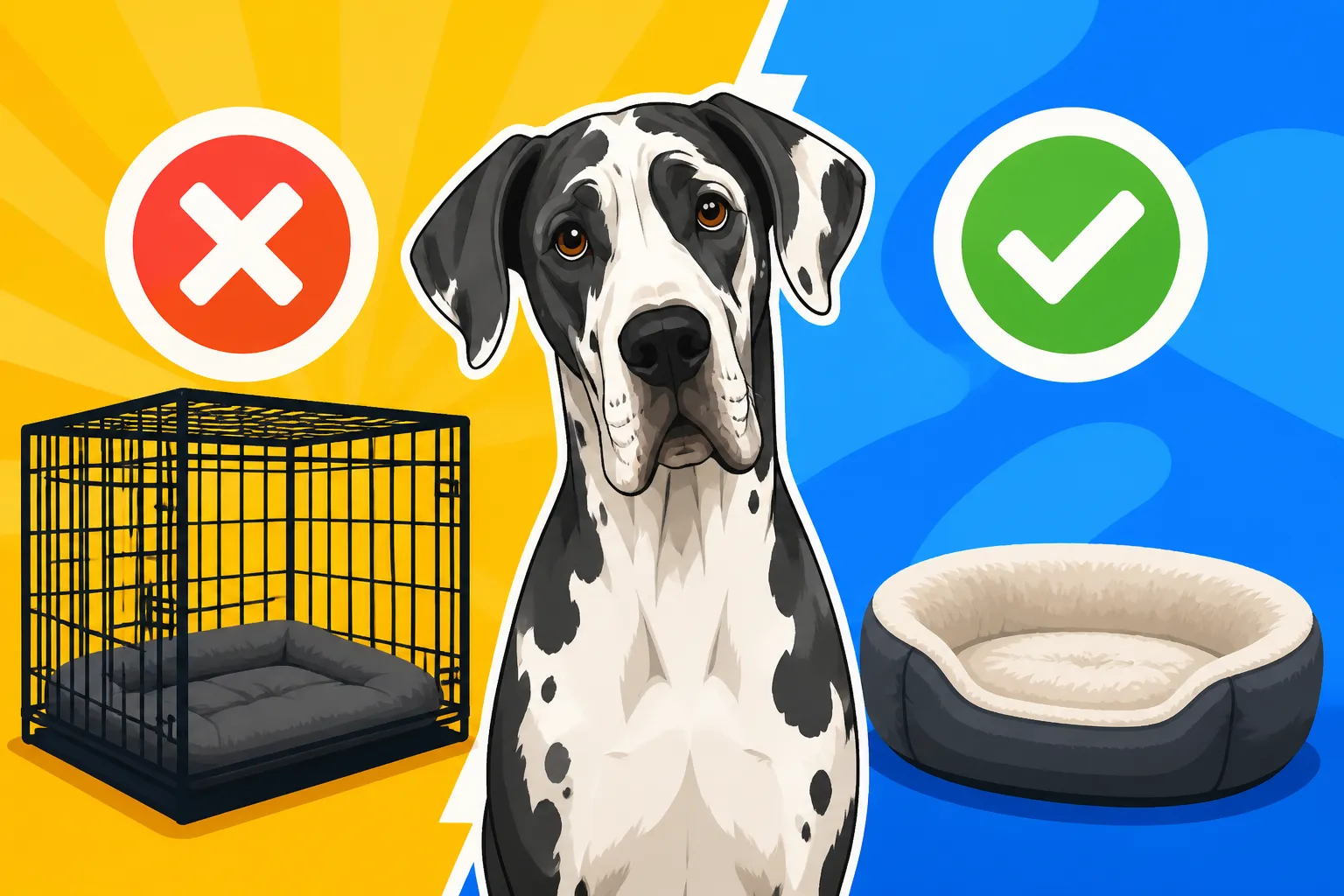
While crate training offers many benefits, it's not the only solution for managing a Great Dane, and for some, it might not be the right fit at all. Perhaps you adopted an older Dane who never learned to love a crate, or maybe the sheer size of the crate simply isn't feasible in your living space. Thankfully, there are viable alternatives that can achieve similar goals of safety, management, and training.
Exercise Pens and Puppy-Proofed Rooms
For puppies or even smaller adult Great Danes who might not take to a traditional crate, or for those who need a bit more space, an exercise pen (often called an ex-pen) or a dedicated puppy-proofed room can be an excellent alternative. An ex-pen provides a larger, yet still contained, area where your Great Dane can move around more freely, play with toys, and even have a small bed and water bowl, without having access to the entire house. For giant breeds, you'll need heavy-duty, tall ex-pens designed to withstand their size and strength. You can even connect multiple panels to create a truly expansive safe zone.
If you have a spare room, baby-gating it off and thoroughly puppy-proofing it can create an even more comfortable containment solution. This means removing anything breakable, chewable, or dangerous, and ensuring there are no escape routes. This method is particularly useful for Pens and Gates Instead of a Great Dane Crate. Just like with a crate, the goal is to create a positive, safe environment where your Great Dane can be left unsupervised without getting into trouble. The key is to ensure the space is genuinely safe and doesn't present new hazards for a large, curious dog.
Managing Destructive Behavior Without a Crate
Great Danes, especially adolescents, can be prone to destructive chewing, digging, or general mischief if bored or anxious. If a crate isn't being used, managing these behaviors requires a multi-pronged approach focused on prevention, enrichment, and consistent training. The first line of defense is ensuring your Great Dane receives adequate physical exercise and mental stimulation. A tired dog is a good dog, and for a Great Dane, that means regular walks (appropriate for their age and joint health), playtime, and engaging activities.
Mental enrichment is just as crucial. Puzzle toys, snuffle mats, and engaging chews can keep their minds busy and redirect their chewing instincts onto appropriate items. A robust training program, focusing on basic obedience and impulse control, is also paramount. Commands like "leave it" and "drop it" are invaluable. Remember that Great Danes thrive on routine and companionship, so ensuring they don't suffer from excessive Building Up a Great Dane's Alone Time can also mitigate destructive tendencies. If destructive behavior persists, it's often a sign of underlying boredom, anxiety, or a lack of appropriate outlets.
Professional Training and Behavioral Support
Sometimes, despite all your best efforts, you might encounter behavioral challenges with your Great Dane that feel overwhelming. Whether it's separation anxiety that leads to destructive behavior, aggression towards other dogs, or simply a lack of progress in training, don't hesitate to seek professional help. A qualified dog trainer or veterinary behaviorist specializing in large breeds can offer tailored strategies and support that are invaluable. They can assess your specific situation, identify the root cause of the behavior, and guide you through effective solutions.
Online platforms like BAXTER & Bella offer virtual training programs that can be incredibly useful for Great Dane owners, providing access to expert advice from the comfort of your home. These resources can help you understand The Manners a Great Dane Needs Before It Grows and provide structured plans. Remember, getting professional guidance isn't a sign of failure; it's a responsible step towards ensuring your Great Dane lives a happy, well-adjusted life and strengthens the bond you share. They can also provide insights into specific situations, such as Whether a Great Dane Should Be Crated in a Vehicle for travel safety, offering alternatives or specific crate recommendations.
| Crate Training Benefit | Description | Key Advantage for Great Danes |
|---|---|---|
| House Training | Leverages natural instinct not to soil sleeping area to aid potty training. | Speeds up the process, crucial for large volume messes. |
| Safety at Home | Prevents access to dangerous items or areas when unsupervised. | Protects giant, curious dogs from chewing hazards and counter-surfing. |
| Travel & Vet Visits | Provides a secure and familiar space for transport and unfamiliar environments. | Reduces stress in new places, vital for safety in vehicles. |
| Personal Den | Offers a quiet, secure retreat for rest, relaxation, and alone time. | A calm sanctuary from household hustle, especially for sensitive Danes. |
| Behavior Management | Helps manage barking, chewing, and other unwanted behaviors when unsupervised. | Redirects energy and prevents destructive habits from forming or worsening. |
| Recovery Space | Ideal for dogs recovering from surgery or illness, promoting rest. | Confines movement, aiding healing for large, active dogs. |
Disclaimer
This article is for general informational purposes only and does not constitute professional advice. Laws, prices and regulations vary by location and change over time. Consult a qualified professional for guidance on your specific situation.