Whether a Second Dog Settles a Great Dane
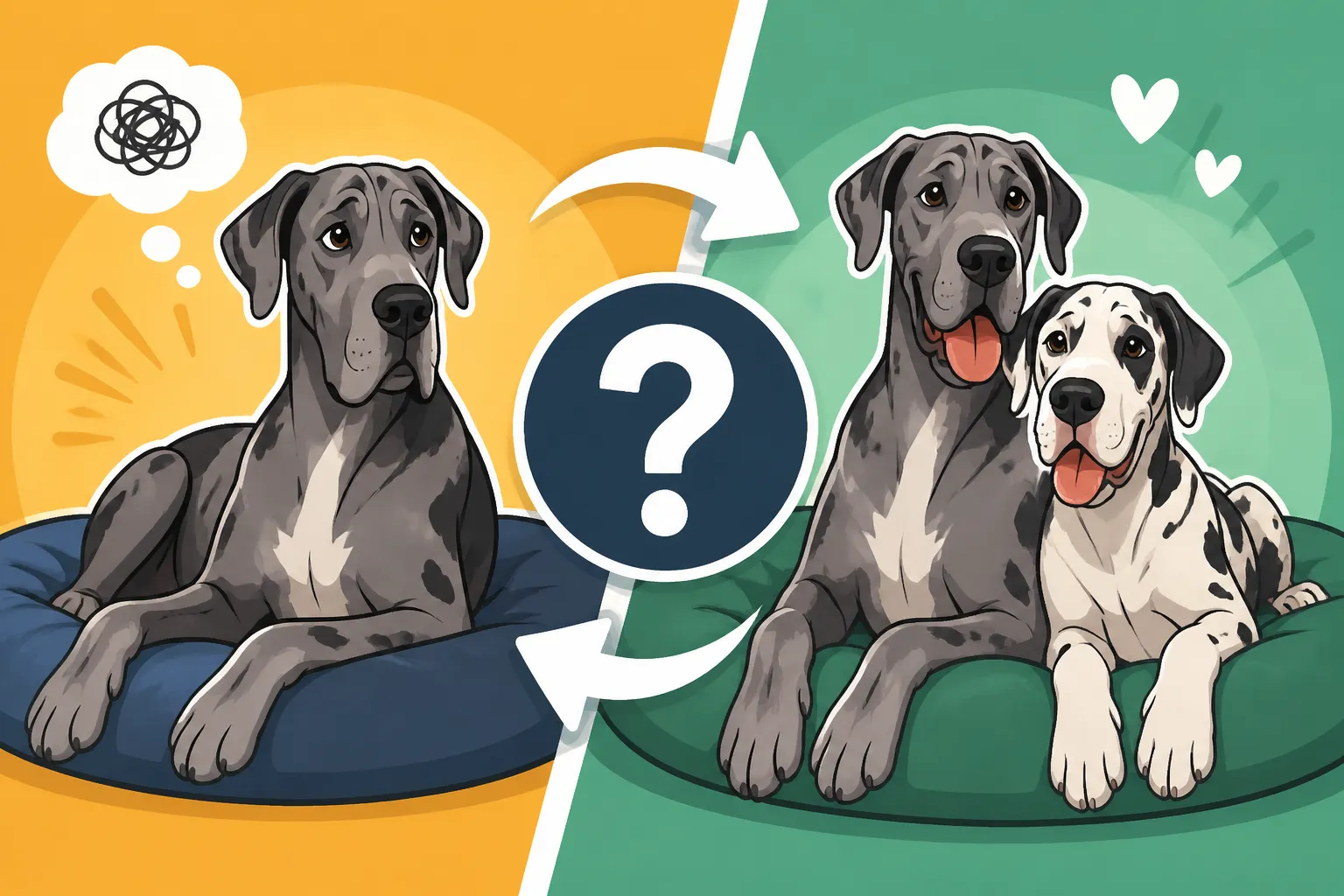
Many Great Dane owners find themselves wondering if adding another dog to their household might be the magic solution to some common challenges, especially if their beloved Dane seems a bit restless, lonely, or struggles with being left alone. It's a natural thought – companionship seems like a cure-all, right? This guide will dive deep into the nuances of bringing a second dog into a home with a Great Dane, exploring the potential benefits, pitfalls, and crucial considerations to help you decide if it’s the right path for your family and your gentle giant.
The Hope and Heart Behind Getting a Second Dog for Your Great Dane
It's an incredibly common scenario: you have a wonderful Great Dane, and you adore them, but perhaps you see them staring out the window wistfully, or they seem to have boundless energy even after a walk, or maybe they just don't handle being alone very well. The idea of a second dog often comes from a place of deep love and a desire to enrich your existing Dane's life. We want our dogs to be happy, stimulated, and to have a companion when we can't be there every single moment.
Addressing Loneliness and Separation Anxiety
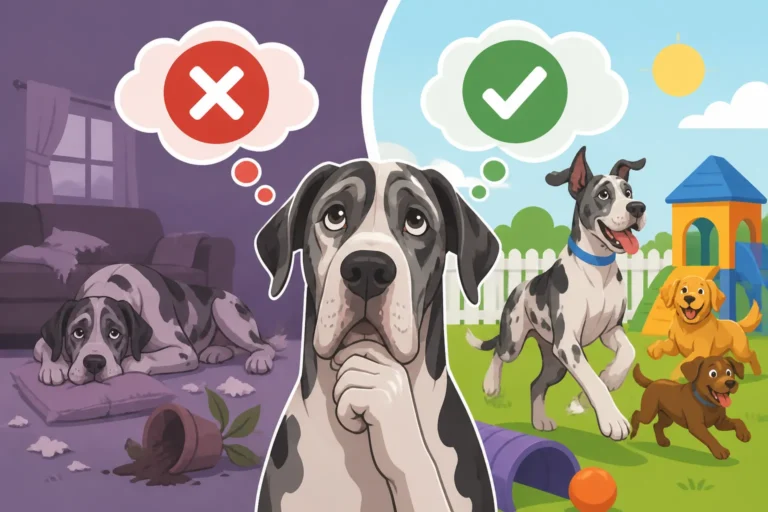
One of the biggest drivers for considering a second dog is the belief that it will solve issues of loneliness or separation anxiety. Great Danes are incredibly social creatures, often forming deep bonds with their human families. They thrive on companionship, and when left alone for extended periods, some can develop anxieties that manifest in destructive chewing, incessant barking, or even self-harm. The thought is, if there's another furry friend around, the Dane won't feel so isolated.
This isn't just wishful thinking; there's often a kernel of truth to it. For some Great Danes, having another dog can indeed provide comfort and distraction, reducing the intensity of their separation woes. They might engage in play, or simply curl up together for a nap, making the hours you're away feel less daunting. This can be particularly true if your Great Dane is a younger, more energetic dog who truly thrives on constant interaction. However, it's not a guaranteed fix, and sometimes, two anxious dogs can feed off each other's stress, or the new dog might pick up on the existing Dane's bad habits. For Danes that struggle with being alone, you might want to review A Great Dane That Panics When Left or Building Up a Great Dane's Alone Time for other strategies.
Providing Companionship and Play
Beyond addressing anxiety, many owners simply want their Great Dane to have a friend. Watching two dogs interact, play, and cuddle can be incredibly heartwarming. A Great Dane's play style can be unique; they often have a goofy, lumbering elegance that might not always be understood by smaller, more frantic breeds. Introducing another large, calm dog, or even a smaller, confident one, can provide an outlet for play that you, as a human, simply can't replicate.
Imagine your Great Dane, all 150 pounds of them, engaging in a gentle wrestling match with a new companion, or chasing each other around the yard. This can be fantastic for both mental and physical stimulation. It can take pressure off you to be the sole source of entertainment and exercise, creating a more balanced and happy home environment. A well-matched canine companion can bring out the best in your Great Dane, encouraging natural dog behaviors and providing a constant source of amusement.
Channeling Excess Energy
Great Danes, despite their "gentle giant" moniker, are still large, athletic dogs, especially in their younger years. They need regular exercise, but sometimes walks just aren't enough to burn off their mental and physical energy. A second dog, particularly one with a compatible energy level, can be an excellent way to help your Dane self-regulate and get that extra bit of activity in.
Instead of just one dog pacing, you might have two dogs engaging in active play, like chase or tug-of-war, helping them both to tire out in a healthy way. This isn't about replacing your walks or training sessions, but rather supplementing them. It can mean a calmer evening at home, with two satisfied dogs napping peacefully, rather than one restless Great Dane nudging your hand for more attention. However, it's critical to remember that this new activity also means more mess, more noise, and more wear and tear on your home, so consider your own capacity for two active large dogs.
The Wonderful Benefits of a Multi-Dane Household (or Multi-Dog)
When it works out, bringing a second dog into your Great Dane's life can be one of the most rewarding experiences. There are genuine, tangible benefits that can enhance the quality of life for all members of your household, canine and human alike.
Enhanced Social Skills and Confidence
Dogs learn a lot from each other, and for a Great Dane, having a consistent canine companion can be invaluable for developing and maintaining good social skills. If your Dane is a bit shy or unsure around other dogs, a carefully chosen, confident second dog can act as a wonderful role model. They can teach appropriate play signals, boundaries, and communication cues in a safe, familiar environment. This can translate to more positive interactions when you're out and about, whether at the dog park or on a walk.
For a young Great Dane puppy, learning from an older, well-adjusted dog is like having a private tutor. The older dog can reinforce house manners, demonstrate appropriate play, and even help with potty training. It's truly incredible how much dogs can teach each other without any human intervention beyond creating the right circumstances. Check out Socializing a Great Dane Puppy Early for more on the importance of early interactions.
Reduced Behavioral Issues
Sometimes, behavioral issues in a Great Dane stem from boredom, lack of stimulation, or unmet social needs. A second dog can often mitigate these problems. For instance, if your Dane is prone to destructive chewing when left alone, a playmate might distract them with a game of chase or a shared chew toy, rather than resorting to your furniture. A Great Dane who barks excessively out of loneliness might find comfort in another dog's presence, reducing the need to alert you to their distress.
Consider the classic scenario of a Great Dane that decides your sofa cushions are chew toys because they're under-stimulated. With another dog around, that energy might be redirected into a wrestling match, a game of tug-of-war, or simply a shared nap. This isn't a magic bullet, and existing behavioral problems should always be addressed with professional training, but companionship can certainly be a supportive factor. Even simple things like having a buddy to snuggle with can make a huge difference to a Dane's overall contentment.
Mutual Enrichment and Joy
Ultimately, the greatest benefit is the sheer joy and mutual enrichment that two compatible dogs can bring to each other's lives, and by extension, to yours. There's a special bond that forms between dogs living together, a silent understanding and loyalty that's truly beautiful to witness. They become a pack, a unit, and their happiness is often magnified by the presence of the other.
This extends to you, the owner, as well. While there are more logistics involved, the rewards often far outweigh the challenges. You get to experience the double doses of affection, the hilarious antics of two large dogs navigating your home, and the satisfaction of knowing you've provided a rich and fulfilling life for your beloved Great Danes. The sound of happy snores from a dog pile on the sofa is a unique kind of bliss. To prepare for this, be sure your Great Dane has mastered The Manners a Great Dane Needs Before It Grows.
Navigating the Roadblocks: Potential Challenges with Two Great Danes
While the idea of a second dog is often romanticized, it's crucial to be realistic about the potential challenges. Great Danes are big, and two of them mean double everything – double the love, but also double the responsibilities, costs, and potential for chaos.
Increased Costs and Resources
Let's not sugarcoat it: two Great Danes cost significantly more than one. This isn't just about food, though that alone is a substantial increase. Think about veterinary bills – routine check-ups, vaccinations, and emergency care all double. Medications, parasite prevention, and joint supplements will be dosed for two large dogs. Whether Two Great Danes Double Everything is a critical article to read if you're seriously considering this.
Beyond medical, consider equipment: two large beds, extra-large crates, multiple bowls, more toys (that need to be Great Dane proof!), and specialized harnesses and leashes. Your food bill will skyrocket, as Great Danes can easily eat 6-10 cups of food a day each. If you travel, boarding costs will double, and finding a pet sitter comfortable with two giants can be harder and more expensive. You'll need bigger bags of treats, too! This isn't to discourage, but to ensure you're financially prepared for the reality of caring for two large dogs.
Potential for Conflict and Resource Guarding
Not all dogs are instant best friends, and introducing a new dog, especially to an adult Great Dane, can sometimes lead to conflict. Great Danes are generally known for their gentle temperament, but like any breed, individual personalities vary. Resource guarding (of food, toys, sleeping spots, or even human attention) can become an issue, leading to growling, snapping, or even fights.
It's vital to manage introductions carefully and to understand dog body language. Providing separate feeding areas, ample toys, and ensuring both dogs get individual attention can help mitigate these issues. Sometimes, two strong personalities simply don't mesh, and it's a heartbreaking reality to face. This is why understanding The Gentle Great Dane Temperament and Its Limits is so important. A good trainer can help assess interactions and guide you through the process, but prevention is always better than intervention.
Managing Two Giants in One Home
Living with one Great Dane already means adjusting your living space. Living with two means even more adjustments. They take up a lot of floor space, their tails can be wrecking balls, and their zoomies can feel like a small earthquake. Double the drool, double the shedding, and double the mud if they come in from outside.
Consider your home's layout: do you have enough space for two large dog beds that are not right on top of each other? Do you have sturdy furniture that can withstand two Great Danes leaning against it? Do you have a secure yard for them to play in, or will you be managing two very strong dogs on leashes simultaneously? Two Great Danes in One House delves deeper into these practical living considerations. It's a joyful chaos, for sure, but chaos nonetheless, and being prepared for it mentally and physically is key. Make sure you have extra-large towels readily available, perhaps even a durable doormat from Amazon that can stand up to two sets of giant paws.
Making the Right Match: Factors to Consider
Bringing a second dog home isn't just about picking any dog; it's about finding the right canine companion for your existing Great Dane and your lifestyle. A careful, thoughtful approach will set everyone up for success.
Temperament and Energy Levels
The most critical factor is temperament matching. You want a dog whose personality will complement, rather than clash with, your Great Dane's. If your Great Dane is a calm, laid-back couch potato, a high-energy, constantly bouncing puppy might be overwhelming. Conversely, if your Dane is playful and active, a timid, reserved dog might not provide the companionship you're hoping for.
Consider a dog with a similar energy level, or one slightly lower. Look for a dog with a history of getting along well with other dogs, especially large ones. If adopting from a rescue, they often have a good understanding of a dog's personality and can help you make an informed decision. For training both your dogs and ensuring good manners, a comprehensive online program like BAXTER & Bella can provide valuable guidance and resources for multi-dog households, helping you work on things like Great Dane Leash Manners at a Hundred and Fifty Pounds with both dogs.
Age and Size Considerations
While a small dog can certainly thrive with a Great Dane, there are practical considerations. A tiny dog might be accidentally injured during boisterous play, or even just stepped on. If you're bringing in a puppy, remember that Great Danes grow incredibly fast, and what seems like a manageable size difference now will quickly change.
Many owners find success with another large breed, or at least a medium-sized dog that is sturdy enough to handle a Dane's playful bumps and nudges. When it comes to age, sometimes an older, calmer dog can be a wonderful mentor for a young Dane, teaching them patience and good manners. Other times, two younger dogs with similar energy can be ideal playmates. Avoid bringing an elderly, frail dog into a home with a rambunctious young Great Dane, unless the Dane has exceptional impulse control.
Gender Dynamics
While not a hard and fast rule, generally, a male-female pairing tends to be the most harmonious in a multi-dog household. Two females, especially if they are unspayed or have strong personalities, can sometimes lead to tension or "alpha" struggles. Two males can also present challenges, though neutering often helps to reduce territorial instincts.
Of course, every dog is an individual, and successful same-sex pairings exist everywhere. However, if you're looking to stack the odds in your favor for a smooth integration, considering gender dynamics can be a helpful guide. It’s always best to have a meet-and-greet between your Great Dane and any potential new dog to observe their initial interactions.
Introduction Protocol
The way you introduce a new dog to your Great Dane is paramount to success. Don't just throw them together in your living room and hope for the best. Start with neutral territory – a walk in a park, for example – where neither dog feels territorial. Keep both dogs on leash and allow them to sniff each other politely. Watch their body language closely; look for loose tails, relaxed ears, and soft eyes, rather than stiff postures, direct stares, or tucked tails.
Once they seem comfortable, move to a fenced yard, still supervised, allowing for off-leash play. Only then, introduce them to your home, ideally with a gate or barrier separating them initially, giving them time to adjust to each other's scents and presence without direct pressure. Provide separate resources (bowls, beds, toys) to prevent immediate conflict. This slow, deliberate approach helps build a positive foundation for their relationship. You'll want to ensure both dogs are comfortable with Great Danes and Small Dogs Playing Together if one of them is smaller.
Training and Management
Remember, bringing a second dog doesn't mean your training duties end; they often increase. You'll need to ensure both dogs understand basic obedience cues, and that you can manage them both effectively, especially when out in public. Consistent training is vital for a peaceful multi-dog home. This isn't just for the new dog, but also to reinforce good behavior in your Great Dane.
Consider attending a multi-dog training class or working with a trainer experienced in multi-dog households. The goal is to create a harmonious environment where both dogs respect each other and you, their leader. Having a strong "leave it" cue for both dogs, for instance, can be invaluable if resource guarding ever becomes an issue. Investing in training upfront can save a lot of headaches down the road.
| Factor to Consider | Ideal Scenario | Potential Challenge | Mitigation Strategy |
|---|---|---|---|
| Temperament | Calm, compatible energy | High energy vs. low energy | Choose a dog matching or slightly lower energy, observe interactions. |
| Age | Similar age, or older, calm mentor | Frail senior vs. rambunctious puppy | Match energy, supervise play, ensure safe spaces. |
| Size | Large or sturdy medium | Tiny dog with giant | Supervise all play, teach gentle interactions, provide safe havens for smaller dog. |
| Gender | Opposite sex pair | Two strong-willed females/males | Early socialization, careful introduction, professional training if needed. |
| Past History | Good with other dogs, no aggression issues | Unknown history, past conflicts | Extensive meet-and-greets, foster-to-adopt option, professional assessment. |
| Your Lifestyle | Time and resources for two | Limited time/budget | Be realistic about commitment, budget carefully, consider adoption support. |
Conclusion: The Joyful Journey of a Multi-Dane Home
Deciding whether a second dog will settle your Great Dane is a deeply personal choice, with no single right answer for everyone. While a new companion can indeed bring immense joy, alleviate loneliness, and provide invaluable enrichment for your Great Dane, it also comes with significant responsibilities, increased costs, and potential challenges.
The key is thoughtful planning, careful matching, and a commitment to ongoing training and management. If you are prepared for the double dose of giant dog love, the extra expenses, and the increased chaos, the rewards of a multi-dog household can be truly immeasurable. Watching two Great Danes bond, play, and find comfort in each other's presence is a testament to the incredible power of canine companionship, and it will undoubtedly enrich your life in ways you never imagined.
Disclaimer
This article is for general informational purposes only and does not constitute professional advice. Laws, prices and regulations vary by location and change over time. Consult a qualified professional for guidance on your specific situation.