Two Great Danes in One House
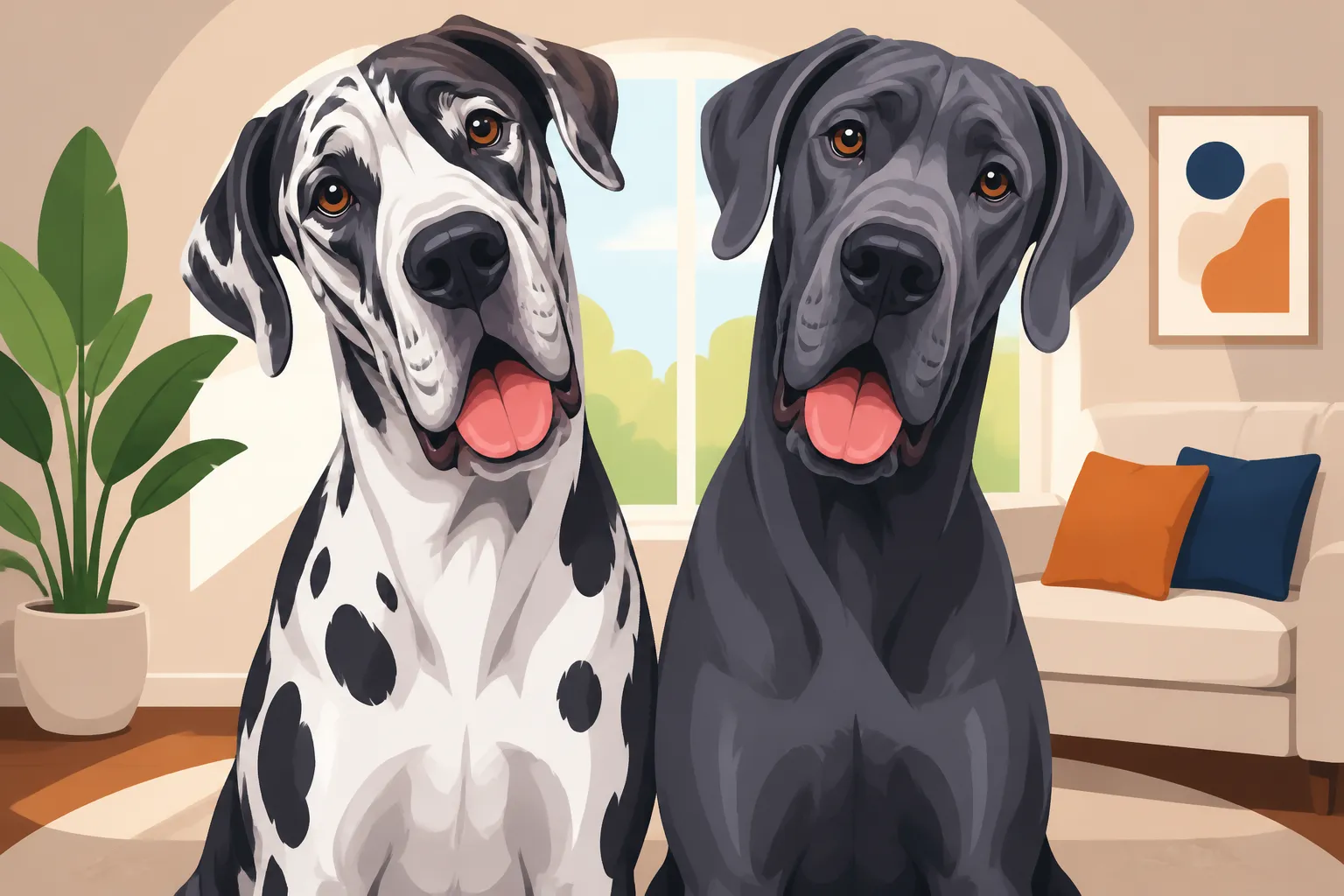
Bringing one majestic Great Dane into your home is a huge undertaking, filled with slobbery kisses, comical leans, and immense love. But the thought of doubling that joy, of having two of these gentle giants share your space, often sparks a mix of excitement and apprehension. Many of us dream of a multi-Dane household, but quickly realize the practicalities can be far more complex than just having "double the dog." This guide is here to walk you through the very real challenges and incredible rewards of welcoming two Great Danes into your life, helping you navigate everything from space and finances to training and temperament.
The Logistics of Doubling Down on Danes
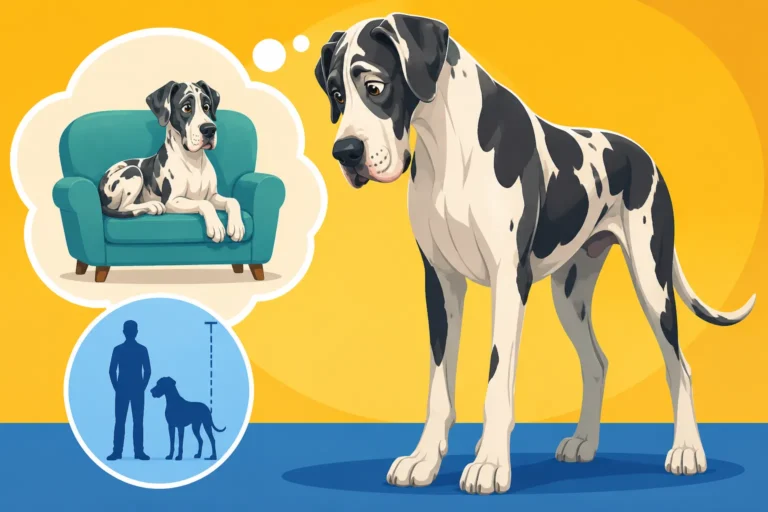
You might think, "I already have a large house; two Great Danes will fit just fine!" And while it's true that Danes, despite their size, often think they're lap dogs and curl up surprisingly small, the reality of having two 150+ pound creatures moving through your home is a different ballgame. It's not just about square footage, but about flow, personal space, and the sheer volume of stuff that comes with them.
Space Requirements: More Than Just Floor Space
When you only have one Great Dane, you get used to their individual quirks – where they prefer to sleep, their favorite spot by the window, their zoomie path through the living room. But introduce a second, and suddenly, those comfortable routines and seemingly ample spaces can feel surprisingly cramped. It's about accommodating two independent, very large personalities.
Consider your hallways and doorways. What feels wide enough for one Dane might become a veritable traffic jam when two decide they need to pass through at the same exact moment, possibly with a playful shoulder bump or a mutual lean against your legs. You need "swing room" for their long tails, turning radius for their massive bodies, and enough clear pathways so they don't constantly jostle each other or, more importantly, you. Imagine two Danes getting up from a nap simultaneously and stretching out; that's a lot of real estate they suddenly claim.
Sleeping arrangements also become a puzzle. While some Danes are happy to pile into one giant bed, many prefer their own dedicated, spacious orthopedic haven. You're no longer just buying one extra-large bed; you're finding space for two, potentially in different rooms or at least far enough apart to minimize territorial disputes over prime nap spots. Maybe your first Dane loves the living room rug, but your second prefers the cool tile of the kitchen. You'll quickly find yourself mapping out distinct zones for each dog to ensure comfort and reduce potential friction, especially during downtime. Choosing a Crate a Great Dane Can Stand In is a crucial consideration if you're planning on crating them, as you'll need two massive crates.
Resource Management: Twice the Stuff, Twice the Strategy
It goes without saying that two Great Danes will double your consumption of almost everything. But beyond the obvious, managing these resources requires strategy to prevent issues like resource guarding or accidental ingestion of one another's medications.
First, let's talk about food. If you thought feeding one Great Dane was a significant undertaking, prepare yourself for managing double the volume. This isn't just about the cost – which, let's be honest, can be staggering – but about the practicalities of storage and feeding. You'll be buying enormous bags of kibble or ordering bulk quantities of fresh food. More importantly, you'll need to develop a feeding routine that ensures both dogs eat their own food safely and without competition. Some multi-Dane households find it best to feed them in separate rooms or crates to prevent gobbling or guarding. Whether Two Great Danes Double Everything is an article that delves into just how quickly those costs add up.
Water is another often-underestimated resource. Two Great Danes will drink copious amounts of water, and with it comes the inevitable drool. You won't just need one extra-large water bowl; you'll likely need two or three strategically placed throughout the house to encourage hydration and minimize competition. And those towels you keep handy for slobber? You'll need double. Two Water Bowls in a Great Dane House might seem like overkill, but it's often a necessity.
Then there are toys. While Danes often share well, some can develop preferences or guard high-value items. It's wise to have an abundance of durable toys, ensuring each dog has plenty of options to chew, fetch, or cuddle with. Consider different types of toys to suit individual play styles. And for those times when a high-value chew is given, again, separation might be key to avoid any squabbles. Don't forget that many toys sized for smaller dogs won't last five minutes with a determined Dane, so look for heavy-duty options, perhaps from a reliable brand on Amazon.
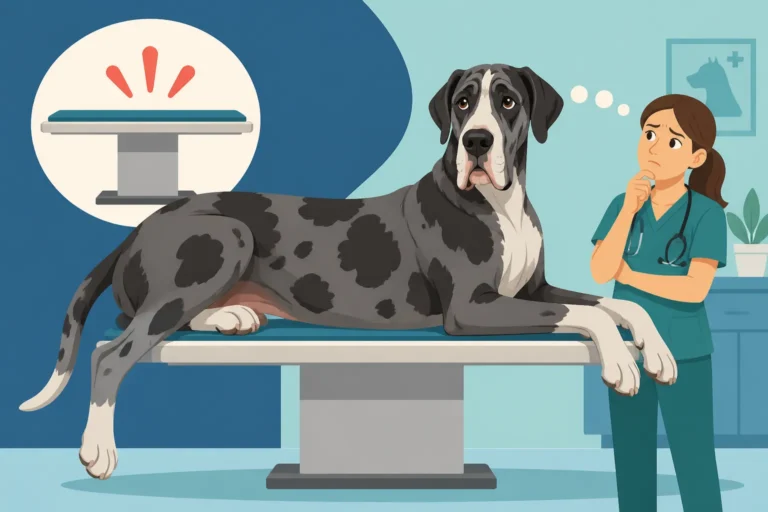
Finally, veterinary care becomes a much larger logistical puzzle. Not only are you scheduling two annual check-ups, two sets of vaccinations, and two prescriptions for heartworm and flea prevention, but you're also managing potential staggered appointments or even simultaneous emergencies. Transporting two Danes to the vet can be a challenge in itself, depending on your vehicle and their comfort levels. The costs for medications, especially those dosed by weight, can quickly escalate when you have two giant dogs requiring them.
| Resource Type | Single Dane Management | Double Dane Management | Potential Challenges |
|---|---|---|---|
| Space | Dedicated bed, favorite nap spot | Two distinct large beds, multiple "safe zones" | Traffic jams, territorial disputes, finding room for large furniture |
| Food | Single bowl, measured portions | Separate bowls, separate feeding areas/times | Resource guarding, increased cost, bulk storage |
| Water | Large bowl, refilled regularly | Multiple large bowls, dispersed locations | Constant refilling, increased drool cleanup |
| Toys | Few durable favorites | Abundance of durable toys, varied types | Resource guarding, rapid destruction, finding robust options |
| Vet Care | Individual appointments, single prescriptions | Double appointments, double prescriptions, complex transport | Scheduling, cost escalation, managing emergencies |
| Training | One-on-one focus, singular commands | Individual and group training, managing distractions | Maintaining individual attention, managing leashes |
Navigating Behavioral Dynamics and Training Two Giants
Bringing a second Great Dane into the mix fundamentally changes the social structure of your home. What was once a simple human-dog relationship becomes a complex pack dynamic, even if that pack only consists of two canines and their human companions. Understanding these shifts and proactively managing them through consistent training is paramount to a harmonious household.
Sibling Rivalry and Pack Dynamics
It’s a romantic notion that two Great Danes will instantly become best friends, curling up together in perfect harmony. While many do form incredibly close bonds, it's also common for sibling rivalry and natural pack dynamics to emerge. This isn't necessarily a bad thing, but it does require careful observation and management from you.
The existing Dane in your home had a monopoly on your attention, prime sleeping spots, and all the squeaky toys. When a new Dane arrives, even if it's a puppy, the older dog might feel their status or resources are being challenged. This can manifest as subtle snarking, body blocking, or even more overt resource guarding over food bowls, toys, or even you. Conversely, the new dog, especially if it's younger, might constantly test boundaries or annoy the older dog with boundless puppy energy. It's crucial to understand that even "gentle giants" can have disagreements, and when those disagreements involve two dogs the size of small ponies, things can escalate quickly.
Introducing a new dog, especially a Great Dane, needs to be done slowly and carefully. Adding a Great Dane to a House With a Dog covers this in more detail, but generally, introductions should happen on neutral territory, on leash, with plenty of positive reinforcement. Once they're home, supervise all interactions, especially around high-value items like food or favorite beds. You are the benevolent leader of this new, expanded pack, and it's your job to set clear rules and ensure fair distribution of resources and attention. This might mean making sure each dog gets individual cuddle time, separate walks sometimes, or distinct training sessions to build their confidence independently.
Training Twice the Trouble (or Twice the Fun)
Training is a non-negotiable for any Great Dane, but it becomes doubly important, and often doubly challenging, when you have two. You're not just teaching commands; you're teaching them how to coexist politely and safely, both with each other and in the world.
Individual attention is still absolutely crucial. While it's tempting to try and train them both at once, each Great Dane needs dedicated one-on-one training time away from the other. This helps build their individual bond with you, reinforces their understanding of commands without the distraction or influence of their sibling, and builds their confidence as an individual. Think of it like teaching two children: while some lessons can be group activities, core skills are often best learned one-on-one. Consider a program like BAXTER & Bella, which offers lifetime access to online training resources that you can tailor to each dog's pace and needs.
When they are together, focus on teaching polite greetings and impulse control. It’s one thing for one Dane to jump up on visitors in excitement; it’s an entirely different (and potentially dangerous) scenario when two Danes do it simultaneously. Practice "sit" or "place" commands when the doorbell rings or guests arrive. Getting a Great Dane to Greet Without Standing Up is a skill that takes patience and consistency, but imagine having to manage two enthusiastic, leaning giants at the front door.
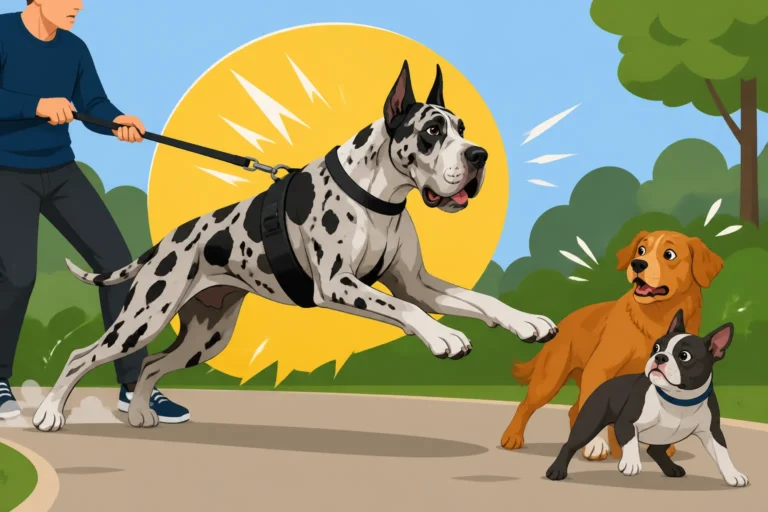
Leash walking becomes another significant hurdle. Many single Great Dane owners already struggle with their powerful dog pulling on the leash. Now, imagine holding two leashes, each attached to a dog that outweighs you by 50 to 100 pounds or more. Unless both are impeccably trained loose-leash walkers, it's likely that one person simply cannot walk two Great Danes safely. Whether One Person Can Walk Two Great Danes is a common question, and the answer is often "not easily, and only with extensive training." You might find yourself doing two separate walks, or recruiting a partner, which adds significantly to your daily time commitment. Training aids like front-clip harnesses can help, but they are not a substitute for consistent, positive reinforcement training.
Financial Realities and Daily Routines for a Double Dane Household
Let's be blunt: Great Danes are expensive dogs. Their size means everything costs more, from food to medication to specialized equipment. Doubling that means doubling the financial commitment, and it's absolutely vital to go into this with your eyes wide open and a robust budget. Many hidden costs only reveal themselves once you're living the double Dane dream.
The Unspoken Costs of Double Dane Ownership
Beyond the obvious food and vet bills, which we've already touched upon, there are many other financial considerations that often surprise new multi-Dane owners.
Pet insurance, for example, is highly recommended for Great Danes due to their propensity for serious health issues like bloat and DCM. If you thought one policy was a significant monthly outgoing, two policies for two giant breeds will certainly make you wince. While invaluable in a crisis, the premiums are not insignificant, and it's important to research what each policy covers, especially regarding breed-specific conditions.
Then there's the inevitable wear and tear on your home. Two large dogs moving through a space will accelerate the aging of your floors, walls, and furniture. Scratches on hardwood floors, muddy paw prints on carpets, and slobber marks on walls at Great Dane head height are just par for the course. Your furniture might bear the brunt of playful wrestling or simply having two giant bodies constantly getting on and off. Investing in durable, easy-to-clean materials for your home becomes less of a luxury and more of a necessity. Floors That Hold Up Under a Great Dane offers some practical advice for protecting your home.
Equipment costs are also multiplied. You'll need two of everything: massive orthopedic dog beds, robust crates (if you use them), heavy-duty leashes and collars, and extra-large bowls. These aren't cheap items. A good quality orthopedic bed for a Great Dane can be a significant investment, and you'll need two that fit your dogs and your space. While you can find many options on Amazon, ensure they are truly built to withstand Great Dane weight and wear. Even seemingly small things like grooming supplies – larger brushes, more shampoo – add up over time.
Consider, too, the cost of specialized services. Boarding two Great Danes when you go away can be astronomically expensive, as many facilities charge by weight or have limited giant-breed capacity. Finding a pet sitter comfortable with two massive dogs might also come at a premium. And if you decide to send them for professional training, those costs will be doubled too. The Scale New Great Dane Owners Miss often includes these types of underestimated expenses.
Crafting a Manageable Double Dane Routine
Establishing a clear, consistent daily routine is essential for any dog, but it's critical when managing two Great Danes. Structure helps reduce anxiety, clarifies expectations, and makes daily life much smoother for both you and your dogs.
Your feeding times will likely need to be carefully orchestrated. Will you feed them at the same time in separate areas, or stagger their meals to ensure each gets individual attention and privacy while eating? Consistency here can prevent resource guarding issues and ensure both dogs feel secure. Post-meal activity should be minimized for at least an hour on either side of eating to reduce the risk of bloat, a life-threatening condition Great Danes are prone to.
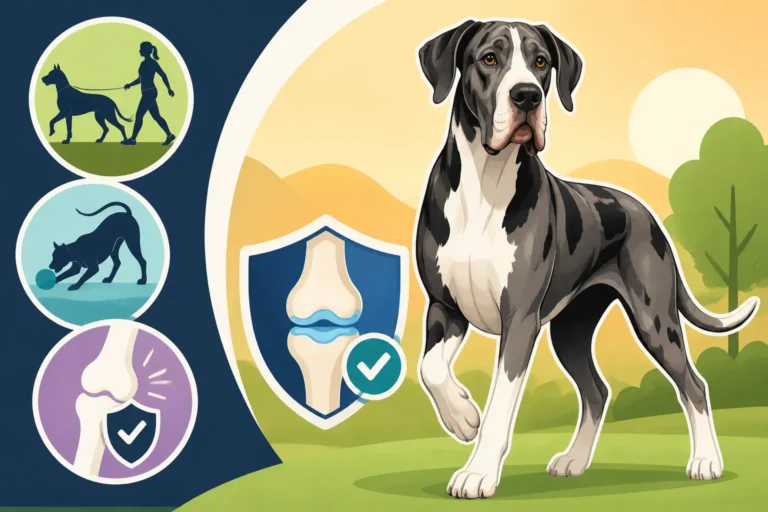
Exercise routines need careful planning. As mentioned, walking two Great Danes can be a two-person job. If you're alone, you might have to commit to two separate walks each day, which doubles your time commitment. Beyond walks, how will you ensure both dogs get enough mental and physical stimulation without over-exercising growing joints or causing chaos indoors? Supervised off-leash play in a securely fenced yard, puzzle toys, and individual training sessions can all contribute.
Alone time is another consideration. If one Great Dane suffers from separation anxiety, introducing a second might help or exacerbate the problem. You'll need to build up their alone time gradually and observe how they interact when left together. Do they comfort each other, or does one become more destructive? Crate training can be a valuable tool here, giving each dog a safe, confined space when you're away. Building Up a Great Dane's Alone Time is a vital skill for both your sanity and their well-being.
Finally, just carving out individual attention for each dog is crucial. Even though they live together, each Dane still needs one-on-one cuddle time, individual training moments, and singular praise. This reinforces your bond with each of them and ensures they don't feel overlooked or compete for affection. It's a balancing act, making sure both feel equally loved and valued within the pack.
When Two Become One Too Many: Recognizing Overwhelm
The dream of a multi-Dane household is beautiful, but the reality can sometimes become overwhelming. It’s important to be honest with yourself about your capacity, resources, and emotional well-being. Recognizing when you might be over your head isn't a sign of failure; it's a sign of responsible pet ownership.
Signs You Might Be Over Your Head
There are many indicators that the double Dane life might be stretching you too thin. One of the most common is constant stress. Are you constantly worried about finances, escalating vet bills, or whether they'll get along today? Are daily tasks like feeding and walking feeling like insurmountable chores rather than enjoyable bonding experiences? Persistent stress can take a toll on your health and, by extension, your relationship with your dogs.
Financial strain is another clear red flag. If you find yourself constantly dipping into savings for unexpected vet emergencies or struggling to afford quality food, insurance premiums, or necessary equipment, it’s a problem. Cutting corners on care for Great Danes can lead to serious health and behavioral issues down the line, ultimately costing more both emotionally and financially. The Short Expensive Life of a Great Dane is a stark reminder of the costs involved.
Behavioral issues escalating between the two dogs, or even from one dog towards you, can also be a sign of overwhelm. If there's persistent tension, frequent squabbles, or resource guarding that you can't manage, it impacts the quality of life for everyone in the home. Similarly, if you find yourself unable to dedicate enough individual attention to each dog, or if their training starts to slip because you simply don't have the time or energy, it's worth re-evaluating. A lack of individual attention can lead to behavioral problems and a weaker bond.
Another sign can be the physical toll. Are you constantly exhausted from the demands of two large, active dogs? Are you struggling with their strength on walks or the sheer amount of cleaning required? Great Danes are physically demanding pets, and two of them magnify that significantly. If you're physically unable to manage them safely, it's a serious concern.
Making Difficult Decisions and Seeking Support
If you find yourself in a situation where the dream has become a burden, it's important to remember that it's okay to admit it's too much. The best thing you can do for your dogs is to ensure they are in an environment where they can thrive, even if that environment isn't with you.
The first step is often to seek professional help. A certified professional dog trainer or veterinary behaviorist can offer invaluable insights into managing multi-dog households and addressing specific behavioral issues. They might be able to suggest strategies, training techniques, or even medication that could significantly improve the situation, making your current arrangement more manageable. Sometimes, an outside perspective can identify simple changes that make a world of difference.
If, after exploring all options, you determine that a multi-Dane household isn't sustainable for you, making the difficult decision to rehome one of your dogs is a compassionate choice. This is not a failure, but a responsible act to ensure both dogs have the best possible future. Connect with Great Dane rescues; they are dedicated to finding loving, appropriate homes for Danes and can help you through the rehoming process with care and support. They understand the breed's needs and can screen potential adopters thoroughly. Never feel shame in prioritizing the well-being of your animals over a personal ideal. Your dogs deserve a home where they can receive all the attention, care, and resources they need to truly flourish.
Disclaimer
This article is for general informational purposes only and does not constitute professional advice. Laws, prices and regulations vary by location and change over time. Consult a qualified professional for guidance on your specific situation.