How Many Minutes a Bloating Great Dane Has
One of the most terrifying emergencies a Great Dane owner can face is bloat, a condition that can turn a healthy, happy dog into a critical patient in mere moments. The agonizing reality is that when a Great Dane's stomach twists, every minute counts, and understanding just how narrow that window is can be the difference between life and death. This guide will delve deep into the brutal urgency of Great Dane bloat, exploring the critical timeline and what you, as an owner, absolutely must do to give your beloved giant the best chance of survival.
Understanding the Urgency of Bloat in Great Danes
Hearing the word "bloat" can send shivers down any Great Dane owner's spine, and for good reason. It’s not just an upset stomach; it’s a full-blown, life-threatening emergency known medically as Gastric Dilatation-Volvulus, or GDV. The speed at which this condition can escalate is truly frightening, and it’s why preparation and immediate action are paramount for any Great Dane parent.
What Happens Inside During a Bloat Episode
Imagine your Great Dane's stomach, usually a fairly mobile organ, suddenly filling with gas and fluid like an overinflated balloon. That’s the "dilatation" part. But with GDV, it gets much, much worse. This distended stomach then twists on its axis – the "volvulus" – effectively pinching off both the entry (esophagus) and exit (duodenum). This twisting traps everything inside, preventing gas from escaping and blood from flowing properly.
When the stomach twists, it cuts off the blood supply not only to the stomach itself but also to other vital organs like the spleen, which often gets pulled along with the twist. The pressure from the distended stomach can also compress major blood vessels, drastically reducing blood flow back to the heart. This leads to shock, organ damage, and can quickly cause cell death, tissue necrosis, and a cascade of systemic problems that are extremely difficult to reverse. It’s a truly horrific event, and the internal damage begins almost immediately after the twist occurs.
Why Great Danes Are Particularly Susceptible to GDV
It feels unfair, doesn't it? That our majestic, gentle giants are so prone to such a rapid and deadly condition. But unfortunately, several factors contribute to a Great Dane's high risk of GDV. Their deep, narrow chests are often cited as a primary anatomical predisposition. This unique body shape provides ample space for the stomach to swing and twist, unlike dogs with broader, shallower chests where the stomach is more constrained.
Beyond anatomy, genetics play a significant role. If your Great Dane comes from a line where bloat is prevalent, their risk is inherently higher. Certain behaviors, like eating too fast, excessive activity before or after meals, or even stress, are also believed to increase the likelihood. While no single cause is definitive, it's clear that the combination of genetics, anatomy, and potentially environmental factors makes the Great Dane one of the breeds with the highest lifetime bloat risk. You can learn more about The Lifetime Bloat Risk in a Great Dane.
The Critical Time Window: What the Experts Say
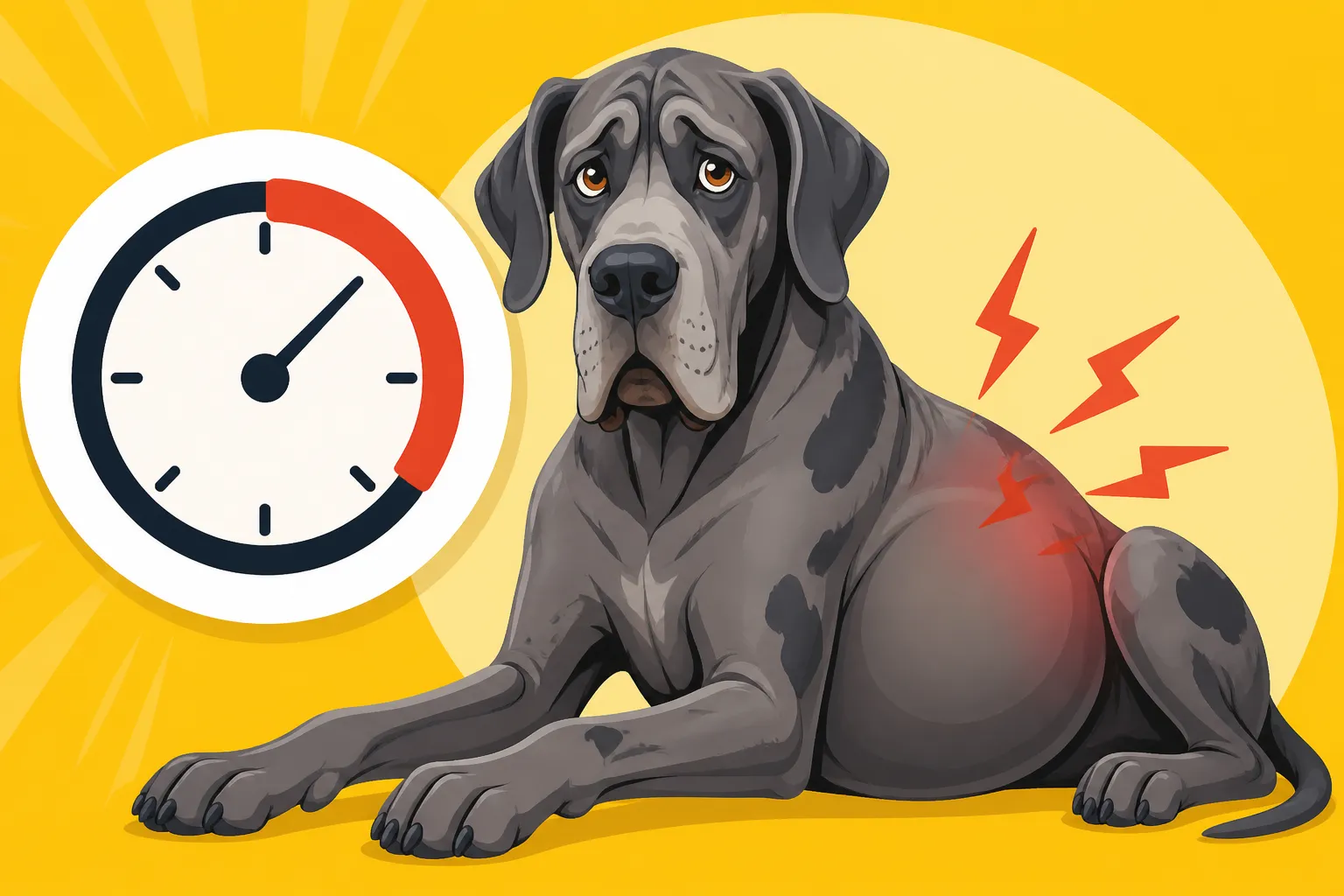
This is the part that keeps Great Dane owners up at night: how much time do you really have? The blunt, heartbreaking truth is that you may only have minutes, not hours, to act. Most veterinarians and emergency specialists agree that the critical window for successful intervention, once a full gastric torsion (twist) has occurred, is incredibly short—often cited as less than two to four hours from the onset of symptoms. Beyond this, the prognosis drops dramatically.
Recognizing the Immediate Signs of Bloat
Knowing the signs is your first line of defense, and it demands constant vigilance. Many owners describe the onset as sudden and terrifying. Your typically calm Great Dane might become restless, pacing, and unable to lie down comfortably. They may stretch out in odd positions, almost as if trying to relieve pressure. A distended abdomen is a classic sign, but it’s not always immediately obvious, especially in dogs with thicker coats or if the twist is less severe initially.
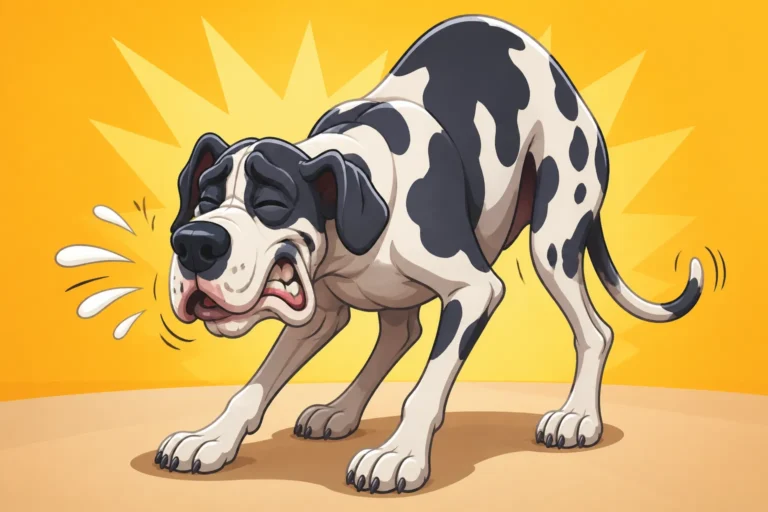
One of the most consistent and alarming signs is unproductive retching or gagging. Your dog will try desperately to vomit, often producing nothing but foamy saliva. This is a huge red flag because it indicates something is blocking the stomach’s exit. Other symptoms include excessive drooling, rapid shallow breathing, pale gums, and signs of pain like whining or groaning. If you see The Signs of a Great Dane Stomach Twisting, do not hesitate.
The Golden Hour and Beyond: What Every Minute Means
When we talk about the "golden hour" in emergency medicine, it refers to the critical period immediately following a traumatic injury where prompt medical treatment can significantly improve a patient's outcome. For Great Dane bloat, this concept is incredibly relevant. The sooner your dog receives veterinary care, the better their chances are of survival and a less complicated recovery.
| Symptom Severity | Time Frame from Onset | Prognosis & Urgency |
|---|---|---|
| Mild Distension, Restlessness | 0-60 minutes | Good to Excellent if immediate vet care is sought. |
| Unproductive Retching, Pacing, Visible Abdominal Swelling | 1-2 hours | Fair to Good if immediate vet care is sought. |
| Weakness, Pale Gums, Rapid Breathing, Labored Movement | 2-4 hours | Guarded to Poor. Organ damage and shock likely progressing. |
| Collapse, Extreme Weakness, Non-responsive | 4+ hours | Very Poor. Survival rate drops drastically due to severe shock and organ failure. |
After two hours, the risk of stomach tissue dying (necrosis) dramatically increases, along with the chances of severe shock. By four to six hours, the survival rate plummets to less than 50% in many cases, even with aggressive surgical intervention. This isn't meant to cause panic, but rather to impress upon you the absolute necessity of acting fast if you ever suspect bloat. Waiting to see if symptoms improve is a gamble with incredibly high stakes.
Action Plan: What to Do the Second You Suspect Bloat
Knowing the signs is only half the battle; knowing what to do is the other, equally critical, half. This isn't a situation where you can call your regular vet and wait for an appointment. This is an emergency that demands immediate, decisive action.
Immediate Steps for Great Dane Owners
As soon as you even suspect bloat, bypass everything and take these steps:
- Call Ahead: Do not just show up. Call your emergency veterinary clinic while you are on your way. Explain clearly that you suspect GDV in your Great Dane and you are incoming. This allows the staff to prepare for your arrival, gather the necessary equipment, and have a surgeon on standby. Time saved in this initial step can be precious. Knowing What to Do the Minute a Great Dane Bloats is paramount.
- Locate the Nearest Emergency Vet: If you don't already have the number and address of the closest 24/7 emergency veterinary hospital committed to handling large breeds, find it now. Store it in your phone and have it visibly posted in your home. This isn't a "wait until it happens" kind of task. In an emergency, every second spent searching for information is a second lost for your dog.
- Transport Safely and Quickly: Get your Great Dane into the car as carefully and quickly as possible. If your dog is struggling to walk, you might need help to lift them. Remember, they are in extreme pain and distress, so approach them calmly but with purpose. Make sure they are as comfortable as possible during the drive, ideally lying down.
This is where having an emergency fund or pet insurance, like a plan from Healthy Paws, can make a huge difference. The last thing you want to worry about in an emergency is the cost, and GDV surgery is notoriously expensive. Being financially prepared means you can focus solely on getting your dog the care they need without delay.
Driving Your Bloating Great Dane to the Emergency Vet
The drive to the emergency vet can feel like the longest journey of your life. While speed is important, safety is paramount. You need to get there quickly, but also safely. Avoid sudden stops or sharp turns that could jostle your dog further. If you have someone else with you, have them keep an eye on your Great Dane, offering quiet reassurance, while you focus on driving.
Be prepared for the staff to take your dog immediately upon arrival. This can be jarring, but it’s a good sign that they understand the urgency. They'll begin initial assessments, pain management, and stabilization procedures, often including X-rays to confirm the stomach twist. You'll likely be asked to provide consent for emergency procedures, so mentally prepare for quick decisions. It's a terrifying experience, but Driving a Bloating Great Dane to the Emergency Vet is the single most important action you can take.
After the Emergency: Recovery and Prevention
Even after your Great Dane makes it through the emergency surgery, the journey isn't over. Recovery can be challenging, and preventing recurrence is a critical long-term goal.
What Surgeons Do to a Twisted Great Dane Stomach
Once your Great Dane is stabilized, the veterinary surgical team will perform an operation to untwist the stomach, known as a derotation. This is a delicate procedure, as the stomach wall might be compromised due to lack of blood flow. The surgeon will assess the viability of the stomach tissue; in severe cases, parts of the stomach may need to be removed if they are necrotic. Often, the spleen, which is frequently involved in the twist, will also need careful inspection and sometimes partial removal.
A crucial part of this surgery, especially for Great Danes, is a procedure called a gastropexy. This involves surgically attaching the stomach to the abdominal wall, creating a permanent adhesion. While it doesn't prevent the stomach from dilating (filling with gas), it does prevent it from twisting again, which is the life-threatening part of GDV. This is why many vets recommend a prophylactic gastropexy for Great Danes even if they haven't bloated before, often performed during a spay or neuter. Knowing What Surgeons Do to a Twisted Great Dane Stomach helps understand the intensity of the procedure.
Recovery After Great Dane Bloat Surgery
The recovery period following GDV surgery is intensive and requires careful monitoring. Your Great Dane will likely spend several days in the veterinary hospital, receiving intravenous fluids, pain medication, and antibiotics. Post-operative complications can arise, including heart arrhythmias, further shock, or infection. The veterinary team will closely watch for these issues.
Once home, your dog will need strict rest, a special diet, and continued medication. You’ll have to monitor their incision site and ensure they don't engage in strenuous activity. Full recovery can take several weeks, and even then, your Great Dane might not be exactly the same for a while. It's a long road, but with proper care and vigilance, many Great Danes go on to live full lives after surviving bloat. Learning about Recovery After Great Dane Bloat Surgery is crucial for post-op care. Unfortunately, not every Great Dane survives, which is why early intervention is so critical. You might wonder Whether a Great Dane Survives a Twisted Stomach.
Strategies to Reduce Future Bloat Risk
While a gastropexy significantly reduces the risk of future twisting, it doesn't eliminate the chance of simple gastric dilatation (bloat without a twist). Therefore, ongoing preventative measures are essential.
Here are some key strategies:
- Multiple Small Meals: Instead of one or two large meals, feed your Great Dane two or three smaller meals throughout the day. This reduces the amount of food in the stomach at any one time. Read more about Meal Habits That Cut a Great Dane's Twist Risk.
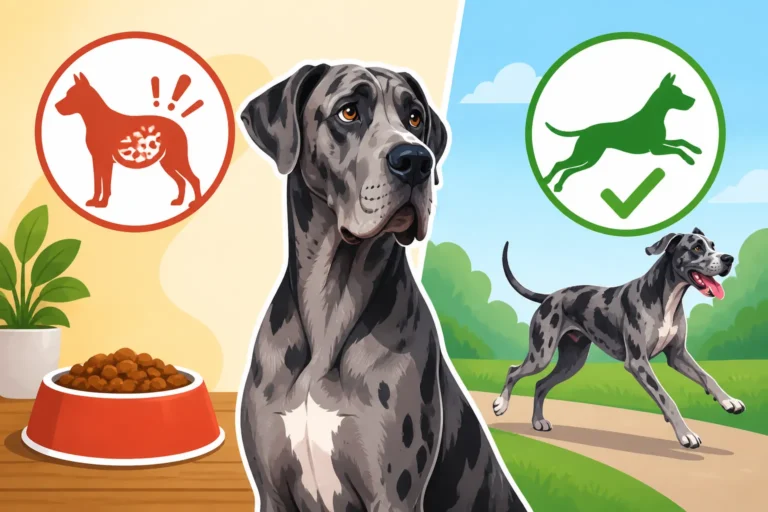
- Slow Down Eating: Use slow-feeder bowls or puzzle feeders to prevent your Great Dane from gulping down their food too quickly, which can lead to swallowing excess air.
- Restrict Exercise Around Meals: Avoid strenuous exercise or vigorous play for at least an hour before and two hours after eating.
- Maintain a Calm Environment: Minimize stress during meal times.
- Consider a Prophylactic Gastropexy: If your Great Dane hasn't had bloat, discussing a preventative gastropexy with your vet is highly recommended. This can be done electively and is less complicated than emergency surgery. Often, vets suggest considering The Age to Tack a Great Dane's Stomach around the time of spay or neuter.
- High-Quality Diet: Discuss your Great Dane's diet with your vet to ensure it's appropriate for giant breeds, avoiding ingredients that might cause excessive gas.
Investing in a robust pet insurance plan like those offered by Healthy Paws can provide immense peace of mind. Knowing that you're covered for emergency procedures, specialist consultations, and ongoing care related to conditions like bloat allows you to make decisions based on your Great Dane's health, not your wallet. The cost of a preventive gastropexy can be substantial, and understanding The Price of a Preventive Great Dane Gastropexy can help you plan ahead.
While bloat is a terrifying prospect, being informed and prepared is your greatest weapon against it. Stay vigilant, act fast, and never underestimate the power of those precious few minutes.
Disclaimer
The information provided in this article is for educational purposes only and should not be considered a substitute for professional veterinary advice. Always consult with a qualified veterinarian for any health concerns or before making any decisions related to your Great Dane's care.