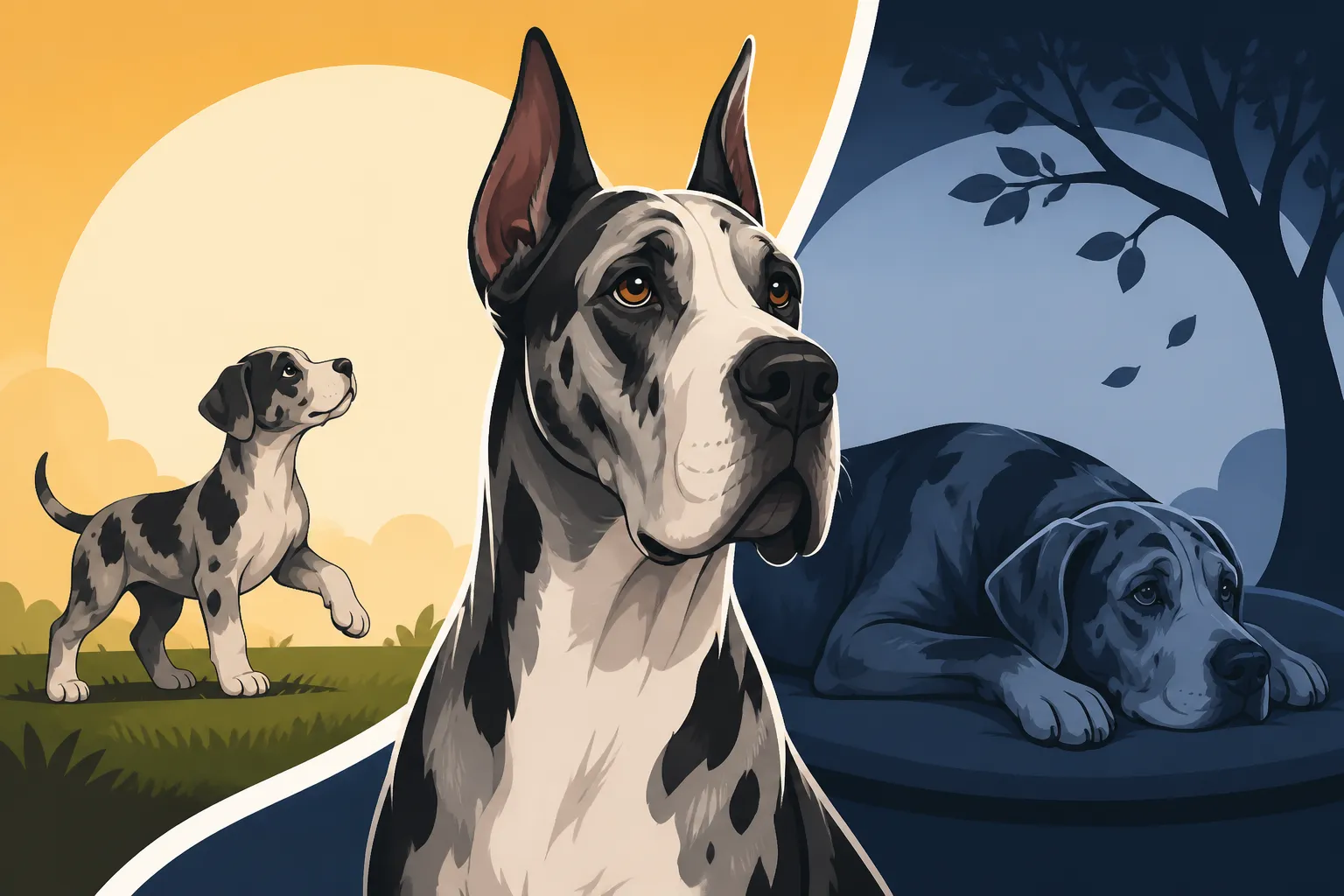
The Short Expensive Life of a Great Dane
Bringing a magnificent Great Dane into your life is an absolute joy, but it’s also a commitment that goes far beyond their impressive size and gentle nature. Many new owners are completely blindsided by the financial realities and the heartbreak that often comes with their tragically short lifespans. This guide isn't here to scare you, but rather to give you a brutally honest look at the true costs – both monetary and emotional – of sharing your life with one of these incredible, albeit expensive, giants.
The Heartbreaking Reality of a Great Dane's Lifespan
There's no sugarcoating it: Great Danes, for all their majesty and charm, are not long-lived dogs. This is often the hardest pill for prospective and current owners to swallow, and it’s a reality that profoundly impacts their lifetime costs. You’re not just preparing for a pet; you’re preparing for an accelerated journey through puppyhood, adulthood, and senior years.
Why Their Years Are So Few
The reason for their condensed existence often lies in their sheer size and rapid growth. Think about it: a Great Dane puppy can grow from a tiny bundle to over 100 pounds in its first year, sometimes even hitting 150-180 pounds by the time it's fully mature. This explosive growth puts immense strain on their bodies, particularly their skeletal and cardiovascular systems. Their metabolism works at an incredibly high rate compared to smaller breeds, which, ironically, can lead to their cells aging faster. It's like living life in fast-forward, and unfortunately, their bodies simply can't sustain that pace for as long as smaller, slower-maturing dogs. Understanding Why a Great Dane Ages Faster Than Smaller Dogs can help temper expectations and prepare you for the unique challenges of their life cycle.
This accelerated aging process contributes to a higher incidence of age-related diseases appearing much earlier in their lives. While a Labrador might develop arthritis in its golden years, a Great Dane could be showing signs of joint degeneration by age five or six. The systems meant to carry such a large frame begin to wear down more quickly. It's a cruel irony that the very thing we admire about them – their imposing stature – is also a major factor in their relatively short time with us. This also means that what might be considered "senior care" for a smaller dog at age ten or twelve, starts much earlier for a Great Dane.
Common Health Challenges That Shorten Lives
When we talk about Great Dane health, several conditions immediately come to mind, and they are unfortunately often life-threatening and expensive to treat. The most infamous is Gastric Dilatation-Volvulus (GDV), or "bloat," a terrifying condition where the stomach fills with gas and can twist, cutting off blood supply. It's an emergency that often strikes without warning, and the odds are truly staggering: it's estimated that Bloat in a Great Dane and the One in Three Odds of experiencing it in their lifetime. Without immediate veterinary intervention, it's almost always fatal. The sheer size of their chest cavity, often described as deep and narrow, makes them particularly susceptible.
Beyond bloat, Great Danes are also highly prone to Dilated Cardiomyopathy (DCM), a devastating heart muscle disease where the heart becomes enlarged and weakened, unable to pump blood effectively. This condition can develop silently and progress rapidly, often leading to congestive heart failure. Learning about The Heart Muscle Disease Great Danes Are Prone To is crucial for any Great Dane owner, as early detection and management can sometimes extend their quality of life, but it requires ongoing, specialized veterinary care. Then there’s cancer, particularly osteosarcoma, a aggressive bone cancer that often appears in their limbs. Facing a diagnosis of Bone Cancer in a Great Dane is devastating, and treatment options, if pursued, are extensive, invasive, and come with a significant price tag, both emotionally and financially. These are just a few of the significant health hurdles that Great Danes face, making their lives shorter and often more medically intensive than many other breeds.
Initial Costs: More Than Just the Puppy Price Tag
When you first bring home a Great Dane puppy, the initial outlay might seem substantial, but it’s truly just the tip of the iceberg. Many people focus solely on the sticker price of the puppy itself, forgetting that setting up a giant dog for success requires an entirely different budget than for a chihuahua.
The True Cost of a Well-Bred Great Dane
The price tag on a Great Dane puppy from a reputable breeder typically ranges from $1,500 to $3,000, sometimes even more for exceptional lines or rare colors. But this isn't just about the puppy; it's about the investment the breeder has made. A responsible breeder has poured countless hours and resources into their breeding program, performing extensive health testing on the parent dogs to minimize the risk of passing on genetic conditions like hip and elbow dysplasia, heart disease (DCM), and thyroid issues. They should be transparent about these health clearances, often providing OFA (Orthopedic Foundation for Animals) or PennHIP certifications for hips and elbows, and echocardiograms from a board-certified veterinary cardiologist. Neglecting The Health Testing a Great Dane Breeder Owers You is a huge red flag and opting for a cheaper puppy from a less scrupulous source might save you money upfront, but it almost guarantees far greater veterinary expenses down the line. It's vital to understand What a Great Dane Breeder Who Screens Hearts Charges to appreciate the value of a healthy start.
Think of it this way: that higher initial cost is a down payment on a potentially healthier future. A "bargain" Great Dane puppy, often sold for under $1,000, is a major red flag. These puppies often come from breeders who cut corners, skipping vital health screenings, providing inadequate nutrition or veterinary care for the mother and puppies, and potentially exposing them to crowded, unsanitary conditions. While the upfront cost is lower, the probability of inheriting serious, expensive health problems like severe hip dysplasia, congenital heart defects, or chronic illnesses skyrockets. You might save a few hundred dollars now, but you could easily be facing thousands in vet bills within the first few years, not to mention the emotional toll of dealing with a chronically ill dog.
Essential Setup for a Giant Puppy
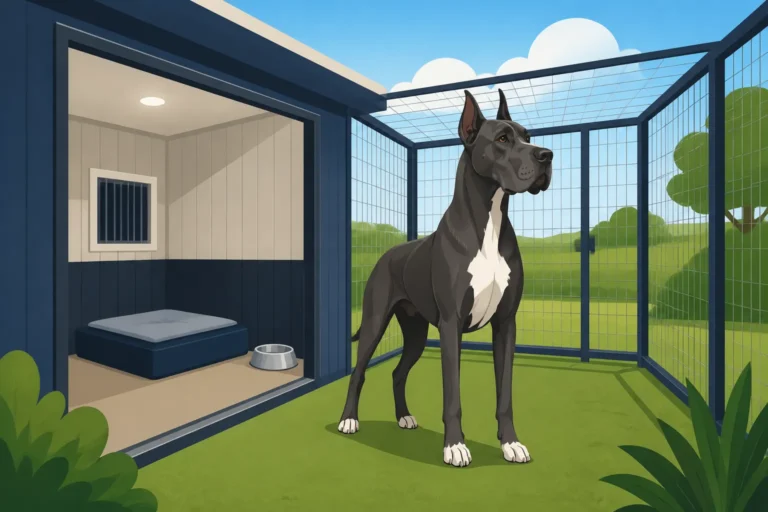
Once you've secured your ethically bred Great Dane puppy, the next wave of costs hits: setting up your home for a colossal canine. Forget the small dog bed and tiny food bowls; everything for a Great Dane puppy needs to be big. A crate for a growing Great Dane can be a significant investment, often costing several hundred dollars for a sturdy model large enough to comfortably contain a full-grown dog. You’ll need giant food and water bowls, preferably elevated to promote comfortable eating and potentially reduce bloat risk, and they need to be heavy-duty enough not to be easily tipped over. Forget about plastic toys that will be shredded in minutes; you'll need a selection of durable, giant-breed-appropriate toys designed to withstand powerful jaws.
The most critical initial expense beyond the puppy itself is their specialized nutrition. Great Dane puppies have very specific dietary needs to support their rapid, yet controlled, growth. They require a large-breed puppy formula that is lower in calories, protein, and critically, calcium, compared to regular puppy foods. Over-nutrition or diets too high in calcium can lead to devastating orthopedic problems like Hypertrophic Osteodystrophy (HOD) or Panosteitis. This specialized food is essential for ensuring healthy bone and joint development and is often more expensive per bag due to its specific formulation and the sheer volume your puppy will consume. Understanding Why Great Dane Puppy Food Is Different is paramount, as feeding the wrong food can lead to painful, lifelong issues. Beyond food, don't forget the initial vet visits for their puppy vaccination series, deworming, and microchipping – these are all standard expenses that are simply larger for a Great Dane due to their size and medication dosages. The Kit a Great Dane Puppy Needs First really adds up quickly.
The Ongoing Financial Commitment of Daily Life
Once your Great Dane puppy is settled, the financial faucets don't turn off. Daily life with a dog of this magnitude involves continuous and significant expenditure in areas many people underestimate. Their sheer size means everything from their food to their bedding costs more, and these are recurring bills that you can't ignore.
Feeding the Gentle Giant
Let's be honest: feeding a Great Dane is an undertaking. These dogs can easily consume anywhere from six to ten cups of high-quality kibble per day, depending on their age, activity level, and metabolism. That's not a typo. This translates to going through enormous bags of dog food at an alarming rate. If you choose a premium large-breed formula, which is highly recommended for their joint and overall health, your monthly food bill alone can easily be $100-$200, or even more. If you're exploring fresh food options, the cost can escalate dramatically. For instance, services like Ollie, which deliver customized fresh meals, would require a substantial budget to feed a dog of a Great Dane's size.
Many owners try to cut corners by buying cheaper, lower-quality kibble, but this often leads to a cycle of poor digestion, skin issues, and potentially nutrient deficiencies that can result in more vet visits down the road. It's a false economy. It's much better to commit to a good quality food and purchase in bulk, which can sometimes offer a slight discount. Online retailers like Chewy are a popular choice for Great Dane owners because they can deliver massive bags of food directly to your door, saving you the hassle of lugging 40-pound bags from the store every few weeks. Getting a clear picture of Monthly Food Spending on a Great Dane is crucial for budgeting, as it’s often one of the largest ongoing expenses.
Grooming, Supplies, and Comfort
Despite their short coats, Great Danes still require regular grooming and a host of supplies specific to their giant stature. While you might not be taking them to the groomer every month for a fancy haircut, they do shed, and regular brushing is essential to manage this. Investing in a good quality deshedding tool and sturdy nail clippers (or a Dremel grinder for their thick nails) is a must. Bathing a Great Dane at home often involves creative solutions, like using a walk-in shower or even a kiddie pool outside, simply because they won't fit in a standard tub. The amount of shampoo you'll use is also significantly more than for a smaller dog.
Beyond grooming, their comfort is paramount, especially for their vulnerable joints. A cheap, thin dog bed won't cut it. Great Danes need large, orthopedic beds with dense foam to support their heavy bodies and cushion their pressure points, particularly their elbows and hocks, to prevent painful calluses and hygromas. These beds are not inexpensive, often costing $150-$400, and you may need several throughout the house. Think about the impact of Orthopedic Beds a Great Dane Needs on their long-term joint health. Then there are the smaller, but cumulative costs: extra-large, heavy-duty collars and leashes, durable toys designed for power chewers (because a Great Dane can make short work of anything flimsy), and cleaning supplies. And let’s not forget the ever-present drool. Managing Great Dane Drool and What to Do About It means keeping towels, slobber rags, and cleaners on hand for those signature Great Dane "slobber strings" that inevitably end up on your walls, furniture, and clothing.
Veterinary Care: The Unavoidable Big Bills
Routine veterinary care for any dog is important, but for a Great Dane, it carries a larger price tag. Everything from their yearly check-ups to preventative medications is scaled up to accommodate their massive size, and for good reason—their health risks are higher.
Routine Care and Preventatives
Even a perfectly healthy Great Dane requires regular veterinary attention. Annual check-ups, which include a thorough physical exam, are crucial for monitoring their rapid aging and catching any subtle changes early. Vaccinations, while typically given less frequently as adults, are dosed based on weight, meaning the cost of the vaccine itself and the administration might be slightly higher. However, where the costs really start to climb is with preventative medications. Heartworm, flea, and tick preventatives are absolutely non-negotiable for a Great Dane's health, and these medications are priced according to the dog’s weight band. A Great Dane falls into the heaviest weight category, meaning their monthly or quarterly doses are the most expensive. Expect to pay significantly more for these vital preventatives than owners of smaller breeds. Checking on Monthly Medications Dosed at Great Dane Weight will show you how quickly these costs add up over a year.
Beyond preventative medications, routine procedures like dental cleanings are also more expensive. Great Danes, like many breeds, can develop plaque and tartar buildup, requiring professional dental care under anesthesia. Anesthesia for giant breeds is inherently more complex and costly due to the larger doses of medication needed, the increased monitoring required, and the longer recovery times. It's not uncommon for a dental cleaning on a Great Dane to run significantly higher than for a small dog, often into the high hundreds or even over a thousand dollars if extractions are needed. So, while The Yearly Checkup a Great Dane Needs might seem straightforward, it’s always a bigger line item on the budget.
Proactive Surgeries: Gastropexy
One of the most significant preventative measures many Great Dane owners choose is a prophylactic gastropexy, commonly known as "stomach tacking" surgery. Given the terrifying and often fatal nature of bloat, this surgery literally tacks the stomach to the abdominal wall to prevent it from twisting if it ever bloats. While it doesn't prevent bloat itself (the gas accumulation), it virtually eliminates the life-threatening twist. This elective surgery is highly recommended by veterinarians for Great Danes, and many owners opt to have it done when their dog is spayed or neutered, combining the anesthetic events to reduce overall risk and cost. Understanding Stomach Tacking Surgery for a Great Dane is crucial for any owner, as it can be a true lifesaver.
The cost of a gastropexy varies depending on your location, the veterinary clinic, and whether it’s done traditionally (open incision) or laparoscopically (minimally invasive). Laparoscopic gastropexy is generally more expensive upfront but often offers a faster, less painful recovery. Regardless of the method, this is a planned surgery that can cost anywhere from $1,500 to $4,000, especially if performed as a standalone procedure. While it's a considerable expense, many owners view it as an investment in their dog's life and their own peace of mind. When considering The Price of a Preventive Great Dane Gastropexy, it's clear that this upfront cost can potentially save you thousands of dollars in emergency surgery costs and, more importantly, save your dog's life.
Navigating Health Crises: When the Bills Skyrocket
This is where the "expensive" part of "the short expensive life" truly hits home. Great Danes are prone to several devastating health conditions that, when they strike, demand immediate and costly veterinary intervention. These aren't just minor ailments; they are often life-or-death situations that can deplete savings in a matter of hours or days.
Emergency Bloat Treatment
Imagine this scenario: your Great Dane, happy and seemingly healthy a few hours ago, suddenly starts pacing, drooling excessively, attempting to vomit but bringing nothing up, and their abdomen appears distended and hard. You recognize the signs of bloat. This is a terrifying, time-sensitive emergency. You have mere minutes, not hours, to get your dog to an emergency veterinary clinic. There is no waiting. The moment a Great Dane bloats, the clock starts ticking rapidly, and the potential for a twisted stomach is imminent. Learning The Signs of a Great Dane Stomach Twisting is crucial for any Great Dane owner, as rapid recognition can mean the difference between life and death.
Once at the emergency vet, a twisted stomach (GDV) requires immediate, intensive surgical intervention. This surgery is complex, lengthy, and carries significant risks. Following surgery, your Great Dane will need intensive overnight care, pain management, IV fluids, and constant monitoring in the veterinary ICU for several days. The bill for such an emergency can easily run from $5,000 to $10,000 or even higher, depending on the severity of the twist, the presence of complications (like tissue necrosis), and the length of hospitalization. This isn't just a hypothetical number; it's a very real financial burden many Great Dane owners face. This is truly The Night a Great Dane Bloats and What It Costs, and it's a moment that can change your financial landscape. Even after the initial crisis, Recovery After Great Dane Bloat Surgery can involve further expenses for follow-up care and potential complications.
Managing Chronic Conditions
Beyond acute emergencies like bloat, Great Danes are susceptible to several chronic, debilitating, and incredibly expensive conditions that require ongoing management. Dilated Cardiomyopathy (DCM), as mentioned earlier, is one such condition. Once diagnosed, managing DCM involves regular visits to a veterinary cardiologist, frequent echocardiograms to monitor heart function, and a daily regimen of expensive cardiac medications. Drugs like Pimobendan, Furosemide, and Enalapril can significantly improve quality of life and extend lifespan, but they come with a hefty monthly cost, especially at Great Dane dosages. Keeping up with Medication for a Great Dane With DCM is a long-term financial commitment.
Then there's cancer. Osteosarcoma, a common bone cancer in Great Danes, often necessitates aggressive treatment plans, which can include amputation of the affected limb, followed by chemotherapy. The cost of Amputation and Chemotherapy for a Great Dane can be staggering, easily reaching $10,000-$20,000 or more, and even then, the prognosis is often guarded. Wobbler Syndrome (Cervical Spondylomyelopathy), a neurological condition affecting the neck, can also be a significant expense. Diagnosis requires advanced imaging like MRI or CT scans, which alone can cost thousands. Treatment options range from conservative management with medications and physical therapy to highly specialized and expensive spinal surgery. These chronic conditions don't just drain your bank account; they drain your emotional reserves as you strive to provide the best possible care for your beloved giant.
The Lifesaver: Pet Insurance
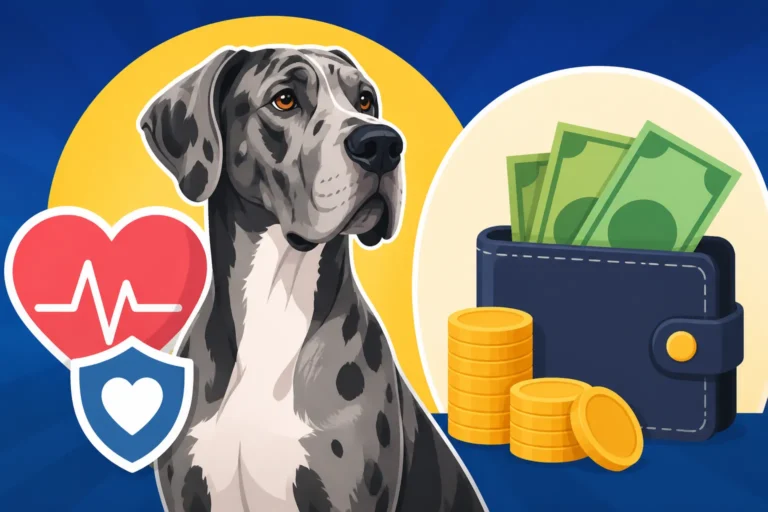
Given the litany of potential health issues and the astronomical costs associated with them, pet insurance for a Great Dane isn't just a nice-to-have; it's practically a non-negotiable necessity. Many Great Dane owners consider it the single most important investment they make after acquiring their dog.
Why Insurance Is Not Optional for Great Danes
The reality is stark: without pet insurance, many Great Dane owners would be forced to make impossible choices when faced with a sudden emergency or a chronic diagnosis. Imagine that $8,000 bloat surgery bill or the ongoing thousands for DCM medication hitting your budget without warning. For most families, these are not expenses they can easily absorb. Pet insurance acts as a financial safety net, allowing you to focus on getting your dog the best possible care without being crippled by debt or, even worse, having to make the heartbreaking decision to euthanize due to financial constraints. The peace of mind alone is worth the monthly premium. It truly helps to mitigate the impact of Insuring a Great Dane Against Bloat and Heart Bills because those conditions are so prevalent.
Great Danes, unfortunately, are often categorized as a "high-risk" breed by insurers due to their propensity for serious, expensive conditions. This means their premiums are generally higher than for smaller, healthier breeds. However, considering the potential costs, even a higher premium is a small price to pay. It’s absolutely vital to enroll your Great Dane in a comprehensive pet insurance policy as early as possible – ideally as a puppy – before any conditions develop. If you wait until a problem arises, it will be considered a pre-existing condition and will not be covered. This is why getting them enrolled when they are young and healthy is key to making sure you have coverage when you truly need it.
Choosing the Right Policy
Selecting the right pet insurance policy for a Great Dane requires careful consideration. Not all policies are created equal, and some may have breed-specific exclusions or lower caps for certain conditions. You'll want a comprehensive policy that covers accidents, illnesses, surgeries, emergency care, specialist visits, diagnostics (like X-rays, ultrasounds, MRI/CT scans), and prescription medications. Look closely at the deductible (the amount you pay before coverage kicks in), the reimbursement rate (the percentage of the vet bill the insurance company pays), and the annual limits. For a Great Dane, a policy with high annual limits (or even unlimited coverage) is preferable, as a single major incident can easily exceed a $10,000 limit. Reviewing Premiums Quoted on a Great Dane will highlight the variation between providers.
Many Great Dane owners find value in providers known for their robust coverage and straightforward claims process, especially when dealing with such a high-needs breed. For example, Healthy Paws is often highly rated for its comprehensive coverage and fast reimbursement, making it a popular choice for those with giant breeds who anticipate significant veterinary expenses. Always read the fine print, understand what is and isn't covered, and compare policies thoroughly. Don't be afraid to ask specific questions about coverage for bloat, DCM, and cancer, as these are the conditions you are most likely to encounter with a Great Dane. A small monthly investment in a solid insurance plan can literally be a lifesaver for your dog and a budget-saver for you.
Beyond the Bank Account: Time and Lifestyle Costs
While the financial burden of Great Dane ownership is substantial, it’s equally important to acknowledge the significant investment of time and the lifestyle adjustments required. These aren't costs you can put a dollar figure on, but they are absolutely critical to the well-being of both you and your giant companion.
Time Investment in Training and Socialization
Training a Great Dane isn't just about teaching tricks; it's about shaping a well-mannered, controllable giant that can safely navigate the human world. A 150-pound dog that jumps on guests, pulls on the leash, or counter-surfs isn't just annoying; it's a serious hazard. Early and consistent training is non-negotiable. Starting with puppy classes as soon as they are old enough is crucial, and continuous reinforcement at home is a daily commitment. You'll spend hours on basic obedience, leash manners, and appropriate greetings. Understanding The Manners a Great Dane Needs Before It Grows is vital, because what's cute in a 30-pound puppy is dangerous in a 130-pound adolescent.
Due to their impressive size and power, some owners opt for professional trainers, which is another time and financial investment. Group classes can range from $150-$300 for a course, while private, in-home training can easily cost $100-$200 per session. This training also needs to extend to socialization. Exposing your Great Dane puppy to a variety of sights, sounds, people, and other dogs in a positive way is critical to developing a confident, friendly adult. This isn't a passive activity; it requires dedicated time to safely introduce them to new experiences. Teaching a Great Dane good Getting a Great Dane to Walk on a Loose Leash is paramount, not just for walks, but for your own physical safety and enjoyment.
Adjusting Your Home and Travel
Living with a Great Dane means making significant adjustments to your living space. Forget dainty furniture; you'll need sturdy pieces that can withstand a tail wagging at table height or a happy head resting on the armrest. Floors should ideally be non-slip to protect their developing joints. And you might find yourself needing baby gates that are taller and more robust than standard ones, simply because your Dane can easily step over or lean through weaker models. Considering Furnishing a House for a Great Dane means thinking about durability and height clearances for everything.
Travel also becomes an entirely different ballgame. Your compact sedan might suddenly feel inadequate. Transporting a Great Dane often requires an SUV, a large wagon, or even a minivan, and you'll need appropriate safety restraints like a large crash-tested crate or a sturdy harness. Finding Which Cars Actually Fit a Great Dane is a serious consideration before bringing one home. Spontaneous trips become more complicated, as many hotels have weight restrictions or charge hefty pet fees. Boarding kennels need to have runs large enough for them, and doggy daycare facilities need to be equipped to handle giant breeds. Even finding a pet sitter who is comfortable with a dog of their size and temperament can be a challenge. These logistical considerations impact your flexibility and freedom, adding another layer of "cost" to Great Dane ownership.
Preparing for the Inevitable: Senior Care and End-of-Life
The shortened lifespan of a Great Dane means that senior care often begins earlier than with other breeds, and you need to be prepared for the increased needs and associated costs as they age. This final stage of their lives, while heartbreaking, also demands careful planning and immense compassion.
Specialized Care for Aging Danes
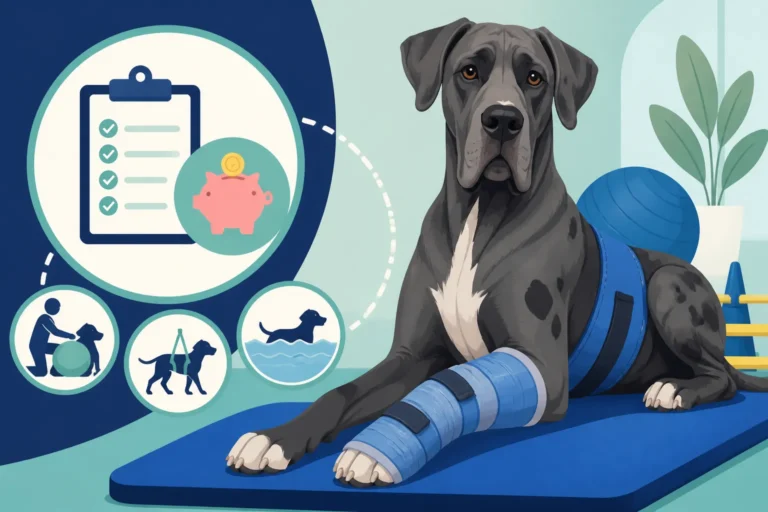
As your Great Dane approaches what are considered their senior years (typically around 5-6 years old), their needs will change, and veterinary visits often become more frequent. Arthritis is a common ailment in aging giant breeds, requiring pain management through NSAIDs, joint supplements, and potentially alternative therapies like acupuncture or laser therapy. These treatments, while effective, add to the monthly budget. Mobility aids, such as orthopedic beds with extra support, ramps for getting into cars or onto furniture, or even slings to help them with stairs or standing, become necessary to maintain their comfort and quality of life. Understanding Caring for a Great Dane Past Six highlights the importance of these proactive measures.
Beyond mobility, aging Great Danes may develop other health issues common in seniors, such as kidney disease, liver problems, or a decline in cognitive function. This necessitates more frequent bloodwork, specialized diets, and ongoing medication, all of which are dosed at Great Dane weights, driving up the cost. Monitoring their weight and ensuring they remain lean is also critical to minimize strain on their joints. The transition to senior care is a gradual process that requires vigilance, patience, and a willingness to adapt to their evolving needs, both medically and practically.
The Final Costs
No one wants to think about it, but preparing for the end-of-life stage is an unavoidable part of responsible pet ownership, especially with a breed known for its shorter lifespan. When the time comes, making the decision to say goodbye is agonizing enough without the added stress of financial concerns. Euthanasia, whether performed at home or at the veterinary clinic, is a compassionate option when your Great Dane's quality of life has significantly diminished. The cost for this procedure varies, but it’s an expense that must be factored in.
Following euthanasia, you’ll need to consider aftercare options. Cremation is a common choice, and the cost is typically determined by the animal's weight. For a Great Dane, this means you'll be paying for the highest weight bracket, which can range from $200 to $500 or more, especially if you opt for individual cremation and a return of their ashes. Some owners choose burial, which may involve costs for a plot or burial services if you don't have suitable property. While these are the last expenses you'll incur, they are a real part of the overall financial picture of owning a Great Dane. Understanding What a Great Dane's Final Year Costs can help you prepare for these inevitable, final expenses.
Estimated Annual Costs for a Great Dane
To give you a clearer picture, here's a general breakdown of potential annual costs for an adult Great Dane. Please remember these are estimates and can vary widely based on your location, your dog's specific health needs, and your personal choices.
| Category | Low Estimate (Annual) | High Estimate (Annual) | Notes |
|---|---|---|---|
| Food | $1,200 | $2,400+ | High-quality kibble; fresh food can be significantly higher |
| Routine Vet Care | $300 | $700 | Annual check-up, vaccinations, basic tests |
| Preventative Meds | $350 | $700 | Heartworm, flea/tick (weight-based) |
| Pet Insurance Premiums | $600 | $1,500+ | Varies by age, coverage, deductible, and provider |
| Supplies & Grooming | $200 | $500 | Toys, beds, leashes, brushes, shampoo |
| Training/Enrichment | $100 | $500 | Classes, puzzle toys, chews, dog park fees |
| Miscellaneous | $100 | $300 | Cleaning supplies, unexpected small items, travel treats |
| Total Annual Estimate | $2,750 | $6,600+ | Does not include emergency vet bills, major surgeries, or senior care |
It's evident from this table that even without a major health crisis, the annual cost of owning a Great Dane is substantial. When you factor in the potential for bloat surgery, chronic disease management, or specialized senior care, these figures can easily double or triple in any given year.
Disclaimer
The information provided in this article is for general informational purposes only and does not constitute veterinary advice. Always consult with a qualified veterinarian for any health concerns or before making any decisions about your Great Dane's care, diet, or treatment. Costs are estimates and can vary significantly based on location, veterinary clinic, individual pet needs, and market conditions.