Shifting Lameness in a Growing Great Dane
It's incredibly unsettling when your Great Dane puppy, who was just romping around yesterday, suddenly starts limping. What's even more perplexing is when that limp mysteriously disappears, only to reappear a few days later on a completely different leg. This "now you see it, now you don't" lameness is a common, though frustrating, concern for owners of rapidly growing giant breeds, and it's often referred to as shifting lameness. This guide will help you understand what might be causing it, what symptoms to watch for, and how best to support your growing companion.
What is Shifting Lameness in a Great Dane Puppy?
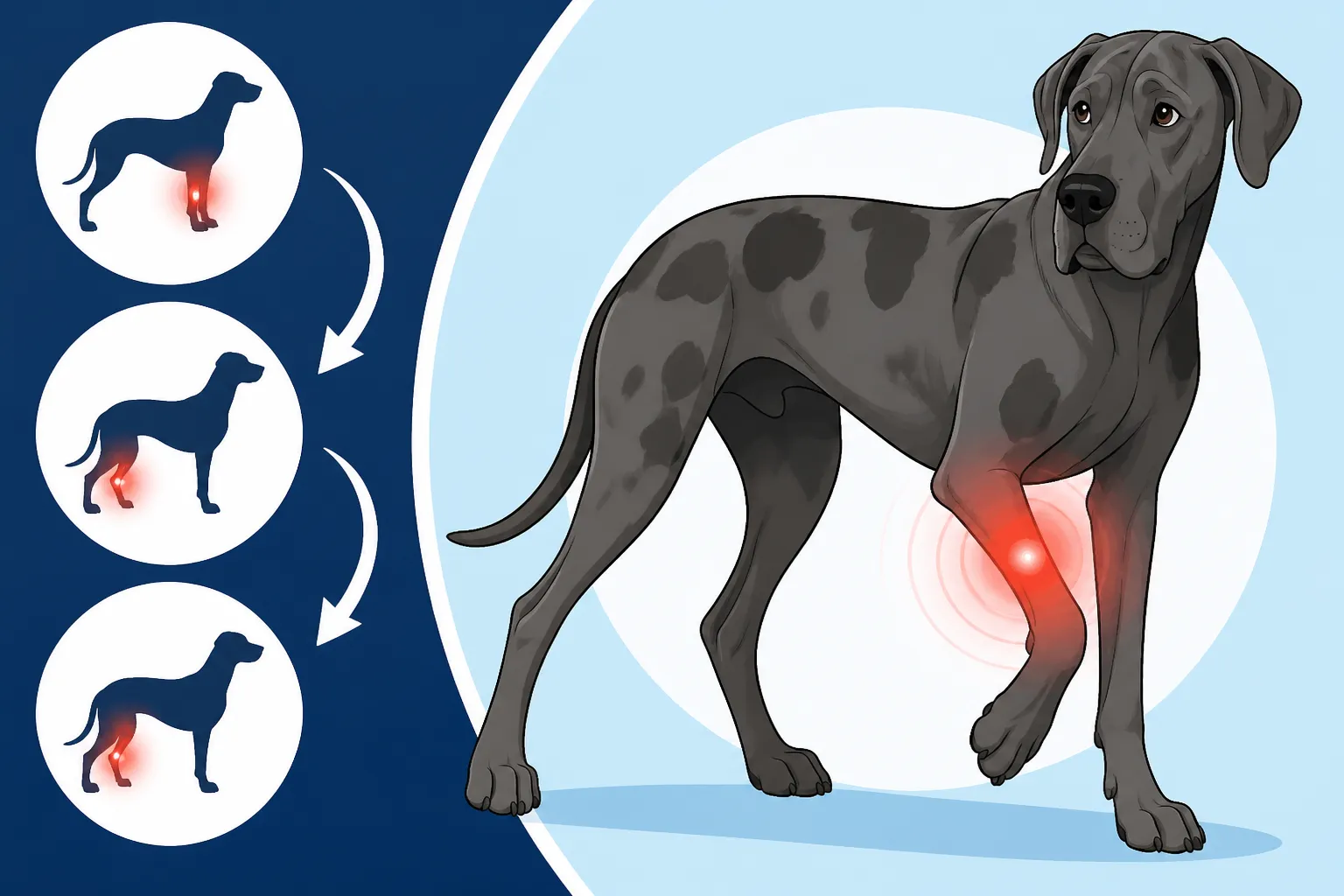
Shifting lameness, especially in a Great Dane puppy, refers to a condition where the dog experiences intermittent lameness that moves from one limb to another without an obvious injury. It’s not just a subtle stiffness; it can be a pronounced limp that leaves you wondering if your pup has seriously hurt themselves, only for it to resolve completely in a day or two, only to show up again on a different leg. This can be incredibly confusing and concerning for any Great Dane parent.
Understanding Panosteitis
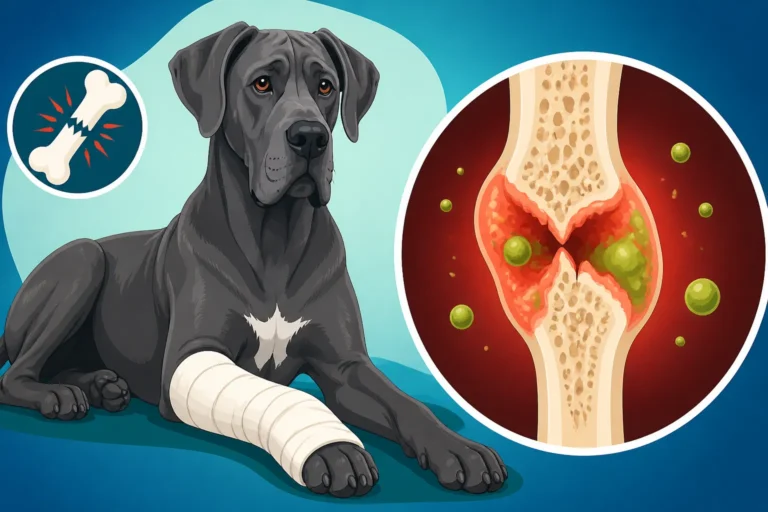
One of the most common culprits behind shifting lameness in growing Great Danes is a condition called panosteitis. This isn't a joint problem, but rather an inflammation of the long bones – think of the femur (thigh bone), tibia (shin bone), humerus (upper arm bone), ulna, and radius (forearm bones). Essentially, the outer lining of these bones, and sometimes the bone marrow itself, becomes inflamed.
It's a condition that almost exclusively affects rapidly growing large and giant breeds, like our beloved Great Danes, typically presenting between 6 and 18 months of age, though it can sometimes be seen in pups as young as two months or as old as two years. The reason it's so baffling is its unpredictable nature. Your pup might be limping badly on their front left leg today, seem perfectly fine tomorrow, and then be limping on their back right leg the day after. It's so frustrating when you think they're better, only for them to start limping on a different paw. This shifting characteristic is precisely what gives "shifting lameness" its name. While the exact cause isn't fully understood, it's believed to be linked to the rapid growth spurts these magnificent dogs experience. We often talk about the importance of Why a Great Dane Puppy Should Grow Slowly, and panosteitis is one of the reasons controlling growth rate is so crucial.
Differentiating from Other Growing Pains
While panosteitis is often colloquially referred to as "growing pains," it's a distinct medical condition. There are other orthopedic issues that can manifest during a Great Dane's rapid growth phase, such as hypertrophic osteodystrophy (HOD) or osteochondritis dissecans (OCD). HOD, for example, is another inflammatory bone disease that can cause severe lameness, pain, and fever, often affecting the growth plates near the ends of the long bones. However, unlike panosteitis, HOD usually presents with more severe systemic signs and typically affects multiple limbs simultaneously rather than shifting.
It’s crucial to understand that while these conditions are related to growth, they are not something to simply "wait out." Any lameness in a growing Great Dane warrants a veterinary visit. A professional diagnosis is vital to rule out more severe orthopedic problems, ensure proper management, and provide your puppy with the most appropriate care. Ignoring persistent lameness could lead to worsening conditions or complications if it’s something more serious than panosteitis. It's worth noting that Growth Disorders in a Great Dane Puppy can encompass a range of issues, and distinguishing them is your vet's job.
Signs and Symptoms to Watch For Beyond the Limp
Observing your Great Dane puppy closely is key when you suspect shifting lameness. While the limp is the most obvious sign, there are other behavioral and physical clues that can help you and your veterinarian understand what's going on. Remember, your pup can't tell you where it hurts, so you become their best advocate.
Behavioral and Physical Clues
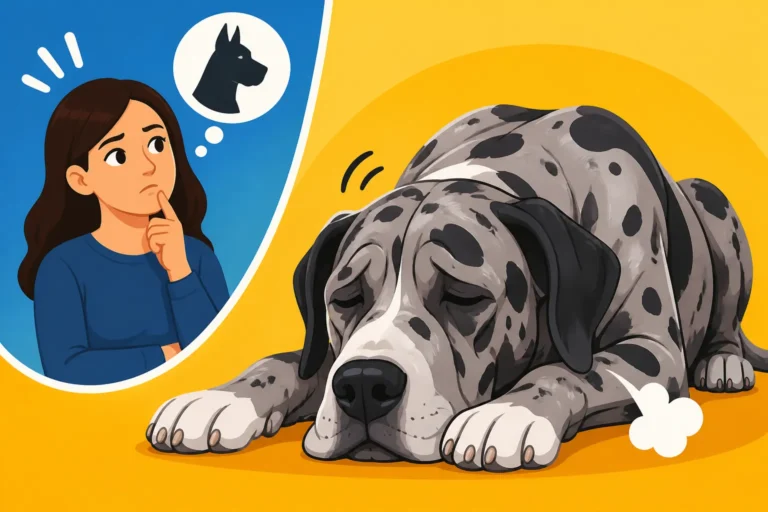
Beyond the visible limp that shifts from one leg to another, you might notice a range of other symptoms. Your normally boisterous puppy might suddenly become lethargic, showing less interest in play or their usual exercise routine. They might be reluctant to stand up, climb stairs, or even jump into the car. Some pups will yelp or whine when you touch the affected bone, or even just when you try to pat them, indicating pain. You might observe a subtle loss of appetite, although a full-blown fever is less common with panosteitis than with other conditions like Hypertrophic Osteodystrophy in a Great Dane.
On a physical level, if you gently palpate (feel) your dog's long bones – the ones in their legs – you might detect a slight swelling or tenderness in the areas that are currently affected. Sometimes, the only sign is a very subtle reluctance to bear weight, or a stiff gait that doesn't quite look right. The challenge, of course, is that these symptoms can come and go, making it difficult to pinpoint. Keeping a detailed log of when you notice lameness, which leg, and any other symptoms can be incredibly helpful for your vet.
The Diagnostic Process at the Vet
When you bring your limping Great Dane to the vet, they'll start with a thorough physical examination. This will include observing your puppy's gait, checking their range of motion, and very carefully palpating all the long bones in their limbs. Your vet is essentially trying to reproduce the pain or tenderness to pinpoint the source.
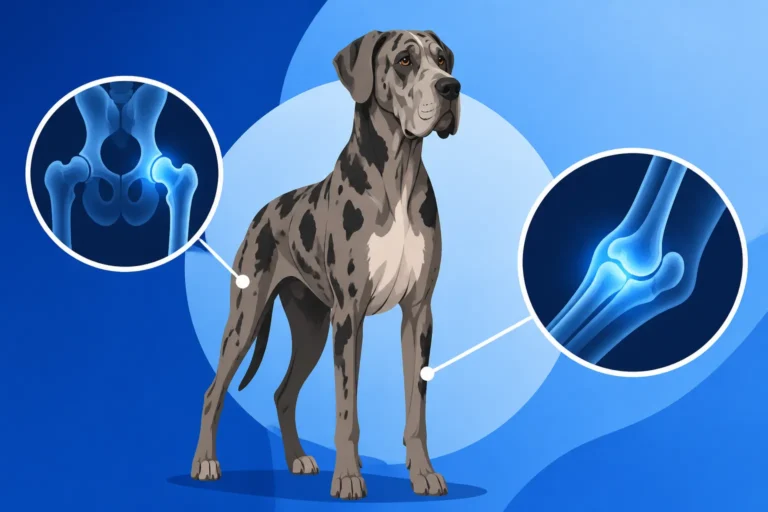
The gold standard for diagnosing panosteitis, and ruling out other conditions, is typically X-rays. While early stages of panosteitis might not show clear changes on an X-ray, more advanced cases will reveal characteristic densities within the bone marrow. However, even if the X-rays are inconclusive for panosteitis, they are absolutely crucial for ruling out more serious orthopedic conditions like fractures, growth plate injuries, osteochondritis dissecans (OCD), or in rare and severe cases, even something as devastating as Bone Cancer in a Great Dane. Sometimes, your vet might recommend repeated X-rays over several weeks to monitor bone changes. Don't be surprised if your vet suggests X-raying all four limbs, even if only one seems affected at the moment, just to get a full picture.
Here's a quick overview of what to look for and expect:
| Symptom Category | Panosteitis Clues | What Your Vet Will Do | Why It Matters |
|---|---|---|---|
| Lameness | Intermittent, shifting between limbs; mild to severe limp; appears suddenly. | Gait observation; limb manipulation; palpation of long bones. | To confirm lameness, identify affected limbs, and rule out acute injury. |
| Pain/Tenderness | Yips or pulls away when affected long bones are touched; reluctance to put weight on a leg. | Firm but gentle palpation of all long bones. | To localize pain and differentiate from joint pain. |
| Behavioral Changes | Lethargy; decreased activity; reluctance to play, jump, or climb stairs; changes in appetite. | Owner history; general physical exam. | Helps assess overall well-being and severity of discomfort. |
| Physical Signs | Occasional slight swelling/heat over affected bones; no obvious injury. | Visual inspection; temperature check. | To identify localized inflammation. |
| Diagnostic Test | X-rays of affected limbs (and sometimes all four). | Radiographs taken by vet. | Crucial for confirming panosteitis (bone marrow densities) and ruling out other serious bone/joint diseases. |
Managing and Treating Shifting Lameness
Discovering your Great Dane has panosteitis can be worrying, but the good news is that it's typically a self-limiting condition. This means it usually resolves on its own as your puppy matures. Your role, and your vet's, is to manage the pain and provide supportive care to keep your pup comfortable during this challenging growth phase.
Pain Management and Supportive Care
The primary goal of treatment is pain relief. Your veterinarian will likely prescribe non-steroidal anti-inflammatory drugs (NSAIDs), such as carprofen (Rimadyl), meloxicam (Metacam), or firocoxib (Previcox). These medications help reduce inflammation and alleviate pain, making your pup much more comfortable. It's incredibly important to always use NSAIDs specifically prescribed for dogs by your vet, and never give human pain relievers, as they can be toxic. For a comparison, consider how different the approach is for Pain Relief for a Great Dane With Bone Cancer, highlighting the less severe nature of panosteitis.
Beyond medication, rest is paramount. This doesn't mean complete crate rest for weeks on end, which can be detrimental to a growing pup, but rather significantly limiting strenuous exercise. Short, controlled leash walks are generally fine, but avoid vigorous running, jumping, rough play with other dogs, or long hikes. Imagine your Great Dane puppy needs a mini-vacation from being a wild, energetic pup. Some owners find that warm compresses applied to the affected areas for 10-15 minutes a few times a day can also provide additional comfort, similar to how we might soothe sore muscles. The good news is that panosteitis usually resolves entirely by the time your Great Dane reaches skeletal maturity, typically around 18-24 months of age, with no lasting effects.
Nutritional Considerations and Lifestyle Adjustments
Beyond direct pain management, optimizing your Great Dane's nutrition and lifestyle plays a huge role in supporting their recovery and potentially reducing the severity or frequency of panosteitis episodes. First and foremost, revisit your puppy's diet. It's vital that Great Dane puppies are fed a high-quality, large-breed puppy food specifically formulated to support slow, steady growth. This type of food has carefully balanced calcium and phosphorus levels and appropriate calorie content to prevent rapid growth spurts that can exacerbate bone and joint issues. It's truly eye-opening to understand Why Calcium Supplements Damage a Great Dane and Why Regular Puppy Food Hurts a Great Dane when it comes to giant breeds.
Keeping your Great Dane lean is another non-negotiable. Excess weight puts additional strain on rapidly developing bones and joints, intensifying any discomfort. You should be able to easily feel your pup's ribs, but not see them prominently. We've discussed Whether a Great Dane Puppy Should Be Kept Lean before, and it applies strongly here.
Provide soft, supportive bedding throughout your home. This helps cushion your Great Dane’s growing joints and bones, especially when they're resting, preventing unnecessary pressure points and discomfort. Think orthopedic beds designed for large breeds; they're an investment in comfort and long-term joint health. If you've ever dealt with Bedding That Prevents Great Dane Hygromas, you know how crucial proper cushioning is.
Exercise, as mentioned, needs to be controlled. Instead of intense bursts of activity, opt for consistent, moderate activity. Short, frequent walks rather than one long, strenuous one are ideal. Avoid activities that involve a lot of jumping or quick pivots, which can put undue stress on their developing skeletal system. We’ve covered Exercise Limits While a Great Dane Is Still Growing extensively, and these guidelines are especially important for a puppy dealing with panosteitis.
Finally, consistent veterinary check-ups are essential to monitor your puppy's progress, adjust medication as needed, and ensure no new issues are developing. This is where having a good pet insurance plan, like those offered by Healthy Paws, can really make a difference. Unexpected vet visits for diagnostics and pain medication can add up quickly, and knowing you have that safety net can ease a lot of stress. Whether it's the cost of ongoing pain medication or future consultations, a policy from Healthy Paws can help manage the financial strain.
Long-Term Outlook and Prevention
While navigating panosteitis with your Great Dane puppy can feel like a marathon, remember that for most dogs, the finish line brings a full recovery. Understanding the prognosis and taking proactive steps can make all the difference.
Prognosis and Potential Recurrence
The prognosis for Great Danes diagnosed with panosteitis is generally excellent. The vast majority of puppies recover completely with no lasting lameness, joint issues, or long-term health problems. The condition is self-limiting, meaning it typically resolves on its own as your Great Dane reaches skeletal maturity, usually around 18-24 months of age. At this point, the rapid growth phases subside, and the inflammatory process in the bones usually ceases. This is roughly around The Month a Great Dane Stops Getting Taller.
However, it's important to be prepared for potential recurrence. While one episode doesn't necessarily mean continuous problems, panosteitis can reappear, sometimes even shifting to a limb that wasn't previously affected. This can happen until your pup is fully grown. Patience, consistent pain management, and adhering to lifestyle adjustments during these flare-ups are key. Don't get discouraged if the limp returns; it's usually just another phase that will pass.
Proactive Steps for Great Dane Owners
While you can't guarantee your Great Dane won't ever experience panosteitis, there are significant proactive steps you can take to support their healthy development and potentially reduce the risk or severity of growth-related issues.
Firstly, start with a reputable breeder. A responsible breeder will prioritize the health of their breeding stock, screening for genetic conditions that can impact bone and joint health. They will be transparent about the health history of their lines and provide you with relevant documentation. Understanding The Health Testing a Great Dane Breeder Owes You is critical before you even bring a puppy home.
Secondly, nutrition is paramount. As discussed, feeding a diet specifically formulated for large and giant breed puppies is crucial. These foods are designed to promote slow, steady growth, preventing the rapid spurts that can stress developing bones. Avoid overfeeding, as excess calories contribute to too-rapid growth and can lead to weight issues that exacerbate joint problems.
Thirdly, manage exercise carefully during their formative months. While exercise is important for mental and physical development, it needs to be controlled. Avoid forced, high-impact activities like long runs, intense ball chasing, or excessive jumping until your Great Dane is fully mature. Controlled play and short, regular walks are much better.
Finally, and this can't be stressed enough, consider pet insurance from an early age. Investing in comprehensive pet insurance early, perhaps with a provider like Healthy Paws, is a smart proactive step. It covers unexpected conditions like panosteitis, as long as it's not a pre-existing condition, and it's a financial safety net for future veterinary needs. Great Danes are prone to several costly health issues throughout their lives, and having insurance from the start can alleviate a tremendous financial burden. When faced with diagnostic costs for things like shifting lameness, having a plan from Healthy Paws can mean less worrying about the bill and more focus on your dog's recovery. Being prepared for potential veterinary expenses is a hallmark of responsible Great Dane ownership.
Disclaimer
This article is for general informational purposes only and does not constitute professional advice. Laws, prices and regulations vary by location and change over time. Consult a qualified professional for guidance on your specific situation.