What Comes Out of a Harlequin Great Dane Litter
Harlequin Great Dane litters produce diverse color variations because the merle gene and harlequin modifier interact unpredictably.
Is this the right one for you?
Origins and temperament, size and coat, what living with one is actually like, and how it compares to the breeds people weigh against it.
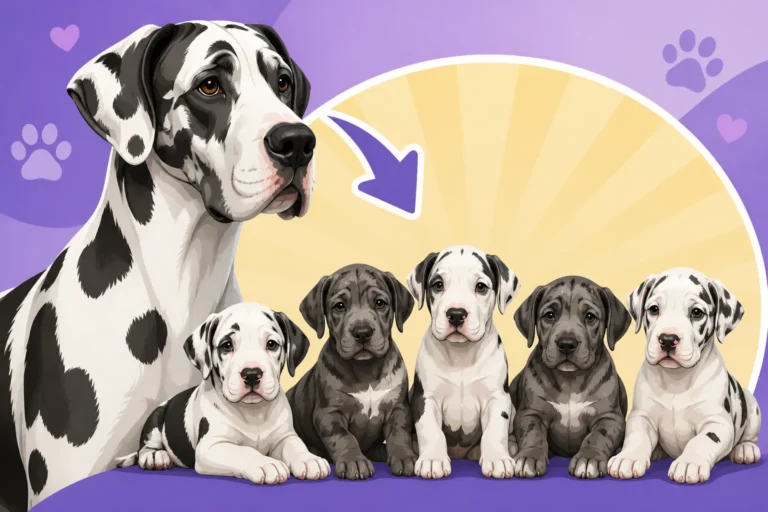
Harlequin Great Dane litters produce diverse color variations because the merle gene and harlequin modifier interact unpredictably.
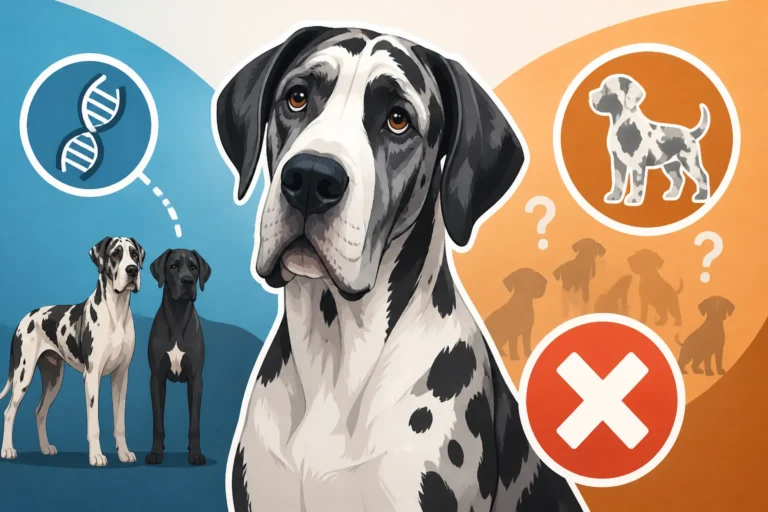
Breeding Harlequin Great Danes involves complex genetics and severe health risks like deafness and blindness to achieve their distinct patterns.
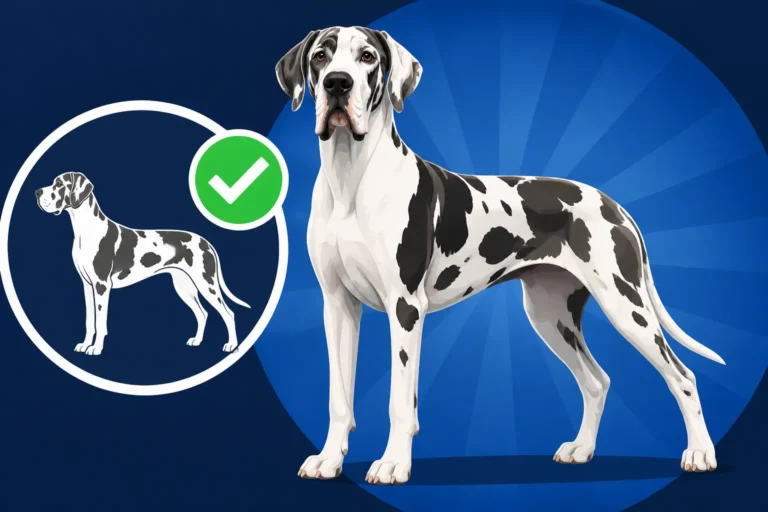
Correct Harlequin Great Dane standards require a pure white base coat with distinct torn black patches distributed across it.
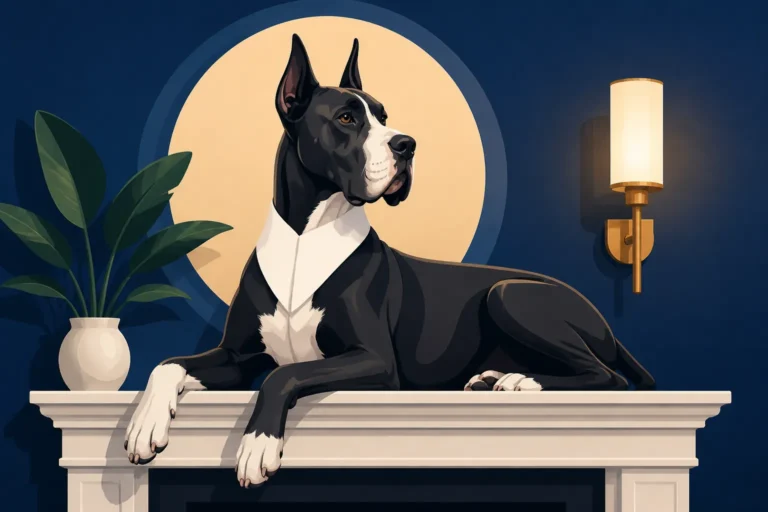
The white collar on a Mantle Great Dane explains breed standard markings, differentiating this black coat from harlequin patterns.
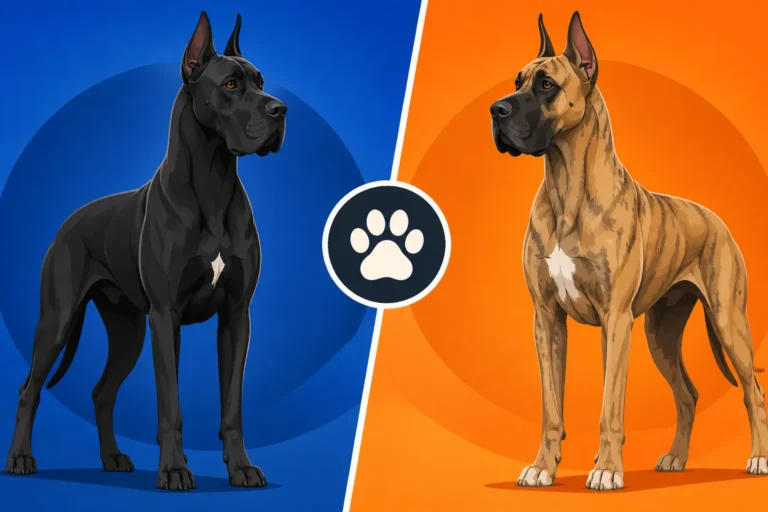
Solid black and mantle Great Dane coat patterns, the breed standard, and the dominant black K locus genetics explained.
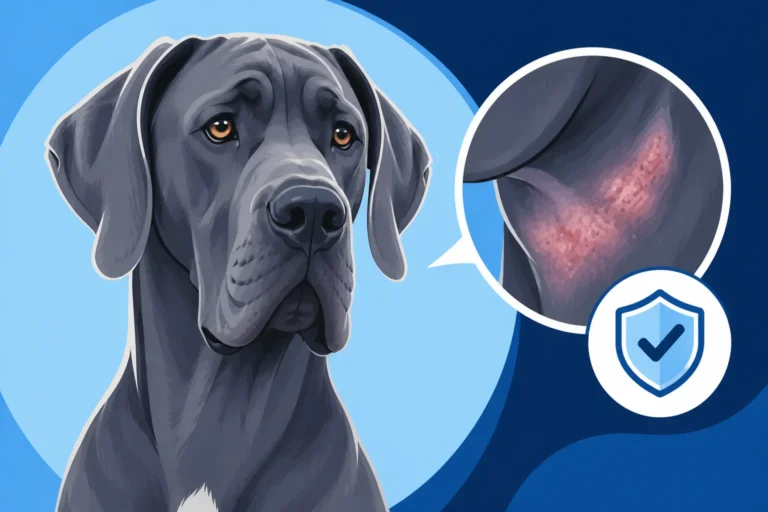
Blue Great Dane coat genetics, the dilution gene, and potential skin issues or hair follicle impacts affecting these dogs.
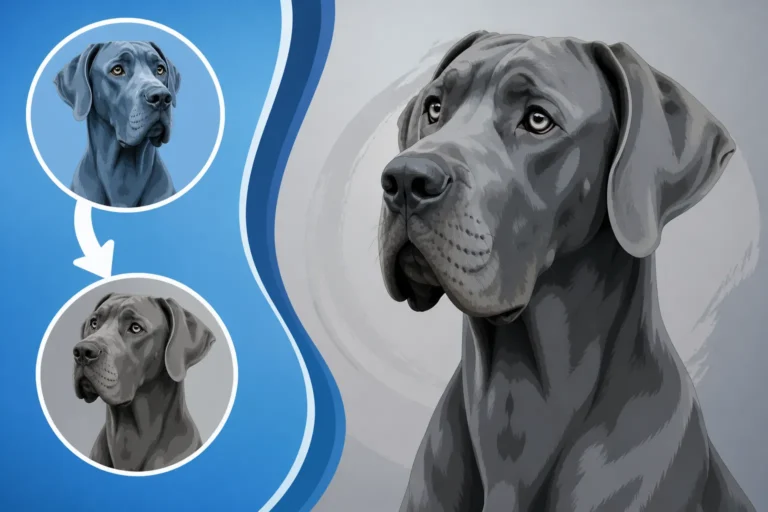
The blue Great Dane coat color is caused by the D locus gene diluting black eumelanin pigment into steel gray.
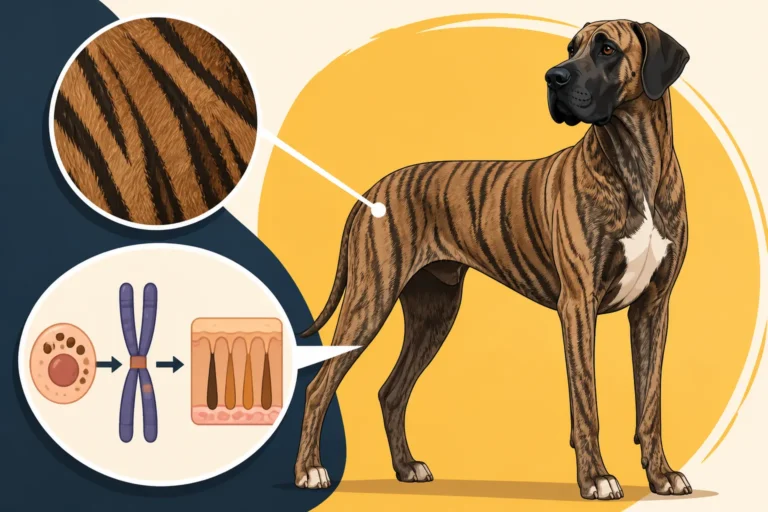
Canine coat color genetics and the K locus alleles eumelanin and phaeomelanin explain how brindle stripes form on Great Danes.
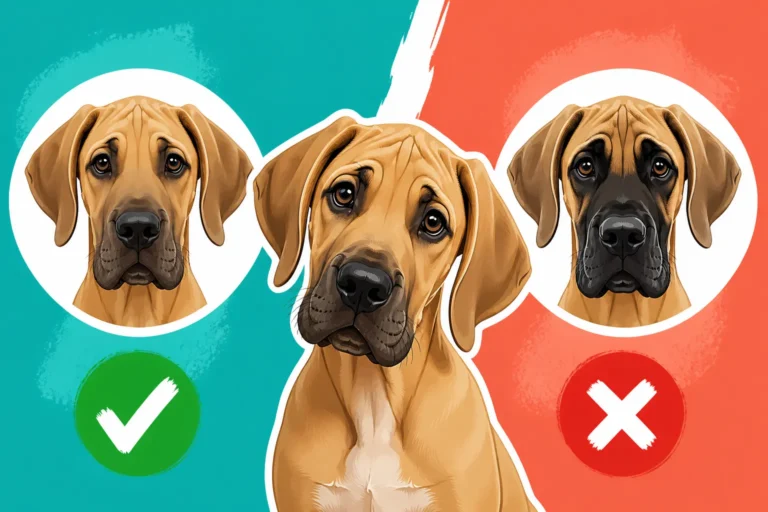
Fawn Great Dane facial markings and official breed standards dictate whether the distinctive black mask is required.
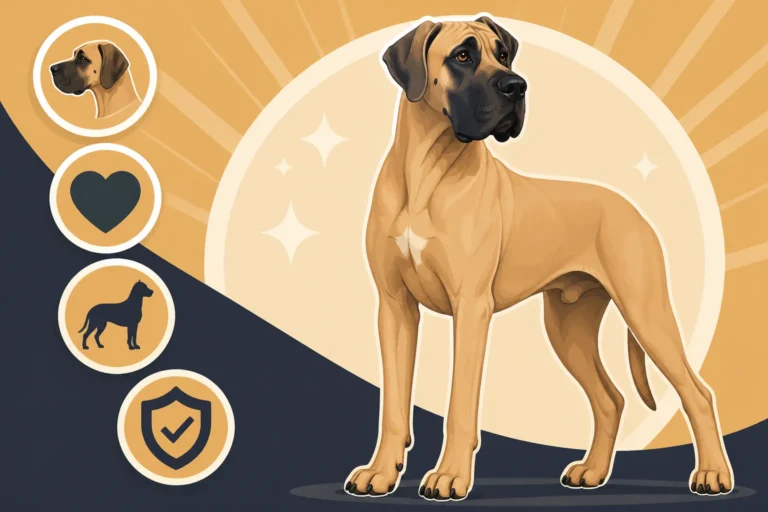
Fawn Great Dane coats feature golden hues from wheat to red-gold, a black mask, and occasional white chest markings.