Whether a Rare Colored Great Dane Is Worth Chasing
Rare Great Dane coat colors often signal genetic health problems, making responsible breeding choices vital for canine well-being.
Is this the right one for you?
Origins and temperament, size and coat, what living with one is actually like, and how it compares to the breeds people weigh against it.
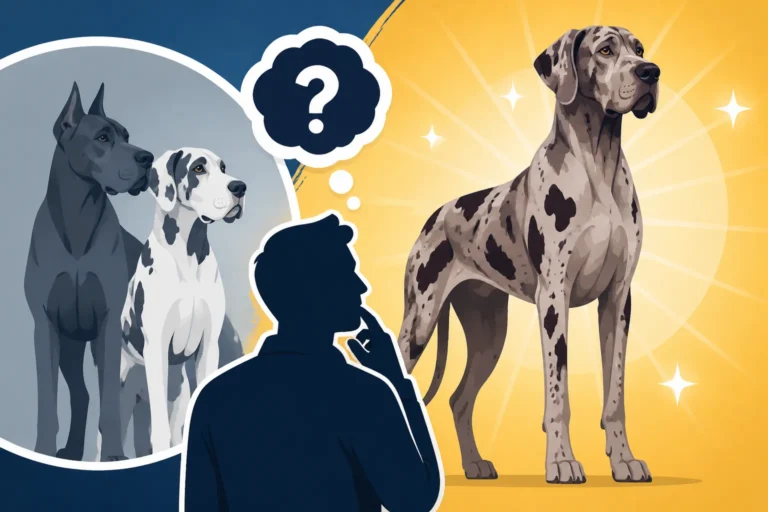
Rare Great Dane coat colors often signal genetic health problems, making responsible breeding choices vital for canine well-being.
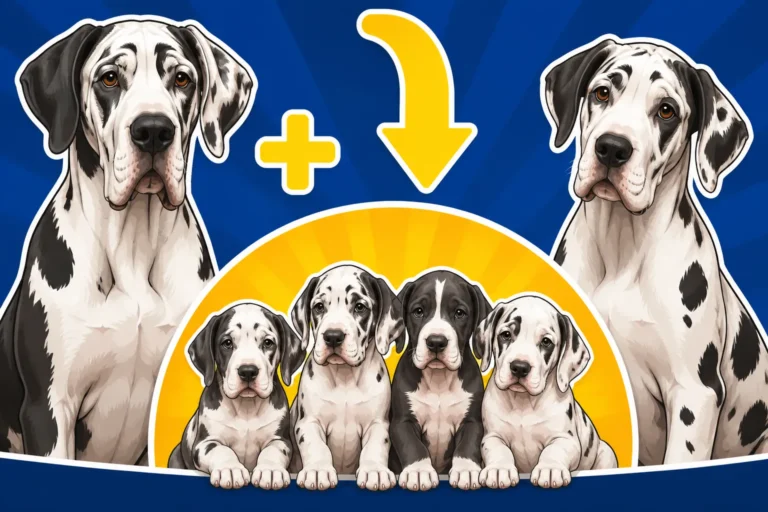
Breeding two Harlequin Great Danes produces complex genetic challenges, including lethal gene combinations and severe health risks for puppies.
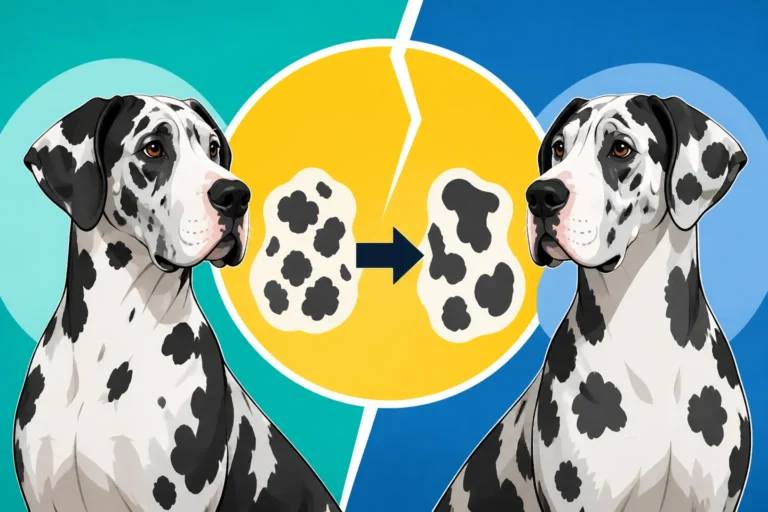
Harlequin Great Dane coat patches and genetics explain why puppy spots appear to shift as the dog grows into an adult.

Great Dane coat color genetics and the specific health risks linked to the merle gene and double merle puppies.
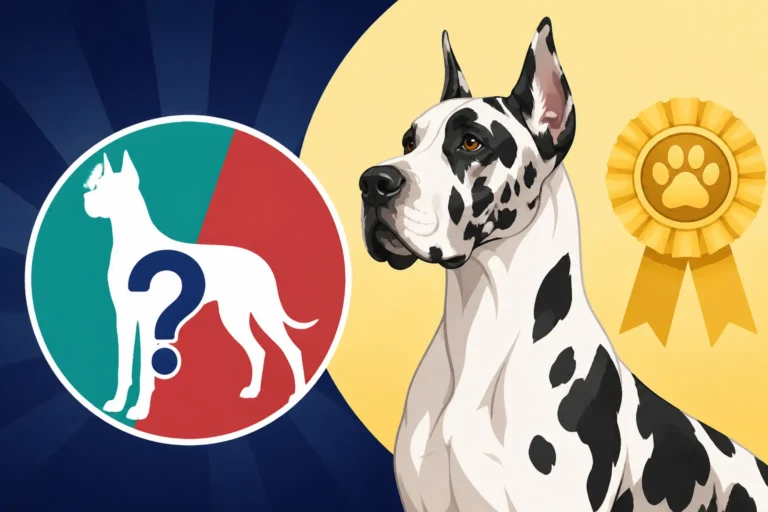
Piebald Great Dane show eligibility depends on official breed standards, which exclude dogs with non-standard coat patterns.
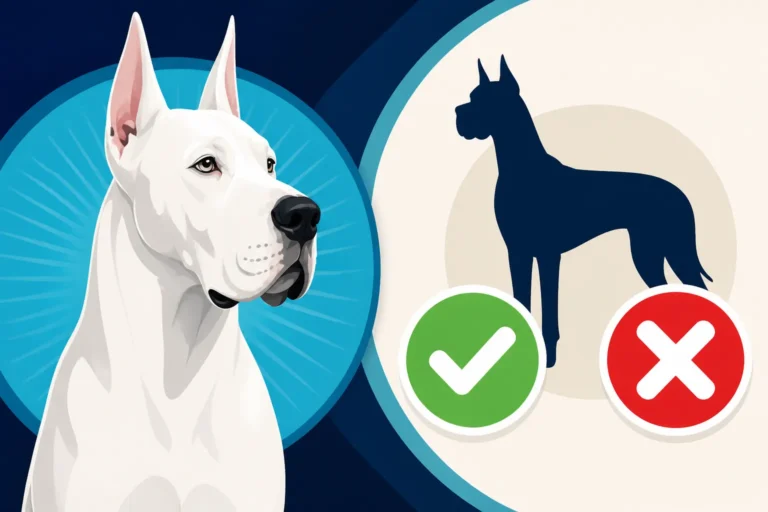
White Great Danes face official breed standard exclusion and serious health challenges linked to genetic double merle factors.
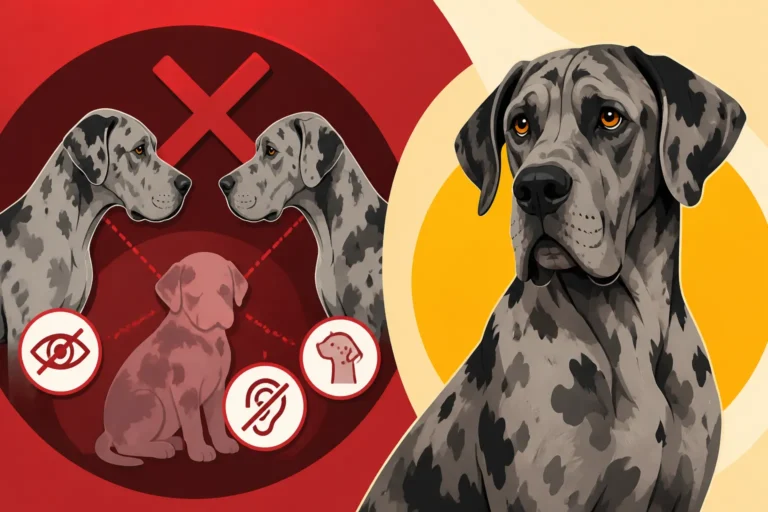
Breeding two merle Great Danes together causes severe lifelong health risks in puppies by doubling the merle gene.
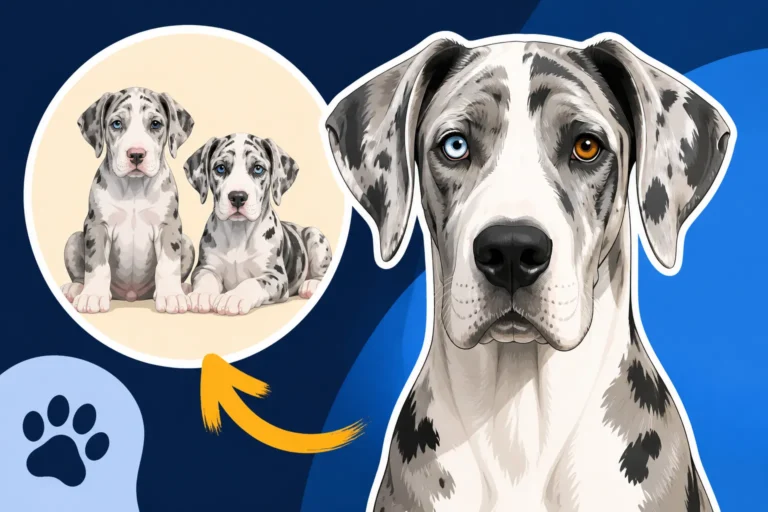
Double Merle Great Dane genetics explain the health issues, vision impairments, and breeding risks associated with this pattern.

Merle Great Danes and their history explain the specific year they gained American Kennel Club conformation ring recognition.
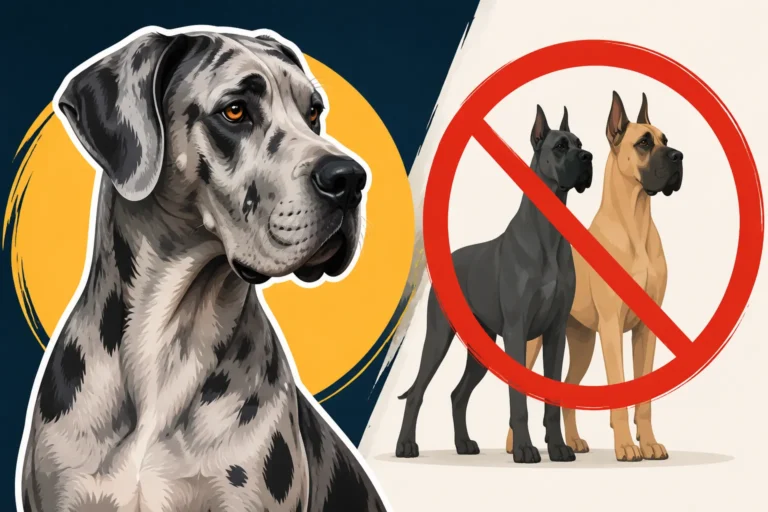
Merle Great Danes faced historical show ring disqualification due to early aesthetic standards and genetic health concerns.