Colors the Great Dane Standard Does Not Allow
Oh, the allure of a "rare" Great Dane color! It's completely understandable to be drawn to something unique, something that stands out from the crowd. After all, Great Danes are magnificent creatures, and it's natural to want a dog that feels truly special. However, the world of Great Dane colors can be a bit of a minefield, with some beautiful shades actually falling outside the recognized breed standard, and often for very good reasons related to health. This guide is here to shed some light on those fascinating colors that the official Great Dane standard does not allow, helping you understand why they exist and what it means for the breed and potential owners.
Understanding the Great Dane Breed Standard
Before we dive into the colors that don't quite fit the mold, it's essential to understand what a breed standard actually is and why it matters so much for a breed like the Great Dane. It's not just some arbitrary rulebook; it's the blueprint for the breed.
The Purpose of a Breed Standard
Think of a breed standard as the official description of the ideal Great Dane. It covers everything from temperament and movement to physical characteristics like head shape, ear set, and, yes, coat color. This document is meticulously crafted by the parent club of the breed, in our case, the Great Dane Club of America, and approved by organizations like the American Kennel Club (AKC). Its primary purpose is to preserve the integrity, health, and working ability of the breed over generations.
For breeders, the standard serves as a guide, a goal to strive for in their breeding programs. It helps ensure that Great Danes consistently possess the traits that define them, whether that's their "gentle giant" temperament or their majestic appearance. Without a standard, breeders might make choices based solely on fleeting trends or individual preferences, which could ultimately dilute the breed's characteristics or, more importantly, introduce or perpetuate health issues. So, while it might seem strict, it's really about protecting the Great Dane as we know and love it.
The Role of the AKC and Other Kennel Clubs
The American Kennel Club (AKC) is a major player in defining what is and isn't considered "standard" for Great Danes in the United States. They register purebred dogs and oversee dog shows where dogs are judged against their breed's standard. If a Great Dane's color falls outside the recognized standard, it might still be registrable in some cases (like the Merle, which was recently added), but it won't be competitive in conformation shows, and breeders focusing on those colors are often not considered "reputable" by the wider breed community because they are not breeding to improve the overall breed.
Other international kennel clubs, such as the Fédération Cynologique Internationale (FCI), which often influences European standards, generally align with the core principles of the AKC standard for Great Danes. While there might be minor differences in phrasing or emphasis, the fundamental expectations for type, temperament, and health-approved colors remain largely consistent. This global consensus helps maintain a consistent vision for the breed across different countries and ensures that the core characteristics of the Great Dane are preserved worldwide.
The Six Recognized Great Dane Colors: A Quick Recap
Before we talk about what's not allowed, it helps to quickly review the colors that are firmly established within the Great Dane standard. These are the colors you'll see in the show ring and from responsible breeders who prioritize health and conformity to type.
The 'Foundation' Colors: Fawn, Brindle, Blue, Black
These four colors form the bedrock of the Great Dane's coat palette and are perhaps the most commonly recognized.
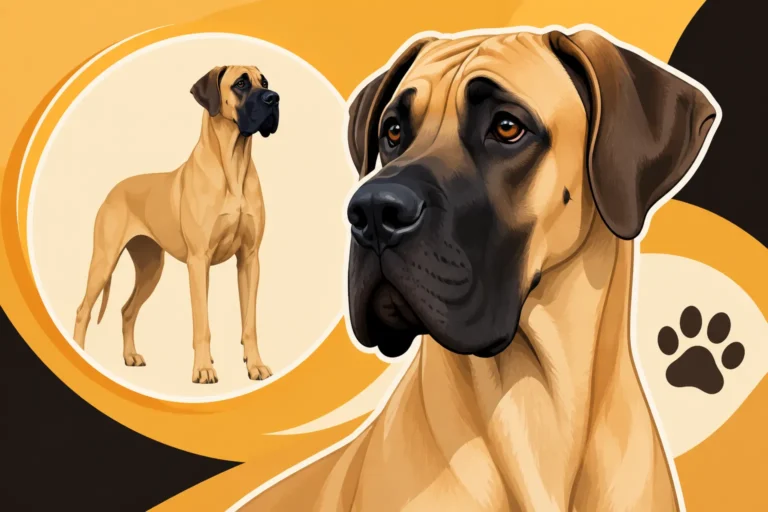
Fawn Great Danes are iconic, with their striking golden-yellow coats and a mandatory black mask. The contrast of the warm fawn against the deep black of their muzzle and often their ears is simply stunning. It's a classic look that many people associate immediately with the breed. The richness of the fawn can vary from a light gold to a deep, burnished copper, but that unmistakable black mask is always present, making them easily identifiable. You can learn more about The Fawn Great Dane and Its Black Mask.
Brindle Great Danes are essentially fawn dogs adorned with elegant, tiger-like black stripes. These stripes can vary in intensity and pattern, sometimes being very dense and covering much of the fawn, other times appearing more sparse and defined. It’s a beautiful, dynamic coat that offers a unique twist on the fawn base. The brindle pattern adds a sophisticated texture to their already impressive physique. For a closer look at how these patterns develop, check out Brindle Striping on a Great Dane.
Blue Great Danes are truly magnificent, with their coats appearing in various shades of steel gray, often giving them a regal, almost ethereal presence. This isn't a diluted black, but rather a distinct genetic expression that creates this stunning color. Their eyes are often darker, and their noses are also a dark grey or slate color to match their beautiful coat. The blue color is captivating, ranging from a lighter, smoky gray to a deep, dark charcoal. Understanding What Dilution Does to a Blue Great Dane can shed more light on this specific genetic trait.
Black Great Danes are solid, sleek, and often imposing. Their coats should be a deep, glossy black, ideally without any white markings, though a small patch on the chest and toes is sometimes permissible. A truly solid black Great Dane can be incredibly striking, showcasing their powerful physique without any distractions. The intensity of their black coat makes them look quite formidable yet elegant. You might be interested in a comparison of Black and Mantle Great Danes Compared to see the subtle differences that set them apart.
The Patterned Colors: Harlequin and Mantle
Beyond the solid foundation colors, the Great Dane standard also recognizes two distinct patterned coats that add to the breed's diverse visual appeal.
Harlequin Great Danes are arguably the most visually complex and eye-catching of all the standard colors. They have a pure white background with irregular, torn black patches scattered across their bodies. These patches should ideally be fully black, though some grey shading (often called 'ticking' or 'merling') can appear, which traditionally was less desired. A correctly marked Harlequin is a work of art, with no two dogs ever looking exactly alike. The unique genetic combination required to produce a true Harlequin makes them particularly fascinating to breeders and enthusiasts alike. Explore What Makes a Harlequin Great Dane Correct for more details on this intricate pattern.
Mantle Great Danes are often described as looking like a "tuxedo," with a solid black blanket or saddle covering their body, complemented by a white blaze on the face, a white collar, and white markings on the chest, legs, and tail tip. They present a crisp, clean contrast between black and white that is undeniably elegant. The distinct separation of black and white, particularly the unbroken white collar, is a hallmark of the Mantle pattern. Understanding The White Collar on a Mantle Great Dane is key to appreciating this striking variation.
The "Unrecognized" Colors: Where Things Get Complicated
Now, let's talk about the colors that cause a bit more discussion in the Great Dane world. These are often beautiful, but they either fall outside the traditional standard or, in some cases, are associated with significant health concerns.
The Merle Debate and Its Acceptance
For a long time, the merle pattern was a contentious topic in the Great Dane community. Merle is characterized by a marbled or mottled appearance, where patches of diluted color are interspersed with patches of full pigmentation. Imagine a blue Great Dane with lighter gray or silver patches throughout its coat, or a fawn dog with diluted fawn patches. Historically, merle was not recognized by the AKC, despite its presence in some breeding lines, often occurring as "covert merle" where the pattern wasn't overtly visible but could still be passed on.
However, the landscape has changed. In 2019, the AKC officially began recognizing merle as a registrable color for Great Danes. This was a significant shift, driven by various factors, including the reality of the merle gene already existing within the breed and the desire to track these dogs for health purposes. While merle Great Danes can now be registered and shown in performance events, they are still considered a "disqualification" in conformation shows if they aren't harlequin-patterned merles (meaning, merle on a harlequin base). This means that while Merle Great Danes Since 2019 are more common, they don't meet the visual standard for showing. The acceptance of merle has been a mixed bag for many breeders; it allows for better tracking but also brings increased responsibility to educate the public about the genetic risks, particularly concerning "double merles." You can read more about when The Year Merle Great Danes Could Be Shown to understand the timeline of this change.
The Unacceptable Whites: Double Merle and Piebald
This is where the health implications become extremely serious, and why many "unrecognized" colors are vehemently discouraged by ethical breeders.
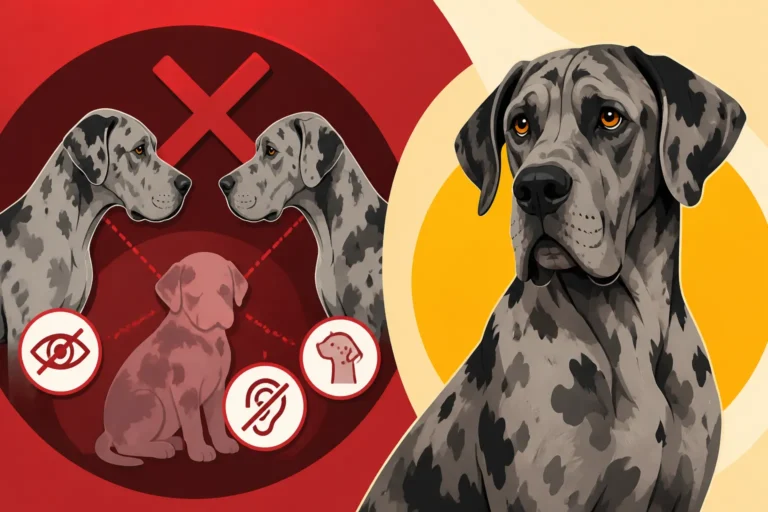
Double Merle (often appearing as white or excessively white Danes) occurs when a puppy inherits two copies of the merle gene (M/M) from both parents. These dogs are almost always born deaf, blind, or both, and can have other severe health issues such as microphthalmia (abnormally small eyes), missing eyes, or severe eye defects. While their striking white coats might seem unique or beautiful to an uninformed buyer, the suffering these dogs endure is heartbreaking. Responsible breeders never intentionally breed two merle Danes together because of this devastating outcome. It's a cruel gamble with a puppy's quality of life. Understanding Why Two Merle Great Danes Should Not Be Bred is crucial for anyone interested in Great Dane genetics. The heartbreaking reality of How Common Deafness Is in a White Great Dane and the prevalence of Missing Eyes and Small Eyes in White Great Danes in these dogs underscores the severe ethical concerns.
Piebald refers to a pattern of white spotting caused by a different gene than merle. While some white markings are acceptable in Mantle or Harlequin Danes, a true piebald Great Dane would have an extensive white coat with large, often symmetrical, patches of color. Historically, piebald has not been a recognized color in the Great Dane standard because it often carries similar health risks to double merle, including deafness and blindness, depending on the extent of the white. While beautiful in certain breeds where it is standard, for Great Danes, excessive white is often a red flag for genetic issues.
"Fad" Colors: Fawn-Harlequin, Silver, Chocolate, and More
Beyond the merle discussion, there's a whole category of colors that pop up from time to time, often marketed as "rare" or "designer" by less-than-reputable breeders looking to capitalize on novelty. These typically include:
- Fawn-Harlequin / Fawn-Merle: This refers to a dog that has the harlequin or merle pattern, but on a fawn base instead of the standard black. The patches might appear as diluted fawn or a muddy, indistinct brown. These dogs do not meet the standard for Harlequin or any other recognized pattern.
- Silver: Sometimes people describe extremely light blue Danes as "silver," or it might be a result of further genetic dilution that isn't considered standard. True silver, as seen in some other breeds, is not part of the Great Dane color palette.
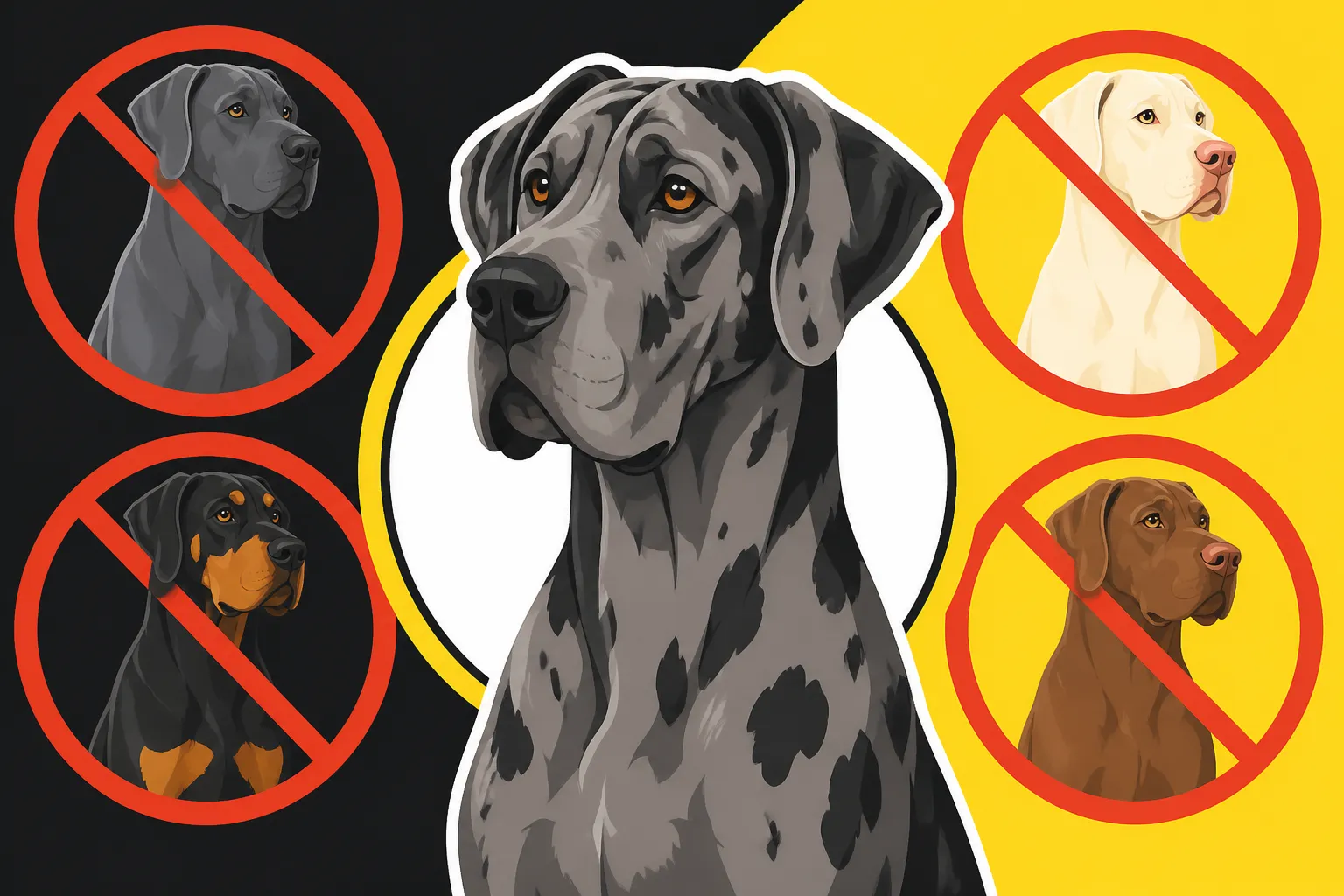
- Chocolate/Liver: This is a rich, brown coat color that is beautiful in many breeds, but it is not a naturally occurring, recognized color in purebred Great Danes according to the standard. Any Great Dane advertised as "chocolate" likely comes from a mixed breed background or a line with unverified lineage.
- Isabella/Lilac: These are very rare dilutions of chocolate or blue, resulting in a pale, almost beige or lavender color. Like chocolate, these colors are not found in the standard Great Dane gene pool and indicate either crossbreeding or very unusual, non-standard genetics.
- Any combination of the above with merle or excessive white: For example, "chocolate merle" or "silver merle." These combinations fall even further outside the standard and often come with increased risks of health problems due to the complex genetic interactions.
These "fad" colors are often the result of irresponsible breeding practices, sometimes involving outcrossing to other breeds to introduce new colors, or simply selecting for non-standard dilute genes without proper health screening or understanding of genetics. While they may be visually striking, they are not recognized by the breed standard for valid reasons that extend beyond mere aesthetics.
Why "Unrecognized" Colors Matter Beyond Aesthetics
It's easy to look at a unique color and think, "What's the big deal? It's just a different shade!" But for a breed like the Great Dane, especially with their predisposition to various health issues, color can sometimes be a window into deeper genetic concerns.
Health Implications of Non-Standard Colors
The most significant concern with many non-standard colors, especially excessive white and double merle, is the direct link to severe health problems. As mentioned, double merle Great Danes are at an extremely high risk for congenital deafness and blindness. This isn't just a minor inconvenience; it's a life-altering disability that requires immense dedication, specialized training, and significant financial resources from an owner. It impacts their ability to live a full, happy life and communicate safely with their human family.
Beyond double merle, a general deviation from the breed standard in terms of color or pattern can sometimes be an indicator of other underlying genetic issues that haven't been thoroughly screened for. When breeders prioritize "rare" colors over proven lineage and health testing, they risk inadvertently propagating other breed-specific conditions, such as cardiac problems, orthopedic issues, or certain cancers, which Great Danes are already prone to. It's a holistic view of health that reputable breeders maintain. Whether Great Dane Color Affects Health is a topic that responsible breeders take very seriously. You might also want to look into Why a White Great Dane Is Often Deaf.
The Ethical Breeding Perspective
Ethical breeding is about much more than just producing puppies. It's about preserving and improving the breed as a whole. This means carefully selecting breeding pairs based on temperament, health clearances (like heart, thyroid, and hip screenings), and conformity to the breed standard. When breeders focus on "rare" or non-standard colors, they are often deviating from these core ethical principles.
A breeder who is genuinely dedicated to the Great Dane breed will invest in comprehensive health testing for their breeding stock, understand complex genetics, and prioritize the long-term well-being of their dogs over fleeting color trends. They understand that breeding two merle dogs together, for instance, is highly unethical due to the high probability of producing visually and audibly impaired puppies. Choosing a puppy from a breeder who ignores these ethical guidelines not only supports irresponsible practices but can also lead to heartbreaking consequences for the individual dog and its family. The amount of work that goes into The Health Testing a Great Dane Breeder Owes You should not be underestimated.
Financial Considerations and Misleading Marketing
It's a sad reality that "rare" or "designer" Great Dane colors are often marketed with inflated price tags, preying on unsuspecting buyers who are simply charmed by the uniqueness of the coat. These breeders might use terms like "platinum," "royal merle," or "silver fawn" to make a non-standard color sound exclusive and desirable, justifying a higher cost. The truth is, these higher prices rarely reflect superior breeding or health screening; more often, they reflect the breeder's attempt to profit from a novelty.
Prospective owners need to be wary of any breeder who emphasizes color exclusivity over health, temperament, or adherence to the breed standard. A reputable breeder will be transparent about their dogs' lineage, health testing, and why they breed for specific qualities. They won't try to upsell you on a color that falls outside the standard. Sometimes, the initial savings of a "bargain" Great Dane advertised as "rare" can quickly evaporate when faced with the considerable vet bills associated with congenital health issues later on. Being aware of Whether a Rare Colored Great Dane Is Worth Chasing can save you a lot of heartache and expense down the road.
Navigating the World of Great Dane Colors as a Prospective Owner
So, what should you do if you're looking for a Great Dane and find yourself drawn to one of these unique, perhaps non-standard, colors? The key is informed decision-making and prioritizing the right things.
Prioritizing Health and Temperament Over Color
This cannot be stressed enough: for any Great Dane, regardless of color, health and temperament should always be your absolute top priorities. A dog's coat color has zero bearing on its ability to be a loving, well-adjusted family member. A healthy, well-socialized Great Dane, even if it's the most common fawn, will bring far more joy and fewer heartaches than a "rare" colored dog plagued with genetic health issues or temperament problems.
Before you even start dreaming about a specific shade, focus on finding a puppy from parents with excellent health clearances and stable temperaments. Ask to see the parents (or at least the mother, the dam) and observe their behavior. Do they seem friendly, calm, and confident? These traits are inherited, and they are far more important for a giant breed like a Great Dane, which can easily be overwhelming if not properly bred and socialized. Remember, a beautiful coat won't make up for constant vet visits or behavioral challenges. Seeing the Dam Before Buying a Great Dane is an invaluable step in this process.
What to Look for in a Reputable Breeder
Finding the right breeder is paramount when getting a Great Dane. A reputable breeder will:
- Prioritize Health Testing: They will openly share health clearances for both parents, including OFA (Orthopedic Foundation for Animals) certifications for hips and elbows, cardiac clearances (often through echocardiograms), and thyroid testing. These are not optional extras; they are standard practice. The Health Testing a Great Dane Breeder Owves You is essential information to be familiar with.
- Breed to the Standard: They will be breeding to improve the overall health, temperament, and conformation of the breed, not to produce "rare" colors or capitalize on trends. Their dogs will generally conform to the recognized breed standard colors and patterns.
- Be Transparent: They will welcome your questions, allow you to visit their facility, and be upfront about any potential challenges or genetic predispositions in their lines. They won't shy away from discussing any perceived "flaws" in a puppy, preferring an informed owner.
- Offer Support: A good breeder will be a resource for you throughout your dog's life, offering advice and support.
- Have a Contract: A comprehensive contract should outline health guarantees, return policies, and often a spay/neuter agreement for companion puppies.
- Not Have "Great Dane Ads With No Cardiac Paperwork": This is a huge red flag that you must watch out for.
They will never promise a "rare" color or charge extra for it. Be very wary of breeders advertising their puppies as "exclusive" or "designer" simply because of their coat color.
Where to Find Reliable Information and Healthy Pups
To avoid pitfalls and ensure you're getting a healthy, well-bred Great Dane, start with trusted sources:
- The Great Dane Club of America (GDCA): Their website is an invaluable resource for finding reputable breeders, understanding the breed standard, and learning about breed-specific health concerns.
- Local Great Dane Breed Clubs: Many regions have local clubs affiliated with the GDCA. These clubs can provide referrals to reputable breeders in your area and offer mentorship.
- Great Dane Rescues: Adopting an adult Great Dane can be a wonderful option. Reputable rescues are diligent about health checks, temperament assessments, and transparent about a dog's history. These dogs come in all colors and often need loving homes.
- Veterinarians and Experienced Great Dane Owners: Network with local vets who specialize in giant breeds or connect with experienced Great Dane owners. They often have firsthand knowledge of local breeders and can offer invaluable advice.
When looking for products, remember that even if a color isn't standard, the dog still needs top-notch nutrition and care. Reputable online retailers, like Chewy, can provide a vast selection of high-quality food, supplements, and supplies suitable for Great Danes of all colors and needs.
Here's a quick comparison to help visualize the difference between standard and common non-standard colors:
| Feature | Standard Great Dane Colors (Fawn, Brindle, Blue, Black, Harlequin, Mantle) | Unrecognized Great Dane Colors (Double Merle, Piebald, Chocolate, Silver, etc.) |
|---|---|---|
| Genetic Basis | Established, well-understood genetics within the breed standard. | Often result from specific gene combinations associated with health risks or cross-breeding. |
| Breed Standard Status | Fully recognized and desirable in conformation showing. | Not recognized in conformation showing; some may be registrable but disqualified from the ring. |
| Associated Health Risks | Generally lower risk for color-specific issues (though breed has general risks). | High risk for severe health issues (e.g., deafness, blindness) in double merles and excessively white dogs. |
| Ethical Breeding | Prioritized by responsible breeders who focus on health, temperament, type. | Often pursued by unethical breeders prioritizing novelty/profit over dog welfare. |
| Market Value | Prices reflect breeding quality, health clearances, and lineage. | Often advertised as "rare" or "designer" with inflated prices, regardless of quality/health. |
| Owner Experience | Generally predictable in terms of breed traits and health history. | Can lead to unexpected and costly health challenges; temperament may be less predictable. |
Ultimately, choosing a Great Dane should be a journey of finding a healthy, happy companion who will thrive in your home for years to come. While a striking coat color can be appealing, ensuring your dog's well-being should always come first.
Disclaimer
This article is for general informational purposes only and does not constitute professional advice. Laws, prices and regulations vary by location and change over time. Consult a qualified professional for guidance on your specific situation.