The Year Merle Great Danes Could Be Shown
It’s a common frustration for Great Dane enthusiasts and prospective owners to navigate the complex world of breed standards, especially when it comes to colors. If you’ve ever admired a striking Merle Great Dane and wondered why they sometimes seem to be discussed differently in breeding or show circles, you're not alone. This guide will delve into the fascinating history of Merle Great Danes and shed light on the specific year they finally gained official recognition in the American Kennel Club (AKC) conformation ring, clarifying a long-standing point of confusion for many.
A Brief History of Great Dane Color Standards
When we talk about Great Danes, we're talking about a breed with a rich history, known for its elegant lines, powerful build, and that unmistakable "Apollo of Dogs" presence. For centuries, various colors and patterns have appeared in Great Dane litters, but not all of them were equally embraced by the official breed standards from the get-go.
The Original Vision for Great Dane Coats
Think about the classic Great Dane colors you've always recognized: the deep, lustrous fawn with its black mask, the striking brindle with its tiger-stripe pattern, the sleek black, the sophisticated blue (which is really a steel grey), and the distinguished mantle with its tuxedo-like markings. And, of course, the dramatic Harlequin, with its torn black patches on a pure white background. These are the colors that have been cherished and upheld as the epitome of the breed for generations, reflecting a specific aesthetic and historical lineage. The Seven Great Dane Colors are often seen as the foundation of the breed's visual identity, chosen for their consistency and often, in the past, for their perceived connection to specific working traits or bloodlines. Breeders worked tirelessly to produce these colors consistently, aiming for perfection within these established parameters.
The Emergence of Unrecognized Colors
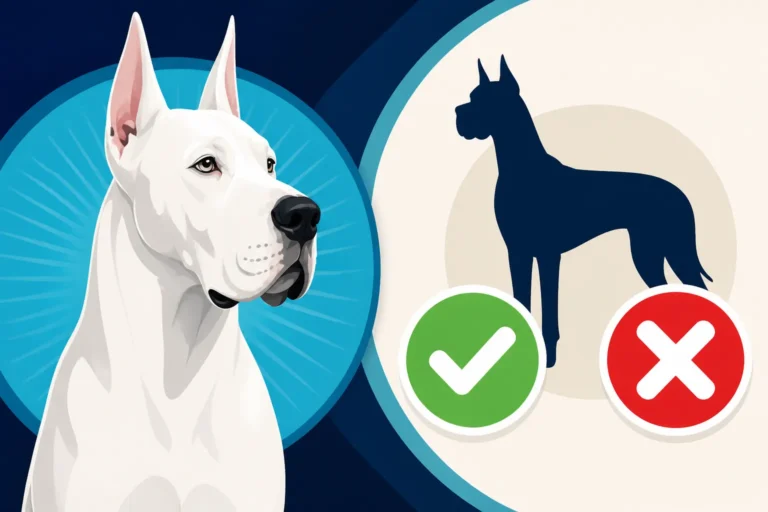
Despite the focus on a select range of "standard" colors, nature, as it often does, had other plans. Great Danes, like many breeds, carry a variety of genetic markers for coat color and pattern. This means that even in litters from parents of standard colors, variations would pop up. Colors like fawnequin (fawn harlequin), merle, and even pure white Danes have always been part of the breed's genetic tapestry. However, for a long time, these colors were often seen as "undesirable" or "non-standard" by official breed clubs. They might have been stunning, unique, and perfectly healthy dogs, but if their coat color didn't fit the strict descriptions in the breed standard, they were simply excluded from the conformation ring. This didn't mean they weren't Great Danes in spirit or lineage, but their path to official recognition was a much longer, more arduous journey. Why Merle Great Danes Were Once Disqualified is a testament to how rigid these standards could be.
The Controversy Surrounding Merle Great Danes
The Merle pattern, characterized by irregular patches of darker pigment against a lighter background, often with blue or marbled eyes, is undeniably beautiful. Yet, for many years, merle Great Danes were at the center of significant debate within the breed community. This wasn't just about aesthetics; it was deeply intertwined with genetics and health concerns.
Understanding the Merle Gene
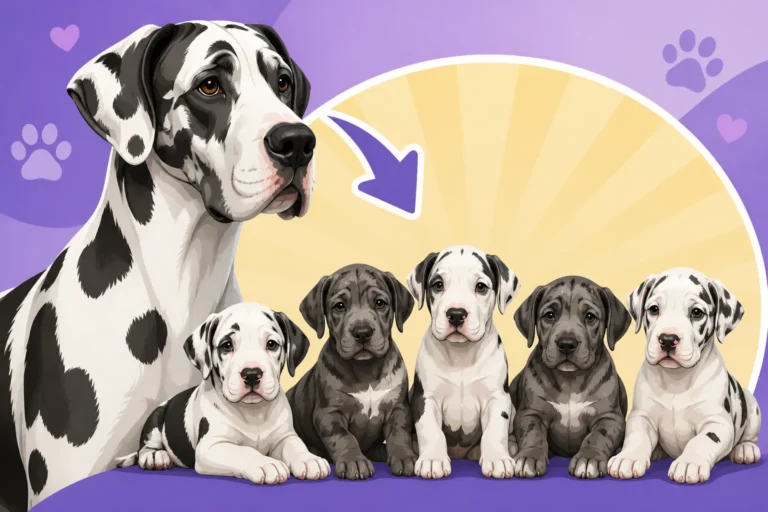
The merle pattern is caused by a dominant gene that dilutes eumelanin (black pigment) in random patches, creating areas of lighter coloration. While striking, the merle gene itself carries potential risks. The biggest concern arises when two merle-patterned dogs are bred together, resulting in what's known as a "double merle." Double merle dogs inherit two copies of the merle gene, which significantly increases the risk of severe health issues, particularly auditory (deafness) and ocular (eye) defects. These can range from mild hearing loss or vision impairment to complete blindness and deafness. This critical health aspect was a primary reason for the historical reluctance to accept merle into the breed standard, with many breeders fearing that widespread acceptance might lead to irresponsible breeding practices and an increase in these debilitating conditions. Understanding Merle Great Dane Genetics is crucial for responsible breeding.
Why Merle Was Historically Disqualified
For decades, the official stance from many kennel clubs, including the AKC, was to disqualify merle Great Danes from conformation shows. This decision wasn't arbitrary; it stemmed largely from a protective measure for the breed. The concern was that recognizing merle would encourage breeding for the color without sufficient knowledge or care, inevitably leading to an increase in double merles and the associated health problems. The aim was to safeguard the breed's health and integrity, even if it meant excluding a visually appealing coat pattern. There was a strong belief that any color associated with potential health risks, particularly those caused by specific breeding combinations, should not be actively promoted through the show ring. This philosophy guided breed standards for many generations, maintaining a clear distinction between "standard" and "non-standard" colors, with merle falling firmly into the latter.
The Road to AKC Recognition: When Merle Stepped into the Ring
The journey for Merle Great Danes to gain AKC recognition was a long one, marked by passionate advocacy, evolving scientific understanding, and a shift in perspective within the breed community. It wasn't an overnight change, but rather the culmination of years of effort.
Advocacy and Changing Perspectives
Over time, dedicated Great Dane breeders and enthusiasts who loved the merle pattern began to advocate for its recognition. They argued that with responsible breeding practices – specifically, never breeding two merles together to avoid double merles – the pattern could be safely integrated into the recognized colors. They emphasized that merle itself wasn't inherently unhealthy; it was the irresponsible breeding of merle to merle that posed the risk. These advocates worked tirelessly to educate the public and fellow breeders about merle genetics, striving to dispel myths and demonstrate that healthy, sound merle Great Danes could be produced. Their efforts involved presenting data, engaging in discussions, and highlighting examples of well-bred merle Danes. They championed the idea that with proper knowledge and adherence to ethical breeding guidelines, the beauty of the merle pattern could be celebrated without compromising the breed's health.
The Pivotal Year
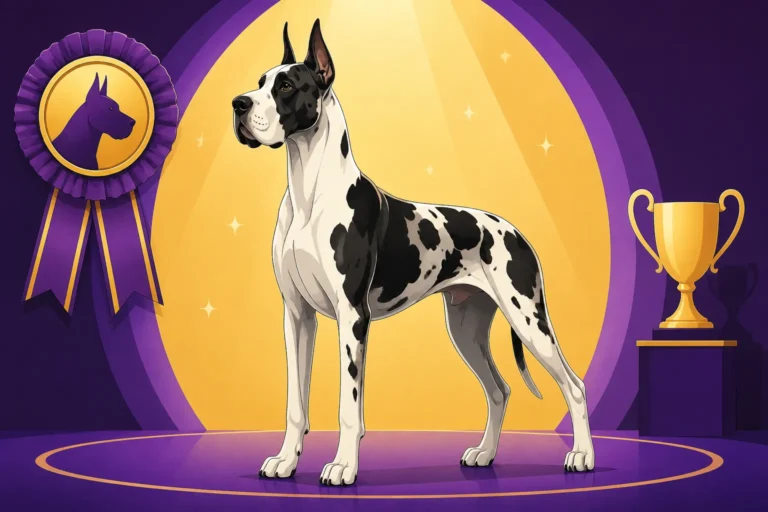
After much deliberation, discussion, and persistent advocacy, the American Kennel Club (AKC) finally updated its Great Dane breed standard to include Merle as a recognized color. This momentous change occurred in 2019. This decision marked a significant turning point, officially allowing merle Great Danes to be shown in AKC conformation events for the first time. This wasn't just a win for merle enthusiasts; it was a recognition of the growing understanding of canine genetics and the commitment of responsible breeders to produce healthy dogs across all acceptable colors. For many, it represented a modernization of the breed standard, acknowledging a color that, while previously excluded, had always been a part of the Great Dane's genetic makeup.
Continued Nuances in Showing Merle
While the 2019 recognition was a huge step forward, it didn't mean an "anything goes" approach to merle in the show ring. The updated standard includes specific guidelines and nuances. For instance, while merle is now recognized, careful attention is still paid to the quality of the merle pattern itself, looking for clear, distinct patches. Furthermore, the underlying ethical considerations regarding breeding remain paramount. Judges and experienced breeders understand the importance of avoiding double merle matings, and while the show ring itself doesn't directly police breeding practices, the emphasis on overall health and soundness of a dog implicitly supports responsible choices. The change simply opened the door for well-bred merles to compete on equal footing with other recognized colors, providing they meet all other aspects of the breed standard. The Great Dane the Show Ring Is Looking For still emphasizes overall conformation, temperament, and health above all else.
What Merle Recognition Means for the Breed Today
The inclusion of merle in the AKC standard has had a ripple effect across the Great Dane community, influencing breeding programs, public perception, and even how people search for their next canine family member. It’s a change that continues to evolve the breed in subtle, yet significant, ways.
The Impact on Breeding Programs
For breeders, the recognition of merle means a more complex but also potentially richer genetic pool to work with, assuming responsible practices are followed. Those who breed merles now have clear guidelines, and the emphasis on health testing remains as crucial as ever. Many responsible breeders meticulously track pedigrees and conduct genetic testing to ensure that merle-to-merle breedings are strictly avoided. This means understanding the difference between a merle dog and one that carries a hidden merle gene (cryptic merle), and making informed decisions. The goal isn't just to produce a pretty color, but to produce healthy, sound dogs that fit the overall breed standard. This rigorous approach is vital to preventing the health issues associated with double merles and maintaining the overall health of the Great Dane population. The Health Testing a Great Dane Breeder Owes You is more critical than ever when considering merle genetics.
Public Perception and Popularity
The official recognition has undoubtedly increased the visibility and desirability of merle Great Danes. Before 2019, many people might have seen a merle Dane and considered it a "mutt" or an undesirable variation. Now, with AKC backing, the public is more aware that merle is a legitimate and recognized color within the breed. This has likely contributed to increased interest from prospective owners, who are drawn to the unique and beautiful appearance of these dogs. As such, it's more important than ever for potential owners to educate themselves about responsible breeding practices and to seek out reputable breeders who prioritize health and temperament, regardless of the desired coat color. Online resources and specialty stores like Chewy offer a wealth of information and products for Great Dane owners, but the ultimate responsibility lies with the owner to research and choose wisely. The increased popularity also means that sometimes individuals might be drawn to the color without fully understanding the genetic implications, making education a continuous effort.
Merle Great Dane Health Considerations
While the merle pattern is beautiful, understanding the health risks associated with it, particularly in double merles, is paramount for any Great Dane owner or prospective owner. Knowledge is truly power when it comes to safeguarding your dog's well-being.
Common Health Issues in Double Merles
As mentioned earlier, the primary concern with double merles (dogs inheriting two copies of the merle gene) lies in their increased susceptibility to severe auditory and ocular defects. This can manifest as anything from mild hearing loss to complete deafness, often affecting one or both ears. Visually, double merles can experience microphthalmia (abnormally small eyes), colobomas (defects in parts of the eye), increased intraocular pressure, or even complete blindness. These conditions can significantly impact a dog's quality of life, requiring specialized care and a dedicated owner. It’s a sobering reminder that while color is appealing, health must always come first. Responsible breeders go to great lengths to avoid these pairings, emphasizing why it’s so important to purchase from a reputable source. Why a White Great Dane Is Often Deaf is a related topic that explores similar genetic connections to hearing loss.
The Importance of Responsible Breeding
This is where the rubber meets the road. Because of the serious health implications of double merles, responsible breeding practices are absolutely non-negotiable. This means:
- Never breeding two merles together. This is the golden rule. A merle dog should only be bred to a non-merle, non-cryptic merle dog (a dog that genetically carries merle but doesn't express it visually).
- Genetic Testing: Reputable breeders often use genetic tests to confirm the merle status of their breeding dogs, especially when dealing with potential cryptic merles or when a dog's parentage might not be entirely clear.
- Full Health Screenings: Beyond merle-specific testing, all Great Dane breeders should conduct comprehensive health screenings for common breed ailments like cardiac issues The Heart Muscle Disease Great Danes Are Prone To and hip/elbow dysplasia Great Dane Hips, Elbows and Growing Joints.
- Transparency: A responsible breeder will be open and honest about the health history of their breeding dogs and puppies, including any merle genetics involved.
When you're looking for a Great Dane puppy, particularly a merle, always ask about the parents' merle status and if any health testing has been done. A good breeder will be happy to share this information and educate you further.
Living with a Merle Great Dane
Bringing any Great Dane into your home is a big commitment, but understanding the specific nuances of living with a merle, especially if they have any merle-related health issues, can help you provide the best possible care.
Adapting to Potential Sensory Impairments
If your merle Great Dane is a double merle or has any degree of hearing or vision impairment, adaptations will be necessary. For deaf dogs, training relies heavily on hand signals and visual cues. They can live full, happy lives, but require consistent, clear communication and a safe environment where they won't be startled. For visually impaired dogs, maintaining a consistent home environment, using scent markers, and ensuring safe navigation is key. Special toys that make sounds or have distinct textures can be very helpful. Remember, these dogs aren't "broken"; they simply experience the world differently, and with your patience and understanding, they can thrive. Hand Signals for a Great Dane That Cannot Hear can be a lifesaesaver for communication.
Training and Socialization Considerations
All Great Danes benefit from early and consistent training and socialization, but it's even more crucial for merle Danes, particularly if they have any sensory challenges. A well-socialized and well-trained deaf or visually impaired Great Dane is much safer and happier. Early exposure to various sights, sounds (that they can detect), people, and other dogs in a controlled manner helps build confidence. Positive reinforcement methods are always best, helping to build a strong bond and trust. Consider enrolling in puppy classes with a trainer experienced in working with dogs with special needs. They can provide invaluable guidance and support as you navigate your Dane's unique requirements. Resources from reputable pet supply companies like Chewy can also offer training aids and specialized products for dogs with sensory challenges.
Everyday Care for Your Merle Great Dane
Beyond training and potential adaptations, the everyday care for a merle Great Dane is largely similar to any other Great Dane. They need a high-quality diet appropriate for large breeds Feeding an Adult Great Dane Six to Ten Cups, regular veterinary check-ups, and plenty of love and mental stimulation. Pay close attention to their eyes and ears, regardless of whether they have diagnosed issues, keeping them clean and monitoring for any changes. Ensure their environment is safe and comfortable, with adequate bedding to protect their joints Bedding a Great Dane to Protect Its Elbows. And, of course, be prepared for that signature Great Dane drool and leaning behavior Living With a Great Dane That Leans on You! The joy a merle Great Dane brings is immense, and with informed, loving care, they can be wonderful companions.
Disclaimer
This article is for general informational purposes only and does not constitute professional advice. Laws, prices and regulations vary by location and change over time. Consult a qualified professional for guidance on your specific situation.