What Dilution Does to a Blue Great Dane
If you've ever seen a Great Dane with a coat that shimmers like polished steel, a deep charcoal gray that seems almost iridescent, you've likely encountered a blue Great Dane. This striking color isn't just a random shade; it's the beautiful result of specific genetic processes at play. Many owners and prospective owners wonder how this unique hue comes about, and what, if anything, it means for their beloved giant. This comprehensive guide will unravel the fascinating genetics behind the blue Great Dane, delving into the science of color dilution and its implications.
Understanding Great Dane Coat Colors
Before we dive into the specifics of blue, it's helpful to understand the broader spectrum of Great Dane coat colors. The breed is renowned for its majestic appearance, and a significant part of that comes from its coat, which can range from classic solid shades to intricate patterns. Each color has its own genetic blueprint, creating the rich tapestry of Danes we see.
The Core Great Dane Colors
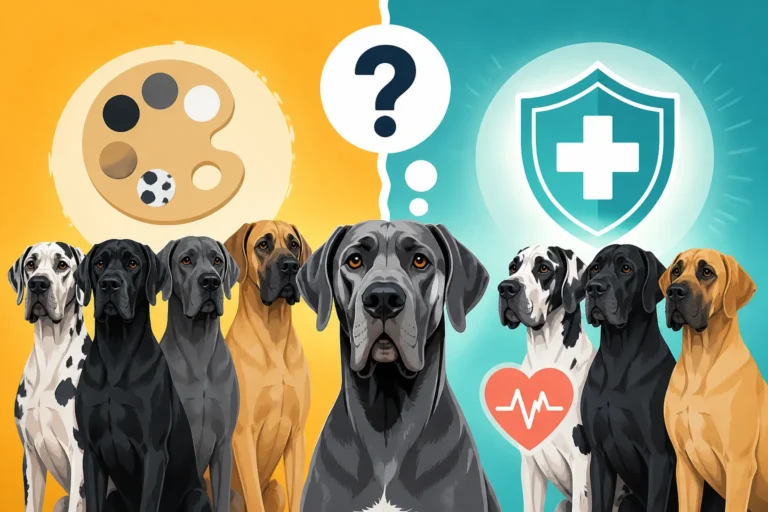
The Great Dane breed standard recognizes several distinct colors, each with its own specific genetic makeup. The primary colors generally fall into categories like Fawn, Brindle, Black, Harlequin, Mantle, and Blue. Fawn Danes are a golden yellow with a black mask, while Brindle Danes sport fawn base coats with striking black stripes. Black Danes are, as the name suggests, solid black. Harlequin is a dramatic pattern of torn black patches on a pure white background, and Mantle Danes resemble Harlequins but with a solid black blanket over their body, white on the chest, collar, and legs. And then there's blue, that captivating shade of gray. Understanding these foundational colors helps us appreciate how variations, like dilution, influence their expression. Each of these colors is a testament to the breed's diverse genetic heritage. You can learn more about these fascinating variations in The Seven Great Dane Colors.
Beyond the Standard: A Glimpse at Other Shades
While the core colors are well-established, genetics can sometimes produce variations that fall outside the typical show ring standard. For instance, you might occasionally encounter a Great Dane with a merle pattern that isn't true Harlequin, or even a white Great Dane, which is often linked to the merle gene and can come with specific health considerations. It's crucial to understand that "standard" doesn't always equate to "healthy" or "unhealthy"; it simply refers to what is accepted for conformation showing. Many dogs with non-standard colors make wonderful, healthy companions. The nuances of Great Dane genetics are truly extensive, and sometimes colors considered "non-standard" still carry fascinating genetic stories. It's a journey into understanding the beauty of genetic diversity. For instance, Harlequin and Merle Great Dane Genetics goes into more detail about complex patterns.
The Science of Color Dilution in Dogs
The term "dilution" might sound like something is missing or weakened, but in genetics, it simply refers to a specific gene's effect on pigment. Think of it less as watering down a color and more as adjusting the intensity switch on a light. For blue Great Danes, this adjustment results in their distinctive steel-gray hue.
The Melanocytes and Pigment Production
At the heart of every dog's coat color are specialized cells called melanocytes. These cells produce two main types of pigment: eumelanin, which is responsible for black and brown shades, and phaeomelanin, which creates red and yellow tones. The combination, distribution, and intensity of these pigments, controlled by various genes, determine a dog's overall coat color. For a black Great Dane, their melanocytes are primarily producing dense, full eumelanin. When other genes come into play, modifying how these pigments are expressed, that's when we see the incredible variety of colors, including blue. It's a complex biological dance happening at the cellular level, orchestrated by the dog's DNA.
The 'd' Allele: The Dilution Gene Explained
The blue color in Great Danes is primarily a result of the dilution gene, specifically the 'd' allele at the D-locus. In simple terms, a dog needs two copies of this recessive 'd' gene (written as 'dd') to express dilution. If a dog has at least one dominant 'D' allele (DD or Dd), their pigment will be full strength. What the 'd' allele does is cause the eumelanin granules (the black/brown pigment) to clump together rather than being evenly distributed throughout the hair shaft. This clumping makes the black pigment appear lighter, giving it that characteristic steel-gray or blue appearance. It's a subtle but powerful genetic instruction that changes how light reflects off the coat, making black look blue. This same dilution gene can also lighten brown pigments, turning them into a lilac or Isabella shade, though this is not a standard Great Dane color.
How Blue Differs from Black
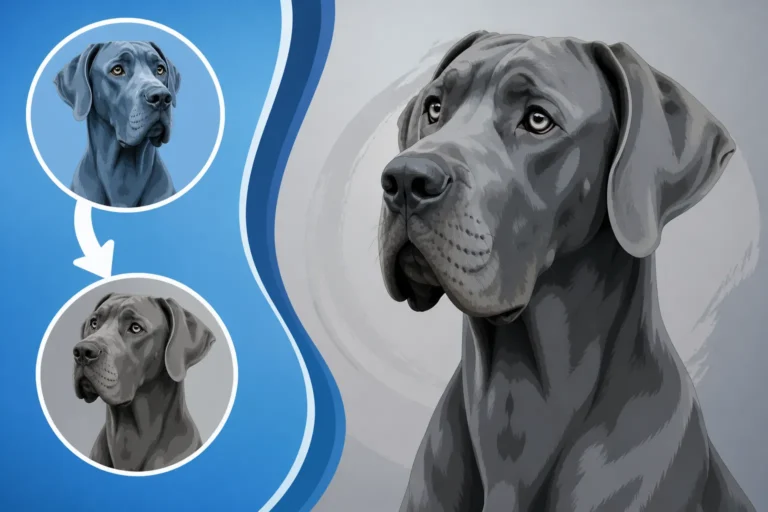
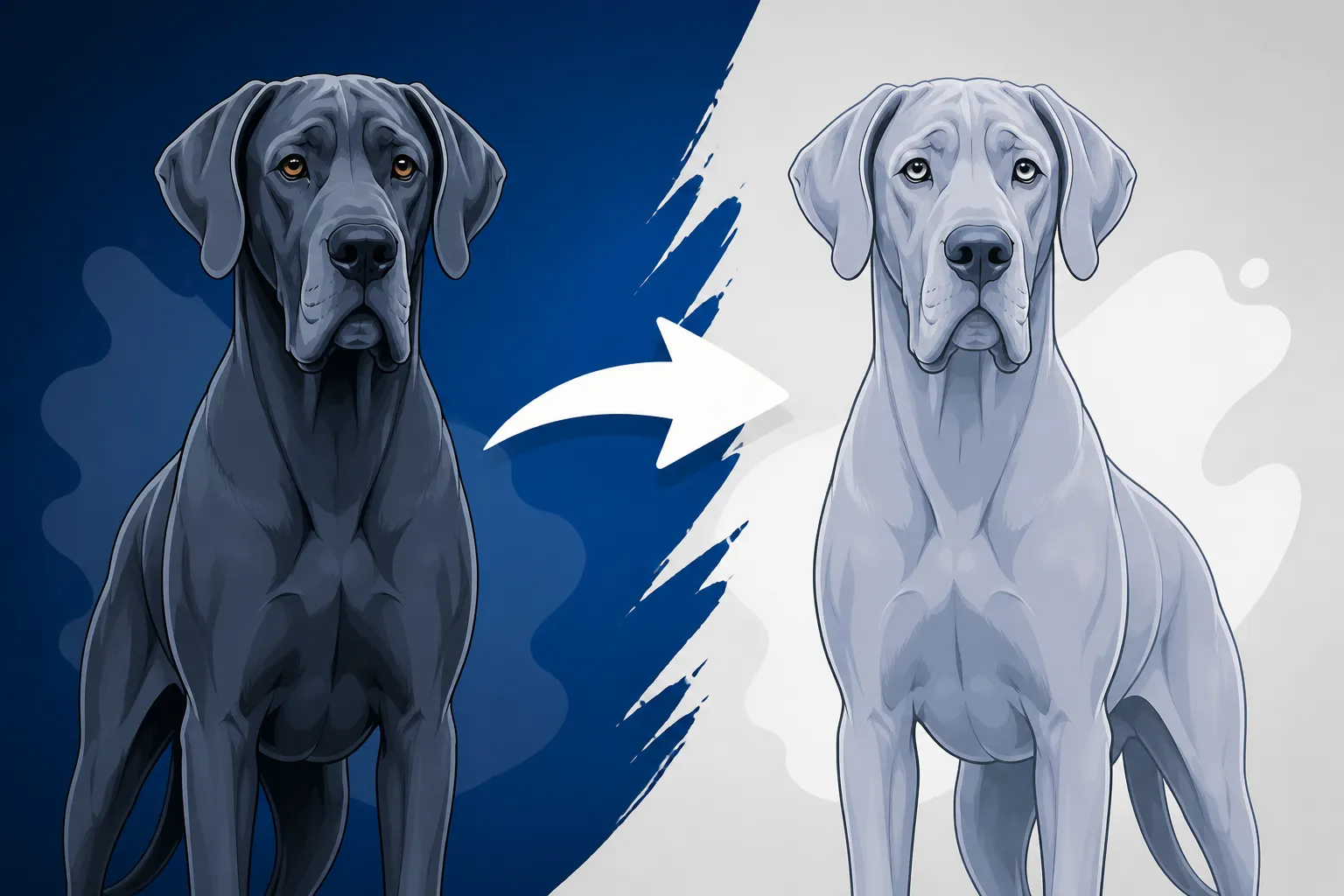
The difference between a black Great Dane and a blue Great Dane is literally a single letter in their genetic code. A black Great Dane typically has a DD or Dd genotype at the dilution locus, meaning their eumelanin is fully expressed. Their coat is a rich, deep, often shiny black. A blue Great Dane, on the other hand, has the dd genotype. This genetic combination doesn't change what pigment is produced (still eumelanin), but how it's deposited. The clumped pigment granules make the overall coat color appear desaturated, or "diluted," into that gorgeous slate blue. It's not a different pigment, but a different presentation of the same one. When observing them side-by-side, the contrast is stark and immediately noticeable, highlighting the profound impact of this one small genetic variation.
The Distinctive Look of a Blue Great Dane
A blue Great Dane isn't just a gray dog; it possesses a unique aesthetic that sets it apart. From the depth of its coat color to the complementary shades in its eyes and nose, the dilution gene creates a harmonized appearance that is truly striking.
The Steel Gray Hue: A Closer Look
The coat of a blue Great Dane isn't uniform in its grayness; it often has an incredible depth and variation. Depending on the light, it can appear dark charcoal, almost black, or lighten to a shimmering slate or steel blue. This isn't just a trick of the light; the individual hairs often have subtle variations in pigment density, contributing to the rich texture and visual interest of the coat. Owners often describe the way the sunlight catches their blue Dane's coat, making it seem alive with shifting shades of gray and blue. It's a very sophisticated and elegant color, far from a dull gray, and it's one of the reasons blue Danes are so sought after. Maintaining that healthy sheen often involves quality nutrition, which you can find a wide range of options for on sites like Chewy.
Eyes and Nose Pigmentation
The dilution gene doesn't just affect the coat; it also influences other areas where eumelanin is present, notably the nose, eye rims, and paw pads. In a black Great Dane, these areas are typically a dense, solid black. In a blue Great Dane, however, these areas will also be diluted to a slate gray or blue-gray color, perfectly complementing their coat. Their eyes, instead of the rich dark brown often seen in black Danes, tend to be a lighter brown or amber, sometimes even a striking light blue in puppies, which deepens as they mature. This consistent dilution across all pigmented areas creates a harmonious and complete "blue" phenotype, making the overall appearance very distinctive and beautiful. This consistent presentation is a hallmark of a genetically true blue Great Dane.
Coat Texture and Shine
While the dilution gene primarily affects color, some anecdotal observations suggest slight differences in coat texture or shine in dilute colors across various breeds. For blue Great Danes, their short, dense coat should still retain its characteristic sleekness and shine when healthy. A well-cared-for blue Great Dane will have a coat that feels smooth to the touch and reflects light beautifully, showcasing its unique steel-gray hue. Any dullness, dryness, or excessive shedding could indicate underlying health issues or nutritional deficiencies, rather than a direct consequence of the dilution gene itself. Just like any Great Dane, ensuring good grooming practices and a balanced diet is key to maintaining a vibrant coat. You might find specialized brushes for short-coated dogs on Chewy that help maintain that beautiful shine and minimize shedding around the house.
Health Considerations Associated with Dilution
It's common for questions about health to arise when discussing specific coat colors, especially those resulting from genetic dilution. While the blue color itself is not inherently a health problem for Great Danes, it's important to understand the nuances and differentiate between myths and actual genetic predispositions.
Is Blue Color a Health Risk?
This is a really important question that often leads to misunderstanding. In Great Danes, the blue color itself, caused by the 'dd' genotype, is generally considered healthy. Unlike some other dilute colors or color patterns in other breeds (like the double merle gene, which can lead to significant health issues in white or mostly white dogs), the dilution gene responsible for blue in Great Danes is not typically associated with widespread or severe health problems. A blue Great Dane is, genetically speaking, just a black Great Dane with a 'dimmer switch' on its pigment.
However, there is a condition called Color Dilution Alopecia (CDA) that can theoretically affect any dilute-colored dog, including blue Great Danes. CDA is a genetic condition that results in poor hair growth or patchy hair loss, often accompanied by dry, flaky skin, and sometimes secondary bacterial infections. The severity varies greatly between breeds and individuals. While blue Great Danes can technically be affected by CDA, it is far less common and generally much milder in Great Danes compared to some other breeds, like Doberman Pinschers, where it's a significant concern. Most blue Great Danes live their entire lives with healthy coats. When considering any Great Dane, regardless of color, a reputable breeder will prioritize overall health and temperament above all else. This includes screening for common breed-specific ailments, as outlined in The Health Testing a Great Dane Breeder Owes You.
Dispelling Myths: Blue is Not Inherently Weaker
One persistent myth that sometimes circulates is that dilute-colored dogs, including blue Great Danes, are somehow "weaker" or more prone to general health issues than their standard-colored counterparts. This simply isn't true for the vast majority of blue Great Danes. Their blue coat color does not inherently make them more susceptible to common Great Dane health concerns like bloat, heart conditions, or orthopedic issues. These are breed-wide predispositions linked to the Great Dane's giant size and specific genetic lines, not their coat color. A well-bred blue Great Dane from health-tested parents should be just as robust and healthy as a well-bred fawn or black Great Dane.
The key to a healthy Great Dane, regardless of color, lies in responsible breeding practices, proper nutrition, appropriate exercise, and regular veterinary care. Focus should always be on the overall genetic health of the lineage, not just the aesthetic of the coat. Owners should be vigilant about general Great Dane health issues, such as those discussed in Bloat in a Great Dane and the One in Three Odds or The Heart Muscle Disease Great Danes Are Prone To, rather than attributing potential problems solely to a coat color that is simply a genetic variation.
Breeding Blue Great Danes Responsibly
Breeding any Great Dane requires immense responsibility, and this holds especially true for blue Danes. Understanding the genetics, conducting proper health screenings, and prioritizing the well-being of the puppies are paramount for ethical breeders.
Understanding Genetic Testing
For breeders working with blue Great Danes, understanding the genetics behind the color is crucial. While blue is a relatively straightforward recessive trait, genetic testing can confirm a dog's dilution genotype (DD, Dd, or dd). This knowledge allows breeders to make informed decisions about pairings, ensuring they can predict coat colors in a litter and avoid any potential unintended consequences. For instance, knowing if a black Great Dane carries the dilute gene (Dd) means they could produce blue puppies if bred to another Dd or a dd dog. Responsible breeders utilize such tools not just for color prediction, but also for comprehensive health screening, testing for genetic predispositions to conditions like cardiac disease (DCM) or certain orthopedic issues that are prevalent in the breed. This meticulous approach is part of the commitment to producing healthy, well-adjusted puppies. What a Great Dane Breeder Should Be Screening For emphasizes the importance of these tests.
Ethical Breeding Practices for Dilute Colors
Ethical breeding of blue Great Danes means much more than just producing a specific color. It involves a holistic approach that prioritizes health, temperament, and adherence to the breed standard in all other respects. A responsible breeder will:
- Health Test Parents: This includes screening for hip and elbow dysplasia, cardiac health (echocardiograms and Holter monitoring for DCM), thyroid function, and potentially eye conditions. These tests are vital for any Great Dane, irrespective of color.
- Prioritize Temperament: Great Danes are known for their "gentle giant" nature. Breeders should select parent dogs with stable, friendly temperaments to ensure these traits are passed on.
- Avoid Over-breeding for Color: Focusing solely on color can narrow the gene pool and inadvertently increase the risk of other health problems. The blue gene should be just one factor among many.
- Provide Proper Puppy Care: From birth to placement, puppies should receive excellent nutrition, early socialization, and veterinary care, including appropriate vaccinations and deworming.
- Educate Buyers: Responsible breeders will openly discuss the genetics of blue Great Danes, potential health considerations (like the rare possibility of CDA), and provide all relevant health clearances.
By following these principles, breeders ensure that their blue Great Danes are not just beautiful, but also healthy and truly represent the best qualities of the breed. This commitment extends to providing detailed health papers and information, a topic covered in Reading a Great Dane Puppy's Health Papers.
What to Look For in a Blue Great Dane Breeder
When you're looking for a blue Great Dane puppy, it's easy to be captivated by their striking appearance. However, choosing a responsible breeder is perhaps the most critical decision you'll make. Don't rush into a purchase based on color alone. Here's what to prioritize:
- Health Clearances: Insist on seeing documented health clearances for both parent dogs, including OFA or PennHIP certifications for hips and elbows, and current cardiac evaluations (echocardiogram and Holter monitor results) for DCM. A breeder should be transparent and willing to discuss these in detail.
- Transparency and Education: A good breeder will be a wealth of information. They should be eager to answer all your questions, educate you about the breed, its health, and the specifics of blue Danes. They won't shy away from discussing potential challenges or health considerations.
- See the Parents: If possible, visit the breeder's facility to meet the mother (and ideally the father, or at least see photos and health info) and observe their temperament and living conditions.
- Ethical Practices: Look for a breeder who clearly prioritizes health, temperament, and the well-being of their dogs over profit or simply producing a certain color. They should have a solid contract, a return policy, and offer lifetime support.
- References: A reputable breeder will be happy to provide references from previous puppy buyers and their veterinarian.
Remember, a blue Great Dane is a commitment for many years. Choosing a breeder who embodies these ethical standards will significantly increase your chances of bringing home a healthy, happy, and well-adjusted companion.
| Pigment Type | Dilution Gene (D-locus) | Resulting Color in Great Danes | Description |
|---|---|---|---|
| Eumelanin | DD or Dd | Black | Full, dense black pigment throughout the coat. |
| Eumelanin | dd | Blue (Slate Gray) | Black pigment is clumped, appearing as a diluted gray. |
| Phaeomelanin | DD or Dd | Fawn/Red | Rich, golden-yellow/red pigment. (Dilution not visible) |
| Phaeomelanin | dd | Fawn/Red | Same as above; dilution only affects eumelanin. |
Disclaimer
This article is for general informational purposes only and does not constitute professional advice. Laws, prices and regulations vary by location and change over time. Consult a qualified professional for guidance on your specific situation.