Merle Great Danes Since 2019
For Great Dane enthusiasts, the distinctive merle pattern is often a showstopper – those unique patches of diluted color on a darker base are truly eye-catching. However, the world of merle Great Danes has historically been complex, fraught with both fascination and significant concerns over health and ethical breeding. If you've been wondering about the recent shift in how merle Great Danes are viewed, especially regarding their place in breed standards, this guide aims to demystify the genetics, historical controversies, and the crucial responsibilities that come with owning or breeding these magnificent, patterned giants.
Understanding the Merle Gene and Its Expression
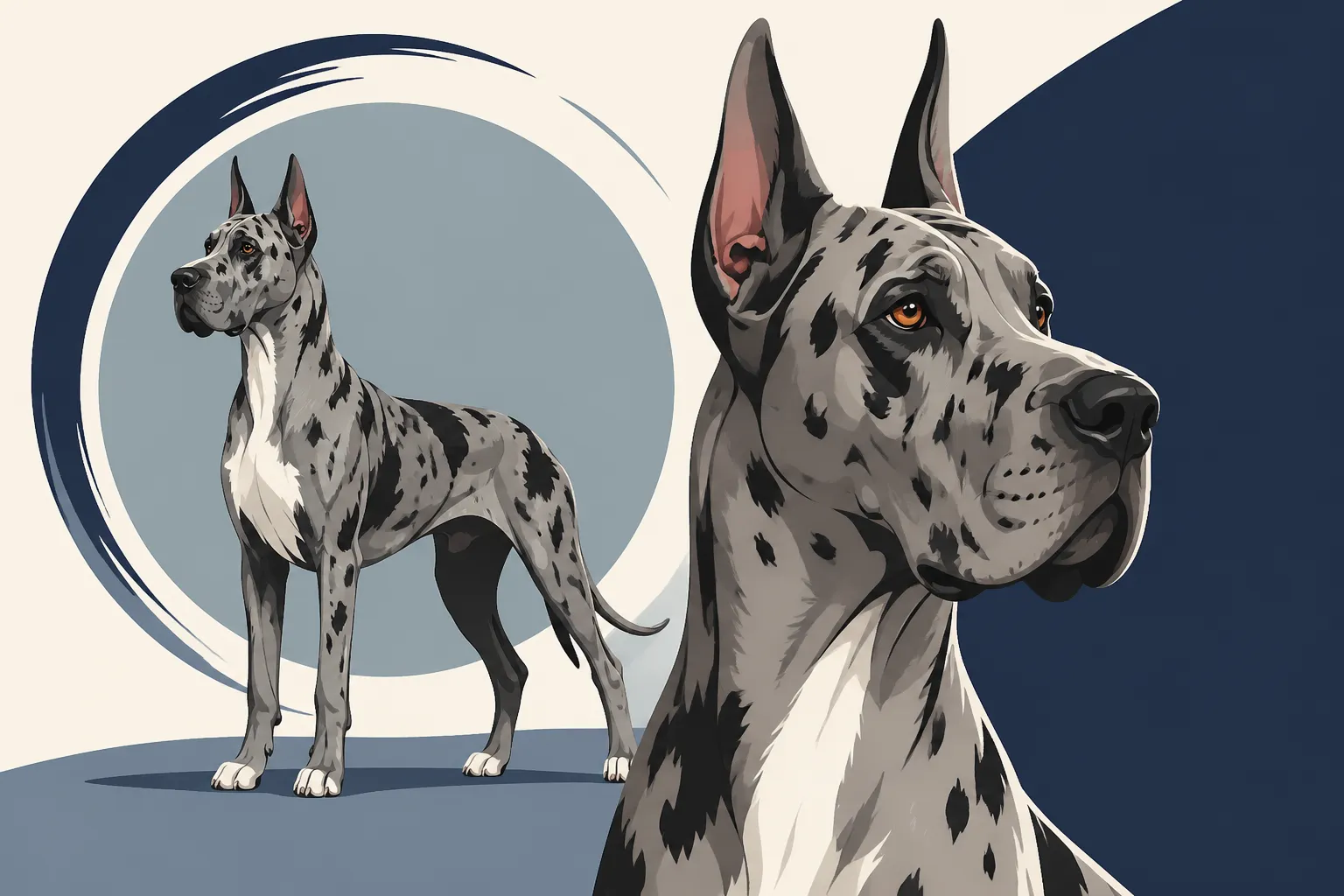
The merle pattern in Great Danes is truly striking, creating a kaleidoscope of diluted colors, spots, and sometimes even blue or heterochromatic eyes. It's a pattern that draws a lot of attention, making merle Danes quite popular. But this isn't just a pretty coat; it's the result of a specific gene with significant implications.
The Genetics Behind the Merle Pattern
The merle pattern isn't a color in itself, but rather a genetic modifier that affects the base coat color. Imagine it like a software filter applied to an image. The gene responsible is referred to as the M locus, and it works by diluting random areas of the base coat, creating lighter patches, often with darker, undiluted patches remaining. For instance, a black Great Dane with the merle gene will result in a blue merle (diluted black patches), while a fawn Great Dane with merle can create a fawn merle or "brindle merle" appearance, though these are not standard colors and often look quite different.
This M gene is an incomplete dominant gene. A dog only needs one copy of the merle allele (Mm) to display the merle pattern. If a dog inherits two copies of the merle allele (MM), it's known as a "double merle," and this is where significant health problems arise, which we'll delve into shortly. Understanding Harlequin and Merle Great Dane Genetics is key to appreciating the intricacies and potential pitfalls. It's also worth noting that the merle gene can hide, sometimes producing a "cryptic merle" that appears solid but still carries the gene.
Distinguishing Merle from Other Great Dane Patterns
While merle is distinctive, it's sometimes confused with other patterns, especially harlequin. A true harlequin Great Dane is essentially a merle dog with an additional gene, the H gene, which causes the merle patches to become white, leaving scattered black (or sometimes blue) patches on a white background. So, in essence, a harlequin must be genetically merle first. Without the merle gene, there can be no harlequin. This is why you'll often hear them discussed together; they are genetically intertwined.
Other patterns like brindle, fawn, or mantle are based on different genetic loci and are not directly related to the merle gene, though merle can interact with them. For example, a brindle merle might have diluted brindle patches, creating an even more complex and non-standard appearance. The genetic interplay is fascinating but also underlines the complexity for breeders trying to produce specific coat types while maintaining health.
The Historical Debate and Recent Recognition of Merle Great Danes
For a long time, the merle pattern in Great Danes existed in a bit of a grey area, particularly within the conformation show ring. There's a rich history behind why this striking pattern was once considered a fault, and why its status has seen a significant shift in recent years.
Why Merle Was Historically a Disqualifying Fault
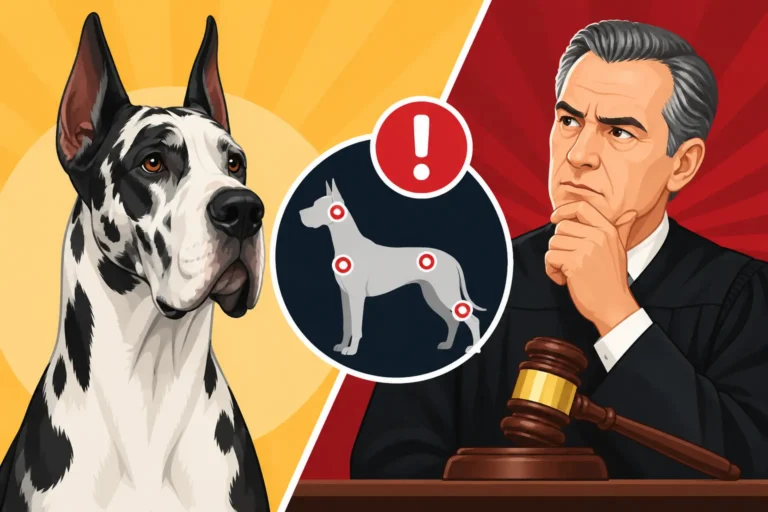
Historically, merle Great Danes were often viewed with suspicion in the show ring and sometimes considered a disqualifying fault. This wasn't because of aesthetic preference, but due to the very real and severe health risks associated with breeding merle to merle. The fear was, and still is, that recognizing merle as an acceptable show color would encourage irresponsible breeding practices, leading to a proliferation of "double merle" puppies. These puppies, as we'll explore, are often born with devastating health issues, primarily affecting their sight and hearing.
Breed clubs and responsible breeders understood the genetic implications and worked hard to prevent double merle breedings. The goal was to protect the breed from congenital defects that could arise from pairing two merle-patterned dogs. Essentially, the disqualification was a protective measure, a way of signaling that while the pattern could occur, its propagation needed careful management. You can learn more about this past view in Why Merle Great Danes Were Once Disqualified.
The Shift Towards Inclusion in Breed Standards
Over recent years, there's been a significant evolution in the official stance on merle Great Danes, particularly in major kennel clubs like the AKC. This shift has seen merle moving from a disqualified or unaccepted color to an officially recognized and even championship-eligible pattern. While I can't give specific dates, this change represents a pivotal moment for merle Great Danes. It means that merle Danes, when bred responsibly, can now compete alongside their fawn, black, blue, and harlequin counterparts in conformation events.
This change didn't happen overnight; it was often the result of dedicated efforts by breed enthusiasts who advocated for the merle pattern's recognition, arguing that responsible breeding could mitigate the associated health risks. The inclusion has certainly opened new doors for merle Danes, allowing them greater visibility and acceptance within the purebred dog community. It represents a mature understanding that a pattern alone doesn't define a dog's health or worth, but rather the genetic knowledge and ethical choices of its breeders. You might be interested in The Year Merle Great Danes Could Be Shown to understand the timeline of this acceptance.
What This Recognition Means for Breeders and Owners
For breeders, the official recognition of merle means a new level of responsibility. It's no longer enough to avoid merle entirely; instead, breeders must possess a deep understanding of merle genetics to ensure they are never breeding two merle-patterned dogs together. This requires careful pedigree research and potentially genetic testing to identify cryptic merles. The goal is to produce single merle (Mm) dogs while completely avoiding double merle (MM) offspring. The emphasis is now squarely on education and ethical practice, ensuring that the allure of the pattern doesn't overshadow the imperative for health.
For owners, this shift means that merle Great Danes from reputable breeders are now readily available and, when responsibly bred, are just as healthy as any other Great Dane. However, it also places a burden on prospective owners to do their homework. The market for merle Danes can attract less scrupulous individuals hoping to capitalize on the unique look, often without understanding or caring for the genetic risks. Therefore, buying a merle Great Dane requires an even more stringent vetting of the breeder, ensuring they adhere to the highest ethical standards, conduct health testing, and are transparent about the parentage.
Health Considerations Unique to Merle Great Danes
While the merle pattern is beautiful, it's critically important to understand that the gene responsible for it carries significant health risks, particularly when inherited in a double dose. This isn't just about coat color; it's about crucial developmental processes.
The Dangers of Double Merle (MM) Genetics
The most severe health issues arise when a Great Dane inherits two copies of the merle gene, resulting in a "double merle" (MM) dog. This happens when two merle-patterned dogs (Mm x Mm) are bred together. The double dose of the merle gene often disrupts the development of cells vital for hearing and vision during embryonic development. This disruption can manifest in a spectrum of severe defects, ranging from moderate impairment to complete deafness and blindness. It's a risk that is entirely avoidable with responsible breeding.
Double merle puppies are often predominantly white, with very few or no merle patches, making them sometimes appear as "white" Great Danes. This stark white appearance is a red flag that indicates the genetic overload of the merle gene. Sadly, these puppies are frequently born with profound disabilities, highlighting why breeding two merles is universally condemned by ethical breeders. The consequences are heartbreaking and preventable, which is why understanding What a Double Merle Great Dane Is is so important.
Common Eye and Ear Abnormalities in Merle Danes
The health problems in merle Great Danes, particularly double merles, predominantly affect the eyes and ears. Ocular defects can include microphthalmia (abnormally small eyes), colobomas (missing tissue in the iris or retina), starburst pupils, and even complete blindness. The eyes may appear unusually pale, blue, or even mismatched (heterochromia), though not all blue or mismatched eyes indicate health issues, it is more prevalent in merles. These conditions can significantly impair a dog's vision, making navigation and interaction challenging. For more information on visual impairments, Missing Eyes and Small Eyes in White Great Danes provides deeper insight.
Auditory issues are equally common and often devastating. Double merles frequently suffer from congenital deafness, ranging from partial to complete hearing loss in one or both ears. This type of deafness is typically irreversible and is a direct consequence of the merle gene affecting the development of the inner ear. While a single merle dog (Mm) generally has normal hearing and vision, the risk significantly escalates with the double merle genotype. Understanding How Common Deafness Is in a White Great Dane is crucial for anyone considering a merle Great Dane. These sensory challenges require significant commitment and adaptation from their owners, underscoring the vital need for ethical breeding practices.
Caring for a Merle Great Dane: Practical Advice
Bringing any Great Dane into your home is a big commitment, but a merle Great Dane, especially one with potential sensory challenges, requires particular consideration. Understanding their unique needs from the outset can make all the difference in providing a full and happy life.
Adjusting for Sensory Impairments
If you have a merle Great Dane that is deaf, blind, or both, the first step is acceptance and then adaptation. For deaf Danes, visual cues become paramount. Training with hand signals is incredibly effective, and consistency is key. Using a vibrating collar as a "tap" on the shoulder to get their attention can be very helpful. Remember, they can't hear you approach, so startling them can be an issue. Always approach from their field of vision or gently tap a surface to create vibrations they can feel. You can find many specialized training aids and enrichment toys on sites like Chewy that cater to dogs with sensory impairments, helping to keep their minds engaged.
For blind Danes, consistency in their environment is critical. Avoid moving furniture or changing layouts frequently. Scent markers can help them navigate. Training verbal cues for obstacles (e.g., "step up," "watch out") can also be beneficial. Their other senses, especially smell and touch, become heightened, so engage them with scent games and textured toys. Always announce your presence verbally or with a gentle touch before interacting. It's a learning curve for both of you, but with patience, these dogs thrive.
Specialized Training and Socialization
Regardless of sensory status, all Great Danes benefit from early and consistent training and socialization, and merles are no exception. For those with hearing or vision impairments, this becomes even more crucial. A deaf Dane needs to be confident and well-socialized to navigate the world without auditory cues. Puppy classes that focus on positive reinforcement and visual markers are ideal. Similarly, a blind Dane needs to be comfortable with new textures, sounds, and people, relying on their sense of touch and smell to explore.
Socialization for a merle Dane might involve more controlled environments. For a deaf dog, introducing them to other dogs might require supervision to ensure they don't miss warning barks or growls. For a blind dog, teaching them confidence on a leash and in new places is vital. Always ensure they feel safe and secure. Investing in a good trainer who has experience with deaf or blind dogs can be invaluable. Even finding durable, large-breed appropriate toys and enrichment items on platforms like Chewy can help keep their minds stimulated and provide positive outlets. The Manners a Great Dane Needs Before It Grows is a great resource for foundational training.
Routine Veterinary Care and Health Monitoring
Just like any Great Dane, merles require regular veterinary care, including vaccinations, parasite prevention, and routine check-ups. However, for merle Danes, particularly those that may be double merle, additional health monitoring for their specific vulnerabilities is paramount. This includes regular eye exams by a veterinary ophthalmologist to monitor for progressive conditions or to manage existing ones. Hearing tests, such as BAER (Brainstem Auditory Evoked Response) tests, can definitively diagnose deafness.
Being proactive about their overall health is especially important because diagnosing other conditions might be harder if a dog cannot communicate symptoms verbally or visually in typical ways. Keep an open dialogue with your vet about any behavioral changes, signs of discomfort, or anything unusual. Maintaining a good diet and appropriate exercise for their physical capabilities is also key to their longevity and quality of life. Regular check-ups are also where you'd discuss other breed-specific concerns such as Bloat in a Great Dane and the One in Three Odds or The Heart Muscle Disease Great Danes Are Prone To.
Ethical Breeding Practices for Merle Great Danes
The beauty of the merle pattern is undeniable, but the ethical responsibilities in breeding merle Great Danes are immense. Responsible breeding is the cornerstone of ensuring the health and welfare of this magnificent breed, particularly when dealing with a gene that carries such significant risks.
The Imperative of Avoiding Merle-to-Merle Breedings
This cannot be stressed enough: ethical breeders absolutely, unequivocally avoid breeding two merle-patterned Great Danes together. Breeding merle to merle (Mm x Mm) carries a 25% statistical chance of producing double merle (MM) puppies, which are highly likely to suffer from severe, often multiple, sensory defects. A truly responsible breeder's priority is always the health and well-being of their puppies, not the production of a particular color or pattern at any cost.
To avoid this catastrophic outcome, breeders must have a complete understanding of the merle genetics of their breeding stock. This includes knowing the genetic makeup of both parents, through either careful pedigree analysis or, increasingly, genetic testing. Even "cryptic merles"—dogs that appear solid-colored but genetically carry the merle gene—pose a risk if unknowingly bred to another merle. The knowledge that Why Two Merle Great Danes Are Never Bred is widely accepted in the responsible breeding community is a testament to the commitment to protecting these dogs.
Genetic Testing and Pedigree Research
Responsible breeders utilize every tool at their disposal to ensure healthy offspring. Genetic testing for the merle gene is a vital part of this. A simple DNA test can confirm whether a dog carries one copy (Mm), two copies (MM, a double merle, which should not be bred), or no copies (mm) of the merle gene. This eliminates guesswork and prevents accidental merle-to-merle breedings, even with cryptic merles in the lineage.
Beyond genetic testing, thorough pedigree research is essential. A responsible breeder meticulously studies the ancestral lines of their dogs, looking for instances of merle, health issues, and overall longevity. They will be transparent about their breeding pairs and openly discuss the health clearances of the parent dogs, not just for merle but for other Great Dane specific conditions like cardiac health and orthopedic soundness. Don't hesitate to ask a breeder about The Health Testing a Great Dane Breeder Owes You and to see Reading a Great Dane Puppy's Health Papers.
Finding a Reputable Merle Great Dane Breeder
If you're considering adding a merle Great Dane to your family, finding a reputable breeder is the most critical step. A good breeder will prioritize health, temperament, and adherence to breed standards. They will be knowledgeable about merle genetics and openly discuss their breeding practices, explaining how they ensure they avoid double merle offspring. They will also screen for other common Great Dane health issues, such as heart disease (DCM), hip and elbow dysplasia, and thyroid problems.
Expect a reputable breeder to ask you many questions, as they want to ensure their puppies go to suitable homes. They should also be able to provide health clearances for the parents, offer a health guarantee for the puppy, and provide ongoing support. Be wary of any breeder who offers "rare" colors without health testing or charges exorbitant prices solely for the merle pattern, especially if they are vague about the parentage. Always prioritize health and ethical practice over aesthetic appeal. You'll want to ask What a Great Dane Breeder Should Be Screening For to ensure you're getting a healthy puppy.
| Merle Genotype | Appearance | Breeding Risk (if bred to Merle) | Health Risk to Dog Itself | Ethical Breeding Practice |
|---|---|---|---|---|
| mm | Solid color, non-merle | No risk of double merle | Very low (merle-related) | Can be bred to merle (Mm) or non-merle (mm) |
| Mm | Merle patterned (single) | High risk of double merle (25%) | Very low (merle-related) | Must ONLY be bred to non-merle (mm) |
| MM | Double Merle (often white) | N/A (should not be bred) | Very high (deafness, blindness, etc.) | Should NEVER be bred; often has profound health challenges |
Disclaimer
This article is for general informational purposes only and does not constitute professional advice. Laws, prices and regulations vary by location and change over time. Consult a qualified professional for guidance on your specific situation.