Growing Pains in a Great Dane at Eight Months
It's incredibly worrying when your lively, growing Great Dane puppy suddenly starts limping or seems uncomfortable. You see them thriving one day, reaching new heights, and the next they're hesitant to move, favoring a leg, or just generally out of sorts. This can be particularly alarming around eight months old, a critical period of intense growth for these gentle giants. This guide is here to shed light on what's often referred to as "growing pains" in Great Danes, helping you understand the causes, recognize the signs, and know how best to support your big puppy through this challenging phase.
Understanding What "Growing Pains" Really Mean for Your Great Dane Puppy
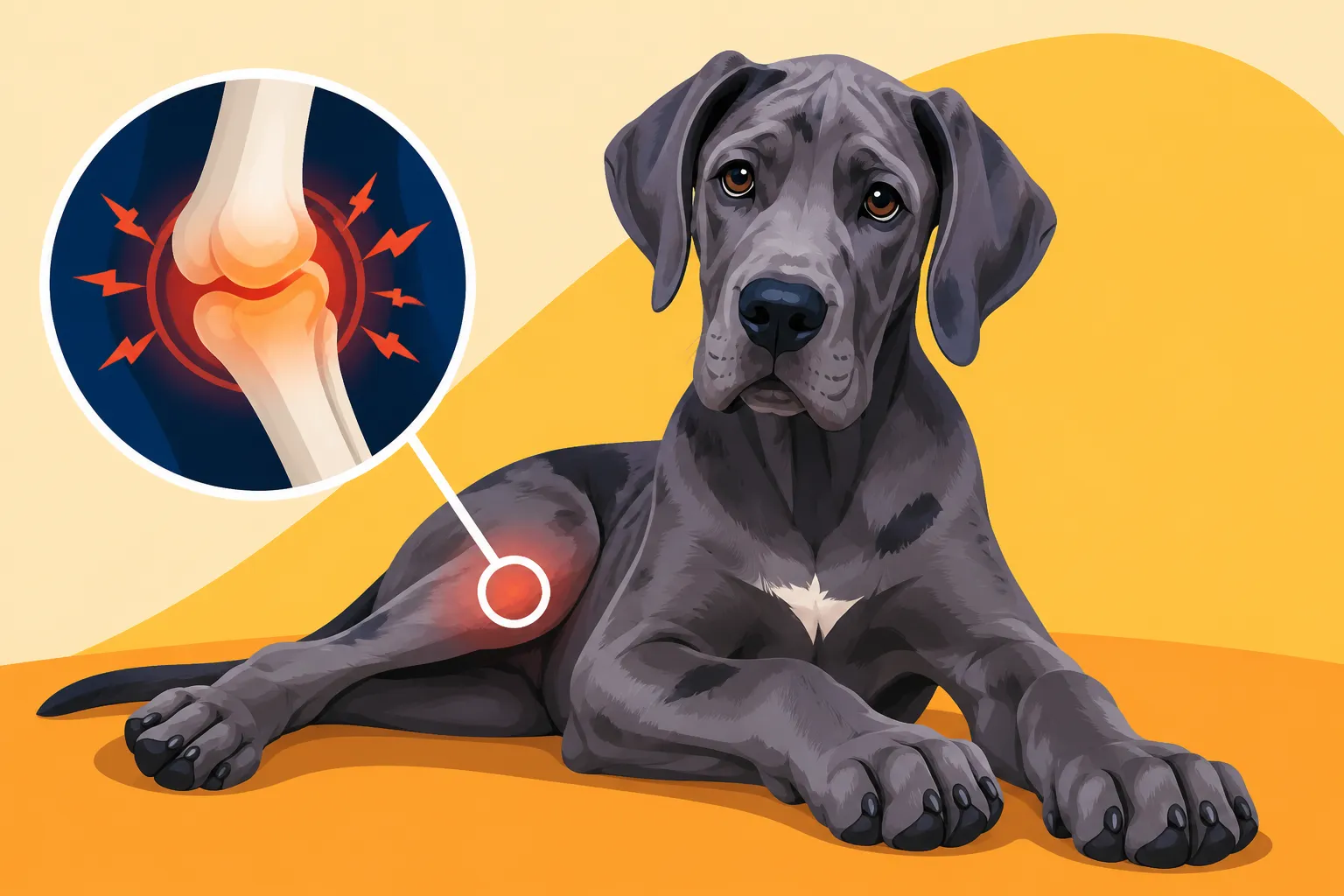
When we talk about "growing pains" in a Great Dane, we're usually referring to a couple of distinct orthopedic conditions that affect rapidly growing large and giant breed puppies: Panosteitis and Hypertrophic Osteodystrophy (HOD). These aren't just vague aches; they're inflammatory processes within the bones and joints that can cause significant discomfort.
The Reality of Panosteitis in Great Danes
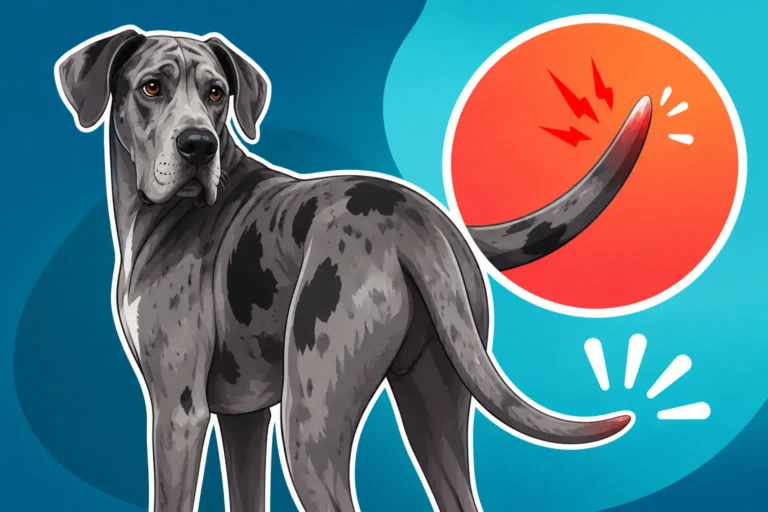
Panosteitis, sometimes affectionately called "pano," is an inflammation of the outer surface (periosteum) and marrow of the long bones, such as the femur, tibia, humerus, radius, and ulna. It's a condition that typically strikes young, fast-growing dogs between 6 and 18 months of age, though it can appear a bit earlier or later. The frustrating thing about pano is its signature "shifting lameness." One day your puppy might be limping on their front left leg, then a few days later, they're favoring their back right. It can come and go, making it feel like you're chasing a moving target.
This inflammation causes genuine pain, making the affected bones tender to the touch. Your puppy might yelp or pull away if you gently palpate their legs. While it's uncomfortable, it's generally considered a self-limiting condition, meaning it resolves on its own as the puppy matures. However, managing the pain during these flare-ups is crucial for your Great Dane's comfort and continued healthy development.
Differentiating Panosteitis from Hypertrophic Osteodystrophy (HOD)
While both conditions fall under the umbrella of "growing pains," Hypertrophic Osteodystrophy (HOD) is generally more severe than Panosteitis. HOD involves inflammation and abnormal bone growth near the growth plates, specifically in the metaphysis (the part of the bone shaft adjacent to the growth plate) of long bones. Unlike pano's shifting lameness, HOD often presents as a more consistent, severe lameness, usually affecting multiple limbs at once.
One of the key distinguishing features of HOD is the presence of systemic signs. Puppies with HOD often run a fever, lose their appetite, become lethargic, and may even have swollen, hot, and painful joints. The bone pain can be so intense that they are reluctant to stand or move at all. Because HOD can be more debilitating and potentially have more serious long-term consequences if not managed properly, getting a precise diagnosis is absolutely vital. Understanding the differences helps your vet determine the best course of action and manage your expectations for your puppy's recovery. You might also want to read more about Hypertrophic Osteodystrophy in a Great Dane for a deeper dive into this specific condition.
Why Great Danes Are Particularly Susceptible
The sheer size and rapid growth rate of Great Danes are the primary reasons they are so prone to these "growing pains." These magnificent dogs aren't just growing big; they're growing fast. Their bones are elongating at an incredible pace, and this intense cellular activity, combined with the stress of simply being a large, active puppy, can lead to inflammation. Genetics also play a role; while specific genes aren't fully understood, a predisposition to these conditions runs in certain lines.
Imagine the amount of work your puppy's skeletal system is doing every single day. Their bones are undergoing constant remodeling, and their growth plates are furiously producing new cartilage that then turns into bone. This rapid development puts immense pressure on their young bodies. Any slight imbalance in nutrition, excessive exercise, or even minor trauma can tip the scales, leading to an inflammatory response that manifests as pano or HOD. It's a delicate dance between nutrition, activity, and genetics during those critical first 18 months.
Recognizing the Signs Your Eight-Month-Old Dane Might Be Hurting
It’s heartbreaking to see your usually boisterous Great Dane puppy in pain. Their stoic nature sometimes means they try to push through discomfort, but a watchful owner will notice the subtle shifts that signal something is wrong. Knowing what to look for can help you advocate for your pup at the vet and get them the relief they need sooner.
Shifting Lameness and Intermittent Limping
This is perhaps the most classic sign of Panosteitis, and it can be incredibly frustrating for owners trying to pinpoint the problem. Your eight-month-old Great Dane might wake up one morning with a noticeable limp on a front leg. You restrict activity, give them some rest, and perhaps a day or two later, that limp is gone, only to reappear on a different leg – maybe a back leg, or the other front leg. This unpredictable, migratory lameness is a hallmark. It’s not usually a severe, non-weight-bearing lameness, but rather a subtle to moderate limp that indicates discomfort.
The inconsistency can make you second-guess yourself. "Did they just step wrong?" you might wonder. "Are they just being dramatic?" But when it persists or moves around, it's a strong indicator that something more is at play than a simple twist or sprain. This shifting pattern is precisely why it’s important to document what you observe, noting which leg is affected and for how long, to provide your vet with the clearest picture possible.
Pain and Tenderness to the Touch
Beyond just limping, a Great Dane with growing pains will often exhibit pain when you touch the affected areas. Gently running your hands along their long bones – the big bones in their legs – might elicit a sharp yelp, a flinch, or they might pull their leg away. They may even guard the limb, becoming defensive if you try to examine it further. This isn't your typical puppy protesting a nail trim; this is a clear sign of bone pain.
You might notice they’re reluctant to be picked up or handled in certain ways, especially if it puts pressure on their painful limbs. Their usual enthusiasm for belly rubs or paw-handling might disappear. Pay attention to any new sensitivity during your routine grooming or cuddle sessions. This tenderness, combined with shifting lameness, paints a pretty strong picture that "growing pains" could be the culprit. It's important to be gentle and observant, rather than forcing them to tolerate pain.
General Malaise and Behavioral Changes
Pain, especially chronic or intermittent pain, takes a toll on even the most cheerful puppy. An eight-month-old Great Dane experiencing growing pains might show a general lack of enthusiasm for their usual activities. They might be more lethargic, preferring to lie down rather than engage in play or go for walks. You might notice a decrease in appetite or even a mild fever, particularly if HOD is present.
Behavioral changes can also be subtle but telling. A normally outgoing puppy might become a bit withdrawn, less interested in interacting with family members or other pets. They might seem more irritable or even snap if touched in a sensitive area. Conversely, some Danes might become clingier, seeking comfort from their humans. Any significant departure from your puppy’s normal demeanor, especially when coupled with limping or tenderness, warrants a closer look. These aren't just physical symptoms; they are indicators that your dog is genuinely suffering and needs veterinary attention.
Getting a Diagnosis: What Your Vet Will Look For
When you notice your eight-month-old Great Dane is struggling, the first and most important step is a visit to your veterinarian. While your observations are crucial, a proper diagnosis requires professional expertise to differentiate between the various possibilities and ensure your pup gets the right care.
The Importance of a Thorough Physical Examination
Your vet will start with a comprehensive physical exam, which for a Great Dane, can be quite a process! They'll observe your dog's gait, how they stand, and how they move. They'll then meticulously palpate each limb, feeling along the long bones, gently flexing and extending joints, and looking for any swelling, warmth, or pain response. They'll also check your pup's overall body condition, temperature, and listen to their heart and lungs.
It’s during this examination that your detailed descriptions of the shifting lameness, the areas of tenderness you’ve noticed, and any behavioral changes become invaluable. The more information you can provide, the better. Your vet is essentially acting as a detective, ruling out common injuries or other orthopedic issues like a Cruciate Injury in a Great Dane that can present with similar lameness. They might gently try to elicit a pain response by applying pressure to the growth plates or shafts of the long bones, which is often a strong indicator of Panosteitis.
Diagnostic Imaging: X-rays and Beyond
Once the physical exam points towards a musculoskeletal issue, diagnostic imaging, primarily X-rays, will be the next step. For Panosteitis, X-rays might initially look normal, especially in the early stages, because the inflammation is often in the soft tissues of the bone marrow. However, as the condition progresses, the vet might see subtle changes in bone density, often described as patchy or cloudy areas within the bone marrow cavity. These changes confirm the diagnosis. Sometimes, repeat X-rays over several weeks are necessary to catch these evolving radiographic signs.
HOD, on the other hand, often presents with more distinct changes on X-rays. You might see a characteristic "double physis" sign (a double growth plate) or areas of decreased bone density adjacent to the growth plate, indicating inflammation and disruption of normal bone formation. In severe cases, there might be significant soft tissue swelling around the affected joints. While X-rays are usually sufficient, in complex cases or if other conditions are suspected, your vet might recommend advanced imaging like CT scans, especially to rule out issues such as Cartilage Flaps in a Great Dane Shoulder or more severe Growth Disorders in a Great Dane Puppy.
Ruling Out Other Painful Growth Disorders
It’s easy to jump to conclusions when your Great Dane puppy is hurting, but a good vet will methodically rule out other potential causes of lameness and pain. Beyond Panosteitis and HOD, there are other growth-related orthopedic conditions common in large breeds. These include Osteochondritis Dissecans (OCD), where abnormal cartilage forms and potentially detaches within a joint, often the shoulder, elbow, or stifle. Another possibility is Fragmented Coronoid Process (FCP), part of Elbow Dysplasia, which can cause significant elbow pain.
Even simple soft tissue injuries, sprains, or even fractures can mimic "growing pains." Your vet will consider the age of your puppy, the nature of the lameness, and the findings from the physical exam and X-rays to narrow down the possibilities. For instance, if your Great Dane puppy has Swollen Painful Joints in a Great Dane Puppy without a fever, it might point to a joint specific issue rather than HOD. A definitive diagnosis is paramount because the treatment protocols for these various conditions can differ significantly, ensuring your Great Dane receives the most effective and appropriate care.
| Feature | Panosteitis (Pano) | Hypertrophic Osteodystrophy (HOD) |
|---|---|---|
| Common Age | 6-18 months (can be wider) | 2-7 months (often earlier, more severe in younger pups) |
| Primary Location | Diaphysis (shaft) of long bones | Metaphysis (near growth plates) of long bones |
| Symptoms | Shifting lameness, intermittent limping, bone tenderness | Severe lameness (often multiple limbs), joint swelling, fever, lethargy, decreased appetite, severe bone pain |
| Systemic Signs | Rare | Common (fever, malaise, anorexia) |
| X-Ray Findings | Patchy increase in bone density, cloudy areas, blurring of trabeculae (may be subtle initially) | Widening of growth plates, radiolucent line, abnormal bone formation near metaphysis, soft tissue swelling |
| Prognosis | Generally self-limiting, resolves with maturity, rarely causes lasting issues | Can be more severe, may lead to permanent joint deformities if untreated, but often resolves with proper management |
| Treatment Focus | Pain management, restricted exercise | Pain & inflammation control, supportive care, addressing systemic symptoms |
Managing Growing Pains: Comfort and Care at Home
Once your Great Dane has a diagnosis, the focus shifts to management. While these conditions are often self-limiting, making your puppy comfortable during this painful period is paramount. Home care, guided by your vet, plays a huge role in their recovery.
Pain Management: Medications and Supplements
The cornerstone of managing growing pains is alleviating your puppy's discomfort. Your veterinarian will likely prescribe non-steroidal anti-inflammatory drugs (NSAIDs) such as carprofen (Rimadyl), meloxicam (Metacam), or firocoxib (Previcox). These medications are effective at reducing both pain and inflammation. It's absolutely critical to follow your vet's dosage instructions precisely, as NSAIDs can have side effects if misused. Never administer human pain relievers or adjust dosages without veterinary guidance, as this can be extremely dangerous for dogs.
Beyond prescription medications, your vet might also suggest certain joint supplements. Ingredients like glucosamine, chondroitin, and MSM are often recommended for their purported cartilage-protective and anti-inflammatory properties. While not a cure, they can sometimes provide additional support, especially for overall joint health in a fast-growing giant breed. Omega-3 fatty acids, like those found in fish oil, are also known for their anti-inflammatory benefits. However, be cautious with over-supplementation. More isn't always better, and excess calcium, for example, can actually be detrimental to a growing Great Dane, as discussed in Why Calcium Supplements Damage a Great Dane. Always discuss any supplements with your vet to ensure they are appropriate and correctly dosed for your giant pup.
Activity Restriction and Controlled Exercise
This is often the hardest part for both you and your active Great Dane puppy. The instinct is to let them run and play, but during a flare-up of growing pains, unrestricted activity can exacerbate the inflammation and pain. Your vet will advise on strict activity restriction. This often means leash walks only, avoiding any strenuous play, jumping (especially off furniture or out of cars), running, and stairs. For more severe cases, or during intense painful episodes, crate rest or confinement to a small, safe area might be necessary to prevent further injury.
The goal isn't to make your puppy sedentary forever, but to allow the inflamed bones and joints time to heal without added stress. As their pain subsides, you can gradually reintroduce controlled exercise. Gentle, short walks on a leash are usually the best way to maintain muscle mass without overdoing it. Remember that Exercise Limits While a Great Dane Is Still Growing are crucial to protect their developing skeletal system, not just during periods of pain, but throughout their puppyhood. It's a fine balance, and constant communication with your vet will help you adjust activity levels appropriately.
Nutritional Support and Weight Management
Nutrition plays a pivotal role in the healthy growth of a Great Dane, and it's especially critical when managing growing pains. The wrong diet can contribute to or worsen these conditions. You need to ensure your puppy is on a high-quality, large-breed puppy food specifically formulated for slow and steady growth. These diets typically have a carefully controlled calcium-to-phosphorus ratio and calorie density to prevent too-rapid growth, which can put undue stress on developing bones and joints. Our article on Feeding a Great Dane Puppy Slowly on Purpose delves deeper into this important topic.
It's also essential to keep your Great Dane puppy lean. Any excess weight places additional strain on their already stressed skeletal system, increasing pain and potentially prolonging recovery. You should be able to easily feel your puppy's ribs when you run your hand along their side, but not see them prominently. If your puppy is overweight, work with your vet to adjust their food intake. A lean body condition promotes healthier joint development and reduces the burden on inflamed areas. Remember, a Great Dane's growth curve is unique, and maintaining an appropriate weight is one of the best things you can do to support their long-term health, as highlighted in Why a Great Dane Puppy Should Be Kept Lean.
Living Through the Flare-Ups and Looking Ahead
Dealing with "growing pains" can test the patience of any Great Dane owner. It's a journey that often involves ups and downs, but understanding the nature of these conditions can help you navigate them with confidence and compassion for your big puppy.
The Episodic Nature of Panosteitis
One of the most challenging aspects of Panosteitis for owners is its episodic nature. Just when you think your Great Dane is over it, bounding around with their usual goofy enthusiasm, the limp returns, sometimes on a different leg. These flare-ups can last anywhere from a few days to several weeks, and then, just as suddenly, they can resolve, only to potentially reappear later. This inconsistency is truly frustrating and can make you feel like you're constantly on edge, waiting for the next bout of lameness.
It's important to remember that this "on-again, off-again" pattern is typical for Panosteitis. It doesn't mean you're doing anything wrong, nor does it mean your puppy isn't getting better overall. Each episode is just another step in their growth journey. Your role is to provide consistent comfort, adhere to restricted activity during flare-ups, and manage their pain as prescribed by your vet. Patience and a proactive approach to their care are your best tools during this phase.
Prognosis and Long-Term Outlook
The good news for Great Dane puppies diagnosed with Panosteitis is that the prognosis is generally excellent. The condition is self-limiting, meaning almost all dogs outgrow it by the time they are 18-24 months old, often with no lasting effects or lameness. While it's a painful and concerning experience in puppyhood, it typically doesn't lead to long-term orthopedic issues.
HOD, while often more severe in its presentation, also generally has a good prognosis if managed appropriately. With prompt diagnosis, pain control, and supportive care, most Great Danes recover fully from HOD as well. In some rare, severe cases of HOD, there can be residual limb deformities due to damage to the growth plates, but this is less common with early and effective treatment. The key takeaway is that most Great Danes grow out of these "growing pains," allowing them to live full, active lives once their growth plates have closed and their bones have matured.
The Role of Pet Insurance in Managing Costs
The journey through puppyhood with a Great Dane is often an expensive one, and "growing pains" can add significantly to those costs. Diagnosing and managing these conditions involves multiple vet visits, X-rays, medications, and potentially follow-up appointments. These bills can quickly add up, creating a financial strain for even the most prepared pet owner.
This is where pet insurance can be a real lifeline. Having a comprehensive policy in place before any symptoms appear can help cover a significant portion of these unexpected veterinary expenses. Many Great Dane owners find peace of mind knowing they won't have to choose between their puppy's comfort and their budget. Providers like Healthy Paws offer robust coverage for accidents and illnesses, which would include conditions like Panosteitis and HOD, as long as they aren't considered pre-existing conditions. Enrolling your Great Dane in pet insurance early, perhaps even when they are a young puppy, is a smart financial move to protect against unforeseen health challenges during their rapid growth, as discussed in Enrolling a Great Dane Before Anything Happens and Insuring a Great Dane Against Bloat and Heart Bills. Don't wait until the symptoms start; by then, it might be too late for coverage. Healthy Paws, for example, is a popular choice for many giant breed owners because of their comprehensive plans and the ability to cover significant vet bills that are common with larger dogs. It’s definitely something worth looking into to ensure you can always say "yes" to the best care for your Great Dane.
Disclaimer
This article is for general informational purposes only and does not constitute professional advice. Laws, prices and regulations vary by location and change over time. Consult a qualified professional for guidance on your specific situation.