Feeding and Grooming an Old Great Dane
As your beloved Great Dane begins to gray around the muzzle and those energetic puppy bounces turn into more sedate strolls, you might find yourself facing a new set of challenges. Caring for a giant breed in their golden years isn't just about managing slowing down; it's about proactively adapting their daily routine to ensure comfort, health, and dignity. This comprehensive guide will walk you through the essential adjustments in feeding and grooming that can make all the difference for your aging Great Dane.
Understanding the Senior Great Dane
Watching your magnificent Great Dane transition into their senior years is a bittersweet experience. One day they're a boundless bundle of energy, and the next, you notice a stiffness in their gait or a reluctance to jump onto the sofa. It's not just a matter of age; it's a fundamental shift in their physical and often mental well-being that requires a more nuanced approach to their care.
Defining "Senior" in a Giant Breed
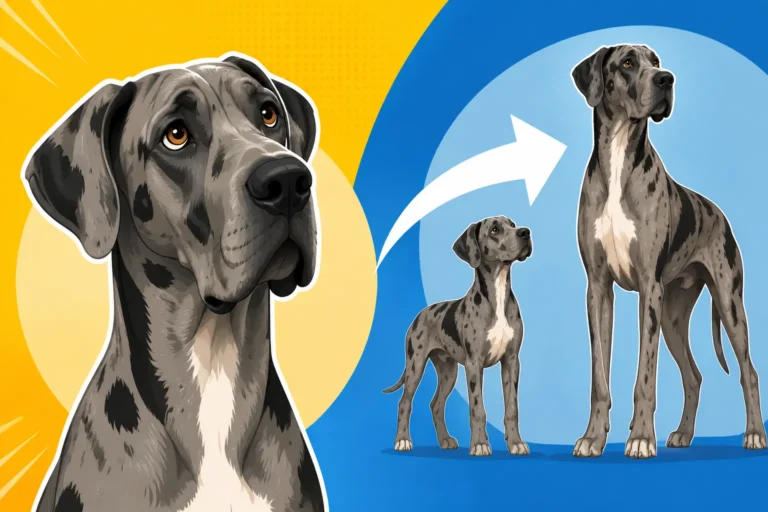
For us Great Dane owners, the term "senior" hits a little differently than for those with smaller breeds. While a Chihuahua might not be considered old until eight or nine, a Great Dane often enters their senior phase around five or six years of age. It's a tough truth, but giant breeds simply age at an accelerated rate. This means that issues typically associated with old age, like arthritis, cognitive decline, or organ function changes, can appear much earlier than you might expect. When you're thinking about The Age a Great Dane Is Considered Old, remember that their internal clock ticks faster. It's less about a specific calendar date and more about observing subtle changes in their behavior and physical capabilities that signal this transition.
This accelerated aging isn't just a number; it impacts every system in their body. Their metabolism slows, their immune system might become less robust, and their joints will have endured years of supporting an immense amount of weight. Understanding this early onset of senescence is crucial because it informs every decision you make regarding their diet, exercise, and overall daily management. It encourages a proactive rather than reactive approach to their changing needs.
Common Physical Changes to Expect
The physical signs of aging in a Great Dane are usually quite apparent, though they can sometimes creep up on you. You might notice a general slowing down, where their once eager bursts of speed are replaced by a more considered pace, especially when getting up after a nap. Their magnificent coats, while still short, might become coarser, thinner, or even develop patches of dandruff or dryness. The most common and often most impactful change, however, is the onset of musculoskeletal issues. Arthritis in a Six-Year-Old Great Dane is unfortunately common, leading to stiffness, lameness, or difficulty navigating stairs or slick floors.
Beyond their joints, you might observe changes in their eyes, such as cloudiness (lenticular sclerosis) or even decreased vision. Hearing loss can also be a silent but significant shift, making them less responsive to verbal cues. Internally, organ function can start to decline, impacting kidney, liver, or heart health. It's heartbreaking to witness these changes, but acknowledging them is the first step toward providing compassionate and effective care.
Mental and Behavioral Shifts
Aging isn't solely a physical journey; it impacts your Great Dane's mind as well. You might notice changes in their sleep patterns, perhaps becoming restless at night or sleeping more during the day. Some senior Danes can develop a form of canine cognitive dysfunction, similar to dementia in humans. This might manifest as disorientation in familiar surroundings, staring blankly at walls, or changes in their interaction with you or other pets. They might forget house training rules or seem less engaged in activities they once loved.
Behavioral changes can also include increased anxiety, especially when left alone, or a heightened sensitivity to loud noises. Some become more clingy, constantly seeking your presence, while others might become a bit more irritable or withdrawn, especially if they are in pain. These shifts can be distressing for owners, who might feel like they've lost a part of their dog's personality. Patience, understanding, and adapting your interactions are key to supporting them through these mental transitions.
Nutritional Needs for Senior Great Danes
Feeding an old Great Dane isn't just about maintaining their weight; it's about optimizing their diet to support their aging body, manage existing conditions, and enhance their quality of life. The nutritional requirements shift significantly from their adult years, and understanding these changes is paramount.
Adjusting Calorie Intake
As Great Danes age, their activity levels naturally decrease. That once-vigorous romp around the yard turns into a dignified saunter. With this reduction in activity comes a corresponding decrease in their metabolic rate. This means that if you continue to feed them the same amount of food they ate in their prime, they're likely to gain weight. Obesity in senior Danes is particularly detrimental, as it puts even more strain on already compromised joints and exacerbates conditions like heart disease. Conversely, some older Danes might struggle with appetite or absorption, leading to unintentional weight loss.
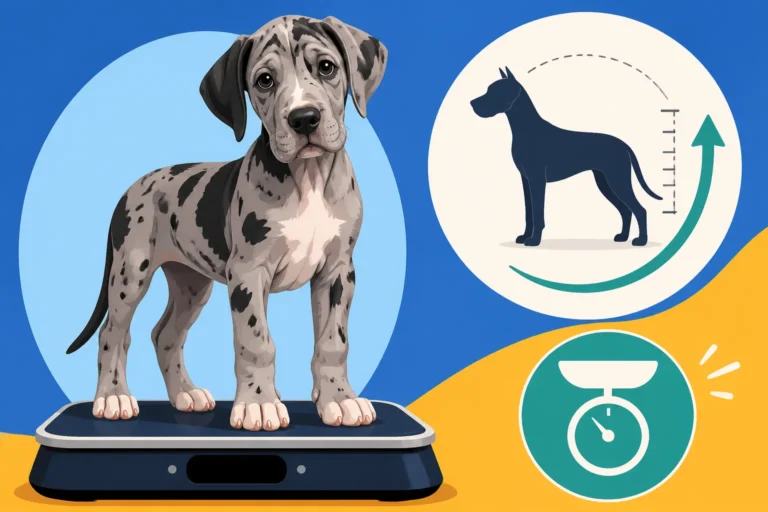
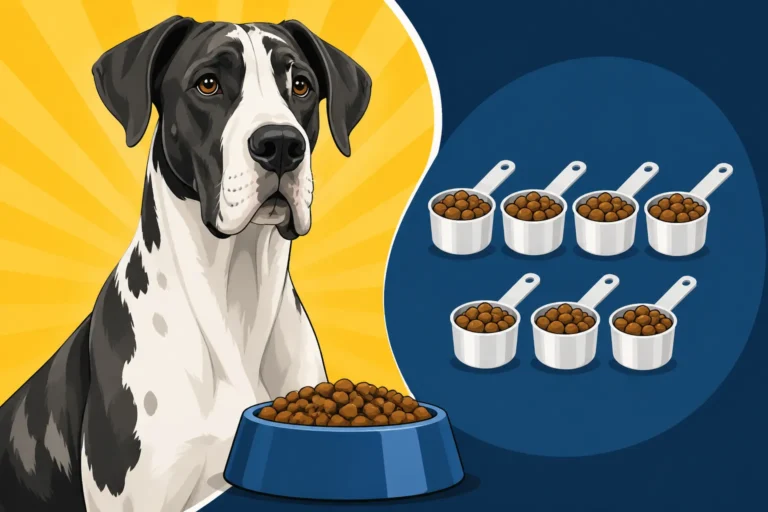
The key is to carefully monitor their body condition. You should still be able to easily feel their ribs without seeing them protruding sharply, and they should have a discernible waist when viewed from above. Regularly assessing their body condition, perhaps every two to four weeks, is more important than rigidly sticking to a feeding guide on a bag. If you're unsure, consulting with your vet can help determine the ideal caloric intake. Many senior dog foods are formulated with fewer calories to help manage weight, but the quantity you feed still needs to be adjusted based on your individual dog's activity and health.
The Role of Protein and Joint Support
One common misconception is that older dogs need less protein. In fact, senior Great Danes often benefit from higher quality, easily digestible protein to maintain muscle mass, which naturally declines with age. Losing muscle can further destabilize joints and make movement even more difficult. Look for senior formulas that boast high-quality animal-based protein sources as the first ingredient. These specialized diets are designed to be kind to their aging kidneys and liver, providing essential nutrients without overburdening their systems.
Beyond protein, joint support is non-negotiable for an aging giant breed. Many senior dog foods incorporate ingredients like glucosamine, chondroitin, and omega-3 fatty acids (EPA and DHA) specifically for this purpose. These nutrients help support cartilage health, reduce inflammation, and promote joint lubrication. Even if your senior diet includes these, your vet might recommend additional Joint Support Built Into Great Dane Food or supplements, especially if your Dane is showing significant signs of arthritis. Brands like Chewy offer a wide selection of specialized senior diets and joint supplements, making it easier to find what you need.
Supplementing for Senior Health
While a high-quality senior diet forms the foundation, supplemental support can be incredibly beneficial for an old Great Dane. Omega-3 fatty acids, particularly from fish oil, are fantastic for reducing inflammation throughout the body, benefiting not just joints but also skin, coat, and cognitive function. Antioxidants like Vitamin E and C can help combat cellular damage, and some vets might recommend specific supplements to support cognitive health, containing ingredients like medium-chain triglycerides (MCTs) or s-adenosylmethionine (SAMe).
It's tempting to try every supplement on the market, but always discuss any new supplements with your veterinarian. They can help you identify which ones are truly beneficial for your Great Dane's specific health needs and ensure there are no contraindications with any existing medications. For a Great Dane on heart medication, for example, their dietary needs might be even more specialized, requiring careful consideration of potassium and sodium levels, so discussion with your vet about Feeding a Great Dane on Heart Medication is critical. Never simply add supplements without professional advice, as even beneficial ingredients can be harmful in incorrect doses for a giant breed.
Mealtime Management for Aging Danes
Mealtime for a senior Great Dane can become more than just filling their bowl; it can require thoughtful adjustments to ensure their comfort, safety, and continued enjoyment of food. Their changing physical capabilities and potential health issues mean that the once simple act of eating might now present challenges.
Making Eating Easier and Safer
As arthritis progresses and mobility decreases, your Great Dane might find it painful to bend down to a floor-level bowl. Raised feeders, which many Great Dane owners already use to minimize bloat risk, become even more crucial in their senior years. These stands allow them to eat and drink without straining their neck, back, or front legs. If you don't already have one, consider investing in a sturdy, non-tip raised feeder. You can find many options on Amazon that are tall enough for your gentle giant.
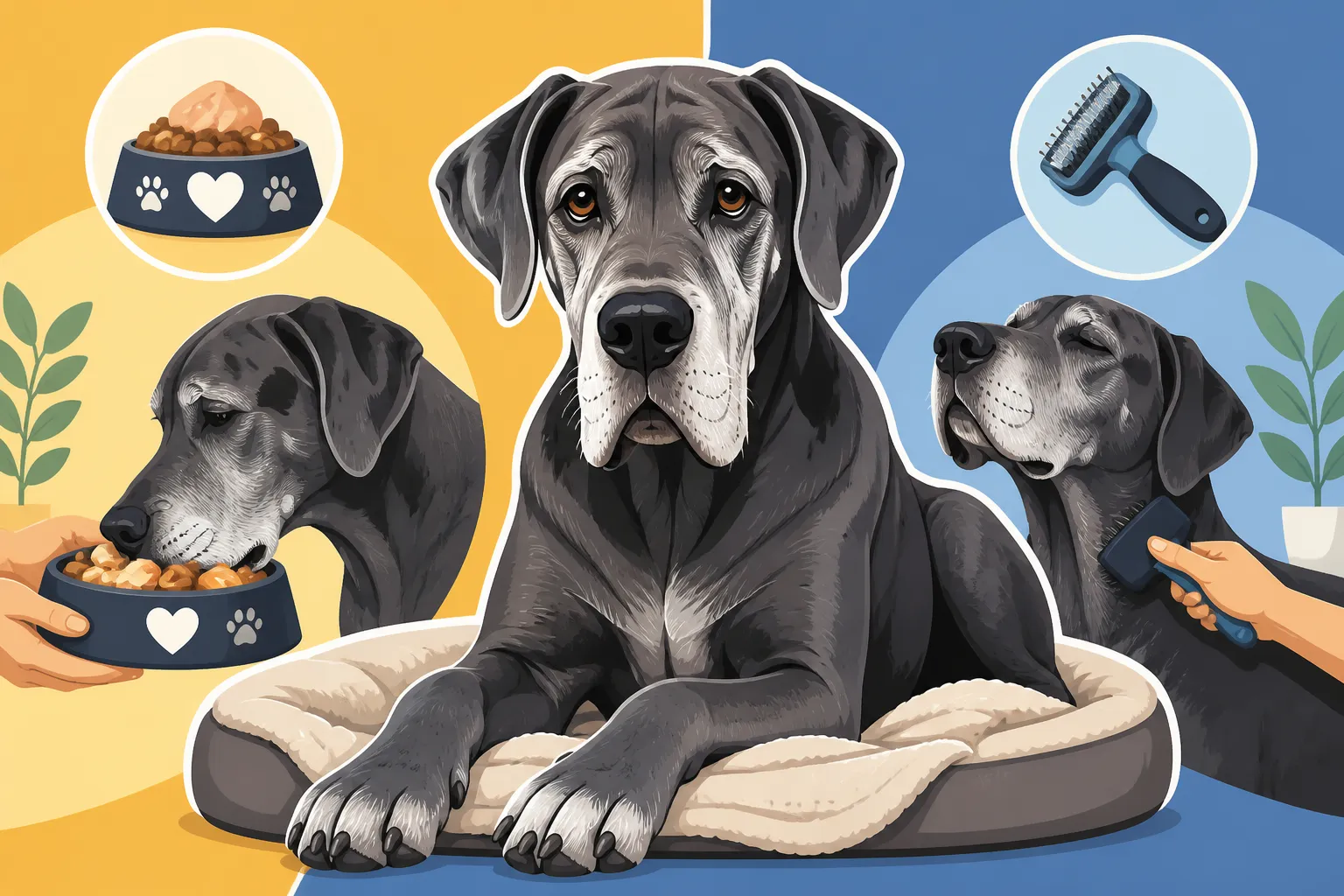
Some senior Danes might also experience dental issues, making hard kibble difficult or painful to chew. Softening their kibble with warm water or broth can help. Alternatively, switching to a wet food or a gently cooked fresh food diet, like those offered by Ollie, can make mealtime much more comfortable and appetizing. If they're struggling to stand for the entire meal, consider feeding them in a comfortable, propped-up position, or even while they are lying on a supportive orthopedic bed. The goal is to eliminate any discomfort that might deter them from eating.
Maintaining Hydration
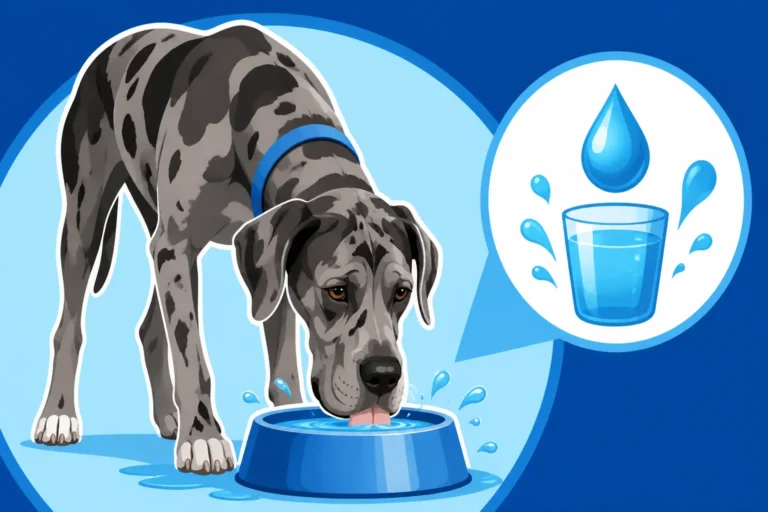
Hydration is crucial for all dogs, but especially for seniors. Aging can sometimes lead to reduced thirst drive or a reluctance to get up and drink, especially if movement is painful. Dehydration can exacerbate kidney issues, contribute to constipation, and generally make your dog feel unwell. Encourage water intake by ensuring fresh water is always available in multiple locations throughout the house, not just one fixed spot.
You might also consider adding water or low-sodium broth to their meals, particularly if they are on a dry kibble diet. Water fountains can entice some dogs to drink more, as the moving water is often more appealing than stagnant water. If you notice signs of dehydration, such as lethargy, dry gums, or sunken eyes, consult your vet immediately. Understanding How Much Water a Great Dane Drinks a Day for their size can help you monitor their intake more closely.
Continued Bloat Awareness
Even in their senior years, the shadow of bloat, or Gastric Dilatation-Volvulus (GDV), remains a terrifying reality for Great Dane owners. In fact, older dogs might even be at a higher risk due to changes in stomach motility or underlying health conditions. Therefore, all the bloat prevention strategies you’ve practiced throughout their life—like feeding multiple smaller meals rather than one large one, avoiding strenuous exercise an hour before and after eating, and using a slow-feeder bowl—must continue.
If your Great Dane did not have a gastropexy (stomach tacking surgery) when they were younger, the risk is still present. Even if they did, while gastropexy significantly reduces the risk of stomach twisting, it doesn't eliminate the risk of the stomach dilating or filling with gas. Remain vigilant for the classic signs: unproductive retching, a distended abdomen, pacing, and restlessness. Knowing The Lifetime Bloat Risk in a Great Dane means never letting your guard down, regardless of age.
Grooming Challenges in Senior Great Danes
Grooming might seem like a straightforward task, but when your Great Dane reaches its golden years, the process often becomes much more challenging for both of you. Their physical limitations can turn routine care into a careful dance, demanding patience, adaptation, and sometimes professional help.
Dealing with Decreased Mobility
The biggest hurdle in grooming a senior Great Dane is often their decreased mobility. What was once easy – getting them into the tub, encouraging them to stand still for brushing, or positioning them for a nail trim – can become painful or impossible. Stiffness from arthritis, weakened muscles, or a general loss of balance means they might struggle to stand for long periods, lift a paw comfortably, or navigate slippery bathroom floors.
Forcing them into uncomfortable positions can not only cause them pain but also create negative associations with grooming, making future sessions even harder. It's crucial to approach grooming sessions with extra gentleness and empathy. Look for ways to minimize stress and maximize their comfort, perhaps by breaking up grooming into shorter sessions or performing tasks when they are most relaxed. Consider if you need to perform grooming while they are lying down, rather than standing, particularly for tasks like brushing or checking their paws.
Sensitive Skin and Coat Changes
As Great Danes age, their skin and coat can undergo noticeable changes. Their skin might become thinner, drier, and more prone to irritation or sores, especially over bony prominences like elbows and hocks. You might notice more dandruff or a duller coat. Lumps and bumps, while often benign, become more common and require regular checks during grooming. Poor circulation in older skin can also mean minor cuts or abrasions heal more slowly.
Their coat, though still short, might shed more or become sparse in certain areas. This means regular, gentle brushing is still important not just for cleanliness but also for stimulating circulation and distributing natural oils. Be extra careful when brushing, using soft brushes that won't scratch or pull at delicate skin. Pay close attention to any redness, flakiness, or new growths, and bring them to your vet's attention promptly.
Nail Overgrowth and Paw Problems
One of the most commonly overlooked but critical grooming challenges in senior Great Danes is nail care. With reduced activity, their nails don't naturally wear down as much. Overly long nails can significantly impact their comfort and mobility, forcing their toes to splay and altering their gait, which further stresses already painful joints. Overgrown nails are also more prone to cracking, splitting, or even growing into the paw pads, leading to painful infections.
Beyond nails, the paw pads themselves can become drier and tougher, or conversely, more sensitive. Older Danes might also develop calluses or corns, which can be quite painful. Regularly inspecting their paws, including between the pads, for any foreign objects, sores, cracks, or excessive hair growth is essential. Addressing Nail Care on a Great Dane That Cannot Balance requires creative solutions and sometimes professional assistance.
Specialized Grooming Techniques for Old Danes
Adapting your grooming routine for an old Great Dane means approaching each task with extra care and understanding their unique needs. It's about maintaining their hygiene while prioritizing their comfort and minimizing any potential pain or anxiety.
Gentle Brushing and Shedding Management
Even with their short coats, Great Danes shed year-round, and this doesn't stop in old age. Regular brushing remains important to remove loose hair, prevent matting (especially behind the ears or on the tail, where hair might be slightly longer), and stimulate blood circulation in their aging skin. However, the tools and technique might need adjustment. Instead of a stiff slicker brush, opt for a soft rubber curry brush or a gentle bristled brush. These are less likely to irritate sensitive skin or pull at delicate fur.
When brushing, work slowly and gently, watching your Dane's reactions. If they flinch or show signs of discomfort in a particular area, ease up or stop. Pay special attention to pressure points and areas where they lie down frequently, as these can be prone to skin irritation or calluses. Brushing can also be a wonderful bonding experience, offering a gentle massage that many older dogs appreciate. If your Dane struggles to stand, try brushing them while they are comfortably lying on their orthopedic bed.
Adapted Bathing Strategies
Bathing a Great Dane at any age is an undertaking, but with a senior Dane, it becomes a strategic operation. Lifting them into a tub or having them stand on slippery surfaces can be dangerous. If you have a walk-in shower or a large, accessible tub, consider adding a non-slip mat to provide secure footing. Using a handheld shower sprayer can make rinsing easier, especially if your Dane can't stand for long.
For Danes with significant mobility issues, a professional groomer with specialized bathing facilities (like walk-in tubs or hydraulic grooming tables) might be the safest option. Alternatively, dry shampoos or waterless cleansers can be a lifesaver for in-between full baths, helping to keep them fresh without the stress of a full wash. Always use a gentle, moisturizing shampoo designed for dogs, as older skin can be more sensitive. Ensure they are thoroughly dried afterward, especially in cooler weather, to prevent chills.
Nail Trimming for Pain-Sensitive Paws
Nail trims are often the most dreaded part of grooming for both owner and dog, and this anxiety can be amplified in senior Danes experiencing pain. If their nails are excessively long, a standard clipping might not be enough; they might need more frequent trims or even a dremel tool to grind them down gradually, as this can be less jarring than clippers. Always use sharp clippers designed for large breeds, like those you can find on Amazon or Chewy, to ensure a clean cut without crushing the nail.
If your Dane is sensitive, try to make nail trims a positive experience with lots of praise and high-value treats. Break it down into very short sessions, perhaps just one or two nails at a time, to avoid overwhelming them. If they cannot balance, have someone gently support them, or trim their nails while they are lying down. For severe pain or anxiety, your vet might recommend a mild sedative to make the process less stressful. Remember, consistently short nails are vital for their comfort and long-term joint health.
Addressing Mobility Issues During Grooming and Feeding
One of the most heartbreaking aspects of owning an aging Great Dane is witnessing their loss of mobility. Tasks that were once effortless can become monumental struggles. Proactively addressing these physical limitations during daily care routines like feeding and grooming is crucial for maintaining their quality of life.
Utilizing Ramps and Support Slings
Getting into a car, navigating a few steps, or even climbing onto a favorite spot on the sofa can become impossible for a senior Great Dane with aching joints. Ramps are invaluable tools that can help them maintain some independence and reduce strain on their body. Look for sturdy, non-slip ramps that are wide enough and long enough to provide a gentle incline, especially for car access. Brands available through Chewy or Amazon often carry heavy-duty ramps suitable for giant breeds.
For temporary assistance or when lifting becomes necessary, a support sling or harness can be a godsend. These can be used to help them stand up, get them outside for potty breaks, or offer support while walking. A rear-end support sling can be particularly helpful for Danes with hind-leg weakness or conditions like A Great Dane That Stumbles on Its Back Legs. Learning how to use these aids correctly, perhaps with guidance from your vet or a physical therapist, ensures you're helping without causing further injury. Mobility Aids for a Failing Great Dane can truly extend their comfort and your ability to care for them at home.
Creating Accessible Feeding Areas
As mentioned before, feeding areas need to be adapted for ease of access and comfort. Raised bowls are a must, but also consider where you place them. A senior Dane might struggle to walk across slick kitchen tiles to reach their food, or they might not want to navigate a busy hallway. Choose a quiet, easily accessible spot with good traction, perhaps on a rug or mat, where they can eat without feeling rushed or unstable.
For dogs with severe mobility issues, you might even need to bring their food and water directly to them, wherever they are most comfortable, perhaps near their orthopedic bed. The key is to remove any physical barriers or discomfort that might prevent them from eating and drinking adequately. Sometimes, just a slight adjustment in location can make a huge difference in their willingness to consume their meals.
Professional Grooming and Vet Assistance
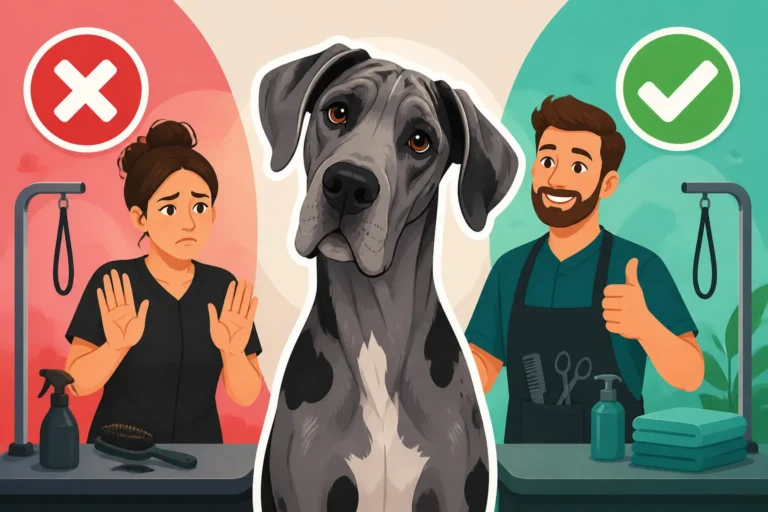
There comes a point when, despite all your best efforts, grooming a large, elderly Great Dane might become too challenging or even unsafe for you and your dog. This is where professional help can step in. Mobile groomers, or those with experience handling giant breeds, often have specialized equipment like hydraulic tables and walk-in tubs that can safely accommodate an older, less mobile Dane. They are also skilled at recognizing signs of discomfort and can adapt their techniques.
Furthermore, don't hesitate to lean on your veterinarian for assistance. For nail trims in a highly sensitive or anxious senior Dane, your vet can often do it safely, sometimes even with a mild sedative. They can also offer advice on pain management, physical therapy, or prescribe specific mobility aids. Your vet is a crucial partner in Caring for a Great Dane Past Six and ensuring their comfort in their twilight years.
Maintaining Comfort and Hygiene
Beyond the basics of feeding and grooming, ensuring the overall comfort and hygiene of your senior Great Dane involves several key considerations. These details, often overlooked, significantly contribute to their daily well-being and can prevent secondary health issues.
Choosing the Right Senior Bedding
A comfortable, supportive bed is paramount for an aging Great Dane. Their heavy bodies and thinning skin make them prone to developing pressure sores and calluses, especially on hard surfaces. Thin, unsupportive beds simply won't cut it anymore. Invest in a high-quality orthopedic bed with dense, supportive foam that contours to their body and relieves pressure on their joints. Memory foam beds are often an excellent choice.
The bed should be large enough for them to stretch out fully in any position without parts of their body hanging off. Placing these beds in multiple favorite resting spots around the house ensures they always have a comfortable, supportive place to lie down. Regularly washing the bed cover is also important for hygiene, as older dogs might be more prone to accidents or developing skin infections. Consider beds with waterproof liners for easy cleanup.
Managing Drool and Facial Folds
Great Danes are renowned for their majestic jowls and, let's be honest, their drool. While charming in their youth, managing slobber can become a bit more involved in their senior years. Older Danes might drool more due to dental issues, certain medications, or simply a relaxed mouth. This constant moisture can lead to skin irritation, rashes, or even infections in the folds of their lips and jowls.
Regularly wiping their face and jowls with a soft, damp cloth, especially after eating or drinking, is essential. Pay close attention to any deep folds, keeping them clean and dry to prevent moisture from building up. You can use a mild, vet-approved skin cleanser or medicated wipes if irritation develops. Keeping a stash of "slobber rags" handy around the house is a wise move for any Great Dane owner, but becomes indispensable in their senior years.
Prioritizing Dental Health
Dental health is often overlooked until a problem arises, but it's crucial for senior Great Danes. Poor dental hygiene can lead to painful gum disease, tooth decay, and infections that can spread to other organs like the heart and kidneys, compounding existing health issues. Unfortunately, older dogs are more prone to dental problems.
Even if brushing their teeth daily is a challenge, try to incorporate some form of dental care. Dental chews designed for large breeds can help, though supervise to ensure they don't break off large pieces. Regular professional dental cleanings under anesthesia are often recommended by veterinarians, even for senior dogs, provided they are otherwise healthy enough for the procedure. Your vet can assess their oral health and advise on the safest and most effective course of action, which might include pre-anesthetic bloodwork to ensure they are good candidates. Keeping a Great Dane's Very Large Mouth Clean truly impacts their overall health.
When to Seek Veterinary Guidance
Caring for an old Great Dane means becoming incredibly attuned to their subtle cues and knowing when a change warrants professional attention. While some decline is normal with age, distinguishing between normal aging and a developing health crisis is vital. Your veterinarian is your most important partner in these golden years.
Recognizing Signs of Decline
It's easy to dismiss new symptoms as "just old age," but many age-related changes can be managed or treated if caught early. Be vigilant for any significant shifts in their behavior, appetite, mobility, or bodily functions. This includes:
- Changes in appetite or thirst: Eating or drinking significantly more or less.
- Weight fluctuations: Sudden weight loss or gain (consult Reading Ribs on a Great Dane for guidance).
- Lethargy or weakness: More frequent napping, reluctance to play, or difficulty getting up.
- Persistent coughing or difficulty breathing: Especially common with How a Great Dane Heart Enlarges.
- Changes in urination or defecation: Accidents in the house, straining, or changes in stool consistency.
- New lumps, bumps, or sores: Any new skin growths should be checked.
- Increased pain or stiffness: Lameness, limping, or vocalizing when moving.
- Disorientation or confusion: Staring, pacing, or getting lost in familiar places.
Any of these signs warrant a call to your vet. Early diagnosis and intervention can often slow the progression of diseases, alleviate pain, and significantly improve your Great Dane's quality of life.
Regular Senior Check-ups
Just like humans, senior Great Danes benefit greatly from more frequent veterinary check-ups. Instead of annual visits, your vet might recommend twice-yearly appointments, or even more often if they have a chronic condition. These visits allow your vet to closely monitor their health, perform routine screenings, and catch potential problems before they become severe.
A comprehensive senior exam will typically include a thorough physical check, blood work (to assess organ function and screen for underlying diseases), and a urinalysis. Your vet might also recommend specialized tests, such as an echocardiogram to check for heart disease, or imaging like X-rays to assess joint health. Proactive screening is one of the best ways to ensure your Great Dane has the longest, most comfortable senior life possible.
Palliative Care Considerations
As your Great Dane approaches the end of their life, the focus often shifts from curative treatments to palliative care. This compassionate approach prioritizes comfort and quality of life, managing pain, anxiety, and other symptoms to ensure your dog is as comfortable as possible. This might involve a combination of pain medications, anti-inflammatory drugs, supplements, and even complementary therapies like acupuncture or massage.
The conversation about end-of-life care is never easy, but it's an important one to have with your vet. They can help you understand your Dane's prognosis, discuss pain management options, and guide you through difficult decisions, including when it might be time to say goodbye. The goal is to ensure that your Great Dane's final days are spent surrounded by love, comfort, and peace, free from unnecessary suffering.
| Aspect | Adult Great Dane (1.5-5 years) | Senior Great Dane (5+ years) |
|---|---|---|
| Dietary Needs | High-quality large-breed adult formula, moderate calories, consistent protein levels. | Senior-specific formula, lower calories, higher quality protein, joint support, digestive aids. |
| Feeding Frequency | 2 meals per day. | 2-3 smaller meals per day to aid digestion and reduce bloat risk. |
| Hydration | Ample fresh water. | Ample fresh water in multiple accessible locations, consider adding water to food. |
| Exercise | Regular, moderate exercise (walks, playtime). | Gentle, short walks, swimming, low-impact activities; avoid strenuous exercise. |
| Grooming Frequency | Brushing 2-3 times/week, bathing as needed (monthly-quarterly), nails every 2-4 weeks. | Gentle brushing daily, spot cleaning, waterless shampoo, professional baths; nails every 1-2 weeks. |
| Dental Care | Regular brushing, dental chews, annual professional cleaning. | More frequent dental checks, softened food, professional cleaning with caution. |
| Joint Support | Proactive supplements (glucosamine, chondroitin) if desired. | Essential supplements (glucosamine, chondroitin, omega-3s), vet-prescribed pain relief. |
| Bedding | Comfortable, durable bed. | Orthopedic, supportive memory foam bed; multiple beds. |
| Vet Visits | Annual wellness exams. | Biannual (twice a year) wellness exams, specific disease screenings. |
| Special Equipment | Raised bowls. | Raised bowls, ramps, support slings, non-slip mats, accessible feeding spots. |
Disclaimer
This article is for general informational purposes only and does not constitute professional advice. Laws, prices and regulations vary by location and change over time. Consult a qualified professional for guidance on your specific situation.