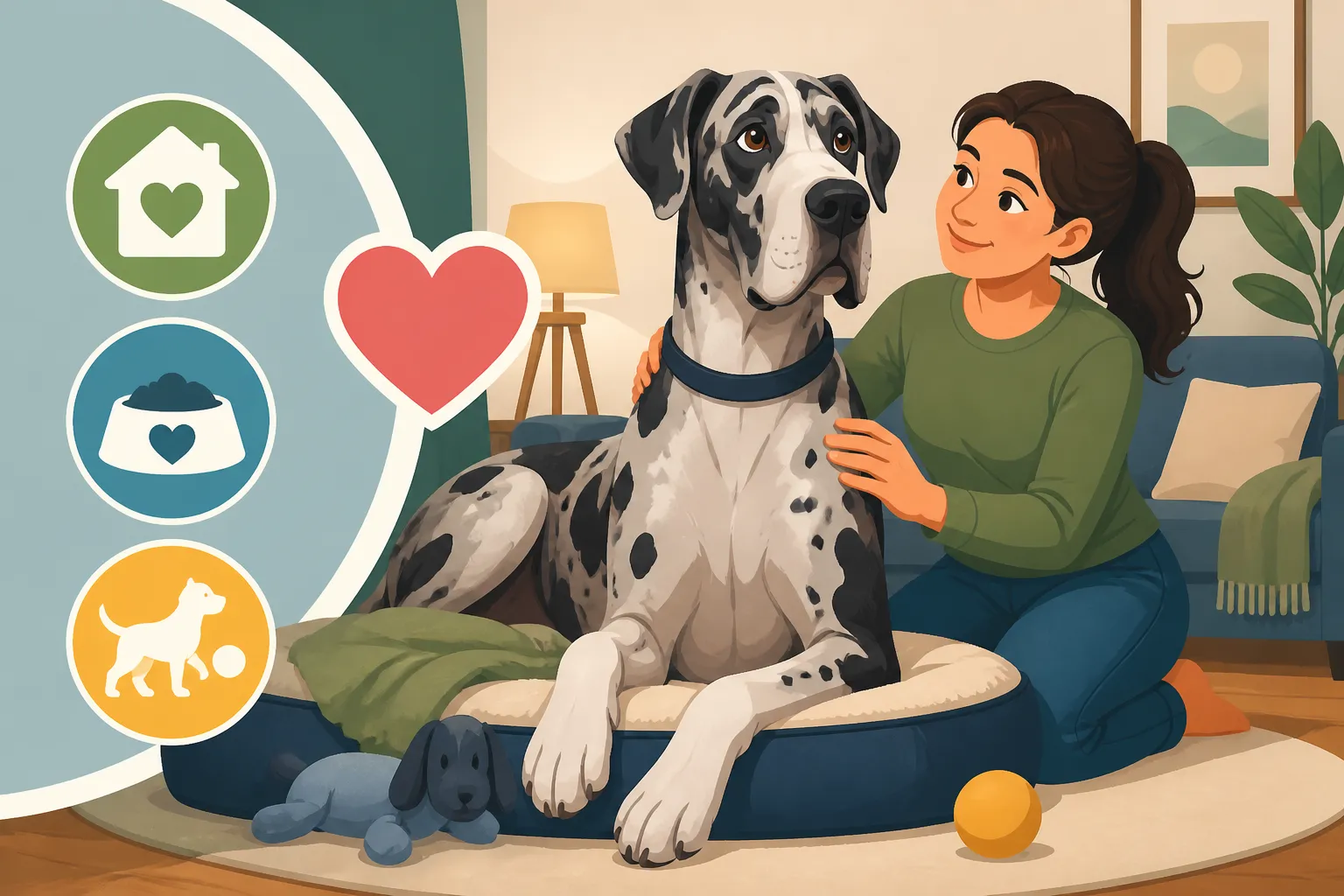
Settling a Rescue Great Dane Into a House
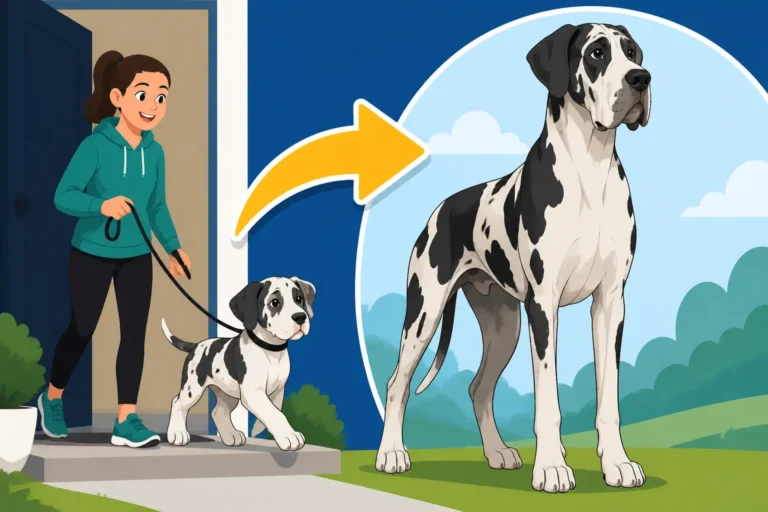
Bringing a rescue Great Dane into your home is an incredibly rewarding experience, but it often comes with unique challenges. Many rescue Danes have unknown histories, and they might arrive with anxieties, fears, or behaviors that require patience and understanding. This guide will walk you through the essential steps and considerations for successfully settling your gentle giant into their new forever home, helping them decompress and truly become a part of your family.
Understanding the Unique Needs of a Rescue Great Dane
Rescue Great Danes are often surrendered for a variety of reasons, sometimes due to circumstances beyond their control, or sometimes due to behavioral issues their previous owners couldn't manage. This means they arrive with a blank slate for you, but a rich, often complex, history for them. Expecting them to immediately integrate like a puppy with no past is simply unrealistic and can set everyone up for failure. Their sheer size only magnifies any nervousness or uncertainty they might feel, making a thoughtful, structured approach absolutely crucial.
The "Two Week Shutdown" for Decompression
One of the most valuable strategies for integrating a rescue dog, especially a large, sensitive breed like a Great Dane, is often referred to as the "Two Week Shutdown." This isn't about ignoring them or locking them away; rather, it's about providing a low-stress, predictable environment where your new Dane can decompress without feeling overwhelmed. Imagine being dropped into a new country with a new language and a new family – you'd need time to adjust. Your Great Dane feels much the same. During this initial period, the focus is on minimal stimulation, controlled interactions, and building a sense of safety.
The goal is to allow your Dane to observe their new surroundings without pressure, learn the routine, and slowly begin to trust. This means limiting visitors, avoiding busy public places, and keeping interactions calm and consistent. They might not seem interested in play or training at first, and that's perfectly normal. Focus on providing quiet comfort, safe spaces, and gentle reassurance. This crucial period lays the groundwork for all future training and bonding, helping to prevent many common behavioral issues down the line. It's truly a time for them to just be, and for you to simply provide.
The "Two Week Shutdown" is a general guideline; some Danes might need longer, while others might show signs of readiness to engage sooner. Observe your dog closely. Are they eating well? Sleeping soundly? Are their eyes soft and relaxed, or wide and scanning? Are they hiding or starting to explore their space? Patience is your most important tool during this time. Remember, the goal isn't to fix everything in two weeks, but to establish a foundation of security and predictability.
| Day/Phase | Key Focus | Activities | Avoid |
|---|---|---|---|
| Days 1-3 | Arrival & Settling In | Quiet arrival, direct to safe space (crate/bed), minimal interaction, consistent potty breaks, bland food. | Loud noises, excessive petting, visitors, long walks, new experiences. |
| Days 4-7 | Observation & Routine | Stick to routine, short leashed potty breaks, observe body language, gentle verbal praise, quiet presence. | Eye contact, direct approaches (let them come to you), forcing interaction. |
| Days 8-14 | Gentle Engagement | Continue routine, short walks in quiet areas, introduce gentle play (if interested), brief training sessions. | Dog parks, crowded places, loud parties, intense training. |
| Beyond 2 Weeks | Gradual Integration | Slowly introduce new people/places, continue training, expand walks, build on established trust. | Rushing any step, overwhelming them, expecting too much too soon. |
Addressing Past Trauma and Behavioral Quirks
Many rescue Great Danes carry invisible scars from their past. This might manifest as fear of certain objects, sounds, or types of people. Some might be shy, cower, or exhibit resource guarding. Others might be overly boisterous due to a lack of training or socialization. It's easy to get frustrated when a large dog is behaving in an undesirable way, but it's vital to approach these behaviors with empathy and a detective's mindset. Why is your Dane doing this? What might be triggering them? Often, what seems like stubbornness is actually fear or confusion.
For instance, a Great Dane who was crated for too long might develop crate aversion. A dog who was never leash trained might pull like a freight train. A Dane that was punished for accidents indoors might hide to relieve themselves. These aren't malicious acts; they're learned responses. Understanding this allows you to reframe your approach, moving from punishment to patient retraining and positive reinforcement. If you're seeing signs of deep anxiety or fear, such as trembling, excessive panting, destructive behavior when left alone, or aggression, remember that there are professionals who can help. Building Confidence in a Nervous Great Dane can be a slow but incredibly rewarding journey.
Initial Health and Vet Check-ups
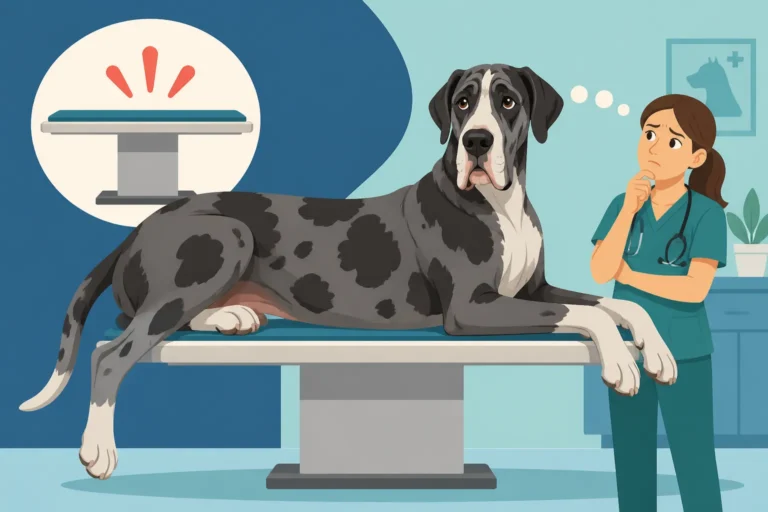
One of the first things you must do after bringing home a rescue Great Dane, ideally within the first few days, is schedule a comprehensive veterinary check-up. Many rescue organizations will provide initial veterinary care, vaccinations, and sometimes even spay/neuter services, but a new vet visit is crucial for establishing care and getting a baseline. Be honest with your vet about your Dane's rescue status and any known history or observed quirks. This visit should cover a full physical exam, bloodwork, and discussion of any health concerns.
Great Danes are prone to specific health issues, such as bloat, heart conditions, and orthopedic problems. Discussing these with your vet, even if your dog appears healthy, is essential. They can advise on preventive care, appropriate nutrition for their age and condition, and what symptoms to watch for. It's also a good opportunity to ensure they are up to date on all necessary vaccinations and parasite prevention. This initial vet visit is not just about physical health; it's also about giving you peace of mind and setting your new family member up for a healthy future. For more on preventative care, consider checking out The Health Testing a Great Dane Breeder Owes You.
Creating a Safe and Predictable Environment
Great Danes thrive on routine and stability. After the initial "Two Week Shutdown," the emphasis shifts to intentionally designing an environment that reinforces security and predictability. This helps them understand what’s expected, when, and where, reducing anxiety and encouraging positive behaviors.
Setting Up Their Dedicated Space
Every Great Dane, especially a rescue, needs a designated "safe space" that is exclusively theirs. This could be a large crate, a comfortable dog bed in a quiet corner, or even a specific room in the house where they can retreat. For a breed as large as a Great Dane, finding a crate that's truly spacious enough can be a challenge. Look for extra-large options often available on platforms like Amazon, ensuring they can stand, turn around, and lie down comfortably. This space shouldn't be used for punishment; it should be a sanctuary where they feel safe and undisturbed. Furnish it with a plush, orthopedic bed – a Great Dane's joints will thank you – and maybe a favorite blanket or soft toy. Some rescue Danes may not have been crate-trained, or may have had negative experiences with crates. Patience is key here. Introduce the crate slowly, making it a positive place with treats and praise, never forcing them in. For more on comfortable resting spots, you might want to read Bedding That Prevents Great Dane Hygromas.
Consider the overall layout of your home. Are there areas that are too chaotic for your Dane? Can you use baby gates (extra tall ones, of course!) to manage their access? Great Danes are notorious counter-surfers, so consider what might be within their reach. This dedicated space provides a sense of control for your Dane, knowing they have a place to escape when overwhelmed, and for you, offering a reliable management tool during their adjustment period.
Establishing a Consistent Routine
Dogs are creatures of habit, and Great Danes are no exception. A consistent daily routine provides structure and predictability, which is incredibly reassuring for a rescue dog trying to make sense of a new world. Establish fixed times for feeding, potty breaks, walks, playtime, and quiet time. For example, morning potty break immediately upon waking, breakfast at 7 AM, a walk at 8 AM, quiet time, another potty break at noon, and so on.
The beauty of a routine is that your Great Dane will quickly learn what to expect. They'll know when their next meal is coming, when it's time to go outside, and when they can expect attention from you. This reduces anxiety because they aren't constantly guessing or feeling unsure about what's next. A predictable schedule helps immensely with house-training, as you can anticipate their needs and take them out before accidents happen. Sticking to this routine, especially in the first few weeks and months, builds trust and helps your Dane feel secure in their new home. It’s also crucial for managing separation anxiety, where a predictable departure and return can be very comforting. If your Dane struggles with being alone, you might find A Great Dane That Panics When Left helpful.
Introducing Other Pets and Family Members
Introducing a large rescue Great Dane to existing pets or young children requires extreme caution and careful management. Never rush these introductions. For other dogs, use neutral territory for initial greetings on leashes, and keep interactions short and positive. Supervise all interactions closely, looking for signs of stress or aggression from either dog. Gradually increase their time together, always with supervision, and ensure each dog has their own space and resources (food bowls, beds, toys) to prevent resource guarding. It's often best to introduce dogs one at a time, rather than overwhelming your new Dane with the entire pack at once.
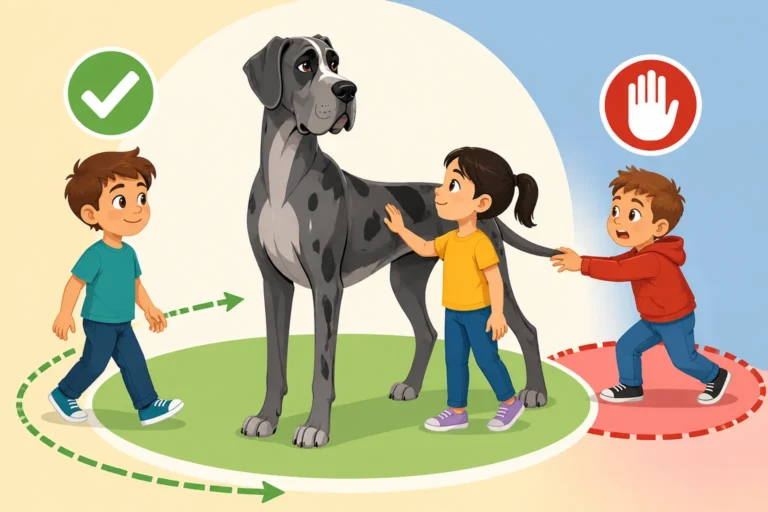
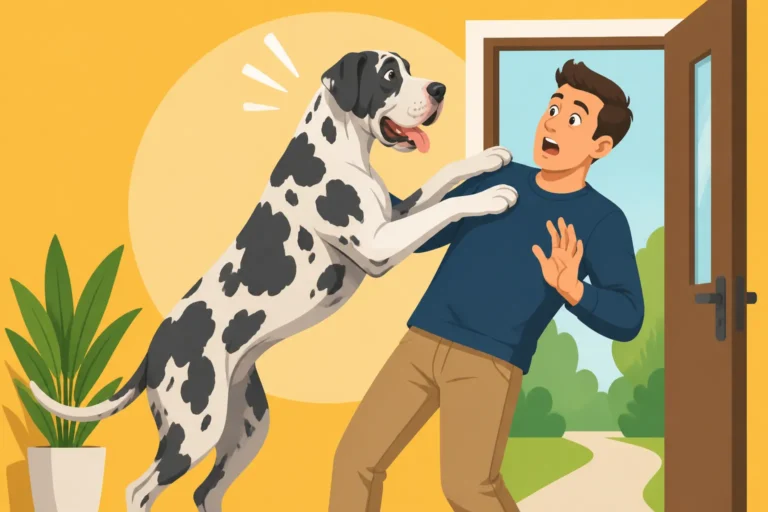
When it comes to children, particularly young ones, constant supervision is non-negotiable. Great Danes are often called "gentle giants," but even accidental knocks from a large, playful, or clumsy Dane can injure a small child. Teach children how to interact respectfully with dogs – no pulling ears, no bothering them while they're eating or sleeping. Teach your Great Dane appropriate manners around children, such as not jumping up. Many training resources, including online platforms like BAXTER & Bella, offer guidance on teaching polite greetings and impulse control, which is essential for a dog of this size. Remember, both the dog and the children need to be taught boundaries and respect for each other. For more specific guidance on this delicate balance, consider reading Great Danes With Children and Small Dogs.
Training, Patience, and Building Trust
Once your rescue Great Dane has had a chance to decompress and establish some comfort in their new environment, it’s time to gently introduce more structured training. This isn't just about obedience; it's about building a strong bond of trust and clear communication.
Starting with Basic Obedience and Positive Reinforcement
Rescue dogs, especially adult ones, often come with varying levels of prior training. Some might know basic commands, others might know nothing at all, and some might even have learned undesirable behaviors. Regardless, starting with basic obedience using positive reinforcement is key. Commands like "sit," "stay," "come," and "leave it" are not just tricks; they are vital for safety and management, especially with a dog that can easily outweigh an adult human. Use high-value treats and enthusiastic praise to reward desired behaviors. Keep training sessions short, fun, and frequent to maintain their engagement.
Remember, your Great Dane might be easily distracted or overwhelmed initially. Start training in a quiet, familiar environment, gradually introducing more distractions as they gain confidence. Consistency from everyone in the household is crucial. If one person allows counter-surfing and another punishes it, your Dane will be confused and progress will be slow. Online training programs, such as those offered by BAXTER & Bella, can be a fantastic resource for rescue owners, providing structured lessons you can follow at your own pace from the comfort of your home, which can be less intimidating for a shy rescue Dane than a bustling group class. Mastering these basics helps reinforce your role as a trusted leader and provides your Dane with clear expectations for how to behave in their new world. For foundational training, you might find The Cues a Great Dane Needs Before Six Months a useful resource, even for an adult rescue.
Managing Common Rescue Behaviors
Rescue Great Danes can present a range of behaviors that might be challenging. Leash pulling is a common one; a 150-pound Dane can easily drag you down the street. Invest in appropriate equipment like a front-clip harness or a head halter, and practice loose-leash walking consistently. Destructive chewing or digging might stem from anxiety, boredom, or a lack of appropriate outlets. Provide plenty of chew toys (sized for a Great Dane, of course – think durable options from Amazon that won't be swallowed in one gulp!) and mental stimulation through puzzle feeders. Separation anxiety is also a frequent issue, often manifesting as howling, barking, or destruction when left alone. Building up alone time gradually and providing calming enrichment can help.
Addressing these behaviors requires patience, consistency, and often, a bit of detective work to understand the underlying cause. Avoid punishment, as it can damage the trust you're trying to build and exacerbate existing anxieties. Instead, focus on managing the environment to prevent the behavior, redirecting to appropriate alternatives, and rewarding calm, desired actions. For some common behavioral insights, consider Retraining a Great Dane From Rescue.
When to Seek Professional Help
There are times when the challenges presented by a rescue Great Dane are beyond what an average owner can handle alone, and there is absolutely no shame in seeking professional help. If your Dane exhibits severe anxiety, aggression (towards people or other animals), persistent destructive behavior, or is simply not settling in despite your best efforts, a certified professional dog trainer or a veterinary behaviorist can be invaluable. They can assess your specific situation, help identify the root cause of the behaviors, and develop a tailored training and management plan.
Look for trainers who use positive, force-free methods and have experience with large breeds and rescue dogs. A good trainer will teach you how to communicate effectively with your Great Dane and provide you with the tools and confidence to help them thrive. Sometimes, a veterinary behaviorist might even suggest medication in conjunction with behavior modification if anxiety or fear is severe. Early intervention for challenging behaviors can make a huge difference in the long-term success and happiness of your rescue Great Dane, and your household. Don't hesitate to reach out for expert guidance – it's an investment in your dog's future.
Disclaimer
This article is for general informational purposes only and does not constitute professional advice. Laws, prices and regulations vary by location and change over time. Consult a qualified professional for guidance on your specific situation.