What Great Dane Owners Wish They Had Taught Sooner
Many Great Dane owners look back at their beloved companions' puppyhood and adolescence, often with a fond sigh, wishing they'd tackled certain training aspects with more foresight. It's incredibly common to realize, once your little Dane puppy has blossomed into a magnificent, furniture-sized adult, that some foundational lessons were either missed or not reinforced enough. This guide aims to shed light on those common "if only I knew then" moments, providing insights into what Great Dane owners frequently wish they had taught sooner, so you can proactively set your gentle giant up for success.
Laying the Groundwork: Why Early Training is Non-Negotiable
When you bring home a Great Dane puppy, it's easy to be charmed by their clumsy antics and sweet nature. They seem so small, relatively speaking, and their growth appears gradual. But blink, and they're already half their adult size! This rapid growth is precisely why early and consistent training isn't just a good idea; it's absolutely essential for a Great Dane. Delaying could mean dealing with a 150-pound adolescent who has no concept of personal space or polite manners. Owners often reflect on Why Great Dane Training Cannot Wait, realizing that the small window for foundational learning closes faster than you think.
The Urgency of Puppy Manners
It's tempting to let a little Great Dane puppy get away with things that would be annoying in an adult. A puppy jumping up for attention might be cute; a 130-pound adult doing the same can knock over a grown man or a small child. The "lap dog" behavior that's endearing at 30 pounds becomes a potential hazard at 150. Owners consistently wish they had instilled basic cues like "sit," "stay," "down," and "off" with unwavering consistency from day one. These aren't just tricks; they are vital safety commands. Imagine trying to manage a fearful adult Great Dane without a solid "stay" or "come" when something spooks them. The sheer size and power of these dogs mean that every minor behavioral lapse in puppyhood can escalate into a major challenge later. Starting with getting a Great Dane to sit before it weighs eighty pounds makes a world of difference.
Exposure, Not Overwhelm: Socialization Done Right
One of the biggest regrets many Great Dane owners express is not doing enough proper socialization, or doing it incorrectly. Socialization isn't just about letting your puppy play with every dog they meet; it's about controlled, positive exposure to a wide variety of sights, sounds, people, and environments. Think about teaching them that the world is a safe and interesting place, not a scary one. This means introducing them to different types of people (kids, adults, people with hats, people in wheelchairs), different noises (traffic, vacuums, thunderstorms played softly), and various surfaces (grass, pavement, stairs).
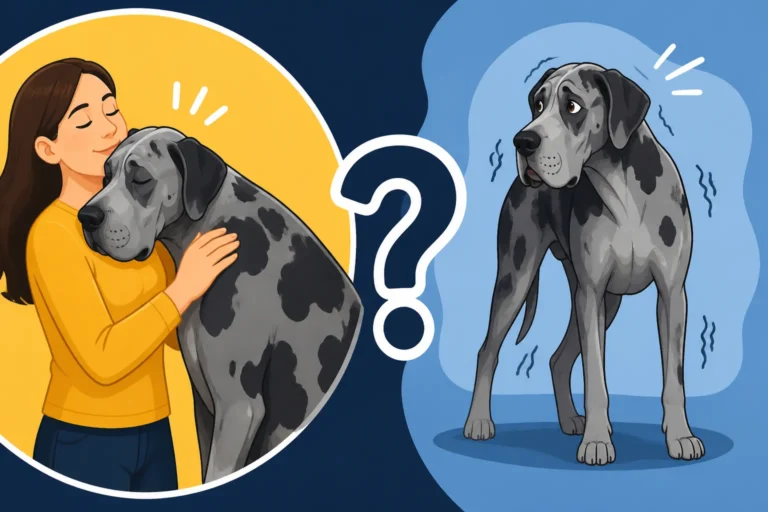
The goal is to build a confident, resilient dog, not an anxious one. Too often, owners fall into the trap of either over-sheltering their giant puppy or throwing them into overwhelming situations. A Great Dane who isn't comfortable with strangers or novel situations can be a handful, potentially reacting with fear or overexcitement, both of which are problematic in a dog of this stature. Many wish they had sought out well-run puppy classes and continued structured outings into adulthood. Don't forget, Socializing a Great Dane Puppy Early is paramount, but it's a lifelong process, not a one-time event.
The Critical Importance of Handling
From vet visits to nail trims, regular handling is a part of every dog's life. For a Great Dane, it’s particularly crucial because vet tables often don't accommodate them, meaning most exams, injections, and procedures happen on the floor. Owners consistently wish they had spent more time gently desensitizing their puppies to being touched everywhere: paws, ears, mouth, tail, and body. This practice makes vet visits, grooming sessions, and even just simple health checks at home far less stressful for everyone involved.
Start by pairing gentle touches with high-value treats. Practice looking in their ears and mouth, touching their nails, and feeling all over their body. The calmer and more cooperative your Great Dane is during these moments, the safer and easier routine care becomes. Imagine trying to give medication or clean an injury on a dog that resists all handling when they weigh as much as you do. Trust me, it’s not fun. Getting a Great Dane Puppy Used to Handling early on is an investment that pays dividends for years.
Mastering the Big Stuff: Body Control and Boundaries
A Great Dane’s sheer size means that behaviors that are mildly inconvenient in smaller dogs become significant challenges, or even dangerous situations, with a giant breed. Controlling their physical presence and setting clear boundaries are areas owners frequently wish they had prioritized.
Leash Walking: A Hundred Pounds of Pull
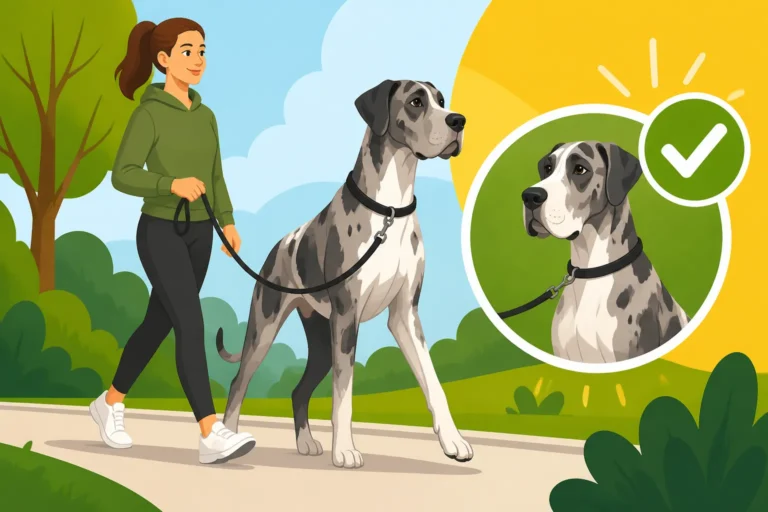
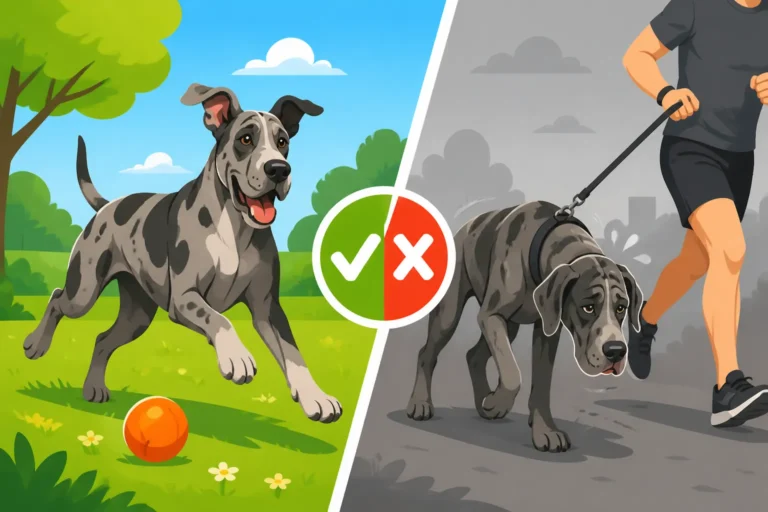
This is perhaps the most common regret of all: not teaching impeccable leash manners from the very beginning. A tiny puppy pulling on the leash is cute; a full-grown Great Dane dragging you down the street, lunging at squirrels, or getting into trouble can lead to injury for both dog and owner. Owners frequently lament not investing in consistent, positive reinforcement training for loose-leash walking, right from the first short walks. When you have Great Dane Leash Manners at a Hundred and Fifty Pounds to contend with, trying to fix a pulling habit is much harder than preventing it.
Start with short, frequent training sessions in low-distraction environments. Use a front-clip harness or a head halter if needed (properly fitted, of course), and reward heavily for a loose leash. Avoid letting them pull "just this once" because consistency is key. Many owners find online courses, such as those offered by BAXTER & Bella, or local trainers experienced with giant breeds, invaluable for developing solid leash skills. Remember, a well-behaved Dane on a leash is a joy to walk; a pulling Dane is an exercise in frustration and potential injury.
The "Four Paws on the Floor" Rule
Great Danes are notoriously affectionate, often leaning into you or planting their massive paws on your chest for a greeting. While it might feel like a warm embrace from your loving giant, it can be overwhelming, intimidating, or even dangerous for visitors, children, or elderly family members. Many owners wish they had been absolutely strict about Stopping a Great Dane Jumping Up on People from the moment their puppy walked through the door.
The rule should always be: four paws on the floor for attention. When your puppy jumps, calmly turn your back, cross your arms, and ignore them. The moment all four paws are on the ground, immediately reward them with praise and a treat. Be consistent, and make sure everyone who interacts with your dog follows this rule. It takes time, but teaching an excited Great Dane to greet politely is one of the most important lessons for their (and your guests') safety and comfort.
Counter Surfing and "Leave It"
With their impressive height, Great Danes have an undeniable advantage when it comes to surveying kitchen counters and dining tables. What starts as an innocent sniff as a puppy can quickly escalate into full-blown counter surfing and food theft as they grow. Owners often regret not establishing a rock-solid "leave it" command and strict kitchen boundaries early on. When a Great Dane can easily clear a standard kitchen counter without even jumping, the temptation for them to become a "chef's assistant" is high.
To tackle A Great Dane That Takes Dinner Off the Table or raids the counter, start teaching "leave it" in a controlled environment. Place a low-value treat on the floor, cover it with your hand, and say "leave it." When your dog looks at you, immediately reward them with a higher-value treat from your other hand. Gradually increase the difficulty. In the kitchen, manage the environment rigorously – don't leave tempting items within reach, especially during puppyhood. Crate your dog or use baby gates if you can't supervise them closely while cooking or eating.
Life Skills for a Giant Breed: Beyond the Basics
Beyond fundamental manners, Great Danes benefit immensely from specific life skills that address their unique needs as a large breed. These often overlooked areas can make a huge difference in their overall well-being and your peace of mind.
Building Confidence for Alone Time
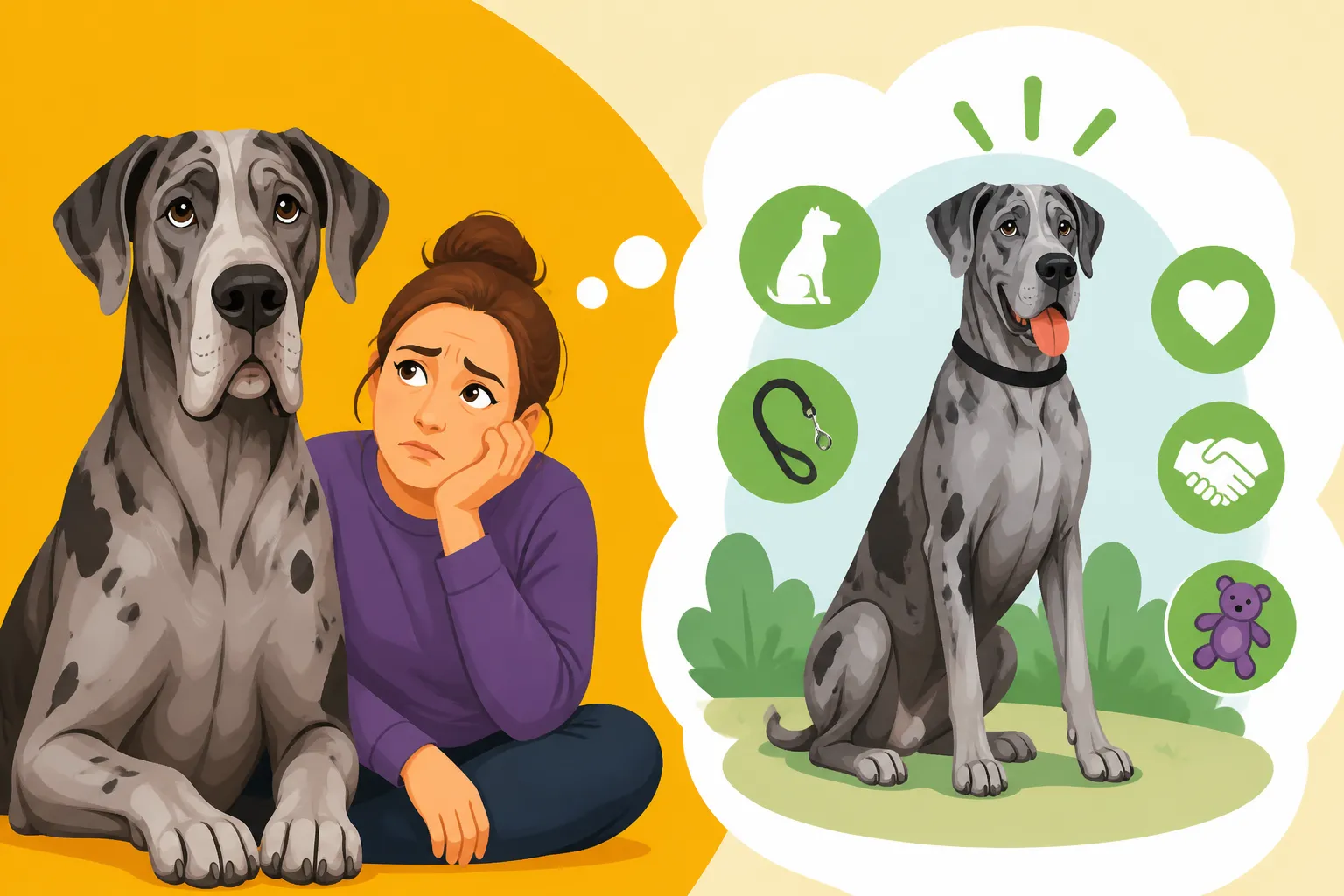
Great Danes are incredibly devoted companions, often dubbed "Velcro dogs" due to their strong desire to be with their people. While this loyalty is endearing, it can sometimes lead to separation anxiety if not managed proactively. Owners frequently wish they had spent more time building their puppy's confidence in being left alone, rather than inadvertently fostering dependence. A Great Dane That Panics When Left can be destructive, loud, and incredibly distressed, causing stress for both the dog and their family.
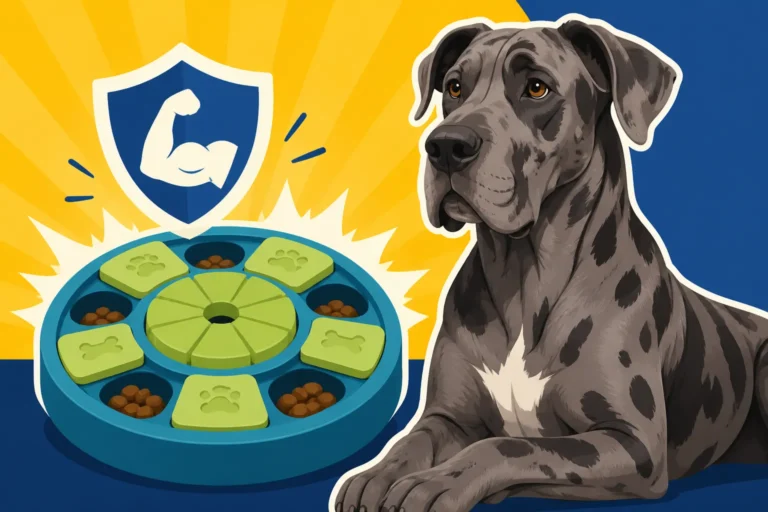
Start small: leave your puppy for a few minutes, then gradually increase the duration. Provide engaging enrichment toys, like a durable puzzle feeder filled with a portion of their meal, to keep them occupied. Make their crate a comfortable, positive space where they feel safe. Using a camera, perhaps a Wyze Cam available on Amazon, can help you monitor their behavior and understand their comfort level while you're away. The goal is for your Great Dane to understand that your departure is not permanent and that being alone can be a calm, even enjoyable, experience. Consistent practice in Building Up a Great Dane's Alone Time is crucial.
Car Manners and Vet Visits
Transporting a Great Dane isn't like popping a chihuahua into a carrier. Getting a fully grown Dane into a car can be a challenge if they haven't been desensitized to it from a young age. Many owners regret not making car rides a positive experience from the start. A Great Dane who associates the car only with vet visits might resist getting in, making trips to the clinic an ordeal.
Start with short, fun car rides that end in a positive experience, like a trip to a dog-friendly park. Reward them for calmly getting in and out of the vehicle. If you have a larger SUV or truck, consider a ramp (also easily found on Amazon) to protect their joints and make entry easier as they age. Similarly, regular, non-invasive "happy visits" to the vet's office – where your dog just gets treats and praise from staff without any examinations – can build positive associations. Remember, Teaching a Great Dane to Get Into a Car comfortably saves you a lot of hassle and physical strain in the long run.
Navigating Public Spaces
A well-behaved Great Dane can be a wonderful ambassador for the breed, but an unruly one can reinforce negative stereotypes about large dogs. Owners often wish they had continued to actively train and expose their Great Danes to various public settings beyond puppyhood. Whether it's a bustling park, a pet-friendly store, or an outdoor cafe, a Great Dane who is calm and responsive to cues makes everyone's experience better.
This ties back to socialization and leash manners but also includes specific public decorum. Teach your Dane to settle calmly under a table at a cafe, to walk politely past other dogs and people without lunging or barking, and to ignore dropped food. These are all advanced skills built on a foundation of basic obedience and good exposure. The effort put into this ensures that your Great Dane can truly be a "gentle giant" in any setting, and you can enjoy more experiences together.
The Long Game: Consistency and Patience
Ultimately, many Great Dane owners, looking back, understand that the biggest difference-makers were unwavering consistency and boundless patience. These aren't just training techniques; they are philosophies for living with and raising a giant breed.
The Power of Positive Reinforcement
It’s easy to get frustrated when training a large, sometimes stubborn, dog. However, Great Danes, like most dogs, respond best to positive reinforcement. Owners often wish they had leaned into this method even more, avoiding harsh corrections that can damage their dog's confidence or lead to resentment. Positive reinforcement builds trust, strengthens your bond, and makes training enjoyable for both of you.
Always reward desired behaviors with high-value treats, praise, or toys. Catch your Great Dane doing something right and reward it! If they offer a "sit" instead of jumping, jackpot them with praise and treats. This creates a dog that wants to work with you, rather than fearing punishment.
Involving Everyone in the Household
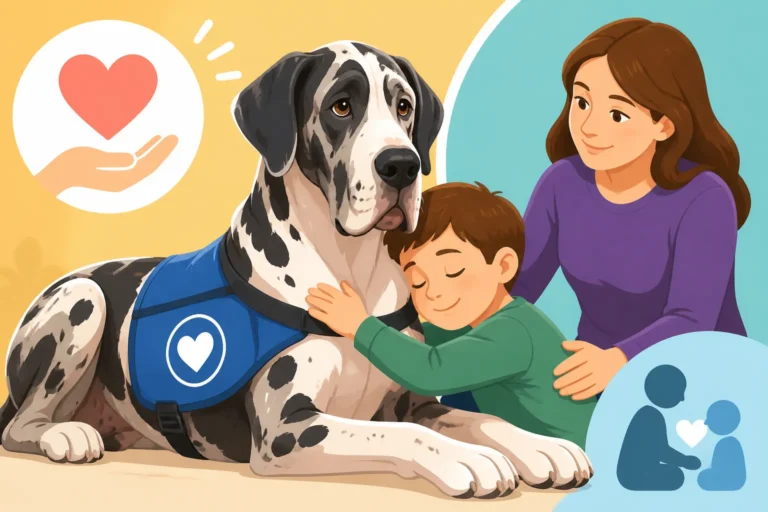
Another common lament is inconsistency across family members. One person might be strict about "no jumping," while another allows it. This sends mixed signals to your Great Dane, making training much harder. Owners wish they had established clear rules and ensured everyone in the household, from adults to Teaching Children to Move Around a Great Dane, was on the same page from day one.
Hold family meetings, discuss the rules, and make sure everyone understands the training plan. Consistency across all interactions is key to a well-behaved Great Dane. If your Dane gets rewarded for counter surfing by one family member, they will keep trying it, no matter how many times another family member corrects them.
Adapting as They Grow (and Grow!)
Great Danes don't stop growing and learning at 6 months; they continue to mature physically and mentally well into their second year. Many owners realize in hindsight that they eased up on training too soon, assuming their Dane was "done" once puppyhood passed. In reality, adolescence can bring new challenges as they test boundaries.
Continue to reinforce existing commands and introduce new ones. Don't be surprised if your adolescent Great Dane "forgets" some training or tries new behaviors. This is normal! Stay patient, stay consistent, and adapt your training methods as your dog's personality and needs evolve. This includes ensuring they have proper bedding, like orthopedic beds from brands found on Amazon, to support their growing (and aging) joints.
It’s a big commitment, but raising a well-adjusted, polite Great Dane is incredibly rewarding. By learning from the experiences of others and focusing on these key training areas early and consistently, you can help your gentle giant become the best companion they can be.
| "Wish I Had Taught Sooner" Regret | How to Tackle It (Even Now!) |
|---|---|
| Not teaching solid leash manners | Invest in a quality front-clip harness or head halter (e.g., from Amazon). Practice short, rewarding sessions in low-distraction areas. Enroll in an online course like BAXTER & Bella or hire a positive reinforcement trainer specializing in large breeds. |
| Allowing jumping for attention | Implement the "four paws on the floor" rule universally. Turn your back and ignore jumping. Reward immediately when all paws are down. Be consistent, and ensure all family members and visitors follow suit. |
| Missing crucial puppy socialization | Even with an adult, positive, controlled exposure is possible. Seek out quiet, low-stress environments. Pair new experiences (sights, sounds, people) with high-value treats. Avoid overwhelming situations. Continue to provide opportunities for A Great Dane That Backs Away From Strangers to build confidence. |
| Neglecting consistent handling practice | Slowly reintroduce handling sessions. Start with brief touches paired with delicious treats. Gradually increase duration and areas touched (paws, ears, mouth). Make it a positive, predictable routine. |
| Not enforcing "leave it" and kitchen boundaries | Rigorously manage the environment (no accessible food on counters). Teach "leave it" command with increasing distractions. Use gates or a crate when you cannot supervise. |
| Failing to build alone-time confidence | Start with very short departures and gradually increase. Provide high-value, long-lasting chew toys or puzzle feeders (like those from Amazon). Make their crate a comfortable den. Consider a camera to monitor progress and avoid rushing. |
Disclaimer
This article is for general informational purposes only and does not constitute professional advice. Laws, prices and regulations vary by location and change over time. Consult a qualified professional for guidance on your specific situation.