The Bill After an Overnight Great Dane Bloat
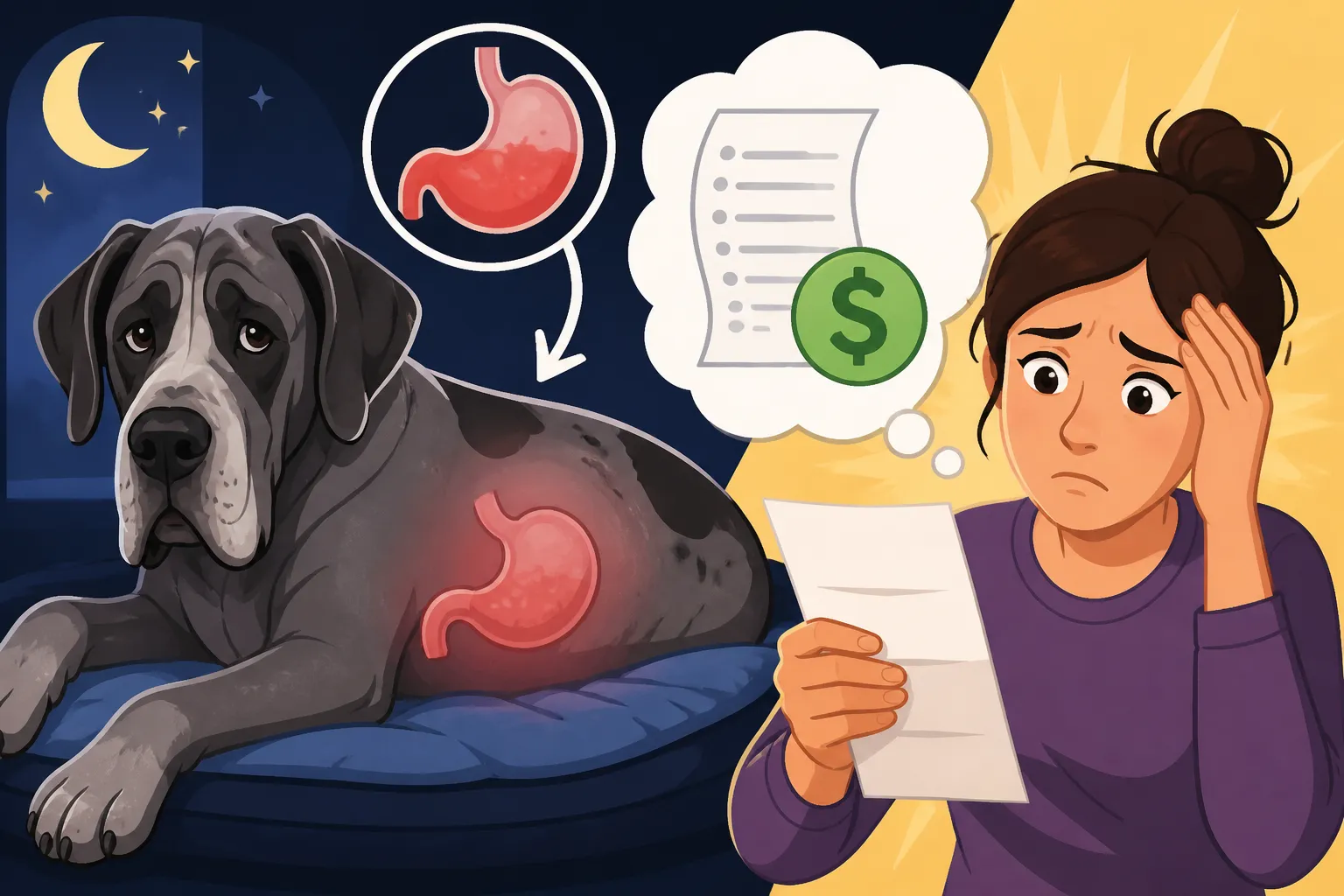
The sudden, terrifying reality of bloat in a Great Dane is a nightmare no owner ever wants to face. It strikes without warning, turning a happy, healthy dog into a critically ill patient in mere minutes. When your gentle giant is pacing, drooling, and trying to vomit nothing up, your mind races with fear, but often, a chilling thought sneaks in: what is this going to cost? This guide dives deep into the financial realities of an overnight Great Dane bloat emergency, helping you understand the myriad bills that stack up when your beloved companion needs urgent, life-saving care.
Understanding the Bloat Emergency and Immediate Costs
When you're dealing with bloat, formally known as Gastric Dilatation-Volvulus (GDV), every second truly counts. This isn't just an upset stomach; it's a life-threatening condition where the stomach fills with gas and then twists on itself, trapping everything inside and cutting off blood supply. The clock starts ticking the moment you recognize the signs, and your primary goal shifts from comfort to sheer survival.
The Sudden Onset and the Race Against Time
One moment your Great Dane might be lounging, and the next, they're showing the classic, alarming symptoms. They might be trying to vomit but producing nothing, their belly might look distended and firm, and they could be pacing restlessly, drooling excessively, or showing signs of pain and distress. This isn't a situation where you can "wait and see." This is an emergency that demands immediate veterinary attention, often at an after-hours emergency clinic. The urgency of getting your dog to help means that often, you're not even thinking about cost; you're just thinking about saving their life.
The drive to the emergency vet, especially in the dead of night, feels like a race against an invisible clock. Upon arrival, the vet team will immediately assess your Dane. This initial intake, the triage process, and the necessary rapid assessment for a giant breed already initiate the billing process. Even before a diagnosis is confirmed, the clock for facility fees and emergency staffing begins. It’s a blur of adrenaline and fear, where financial concerns are completely overshadowed by the desperate hope for your dog's survival. For more details on what to look for, you might want to read about The Signs of a Great Dane Stomach Twisting.
Initial Diagnostics and Stabilization Efforts
Once at the emergency veterinary clinic, the first crucial steps involve confirming bloat and stabilizing your Great Dane. This phase is intense and resource-heavy. The veterinary team will typically start with diagnostics to understand the severity of the situation. This usually includes X-rays of the abdomen, which are vital to confirm the stomach twist and rule out other issues. Taking X-rays on a large, distressed Great Dane requires multiple staff members and specialized equipment, contributing to the cost.
Simultaneously, blood work will be drawn to assess your dog's overall health. This helps the vets understand if there are any underlying issues, how the organs are coping with the stress of bloat, and to guide anesthesia decisions for potential surgery. These tests are critical, but they come with their own line items on the bill. Beyond diagnostics, stabilization efforts are paramount. This involves placing an intravenous (IV) catheter, administering IV fluids to combat shock, and providing strong pain medication to alleviate your Dane's distress. In some cases, the vet might attempt to pass a tube into the stomach to relieve gas pressure, though this is often not possible if the stomach is fully twisted. These immediate, life-saving interventions are not optional, and each adds a significant chunk to the initial emergency bill. Without these steps, the chance of survival diminishes rapidly, as detailed in How Many Minutes a Bloating Great Dane Has.
Surgical Intervention: The Core of the Bloat Bill
If bloat is confirmed, especially if the stomach has twisted (GDV), surgery becomes the most critical and, often, the most expensive part of the entire ordeal. This isn't a routine procedure; it's a complex, emergency surgery that requires a skilled veterinary surgeon and a dedicated support team.
The Emergency Gastropexy Procedure
The primary goal of emergency surgery for GDV is twofold: to untwist the stomach and to perform a gastropexy. A gastropexy is a procedure where the stomach is permanently tacked or sewn to the abdominal wall to prevent future twisting. While it doesn't prevent the stomach from filling with gas, it dramatically reduces the risk of a life-threatening twist. The surgeon must carefully assess the stomach and surrounding organs for any damage due to the lack of blood flow, which can sometimes involve removing compromised tissue, further complicating the surgery.
This procedure is technically demanding and time-sensitive. The surgeon might find areas of the stomach or spleen that are necrotic (dead) and need to be removed, adding to the complexity and duration of the operation. This type of surgery demands a high level of surgical expertise, specialized equipment, and constant vigilance from the entire surgical team. All of these factors contribute significantly to the overall surgical fee. For a deeper dive into the procedure, you can read What Surgeons Do to a Twisted Great Dane Stomach.
Anesthesia and Monitoring for a Giant Breed
Anesthesia for a Great Dane is inherently more complex and costly than for a smaller dog. Their massive size means higher doses of anesthetic drugs, which are more expensive. More importantly, giant breeds like Great Danes are known to have a higher Anesthesia Risk in a Great Dane, especially when they are already in a compromised state due to bloat. This necessitates extremely careful monitoring throughout the entire surgical procedure.
A dedicated anesthesia technician will typically monitor your Great Dane's vital signs meticulously: heart rate, blood pressure, oxygen saturation, carbon dioxide levels, and body temperature. Specialized equipment like ECG machines, capnographs, and blood pressure monitors are used to ensure the anesthesia is precisely maintained and to catch any complications immediately. This level of continuous, expert monitoring, along with the increased drug costs, significantly contributes to the final bill. It's a critical investment in keeping your beloved Dane safe during such an intensive surgery.
Potential Complications During Surgery
While the gastropexy itself is a significant undertaking, potential complications during or immediately after surgery can dramatically escalate the costs. For instance, if the stomach has been twisted for a prolonged period, parts of it may have become necrotic (dead tissue). The surgeon might have to remove these sections, which is called a partial gastrectomy. This is a more extensive and complicated surgery, increasing the time under anesthesia and the surgical fees.
Another common complication is splenic torsion, where the spleen also twists, requiring its removal (splenectomy). Arrhythmias (irregular heartbeats) can also develop during or after bloat surgery, sometimes requiring specific medications or prolonged cardiac monitoring. Each of these complications, while necessary to address for your Great Dane's survival, adds to the surgical complexity, the time spent in the operating room, and the overall expense. The goal is always to save the dog, and sometimes that means making tough decisions and incurring additional costs to address these unforeseen issues.
Post-Operative Care and Recovery Costs
The surgery might be over, but your Great Dane isn't out of the woods yet. The immediate post-operative period is often as critical, if not more so, than the surgery itself. This phase involves intensive care, constant monitoring, and specialized medications, all of which contribute to the mounting veterinary bill.
Overnight Hospitalization and Intensive Care
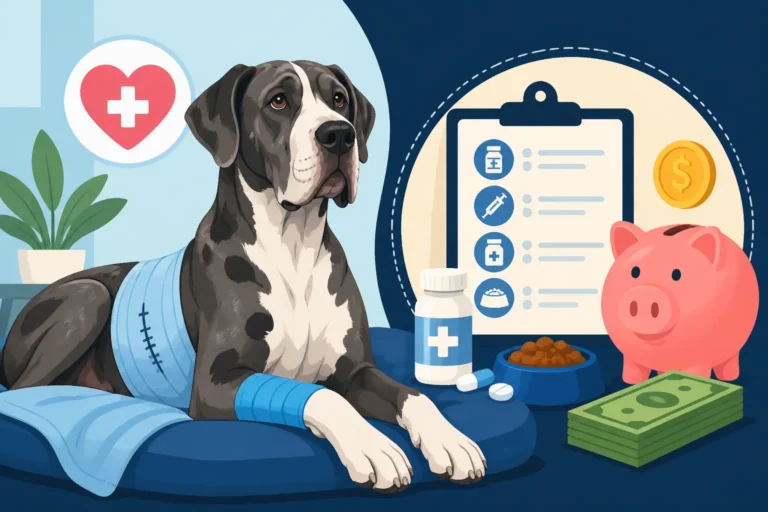
After a major surgery like a gastropexy for bloat, your Great Dane will require continuous, 24-hour monitoring in the intensive care unit (ICU) for at least one to several nights. This isn't just a place to sleep; it's a highly staffed environment where veterinary professionals are constantly checking vital signs, administering IV fluids, managing pain, and watching for any signs of post-operative complications. Arrhythmias are particularly common in the 24-48 hours following bloat surgery and require vigilant monitoring and sometimes medication.
The cost of this intensive care adds up quickly. You're not just paying for a bed; you're paying for skilled veterinary technicians and doctors who are dedicated to your dog's recovery around the clock. They'll manage anti-nausea medications, antibiotics, and ensure adequate hydration and comfort. Each day your Great Dane spends in the hospital, under constant supervision, will add a substantial charge to the total. This crucial "hotel" stay, with all its medical support, is a significant component of the overall expense. For more on what to expect during this time, consider reading about Recovery After Great Dane Bloat Surgery.
Medications and Follow-Up Care at Home
Once your Great Dane is stable enough to come home, the care doesn't stop. You'll be sent home with a regimen of medications, which typically include antibiotics to prevent infection, strong pain relievers to keep your dog comfortable, and often stomach protectants to help the GI tract heal. Given the size of a Great Dane, these medications are prescribed in larger doses, making them more expensive than for smaller breeds. You might even find yourself looking for reliable sources like Chewy for some of these prescriptions or specialized recovery foods.
Beyond the immediate medications, follow-up veterinary visits are essential. Your regular vet will need to check the surgical incision, assess your dog's overall recovery, and ensure there are no lingering issues. Sometimes, a special diet is recommended for a period, which could mean purchasing prescription food or exploring high-quality, easily digestible options. Even if you usually feed your Dane fresh food from a company like Ollie, the vet might recommend a specific, bland, therapeutic diet for a short while. These post-discharge costs, though less dramatic than the emergency surgery, are still part of the financial recovery journey.
The Emotional and Hidden Costs
Beyond the concrete line items on a vet bill, there are undeniable emotional and "hidden" costs when facing a Great Dane bloat emergency. The sheer terror of seeing your dog in such distress, the agonizing wait during surgery, and the constant worry during recovery take a profound toll on an owner's mental and emotional well-being. This stress can impact work, sleep, and daily life.
There's also the lingering anxiety. Even after a successful gastropexy, while the risk of twisting is drastically reduced, the fear of recurrence or other health issues can persist. You might become hyper-vigilant about your Dane's eating habits, exercise routines, and general demeanor. This experience often underscores the value of preventative measures, like understanding The Age to Tack a Great Dane's Stomach or opting for a prophylactic gastropexy. While not directly financial, these emotional burdens are a very real part of the overall cost of a bloat emergency.
Mitigating the Financial Blow and Preparing for the Unexpected
The staggering cost of emergency bloat surgery for a Great Dane can be financially devastating for many families. However, there are proactive steps you can take to soften the blow and ensure you're as prepared as possible for this unpredictable and often expensive emergency.
The Lifeline of Pet Insurance
For Great Dane owners, pet insurance isn't just a luxury; it's practically a necessity. Given their predisposition to bloat, as well as other serious health conditions like dilated cardiomyopathy (DCM) and certain cancers, the lifetime veterinary costs for a Great Dane can be immense. A good pet insurance policy can literally be a lifesaver, not just for your dog, but for your wallet too. Companies like Healthy Paws are well-regarded for their comprehensive coverage, which often includes emergency surgeries like gastropexy, hospitalization, diagnostics, and post-operative care.
The key is to enroll your Great Dane in pet insurance early, ideally when they are a puppy. Most policies have waiting periods before coverage kicks in, and more importantly, they won't cover pre-existing conditions. If your Dane has already experienced a bloat episode or shown signs, it might be excluded. By getting coverage when they are young and healthy, you ensure that potential future emergencies, including bloat, are covered. This can turn a multi-thousand-dollar bill into a manageable deductible and reimbursement, making an impossible situation much more feasible. It's truly about Insuring a Great Dane Before the Bloat Years.
Building an Emergency Fund
Even with pet insurance, there will be deductibles, co-pays, and potentially non-covered costs. This is where a dedicated veterinary emergency fund comes into play. Think of it as a personal safety net for your Great Dane's health. Setting aside a specific amount of money each month, even a small sum, can build up over time into a substantial fund. This money can cover deductibles, medications, or any unexpected costs that arise.
Having an emergency fund means you won't have to make agonizing decisions based purely on financial constraints during a crisis. It provides peace of mind, knowing that you have resources set aside specifically for your Great Dane's health needs. Consider speaking with your bank about setting up a separate savings account, or even exploring options like a dedicated credit card with a low interest rate, specifically for veterinary emergencies. For general preparedness, understanding How Much Cash a Great Dane Owner Should Keep Ready is invaluable.
Discussing Payment Options with Your Vet
When you're facing an emergency situation, the last thing you want to do is navigate complicated financial discussions. However, it's always worth having a frank conversation with the veterinary staff about payment options. Many emergency clinics understand the financial burden of such crises and offer various solutions.
These might include payment plans, often through third-party financing companies like CareCredit, which offers deferred interest options for medical expenses. Some clinics might also have relationships with charitable organizations that can offer financial assistance in extreme cases. Don't be afraid to ask about these possibilities. While the immediate focus is saving your Great Dane, knowing your options can alleviate some of the crushing financial stress in the moment, allowing you to concentrate on your dog's recovery.
Table of Estimated Bloat Emergency Costs (Ranges)
Please note these are generalized ranges and actual costs will vary significantly based on location, clinic, severity, and specific treatments required.
| Service Category | Estimated Cost Range (USD) | Notes |
|---|---|---|
| Emergency Exam & Triage | $100 – $300 | Initial assessment, stabilization protocols. |
| Diagnostics (X-rays, Blood Work) | $300 – $800 | Confirm GDV, assess overall health. |
| Stabilization (IV fluids, Pain meds) | $200 – $600 | Combat shock, reduce pain, prepare for surgery. |
| Emergency Surgery (Gastropexy) | $2,000 – $6,000 | Untwisting stomach, permanent tacking. Varies greatly by complexity, surgeon, and location. |
| Anesthesia & Monitoring | $500 – $1,500 | High doses for large breeds, specialized monitoring. |
| Hospitalization (1-3 nights ICU) | $800 – $2,500+ | 24/7 monitoring, IVs, medications, specialized care. Per night cost can be $400-$800+. |
| Post-Op Medications (take-home) | $100 – $400 | Antibiotics, pain relievers, stomach protectants. |
| Follow-up Vet Visits | $50 – $150 (per visit) | Incision check, overall recovery assessment. |
| Total Estimated Range | $4,050 – $12,250+ | This does not include any major complications, which could increase costs significantly. |
As you can see, the bill after an overnight Great Dane bloat emergency can quickly reach into the multiple thousands of dollars. It's a stark reminder of the unique challenges and responsibilities that come with owning these magnificent, but sometimes fragile, giants. Being prepared, both emotionally and financially, is the best way to face such a crisis.
Disclaimer
This article is for general informational purposes only and does not constitute professional advice. Laws, prices and regulations vary by location and change over time. Consult a qualified professional for guidance on your specific situation.