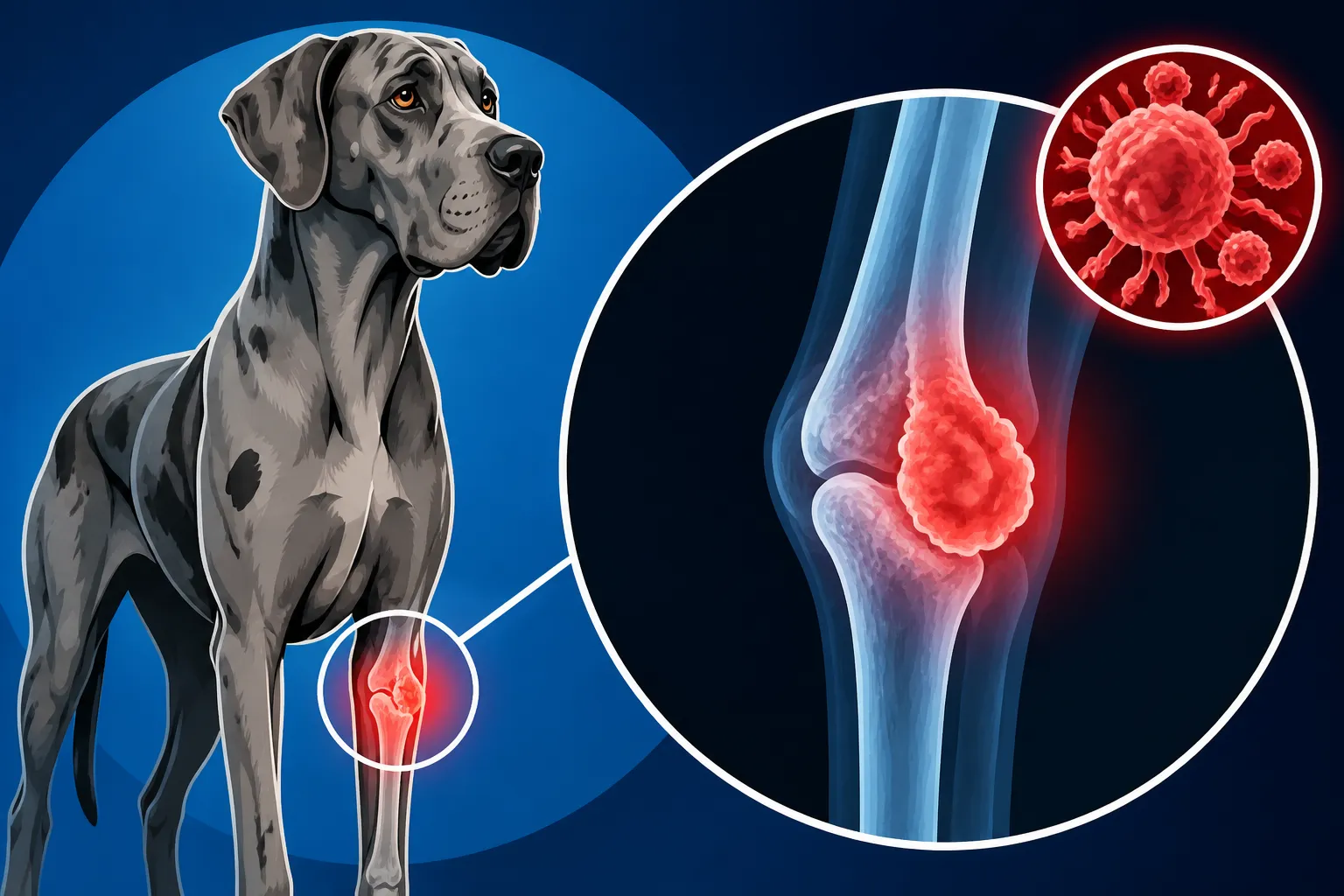
X-Rays That Confirm Great Dane Bone Cancer
The moment you notice your magnificent Great Dane limping, favoring a leg, or showing any sign of pain, a wave of dread can wash over you. Our gentle giants are prone to so many health challenges, and one of the most devastating possibilities is bone cancer, also known as osteosarcoma. This guide will walk you through how X-rays play a critical role in diagnosing this frightening condition, what veterinarians look for, and what to expect when facing such a tough road.
Understanding the Initial Suspicions of Bone Cancer in Great Danes
It's truly heartbreaking to see our big, powerful Danes start to show weakness or discomfort. Often, the first sign of bone cancer, or osteosarcoma, in a Great Dane is a subtle or intermittent lameness that seems to come and go. You might brush it off as a sprain from playing too hard, or just a bit of stiffness from getting older, especially if your Dane is already approaching or past middle age. But with a breed as prone to this particular cancer as Great Danes are, it's crucial not to dismiss these early indicators.
Subtle Changes in Gait and Behavior
Imagine your usually bouncy Great Dane, who typically greets you with a full-body wag and a happy, lumbering trot, starting to slow down. Perhaps they're a bit hesitant to jump into the car, or they're not quite as eager to charge out to the yard for playtime. This might manifest as a slight limp that seems to shift, or perhaps they're favoring one leg more consistently. It's not always an obvious yelp of pain; sometimes it's just a general reluctance to put full weight on a limb or a persistent, low-grade discomfort. For many owners, it's a gut feeling that something is just off about their beloved dog’s movement. You might notice them A Great Dane That Limps Without an Injury, trying to relieve pressure on a leg, or even licking a particular spot repeatedly.
Swelling or Tenderness Near Joints
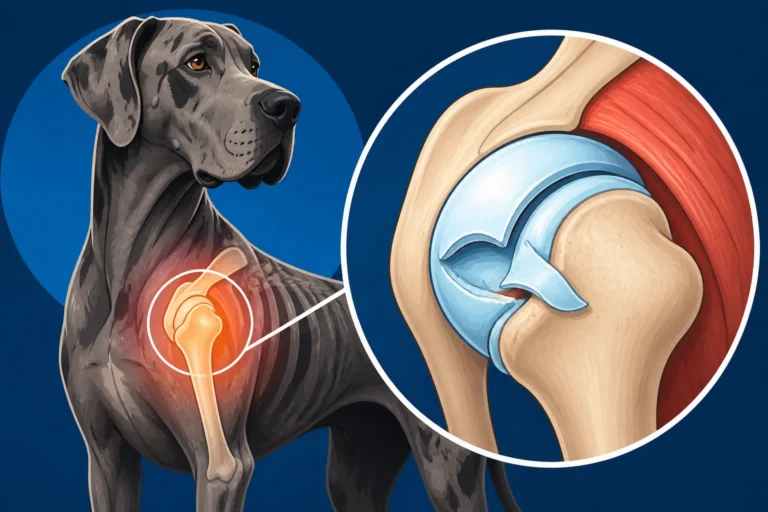
Another common and worrying sign is localized swelling, particularly around a joint. Osteosarcoma frequently affects the long bones in the legs, often near the "growth plates" where the bone is most active, even in mature dogs. This means you might feel a firm, warm swelling around the wrist (carpus), shoulder, knee (stifle), or ankle (hock) joint. It might not be immediately obvious, especially with all that beautiful Dane fur, but if you're regularly petting and examining your dog, you might discover an area that feels different or that your dog flinches away from when touched. The pain associated with this swelling can be significant, leading to further lameness or even complete refusal to bear weight on the affected limb. This is often Where Osteosarcoma Starts on a Great Dane Leg, making it a critical area to monitor.
Unexpected Fractures or Increased Pain
In some heartbreaking cases, the first definitive sign of bone cancer can be an unusual fracture. The cancerous bone becomes incredibly weak and brittle, and what might seem like a minor stumble or a regular jump could result in a severe break. This is known as a pathological fracture. This isn't just a simple break; it's a catastrophic failure of a compromised bone, and it's almost always excruciatingly painful for the dog. If your Great Dane suddenly cries out and cannot use a leg after what seemed like a minor incident, bone cancer should immediately jump to the top of your concern list, especially if they are at The Age Bone Cancer Hits a Great Dane. At this point, getting to an emergency vet for immediate imaging is not just recommended, it's absolutely vital.
The Role of X-Rays in Diagnosing Great Dane Bone Cancer
When these worrying signs appear, your veterinarian will almost certainly recommend X-rays. This is often the first, most accessible, and most crucial diagnostic step to investigate what's truly going on beneath the surface. For a giant breed like a Great Dane, getting clear X-ray images can sometimes be a bit of a production, requiring careful positioning and sometimes even light sedation to ensure your dog is comfortable and still enough for good quality films. It's a small price to pay for the vital information these images provide.
What Veterinarians Look For on a Radiograph
When your vet looks at those black and white images, they're not just looking for a simple break. They're searching for specific patterns of bone destruction and new bone formation that are characteristic of osteosarcoma. A healthy bone has a smooth, consistent appearance. Cancerous bone, however, often shows signs of irregular bone lysis (destruction) or osteoproliferation (new bone growth) that looks chaotic and unorganized. Think of it like comparing a neatly built brick wall to a crumbling structure with haphazard new chunks thrown on.
Specifically, they might look for:
- Lytic Lesions: These are areas where the bone appears to be eaten away or dissolved, showing up as darker, less dense patches on the X-ray.
- Proliferative Bone: This is new, abnormal bone growth that often looks spiky, cloudy, or irregular around the original bone. It's the body's attempt to repair the damage, but it's disorganized and doesn't function properly.
- Loss of Cortical Bone: The cortex is the hard outer layer of the bone. In osteosarcoma, this layer can become thinned or completely absent in certain areas.
- Sunburst Pattern: Sometimes, the new bone growth radiates outwards from the existing bone, creating a distinctive "sunburst" or "hair-on-end" appearance.
- Codman's Triangle: This is a triangular elevation of the periosteum (the membrane covering the bone) where the tumor has lifted it away from the bone.
These features, either alone or in combination, strongly suggest the presence of a primary bone tumor. The location of these changes is also very important, as osteosarcoma tends to favor specific sites, particularly the long bones of the limbs, often close to the shoulder and knee, but away from the elbow and hip (though it can occur there too).
The Limitations of X-Rays and Need for Biopsy
While X-rays are incredibly powerful for identifying suspicious bone lesions, it's crucial to understand their limitations. An X-ray suggests bone cancer; it does not definitively confirm it. There are other conditions, such as fungal infections (osteomyelitis) or severe bone infections, that can sometimes mimic the appearance of osteosarcoma on an X-ray. These are far less common in Great Danes, but they exist.
Because of this, a definitive diagnosis almost always requires a bone biopsy. This procedure involves taking a small sample of the affected bone tissue and sending it to a pathologist for microscopic examination. The pathologist can then confirm the presence of cancerous cells. Your vet will discuss the pros and cons of a biopsy, especially considering that the procedure itself can be painful and carries a slight risk of further weakening the already compromised bone. However, a confirmed diagnosis is essential for determining the best course of action and providing accurate prognoses.
Interpreting X-Ray Findings and Next Steps
Once your veterinarian has the X-ray images, they will sit down with you to explain what they see. This conversation can be incredibly tough, as the visual evidence on the X-ray often paints a very clear, albeit grim, picture. Understanding these findings is the first step in making informed decisions about your Great Dane's future care.
Understanding the Radiographic Interpretation
The vet will typically show you the images and point out the areas of concern. They might compare the affected limb to the healthy one, if applicable, to highlight the stark differences. Seeing your beloved dog's bones on a screen, clearly showing areas of destruction or chaotic growth, can be an incredibly shocking and emotional experience. It transforms a vague fear into a tangible reality. The discussion will likely revolve around the probability of it being osteosarcoma based on the classic signs.
They'll also explain why they suspect cancer versus another condition. For instance, an infection might have a more defined margin or a different pattern of bone reaction. However, with Great Danes, the likelihood of a suspicious bone lesion being osteosarcoma is alarmingly high. This is where the emotional weight truly begins to settle in, as you realize the gravity of the situation. It’s important to ask all your questions, no matter how small, as clarity can help you process the difficult news.
The Importance of Staging and Further Diagnostics
If the X-rays are highly suggestive of osteosarcoma, your vet will almost certainly recommend further diagnostics for "staging." Staging helps determine if the cancer has spread from the primary tumor site to other parts of the body, which is critical for prognosis and treatment planning. Osteosarcoma is aggressive and unfortunately has a high metastatic rate, meaning it often spreads quickly, most commonly to the lungs.
Further staging tests typically include:
- Chest X-rays (three views): These are essential to check for any signs of metastasis to the lungs. Even if the initial chest X-rays are clear, microscopic spread is often already present.
- Abdominal Ultrasound: While less common for osteosarcoma to spread to abdominal organs, an ultrasound can sometimes be recommended to check for metastasis there, or to assess overall organ health before considering certain treatments.
- Bloodwork: This includes a complete blood count (CBC) and a biochemistry profile to assess your dog's general health, organ function, and to look for any indicators of systemic illness or inflammation.
- Bone Scan (Nuclear Scintigraphy): In some cases, a bone scan might be recommended. This involves injecting a radioactive tracer that highlights areas of increased bone metabolism, which can indicate other sites of bone cancer that aren't yet visible on regular X-rays.
These tests, while adding to the expense and the emotional burden, provide a much clearer picture of the cancer's progression. This information is invaluable for you and your veterinary team to make the most compassionate and effective decisions for your Great Dane. Understanding the extent of the disease helps manage expectations and explore all available treatment paths.
Beyond the X-Ray: Living with a Bone Cancer Diagnosis
Receiving a bone cancer diagnosis for your Great Dane is devastating. It brings a whirlwind of emotions, from shock and sadness to fear and a desperate desire to do everything you can for your beloved companion. The options and decisions ahead can feel overwhelming, but remember you're not alone in navigating this. Your vet team will be there to guide you, and there are many resources available to support you.
Treatment Options and Pain Management
For Great Danes with osteosarcoma, the primary treatment options usually involve a combination of surgery and chemotherapy, or palliative care focused on pain management.
- Amputation: If the tumor is in a limb and has not visibly spread, amputation of the affected limb is often recommended. This sounds drastic, and it is, but many dogs adapt incredibly well to life on three legs, especially with today's advancements in pain control and rehabilitation. It removes the source of immense pain and can significantly improve quality of life for a time. For a giant breed like a Great Dane, Whether a Great Dane Copes on Three Legs is a common and valid concern, but many do, with the right support.
- Chemotherapy: Even with amputation, osteosarcoma is highly metastatic. Chemotherapy is typically recommended post-amputation to target any microscopic cancer cells that have already spread, slowing down the progression of the disease. While it doesn't cure the cancer, it can extend the dog's life and improve their quality of life. You'll discuss Amputation and Chemotherapy for a Great Dane in detail with your oncologist.
- Palliative Care: For dogs where amputation isn't an option (due to other health issues, advanced metastasis, or owner preference), or as a complement to other treatments, palliative care focuses on managing pain and maintaining comfort. This can involve radiation therapy to the tumor site to reduce pain, and a variety of pain medications. Pain Relief for a Great Dane With Bone Cancer is paramount, often involving a multi-modal approach with different types of medications to keep them as comfortable as possible.
The goal, whatever path you choose, is always to prioritize your Great Dane's quality of life. This can be a very expensive journey, and exploring options like pet insurance, if you have it through providers like Healthy Paws, is crucial. If you don't have insurance, discussing financing options or payment plans with your vet clinic can alleviate some of the financial stress during this incredibly difficult time.
Considering Quality of Life and End-of-Life Decisions
This is perhaps the hardest part of a bone cancer diagnosis. Great Danes, despite their imposing size, often have a tragically short lifespan, with The Seven to Ten Year Great Dane Lifespan being the norm. A diagnosis of osteosarcoma significantly shortens this further. It forces you to confront the reality of their limited time and to carefully weigh treatment options against their potential side effects and impact on your dog's daily comfort and happiness.
You'll need to constantly assess your Great Dane's quality of life. Are they still enjoying their food? Do they have good days where they engage with the family? Is their pain manageable? These are deeply personal and heart-wrenching questions. There will come a point where treatment might no longer be effective, or the pain becomes too much to manage, and you'll face the agonizing decision of Whether to Treat or Let a Great Dane Go. This is the ultimate act of love, ensuring your beloved companion does not suffer needlessly. Having honest conversations with your vet, family, and even pet loss support groups can help you through this impossible choice. No one can make it for you, but knowing you've given them every possible good day is what truly matters.
| Sign/Symptom | What You Might Observe (Initial) | What X-Rays Reveal (Later Stages) |
|---|---|---|
| Lameness/Limping | Intermittent or persistent favoring of a limb; reluctance to bear weight. | Bone destruction, new abnormal bone growth, or pathological fracture. |
| Swelling | Localized firm, warm swelling around a joint (e.g., wrist, knee, shoulder). | Irregular soft tissue mass associated with bone lesion; periosteal reaction. |
| Pain | Fliching upon touch, crying out, licking affected area, behavioral changes. | Confirmation of bone lysis, abnormal bone remodeling, or fracture contributing to pain. |
| Fracture | Sudden inability to use limb after minor trauma. | Pathological fracture through compromised, cancerous bone. |
| Systemic Signs (Later) | Lethargy, weight loss, decreased appetite, coughing. | Lung metastases (visible on chest X-rays), potential other organ involvement (less common). |
Disclaimer
The information provided in this article is for educational purposes only and is not a substitute for professional veterinary advice. Always consult with a qualified veterinarian for any health concerns or before making any decisions about your Great Dane's care.