Ticks on a Great Dane’s Short Coat
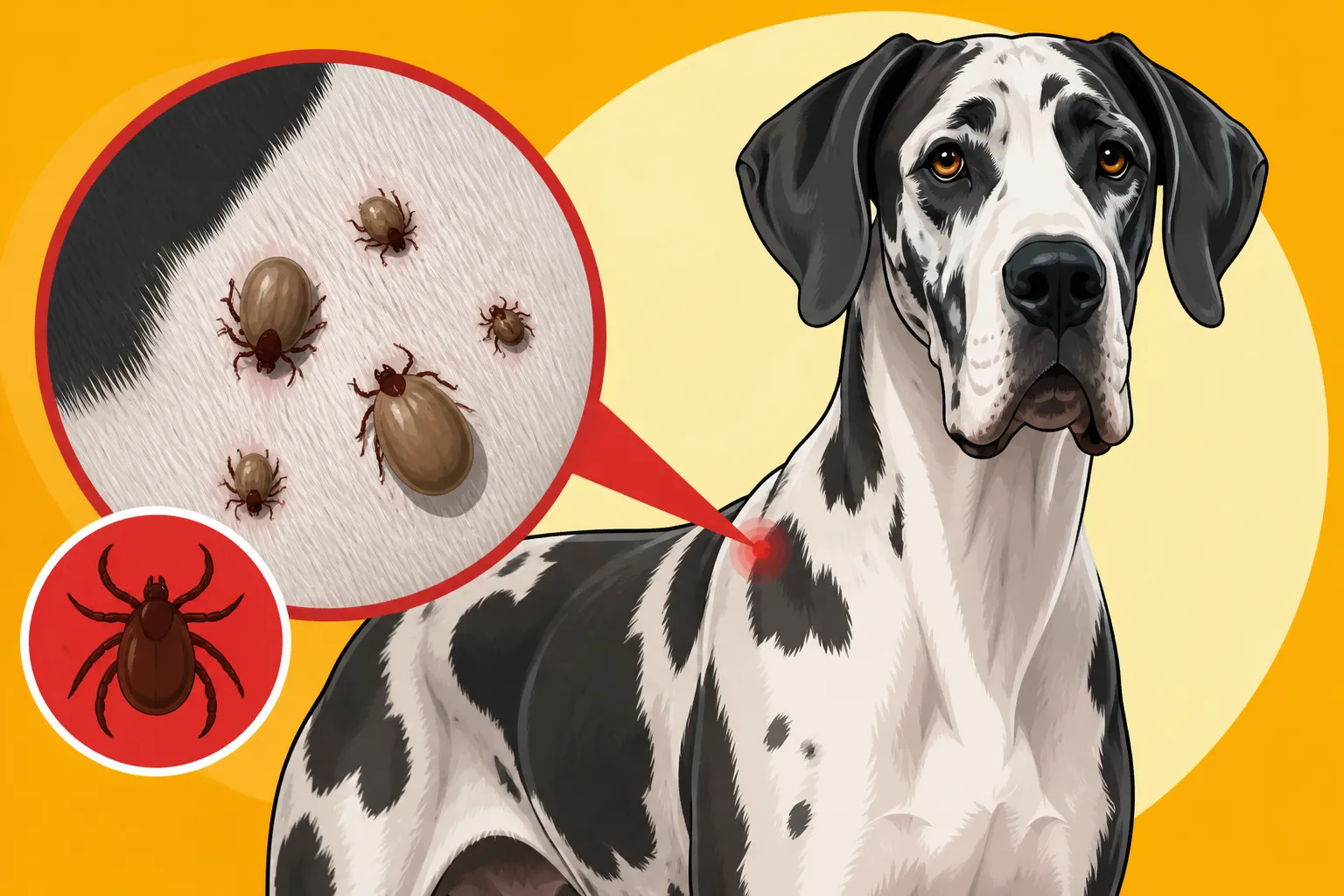
You might think that having a Great Dane with a short, sleek coat would make finding ticks a breeze. After all, there's not a lot of fur to dig through, right? The frustrating reality, though, is that ticks are masters of camouflage and can cling to even the shortest hairs, making them surprisingly difficult to spot on our giant companions. This guide is here to walk you through how to effectively find, safely remove, and proactively prevent these tiny, disease-carrying pests from bothering your magnificent Great Dane.
Why Ticks Are Still a Problem Even with a Short Coat
It’s a common misconception, isn't it? We picture ticks getting lost in the shaggy depths of a Golden Retriever or a Shepherd, but assume our smooth-coated Danes are less of a target. You can almost hear yourself thinking, "At least one thing is easy with a Great Dane!" Unfortunately, nature often has a way of proving us wrong, and ticks don't discriminate based on coat length. While it might be slightly easier to feel a tick on a Dane's short fur compared to a long-haired breed, their tendency to attach in hidden spots, combined with their surprisingly small size before feeding, means they're still a very real and persistent threat. It's not about the length of the hair; it's about the warmth, the blood, and the opportunity.
The Misconception of the "Easy" Coat
We've all been there, marveling at the sheer beauty and short, glossy coat of our Great Danes, and perhaps a small part of us breathes a sigh of relief when it comes to grooming. No massive mats, no endless brushing, and certainly no thought of tiny invaders getting lost in a wilderness of fur. This mental picture often leads to a false sense of security regarding ticks. You might think, "I'll see it instantly!" The truth is, ticks are incredibly adept at staying out of sight. They aren't going to set up shop right in the middle of your Dane's forehead where you can easily spot them during a quick head scratch. They're smart, and they know where to go to latch on unnoticed for as long as possible.
The actual challenge with a Great Dane's short coat isn't that the hair hides them, but that the sheer expanse of skin provides so many potential hiding spots. A tick only needs a few millimeters of skin to grab onto. On a dog the size of a Great Dane, that's a vast landscape for them to explore. Plus, ticks don't just sit on the surface; once they find a spot, they dig in. What might look like a tiny freckle or a bit of dirt at first glance quickly turns out to be a blood-sucking parasite already getting comfortable. This means our thoroughness needs to be just as massive as our dogs.
Where Ticks Hide on a Great Dane
Even with short hair, ticks instinctively seek out warm, dark, and protected areas where they can feed undisturbed. These aren't always the obvious spots. Think about your Great Dane's daily activities: sniffing around in tall grass, romping through bushes, lying down in the yard. All these behaviors expose them to ticks. The ticks, in turn, migrate to places where they're less likely to be dislodged by movement or scratching.
Common tick havens on a Great Dane include:
- Ears: Inside the ear flap, along the edges, and even deep in the ear canal. The skin here is thin, warm, and often hidden by the flop of their ears.
- Toes and Paw Pads: Between the toes, where moisture can accumulate, and around the edges of their paw pads. Ticks can easily latch on here as your Dane walks through foliage.
- Armpits and Groin: These areas are warm, dark, and offer protection from being scratched off. The skin folds here provide ideal cover.
- Around the Eyes and Mouth: Ticks will sometimes attach near these sensitive areas, especially if your Dane has been sniffing low to the ground.
- Under the Tail: Another discreet and often overlooked spot that provides warmth and cover.
- Around the Collar Area: The collar can create a microclimate that ticks find appealing, offering a snug, hidden spot against the skin.
It’s truly amazing how a tiny creature can find such secure spots on such a large dog. You might miss them with just a quick pet, so a systematic check is absolutely vital. Remember, one tick can quickly turn into several if you don't catch them early.
How to Spot and Safely Remove Ticks from Your Great Dane
The thought of finding a tick on your beloved Great Dane can be unsettling, especially knowing the potential health risks. But panicking won't help! The key is to be prepared, know what you're looking for, and have the right tools on hand. Regular, thorough checks are your first line of defense, turning what might seem like a chore into a vital bonding and health-monitoring routine. You'll become intimately familiar with your Dane's skin and body, which is a great habit for catching other issues, too.
Your Tick-Check Routine
Making tick checks a regular part of your Great Dane's routine is non-negotiable, especially if you live in an area known for ticks or after outdoor adventures. This isn't just a quick pat-down; it needs to be systematic and thorough. I like to do it when my Dane is relaxed, perhaps after a walk or during a quiet evening cuddle session. A well-lit area is your best friend here, or even using a headlamp for those trickier spots.
Start by running your hands slowly over your Dane's entire body, feeling for any bumps, lumps, or abnormalities. Ticks often feel like small, raised bumps on the skin. You're not just looking with your eyes; you're feeling with your fingertips. Pay special attention to all the hiding spots we discussed earlier: ears (inside and out!), between toes, paw pads, armpits, groin, under the tail, and around the collar. Gently part the short fur as you go, looking for any tiny dark specks that might be a tick, or even an engorged tick that looks like a small, grayish-blue bean. Don't forget to check their face, especially around the eyes and under the chin. If your Great Dane allows it, a full body inspection can take a good 10-15 minutes, but it's time incredibly well spent. Consider having a pair of tweezers or a tick removal tool, a small jar with rubbing alcohol, and some antiseptic wipes nearby during your checks.
The Right Way to Remove a Tick
If you find a tick, don't just grab it and pull! This can leave parts of the tick embedded in your Dane's skin, which can lead to infection or further complications. You need to remove the entire tick, including its head. This is where having the right tools makes all the difference. While fine-tipped tweezers can work, specialized tick removal tools are often easier and more effective, especially with a squirming Great Dane. Many pet stores, like those you might find on Chewy or even general retailers like Amazon, offer various tick removal devices.
Here's a step-by-step approach:
- Gather Your Tools: You'll need fine-tipped tweezers or a tick removal tool (like a tick key or lasso tool), gloves (to protect yourself), antiseptic wipes, and a small container with rubbing alcohol to dispose of the tick.
- Part the Fur: Gently part your Great Dane's fur around the tick to expose the skin and the tick clearly.
- Position Your Tool: If using tweezers, grasp the tick as close to your Dane's skin as possible, getting a hold of its head, not its body. If using a tick removal tool, follow the specific instructions, usually involving sliding the tool under the tick and twisting or pulling gently.
- Pull Straight Up (or Twist): With tweezers, pull steadily and firmly straight upward, without twisting or jerking. The goal is to remove the tick's head and mouthparts completely. With a tick key, you often twist rather than pull. Be patient; the tick should release its grip after a few seconds.
- Inspect: After removal, check the tick to ensure it's intact and that no mouthparts are left behind in your Dane's skin. Also, inspect the bite site.
- Dispose: Place the removed tick into the container of rubbing alcohol. This will kill it and preserve it if you need to show it to your vet.
- Clean the Area: Clean your Dane's bite site with an antiseptic wipe or mild soap and water.
Remember, the quicker you remove a tick, the less chance it has to transmit diseases. Don't crush the tick's body during removal, as this can force infected fluids back into your dog.
What to Do After Tick Removal
Finding and removing a tick is certainly a relief, but your job isn't quite done. There are a few crucial steps to take afterward to ensure your Great Dane stays healthy and that you're prepared for any potential issues. It's not just about the immediate bite; it's about monitoring for weeks to come.
First, clean the bite area thoroughly once more with an antiseptic wipe or a dab of rubbing alcohol. Keep an eye on the spot for the next few days. It's normal for a small red bump or a bit of irritation to appear at the bite site, similar to a mosquito bite on a human. However, if you notice significant swelling, pus, prolonged redness, or if the area seems painful to your Dane, it's time to call your veterinarian. This could indicate an infection or a reaction.
Second, mark it on your calendar. It's incredibly helpful to note the date you found and removed the tick, and where on your Great Dane's body it was located. Many tick-borne diseases have an incubation period, meaning symptoms might not appear for days or even weeks after the bite. Knowing when the bite occurred can be vital information for your vet if your Dane starts showing signs of illness down the road. Some people even save the tick in rubbing alcohol in a small, labeled jar, just in case their vet wants to identify the species.
Finally, be vigilant for symptoms of tick-borne diseases. This is perhaps the most important follow-up. Diseases like Lyme disease, anaplasmosis, and ehrlichiosis can be transmitted through tick bites. While your Great Dane's short coat might make initial detection easier, it doesn't prevent disease transmission. Symptoms can be subtle and non-specific, ranging from lethargy and loss of appetite to lameness or fever. If your Great Dane seems "off" in any way in the weeks following a tick bite, don't hesitate to contact your vet and mention the tick encounter.
Preventing Ticks: Products and Environmental Management
Prevention is always better than cure, especially when it comes to ticks and the serious diseases they carry. For a Great Dane, their sheer size means any illness can be more taxing on their system, and treatment can be more complex and costly. Implementing a robust prevention strategy is one of the most loving things you can do for your giant friend. This involves a multi-pronged approach, combining effective products with smart environmental management. Don't just rely on one method; layering your defenses gives your Great Dane the best chance of remaining tick-free.
Topical Treatments and Oral Medications
When it comes to tick prevention, there are several highly effective veterinary-approved options available. These generally fall into two categories: topical treatments and oral medications. Choosing the right one for your Great Dane depends on various factors, including their lifestyle, any existing health conditions, and your preference. Always consult your veterinarian to discuss the best option for your individual dog, as they can provide guidance tailored to your Dane's specific needs and local tick prevalence.
Topical Treatments (Spot-Ons): These are applied directly to your Great Dane's skin, usually between the shoulder blades, and the active ingredients spread over the skin's surface or are absorbed into the oil glands. They typically work to kill or repel ticks (and often fleas) on contact. Popular brands offer varying durations of protection, usually a month. You can often find these through your vet or online retailers like Chewy. The key with topical treatments is to apply them correctly and ensure your Dane doesn't get wet or bathed immediately before or after application, which can reduce efficacy. For a massive dog like a Great Dane, ensuring the dose spreads adequately over such a large surface area can be a consideration.
Oral Medications: These are chewable tablets that your Great Dane ingests. The active ingredient enters their bloodstream, and when a tick bites your dog, it ingests the medication and dies. These often offer a longer duration of protection, with some lasting up to three months. Many Great Dane owners find oral medications more convenient as there's no residue, and they aren't affected by bathing or swimming. They're also an excellent choice for dogs with skin sensitivities. Again, your vet is the best source for these, and you can usually fill prescriptions through them or online pharmacies like those found through Chewy or Amazon. Make sure to administer these consistently, as missing a dose can leave your Dane vulnerable.
| Prevention Method | Application Type | How it Works | Pros | Cons |
|---|---|---|---|---|
| Topical (Spot-On) | Applied to skin | Spreads over skin; kills/repels ticks | No need for tick to bite; easy to apply | Can leave residue; affected by bathing; may irritate skin |
| Oral Medication | Ingested chewable | Enters bloodstream; ticks die after bite | Not affected by water; no residue; convenient | Tick must bite to be effective; requires ingestion |
Environmental Controls Around Your Home
Even with preventive medications, managing the tick population in your immediate environment can significantly reduce the risk to your Great Dane. Ticks don't just magically appear on your dog; they're picked up from infested areas. Taking steps to make your yard less hospitable to ticks is a smart move, especially if your Dane spends a lot of time outdoors.
Here are some environmental control tips:
- Maintain Your Yard: Ticks love tall grasses, leaf litter, and overgrown bushes. Keep your lawn mowed short, rake up leaves regularly, and trim back shrubs and low-hanging branches. Creating a tidy landscape reduces hiding spots for ticks and their hosts (like rodents and deer).
- Create a Barrier: If your property borders wooded areas or tall grasses, consider creating a 3-foot wide barrier of wood chips or gravel between your lawn and the tick-heavy zone. This can help deter ticks from migrating into your yard.
- Discourage Wildlife: Deer, rodents, and other wildlife are primary carriers of ticks. While completely eliminating them might be impossible, taking steps to make your yard less attractive – such as securing trash cans, not leaving pet food outside, and considering deer-resistant plantings – can help reduce the number of tick hosts.
- Consider Tick Treatments for Your Yard: For severe infestations or in high-risk areas, you might look into professional yard treatments or DIY options found at garden centers or through online retailers like Amazon. Always follow instructions carefully, especially concerning pet safety.
- Check Entry Points: Ticks can hitch a ride on humans or other pets. Be mindful when you come in from outdoor activities, and ensure other pets in the household are also on a robust tick prevention plan.
By combining internal and external defenses, you're building a fortress against ticks for your Great Dane. This layered approach is the most effective way to protect your gentle giant.
Considering Your Great Dane's Lifestyle
Your Great Dane's lifestyle plays a huge role in their exposure to ticks. A Dane who spends most of their time lounging on the couch and walking on pavement will have a significantly different risk profile than one who accompanies you on daily hikes through nature trails or lives on a large rural property. Understanding these differences allows you to tailor your prevention strategy more effectively.
For the adventure-loving Great Dane, who might be exploring parks, hiking trails, or even just a backyard with lots of natural landscaping, a more aggressive and consistent prevention plan is crucial. This means being absolutely diligent with monthly or quarterly oral medications or topical treatments. You might also want to invest in a tick collar as an added layer of protection, particularly if they are frequently in high-risk areas. Furthermore, regular, thorough tick checks become even more important after every outdoor excursion, not just occasionally. Imagine your Great Dane That Cannot Finish a Walk due to a tick-borne illness – it’s a heartbreaking thought and emphasizes the need for vigilance.
On the other hand, for a Great Dane with a more urban or suburban, lower-exposure lifestyle, consistent prevention is still key, but perhaps the urgency of immediate post-outing checks might be slightly less intense, though never to be skipped entirely. Even a quick trip to the neighborhood park can expose them to ticks. Ticks can even be brought into your home on your shoes or clothing, only to transfer to your dog later. Therefore, consistent use of a preventive medication, alongside regular household cleaning and minimizing overgrown areas in your immediate yard, remains essential. Regardless of their daily routine, every Great Dane owner needs to be aware that ticks are a year-round threat in many regions, not just a seasonal nuisance. Don't let your guard down just because the weather turns cold; ticks can be active even in mild winter temperatures.
Understanding Tick-Borne Diseases in Great Danes
Finding a tick on your Great Dane isn't just an "ick" factor; it's a serious health concern. Ticks are not just annoying parasites; they are vectors, meaning they can transmit a variety of serious diseases that can have devastating effects on your dog's health, and in some cases, even yours. While a Great Dane's short coat might offer a slight advantage in spotting these parasites, it provides absolutely no protection against the pathogens they carry. Understanding the risks is key to proactive management and early intervention.
Common Diseases and Their Symptoms
There are several tick-borne diseases that commonly affect dogs, and Great Danes are just as susceptible as any other breed. The frustrating part about many of these diseases is that their symptoms can be vague, non-specific, and often mimic other illnesses, making diagnosis a challenge without proper veterinary testing and knowledge of potential tick exposure. Knowing what to look for can help you provide your vet with critical information.
Here are some of the most common tick-borne diseases and their typical symptoms:
- Lyme Disease: Transmitted by deer ticks. Symptoms often include recurrent lameness (shifting leg lameness is common), joint pain and swelling, fever, lethargy, and loss of appetite. In severe cases, it can lead to kidney failure or heart problems.
- Anaplasmosis: Transmitted by deer ticks and brown dog ticks. Symptoms can appear suddenly and include lameness, joint pain, fever, lethargy, decreased appetite, and occasionally vomiting, diarrhea, or even neurological signs.
- Ehrlichiosis: Transmitted by brown dog ticks and lone star ticks. Symptoms can be acute (fever, lethargy, weight loss, nosebleeds, bruising) or chronic (anemia, joint pain, neurological issues). This one can be particularly sneaky.
- Rocky Mountain Spotted Fever (RMSF): Transmitted by American dog ticks, Rocky Mountain wood ticks, and brown dog ticks. This can be very serious, with symptoms including fever, joint pain, swelling, neurological issues, bleeding disorders, and skin lesions.
- Babesiosis: Transmitted by deer ticks and American dog ticks. This disease attacks red blood cells, leading to symptoms like lethargy, weakness, pale gums, fever, and dark urine.
It's important to remember that not every tick bite results in disease, and symptoms might not appear for weeks. This is why vigilance and communicating any tick encounters to your vet are so important. Your Great Dane's large size means these illnesses can progress quickly and require substantial medical intervention. What Great Danes Most Often Die Of is a good article to review to understand overall health risks, and tick-borne diseases are definitely on the list of concerns.
When to Consult Your Vet After a Tick Bite
So, you've found and removed a tick from your Great Dane. Now what? The question of "when to call the vet" can feel like a guessing game, especially when symptoms are so general. My advice? When in doubt, call. It’s always better to be safe than sorry, especially with a Great Dane where treatments can be more complex and costs can escalate quickly if an illness is left to progress.
You should definitely contact your veterinarian if:
- You couldn't remove the entire tick: If mouthparts are left embedded, it increases the risk of local infection, and your vet can safely remove them.
- The bite site looks infected or severely irritated: Watch for excessive redness, swelling, pus, or if your Dane is continually licking or bothering the spot.
- Your Great Dane develops any concerning symptoms in the weeks following a tick bite: This includes lethargy, decreased appetite, fever, lameness, joint swelling, unexplained bruising, nosebleeds, changes in gait, or any other behavior that is out of the ordinary for your dog. Even subtle changes should prompt a call.
- You live in a high-risk tick area and your Dane has not been on consistent prevention: This increases the likelihood of exposure and potential disease.
- You are generally worried: Trust your gut feeling as a pet parent. You know your Great Dane best. If something feels off, a quick call to your vet can provide peace of mind or prompt necessary action.
Your veterinarian can advise on whether diagnostic testing for tick-borne diseases is appropriate. These tests can help identify if your Great Dane has been exposed and may be experiencing an active infection. Early diagnosis and treatment are critical for a better prognosis with many tick-borne illnesses. Don't underestimate the impact these tiny parasites can have on your gentle giant's health.
Disclaimer
This article is for general informational purposes only and does not constitute professional advice. Laws, prices and regulations vary by location and change over time. Consult a qualified professional for guidance on your specific situation.