Whether a Great Dane’s Coat Changes With Age
It's completely normal to notice shifts in your Great Dane's appearance over their lifetime, and their coat is definitely part of that journey. Many Dane owners find themselves wondering if that puppy softness will last, or why their senior dog's fur feels a little different than it used to. This guide will walk you through the natural evolution of a Great Dane's coat from adorable puppy fuzz to distinguished senior sheen, as well as help you identify when a change might be signaling something more.
The Puppy Fluff to Adult Sheen: Initial Coat Transformations
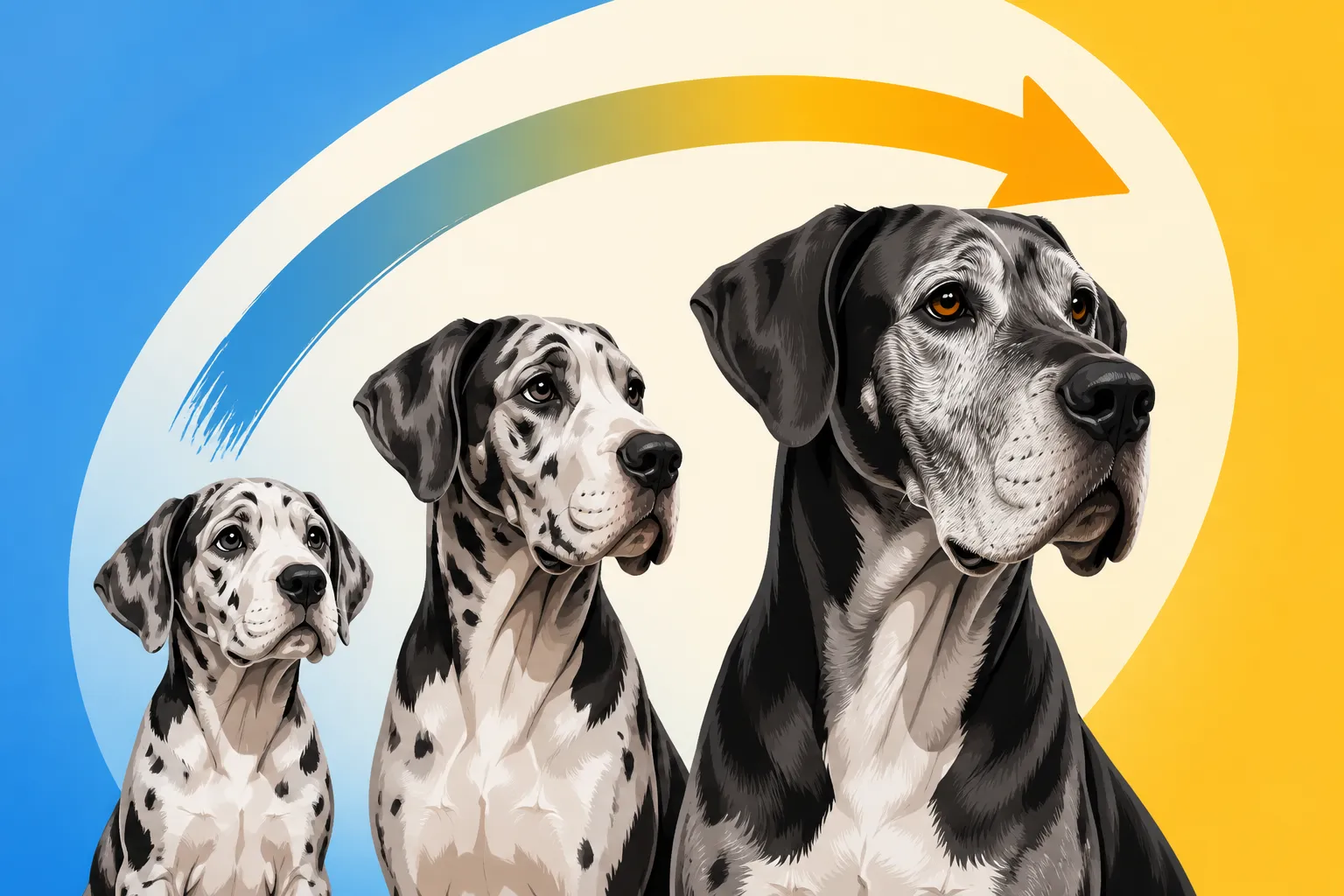
When you first bring home a Great Dane puppy, you're likely captivated by their incredibly soft, almost velvety fur. It's truly unique, feeling so much different from the coarser, denser coat they'll develop as adults. This initial coat is perfectly designed for a puppy's early months, providing warmth and protection while their adult hair follicles mature. As they grow, however, you'll start to notice subtle, then more pronounced, changes as they shed that baby fuzz and transition into their mature Great Dane appearance.
The Velvety Puppy Coat
That luxurious puppy coat is a delight to pet, isn't it? It feels incredibly soft, almost like velvet or fine suede, and often appears slightly less dense than an adult coat. This softness is a hallmark of youth, a temporary phase. Puppy coats are generally quite uniform in texture across their body, though you might notice some very fine, downy fur on their belly or inner thighs. This stage is relatively low-maintenance in terms of shedding, though you'll still find some loose hairs. Enjoy it while it lasts, because it's truly a special feeling that won't entirely return once they mature.
Many new owners wonder about their Great Dane's growth trajectory and how it impacts everything, even their coat. It's a period of immense change, not just in size but in all physical attributes. During these early months, their internal systems are working overtime to support their rapid development, which also plays a role in how their fur grows in.
The Gradual Shift to an Adult Texture
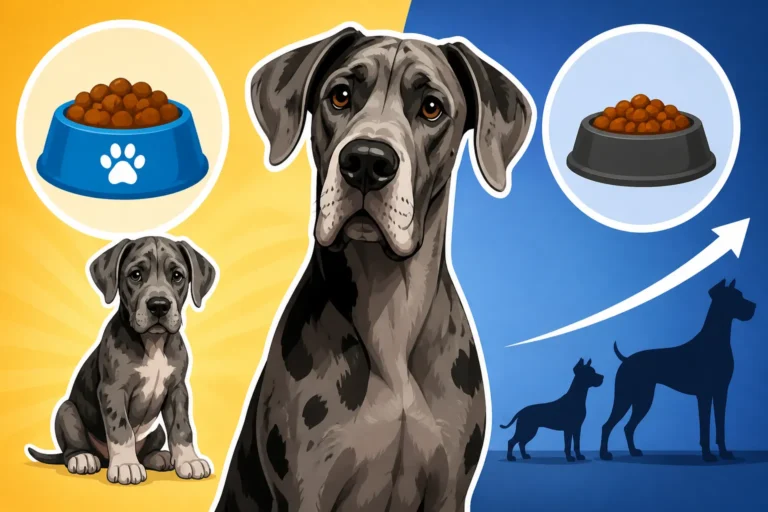
As your Great Dane puppy approaches adolescence, usually between 6 to 12 months, you'll begin to see their adult coat emerging. This isn't a sudden event, but rather a gradual process where the softer puppy hair is shed and replaced by the denser, coarser, and slightly stiffer adult guard hairs. The texture will become noticeably firmer to the touch, and the coat will appear much more tightly packed against their body. For some Danes, this transition might involve a period where their coat looks a little "unkempt" or uneven as the old hair gives way to the new.
You might also notice an increase in shedding during this phase. This isn't necessarily a cause for alarm but simply a natural part of the coat turnover. The adult coat offers better protection against the elements and daily wear and tear, which is important for a large, active breed. This transition is also often when you start to see their true adult color stabilize. What might have been a slightly lighter or less defined shade as a puppy will typically darken or become more vibrant once the adult coat fully emerges. For instance, a fawn puppy's mask might become more pronounced, or a blue Dane's coat could deepen into a richer steel-gray.
When Coat Color Can Deepen or Lighten
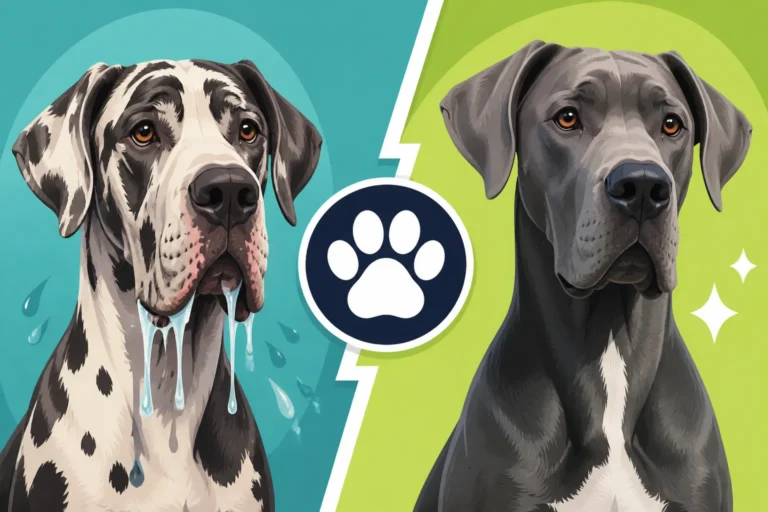
Beyond just texture, a Great Dane's coat color can absolutely change as they age, particularly from puppyhood to adulthood. Often, what appears as a lighter shade in a young puppy will deepen and become more vibrant as their adult coat comes in. For example, a fawn Great Dane might have a rather pale body and a less defined black mask as a tiny pup, but by the time they are a year or two old, their fawn will be a richer, more saturated gold, and their mask will be a striking, deep black. Similarly, blue Danes often transition from a slightly softer, lighter gray to a deeper, more pronounced steel blue. Brindles might see their stripes become more distinct and defined.
On the other hand, some colors can lighten slightly over time. Harlequins, with their distinct patches, might see some of the white areas become slightly less crisp, or the black patches subtly soften around the edges as they mature. It's a fascinating process, much like watching a painting slowly develop its full depth of color. These initial color shifts are usually perfectly normal and part of reaching their full mature appearance. It's also worth noting that factors like sun exposure can subtly lighten certain coat colors over time, just like human hair.
Understanding Normal Age-Related Coat Evolution in Great Danes
Once your Great Dane has reached full maturity, their coat will generally remain quite consistent for several years. However, as they transition into their senior years, which typically begins around age six or seven for this magnificent breed, you can expect another round of subtle, and sometimes not-so-subtle, changes. These are often indicators of the natural aging process, much like gray hairs appearing on humans.
The Inevitable Graying Around the Muzzle
One of the most heartwarming and simultaneously heartbreaking signs of an aging Great Dane is the appearance of gray hairs, especially around their muzzle and eyes. Just like people, Danes tend to "silver" around the face first. This process can start as early as four or five years old for some individuals, while others might not show significant gray until they are seven or eight. The graying isn't uniform; it usually begins as a scattering of white hairs that gradually become more widespread, eventually covering the entire muzzle, eyebrows, and sometimes even spreading up the forehead. Some Danes will develop a full "salt and pepper" look, while others might go entirely white around the face. It's a visual marker of their wisdom and the many happy years they've shared with you. This graying is a completely normal physiological change and isn't indicative of any health problems. It's just a sign that your loyal companion is growing into their distinguished senior years. If you're observing these changes, you might also be looking into The Great Dane Years That Count as Senior.
Subtle Thinning and Texture Changes
Beyond graying, many Great Dane owners will notice a subtle thinning of their senior dog's coat and a change in its overall texture. The dense, sleek coat of their prime might become a little sparser, particularly over the back, flanks, and hindquarters. This thinning can make their skin slightly more visible underneath the fur. The texture might also soften somewhat, becoming less coarse than their adult coat but not quite as fine as their puppy fluff. It might feel a bit drier or duller as well, even with a consistent grooming routine.
This is often due to a natural slowdown in cell regeneration and oil production as they age. Their skin produces less natural sebum, which keeps the coat supple and shiny. While minor thinning and texture changes are part of the normal aging process, significant hair loss or very brittle fur might warrant a vet check, especially if accompanied by other symptoms. We'll delve into those warning signs a bit later. It's important to remember that caring for an older Dane's skin and coat might require some adjustments to their routine, focusing on gentle products and potentially some dietary supplements to support skin health. You'll likely be thinking about Feeding and Grooming an Old Great Dane more consciously at this stage.
Seasonal Shedding Patterns and Their Intensification
Great Danes are known for being year-round shedders, despite their short coats. However, as they age, you might find that their seasonal shedding patterns, particularly the heavy "blow out" periods in spring and fall, become a bit more intense or prolonged. This isn't necessarily a sign of ill health, but rather another consequence of an aging body. Their hair follicles might not hold onto hairs as strongly or for as long as they once did, leading to more frequent or heavier shedding.
Managing this increased shedding becomes even more crucial for maintaining cleanliness in your home and comfort for your Dane. Regular brushing with a deshedding tool can make a significant difference. Tools designed for short coats can effectively remove loose undercoat without irritating their skin. Brands available on platforms like Amazon or Chewy often have a good selection of specialized brushes, such as a curry comb or a short-bristled deshedding brush, that can help you stay on top of the fur. Even though it might seem like a lot of hair for a short-coated breed, this increased shedding is often just a normal part of How Much Hair a Great Dane Drops as they age.
Beyond Normal: When a Coat Change Signals a Deeper Issue
While many coat changes are a natural part of aging, some alterations in your Great Dane's fur can be a red flag, indicating an underlying health problem. It's crucial for us as owners to be observant and recognize when a change goes beyond typical aging or seasonal fluctuations. Paying attention to these signs can help you catch potential issues early, leading to better outcomes for your beloved Dane.
Excessive Hair Loss or Bald Patches
If you notice your Great Dane losing a significant amount of hair, beyond what's normal for shedding, or developing distinct bald patches, it's time to consult your veterinarian. This isn't just about finding more hair on your furniture; it's about areas where the skin is clearly visible, or the coat is dramatically thinner than usual. These bald spots might appear symmetrically on both sides of the body, or they could be irregular and itchy. Excessive hair loss, medically known as alopecia, can be caused by a variety of issues, including:
- Allergies: Environmental, food, or flea allergies can lead to intense itching, scratching, and subsequent hair loss.
- Parasites: Mites (like mange), fleas, or ringworm (a fungal infection) can cause irritation, itching, and patchy hair loss.
- Infections: Bacterial or yeast infections of the skin can manifest as red, inflamed patches with hair loss.
- Hormonal Imbalances: Conditions like hypothyroidism (underactive thyroid) or Cushing's disease (overproduction of cortisol) often result in symmetrical hair loss, dull coats, and other systemic symptoms.
- Stress or Anxiety: While less common for significant bald patches, chronic stress can contribute to a dull coat and increased shedding.
If you are seeing signs of A Great Dane That Thickens and Loses Hair, it's important to get it checked out. Your vet will perform a thorough examination, which may include skin scrapes, fungal cultures, or blood tests to pinpoint the exact cause.
Dullness, Dryness, and Skin Irritations
A healthy Great Dane coat should have a natural sheen and feel relatively smooth. If your Dane's coat suddenly appears dull, dry, brittle, or greasy, it can be a sign that something isn't quite right. Coupled with skin irritations like redness, flakiness, scabs, or a foul odor, these are definite indicators that a vet visit is needed. These symptoms can point to:
- Nutritional Deficiencies: A diet lacking essential fatty acids, vitamins, or high-quality protein can directly impact coat health, leading to a dull, dry, or brittle appearance. This is where choosing a high-quality food, perhaps from a brand like Ollie that offers fresh, balanced meals, or a premium kibble from Chewy, can make a difference.
- Skin Infections: As mentioned, bacterial or yeast infections can cause the skin to become irritated, red, and flaky, often accompanied by an unpleasant smell.
- Allergies: Beyond hair loss, allergies frequently cause itchy, dry, or inflamed skin. Your Dane might be constantly scratching, licking, or chewing at themselves.
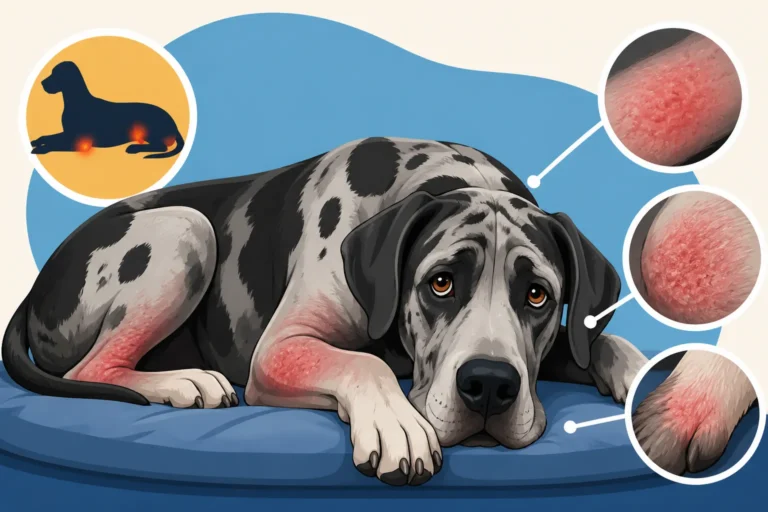
- Environmental Factors: Very dry air, harsh shampoos, or frequent bathing with inappropriate products can strip the skin of its natural oils, leading to dryness and irritation. Skin Problems Where a Great Dane Lies Down can also manifest as calluses or dry patches on elbows and hocks if their bedding isn't sufficiently supportive.
- Internal Illnesses: Certain systemic diseases, not just hormonal ones, can also affect skin and coat quality.
Monitoring for these changes and acting quickly can prevent minor issues from becoming more severe and uncomfortable for your Great Dane.
Hormonal and Nutritional Impacts on Coat Health
Two major internal factors that significantly influence your Great Dane's coat health are their hormonal balance and their nutrition. These often go hand-in-hand and can present as coat changes.
Hormonal Imbalances: Conditions like hypothyroidism, where the thyroid gland doesn't produce enough hormones, are quite common in Great Danes and can severely impact their coat. Signs of hypothyroidism include a dull, dry, brittle coat, symmetrical hair loss (especially on the flanks and tail), thickening of the skin, lethargy, and weight gain. The Thyroid Test a Slow Great Dane Needs is essential if you suspect this. Another less common, but possible, hormonal issue is Cushing's disease, which can lead to thinning hair, a pot-bellied appearance, and increased thirst and urination. Regular veterinary check-ups, especially as your Dane ages, are crucial for catching these conditions early. If you're observing these issues, it might be beneficial to review Reading a Great Dane's Thyroid Panel with your vet.
Nutritional Deficiencies: What your Great Dane eats directly impacts the quality of their skin and coat. A diet rich in high-quality protein, essential fatty acids (like Omega-3 and Omega-6), and vitamins is vital for healthy fur. Poor-quality food, or food lacking these key nutrients, can result in a dull, dry, flaky coat, and even excessive shedding or slow hair regrowth. Consider adding Fish Oil for a Great Dane to their diet, as recommended by your vet, to boost those healthy fats. Brands like Chewy and Amazon offer a variety of supplements formulated to support skin and coat health. Always ensure your Dane is on a diet appropriate for their life stage and activity level, paying close attention to Protein and Fat Levels for a Great Dane in their food. This focus on nutrition is especially vital for a large breed to ensure proper development and ongoing health.
| Coat Characteristic | Puppy (0-12 months) | Adult (1-6 years) | Senior (6+ years) | Potential Issues & Signs to Watch For |
|---|---|---|---|---|
| Texture | Velvety, soft, fine | Dense, sleek, smooth, slightly coarse | Softer, slightly thinner, possibly drier | Brittle, greasy, matted, excessively coarse |
| Density | Less dense, can look "fluffy" | Tightly packed, full | Slightly sparser, thinning | Bald patches, very visible skin |
| Color | Can be lighter, less defined | Deepens, becomes more vibrant | Graying around muzzle/eyes | Unexplained discoloration, dullness |
| Shedding | Minimal, then moderate during transition | Year-round, seasonal "blow outs" | May intensify, prolonged periods | Excessive, non-seasonal shedding, clumps |
| Shine/Luster | Soft sheen | Healthy, natural sheen | Can be duller, less vibrant | Dull, lifeless, greasy, flaky |
| Skin Condition | Smooth, pliable | Smooth, healthy | May be drier, less elastic | Redness, rashes, sores, strong odor, flakes |
Supporting Your Great Dane's Coat Through All Life Stages
Understanding how your Great Dane's coat changes with age is just the first step. The next is proactively supporting its health and appearance throughout their life. From the playful puppy stage to their distinguished senior years, there are practical steps you can take to ensure their coat remains as healthy and comfortable as possible. This involves a combination of smart nutrition, consistent grooming, and a mindful approach to their environment.
Tailoring Nutrition for a Healthy Coat
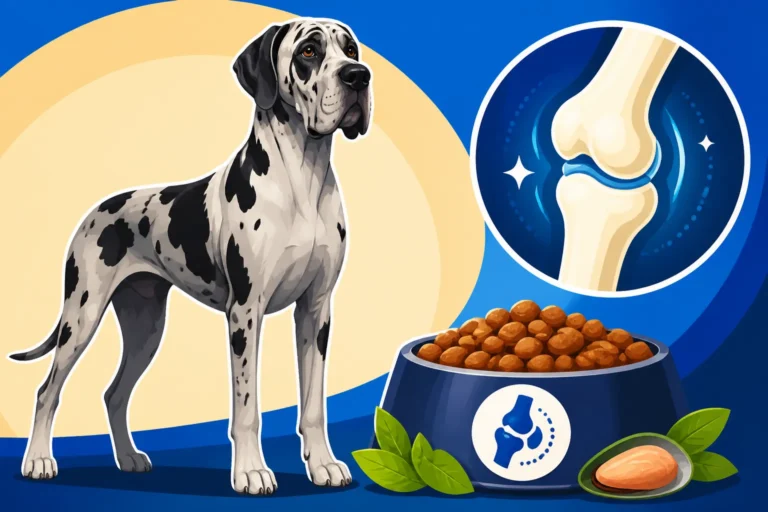
Nutrition is undeniably the foundation of a healthy coat for any dog, and Great Danes are no exception. What they eat directly impacts the quality of their skin and the luster of their fur. For puppies, a diet specifically formulated for large breed puppies is crucial to support Bone Development Problems in a Great Dane Puppy and ensure slow, steady growth, preventing issues that can indirectly affect coat quality. Avoid giving them extra calcium, as this can actually do more harm than good for growing Danes.
As they transition to adulthood, focus on high-quality dog food that lists real meat as the first ingredient. Look for formulas rich in Omega-3 and Omega-6 fatty acids, often derived from fish oil, flaxseed, or sunflower oil. These essential fatty acids are vital for skin elasticity and coat shine. If you're feeding a brand from Chewy or considering a fresh food option like Ollie, review the ingredient list carefully. Some owners opt for additional supplements, like a daily fish oil capsule or liquid, which can dramatically improve coat health and reduce dryness. Always discuss supplements with your vet to ensure they're appropriate for your individual Dane's needs. For senior Danes, you might need to adjust their food to a senior formula, which often contains different nutrient profiles to support aging bodies, including skin and coat health.
Essential Grooming Practices for Longevity
Even with their short coats, Great Danes benefit immensely from a consistent grooming routine. This isn't just about making them look good; it's about stimulating blood circulation, distributing natural skin oils, and catching any potential skin issues early. Regular brushing, at least a few times a week, is key. For their short, dense fur, a rubber curry brush or a shedding blade works wonders to remove loose hair and dirt, especially during those heavier shedding seasons. The Brush That Covers a Great Dane Fastest is often a rubber curry comb.
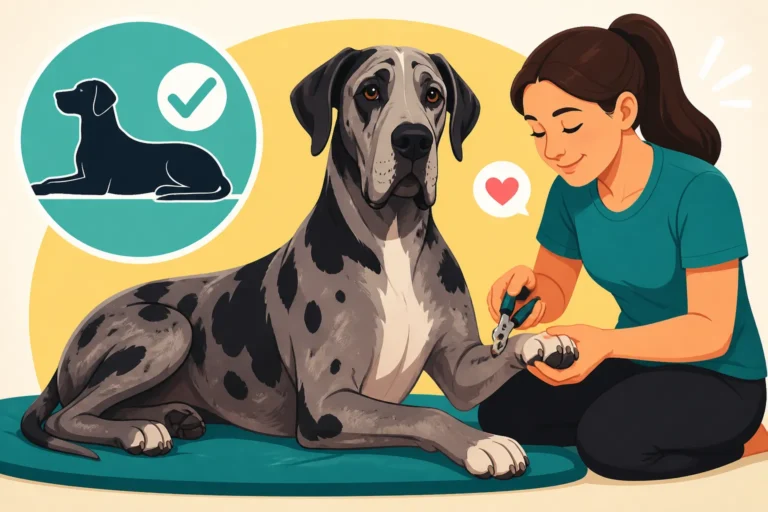
Bathing should be done as needed, typically every 4-8 weeks, or when they're particularly dirty. Over-bathing can strip their skin of natural oils, leading to dryness, so use a gentle, dog-specific shampoo. Follow up with a good conditioner to keep their coat soft and hydrated. You might find great options for large-dog shampoos and conditioners on Amazon or Chewy. Don't forget nail trims, as overgrown nails can lead to discomfort and gait issues. Regularly cleaning their ears and checking their eyes are also important parts of their overall hygiene that contribute to their comfort and well-being. Keeping a Great Dane clean and well-groomed helps prevent Dandruff on a Great Dane's Back and other skin irritations.
Environmental Factors and Coat Protection
Your Great Dane's environment also plays a role in their coat health. Things like extreme weather, harsh surfaces, and even indoor humidity levels can affect their skin and fur.
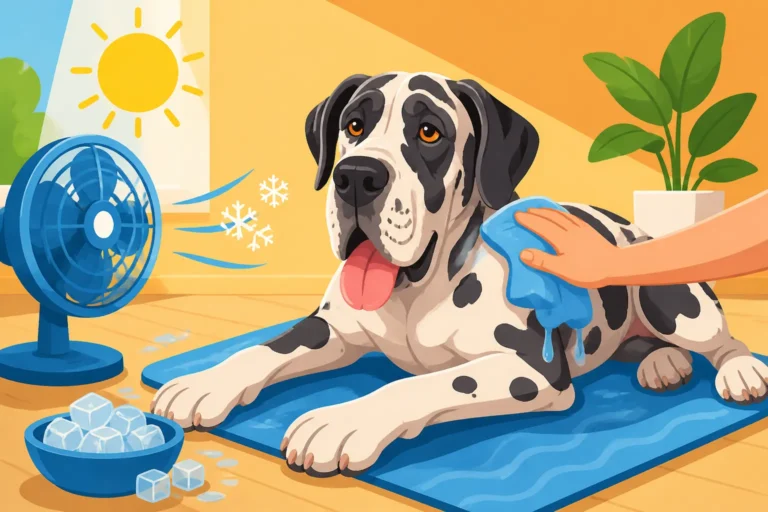
In cold weather, while Danes have a dense coat, their short fur makes them susceptible to cold, especially if they are outside for extended periods. A warm coat or sweater can help protect them and prevent their skin from becoming too dry. Conversely, in hot weather, ensure they have plenty of shade and water to prevent overheating, which can also stress their system and affect coat quality.
Indoors, consider the surfaces your Dane spends most of their time on. Hard floors can lead to pressure sores or calluses on their elbows and hocks, which can cause hair loss in those areas. Providing soft, supportive bedding, such as an orthopedic bed, is essential. There are many robust, large-sized beds available on Amazon that can withstand a Great Dane's weight and provide excellent cushioning, helping to prevent Elbow Hygromas on a Great Dane and keep their coat healthy around pressure points. Maintaining moderate humidity indoors can also prevent skin and coat dryness, especially during winter months when heating systems can make the air very dry. By being mindful of these environmental factors, you can help support your Great Dane's coat and overall comfort throughout their entire life.
Disclaimer
This article is for general informational purposes only and does not constitute professional advice. Laws, prices and regulations vary by location and change over time. Consult a qualified professional for guidance on your specific situation.