Calcium and Phosphorus in a Great Dane Puppy Bowl
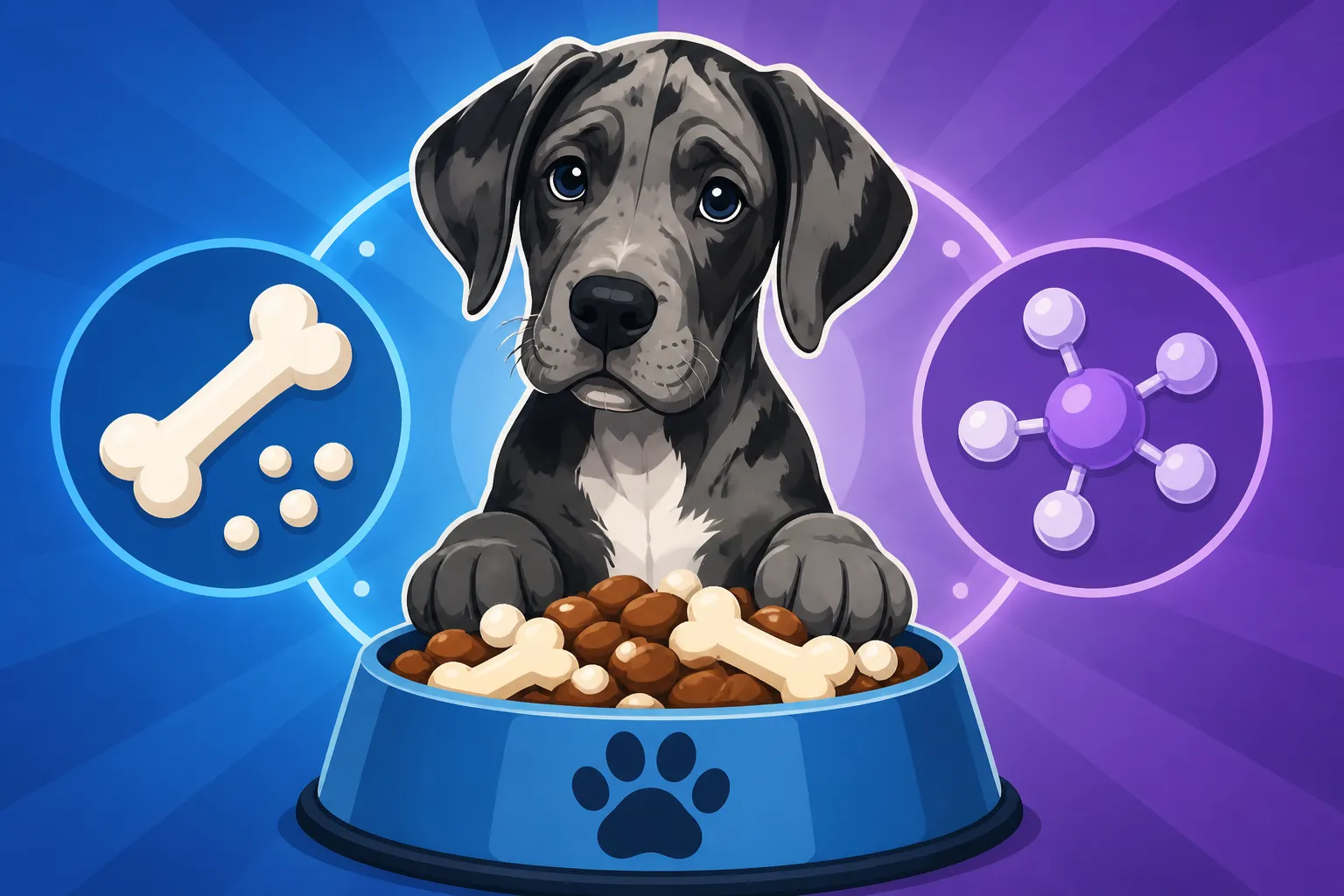
As a Great Dane parent, the sheer scale of their growth can be both awe-inspiring and a little terrifying. You watch your tiny puppy explode into a massive, majestic dog in what feels like mere months, and naturally, you want to make sure you're doing everything right to support that incredible development. One of the biggest worries, and rightfully so, revolves around getting their diet absolutely perfect, especially when it comes to the delicate balance of calcium and phosphorus. This guide is here to cut through the confusion and explain why these minerals are so crucial for your giant breed puppy and how to ensure your Dane puppy's bowl sets them up for a healthy future.
Why Calcium and Phosphorus Ratios are Crucial for Giant Breed Puppies
It’s not just about getting enough nutrients; it’s about getting the right amount and, critically, the right balance, especially for a breed like the Great Dane. Their skeletal system undergoes an astronomical transformation in a very short period, and any misstep in nutrition during this foundational time can have lasting, serious consequences. This isn't just about general good health; it's about preventing debilitating conditions that are far too common in our beloved giants.
The Unique Growth Plate Challenges of Great Danes
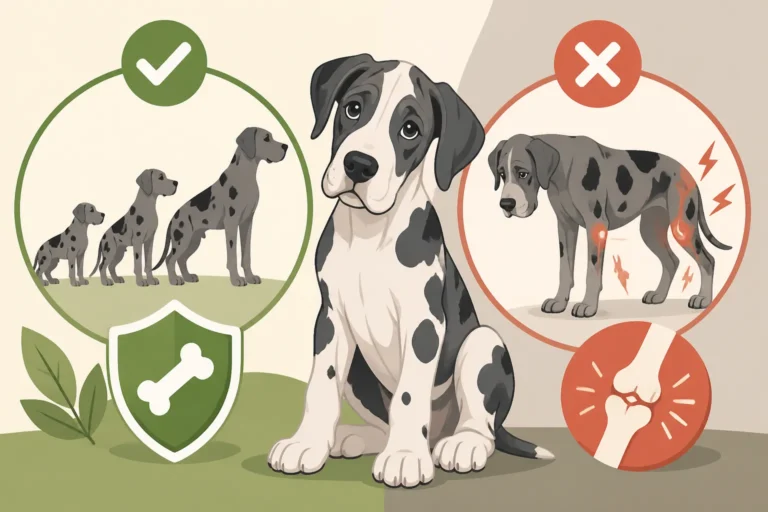
Imagine a scaffolding that’s being built at warp speed. That’s essentially what’s happening with your Great Dane puppy’s bones. Unlike smaller breeds, whose growth plates (the soft areas at the ends of long bones where new bone tissue is formed) close relatively quickly, Great Danes continue to grow at an accelerated rate for a much longer time. These growth plates are incredibly vulnerable. They're composed of cartilage that gradually hardens into bone, and this process needs to happen steadily and smoothly. If the conditions aren't just right, this delicate system can be thrown into disarray, leading to structural problems.
When you think about the immense weight a Great Dane puppy carries even in its adolescence, you can appreciate the stress these still-developing joints and bones are under. Problems like osteochondrosis (OCD), hypertrophic osteodystrophy (HOD), and other orthopedic issues are unfortunately prevalent in fast-growing large and giant breeds. These aren't just minor aches; they can be incredibly painful conditions that require extensive veterinary care, sometimes even surgery, and can impact your dog's mobility and quality of life for years to come, or even shorten it significantly. It's a heavy burden for a young dog and an even heavier one for a loving owner. Ensuring optimal calcium and phosphorus levels helps mitigate these risks by supporting the correct development and mineralization of bone. We are trying to encourage a Why a Great Dane Puppy Should Grow Slowly to protect these vulnerable areas.
The Delicate Balance: More Isn't Always Better
It's a common, heartbreaking misconception that if a little calcium is good for bones, then a lot must be even better, especially for a giant breed. Owners, out of the best intentions, often supplement their Great Dane puppies with extra calcium, believing they're giving them a boost. The reality is profoundly different. For Great Danes, and indeed all large and giant breed puppies, excess calcium can be far more damaging than a slight deficiency. Their bodies are incredibly efficient at absorbing calcium, and if too much is available, it can disrupt the hormonal signals that regulate bone growth.
This over-absorption can lead to skeletal abnormalities, including malformed bone and cartilage, which puts immense strain on their developing joints. It's like trying to build a house too fast with too much concrete – the structure might appear robust, but it becomes brittle and prone to cracking under stress. The body isn't given the chance to properly mature the bone at a natural pace. This is why when we discuss Whether Extra Calcium Damages a Great Dane, the answer is a resounding yes. It's a delicate dance, and finding that perfect equilibrium is paramount to preventing Bone Development Problems in a Great Dane Puppy.
Understanding the Ideal Calcium-to-Phosphorus Ratio
Navigating the world of dog food labels can feel like deciphering a secret code, and when you add specific mineral ratios into the mix, it’s easy to feel overwhelmed. But understanding what these numbers mean is one of the most powerful tools you have to protect your Great Dane puppy's health.
What the Numbers Actually Mean
For large and giant breed puppies, the target calcium level should generally be lower than that found in typical "all breed" puppy foods. We're looking for a calcium content, on a dry matter basis, ideally in the range of 1.0% to 1.5%. Anything significantly above this can contribute to problems. Phosphorus, another vital mineral, also needs to be present in appropriate amounts, usually between 0.8% and 1.2% dry matter.
The critical piece, however, is the ratio between them. The ideal calcium-to-phosphorus ratio for a growing Great Dane puppy is generally considered to be between 1.1:1 and 1.5:1, with many experts aiming for closer to 1.2:1 or 1.3:1. This means for every 1 unit of phosphorus, you want approximately 1.1 to 1.5 units of calcium. This range ensures that both minerals are available for proper bone mineralization without one overwhelming the other or interfering with absorption.
It's important to note that these figures are for the food as fed, or converted to a dry matter basis. Many labels provide "as fed" percentages, which includes moisture. To compare accurately, you'll often need to convert to dry matter basis, which involves a little math (100 – % moisture = % dry matter; then % nutrient / % dry matter * 100 = % nutrient on dry matter basis). While this might seem like a lot of trouble, it's a small effort for the massive impact it has on your puppy's skeletal health.
Here’s a simplified look at ideal ranges:
| Nutrient | Recommended Dry Matter % | Ideal Ratio (Ca:P) |
|---|---|---|
| Calcium (Ca) | 1.0% – 1.5% | |
| Phosphorus (P) | 0.8% – 1.2% | |
| Calcium:Phosphorus | 1.1:1 – 1.5:1 | 1.1:1 – 1.5:1 |
The Dangers of Imbalance: Too Much or Too Little
An imbalance in these vital minerals, whether it's too much calcium, too little calcium, or an improper ratio, can have dire consequences for a Great Dane puppy's rapidly developing skeletal system. As we touched on, excess calcium is a primary concern. When a puppy consumes too much calcium, their body's regulatory mechanisms, like parathyroid hormone, can be suppressed. This suppression leads to abnormalities in cartilage maturation and bone remodeling, essentially causing bones to grow too quickly or incorrectly. This can manifest as Swollen Painful Joints in a Great Dane Puppy, structural deformities, and conditions like osteochondrosis (OCD) or panosteitis, which are inflammatory conditions of the bone. In the worst cases, it can lead to Growth Disorders in a Great Dane Puppy.
Conversely, while less common with commercially prepared diets, too little calcium or a severely inverted ratio (too much phosphorus relative to calcium) can also be problematic. Calcium is not just for bones; it's essential for nerve function, muscle contraction, and blood clotting. A deficiency can lead to skeletal deformities like rickets, poor bone density, and, in severe cases, even life-threatening metabolic disturbances. The body will try to compensate by leaching calcium from the bones, weakening them. It’s a tightrope walk where either extreme can have profound and lasting negative impacts on your Great Dane’s health and mobility. This is a primary reason Why Fast Growth Wrecks Great Dane Joints.
Common Misconceptions and How They Harm Great Dane Puppies
The world of pet nutrition is rife with well-meaning advice that can sometimes be misguided, especially when it comes to the unique needs of giant breeds like Great Danes. It’s easy to fall prey to common misconceptions that, while seeming logical on the surface, can actually sabotage your puppy's healthy development.
The Myth of "Puppy Food for All"
When you walk into a pet store or browse online, you'll see shelves overflowing with "puppy food" options. It’s natural to assume that any food labeled "puppy" is suitable for all puppies. Unfortunately, this isn't the case for a rapidly growing giant like a Great Dane. Many standard puppy foods are formulated with higher calorie, protein, and calcium levels, designed for the explosive growth rates of small to medium breeds. For a Labrador or a Beagle puppy, these formulas might be perfectly appropriate.
However, feeding these "all-purpose" puppy foods to a Great Dane can inadvertently push their growth too fast, too soon. This rapid growth, fueled by excessive calories and, crucially, an improperly high calcium content, puts immense stress on their still-developing bones and joints. It can lead to the very orthopedic problems we discussed earlier. Your Great Dane puppy needs a diet that moderates their growth, allowing their skeleton to develop at a steady, controlled pace. This is why specific "large breed puppy" or "giant breed puppy" formulas exist, meticulously crafted with lower calcium levels and appropriate calorie densities to support healthy, slow growth. It's not just marketing; it's critical nutrition for preventing painful and often irreversible skeletal damage. Ignoring this distinction is one of The Great Dane Bills Nobody Mentions later on.
The Allure of Supplements and Homemade Diets
Another area where owners, driven by love and concern, can inadvertently cause harm is through the use of supplements and poorly balanced homemade diets. The internet is full of anecdotes and suggestions for "boosting" your puppy's health with extra vitamins, minerals, or raw feeding regimens. While the idea of providing a "natural" or "enhanced" diet is appealing, it carries significant risks for Great Dane puppies if not done under strict veterinary guidance.
Adding calcium supplements to an already complete commercial large breed puppy food is almost always a dangerous mistake. As established, excess calcium is highly detrimental. Even if you're trying to correct a perceived deficiency, you risk throwing the delicate calcium-to-phosphorus ratio wildly out of balance. Similarly, feeding a homemade diet, whether cooked or raw, without meticulous formulation by a veterinary nutritionist is incredibly risky. It is exceptionally challenging to achieve the correct balance of all nutrients, especially calcium and phosphorus, in a homemade diet for a giant breed puppy. Most homemade diets for puppies are deficient in calcium or have an incorrect Ca:P ratio, or they contain levels far too high, because people guess. Even if you're buying high-quality ingredients from a trusted source, the overall balance can be completely wrong.
Remember, commercial giant breed puppy foods are formulated by experts with years of research behind them. They understand the intricacies of growth and metabolism in these unique animals. If you're considering a homemade diet or adding supplements, please, talk to your vet first and consider consulting with a board-certified veterinary nutritionist. They can help you craft a safe, balanced plan that truly benefits your Great Dane, rather than risking their health. You can find many reputable large breed puppy food options on retailers like Chewy or Amazon, making it easier to select a pre-formulated, balanced diet. Even fresh food companies like Ollie, if explored, should have clear nutritional profiles for large breed puppies.
Choosing the Right Food for Your Growing Great Dane
Making the right choice in dog food for your Great Dane puppy can feel like a monumental task, especially with so much conflicting information out there. But armed with the knowledge about calcium and phosphorus, you can confidently navigate the options and select a diet that truly supports their incredible journey from tiny pup to magnificent adult.
What to Look For on a Food Label
When you pick up a bag of puppy food, don't just glance at the appealing picture on the front. Flip it over and dive into the guaranteed analysis and ingredient list. This is where the real information lies. First, look for a statement indicating that the food is formulated for "large breed puppies" or "giant breed puppies." This is your first and most crucial filter, as these formulas are specifically designed with controlled growth in mind.
Next, focus on the calcium and phosphorus percentages. As we discussed, you're aiming for calcium on a dry matter basis between 1.0% and 1.5%, and phosphorus between 0.8% and 1.2%. The calcium-to-phosphorus ratio should ideally fall between 1.1:1 and 1.5:1. You'll need to do a little math if the label only provides "as fed" percentages and a moisture content. Don't be shy about calling the manufacturer if the information isn't clear or if you need the dry matter basis percentages directly.
Beyond the minerals, consider the overall nutritional profile. Look for moderate protein levels (often around 23-26% dry matter) and moderate fat levels. High-quality protein sources should be listed prominently as the first ingredients. Avoid generic terms like "meat meal" and look for specific animal proteins such as "chicken meal," "lamb," or "salmon." While you're at it, review What to Look For on a Great Dane Puppy Food Bag for a more comprehensive checklist.
Commercial Diets Formulated for Large and Giant Breeds
Thankfully, many reputable pet food manufacturers understand the unique needs of giant breed puppies and have developed specialized formulas to meet them. These diets are specifically designed to promote slow, steady growth, rather than rapid weight gain, which is crucial for skeletal health. They carefully control calorie density, protein levels, and most importantly, the calcium and phosphorus content and ratio.
When browsing for food, either at your local pet supply store or online at places like Chewy or Amazon, look for brands that clearly state "large breed puppy" or "giant breed puppy" on their packaging. Some well-known brands have excellent options in this category. For instance, you might find certain formulas from Eukanuba, Royal Canin, Purina Pro Plan, or Hill's Science Diet specifically designed for large breed puppies. These companies often invest heavily in research and development to ensure their formulas support healthy skeletal development in vulnerable breeds.
While you're checking labels, make sure the food adheres to the guidelines set by the Association of American Feed Control Officials (AAFCO) for growth or all life stages, and specifically for large breed puppies if they offer that designation. This signifies that the food has undergone feeding trials or meets specific nutrient profiles deemed adequate for a growing puppy. Resist the urge to switch your puppy to an adult formula too early, thinking it will slow growth more effectively. These foods often lack the necessary nutrient density for optimal puppy development, even if their calcium levels are appropriate. Your vet can provide tailored advice on when to transition, but typically Whether a Great Dane Stays on Puppy Food to Two is a common question.
Consulting with Experts
No matter how much research you do, nothing replaces the personalized advice of a qualified professional. Your veterinarian is your primary resource for all things related to your Great Dane puppy's health and nutrition. They can assess your individual puppy's growth rate, body condition, and overall health, and recommend a diet tailored to their specific needs. If your vet suggests a food, they are doing so with your puppy's best interests at heart.
Beyond your regular vet, if you're facing complex dietary challenges or considering a highly specialized diet (like a raw or home-cooked diet), a board-certified veterinary nutritionist can provide invaluable expertise. These specialists have advanced training in animal nutrition and can formulate precise diets to meet unique requirements, ensuring all nutrient needs are met without risking dangerous imbalances.
Don't hesitate to bring your chosen food's nutritional label to your vet appointments. They can help you calculate the dry matter percentages and confirm that the calcium and phosphorus levels and ratios are appropriate for your Great Dane. They can also advise on any specific concerns, such as Growing Pains in a Great Dane at Eight Months or any signs of Knuckling Over in a Great Dane Puppy, which could indicate underlying nutritional issues. Think of your vet as your partner in raising a healthy giant; their guidance is truly invaluable.
Monitoring Your Great Dane Puppy's Growth and Health
Even with the best intentions and the most carefully selected food, it’s vital to remain vigilant throughout your Great Dane puppy’s rapid growth phase. Their development isn't a static process, and subtle signs can sometimes indicate that something might be slightly off with their nutrition or overall health. Regular monitoring and proactive care are essential to catch any potential issues early.
Recognizing Signs of Nutritional Imbalance
Your puppy's body is constantly communicating, and learning to interpret those signals can help you identify a nutritional imbalance before it becomes a serious problem. One of the most obvious signs is abnormal growth. Are they growing too quickly, looking gangly or disproportionate? Are their legs appearing bowed or are their pasterns (the area just above their paws) looking weak or "knuckled over"? These can be red flags indicating issues with bone development, potentially linked to incorrect calcium or phosphorus levels.
Another sign to watch for is lameness or limping, especially if it seems to shift from one leg to another, or if they show discomfort after exercise. Look for any Swollen Painful Joints in a Great Dane Puppy. This could be a symptom of conditions like panosteitis or osteochondrosis, which are influenced by diet. Pay attention to their energy levels, coat quality, and general demeanor. While these can be signs of many different health issues, persistent dullness, poor coat, or unexplained lethargy could suggest a broader nutritional deficiency or imbalance. Any change in gait, stiffness after rest, or reluctance to play that seems out of character for a puppy warrants a call to your vet.
Regular Vet Checks and Proactive Care
Consistent veterinary care is non-negotiable for a Great Dane puppy. Beyond routine vaccinations and deworming, regular check-ups allow your vet to monitor your puppy's growth curve, assess their skeletal development, and catch any orthopedic issues early. Your vet will weigh your puppy, measure them, and likely perform a thorough physical examination, paying close attention to their joints and gait. This is a critical time, and they'll want to ensure your puppy is following The Great Dane Growth Curve Month by Month appropriately.
Don't hesitate to discuss your puppy's diet at every appointment. Bring the food bag, if possible, so your vet can review the nutritional analysis. They can confirm if the calcium and phosphorus levels are appropriate and advise on any necessary adjustments. If your puppy exhibits any of the signs of imbalance mentioned above, your vet may recommend diagnostic tests such as X-rays to examine the bones and joints more closely. Early intervention is key for many of these conditions, often leading to better outcomes.
Proactive care also extends to managing their exercise. While proper nutrition is vital, it must be paired with appropriate exercise that doesn't overstress their developing joints. Avoid forced, high-impact activities during their rapid growth phase. Focus on gentle play and short, controlled walks. Remember, you're raising a giant breed that requires patience and meticulous care during its formative months to ensure a long, healthy life. This diligence now will pay dividends in their overall health and well-being, helping them grow into the magnificent companions they are meant to be.
Disclaimer
This article is for general informational purposes only and does not constitute professional advice. Laws, prices and regulations vary by location and change over time. Consult a qualified professional for guidance on your specific situation.