Towels and Time to Dry a Great Dane
If you're a Great Dane parent, you know the absolute chaos that can ensue after bath time, or even just a particularly enthusiastic romp in the rain. Drying a giant breed like ours isn't just about grabbing a towel and a quick rub; it’s a full-body workout, a test of patience, and a battle against the inevitable "wet dog shake" that sends water flying across your freshly cleaned home. This guide is here to walk you through the real challenges of drying your magnificent Dane and offer practical solutions to make the process less of a soggy nightmare and more of a manageable routine.
The Unique Drying Challenge of a Great Dane
Let's be honest, everything about a Great Dane is, well, great in scale. That includes the amount of water they can hold, the sheer surface area of their coat, and the resulting mess when they decide to shake it all off. It’s not like drying a Chihuahua; you're dealing with a creature that can easily outweigh an adult human and has a coat designed to repel water, yet somehow still holds onto enough to soak everything in a five-foot radius.
The Sheer Volume of Water a Dane Can Hold
Think about it: your Great Dane, weighing upwards of 120-180 pounds, has skin, fur, and a whole lot of loose jowls and dewlaps that can trap moisture. After a full bath, or even a deep wade in a pond, they are essentially walking, breathing sponges. The water doesn't just sit on top; it penetrates their surprisingly dense, short coat, getting right down to the skin. This isn't just a nuisance for your furniture; prolonged dampness can also lead to skin irritation.
When your Great Dane exits the tub, or comes in from the elements, they are literally dripping. Every step they take leaves a puddle, and every head shake unleashes a cascade. It feels like you need an entire laundromat's worth of towels just to get the initial saturation under control. The sheer volume makes quick air-drying impossible and presents a significant hurdle for maintaining a clean home and a healthy dog.
The Short, Dense Coat and Its Unique Drying Challenges
While a long-haired dog might seem like it would take longer to dry, a Great Dane's short, dense coat presents its own distinct set of issues. This coat is surprisingly effective at holding water close to the skin, almost like a thermal layer. Instead of easily shedding water, it traps it, making it difficult for air to circulate and promote evaporation. You might think a short coat means less drying time, but often it means the opposite because the moisture is so stubbornly adhered.
Moreover, the density means that if you only dry the top layer, the undercoat and skin beneath can remain damp. This can be especially true in areas like the chest, belly, and armpits, where the coat is thicker and air circulation is naturally poorer. The challenge isn't just removing surface water; it's getting deep into the coat to ensure the skin is thoroughly dry, which requires specific techniques and tools.
The Amplified "Wet Dog Smell"
Oh, that unmistakable "wet dog smell." With a Great Dane, it's not just a subtle scent; it's an immersive experience. The larger the dog, the more surface area for the natural oils and bacteria on their skin and fur to interact with water, releasing those characteristic compounds into the air. When your Dane is wet, that smell seems to permeate every fabric, every corner of your home, and cling to everything they brush past.
If your Dane isn't dried thoroughly, especially down to the skin, that wet dog smell can linger for days. It's a sign that moisture is still trapped, creating a breeding ground for yeast and bacteria, which not only contribute to the odor but can also lead to actual skin problems like dermatitis. Proper, thorough drying isn't just about comfort; it's a critical part of managing their hygiene and preventing those notorious smells from taking over your living space.
Choosing the Right Tools and Techniques for Drying
Drying a Great Dane isn't a one-towel-fits-all situation. You need a strategy, and the right tools make all the difference. From super-absorbent towels to specialized dryers, equipping yourself properly can cut down drying time significantly and reduce your effort.
Traditional Cotton Towels vs. Microfiber Towels
When it comes to towels, there's a world of difference between your standard bath towels and specialized options for dogs.
Traditional cotton towels are certainly accessible – you likely have a stack in your linen closet. They're okay for initial blotting, especially if you have a huge pile of them. However, cotton towels tend to get saturated very quickly when faced with the sheer volume of water on a Great Dane. Once damp, they become less effective at absorbing more moisture and can even start to feel heavy and cumbersome. You might find yourself going through three or four large cotton bath sheets just to get your Dane to a "damp" stage, and even then, they'll likely still be quite wet underneath.
This is where microfiber towels truly shine. These aren't your average cleaning cloths; specialized pet microfiber towels are engineered with tiny fibers that have a massive surface area, allowing them to absorb significantly more water than cotton, and do so much faster. They are incredibly soft, gentle on your Dane’s coat, and can wick away moisture from deep within the fur. I've found that one or two large microfiber towels can often do the job of four or five cotton ones, cutting down on laundry and drying time. Brands like The Absorber or similar options available on Amazon often offer large, durable microfiber towels specifically designed for large dogs, making a noticeable difference in your post-bath routine.
Absorbent Robes and Drying Coats
For Great Danes who tolerate wearing clothing, an absorbent drying robe or coat can be an absolute game-changer, especially for that initial post-bath shake-off. These garments are usually made from highly absorbent microfiber or terry cloth, designed to wrap around your dog's body, essentially becoming a wearable towel. They serve a dual purpose: they soak up a significant amount of residual water, and perhaps more importantly, they contain the infamous wet dog shake.
Imagine your Dane emerging from the bath, you quickly slip on the robe, and then when they inevitably shake, the water mostly stays within the fabric of the robe, rather than splattering your walls and furniture. This gives you a few precious minutes to get them to a designated drying spot or just to save your immediate surroundings. They're also great for those times your Dane gets caught in a sudden downpour, providing a quick way to contain the mess before they enter the house. Many companies offer XL and XXL sizes perfect for Great Danes, often found on sites like Chewy.
Forced Air Dryers vs. Human Hair Dryers
When towels alone aren't quite enough, or you need your Dane to be truly dry, an actual dryer comes into play. However, not all dryers are created equal for dogs.
Human hair dryers, while tempting, are generally a no-go for a Great Dane. They operate at high heat, which can easily burn a dog’s sensitive skin, especially when directed at one spot for too long. They also typically don't have enough airflow to penetrate a dense coat effectively, meaning you'll be drying the top layer while the undercoat remains damp. The noise level can also be terrifying for many dogs.
Forced air pet dryers, on the other hand, are specifically designed for canine use. They deliver a powerful stream of cool or warm (not hot) air that literally blasts water off the coat. This high velocity air is incredibly efficient at getting deep down to the skin, pushing out moisture rather than just evaporating it from the surface. They drastically reduce drying time and are invaluable for preventing issues like Great Dane Skin Folds and Pressure Points or hot spots that can arise from incomplete drying. While they can be an investment, they are a worthwhile one for Great Dane owners, especially if your dog has any skin sensitivities or frequently gets wet. You can find excellent options on Amazon, often with various nozzle attachments to target different areas of the body.
Natural Air Drying and When It's Appropriate
Sometimes, depending on the situation and environment, natural air drying can be part of the process, but it's rarely sufficient on its own for a full bath for a Great Dane.
If your Dane has only gotten slightly damp – a light drizzle, or just wet paws from morning dew – a good towel rub followed by air drying in a warm, draft-free room might be fine. The key is that they shouldn't be dripping wet or have large areas of damp fur that will take hours to dry.
For a full bath, natural air drying should ideally be the final stage after you've removed the vast majority of water with towels and perhaps a forced air dryer. Allowing a large dog like a Great Dane to air dry from a very wet state can take an incredibly long time, risking chills, skin irritation, and that pervasive wet dog smell. It's also an open invitation for them to roll on your carpets or furniture, spreading moisture and odor. If you do incorporate air drying, ensure they are in a clean, warm space, away from drafts, and consider a Bedding That Prevents Great Dane Hygromas that allows for good air circulation, just in case they decide to sprawl out. Always check their armpits, groin, and paw pads to ensure they are fully dry to prevent yeast or bacterial growth.
The Practicalities of Drying Your Giant Companion
Drying a Great Dane isn't just about having the right tools; it's about having a strategy and understanding the time and effort involved. It's a process that requires patience, technique, and often, a bit of forward planning to manage the inevitable chaos.
The Time Commitment Involved
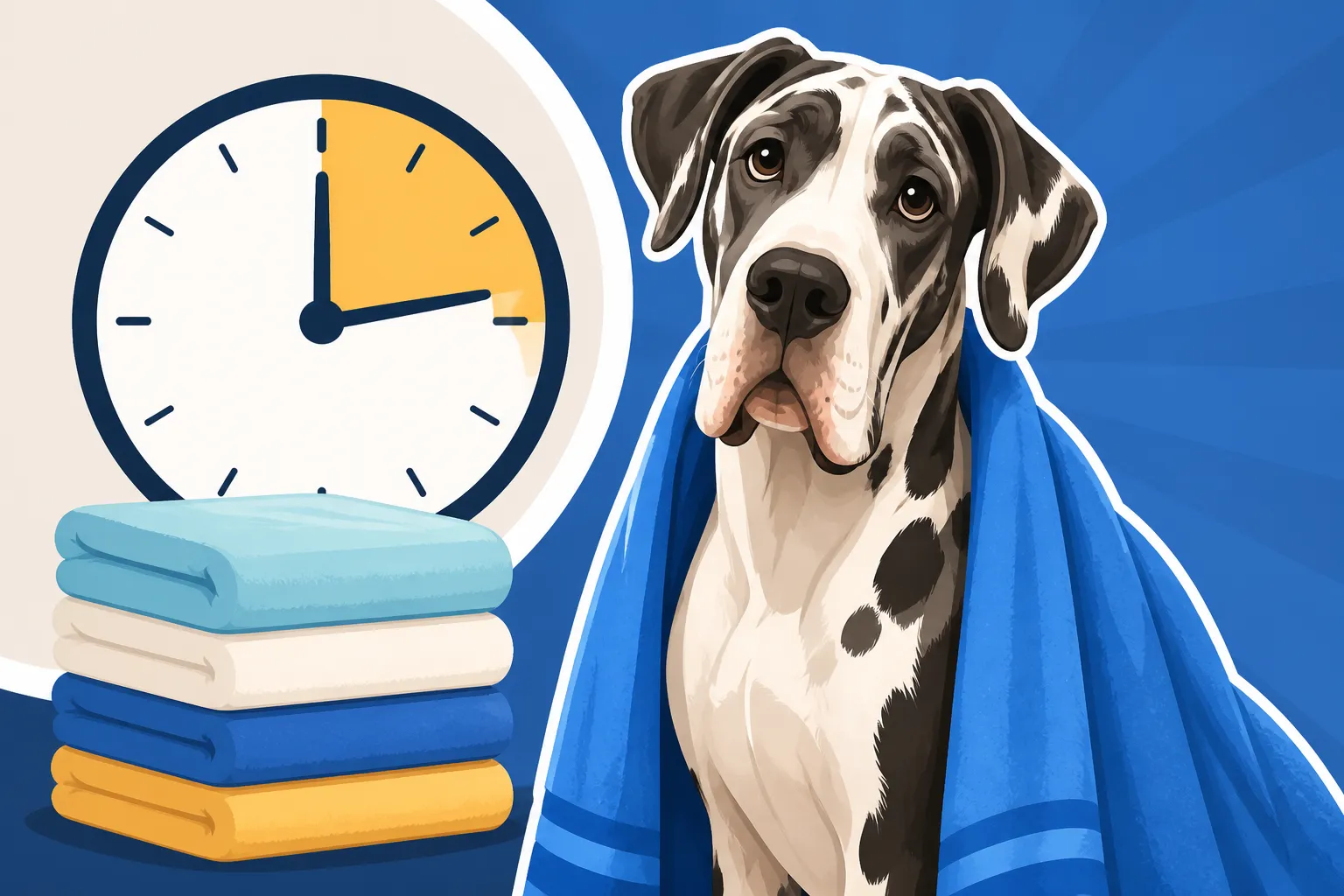
Let's not sugarcoat it: thoroughly drying a Great Dane takes time. This isn't a five-minute job. Even with the most efficient tools like high-quality microfiber towels and a forced air dryer, you should budget at least 30-60 minutes for a complete dry, and sometimes more if your Dane is particularly fluffy or prone to trapping water in their jowls and folds. If you're relying solely on towels and air-drying, you could be looking at several hours before they are truly bone dry, which, as we've discussed, isn't ideal for their skin or your home.
The time commitment isn't just physical; it's also mental. You need to be prepared to dedicate that chunk of time without interruption. Rushing the process will inevitably lead to a damp dog, a messy house, and potential skin issues. Treat it as a dedicated grooming session, perhaps put on some music, and give your Dane breaks if they get antsy. Remember, consistency in this routine will also make your Dane more cooperative over time.
Techniques for Maximum Absorption and Efficiency
To make the most of your drying time and tools, a few techniques can really boost efficiency.
First, squeeze, don't just rub. After the bath, gently but firmly squeeze water from their coat, especially from their legs, tail, and ears, before even introducing a towel. This gets rid of a lot of surface water quickly.
Second, blotting with microfiber is key. Instead of aggressively rubbing with a towel, which can mat the fur and irritate skin, gently press and blot the microfiber towel against their body. Work in sections, starting from the head and moving down. The microfibers will wick away moisture much more effectively this way. When a towel gets saturated, grab a fresh, dry one.
Third, don't forget the hidden spots. Pay extra attention to their chest, underarms, belly, groin, and paw pads. These areas are prone to holding moisture and can lead to problems if left damp. Lift their paws and spread their toes to get air in and dry thoroughly. A forced air dryer can be particularly effective in these trickier spots, allowing you to direct airflow into those tighter areas without relying on friction or heat.
Dealing with the Shake and Subsequent Mess
Ah, the "Great Dane Shake"—a phenomenon that can turn a freshly cleaned bathroom into a disaster zone in a split second. Great Danes love to shake, and after a bath, it's an instinct they simply cannot suppress. This is where strategic planning comes in.
If possible, dry your Dane in an area that's easy to clean or where mess isn't an issue. A large walk-in shower, a tiled utility room, or even outdoors on a warm day are ideal. If you're indoors, quickly apply that drying robe or coat mentioned earlier the moment they step out of the tub. This will capture the majority of the initial water blast.
If you don't have a robe, hold a large microfiber towel firmly over their back and sides as they shake. This can help contain some of the spray. Once the initial big shakes are done, you can proceed with the more detailed towel-drying. Having a few "sacrificial" old sheets or towels on the floor can also absorb some of the runoff and make cleanup easier. Remember, validation is key here—they're not doing it to spite you; it's just what dogs do!
Preventing Skin Issues and Hot Spots from Incomplete Drying
Incomplete drying isn't just annoying; it can pose real health risks for your Great Dane. Moisture trapped against the skin, especially in areas with skin folds or thicker fur, creates a warm, humid environment that is perfect for bacterial and yeast growth. This can lead to various skin conditions.
One common issue is dermatitis, which presents as red, itchy, and irritated skin. Another concern is "hot spots" (acute moist dermatitis), which are rapidly developing, painful skin lesions that can become infected very quickly. These often occur in areas where moisture lingers, or where the dog might chew or scratch due to irritation.
To prevent these, thorough drying is paramount. Use your fingers to fluff the coat and ensure air can reach the skin. Check for any dampness remaining. If you notice any redness, flaking, or a yeasty smell, contact your vet, as it might be a sign of a developing skin issue. Regularly checking their Great Dane Skin Folds and Pressure Points and ensuring they are dry is a proactive step in preventing these uncomfortable problems. Proper drying is just as important as proper Bathing a Great Dane at Home.
Making the Drying Process Easier for You and Your Dane
While drying a Great Dane will always be an endeavor, there are definitely ways to streamline the process, reduce stress for both of you, and make it a more tolerable, even enjoyable, part of your routine.
Pre-Bath Preparation for a Smoother Experience
A smooth drying process actually starts before the bath even begins. Taking a few preparatory steps can significantly impact how easy (or hard) the post-bath drying will be.
First, a thorough brush-out before the bath is non-negotiable. Using a suitable brush, like The Brush That Covers a Great Dane Fastest, to remove loose hair, tangles, and dirt can help water penetrate the coat evenly and, crucially, allows water to be squeezed out more easily. Matted or tangled fur holds onto water like a sponge. Secondly, gather all your drying supplies beforehand. This means having your stack of microfiber towels ready, your drying robe laid out, and your forced air dryer (if using one) plugged in and within reach. You don't want to be scrambling for a towel while your soaking wet Dane decides to explore the house.
Another great tip is to have some high-value treats on hand. Positive reinforcement is key to making bath and dry time a less stressful experience for your Dane. A few tasty rewards during and after the drying process can create positive associations and encourage cooperation.
Establishing a Post-Bath Routine Setup
Consistency is your best friend when it comes to grooming a Great Dane. Establishing a clear post-bath routine helps your dog understand what's expected and can reduce anxiety. Designate a specific drying zone – perhaps a large utility room, a tiled bathroom, or a secure outdoor area if the weather permits. This helps contain the mess and signals to your Dane that "this is where we dry."
Once out of the tub, immediately move to this drying zone. Start with the most absorbent towels, blotting and squeezing water off their body, paying close attention to their head, ears, and underbelly. If you're using a drying robe, put it on at this stage. If you're using a forced air dryer, introduce it calmly. Keep your voice soothing and positive throughout the entire process. Don't rush; take your time. A calm owner usually leads to a calmer dog.
Training Your Dane for Drying Cooperation
From the moment they are puppies, you can start training your Great Dane to tolerate and even enjoy the drying process. Desensitization and positive reinforcement are your most powerful tools.
Start by simply handling their feet, ears, and tail regularly, even when they're not wet. Praise and reward them for allowing you to do this. Introduce the sound of the forced air dryer gradually. Turn it on in another room while your Dane is relaxed, rewarding them for calm behavior. Slowly move it closer over several sessions until they are comfortable with it being on in the same room, then eventually directed at them, always with low force and cool air initially.
During actual drying, use plenty of praise and treats. Break the drying into short sessions if needed, especially with a young or nervous Dane. If they're tolerating a specific area being dried, reward them generously. Over time, they'll learn that drying isn't scary, and often, it ends with a treat and praise. This kind of consistent positive training can turn a wrestling match into a manageable bonding activity. You'll thank yourself later when you're trying to trim Nail Length and How a Great Dane Stands or clean their ears!
Essential Tools and Their Benefits
Beyond microfiber towels and forced air dryers, a few other items can make your life much easier:
- Non-Slip Bath Mats: In the tub or shower, a good non-slip mat prevents slips and slides, making the bath safer and less stressful for your Dane. You can find large, heavy-duty mats on Chewy.
- High-Volume Water Vacuums: For serious wet dog clean-up, a wet/dry shop vac can be invaluable for quickly sucking up puddles and loose hair from floors, saving your household vacuum from damage.
- Designated Dog Towel Storage: Keep your dog-specific towels separate from your human towels. A basket or hook near the bathing area, perhaps even a dedicated shelf on Amazon, makes them easy to grab.
- Grooming Table (Optional): For smaller Great Danes or very patient ones, a large, sturdy grooming table can save your back during drying. Ensure it's appropriately sized and stable.
- Ear Cleaning Solution: While drying, it’s a great time to clean those ears, especially if they hang low. Preventing ear infections is just another part of overall hygiene.
By investing in the right tools and patiently establishing a routine, you can transform the daunting task of drying your Great Dane into a much more manageable part of their care.
| Drying Method | Pros | Cons | Best Use Case |
|---|---|---|---|
| Traditional Cotton Towels | Readily available, inexpensive | Get saturated quickly, less absorbent, heavy when wet, time-consuming | Initial blotting for very wet Danes, floor protection |
| Microfiber Towels | Highly absorbent, quick-drying, lightweight, gentle on coat | Can be more expensive than cotton, requires specific washing care | Primary drying tool for efficient water removal |
| Absorbent Drying Robes | Contains initial shake, absorbs residual water, keeps dog warm | Dane must tolerate wearing it, can feel bulky for some dogs | Containing mess post-bath, after a rainy walk |
| Forced Air Pet Dryers | Very fast, penetrates dense coats, prevents skin issues, no heat | Can be noisy (requires desensitization), initial cost investment | Thorough drying down to the skin, faster drying |
| Natural Air Drying | No equipment needed, quiet, free | Very slow for large dogs, risk of chills, skin issues, wet dog smell | Final stage after thorough towel/dryer use, light dampness |
Disclaimer
This article is for general informational purposes only and does not constitute professional advice. Laws, prices and regulations vary by location and change over time. Consult a qualified professional for guidance on your specific situation.